- SHARE


Many travelers pass through Odawara on their way from Shinjuku to Hakone-Yumoto without stopping to explore. On my latest trip, however, I decided to spend some time discovering the city before continuing into the mountains.
Often known as the gateway to Hakone, this historic castle town has its own local cuisine, history, and cultural experiences well worth discovering.
Using the Hakone Freepass made it easy to combine a visit to Odawara and Hakone into one trip. The pass covered regular transportation along the route, while I only needed to purchase a separate limited-express ticket for my reserved Romancecar seat.
Here's how I spent a relaxing day in Odawara before continuing to Hakone.
Starting the Journey from Shinjuku
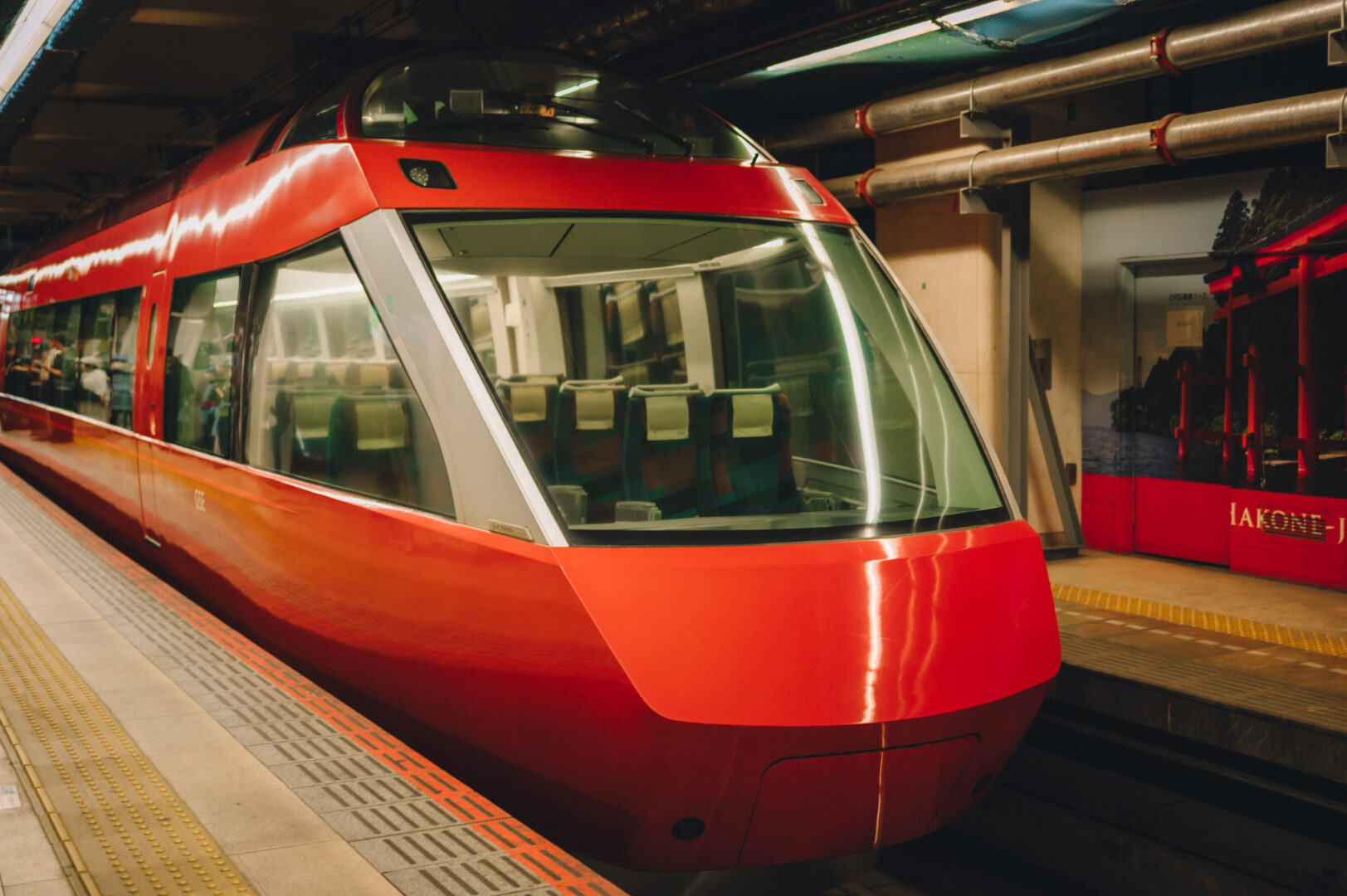
My day began at Shinjuku Station, where I boarded the Odakyu Romancecar via the Odakyu Line to Odawara.
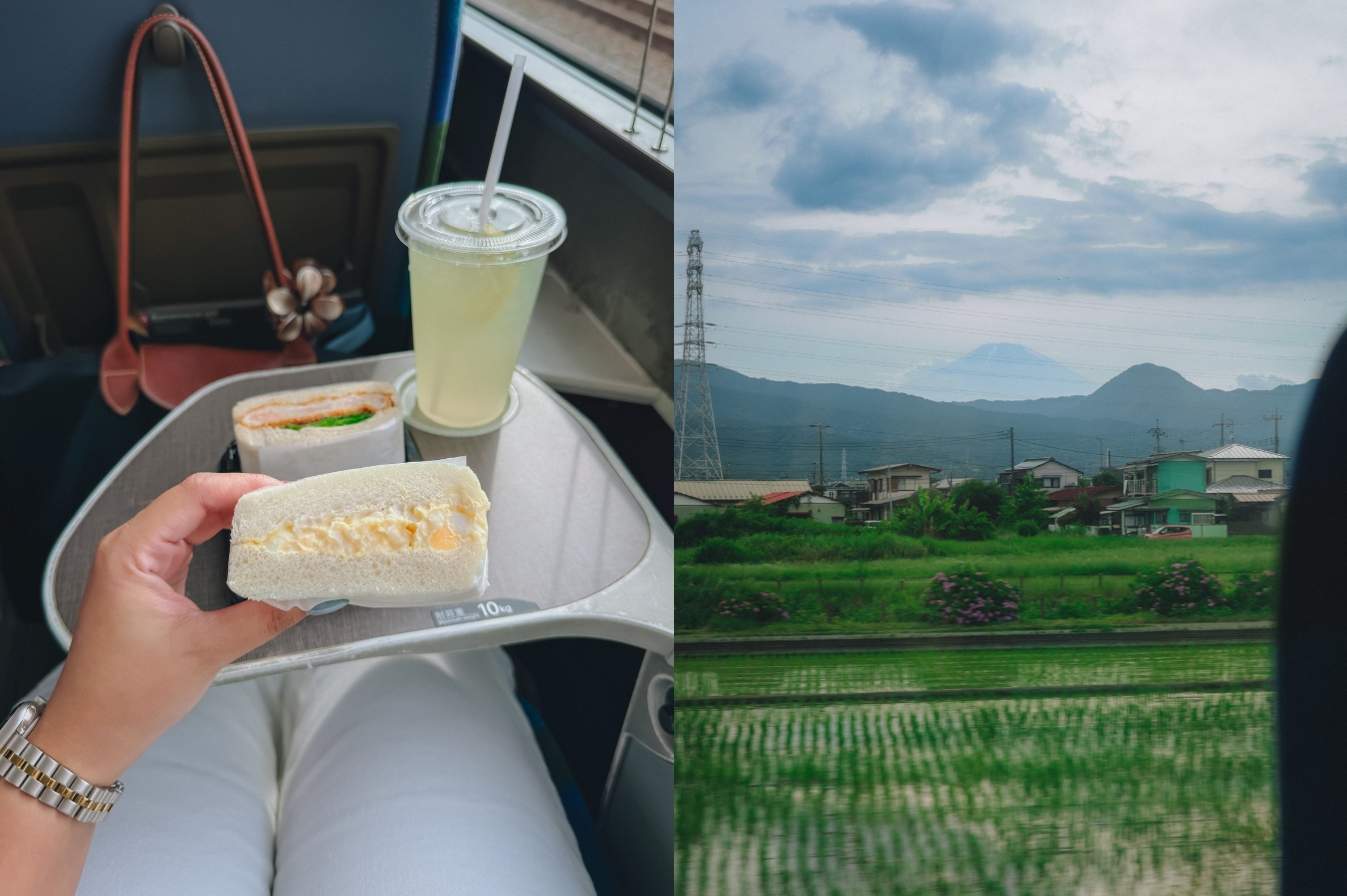
Since I was catching a morning train, I picked up breakfast before boarding and enjoyed it on the way. The spacious reserved seat and fold-out table made it easy to relax over a meal while watching the scenery gradually change outside the window. On a clear day, you can even catch a glimpse of Mount Fuji as the train approaches Odawara, making the journey itself part of the experience.
In around 80 minutes, I arrived in Odawara feeling refreshed rather than rushed. Since I was using the Hakone Freepass, the regular fare between Shinjuku and Odawara was covered. I only needed to pay the additional limited express fare for my reserved Romancecar seat. One of the things I liked about using the Hakone Freepass was the flexibility it gave me in Odawara. Since the pass allows passengers to exit and re-enter Odawara Station, I could take my time exploring the city before continuing toward Hakone without needing to purchase another ticket.
Get your digital ticket for the Limited Express Romancecar
Get your digital ticket for Hakone Freepass
Hachimanyama Fort
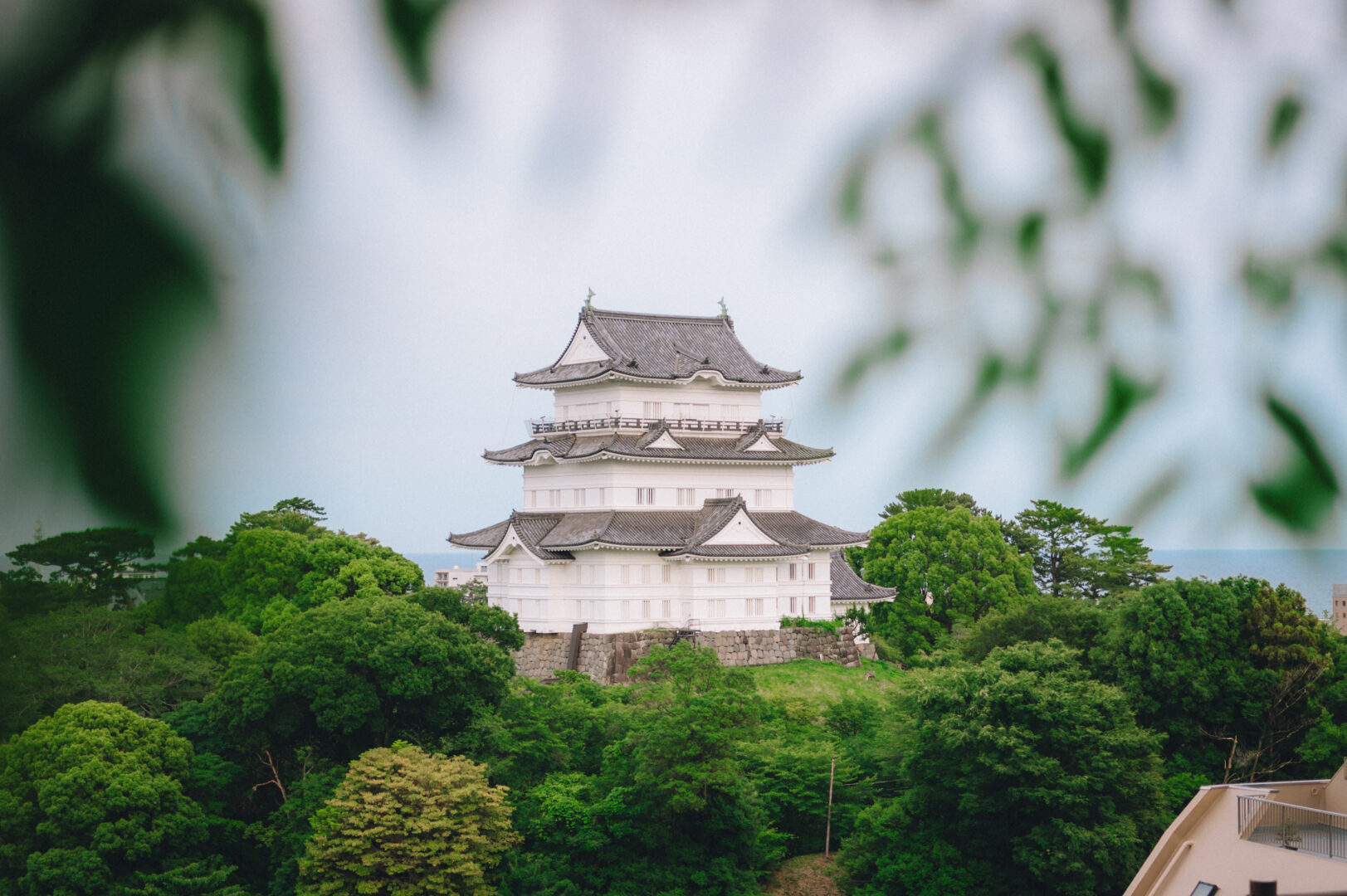
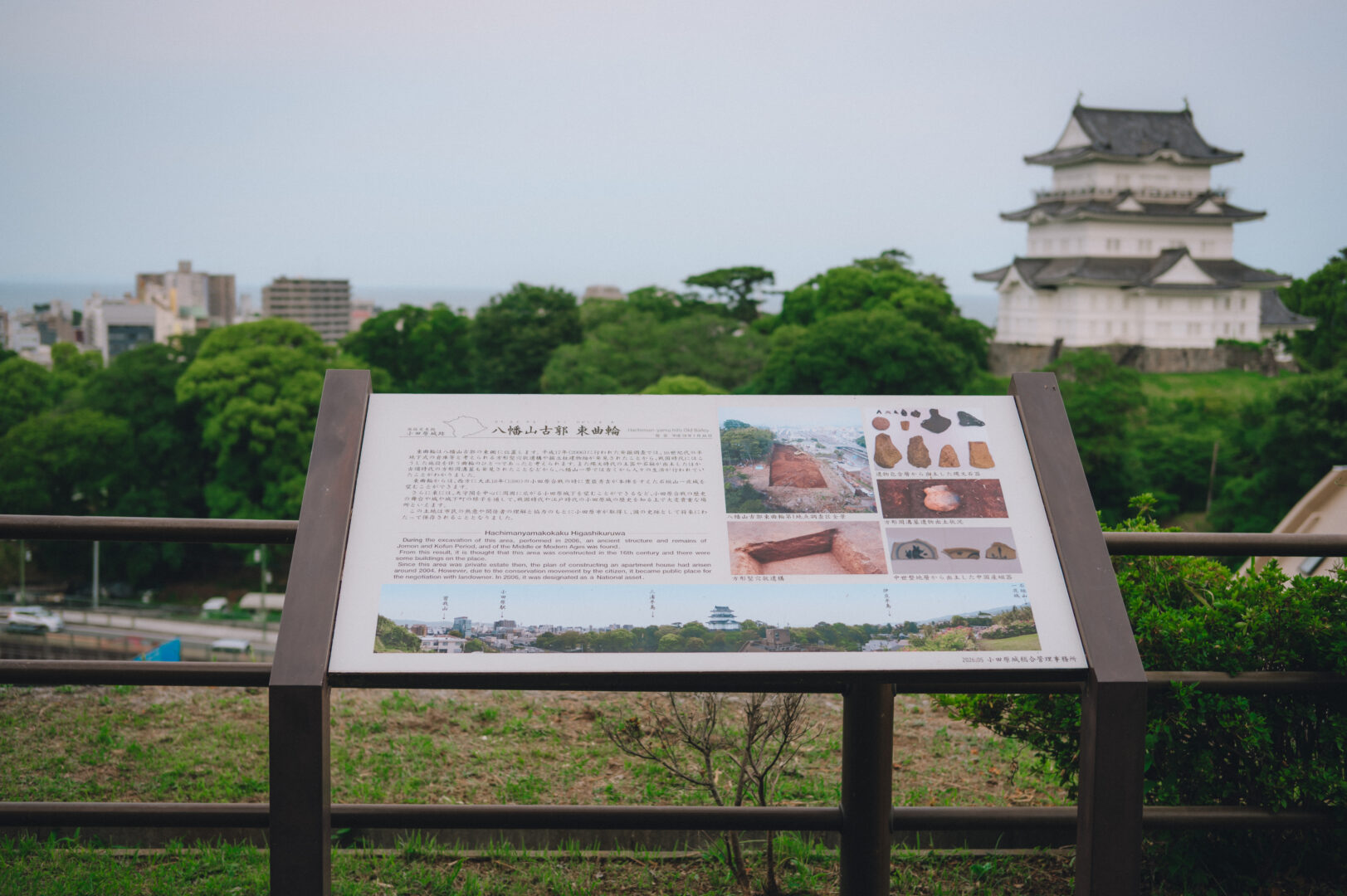
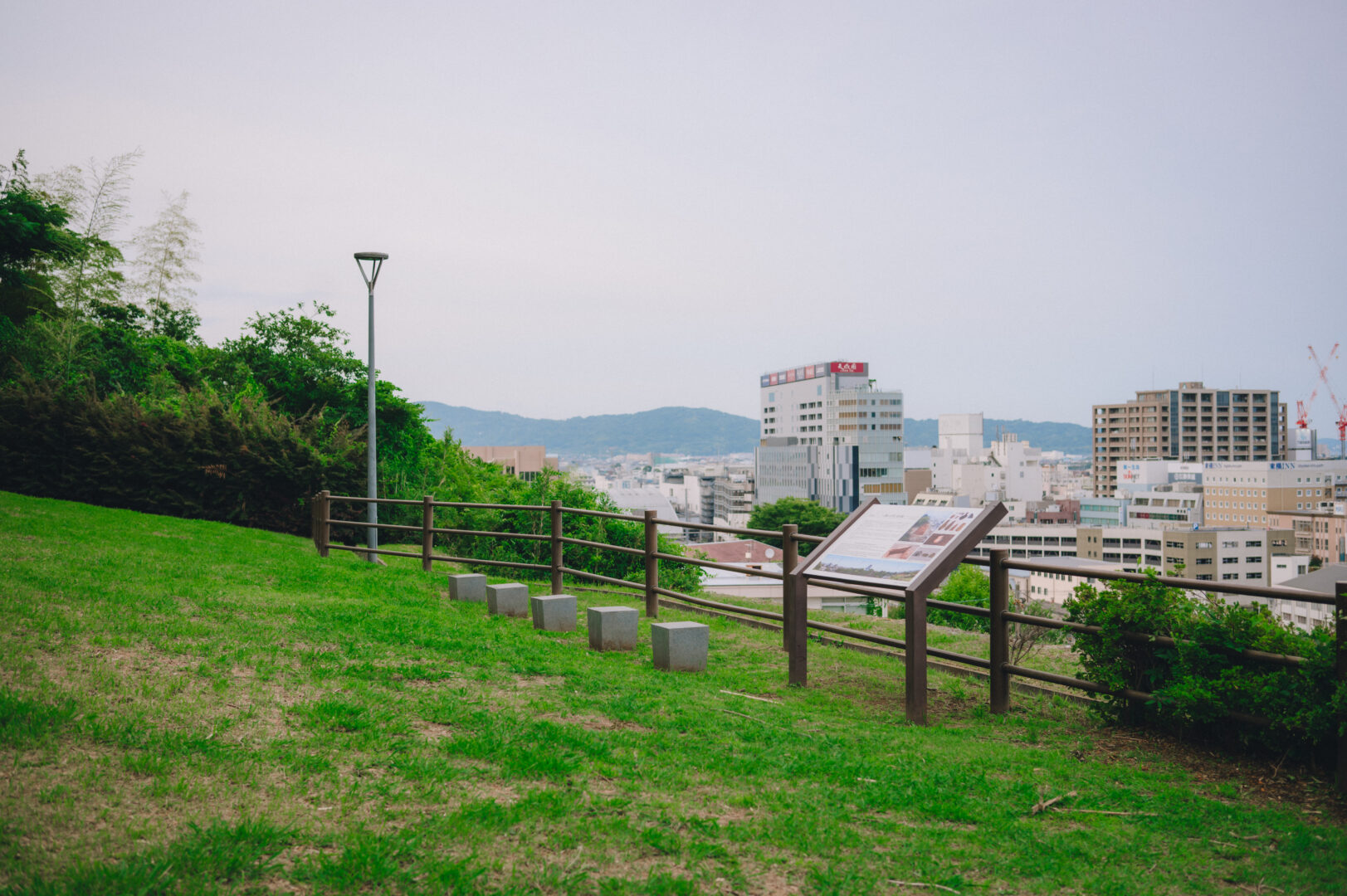
My first stop was Hachimanyama Fort, a quiet hilltop viewpoint overlooking Odawara.
After climbing the stairs, I was rewarded with a panoramic view of Odawara Castle, the town below, and even the ocean in the distance. Seeing the castle from above gave me a better appreciation of why Odawara was once such an important castle town.
What surprised me most was how peaceful it was. Even though it’s just a short distance from the city center, I had the viewpoint all to myself. It felt like one of Odawara’s hidden gems and was the perfect place to slow down before continuing the day.
From there, I headed to lunch at one of Odawara’s most beautiful historic buildings.
Lunch at Seikantei Hachimanyama Fort
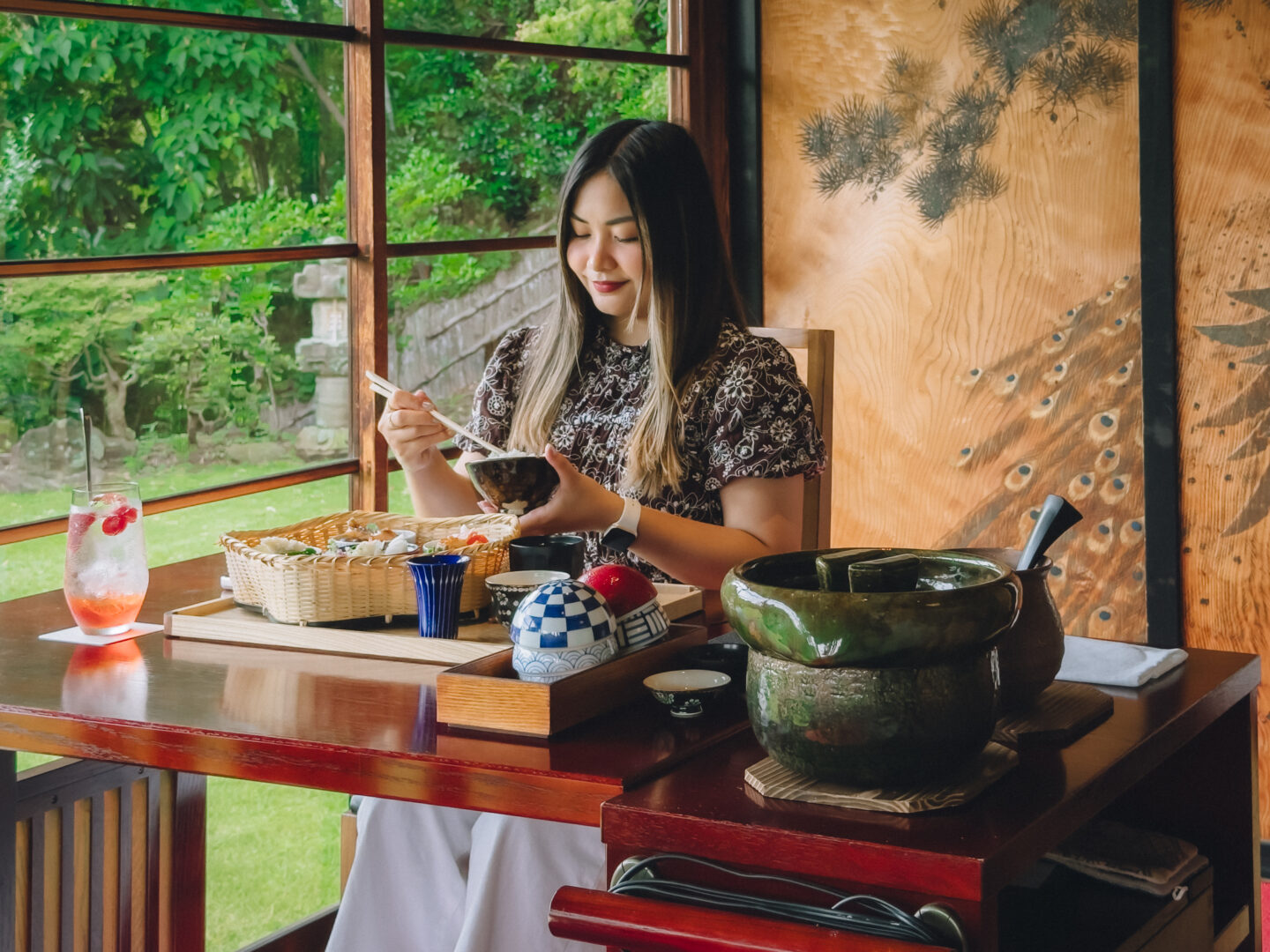
My next stop was Seikantei, the former villa of Marquis Kuroda Nagashige, built around 1906 and now registered as a National Tangible Cultural Property.
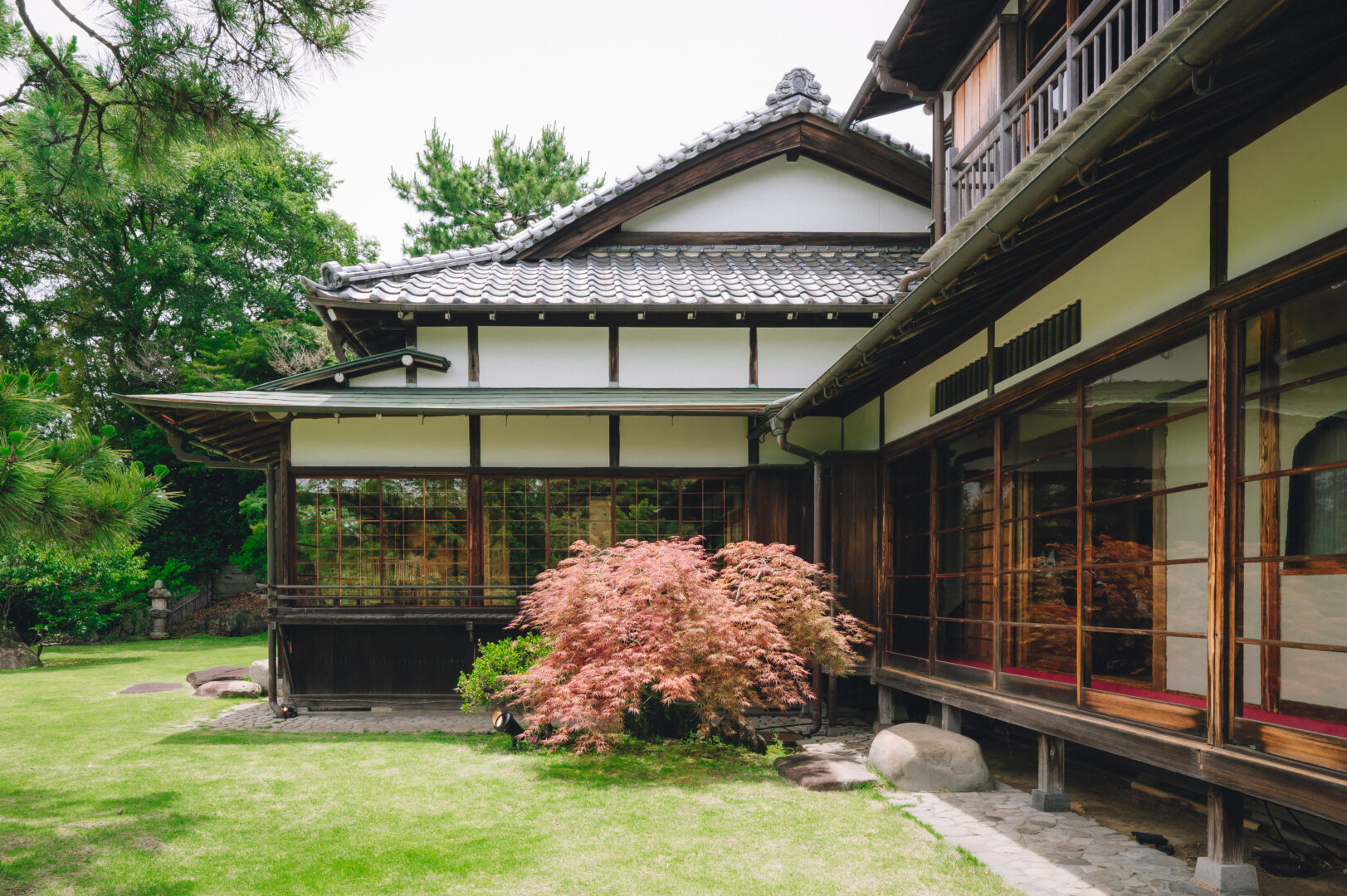
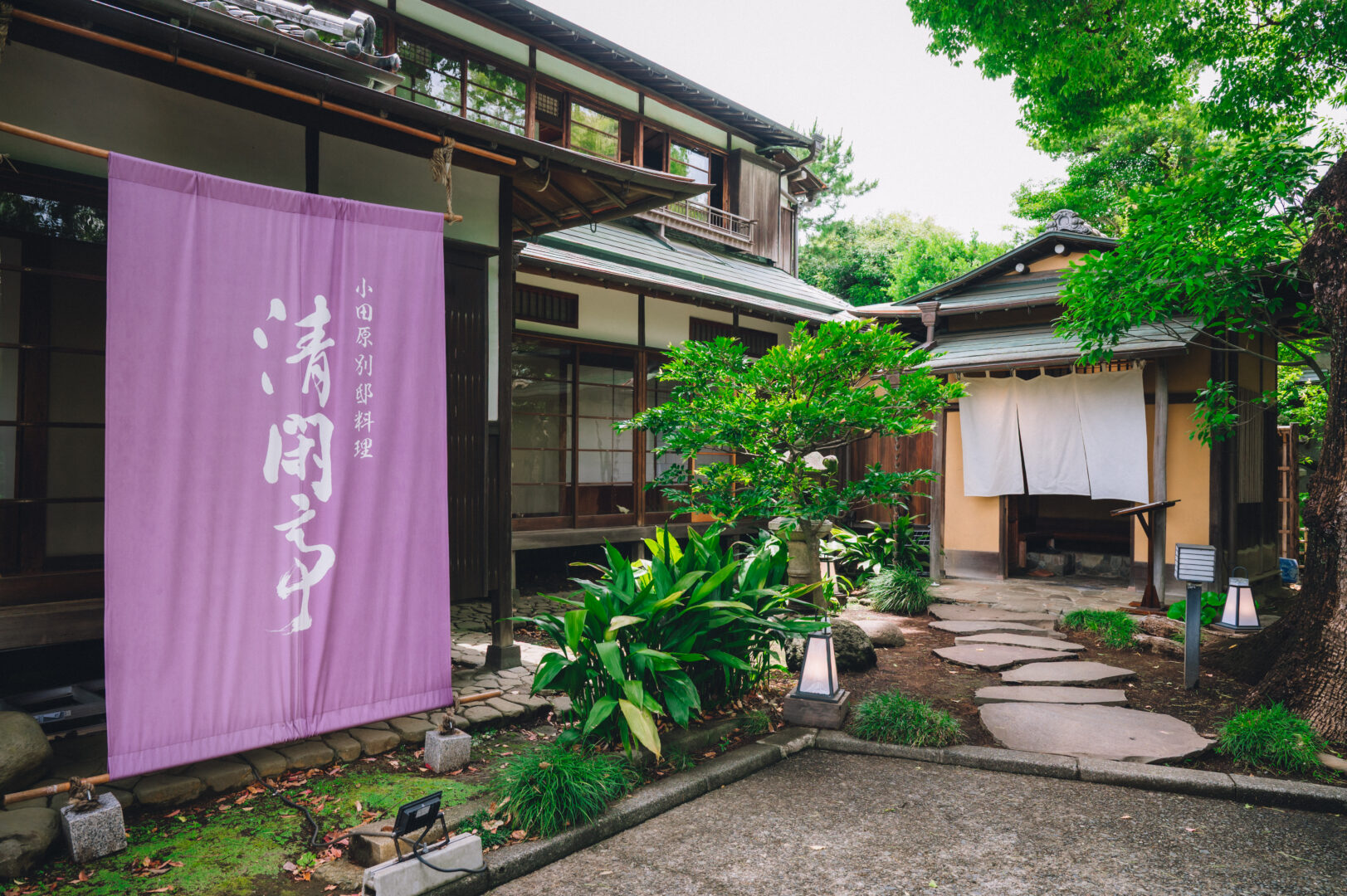
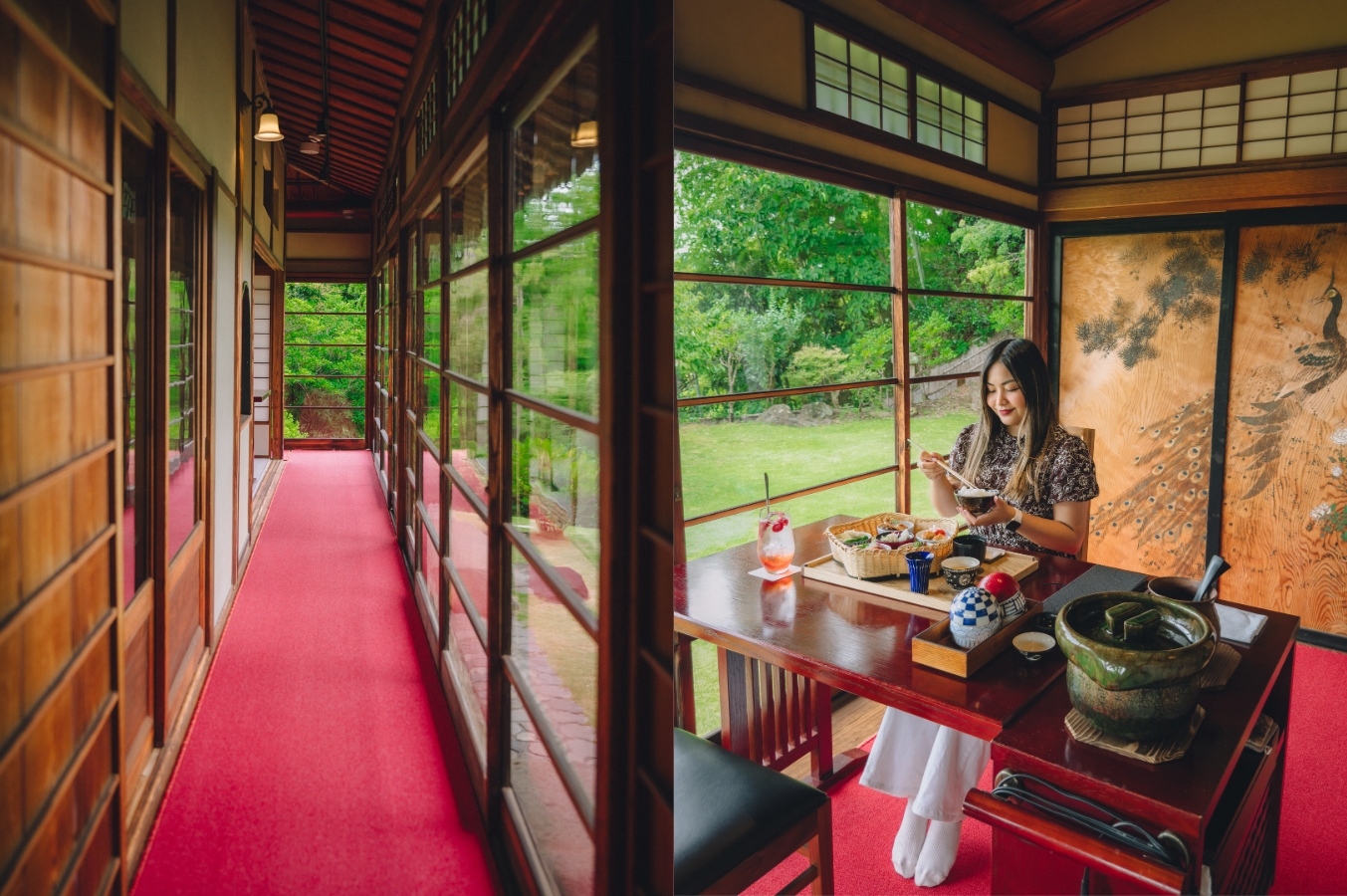
Before lunch, I joined a complimentary guided tour of the property, which gave me a deeper appreciation of its history and beautifully preserved architecture. Walking through the elegant rooms and gardens made it easy to imagine what life was like here during the Meiji era.
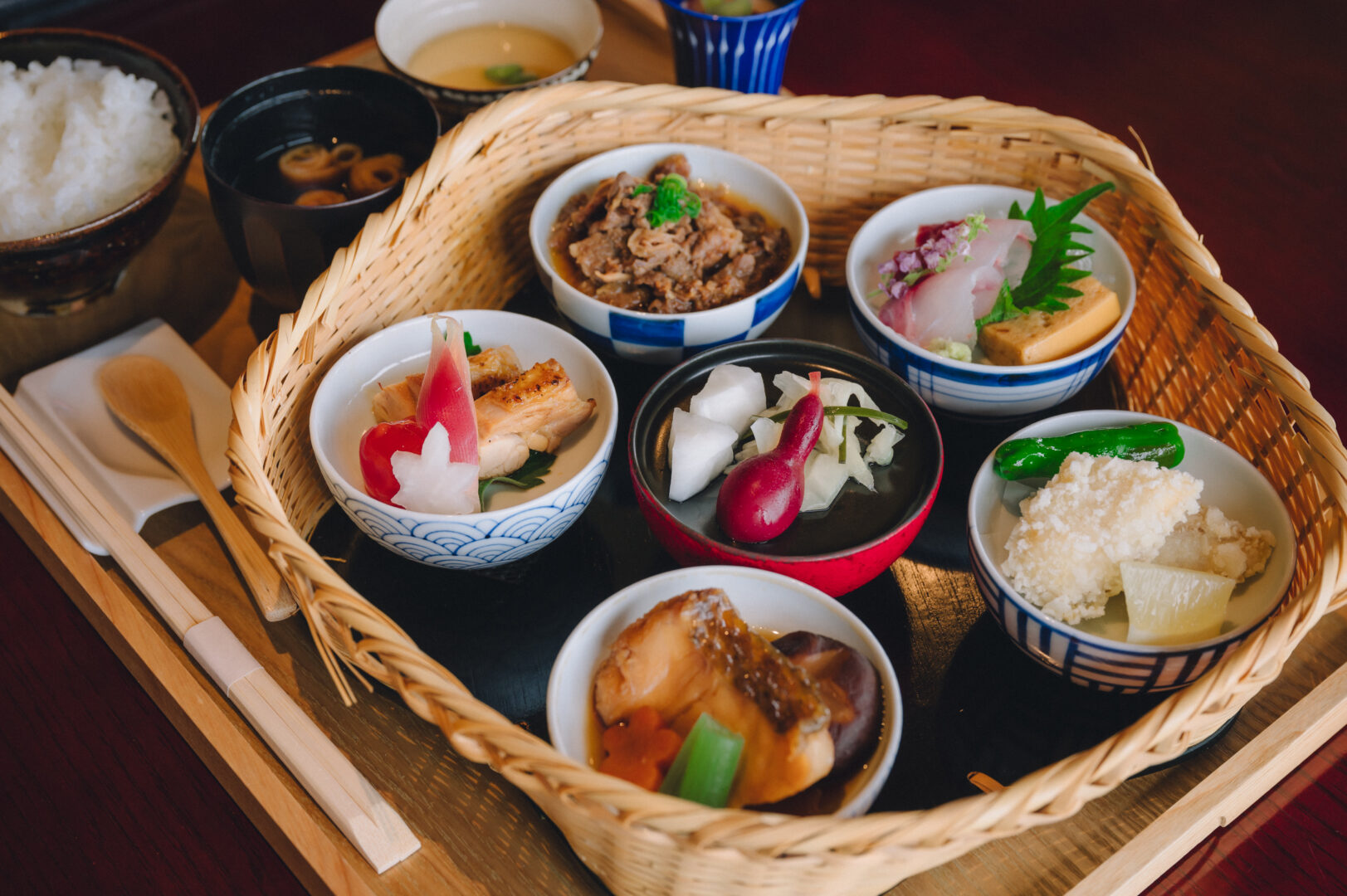
For lunch, I enjoyed the Tamagozen, a set meal that showcases Japanese cuisine through the five basic cooking methods: raw, simmered, grilled, steamed, and fried. Each dish was thoughtfully prepared, highlighting seasonal ingredients and the delicate flavors of traditional Japanese cooking.
If you’re planning to visit, I highly recommend making a reservation in advance, especially on weekends, as seats can fill up quickly.
From Odawara to Kazamatsuri
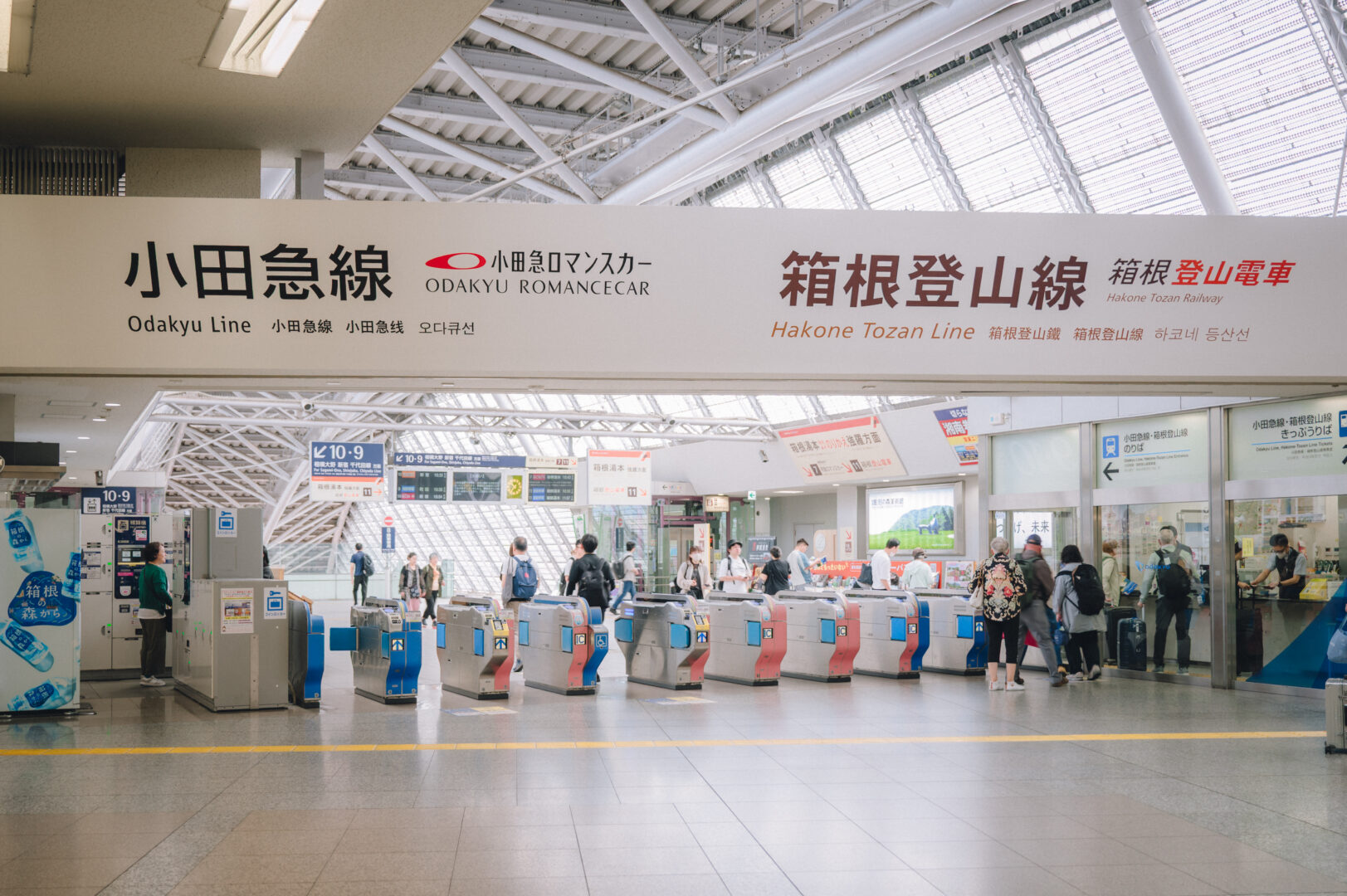
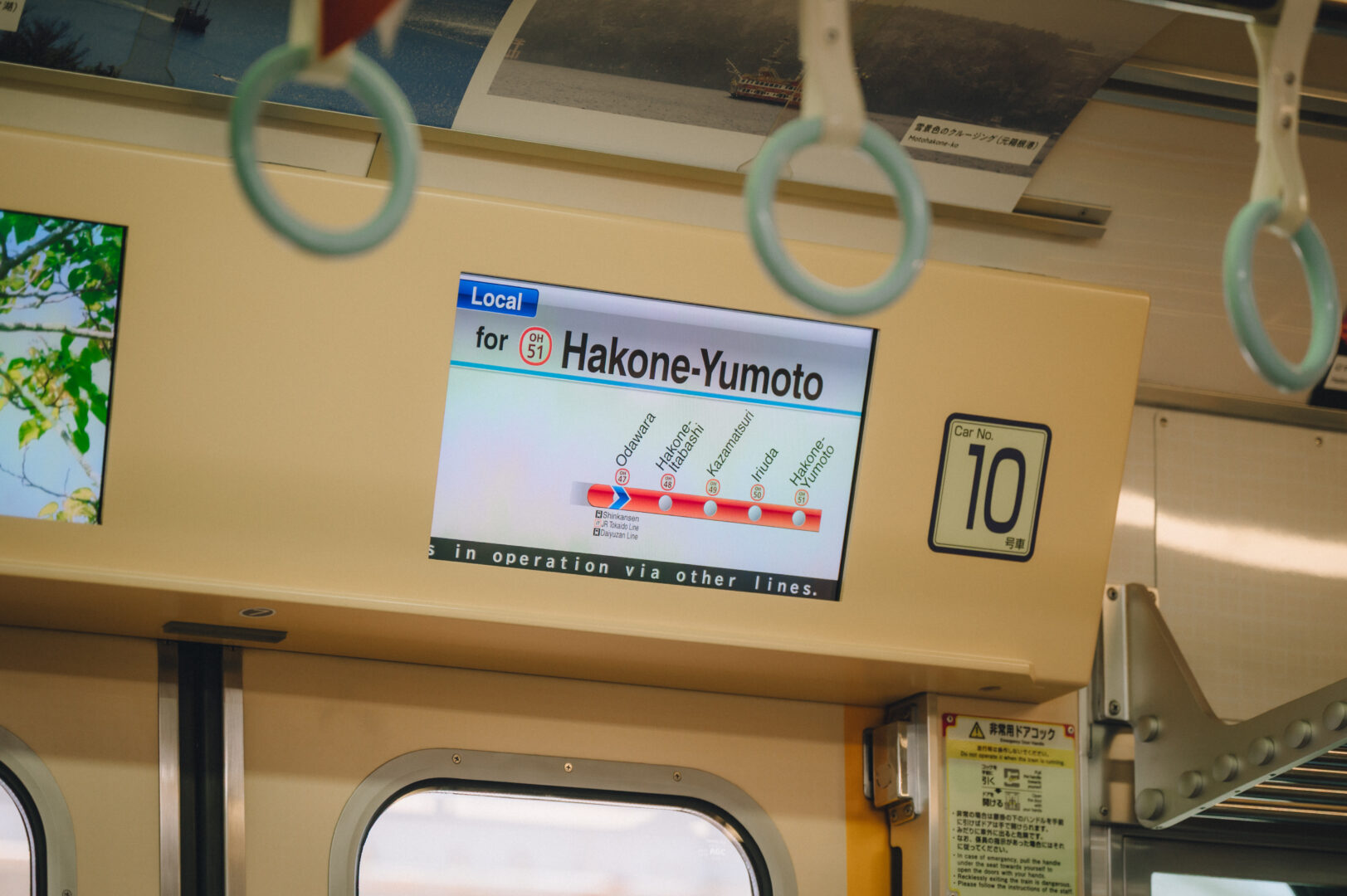
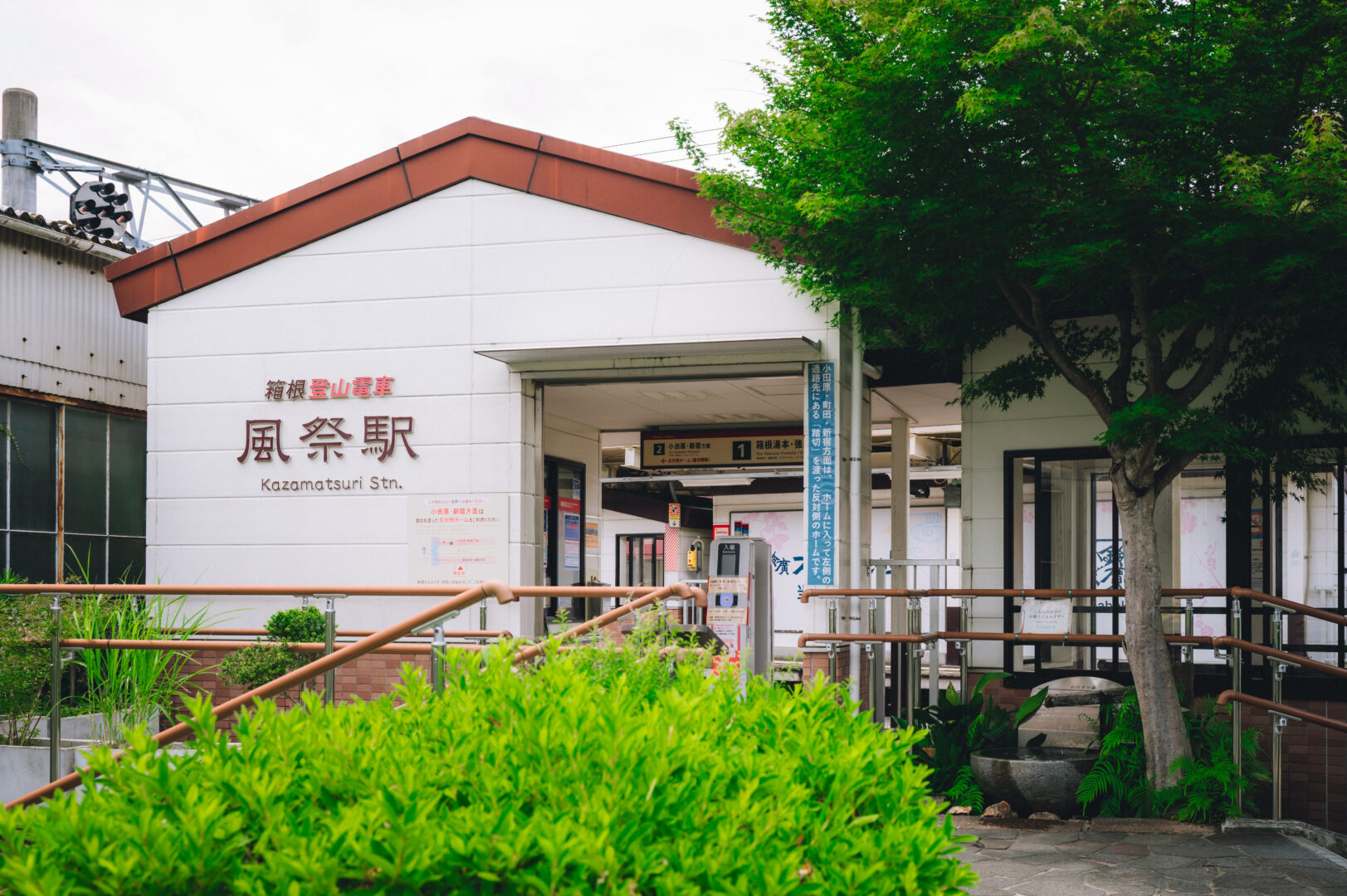
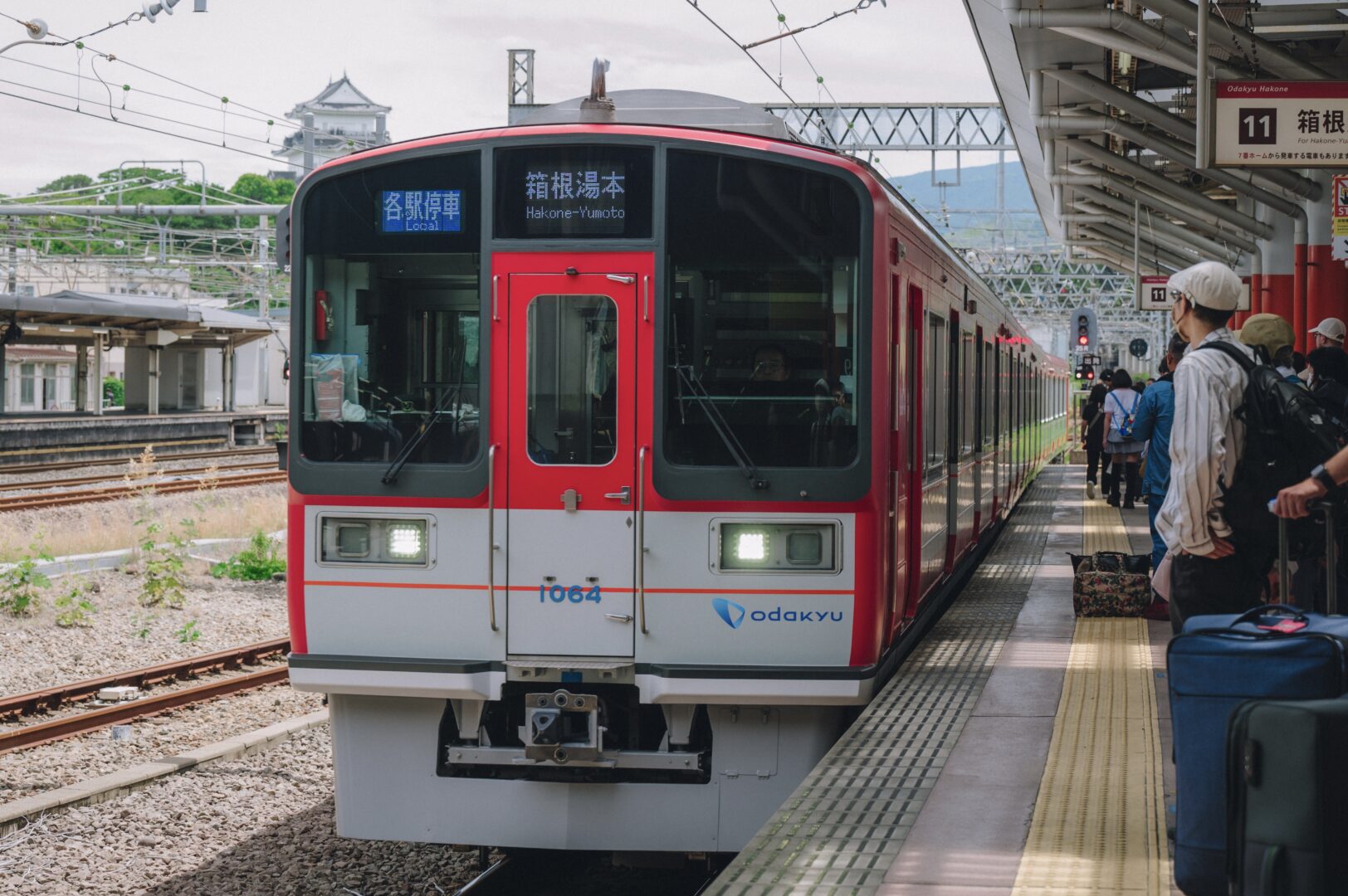
After lunch, I returned to Odawara Station and took the Hakone Tozan Train to Kazamatsuri. This section of the journey was covered by the Hakone Freepass, so I did not need to purchase a separate ticket. As the train left central Odawara, the scenery gradually became greener, creating a natural transition toward the mountains of Hakone.
A Hands-On Experience at Suzuhiro Kamaboko Village
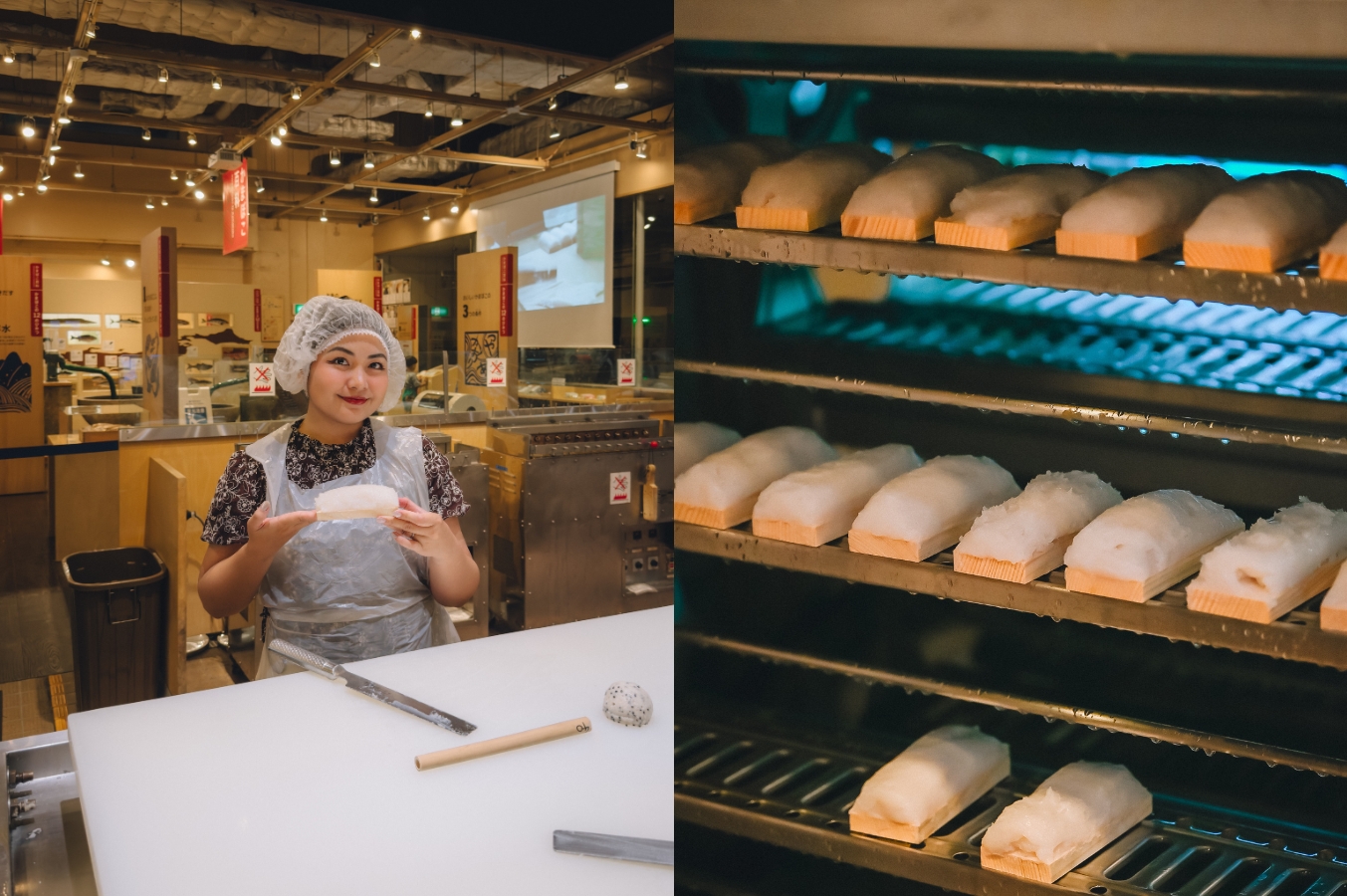
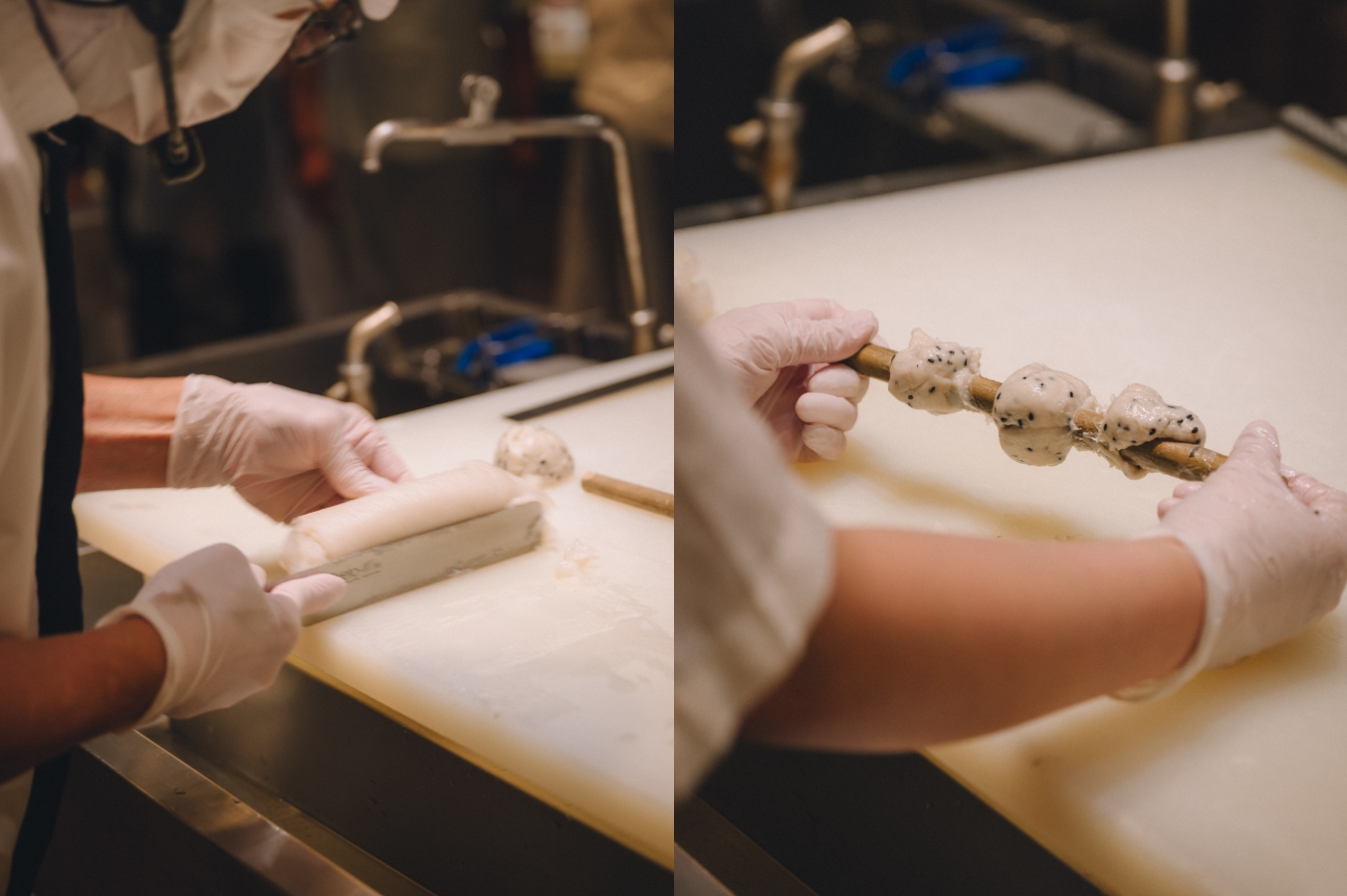
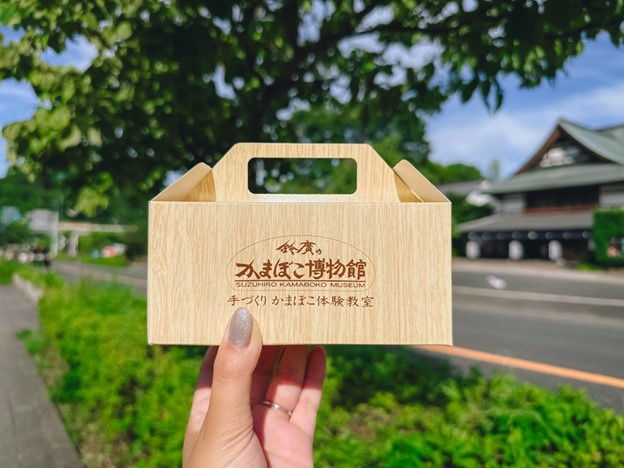
Just a short walk from Kazamatsuri Station is Suzuhiro Kamaboko Village, where I joined a workshop to make two of Odawara’s best-known local specialties: kamaboko and chikuwa.
Kamaboko has a long history in Odawara, where access to fresh fish from Sagami Bay and mineral-rich water flowing from the Hakone mountains helped create its distinctive texture and flavor. As Odawara developed as an important castle town and transportation hub, kamaboko also became a popular local food for travelers passing through the area.
The instructors guided us through each step, from shaping the fish paste into kamaboko to wrapping it around a stick to make chikuwa before grilling it. It looked much easier than it actually was, and I quickly gained a new appreciation for the skill involved in making these traditional foods.
After the workshop, my freshly made kamaboko needed about an hour to finish cooking before I could take it home, so it was the perfect opportunity to explore a little more.
A Coffee Break at Cafe 107
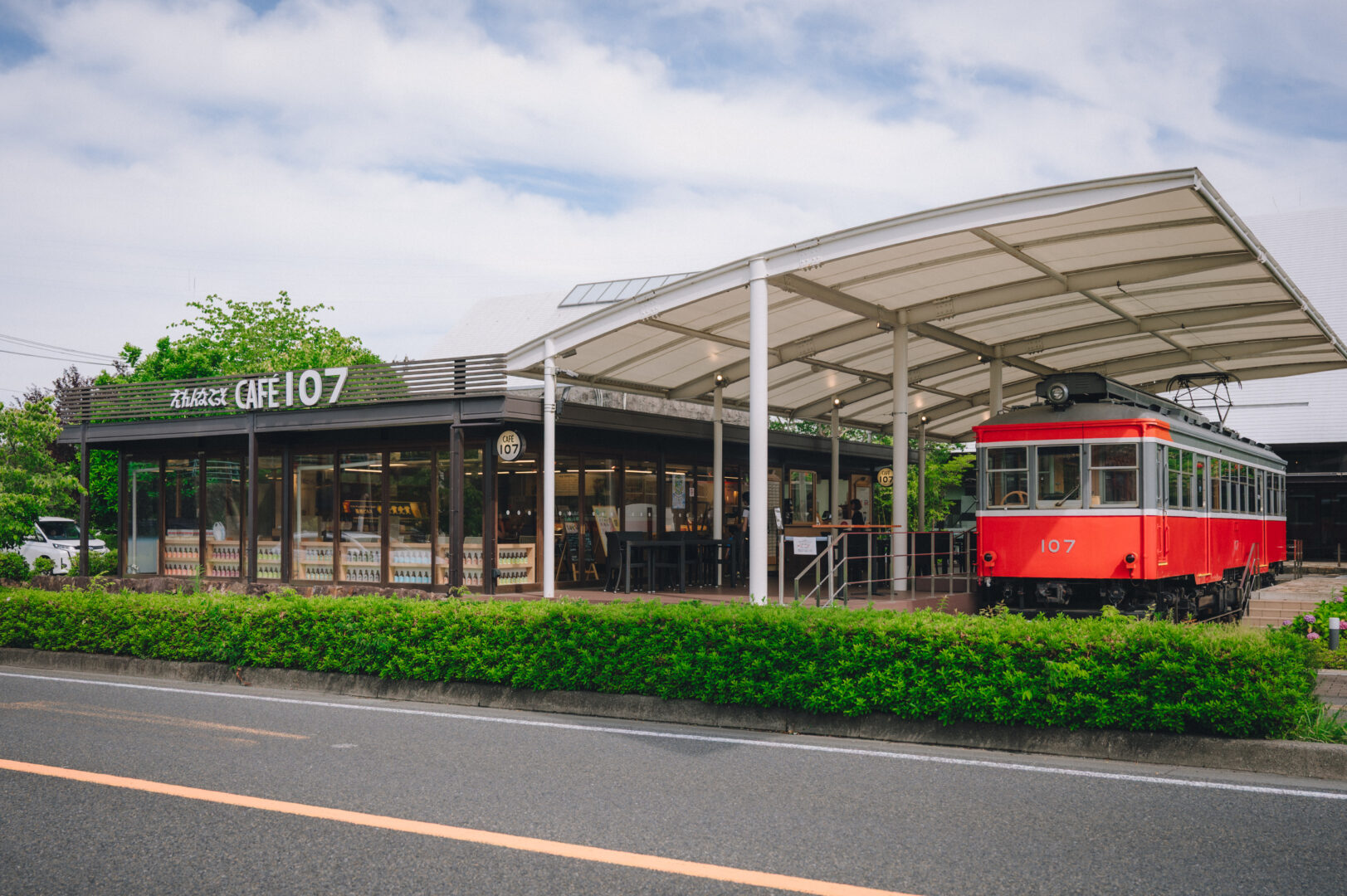
While waiting for my kamaboko to finish cooking, I stopped by Cafe 107 for a coffee break.
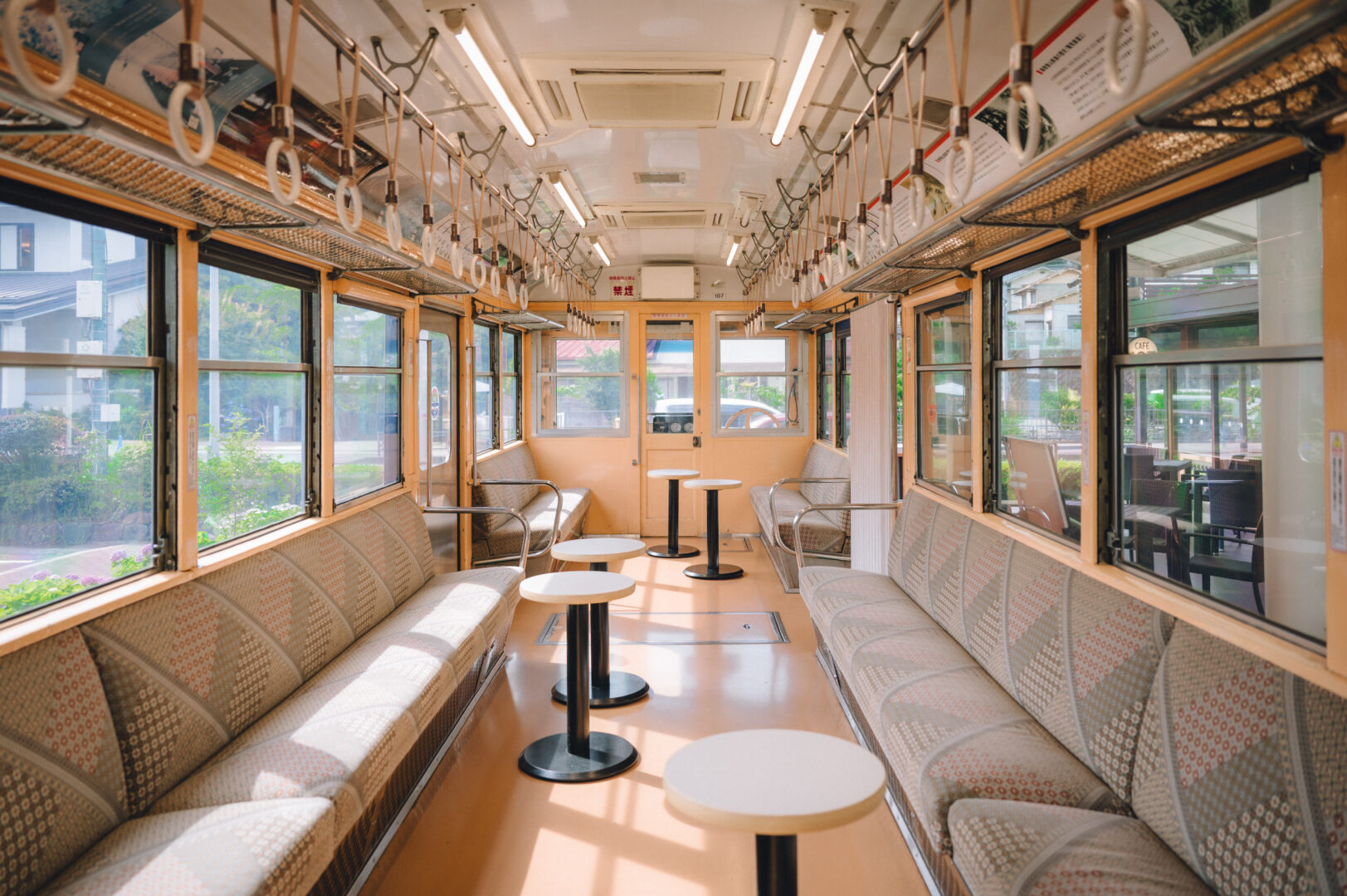
The cafe is housed inside a retired Hakone Tozan Train carriage, creating a cozy space that celebrates the area’s railway heritage. Sitting inside the restored train while enjoying a drink felt like a fitting stop before continuing my journey along the Hakone Tozan Train.
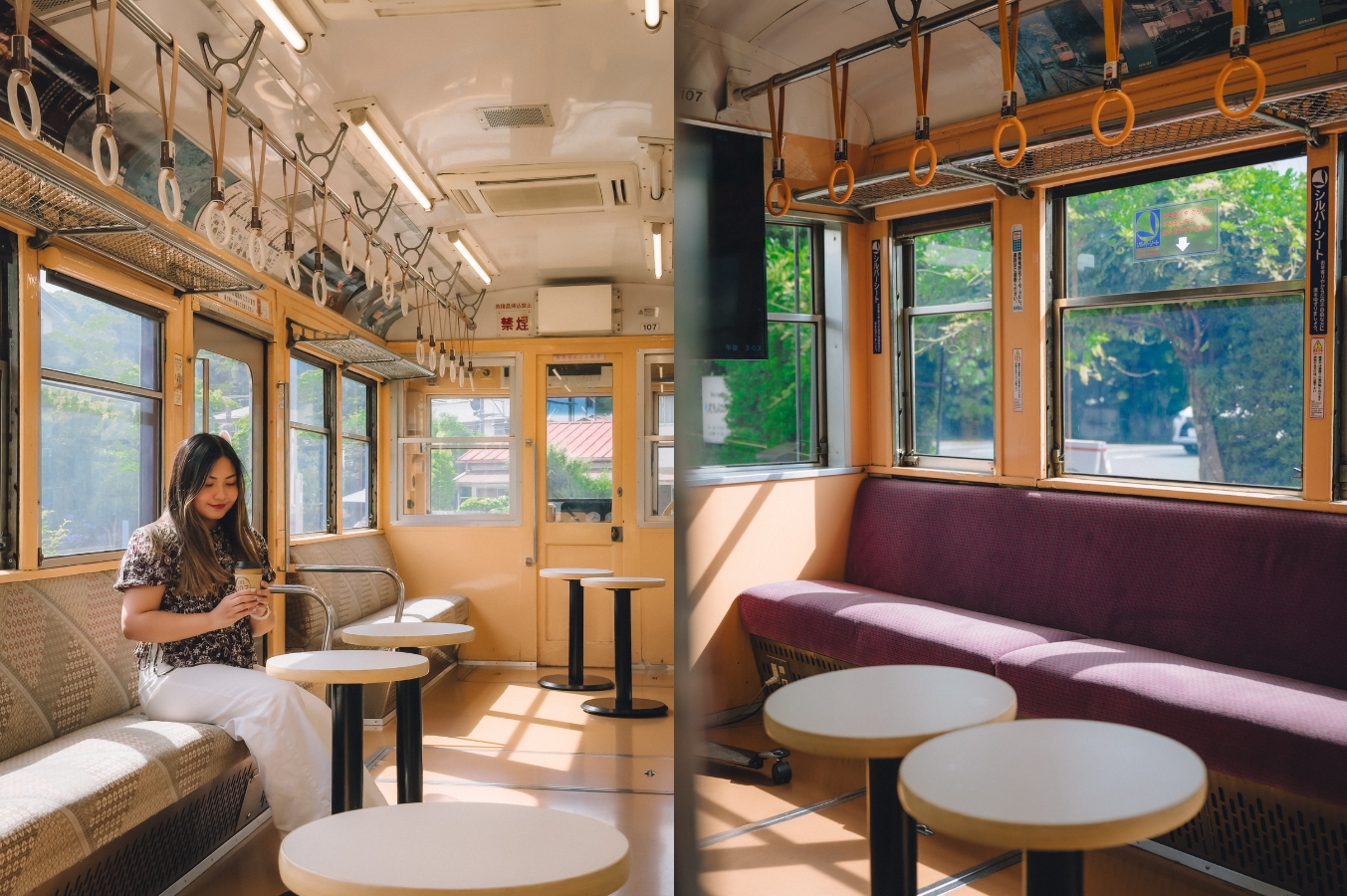
By the time I finished my coffee, my kamaboko was ready to pick up, making the timing work out perfectly.
Continuing to Hakone-Yumoto
With my freshly made kamaboko in hand, I returned to Kazamatsuri Station and boarded the Hakone Tozan Train once again for the short journey to Hakone-Yumoto.
From Hakone-Yumoto, you can continue deeper into Hakone to enjoy hot springs, mountain scenery, museums, scenic trains, and the classic Hakone Loop. For a more relaxed trip, I recommend staying for at least one night rather than trying to fit everything into a single day.
For more ideas on what to see and how to plan your route, check this guide to exploring Hakone.
From quiet historical viewpoints and elegant Meiji-era architecture to hands-on food experiences and nostalgic railway cafés, Odawara offers plenty to discover before heading into the mountains.
I enjoyed how naturally each stop connected by public transportation, making the journey feel just as rewarding as the destinations themselves. With the Romancecar, the Hakone Tozan Train, and the Hakone Freepass linking the route, exploring Odawara was both easy and relaxing. Afterward, you can travel farther into Hakone for an overnight stay or take the Romancecar back to Shinjuku, depending on your itinerary.
When planning a trip from Tokyo to Hakone, consider setting aside a few hours to explore Odawara along the way. It is an easy way to experience the area’s history, local culture, and cuisine before beginning the next part of your journey.