Shinjuku to Hakone Loop: Explore Kaisei & Odawara, Return in Comfort on the Romancecar
- SHARE


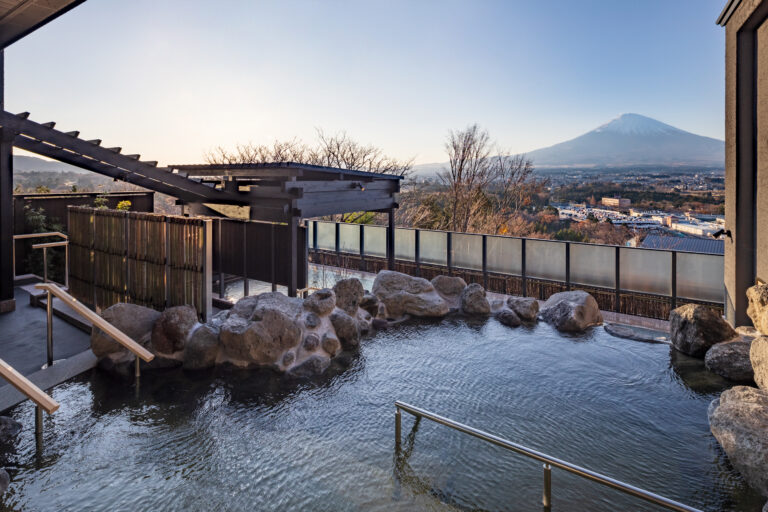
Hakone is a favorite getaway from Tokyo. Thanks to the Odakyu Romancecar, you can go directly from Shinjuku to Hakone in about 80 minutes for hot springs, mountain scenery, and museums. But before the mountains, there’s a quieter side of the region worth exploring.
For this trip, I followed a smooth loop-style route: Shinjuku → Shin-Matsuda / Kaisei → Hakone Loop → Odawara → Shinjuku.
Instead of going straight from Tokyo into the mountains of Hakone, I first stopped in the Kaisei countryside, continued through the classic Hakone Loop, and ended the trip in Odawara before returning to Tokyo by Romancecar.
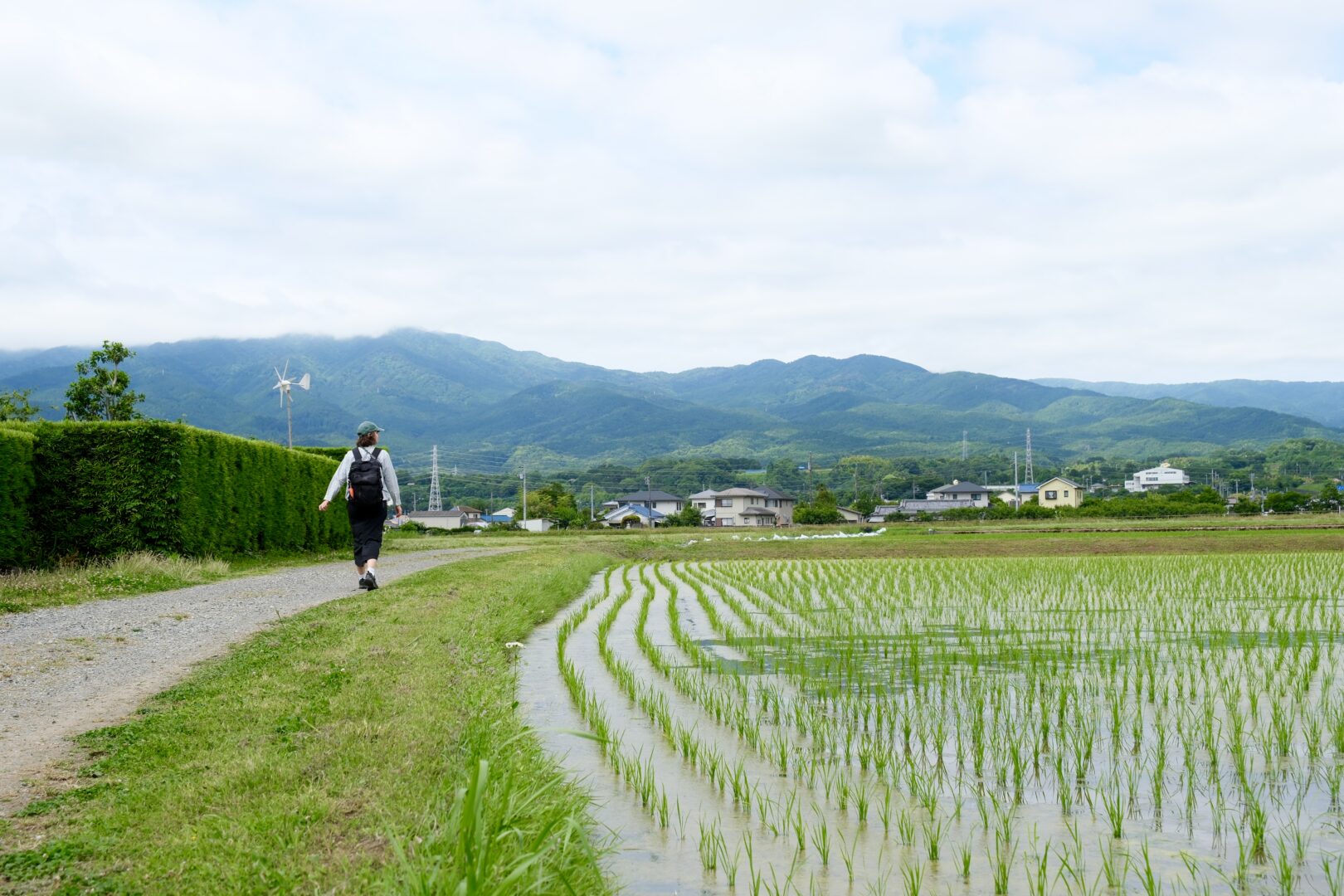
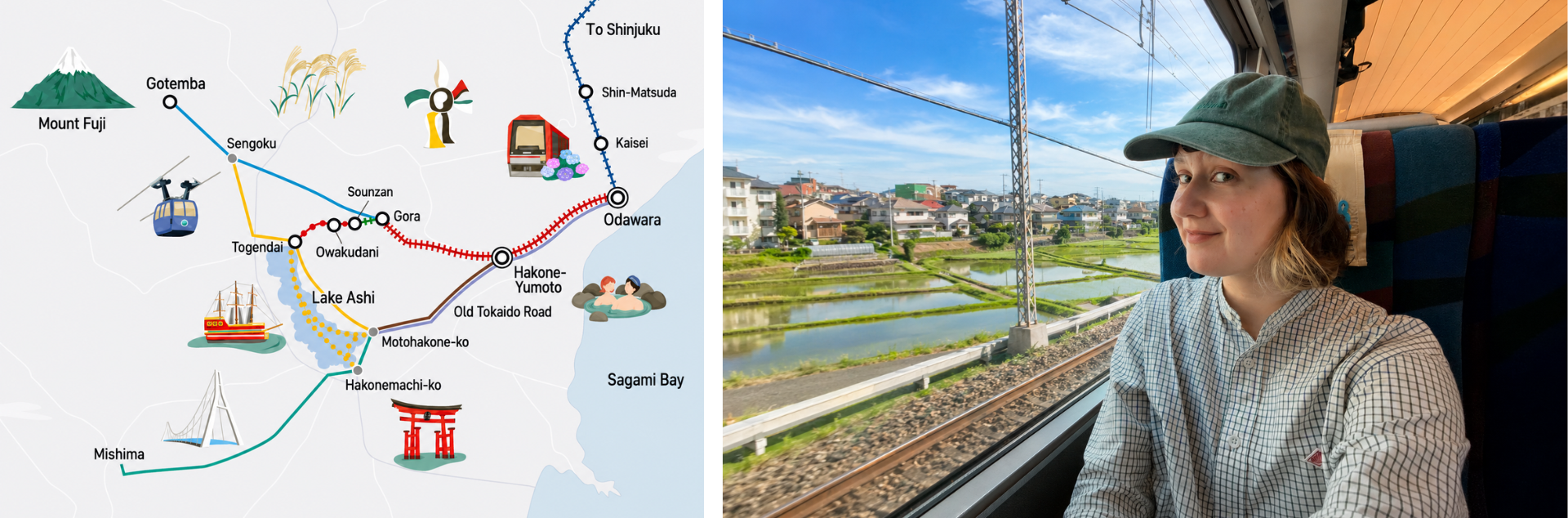
What I liked about this route is that it lets you enjoy classic Hakone while also discovering two very different areas along the way. Before Hakone, you see rice fields, small streams, seasonal flowers, old houses, and local food in the Ashigara countryside. After Hakone, you can stop in Odawara for its castle town atmosphere, cafes, and seaside scenery.
It’s easy to do this trip without a car. The Hakone Freepass covers nearly all trains, buses, boats, and cable cars in the Hakone Loop, so you can hop on and off as you like. And finishing with the Romancecar from Odawara to Shinjuku is a relaxing way to return after a full day.
From Shinjuku to Shin-Matsuda Station
For the first part of this route, I recommend taking a direct Express or Rapid Express train on the Odakyu Line from Shinjuku to Shin-Matsuda.The ride takes about 1 hour and 20 to 30 minutes, and because you do not need to transfer, it is an easy way to leave Tokyo and ease into the countryside.
Shin-Matsuda is a practical place to start if you want to add a countryside stop before Hakone. From here, local buses make it easier to reach the wider Ashigara and Kaisei area, where you can find rice fields, hydrangea spots, old houses, cafés, and Seto Shuzo.
If you are using the Hakone Freepass digital ticket, you can get off at Shin-Matsuda Station along the way.
When exiting or re-entering the station, do not scan the QR code at the ticket gate. Instead, show your digital ticket to the station staff, as scanning the QR code may cause your ticket to be marked as used.
Note that travel on the Odakyu Line section between your departure station and Odawara Station is limited to one round trip. You may get off along the way, but when exiting the station, be sure to show your digital ticket to the station staff rather than scanning the QR code.
I recommend saving the Romancecar for your return from Odawara to Shinjuku. After a full day of walking, having a reserved seat feels extra rewarding.
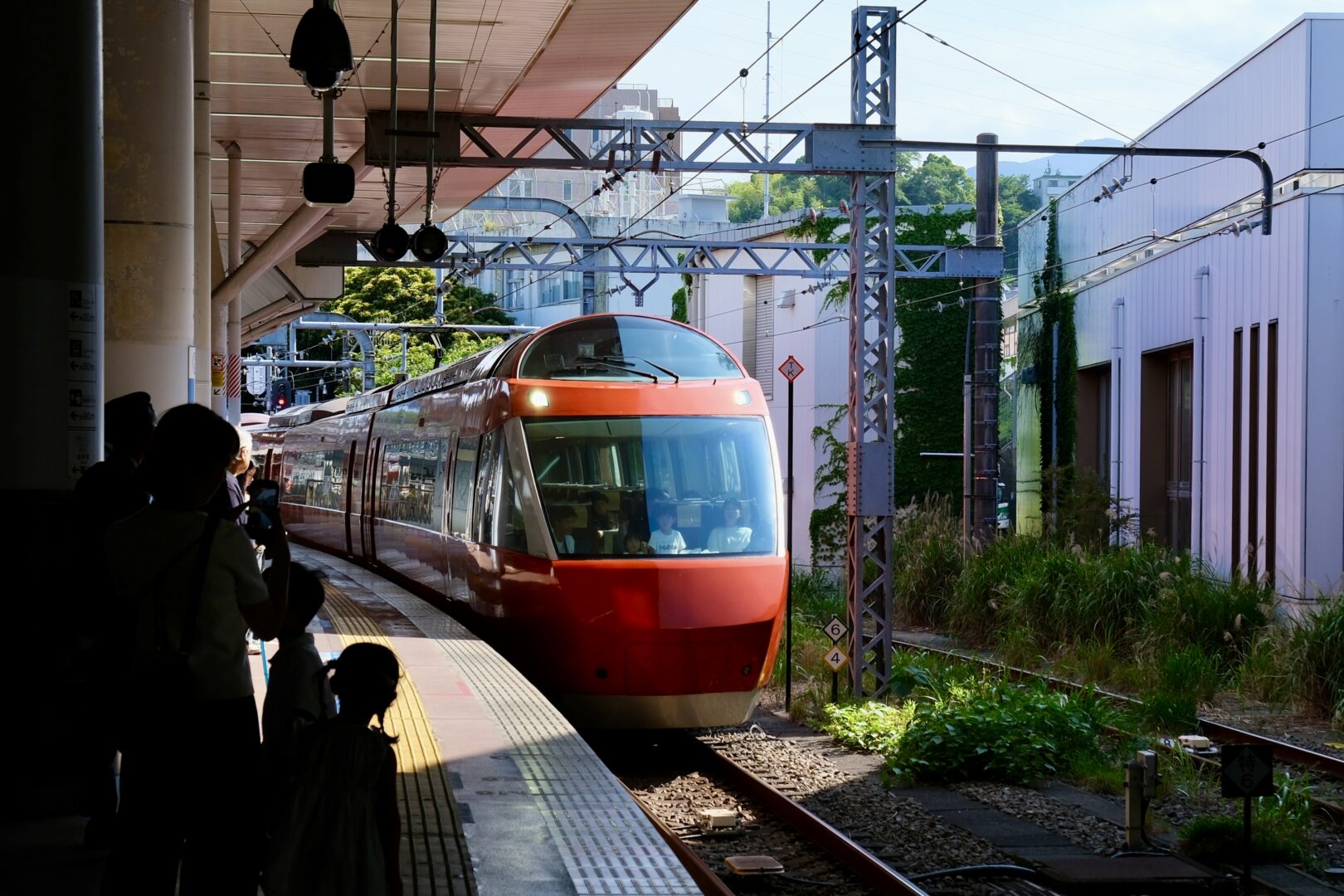
Just remember that if you are using the Hakone Freepass, the Odakyu Line portion is included, but you will need a separate limited express ticket to ride the Romancecar.
Get your digital ticket for Hakone Freepass
Why Stop Around Shin-Matsuda and Kaisei Before Hakone?
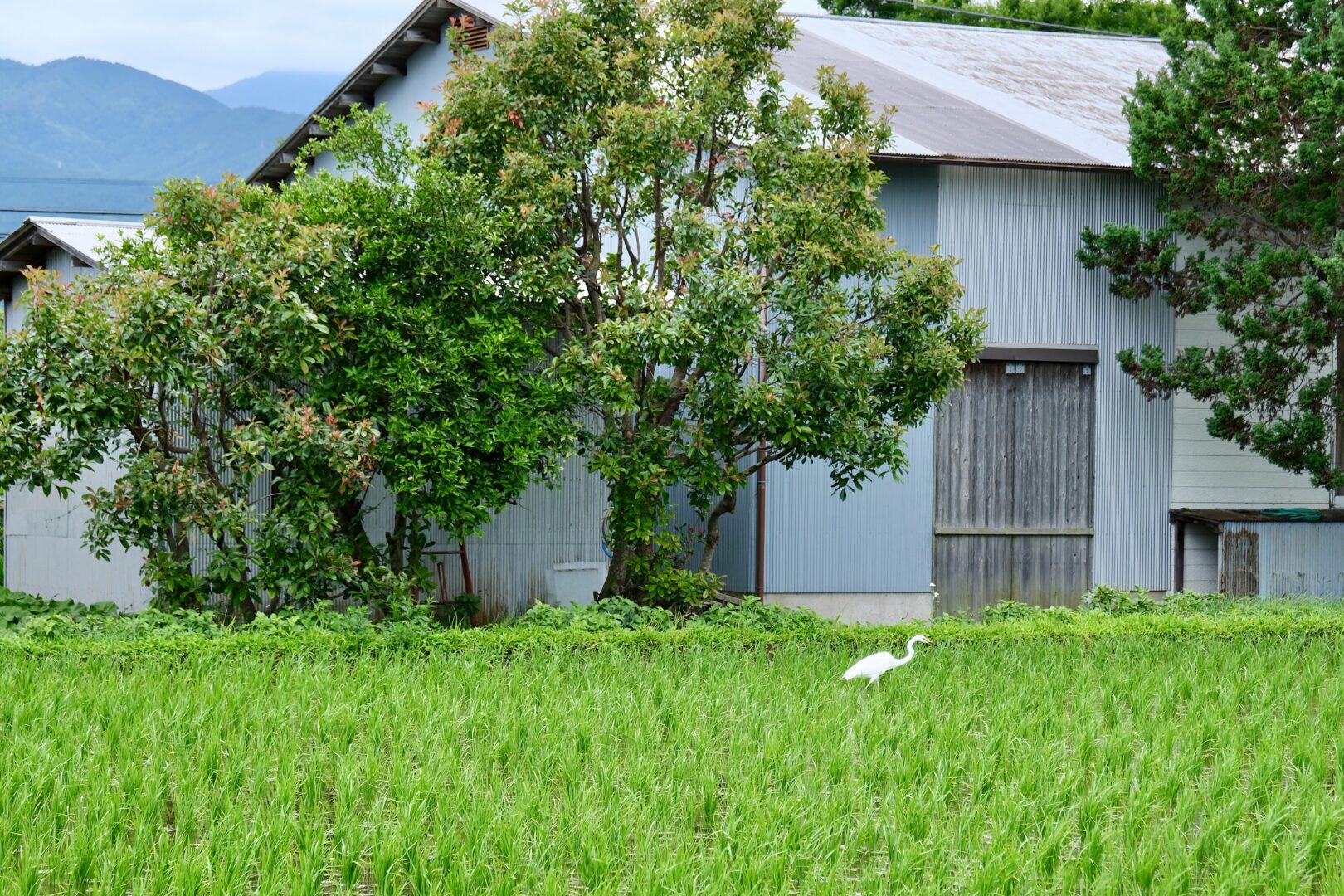
Shin-Matsuda and Kaisei are in the Ashigara area of western Kanagawa. Here, the mountains slowly give way to flat countryside. On one side, you see mountains, and on the other, fields, rivers, and small towns stretch out before you.
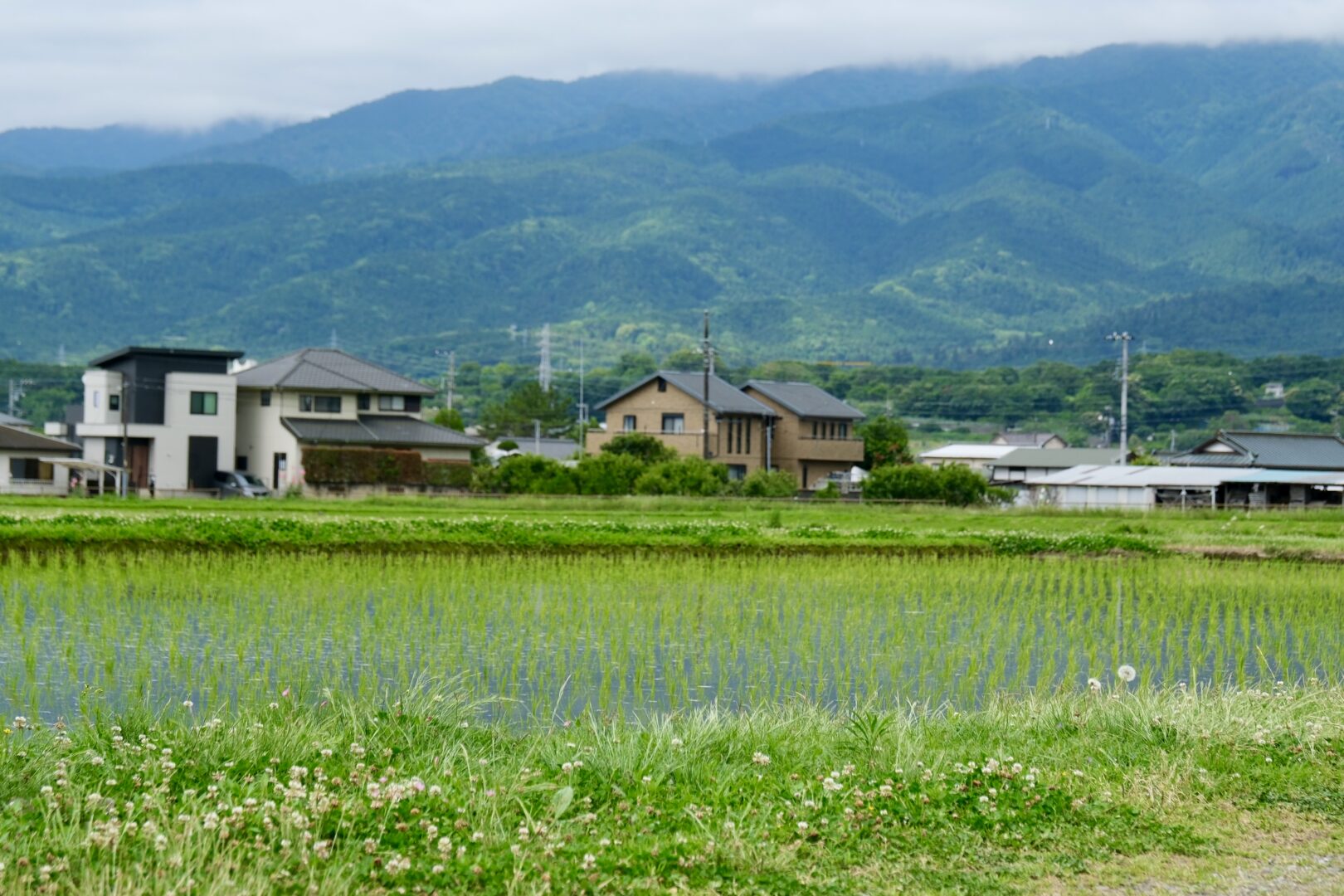
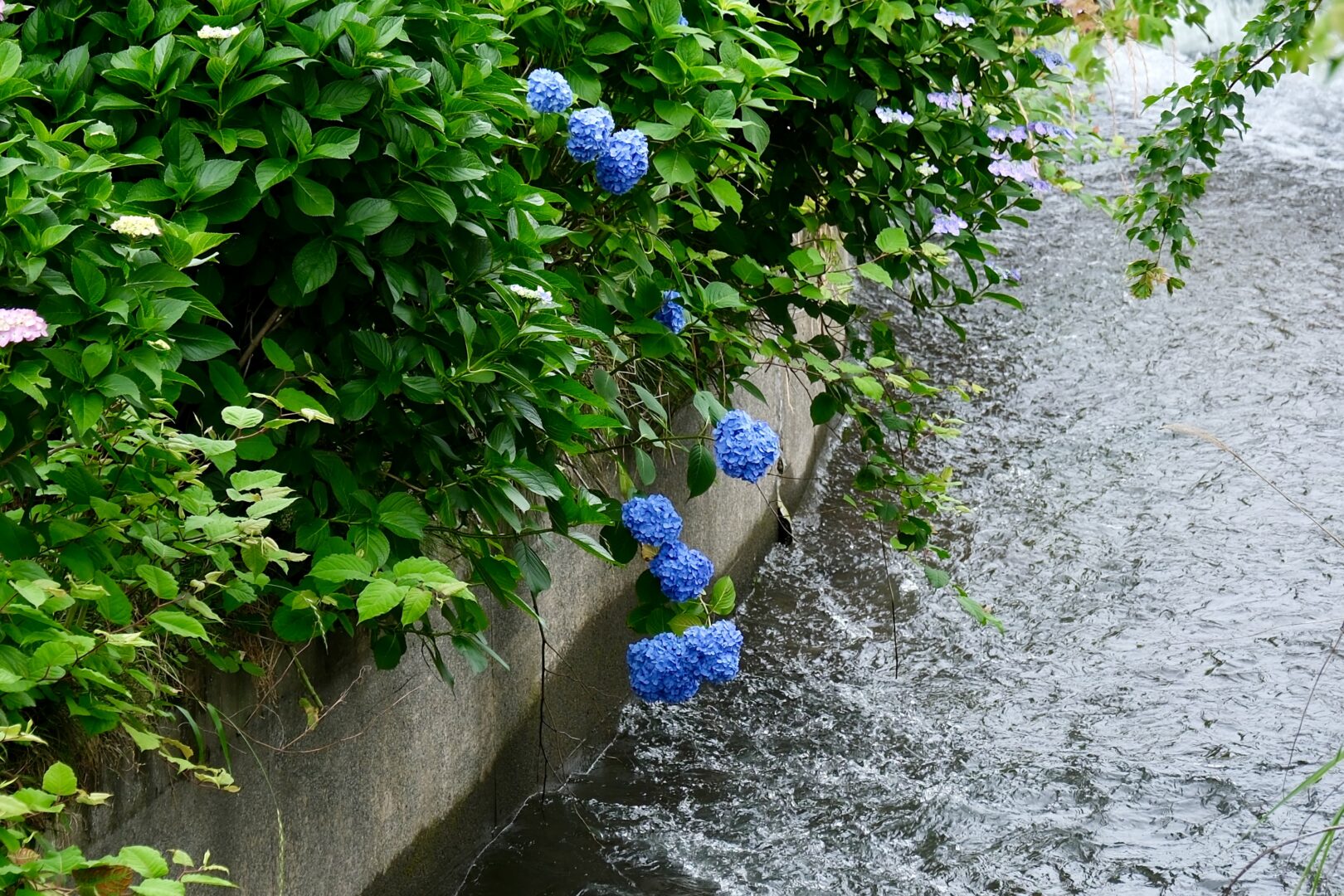
Water is one of the things that makes this area so special. Rain and snow from the Hakone and Tanzawa mountains flow down into the Ashigara Plain, feeding its rivers, underground springs, rice fields, and small waterways. It is also part of the area’s local sake-brewing culture, connecting the landscape to both farming and food.
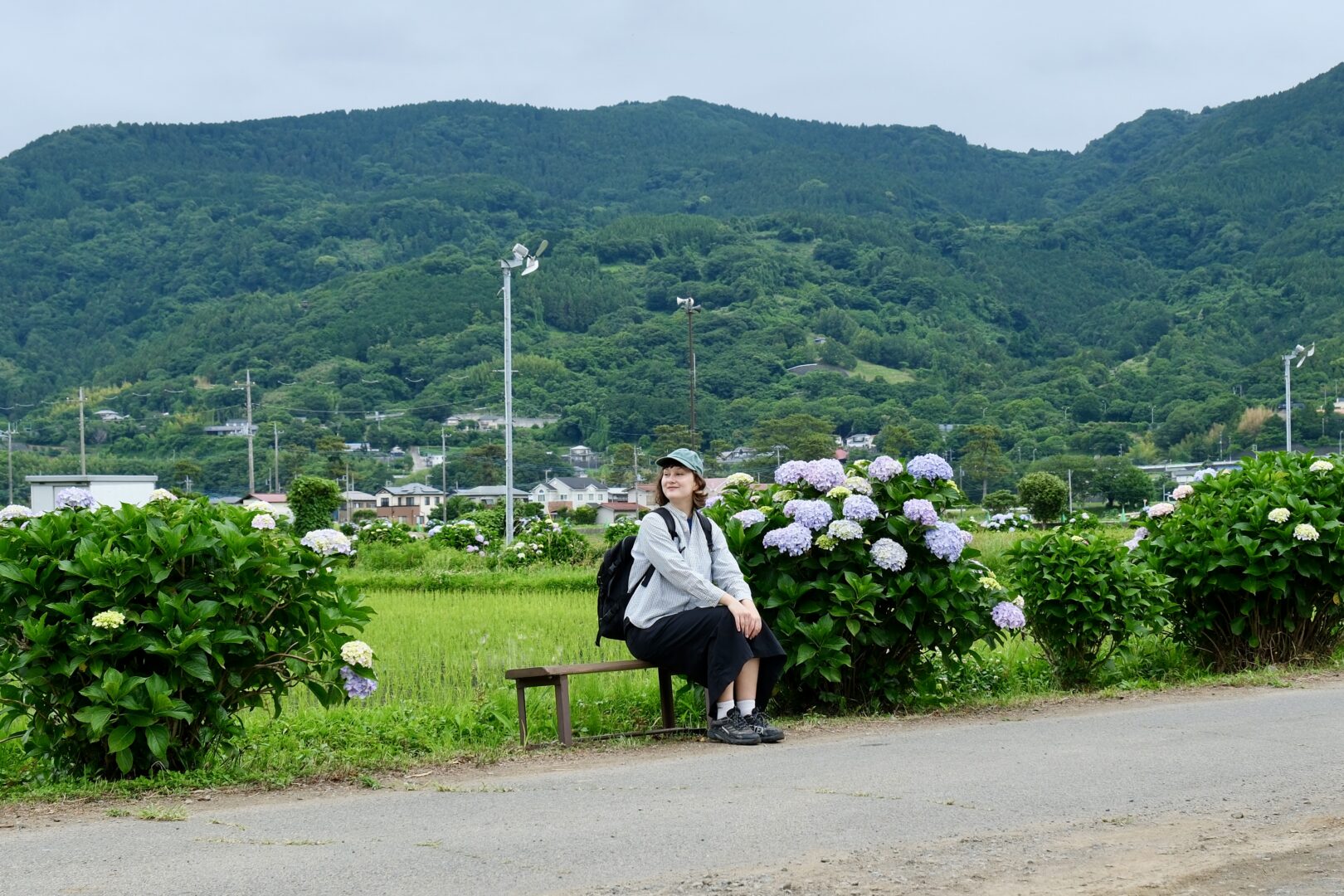
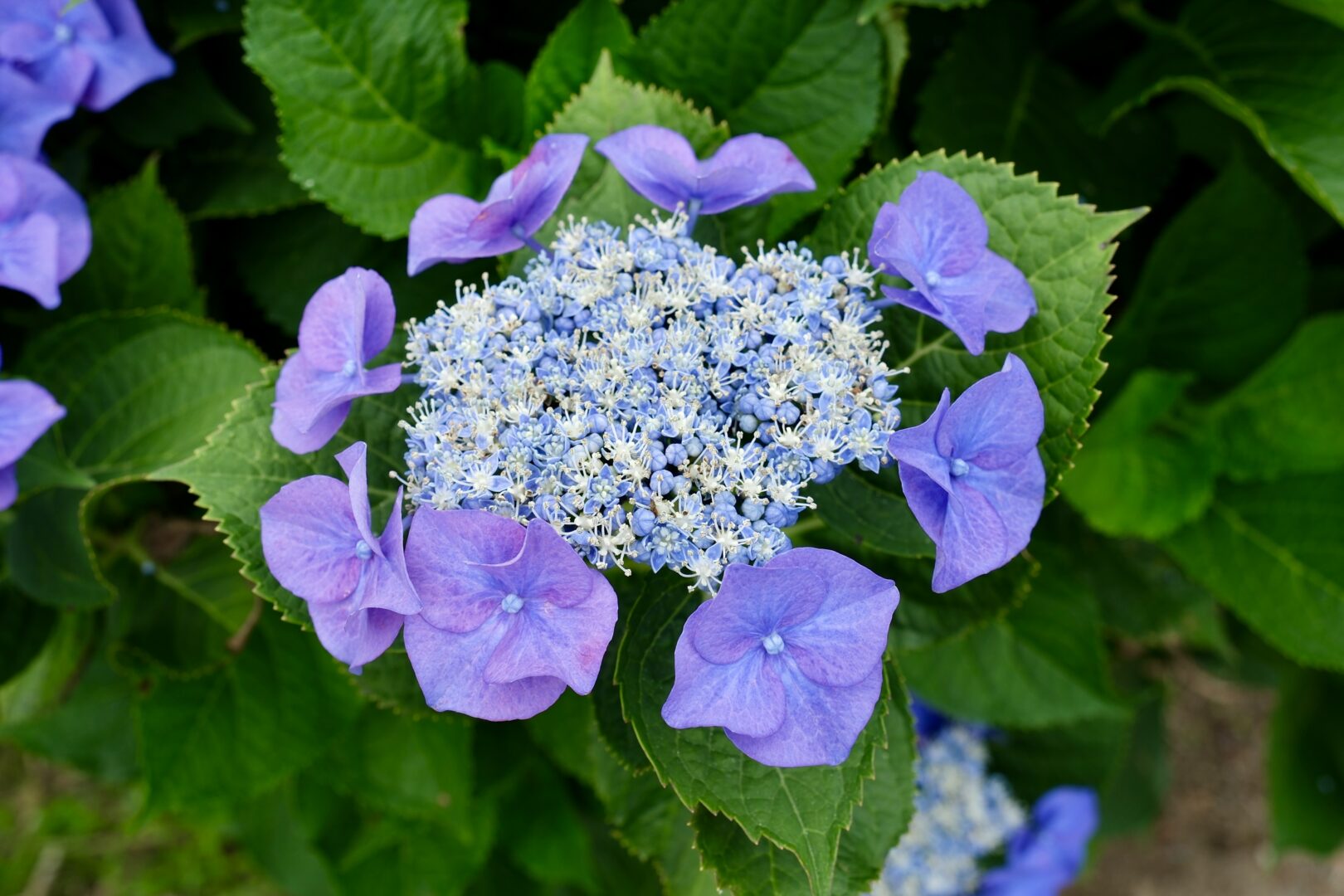
If you come here in early summer, you will see many hydrangeas, known as ajisai in Japanese. These flowers love moist places, so they fit right in with Kaisei’s water channels and rice fields.
Today, this area feels like a gateway. It is not Tokyo, and it is not yet Hakone, but it offers a peaceful countryside in between. That is what made this stop special for me. It helped me see Hakone as more than just a destination, but as part of a larger landscape where local life is still easy to find.
Things to Do in Kaisei
When I got to Shin-Matsuda Station, I took a local bus to the Kaisei area. It is a good place to start if you want to explore spots scattered across the fields, such as the hydrangea area, old houses, local cafes, and Seto Shuzo, where you can try some local sake.
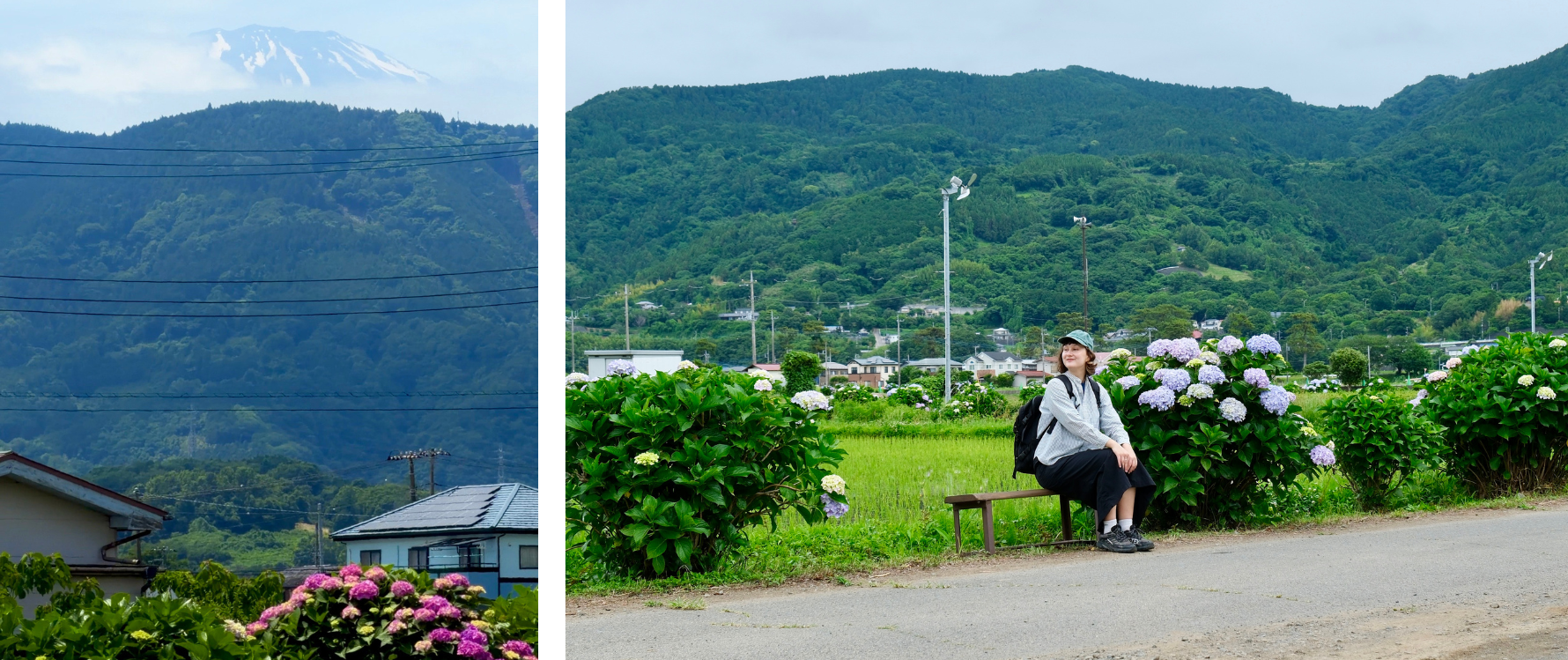
I went at the end of spring and start of summer, when the rice fields were bright green, and flowers made the town look soft and colorful. On clear days, you might see the top of Mount Fuji above the fields, which makes the scenery even more special.
But I really do not think this area is just for one season. In spring, the wider Ashigara area is known for early cherry blossoms. Around Shin-Matsuda, Matsuda-yama is famous for Kawazu-zakura, a deep pink cherry blossom that blooms earlier than the usual sakura season. Nearby Minamiashigara is also known for Harumeki, a local cherry blossom variety that brings soft spring color to the area around mid-March.
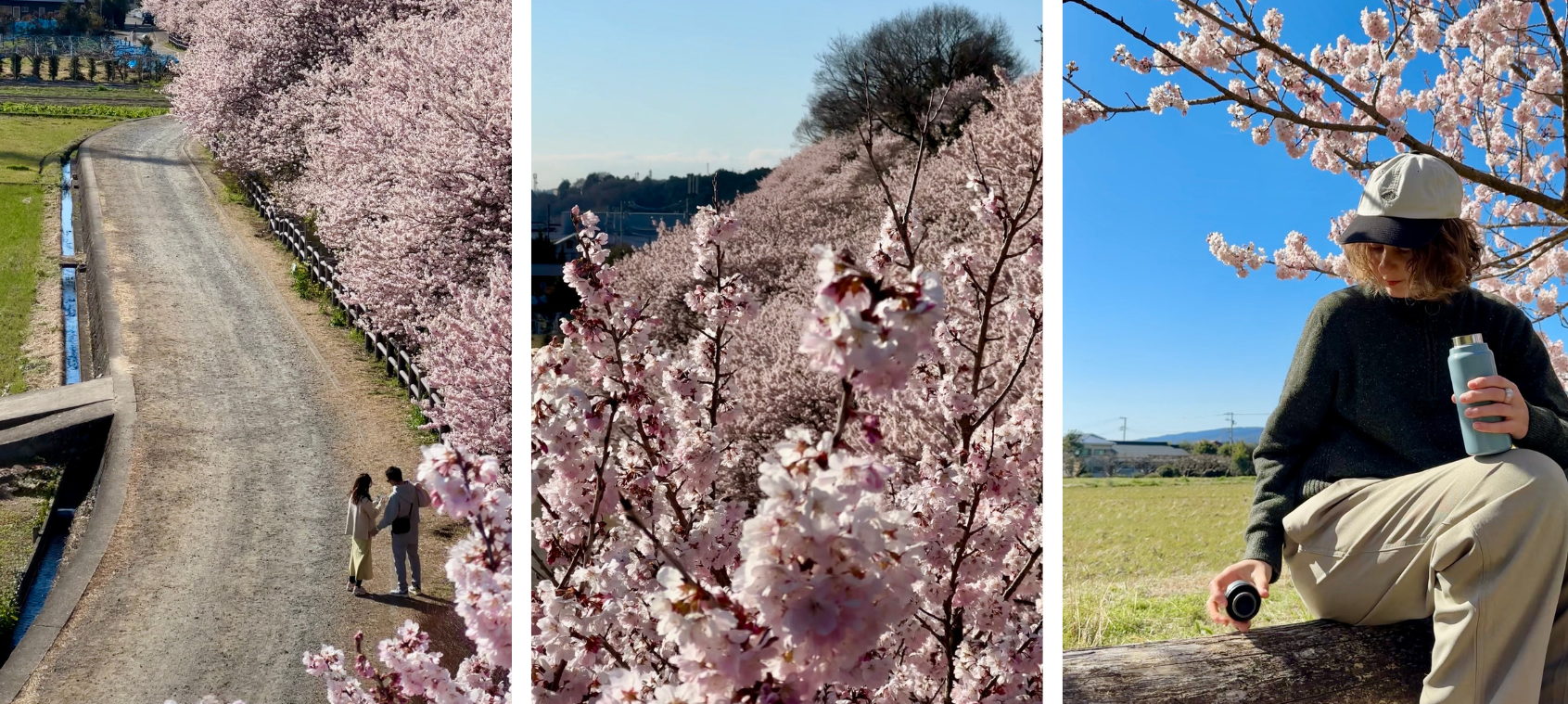
Early summer brings hydrangeas and green rice fields. Even when the flowers are gone, it’s worth visiting for peaceful walks, local food, and a glimpse of daily life in the countryside.
Kaisei Hydrangea Village
Kaisei Ajisai no Sato, also known as Kaisei Hydrangea Village, is one of the most popular spots in Kaisei in early June.
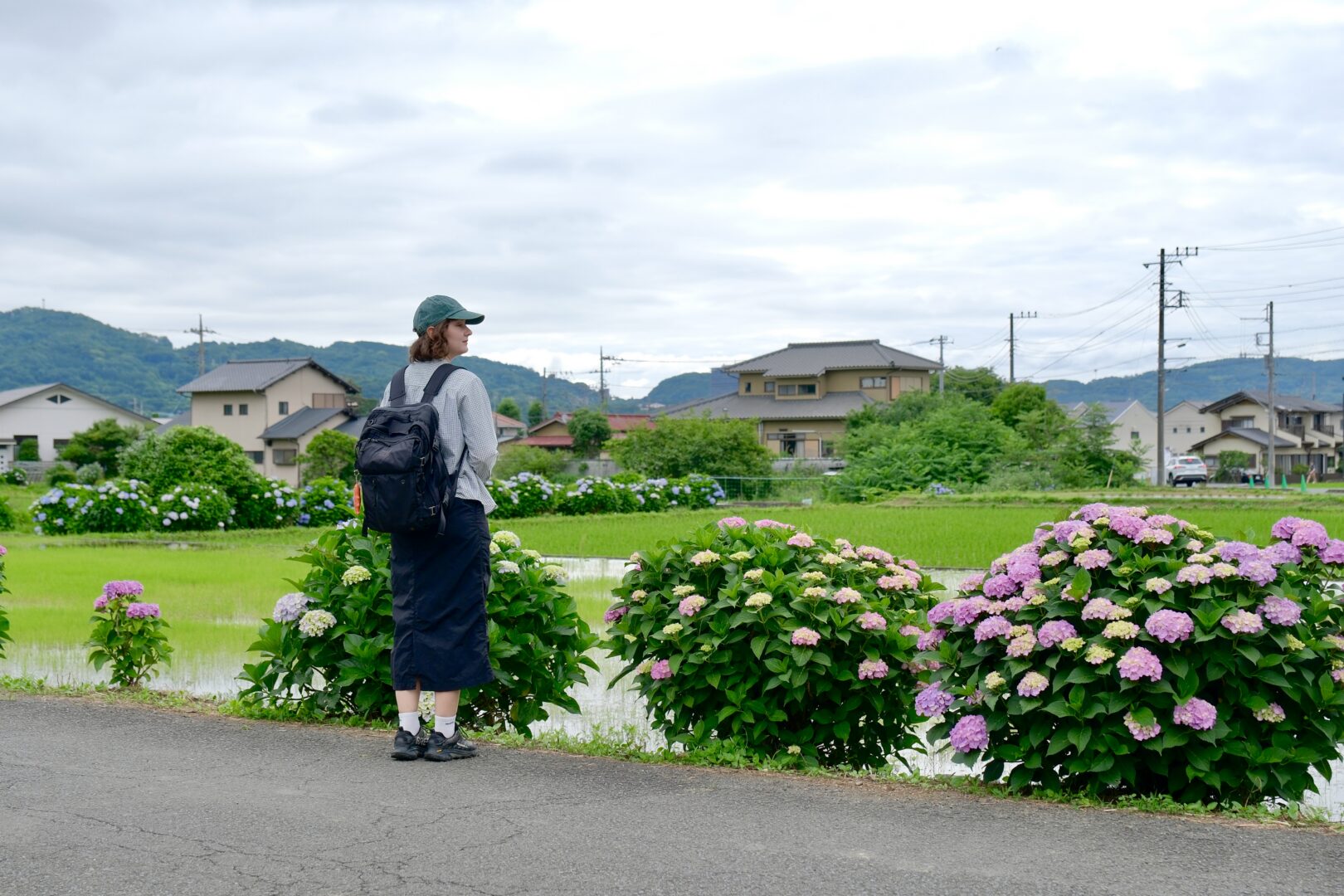
Hydrangeas, called ajisai in Japanese, have a special meaning here. In 1977, the hydrangea was designated the official flower of Kaisei Town, and the area later became known as Ajisai no Sato. Today, around 5,000 hydrangeas bloom along the roads and waterways between the rice fields.
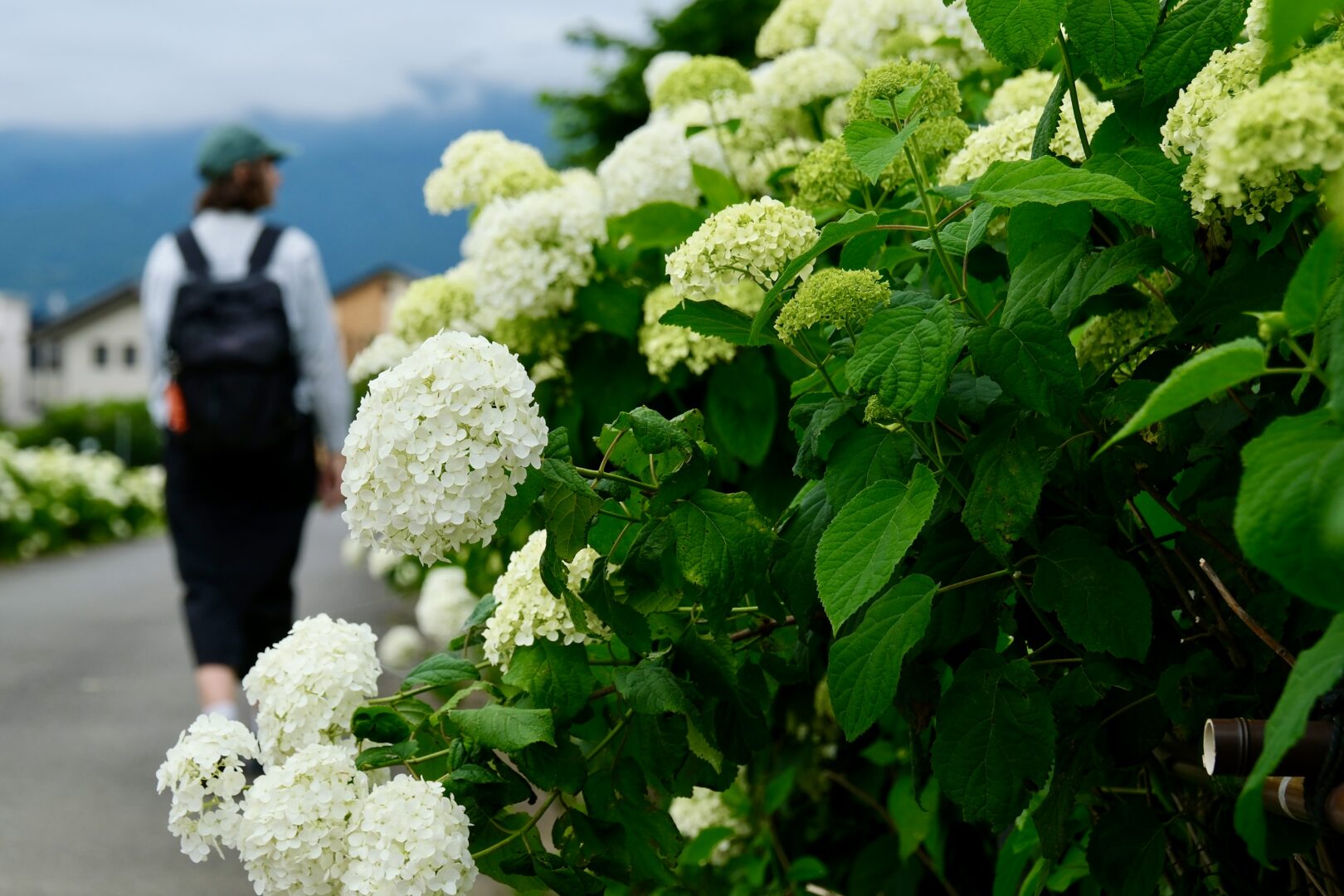
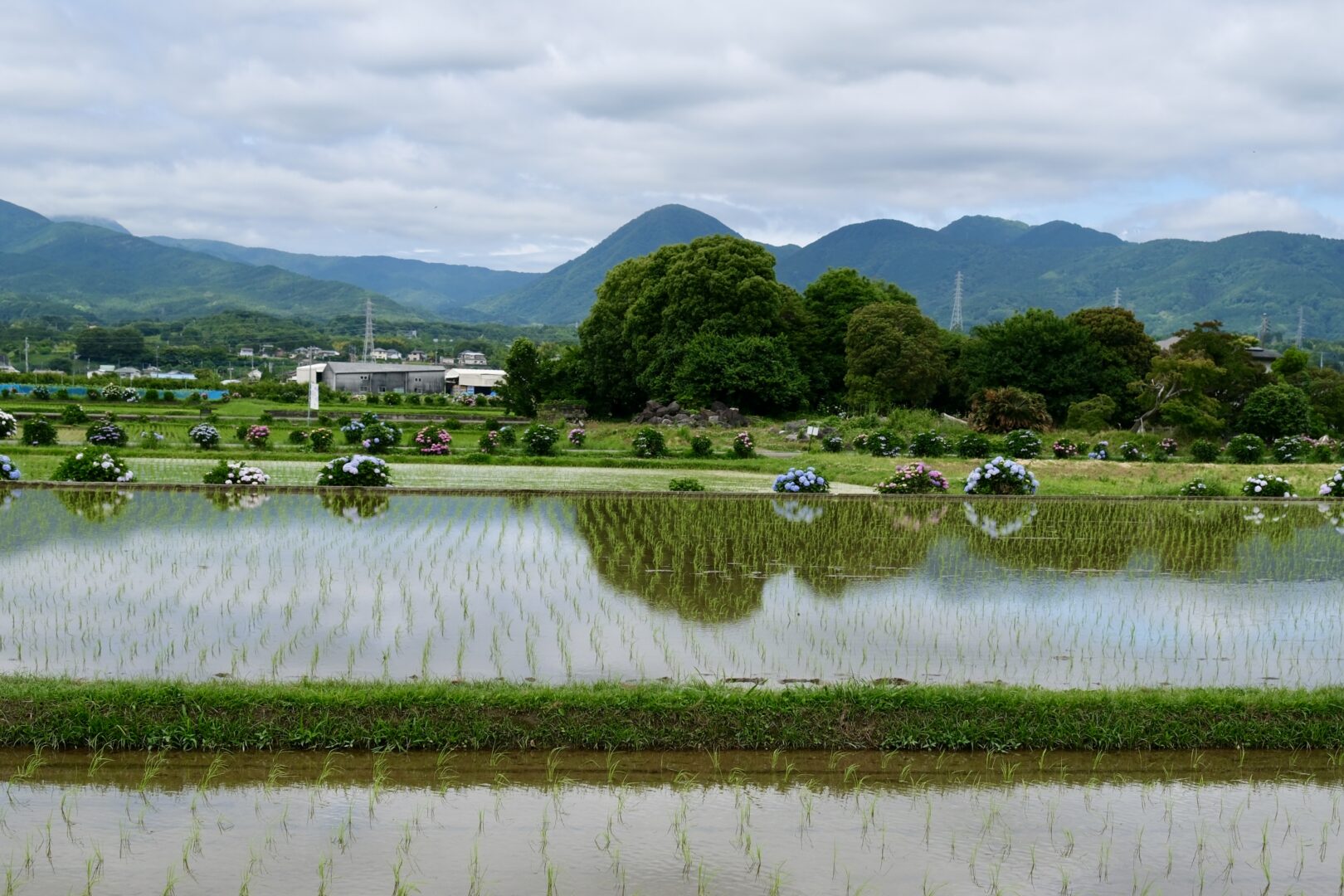
In early summer, green rice fields, hydrangeas, and mountain views come together for a scene unique to Kaisei. Plus, the annual Kaisei Hydrangea Festival in June is a chance to enjoy the fields, flowers, and local traditions.
Hana Aoi Farm Road
After leaving Kaisei Hydrangea Village, I headed to the Hana Aoi Farm Road area.
The name might sound like a famous sightseeing road, but it’s actually a peaceful country path between rice fields, streams, and local homes.
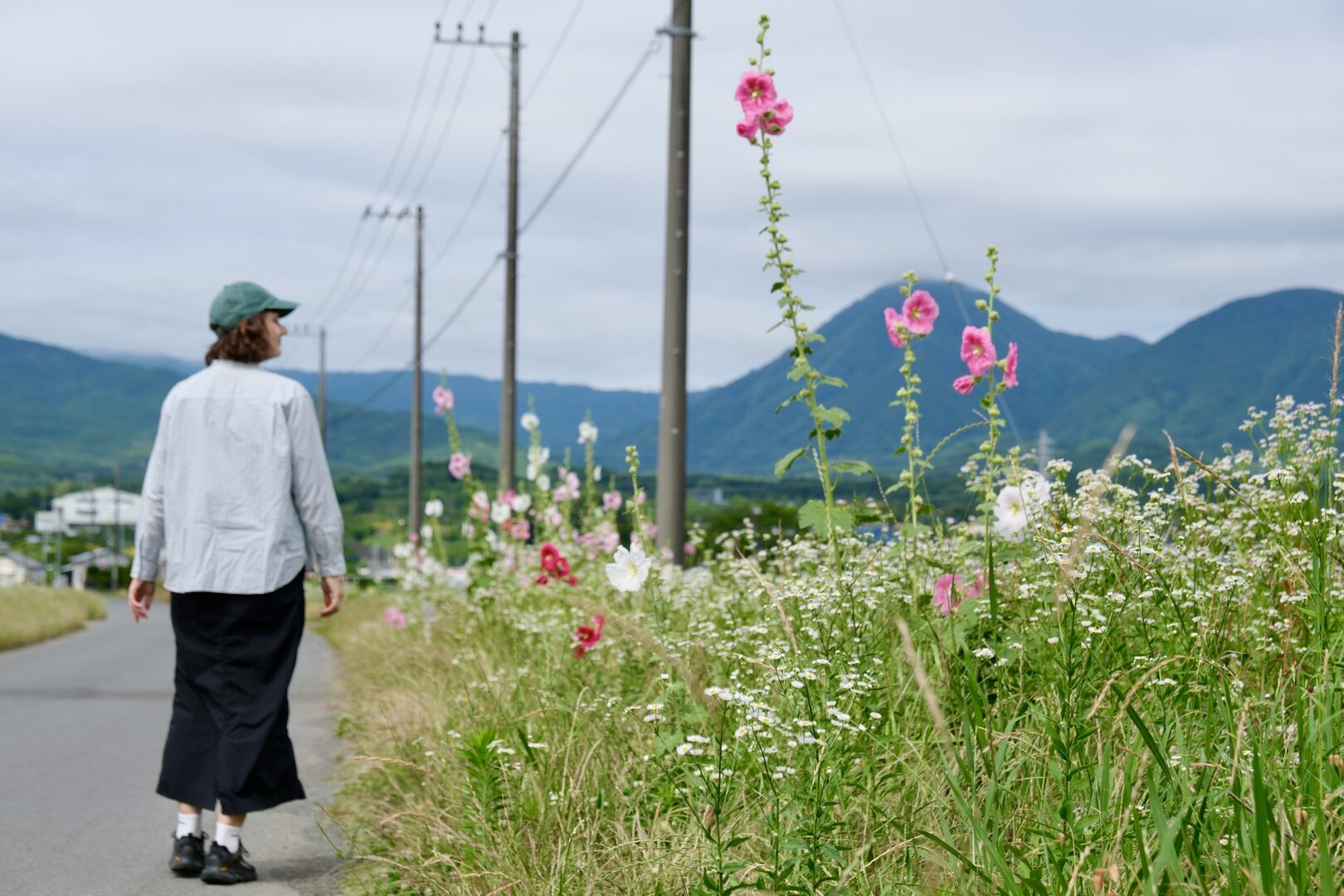
Depending on the season, you might see flowers along the paths, bright green rice fields, vegetable gardens, and distant mountains. In early summer, cotton rosemallow, known as ajisai and hana-aoi in Japanese, adds soft seasonal color to the rural landscape. By autumn, red spider lilies, or higanbana, bloom along the edges of the rice fields.
For me, this is where Kaisei’s charm stood out. Walking next to the rice fields, hearing the water, and enjoying the quiet countryside felt so peaceful, a place I wanted to linger.
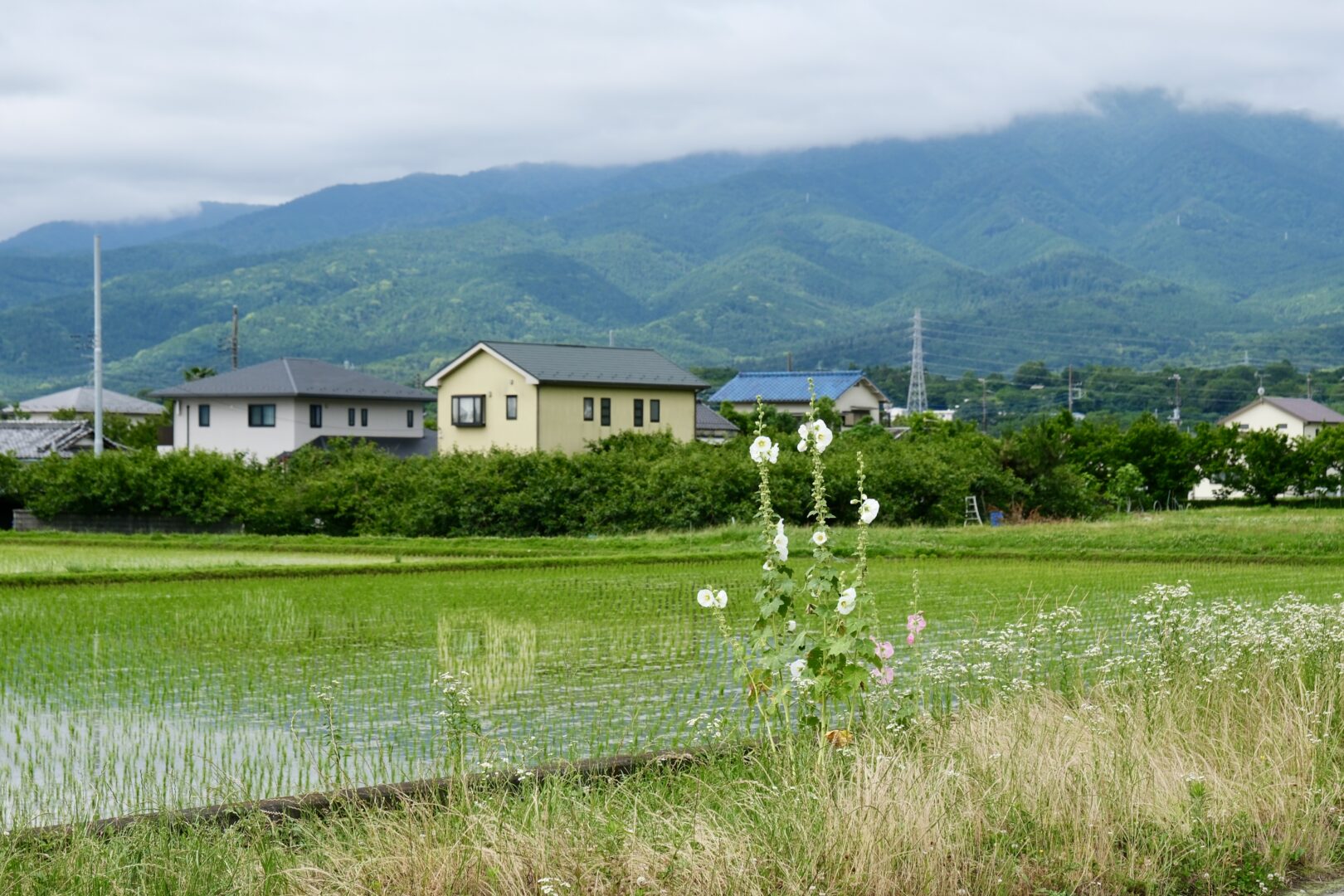
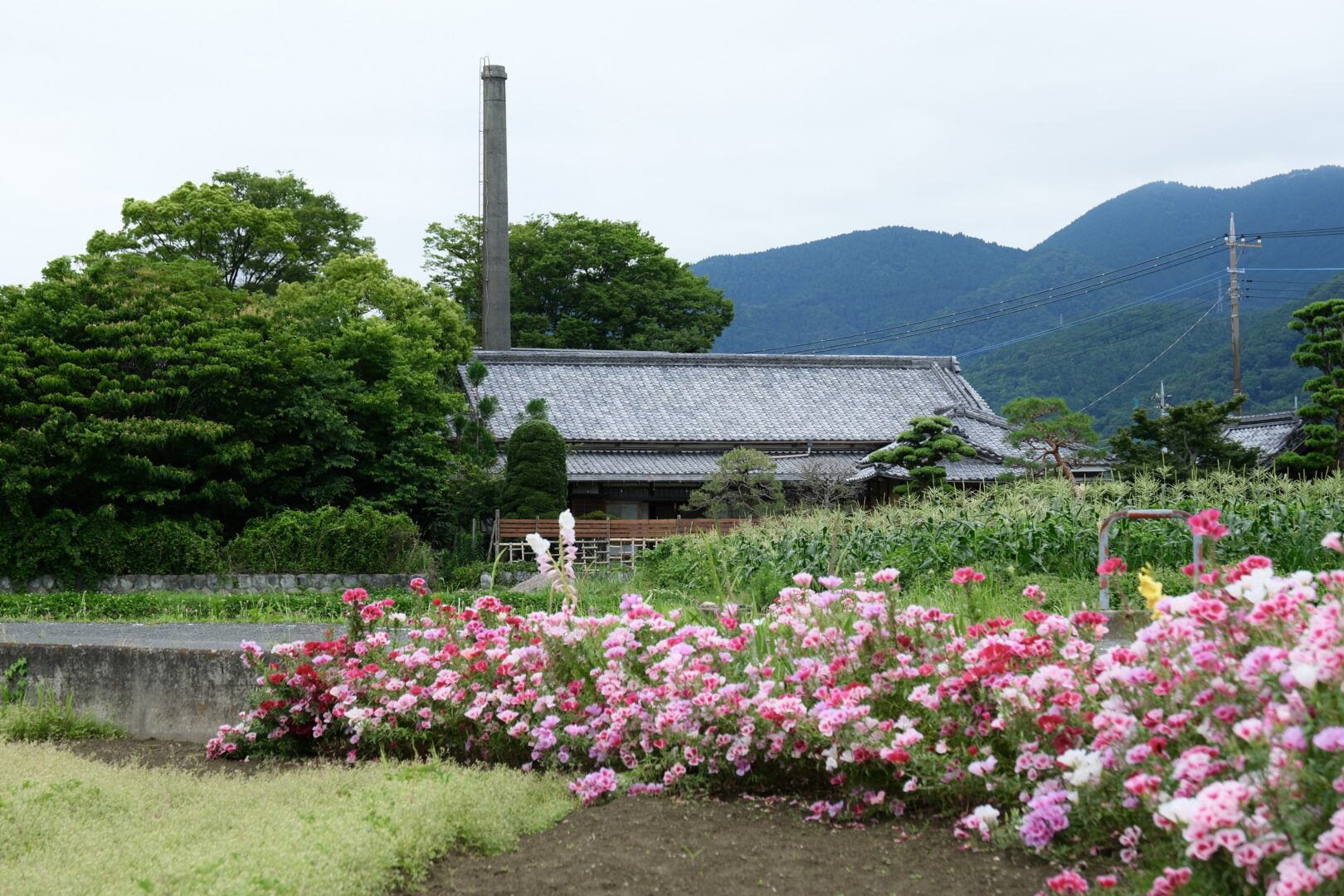
From there, I continued on foot toward Ashigari-go Seto Residence. The walk took about 10 to 15 minutes and felt like a natural next step. After seeing the rice fields, waterways, and local roads, I found that visiting an old countryside home helped me understand the life that once existed in this landscape.
Ashigari-go Seto Residence (Kaisei)
Ashigari-go Seto Residence is a traditional house that once belonged to the Seto family, well-known landowners in what is now part of Kaisei. Visiting gives you a peaceful look at rural life in a different era, distinct from the castles and temples you might see elsewhere in Japan.
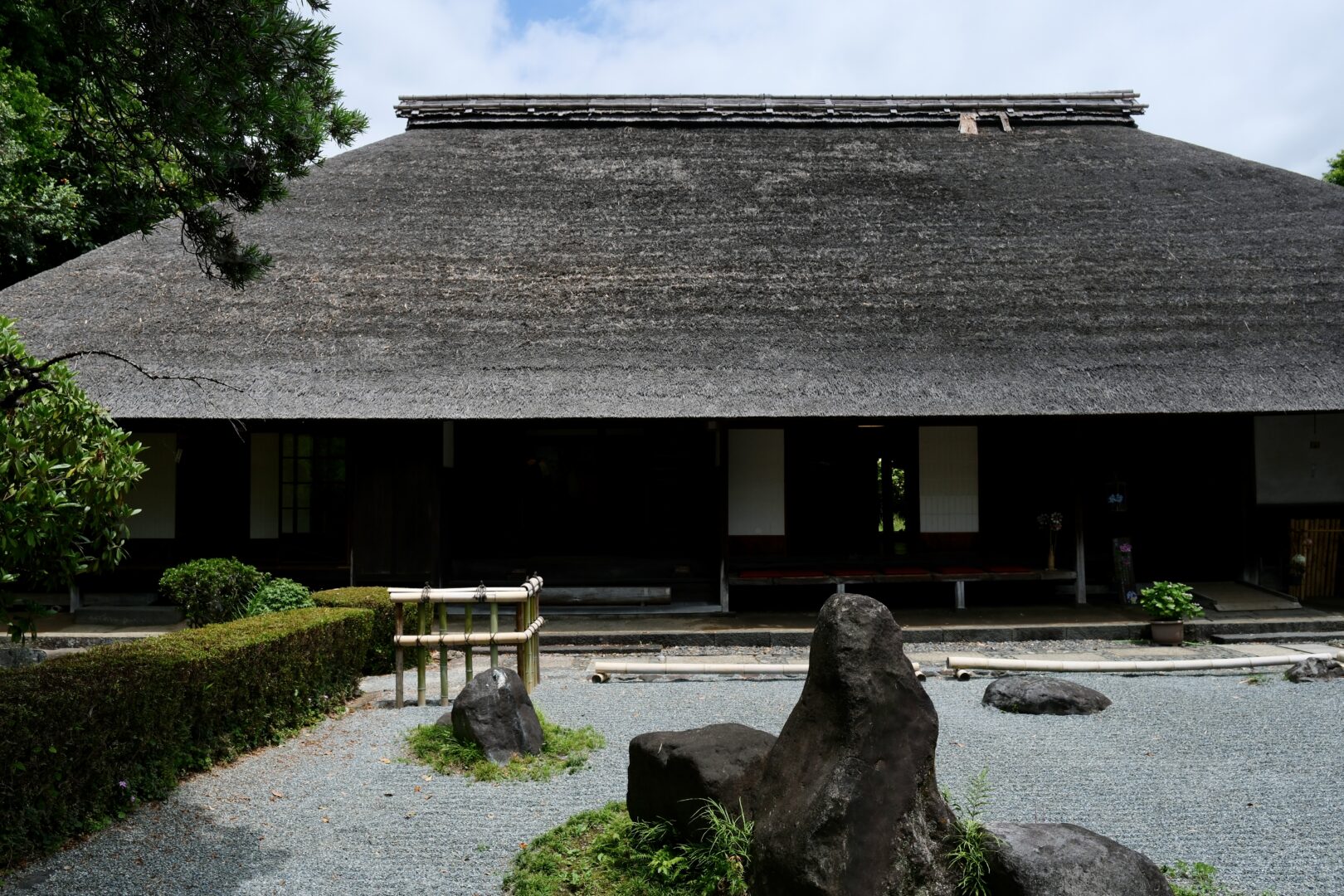
Inside, you’ll find the hearth, kamado stove, bamboo garden, and small details that help you imagine daily life here.
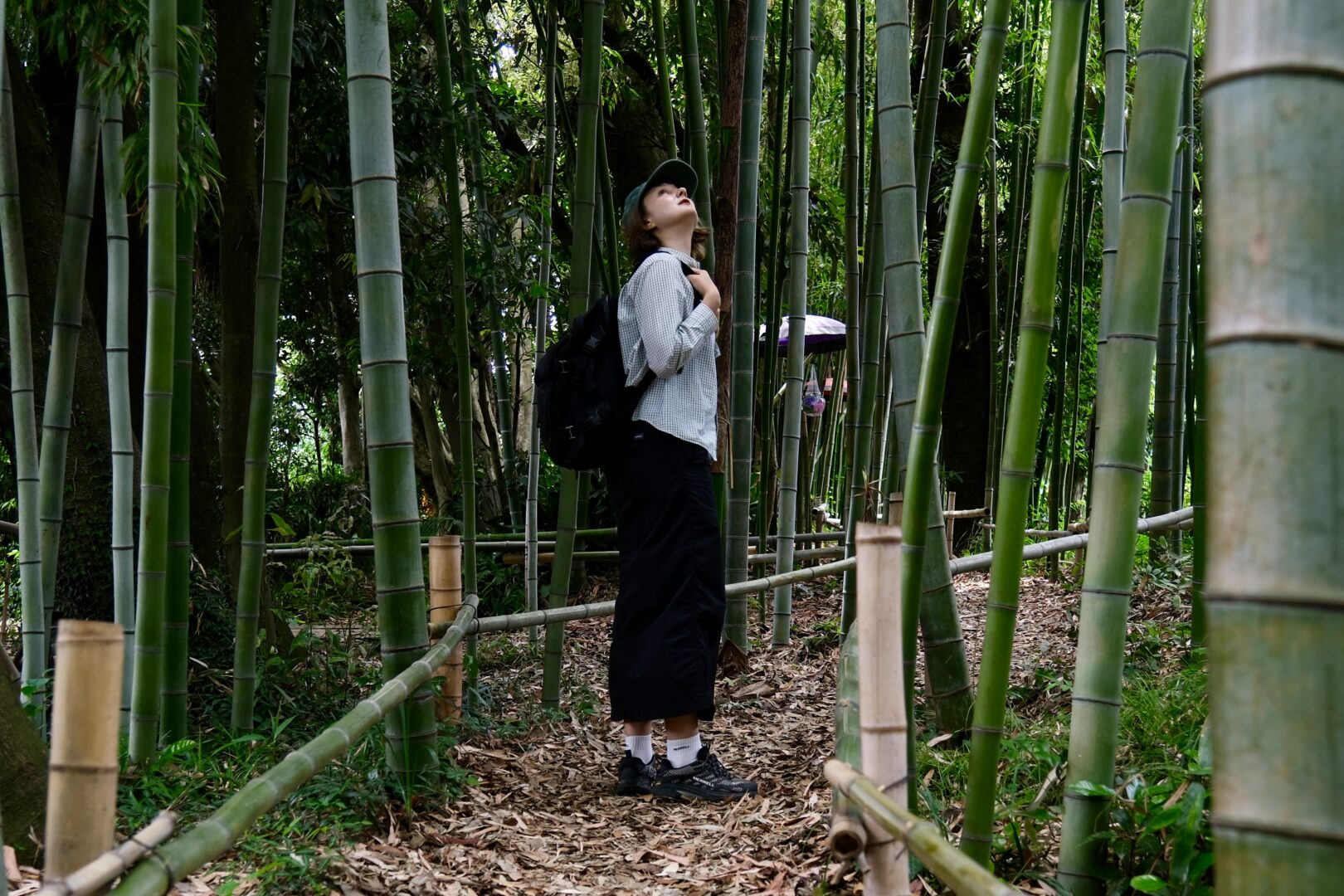
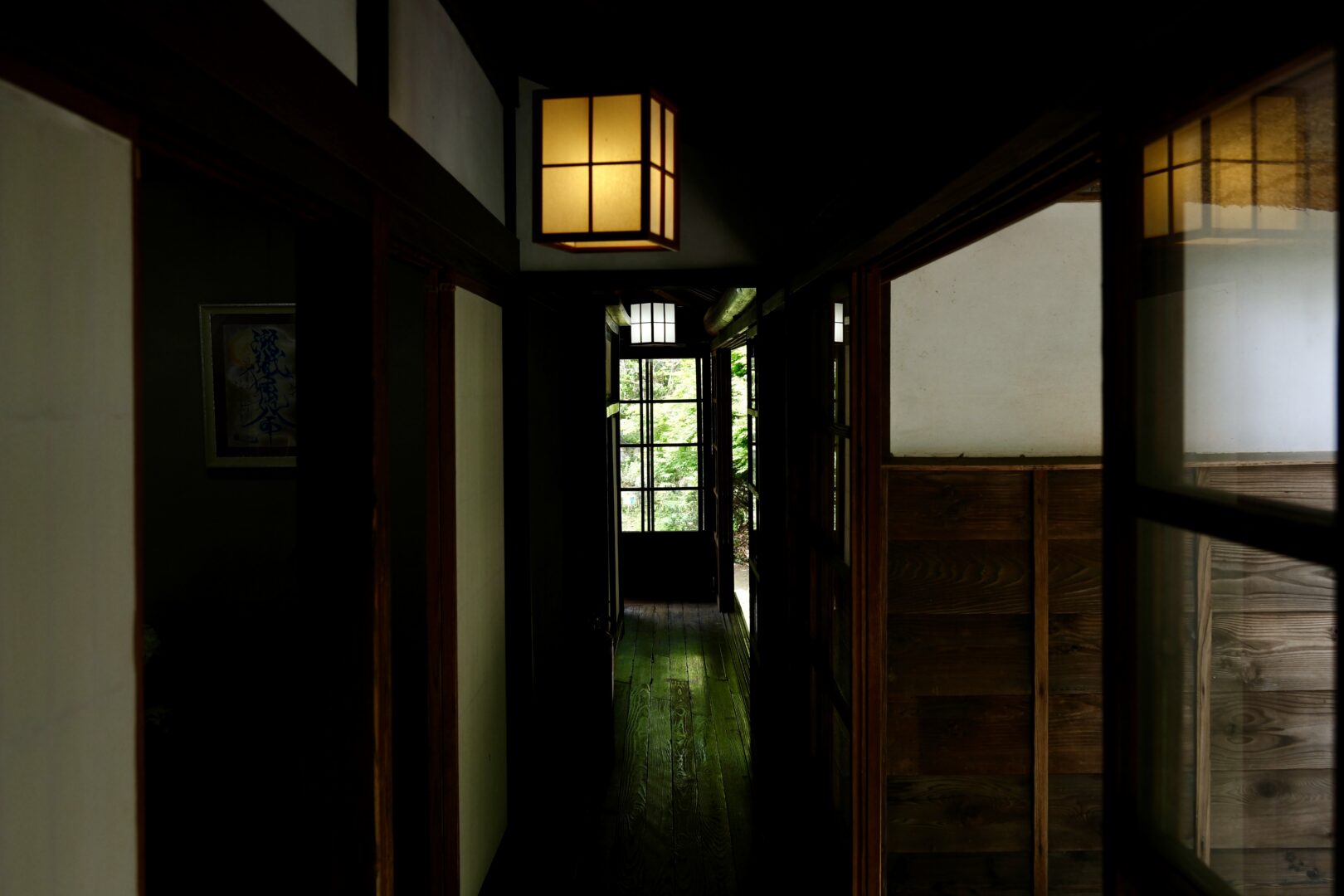
Today, the residence is also a lively cultural space, with events, local products, and a fermentation-focused cafe. It connects countryside history with today’s culture and food.
Lunch at café hacco (Kaisei)
After visiting the Ashigari-go Seto Residence, I had lunch at café hacco, which is right on the same grounds.
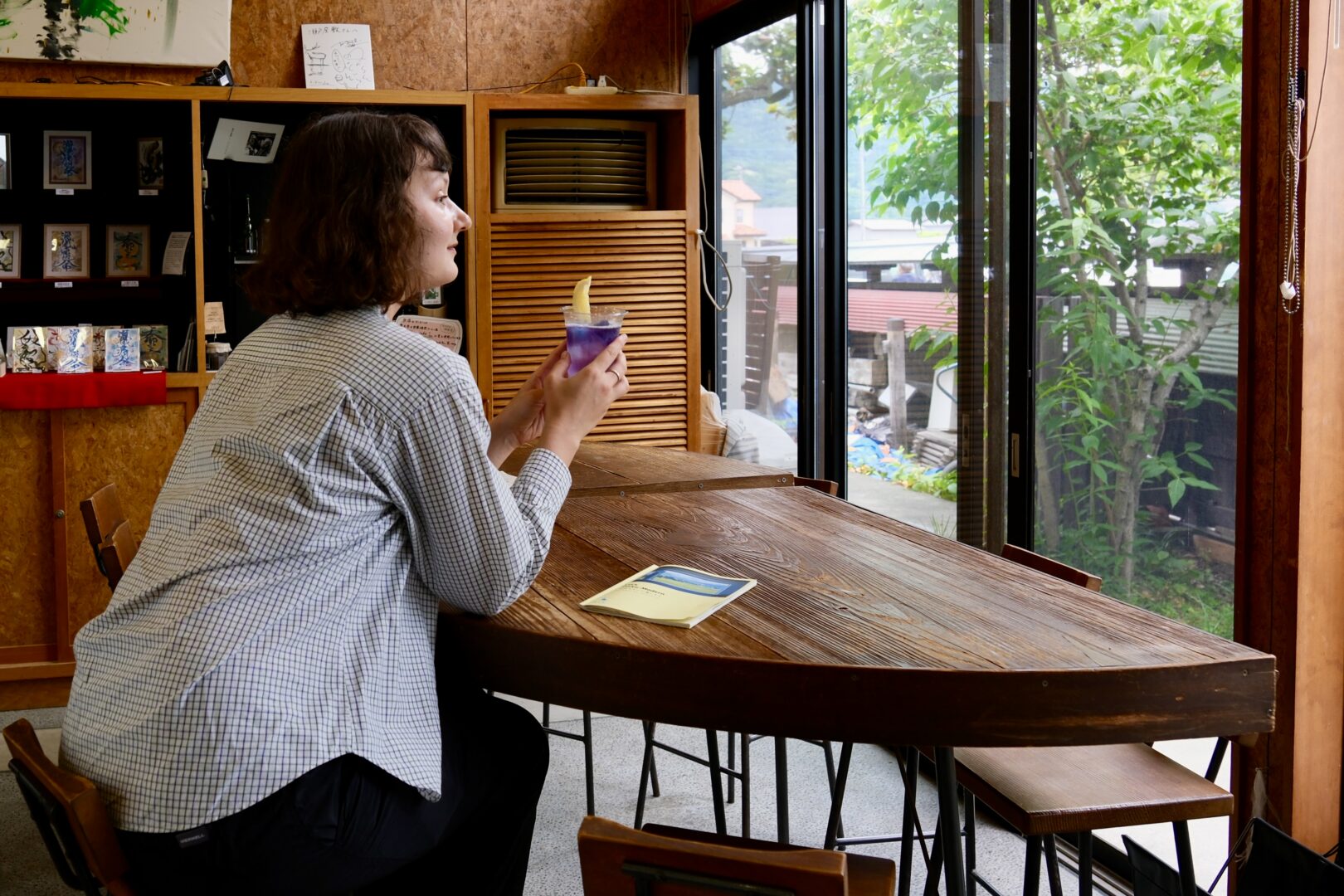
I ordered a lunch with bread made from koji (the mold behind miso, soy sauce, and sake), mikan juice with amazake, and purple hydrangea tea, which you can try any time of year.
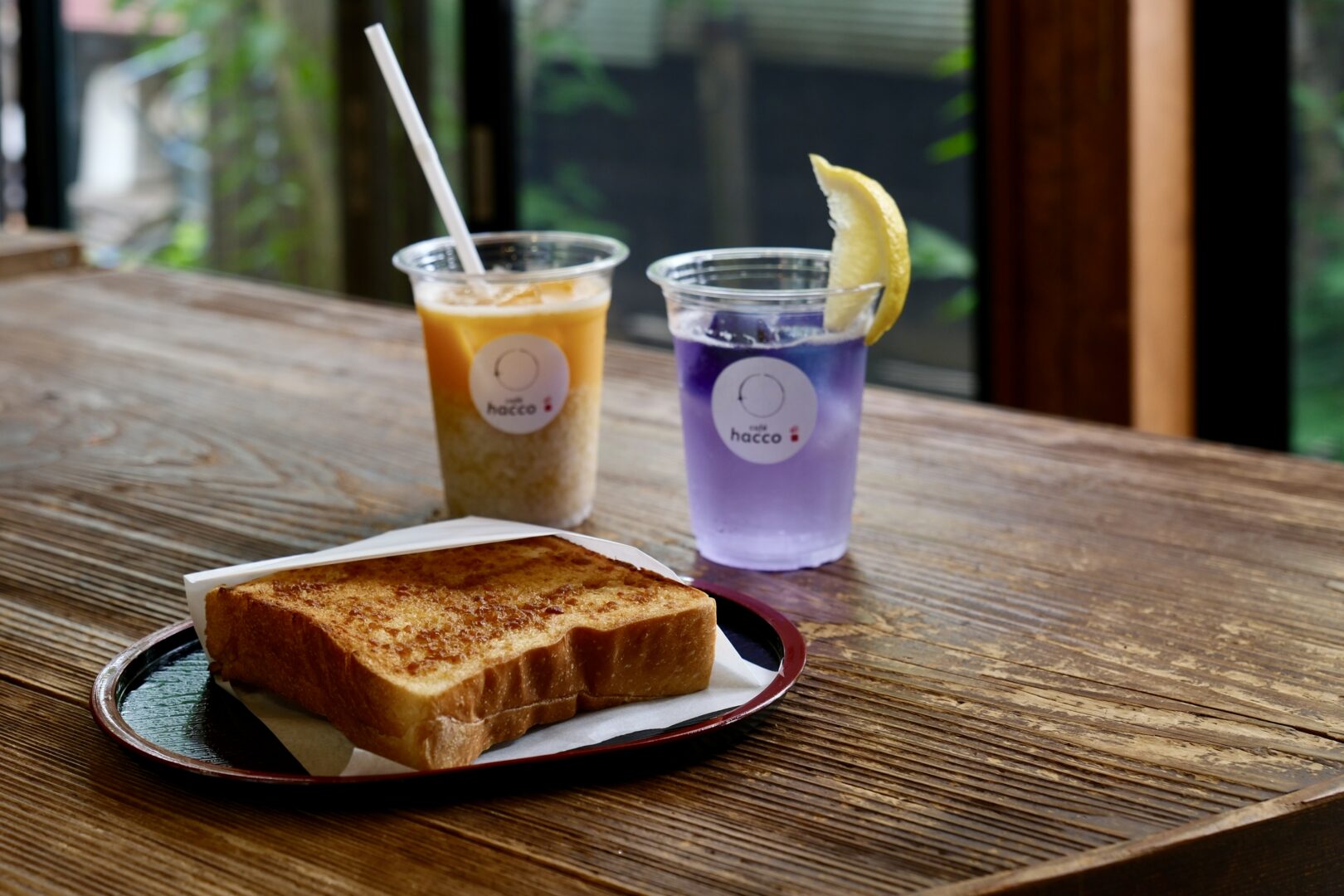
Café hacco uses rice koji from Seto Shuzo, the nearby sake brewery, which made my meal feel connected to the next stop on my route. After tasting fermented foods at lunch, visiting the local brewery felt like the obvious next step.
Seto Shuzo Sake Brewery (Kaisei)
It takes less than five minutes to walk from the Ashigari-go Seto Residence to Seto Shuzo, the local sake brewery in Kaisei. This place isn’t just about sake, it brings together Kaisei’s water, rice fields, farming, and local community.
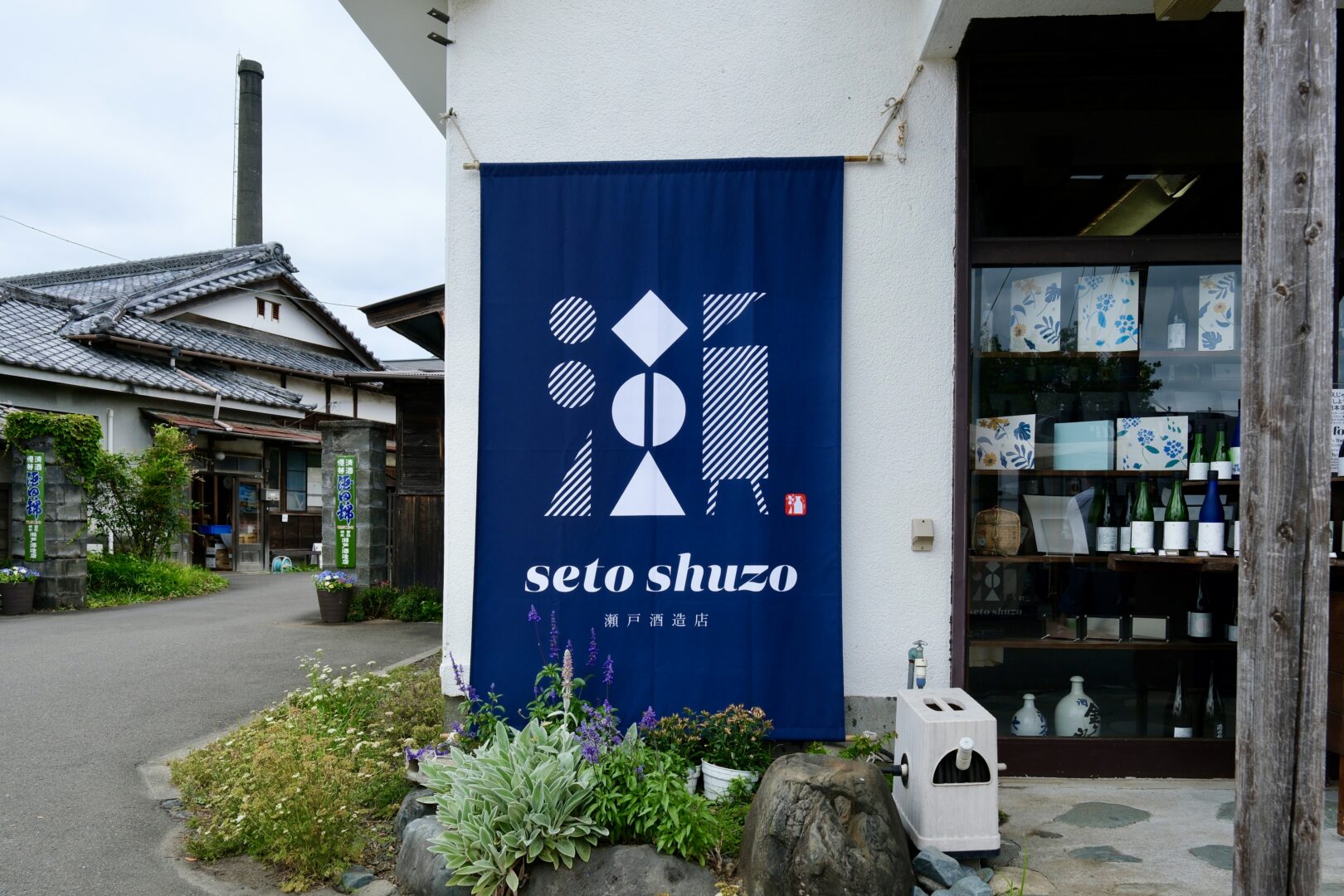
Seto Shuzo was founded in 1865, but its history had some breaks. In-house brewing stopped in 1980 and resumed in 2018 after 38 years. The revival was inspired by Kaisei’s clean water and countryside, and now the brewery focuses on tradition, innovation, and the spirit of Kaisei-machi.
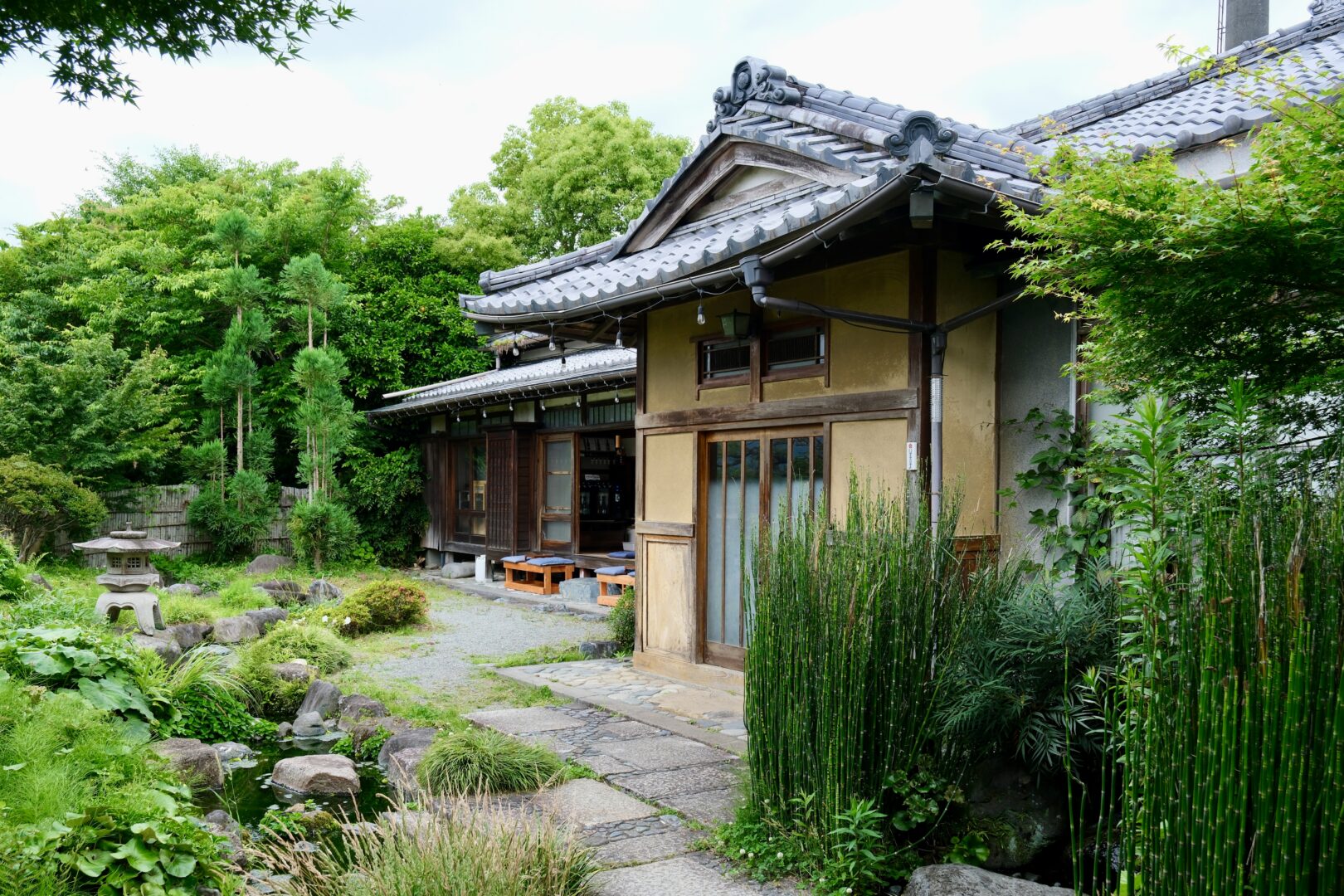
Even if you’re not buying a bottle, stop by the Sake Terrace for tastings and snacks, with places to sit around the grounds. I chose the niwa, or garden area, where you can relax on the engawa veranda of a traditional Japanese house and look out at the garden.
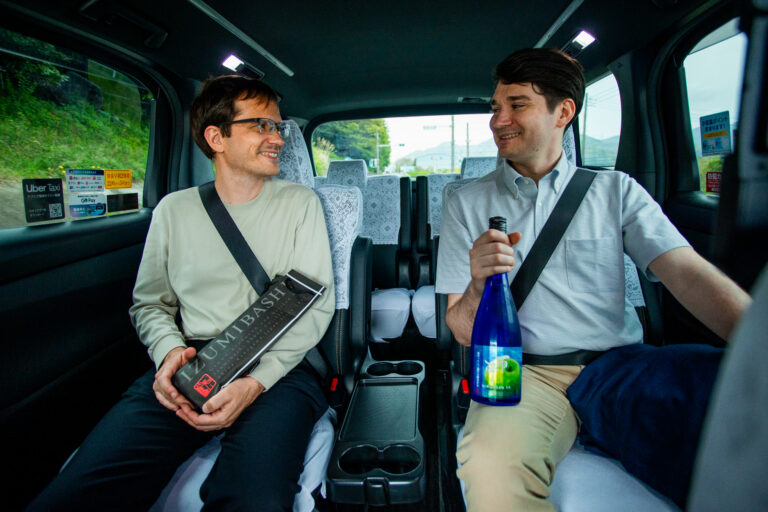
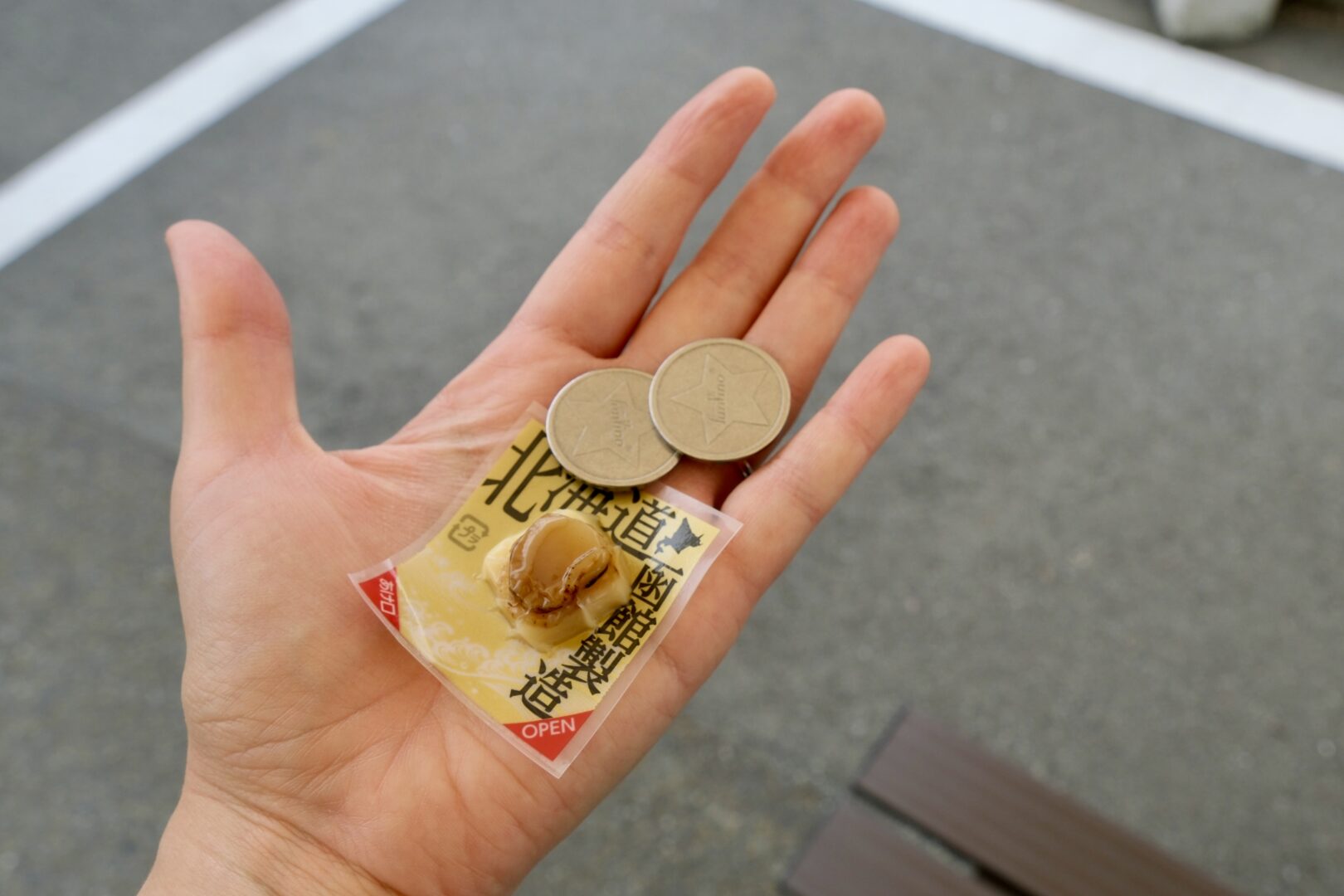
I also liked the coin-style tasting machine, where you can try small amounts of different sake, including more premium bottles.
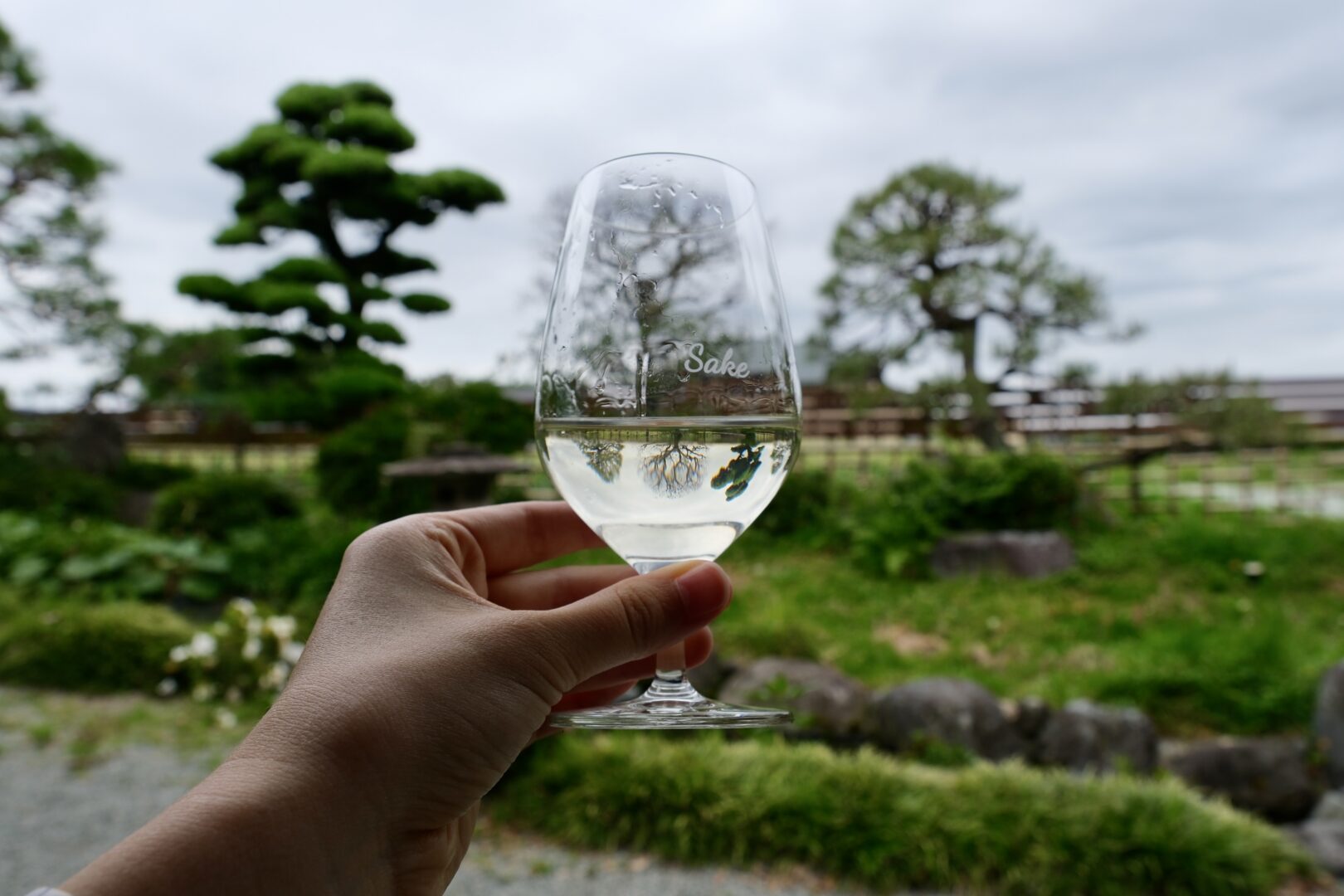
It makes the experience very easy and relaxed, even if you are not very familiar with sake.
Kominka Garden Monzo (Kaisei)
Before I went back to Shin-Matsuda Station and continued on to Hakone, I visited Kominka Garden Monzo.
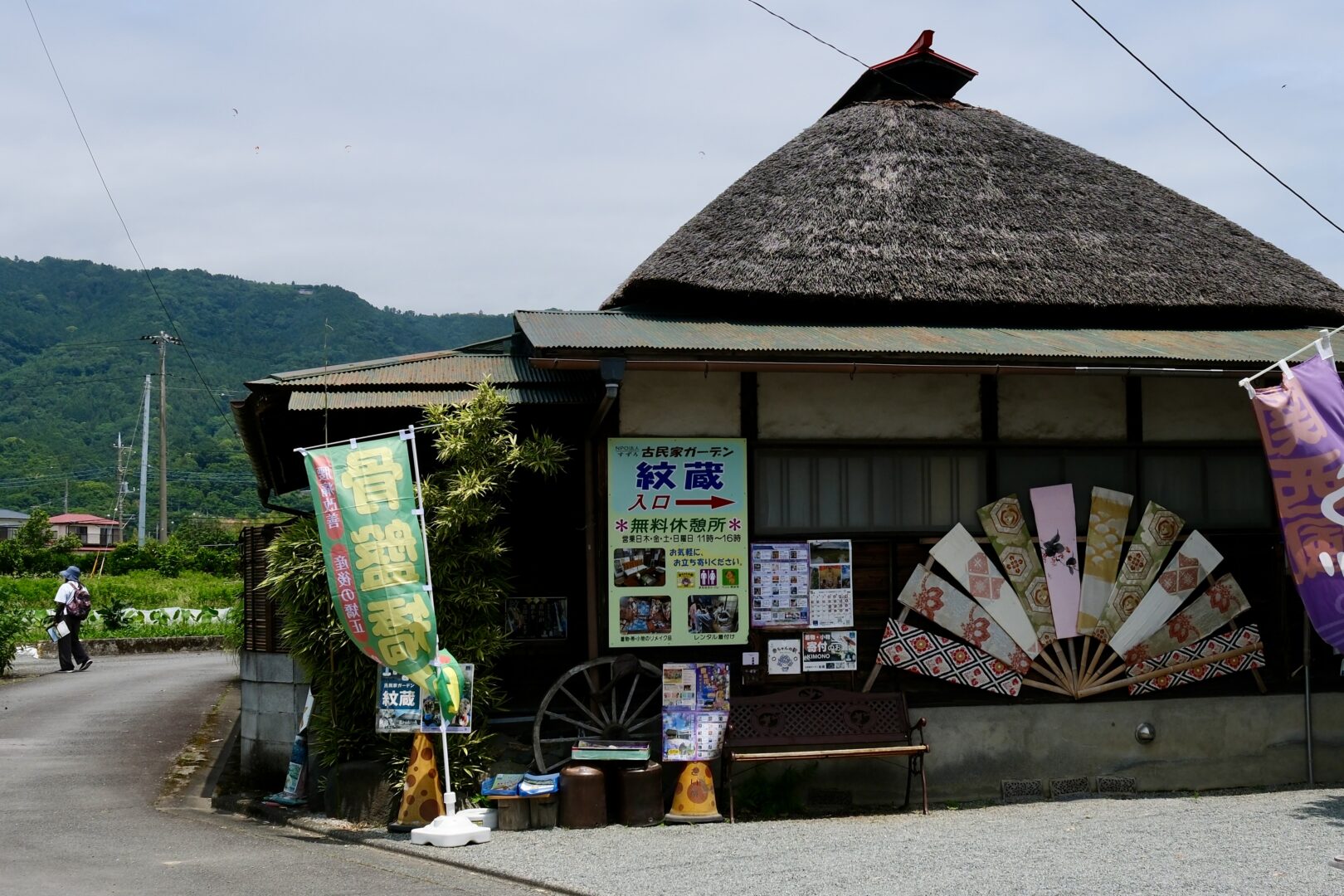
Monzo is a 160-year-old kominka (traditional house) where you’ll find recycled kimono, old fabrics, crafts, and even kimono rentals for a local dress-up experience. It’s a great place for unique souvenirs that feel tied to Japanese textiles, craft, and the house’s atmosphere.
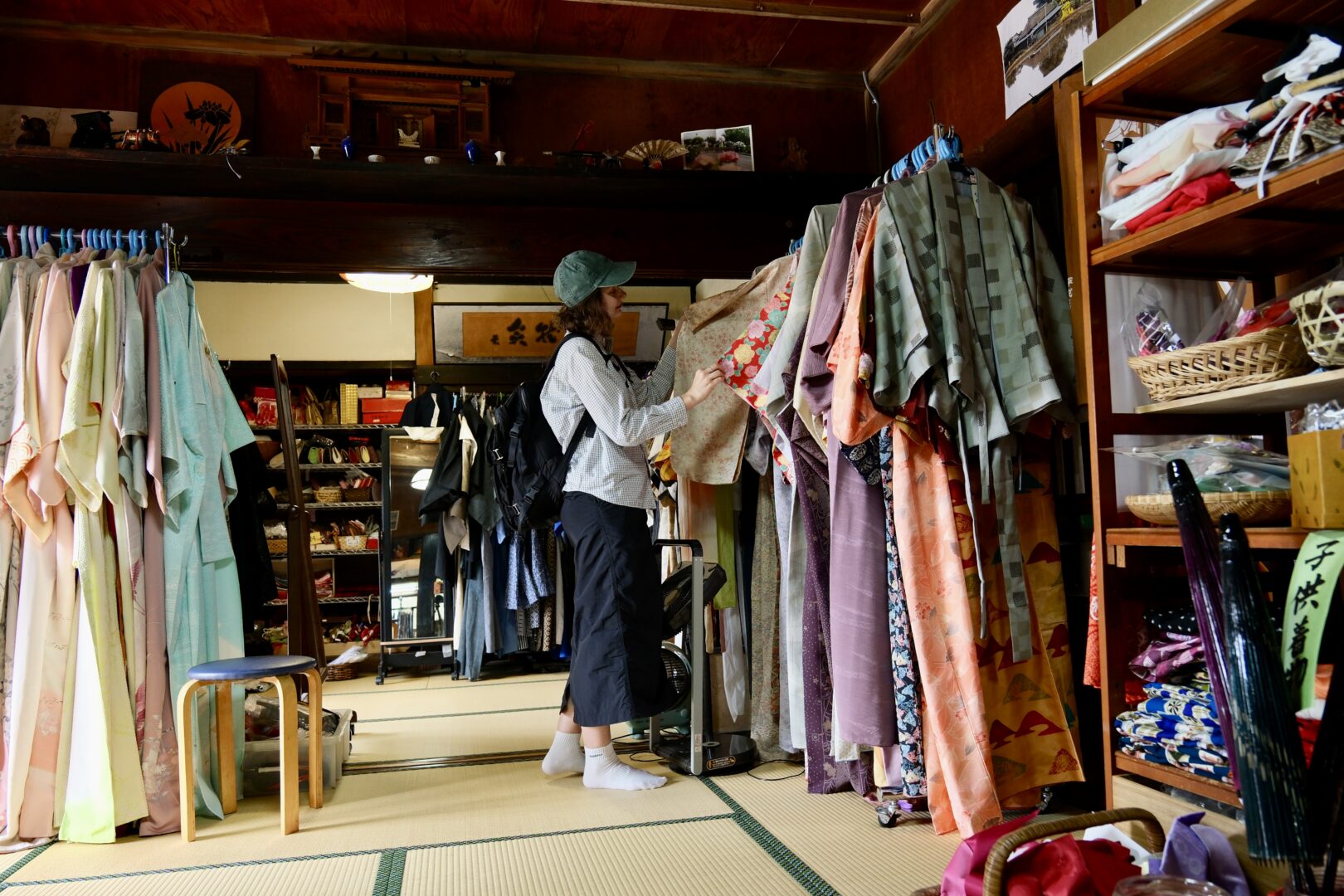
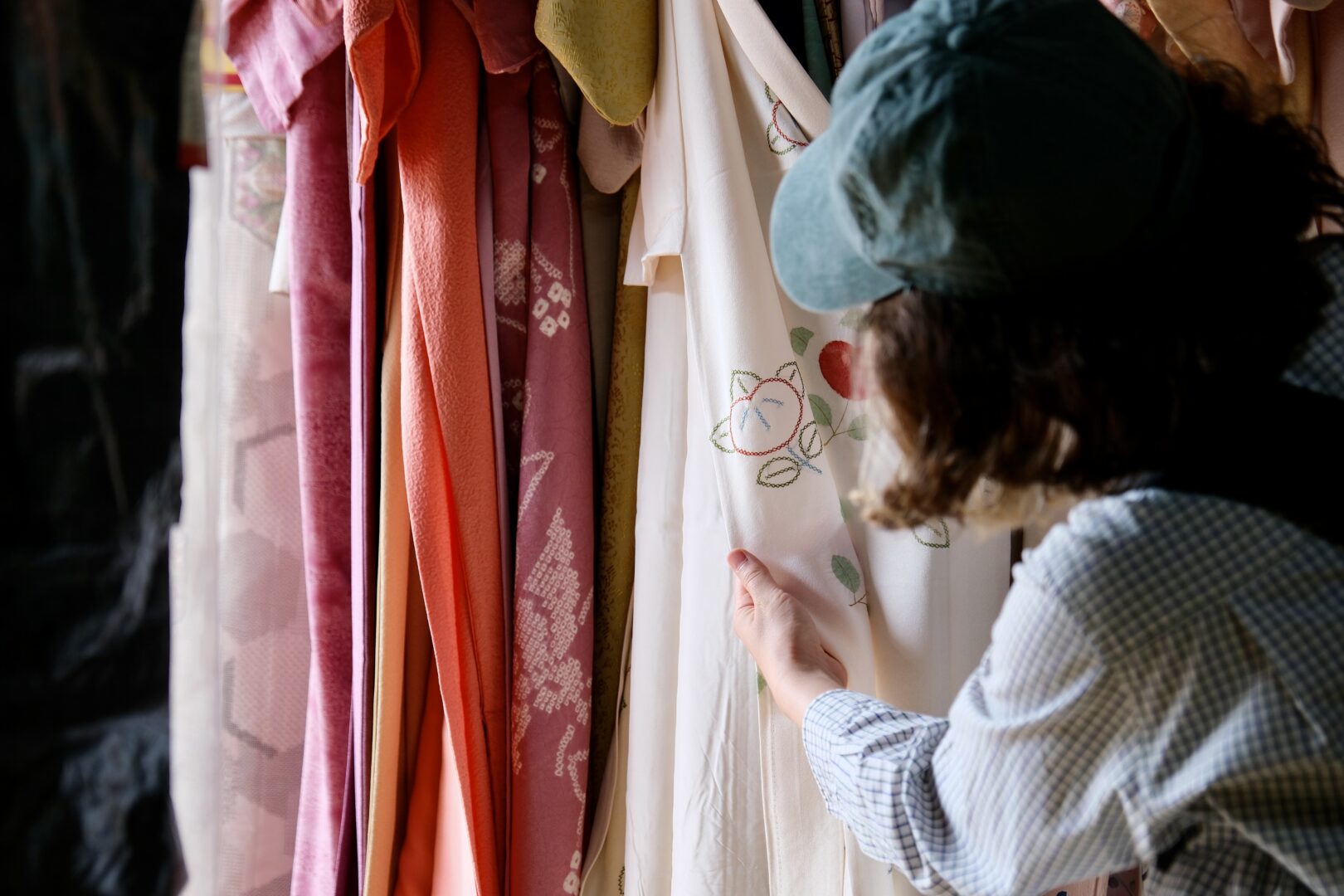
This spot seemed like a good spot to wrap up the Kaisei part of my trip. Before visiting, I mostly pictured Hakone as just mountains, hot springs, and museums. But spending time in Shin-Matsuda and Kaisei helped me appreciate the broader area around Hakone.
Continue on the Hakone Loop Route
After visiting Kominka Garden Monzo, I decided not to wait for the bus. Instead, I walked about halfway to Shin-Matsuda Station through quiet local streets.
From Shin-Matsuda Station, take the Odakyu Line train toward Odawara. At Odawara Station, transfer to the Hakone Tozan Train, which takes you directly to Hakone-Yumoto.
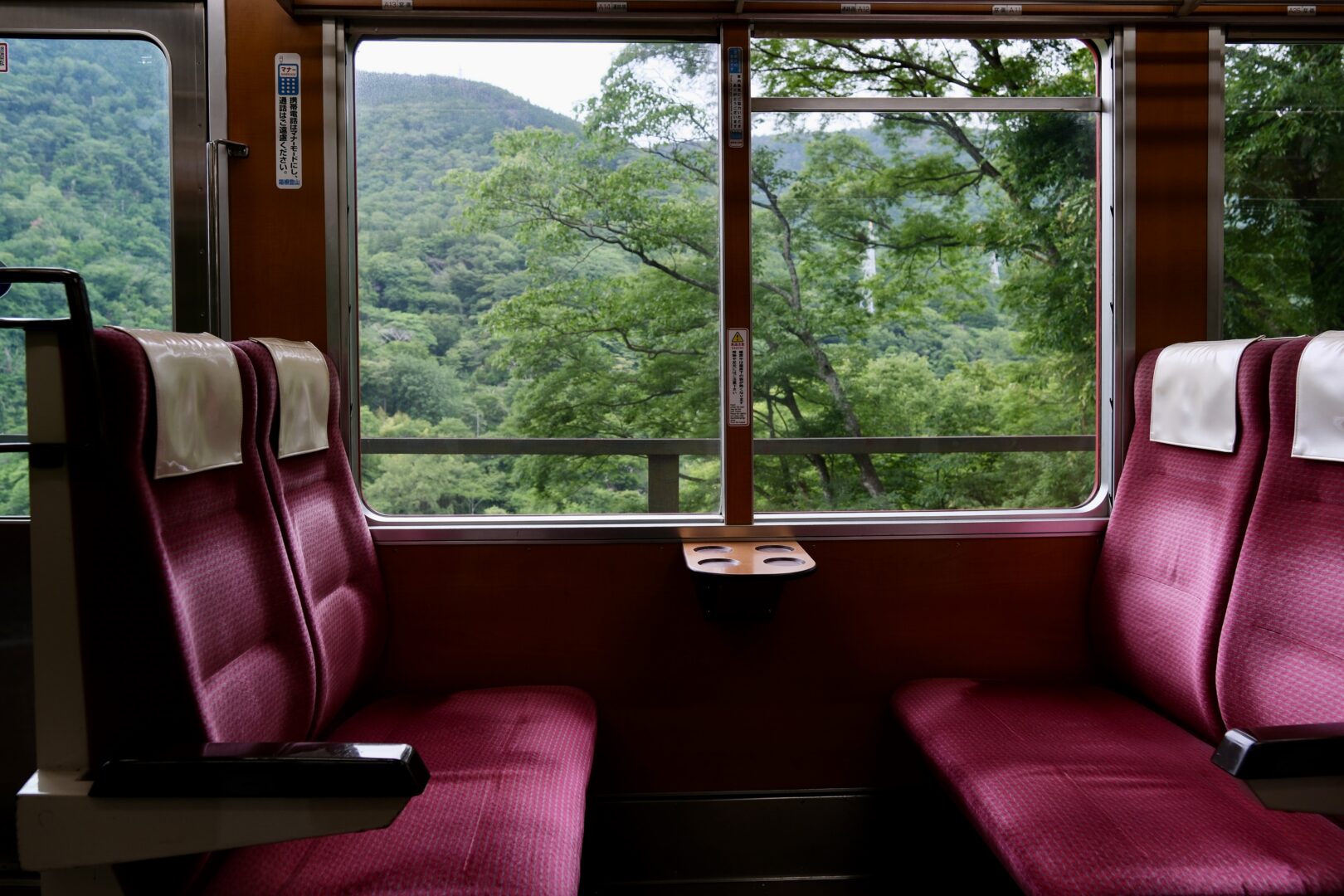
If you have the Hakone Freepass, simply present it as needed when traveling within the Freepass coverage area, which begins from Odawara or Hakone-Yumoto.The whole trip from Shin-Matsuda to Hakone-Yumoto takes about 40 minutes, including the transfer at Odawara.
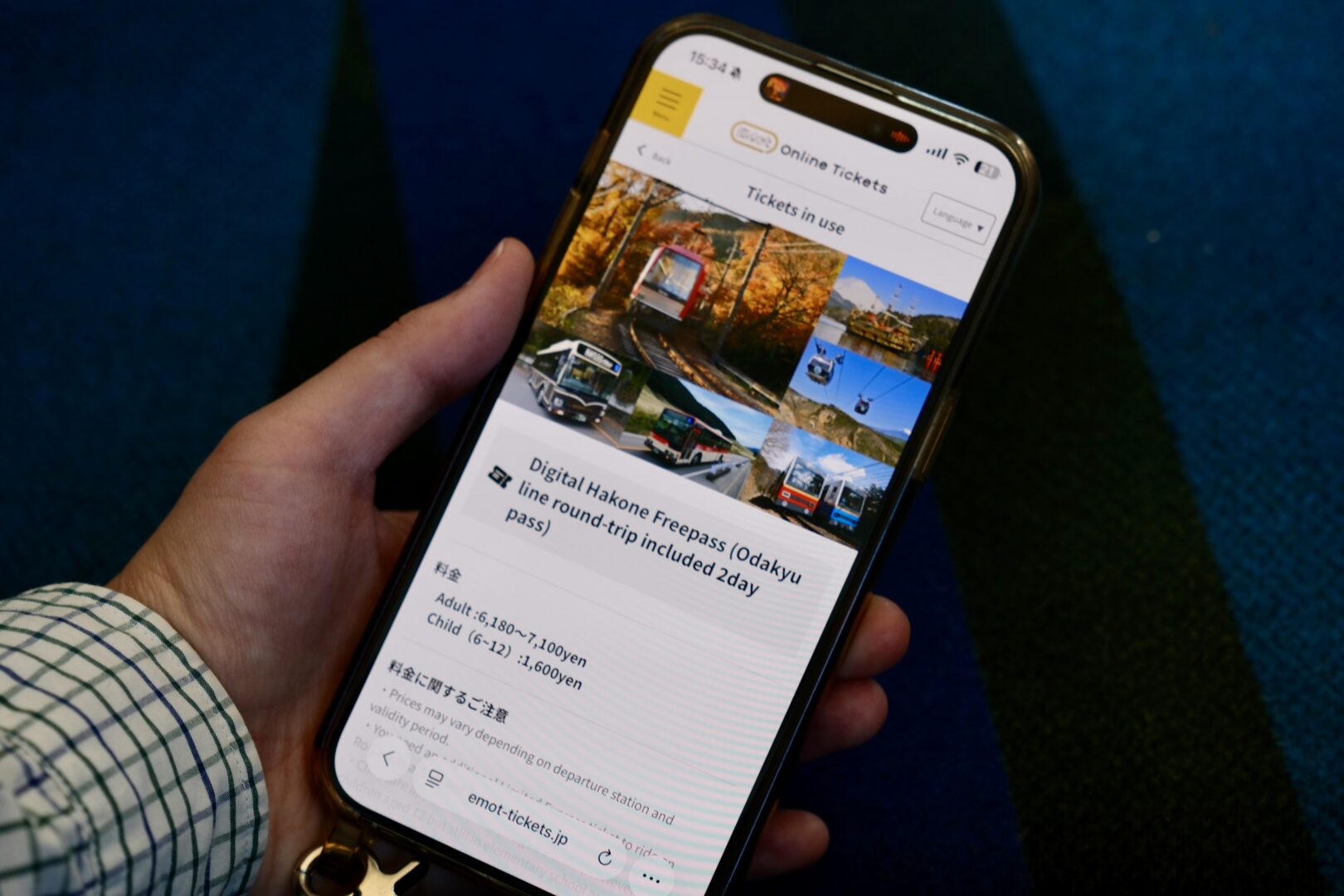
A note from me: The Hakone Freepass comes in different versions depending on where you start your journey, so make sure to choose the right one for your route. Since this trip started and ended in Shinjuku, I used the Hakone Freepass departing from Shinjuku.
This article focuses on the countryside stop before Hakone. For the full Hakone Loop route, including hot springs, mountain views, scenic transportation, and how to use the Hakone Freepass, see the article below.
Odawara Stop: Castles, Cafes, and Sea (Hakone Loop Return)
After Hakone, stop in Odawara before heading back to Tokyo. It’s right on the route and offers castle town charm, with the sea just a short walk away.
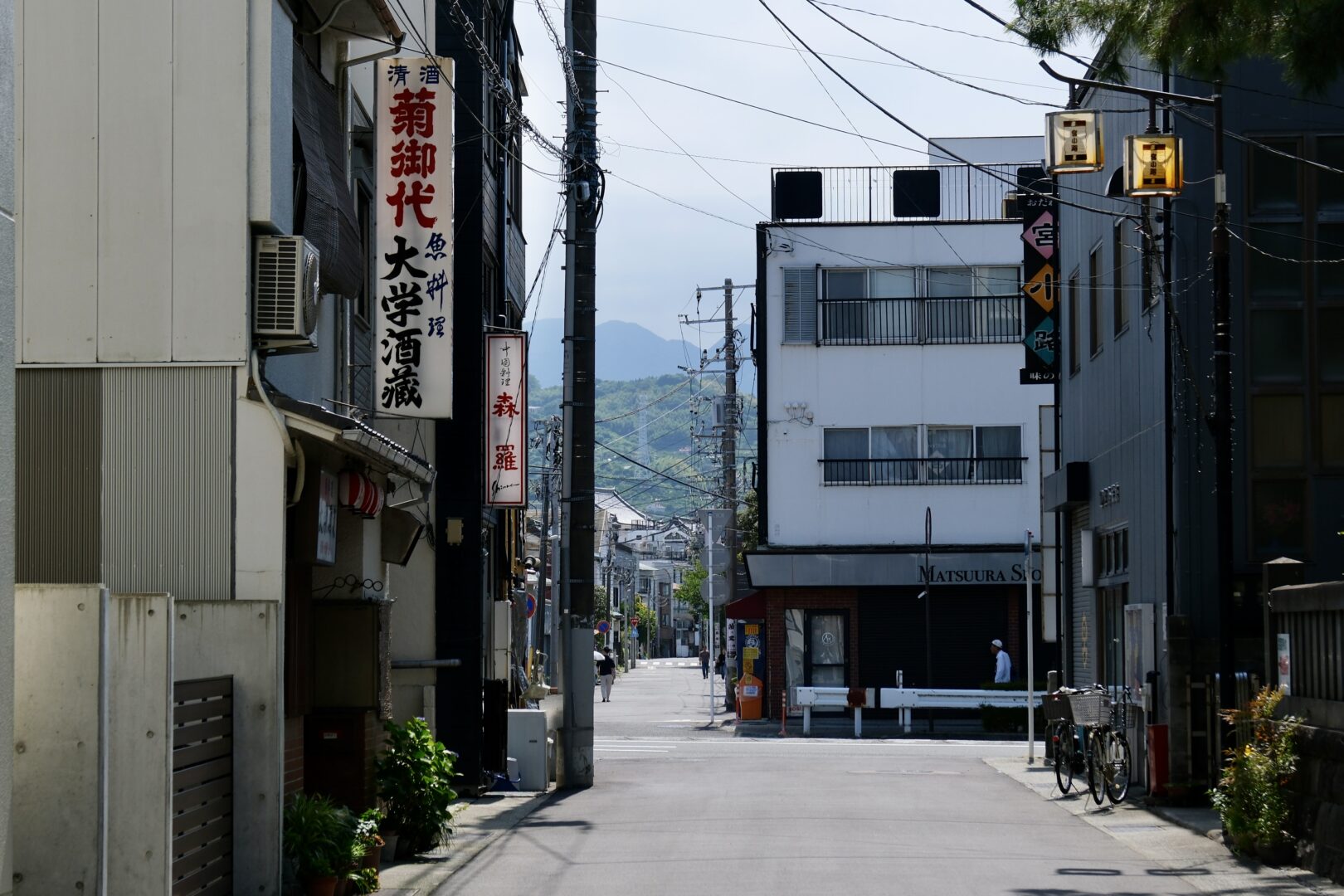
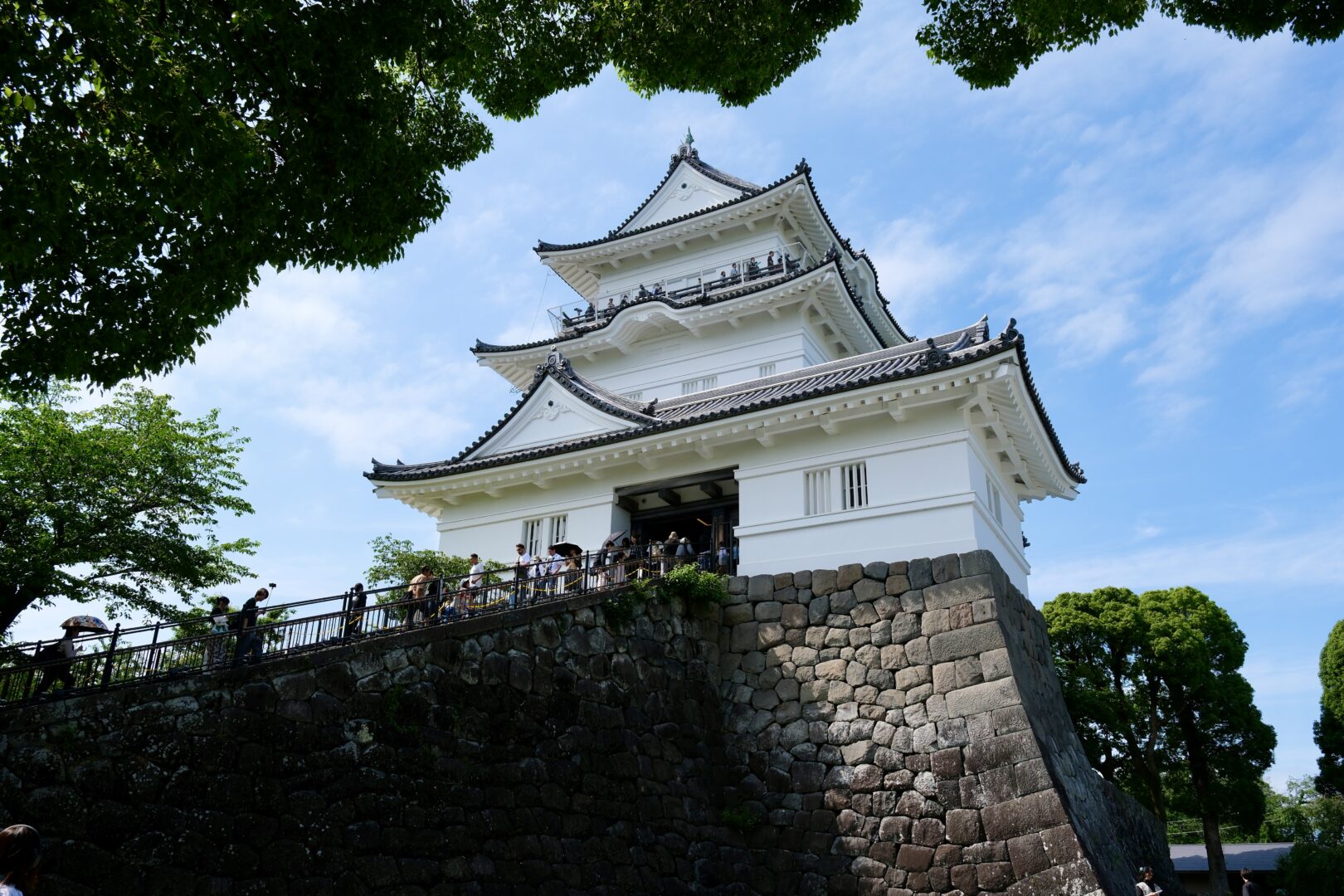
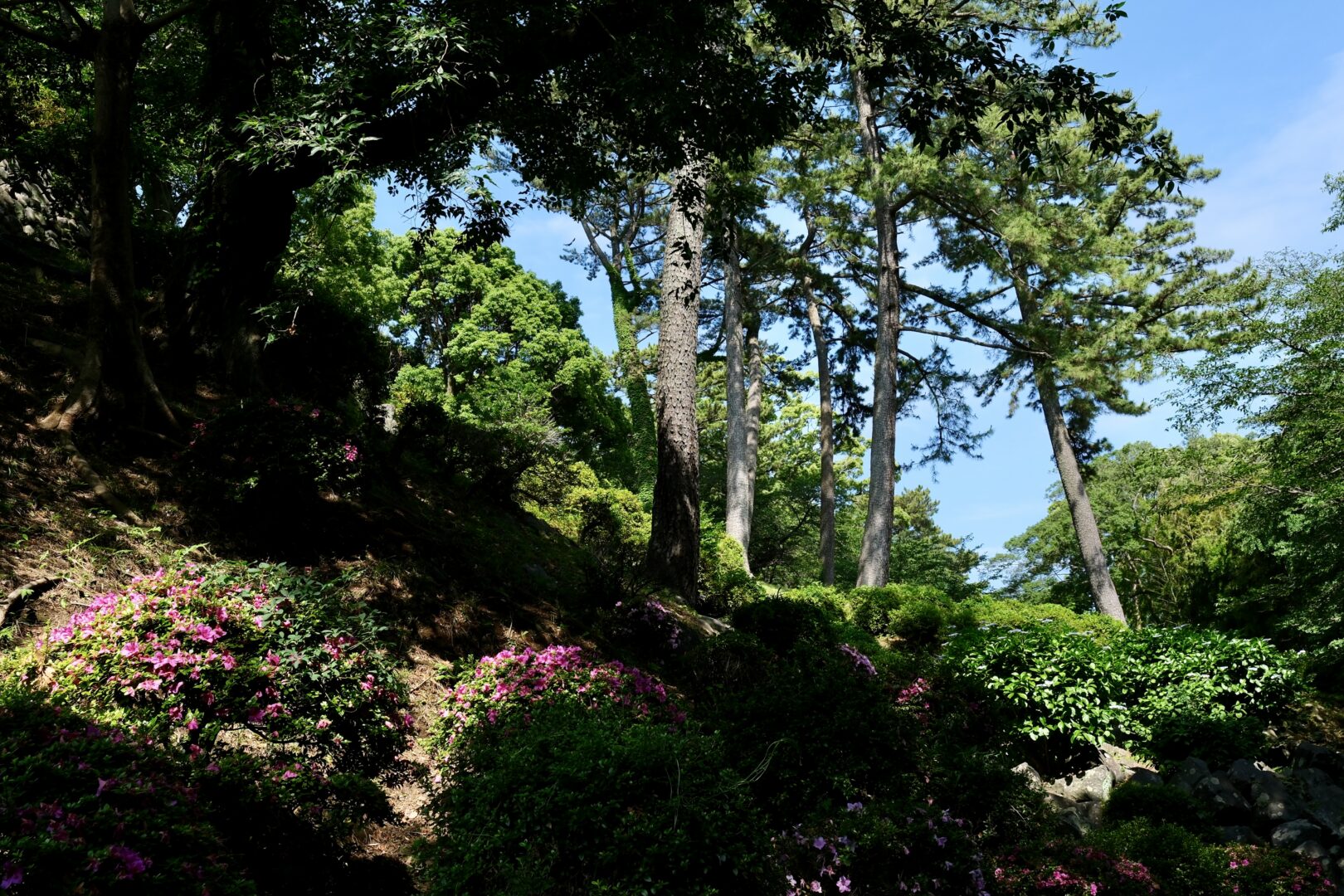
Odawara Castle is easy to visit and worth a short stroll, even if you’re pressed for time. The grounds are peaceful, and the white castle tower is a nice sight.
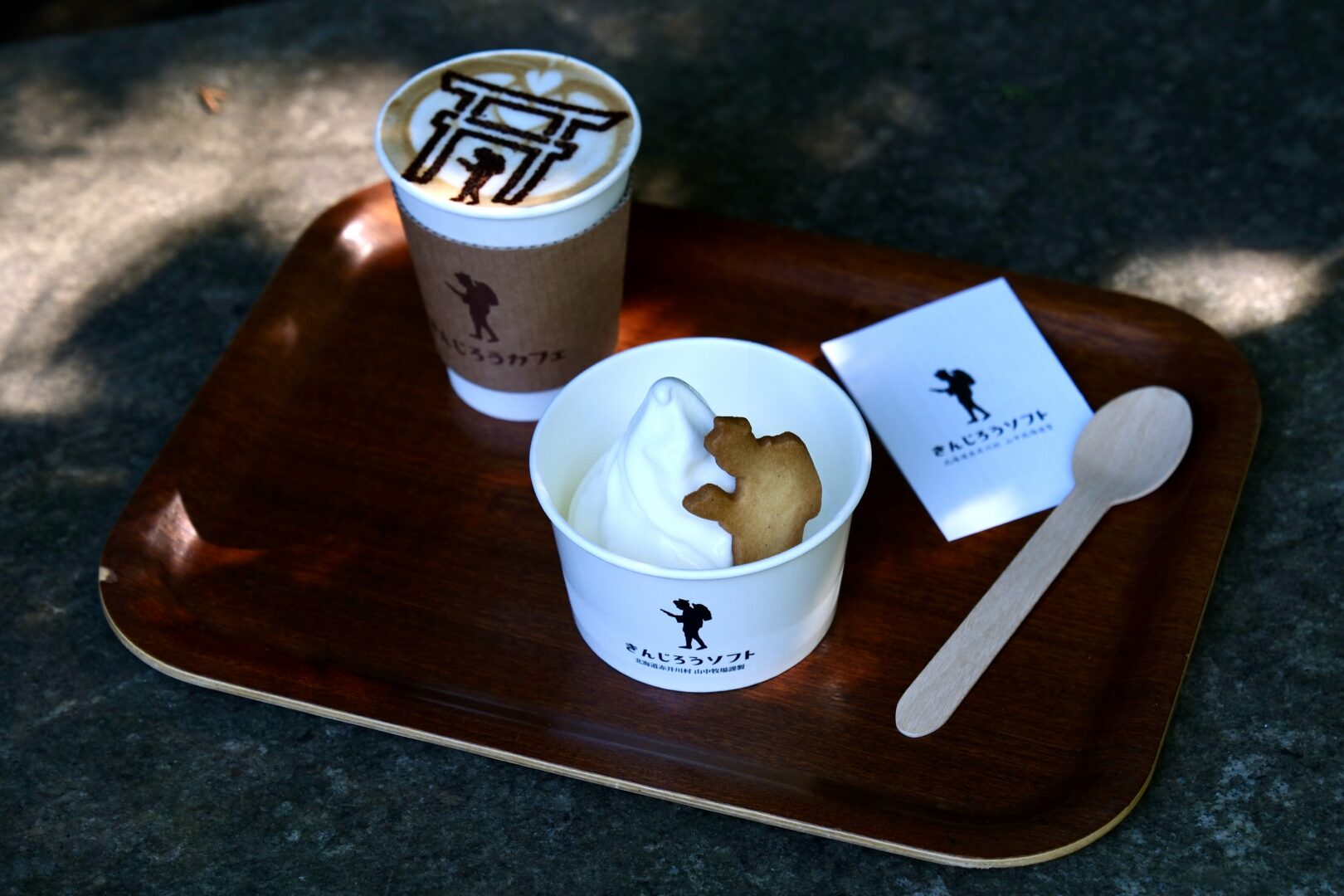
Kinjirou Cafe, located at the adjacent Hotoku Ninomiya Shrine, is a great spot to take a break. Visitors can enjoy a latte decorated with an illustration of Ninomiya Kinjirou, or soft-serve ice cream topped with a cookie. The cafe is named after Ninomiya Kinjirou, a local historical figure whose story about studying while carrying firewood is famous across Japan.
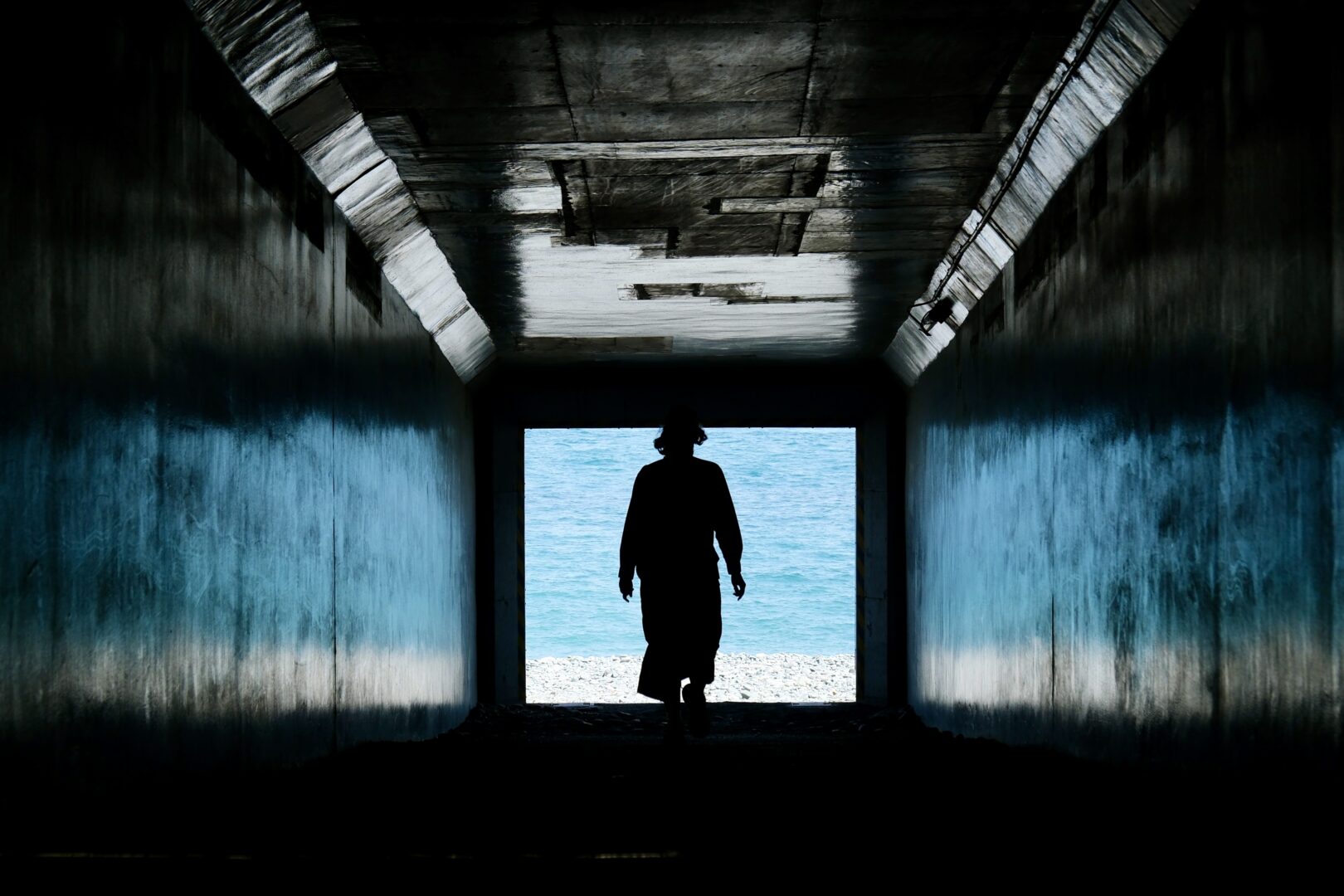
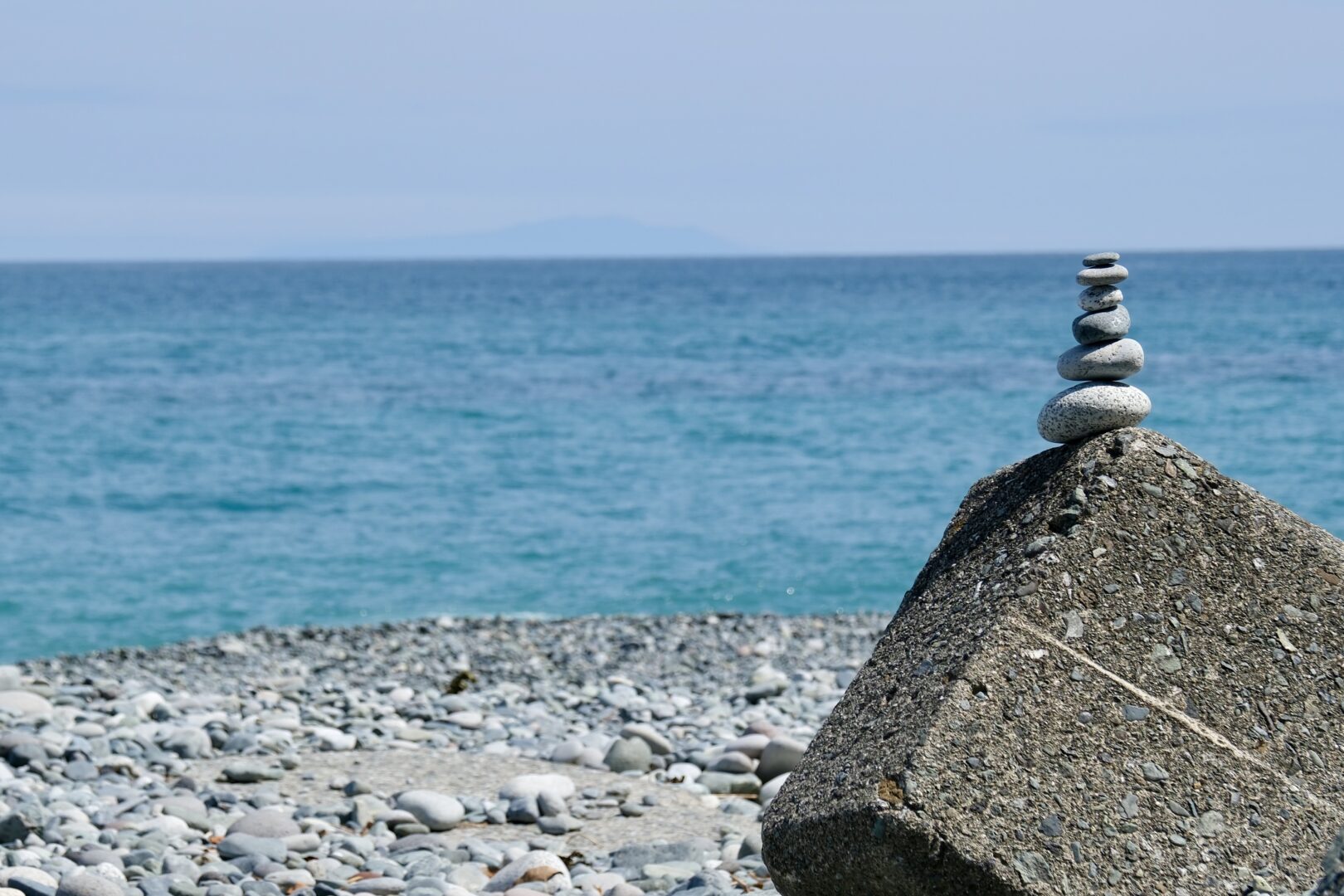
Best of all, you can end your visit with ocean views before your train, wrapping up your day by the sea makes for a refreshing finish and great photos.
Romancecar: Direct from Odawara to Shinjuku
The Romancecar is one of the easiest ways to travel between Shinjuku and Hakone, with direct service to Hakone-Yumoto in about 80 minutes. For this route, I saved the Romancecar for the return from Odawara to Shinjuku. After a full day of walking through Kaisei, exploring the Hakone Loop, and stopping in Odawara, having a reserved seat made the journey back feel especially comfortable.
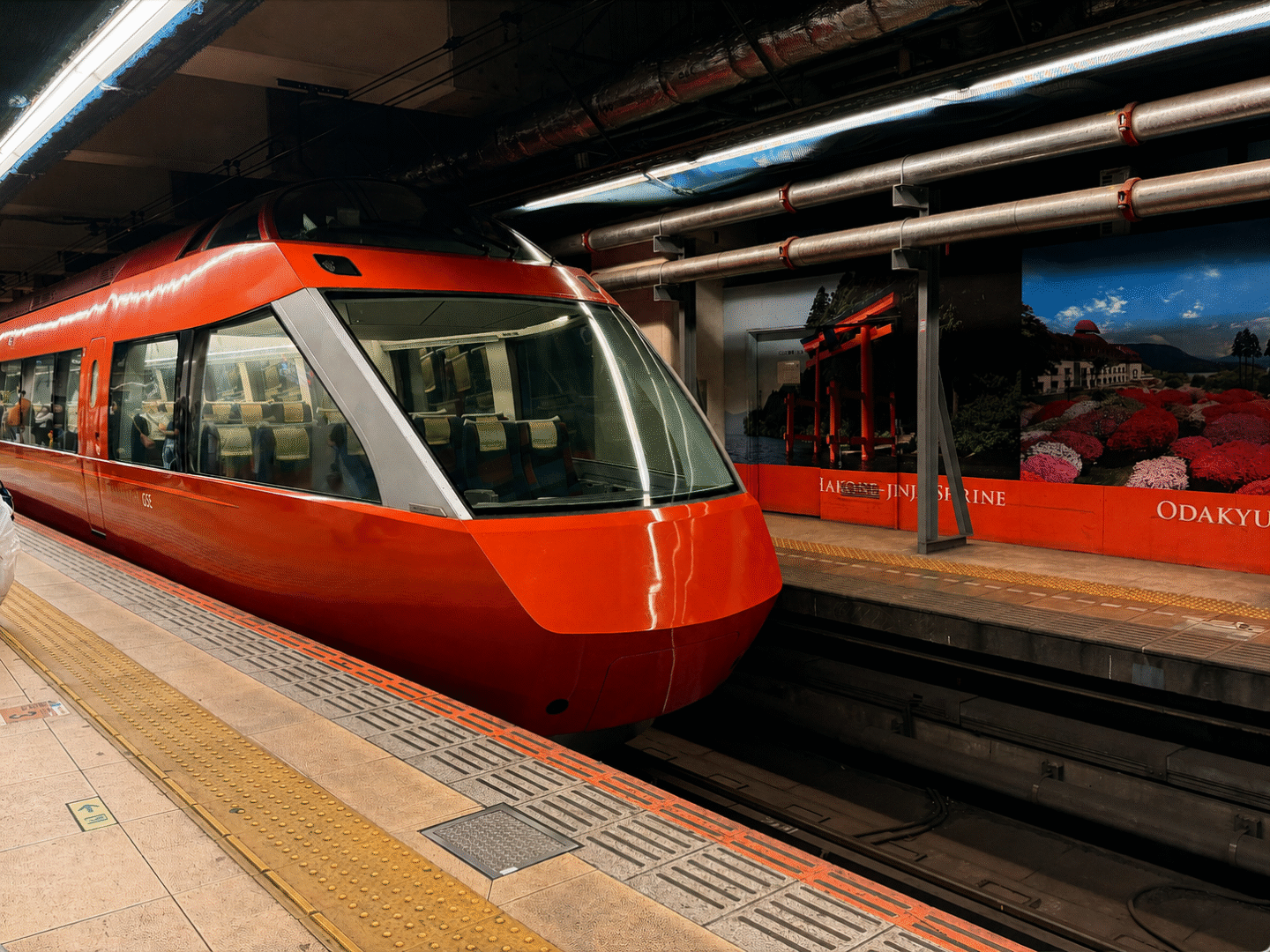
Get your digital ticket for the Limited Express Romancecar
Hakone Loop Ticket & Booking Tips
For this route, I recommend preparing two things in advance: the Hakone Freepass and a the Limited Express Romancecar ticket.
The Hakone Freepass allows unlimited rides on most trains, buses, boats, and cable cars within the designated Hakone Freepass area. The Romancecar is not included in the Freepass, a separate limited express ticket is always required in addition to your regular ticket, pass, or IC card.
For the Romancecar, book a reserved seat in advance, especially on weekends or holidays.The train runs directly between Shinjuku and Hakone-Yumoto in about 80 minutes. On this trip, I took the Romancecar back from Odawara to Shinjuku, which made the return journey feel smooth and comfortable after a full day of exploring.
I hope this guide helps you plan your own adventure. Happy travels!