- SHARE


Discovering Hakone’s Latest Charms: A 2-Day Itinerary Featuring Majestic Fuji Views and the Convenience of the Digital Freepass.
Digital Hakone Freepass
Hakone is a classic resort town that perfectly blends spiritual beliefs with natural beauty. From cruising on a pirate ship across the deep blue lake to riding a ropeway over the boiling Owakudani Valley to taste the legendary black eggs, every route in this town is linked by the grand and majestic views of Mount Fuji. This makes Hakone not just a stopover, but a dream destination that travelers from around the world long to experience for themselves at least once.
Traveling to Hakone is easy, located only about 2 hours from Tokyo. There is the Hakone Freepass by the Odakyu Electric Railway Company, which can be used for public transportation covering sightseeing spots throughout all of Hakone.
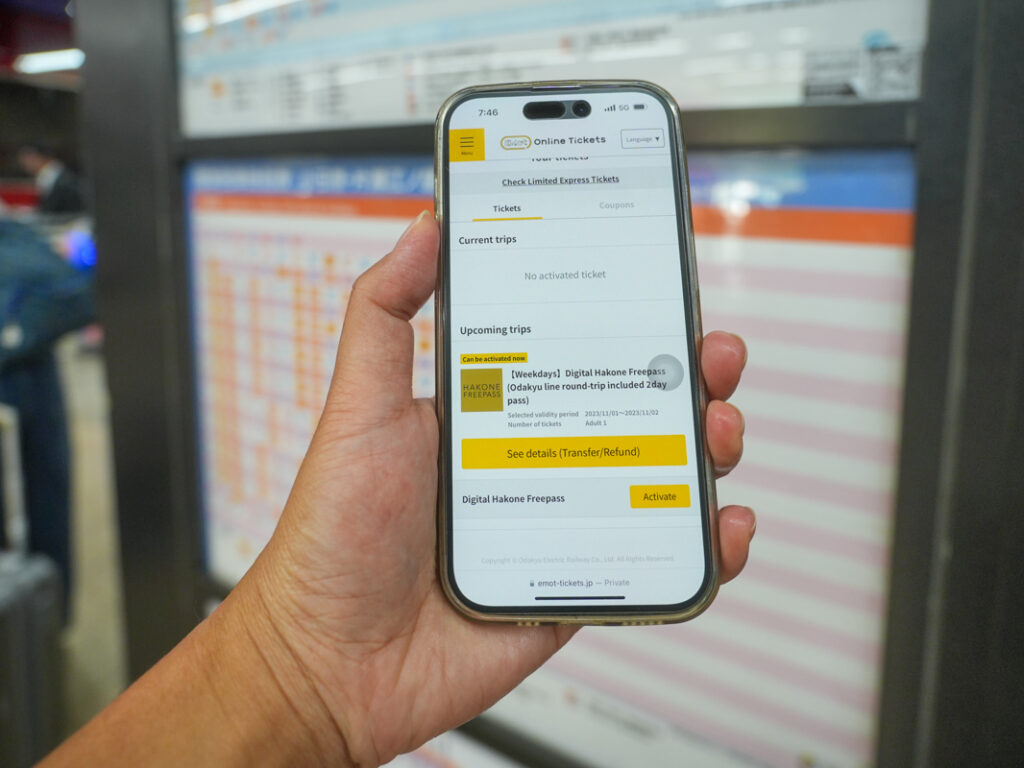
The pass can be purchased via EMot Online Tickets, Odakyu’s online ticketing website. You can buy it through your mobile phone anytime, anywhere. There is no need to wait in line to buy or exchange tickets before traveling. Additionally, you can transfer tickets to friends and never have to worry about losing them like paper tickets.
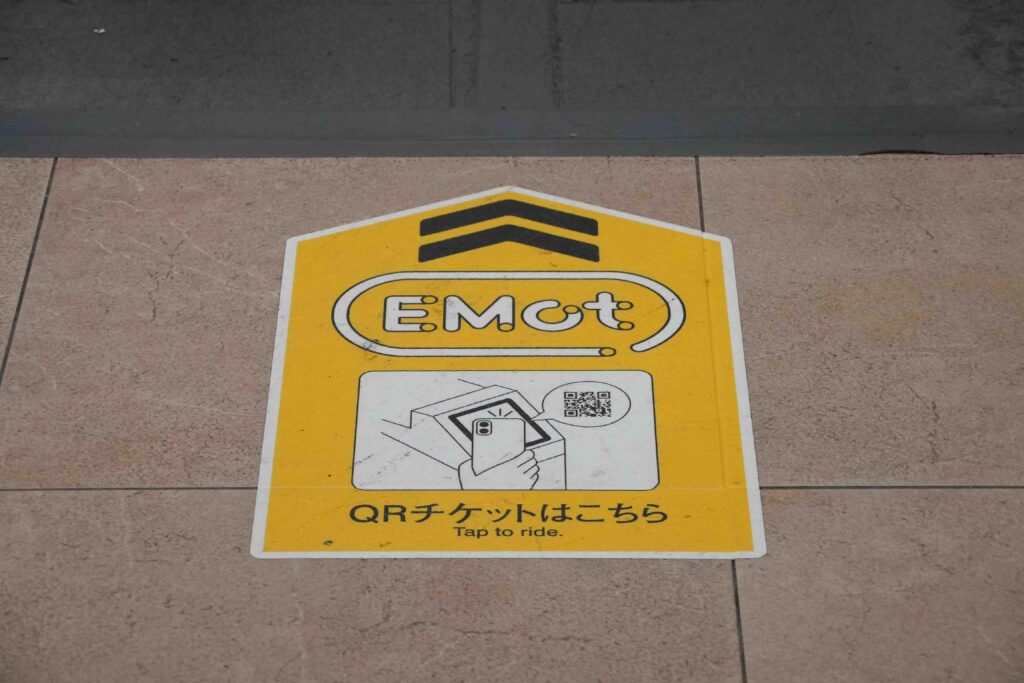
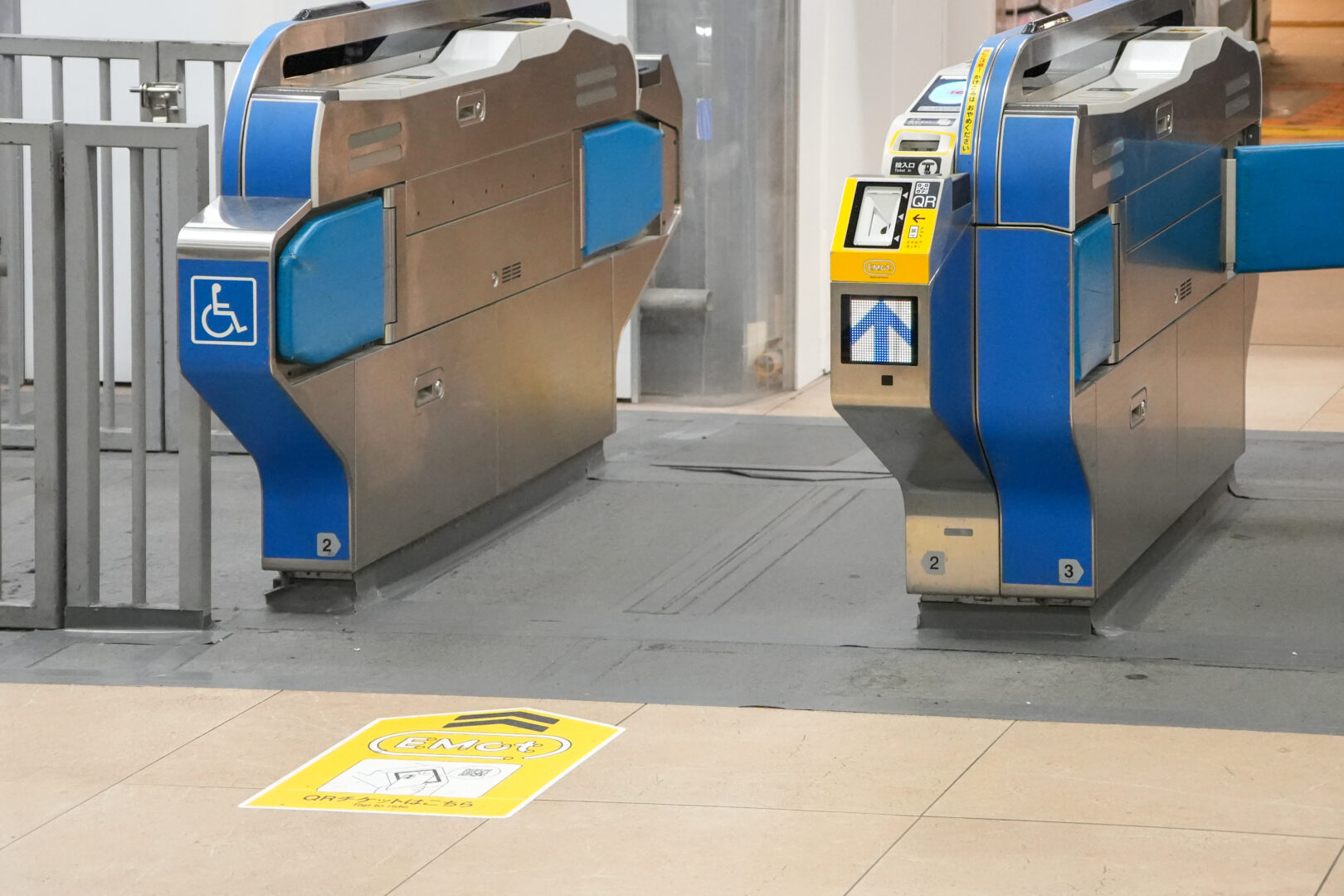
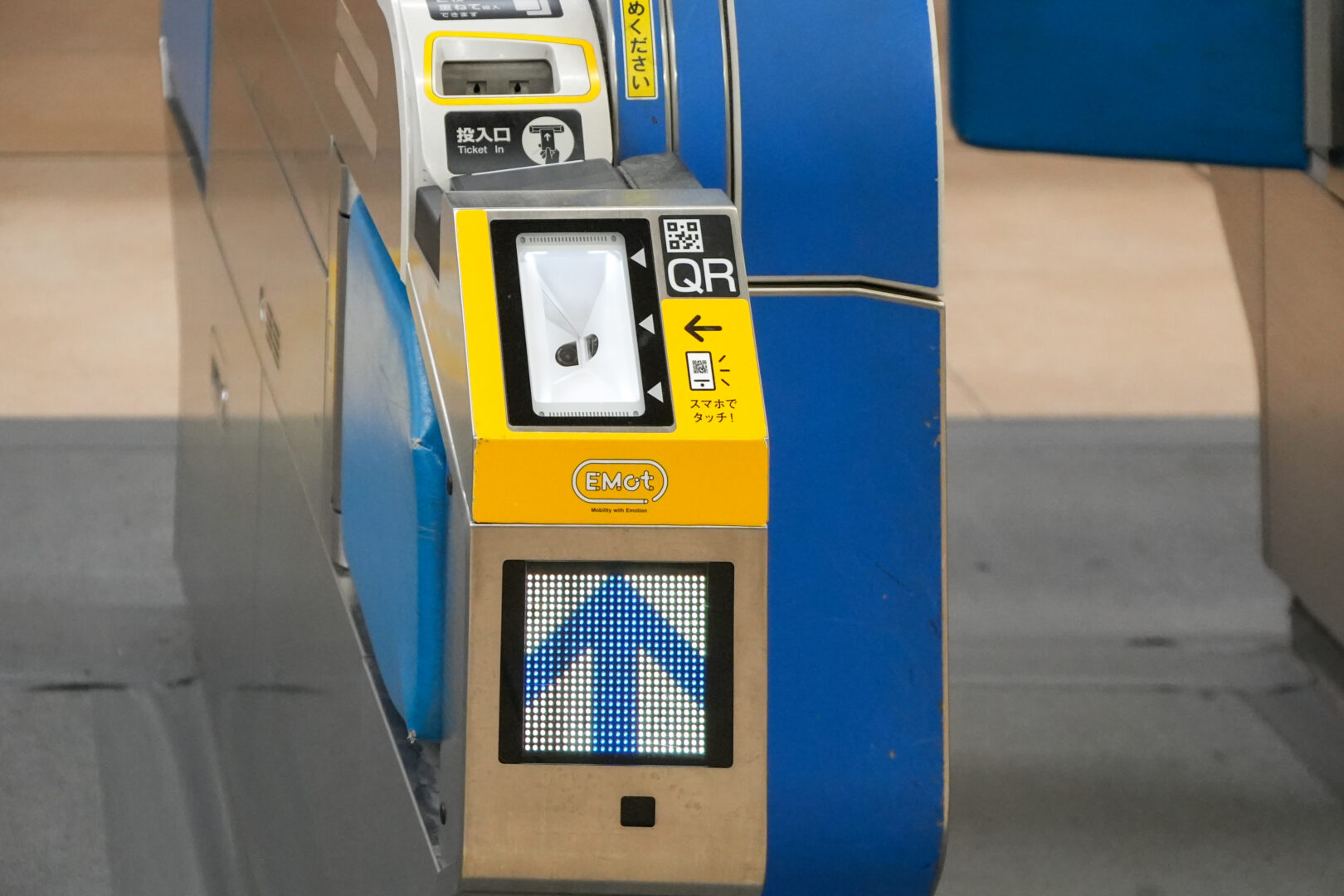
It is simple to use: just scan the QR Code at the reader at the station entrance. For locations without a reader, simply show your screen to the station staff. However, please note that using a screenshot of the screen is not allowed.
Digital Hakone Freepass Prices
Departing from Shinjuku Station
2 days: Adults 7,100 yen / Children 1,600 yen
3 days: Adults 7,500 yen / Children 1,850 yen
Departing from Odawara Station
2 days: Adults 6,000 yen / Children 1,500 yen
3 days: Adults 6,400 yen / Children 1,750 yen
If taking the Odakyu Romancecar from Shinjuku Station to Hakone-Yumoto Station, an additional surcharge is required: Adults 1,200 yen / Children 600 yen (Reservations and ticket purchases can be made via EMot Online Tickets).
The Freepass covers the following transportation:
✅One round-trip on the Odakyu Line between the departure station and Odawara Station.
✅Nearly all transportation systems in Hakone across 8 routes, including:
1. Hakone Tozan Train
2. Hakone Tozan Cable Car
3. Hakone Ropeway
4. Hakone Sightseeing Cruise
5. Hakone Tozan Bus (designated routes only)
6. KANKO SHISETSU-MUGURI Bus
7. Odakyu Highway Bus (designated routes only)
8. Tokai Bus (designated routes only)
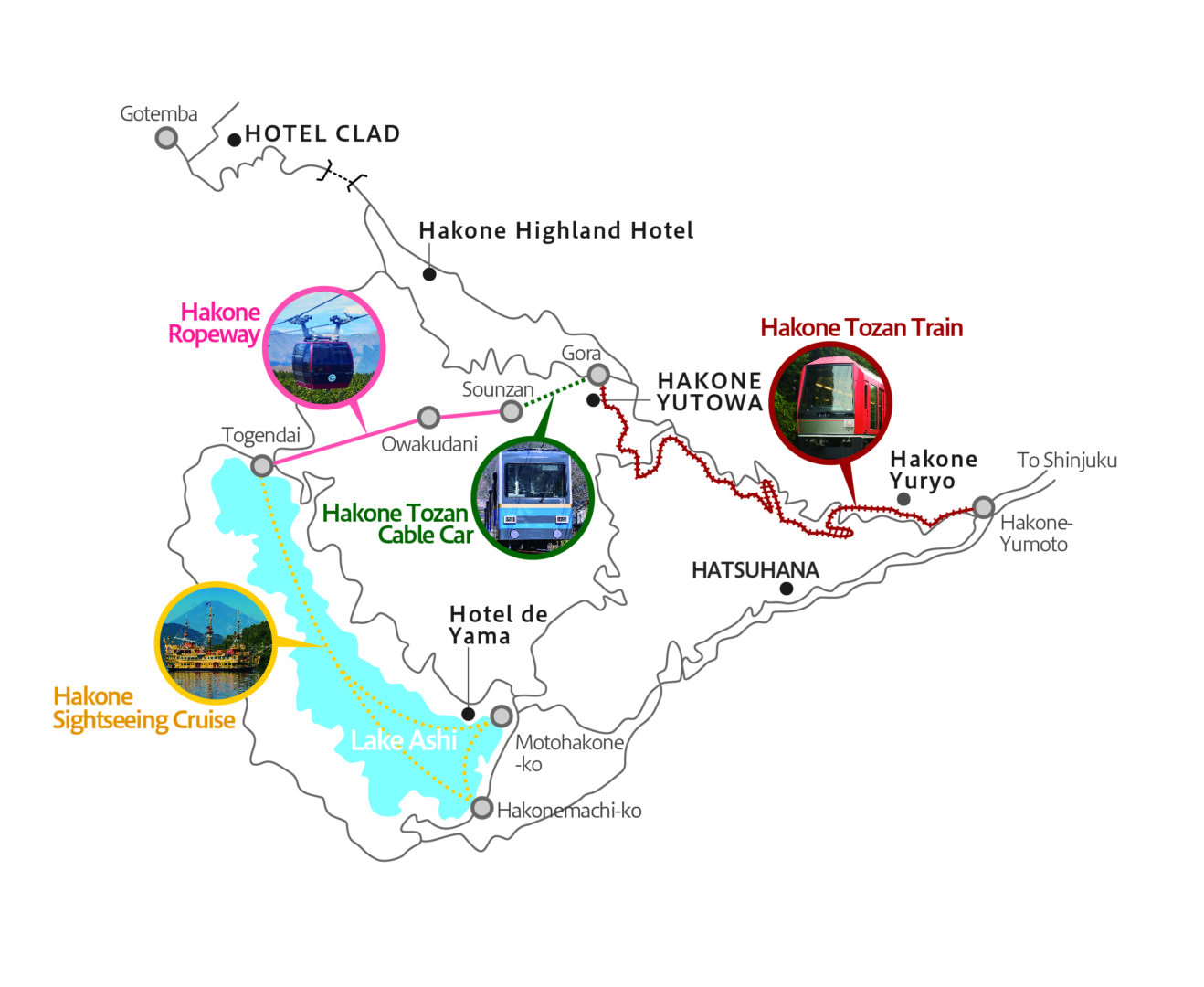
Additionally, This pass can be used for admission discounts or other special privileges at more than 70 locations throughout Hakone. See details here.
Get Your Digital Hakone Freepass and Romancecar Tickets
I will introduce a 2-day, 1-night itinerary using the Digital Hakone Freepass (2-Day), covering both famous landmarks and new spots in Hakone to show you that there is still so much more to explore.
My friend and I traveled for this trip in early December. The leaves were beginning to fall, but the weather was not yet too cold.
Day 1
Shinjuku Station
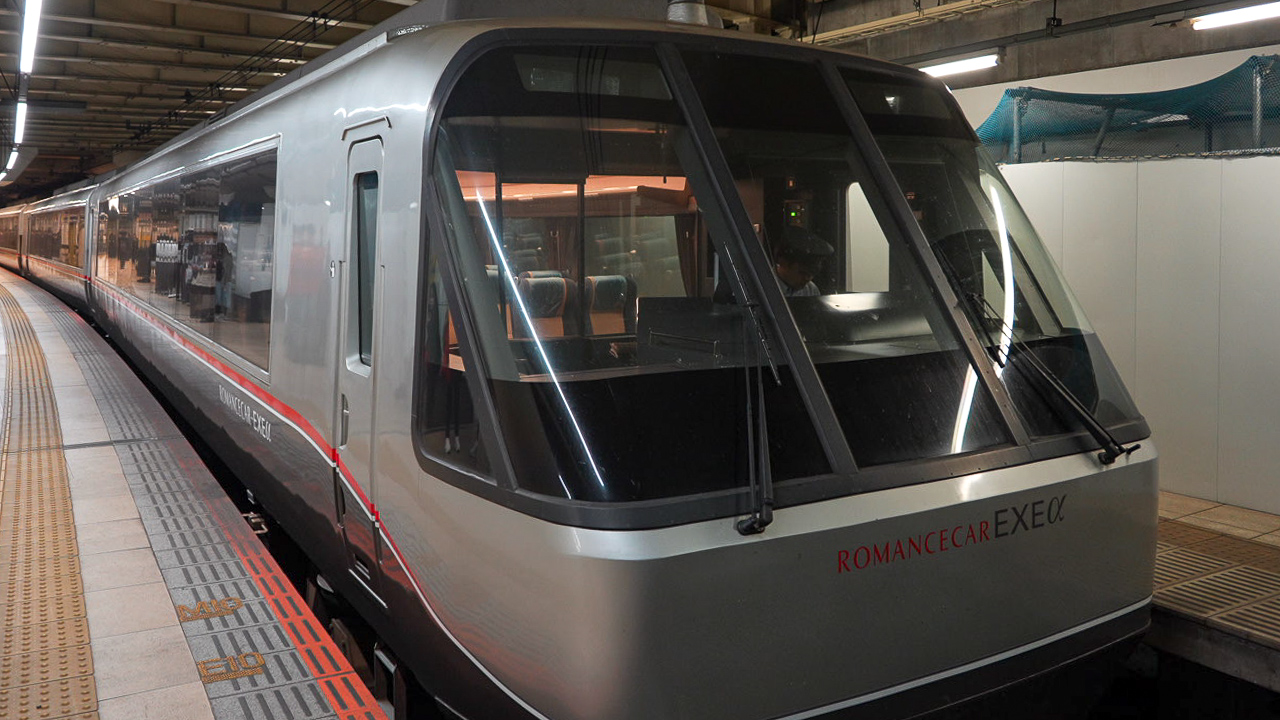
We began our journey at Odakyu Shinjuku Station. We traveled by the Romancecar, which is the limited express train of the Odakyu Line. This is not included in the pass; a separate limited express ticket must be purchased, which can also be bought online.
When passing through the ticket gates, if you have the pass, simply open the screen to display your pass and scan the QR code to enter. In places where there is no scanner, you can show your pass directly to the staff.
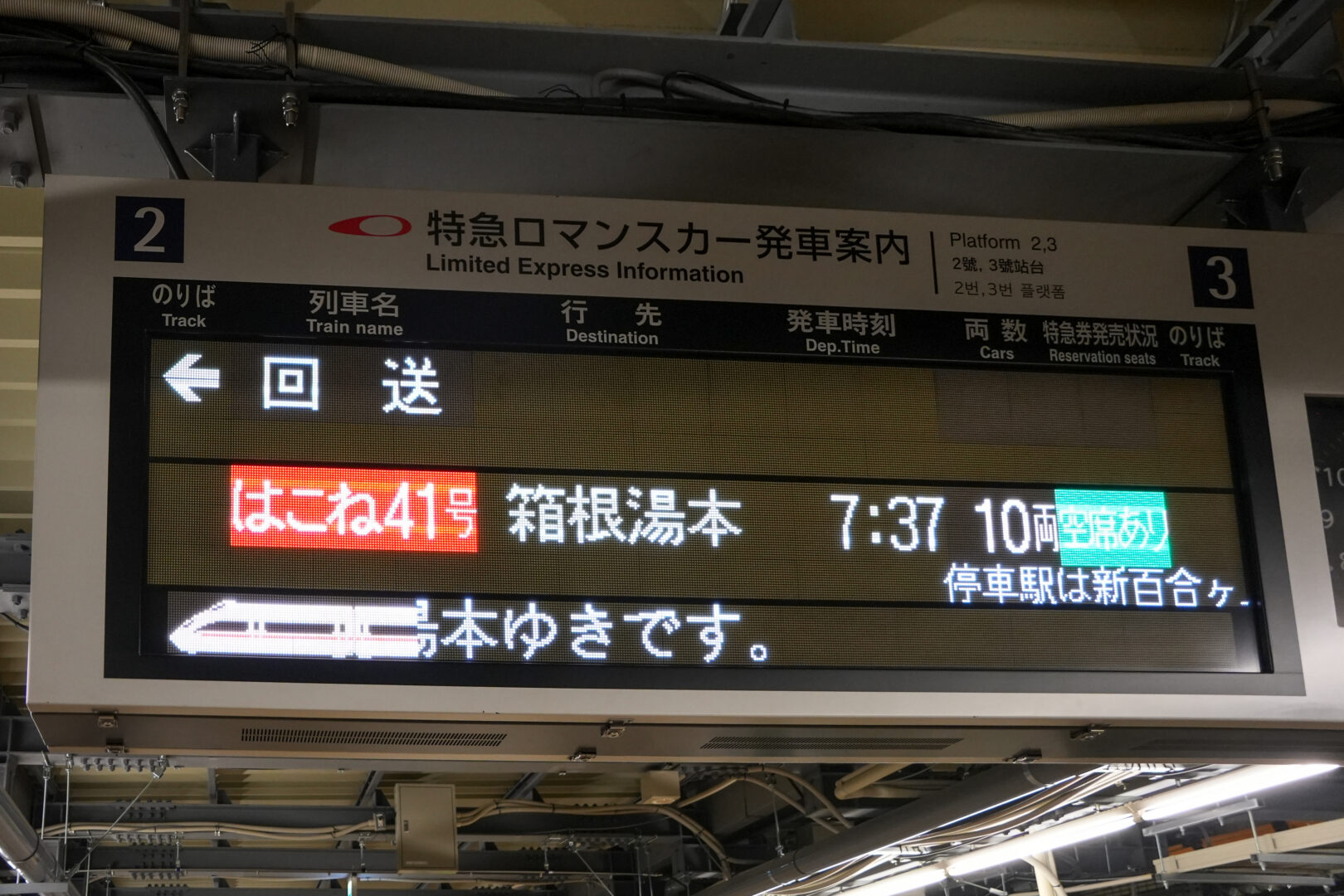
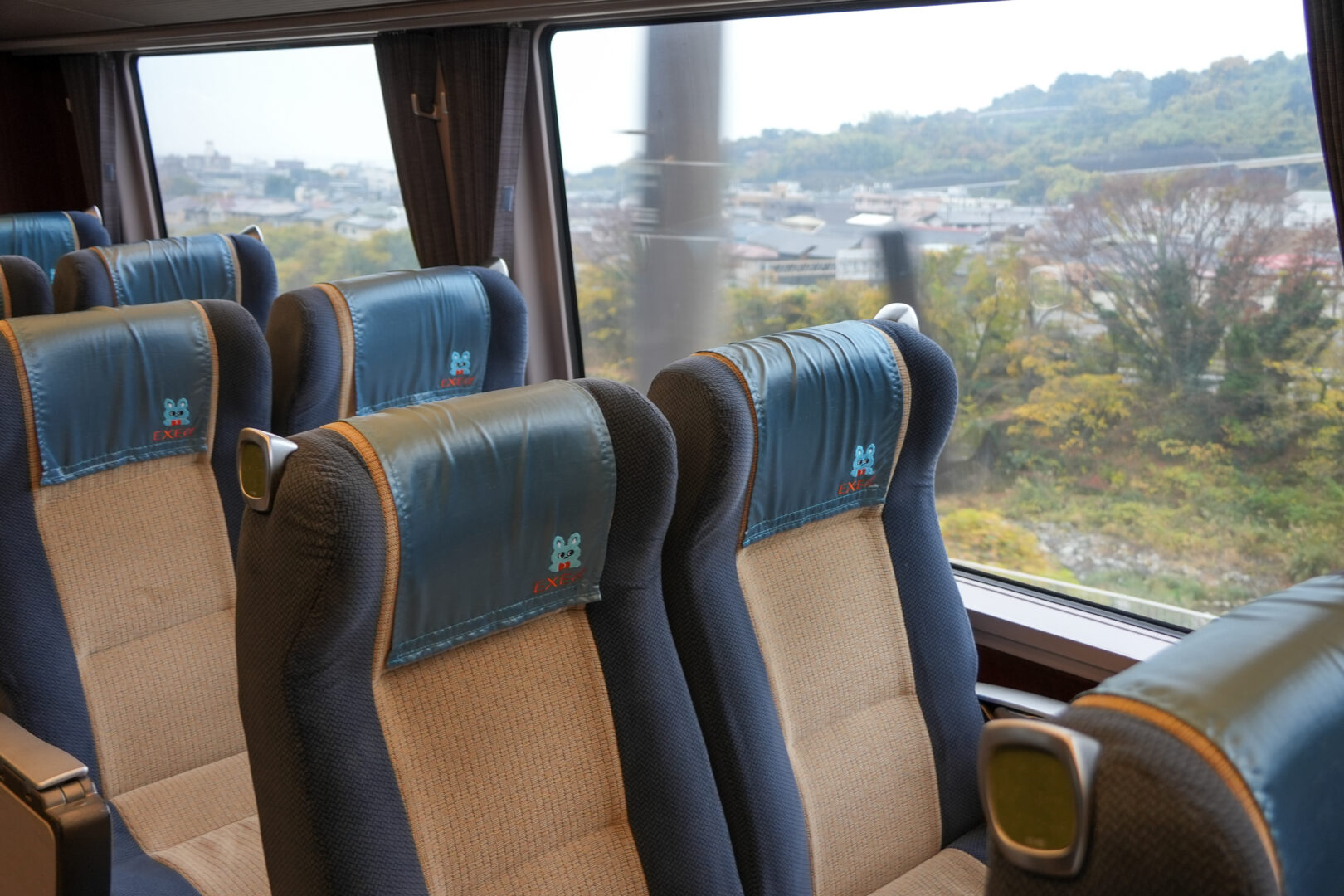
7:37 AM Romancecar: Shinjuku Station → Hakone-Yumoto Station
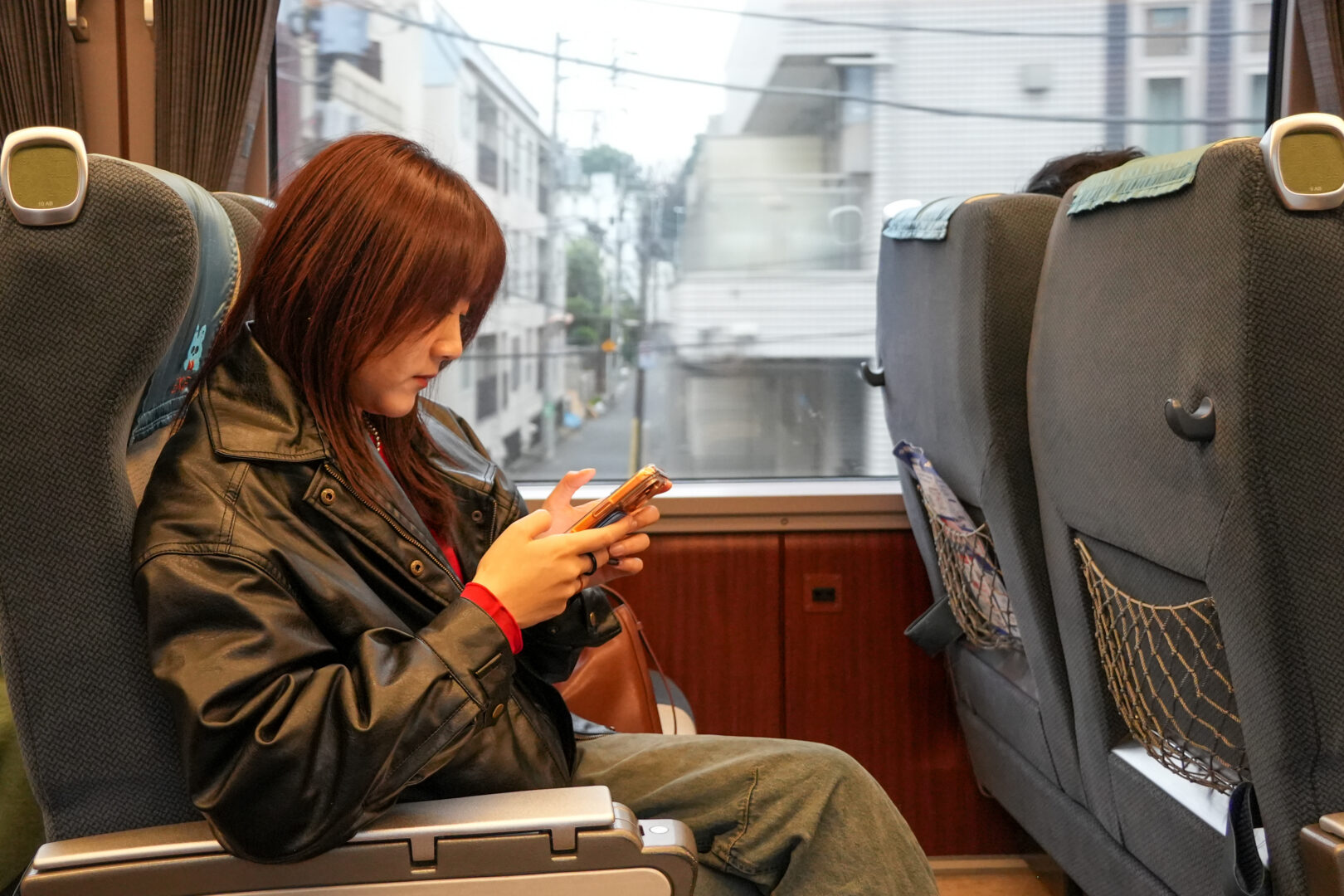
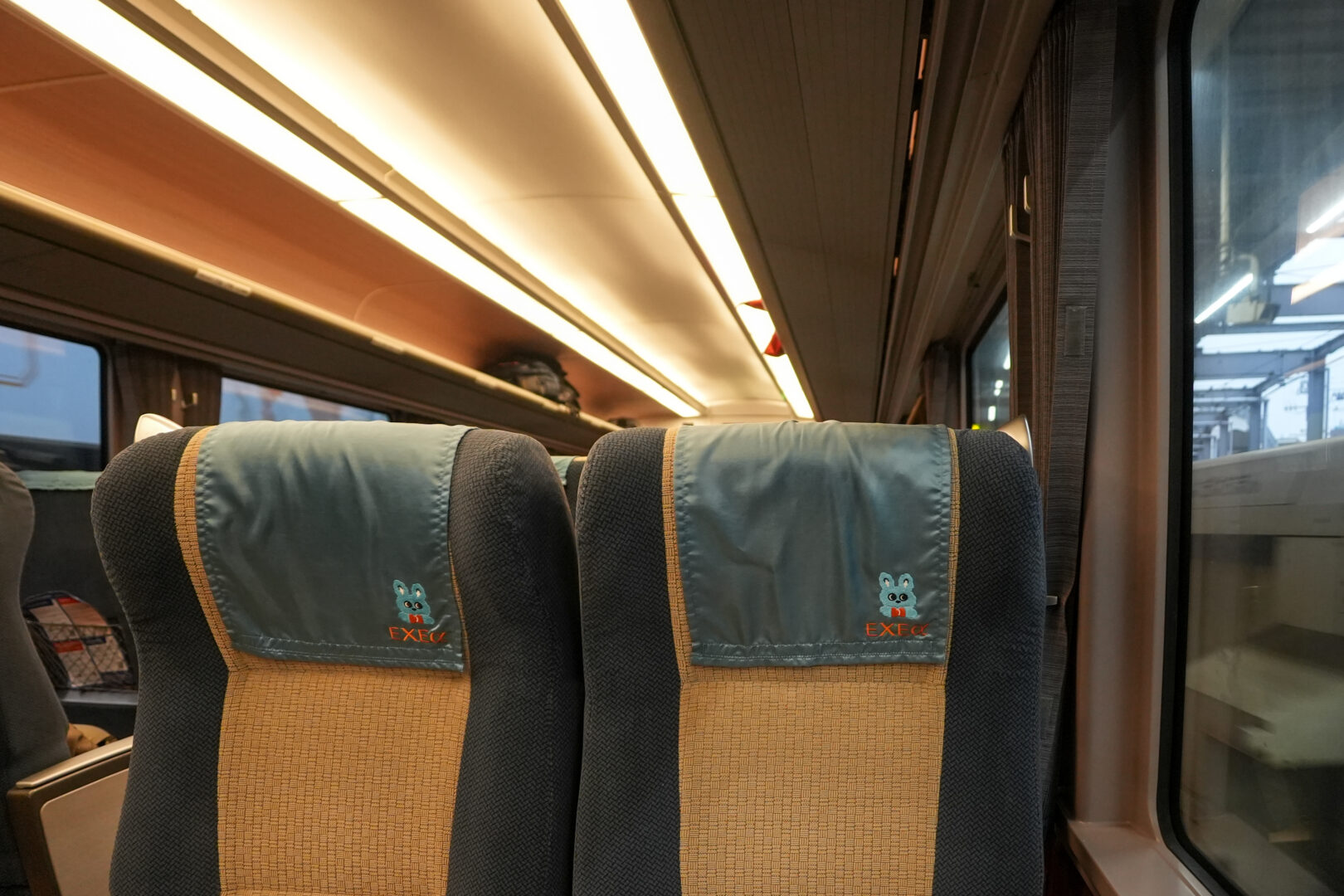
We began our journey from Tokyo, starting at Shinjuku Station and taking the Romancecar train to Hakone-Yumoto Station.
9:22 AM Hakone-Yumoto Station
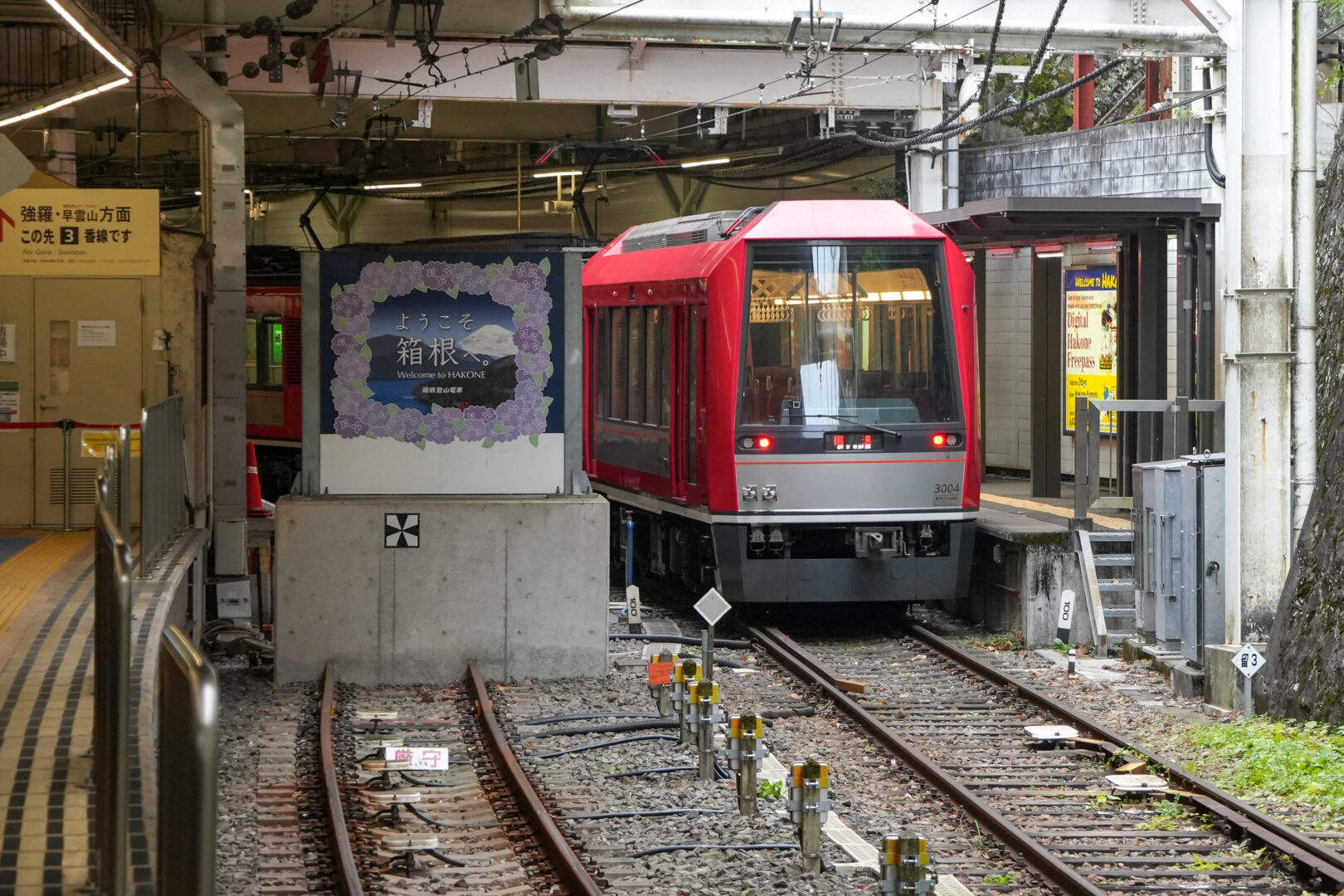
We arrived at Hakone-Yumoto Station, the terminus for the Odakyu Romancecar. From here, you can connect to various sightseeing spots in Hakone via other modes of transport, such as buses or the Tozan Train, depending on which direction you choose to go. For our route, we chose to visit the Lake Ashi area first.
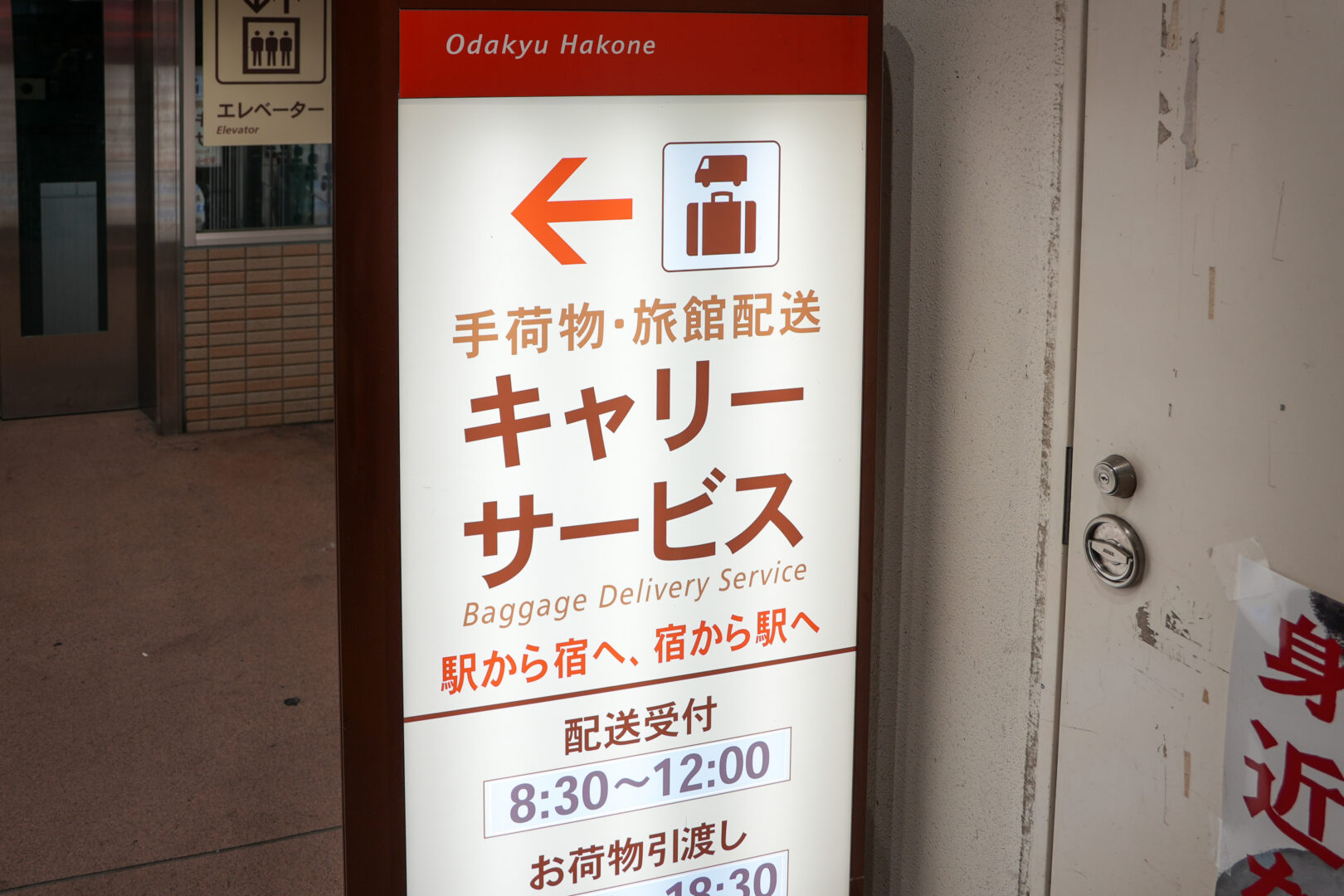
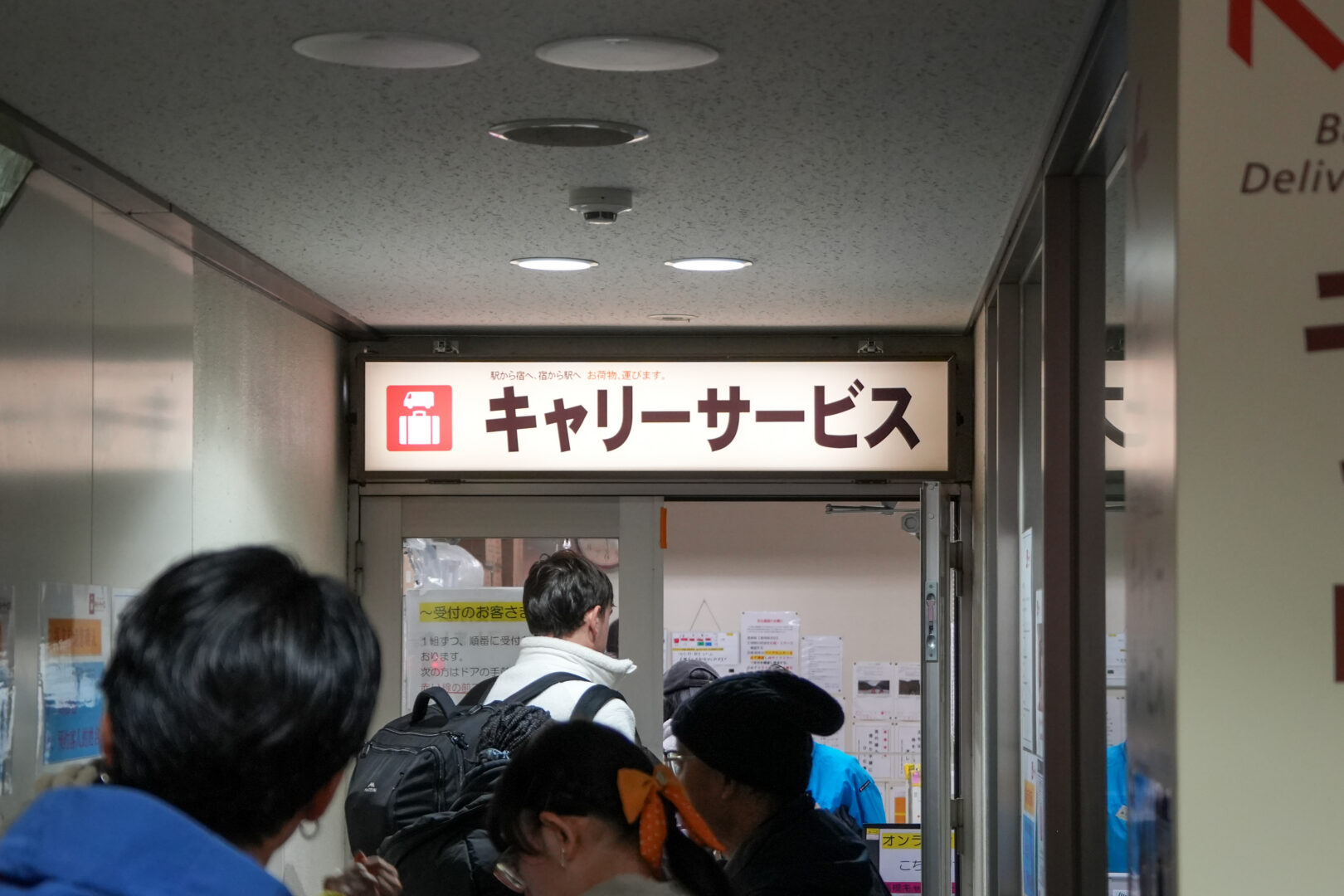
For convenience before we start our journey, we used the Hakone Luggage Transport Service. You can send your luggage directly to the hotel for 1,500 yen for a small bag and 2,500 yen for a large bag.
To save time, you can book the luggage delivery service in advance here.
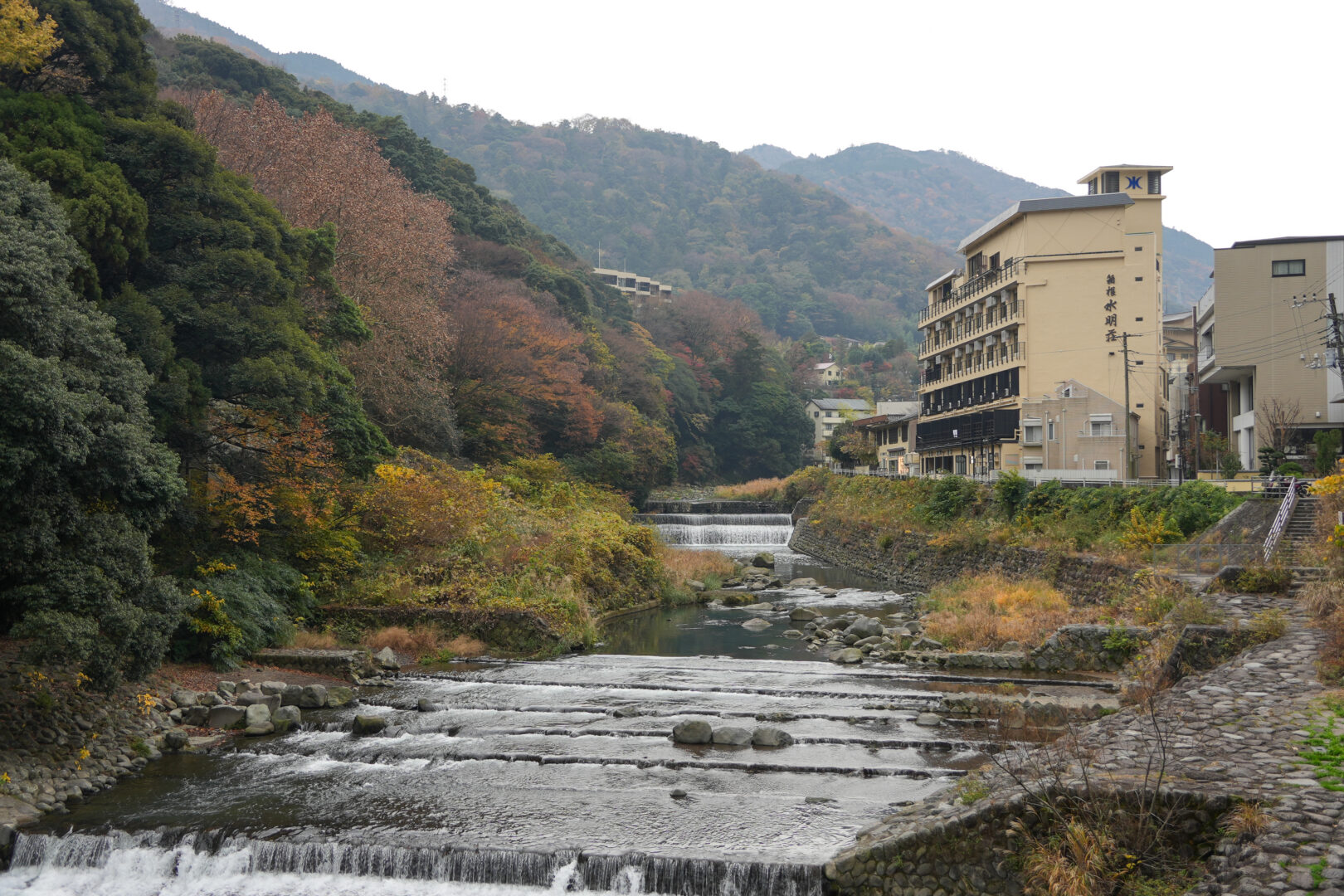
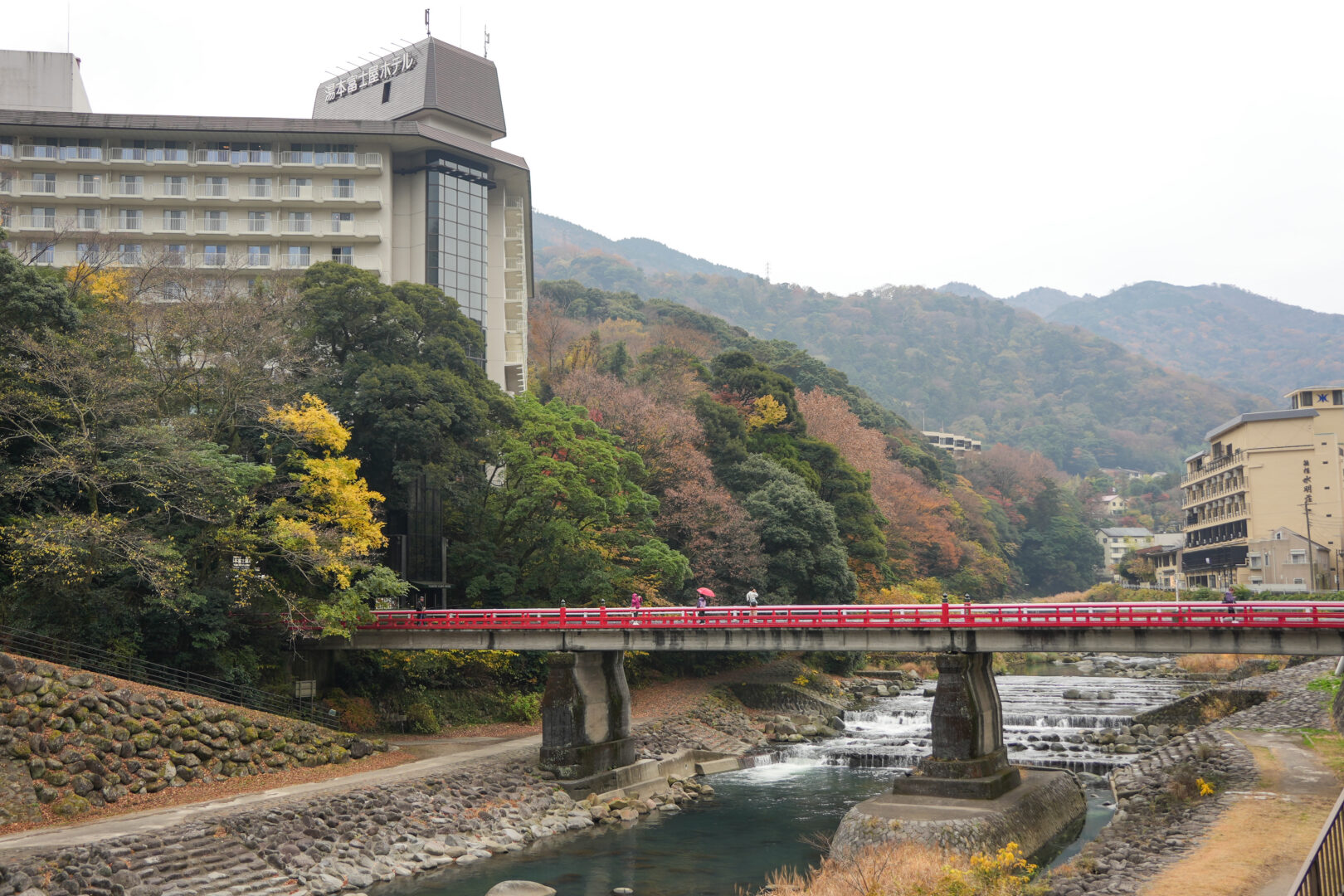
Hakone-Yumoto has been a famous hot spring town since ancient times and is popular among Tokyoites. We skipped it for today and saved it for the trip back.
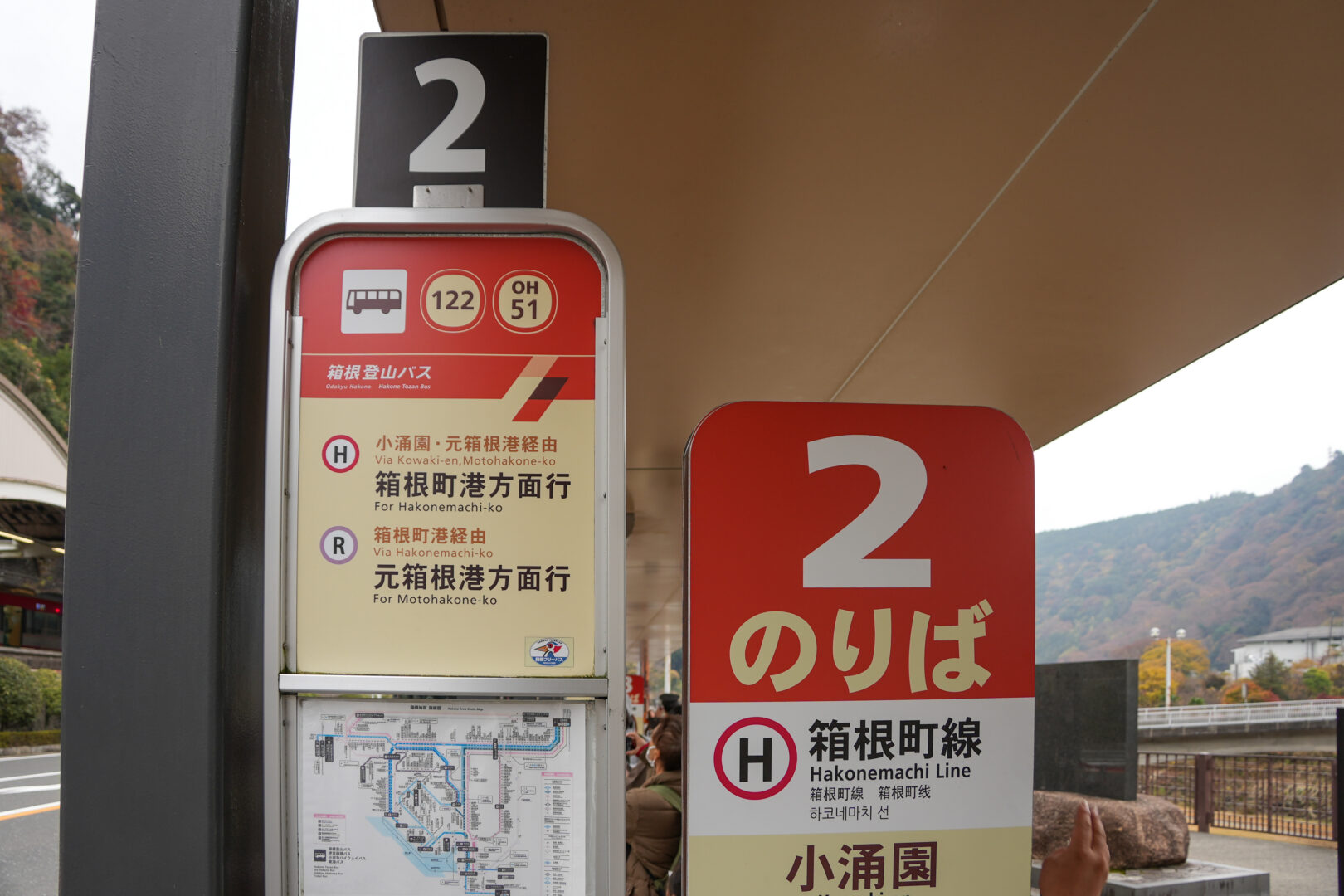
9:58 AM - 10:30 AM Hakone Tozan Bus H Line: Hakone-Yumoto Station → Motohakone-ko
We began our journey by bus. You can simply show your pass to the driver.
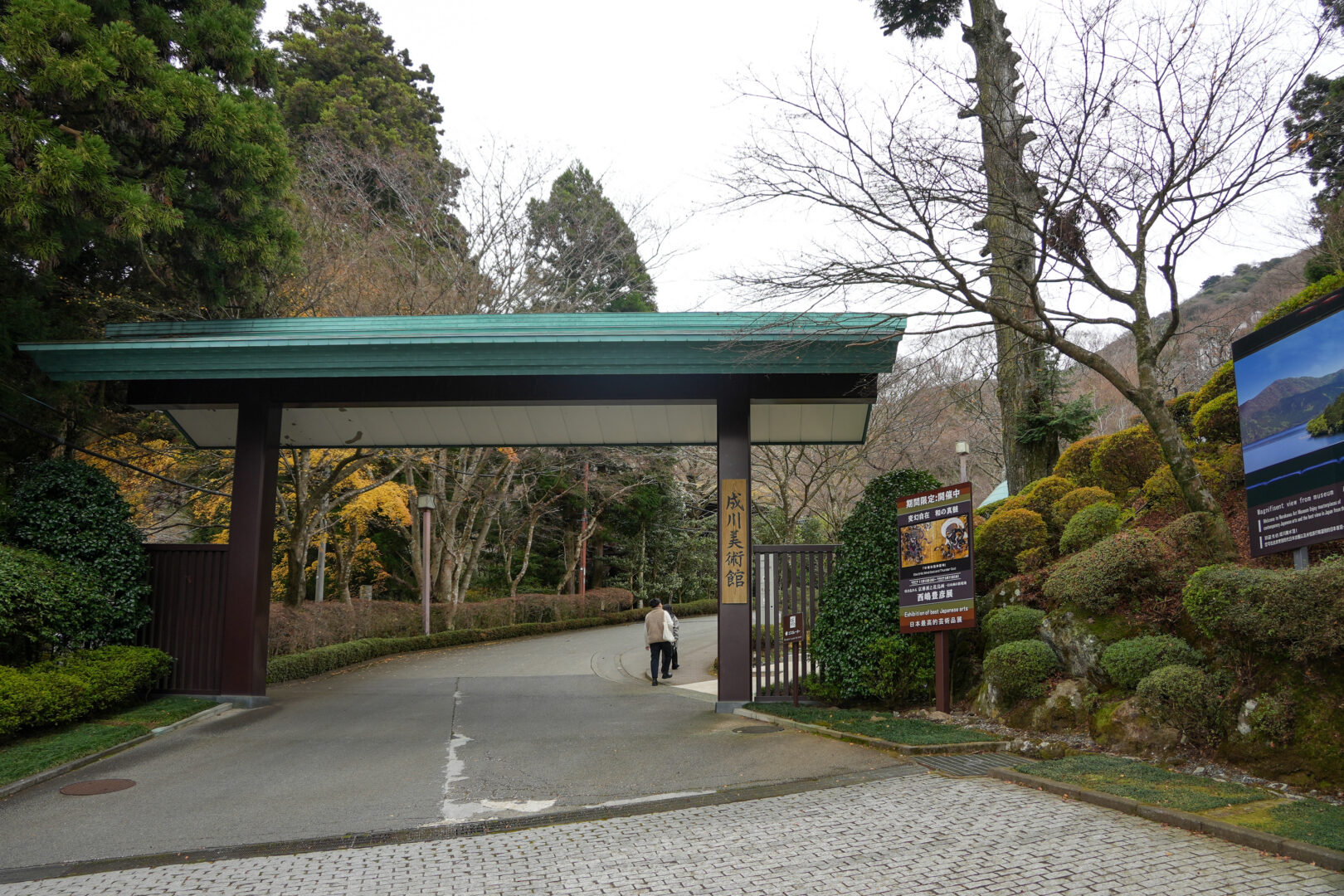
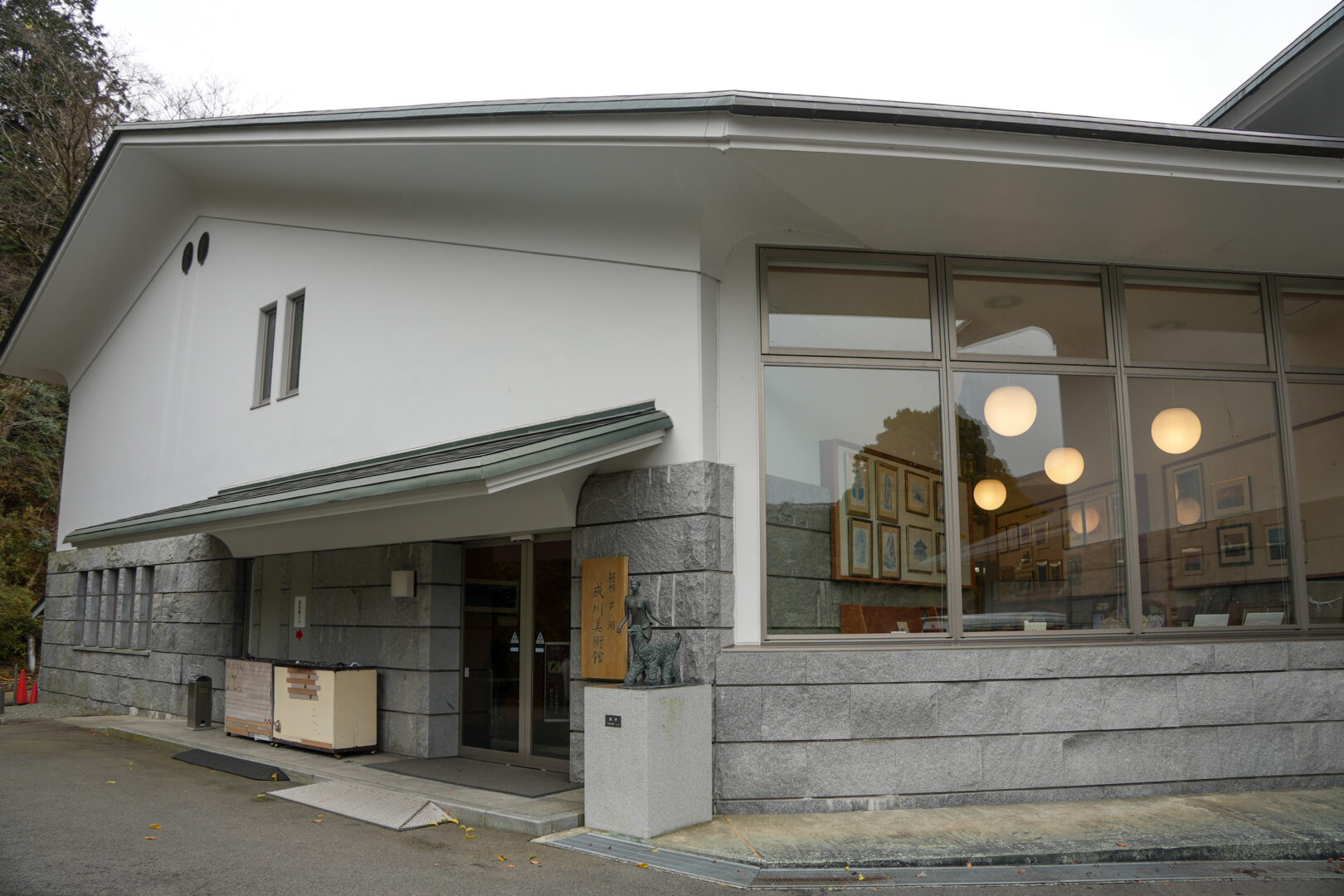
Narukawa Art Museum
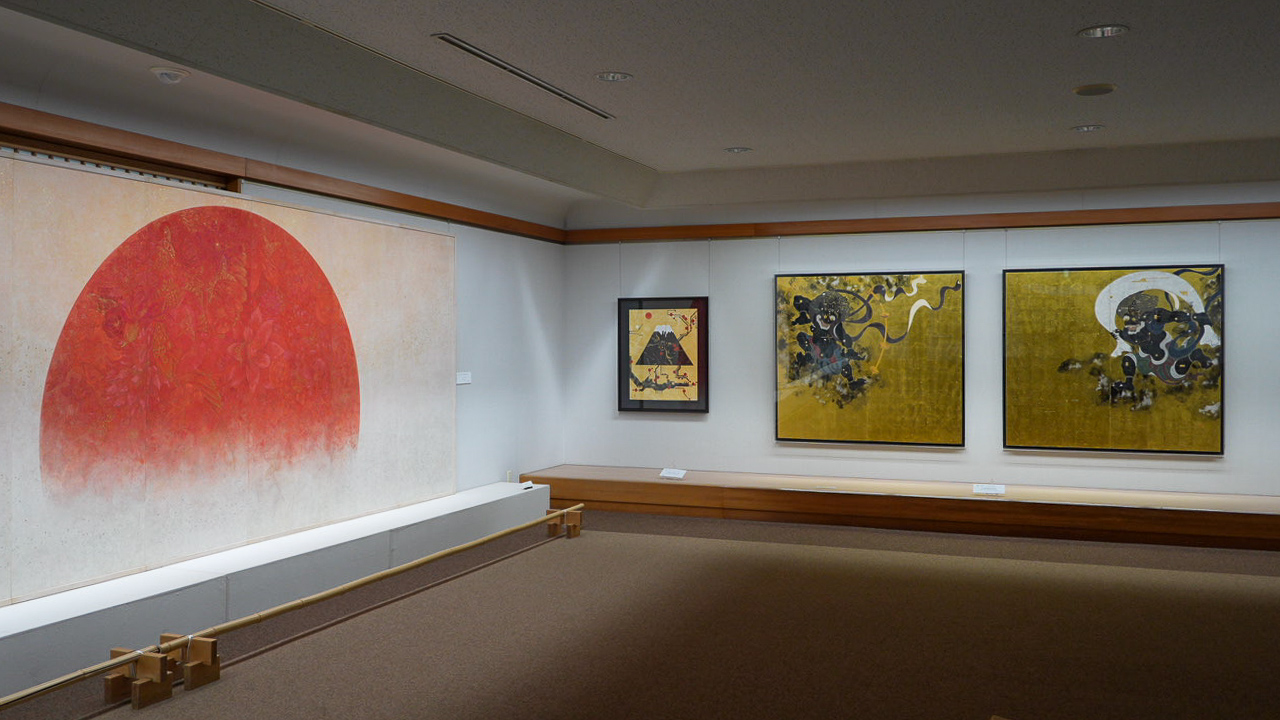
This museum is unique for its combination of “traditional Japanese art” and “one of Japan’s most beautiful landscapes”. The museum focuses on exhibiting contemporary Japanese-style paintings known as Nihonga (using natural mineral pigments and traditional techniques), with a collection of more than 4,000 pieces. In addition to paintings, there are also displays of Chinese carvings.
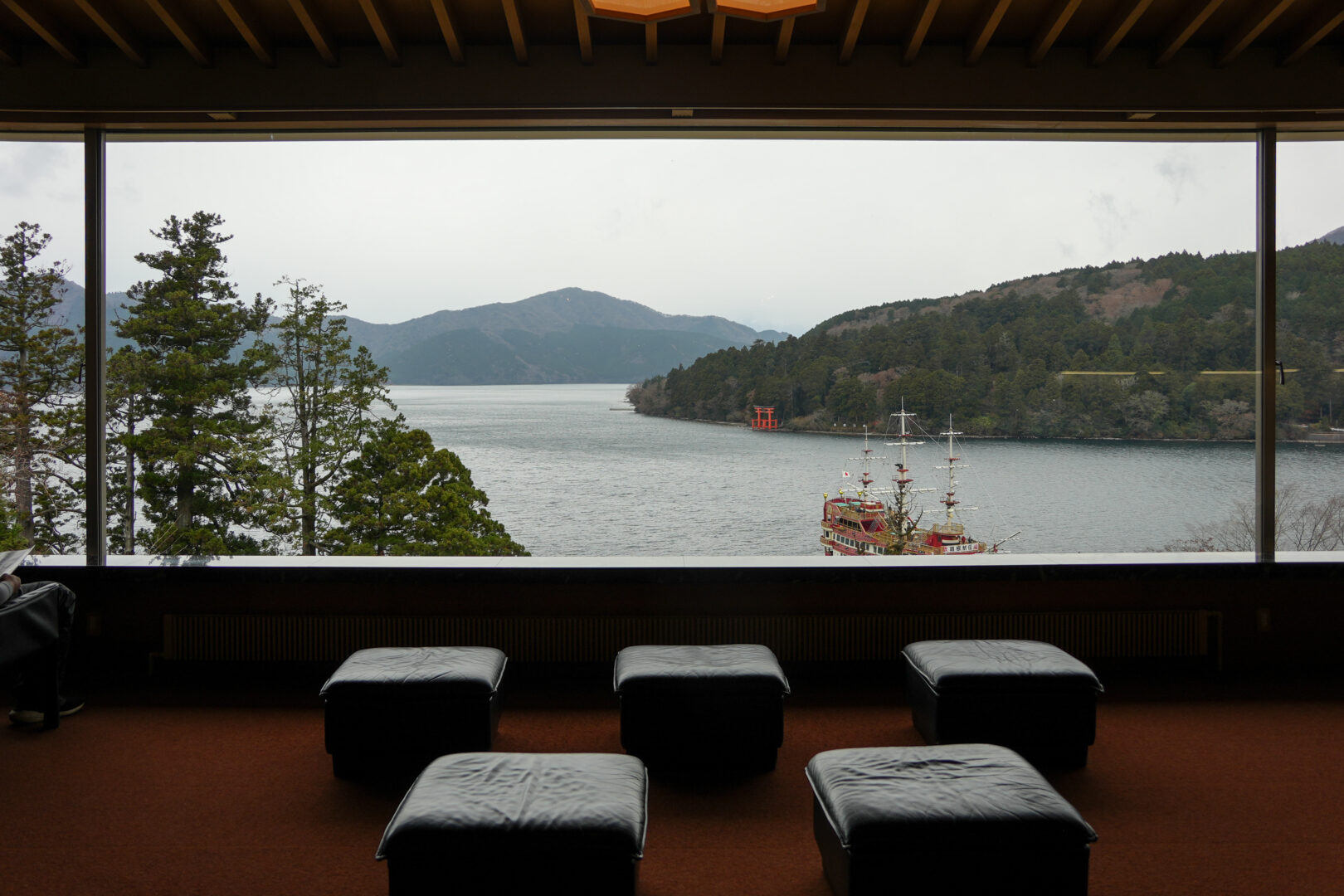
The point that makes this museum most famous is the Panorama Lounge, which features a large glass window over 50 meters long. From here, you can see Lake Ashi, the Torii gate, and Mount Fuji (if the sky is clear; during our visit, the fog was still rolling in).
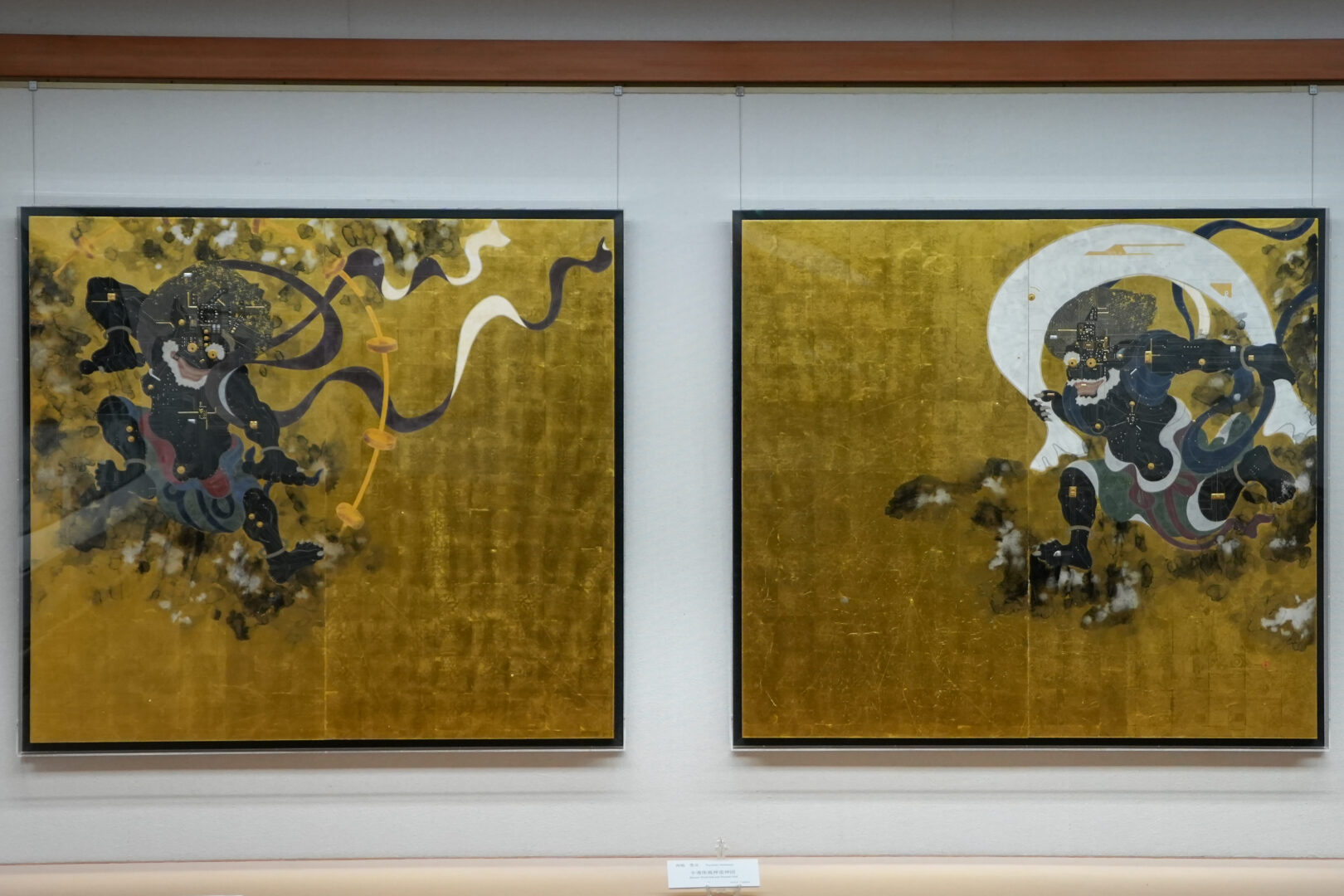
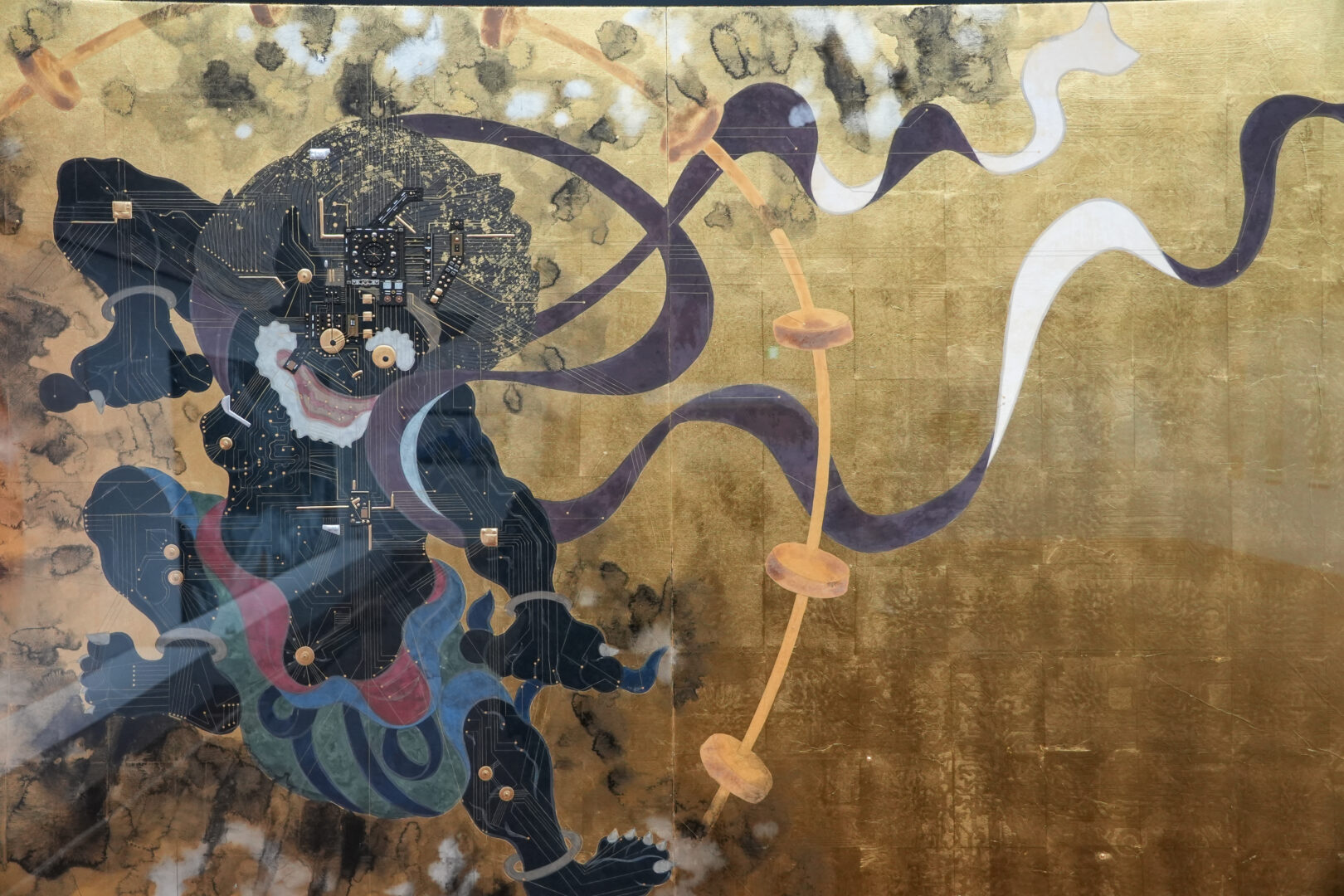
The highlight piece of the museum is this artwork, which is a reinterpretation of Fujin (the God of Wind) and Raijin (the God of Thunder) commonly seen in classic Japanese art. However, the artist has incorporated details of electronic circuit boards and mechanical parts into the gods' bodies instead of traditional musculature.
Old Tokaido Road Ancient Cedar Avenue
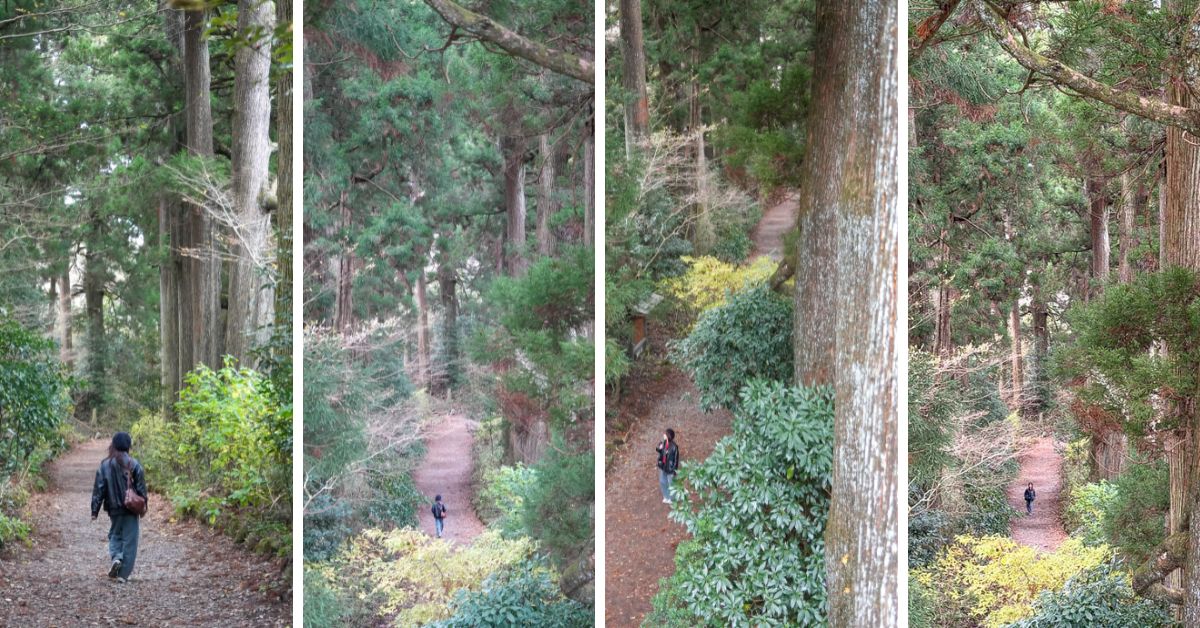
A short walk from the museum brings us to the Cedar Avenue, which is part of the main Tokaido Road that connected Edo (modern-day Tokyo) and Kyoto during the Edo period. These cedar trees are over 400 years old, commissioned to be planted by the Tokugawa Shogunate in the early 17th century to provide shade for travelers, protecting them from the summer sun and shielding them from cold winds or snow in the winter.
Today, more than 400 cedar trees remain along a path approximately 500 meters long. These trees reach heights of 30-40 meters and are nearly 400 years old, creating an atmosphere that feels both mystical and powerful.
SUN SAN D
A famous butter sand shop in Hakone, featuring butter cream-filled cookies that are freshly made in-store every day. The popular flavors include Plain mixed with lemon zest, Pistachio & Berry, Double Chocolate, and Matcha. They also serve drinks!
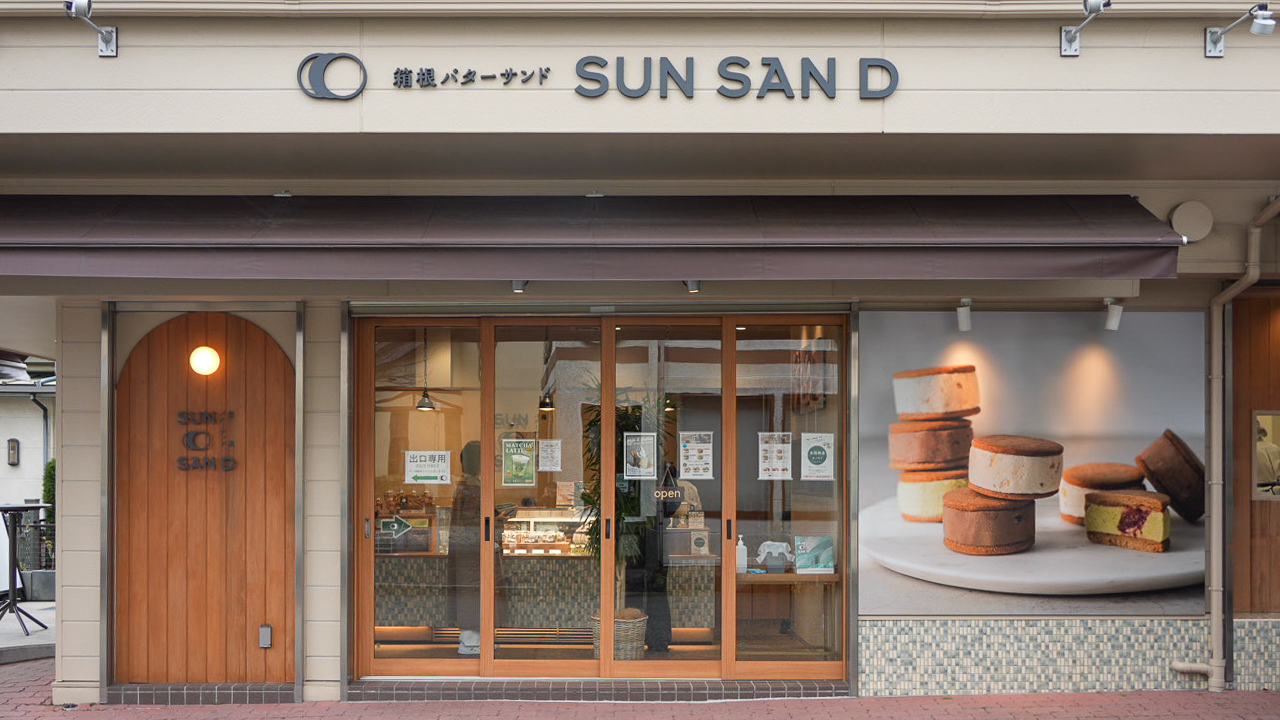
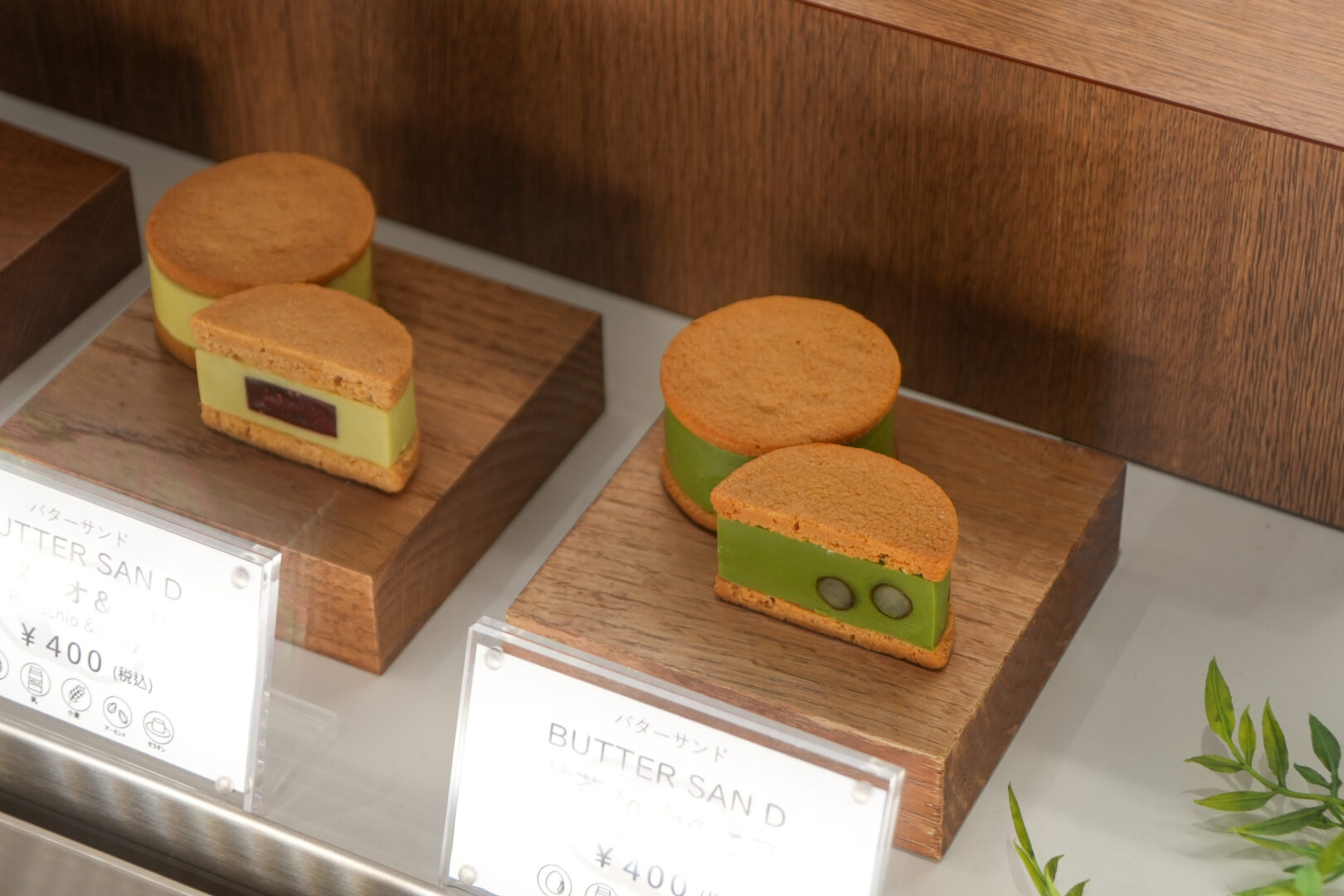
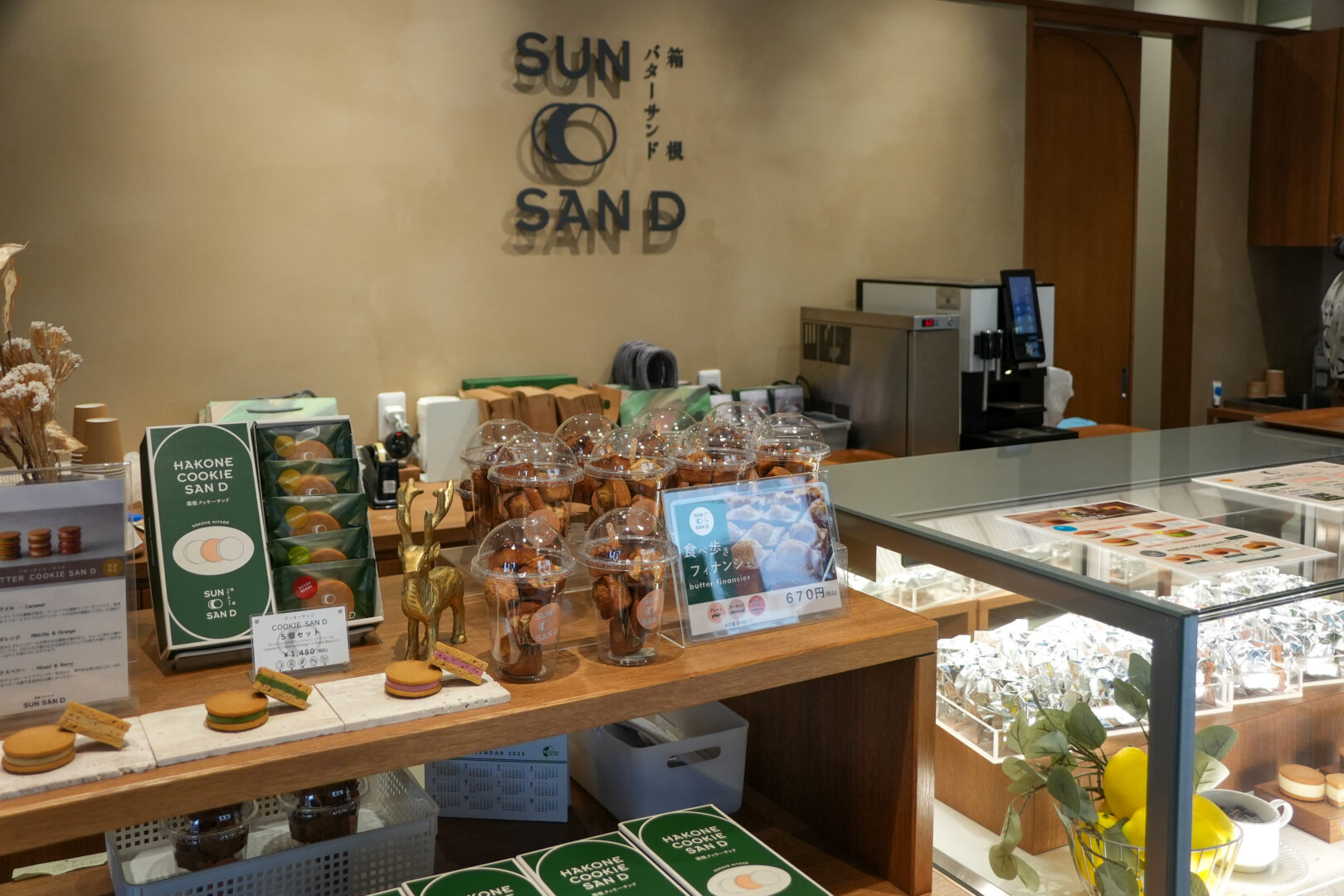
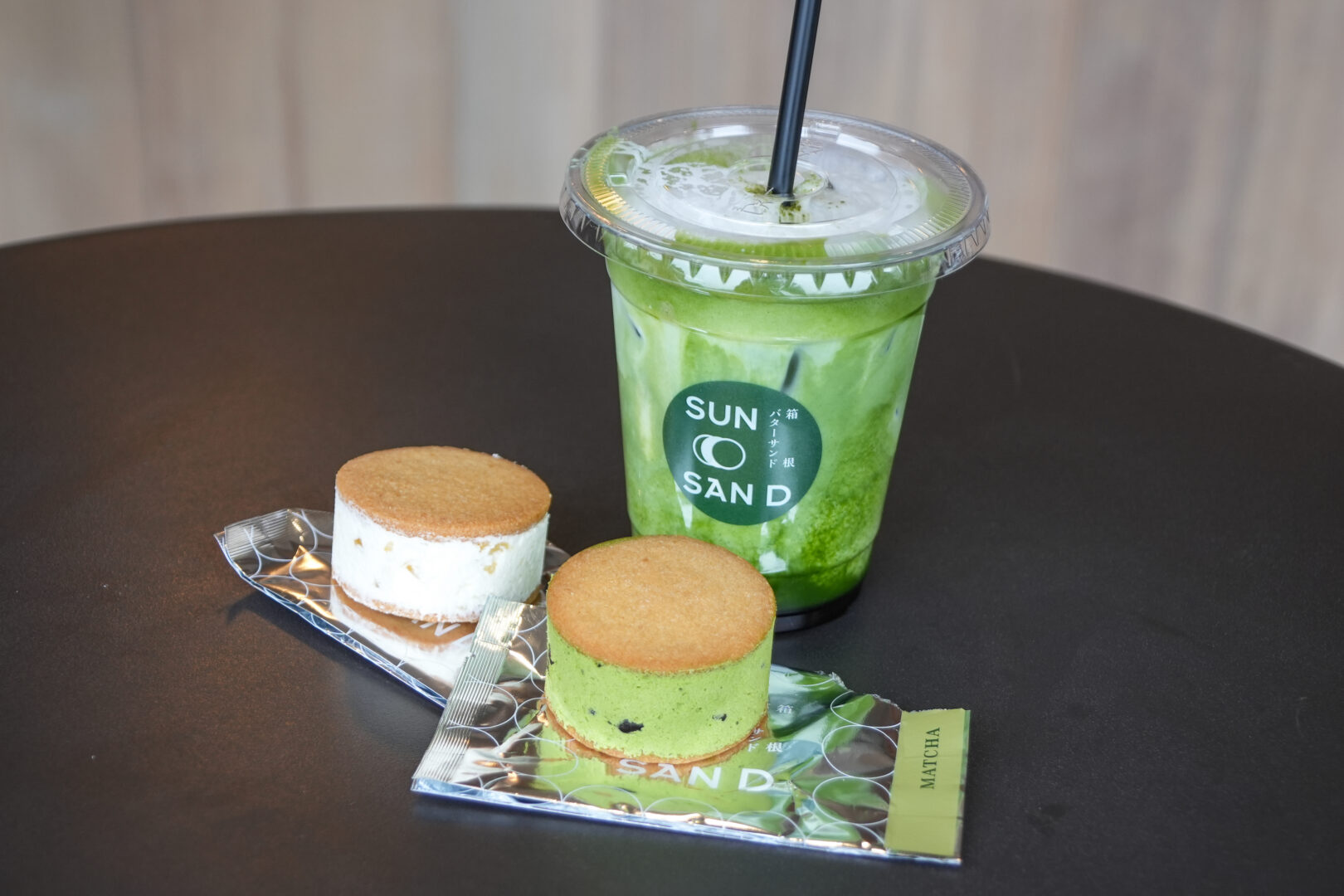
We tried the Plain flavor, which is mixed with lemon zest. It was delicious. We also tried the Matcha, which has a very rich flavor.
Hakone Shrine
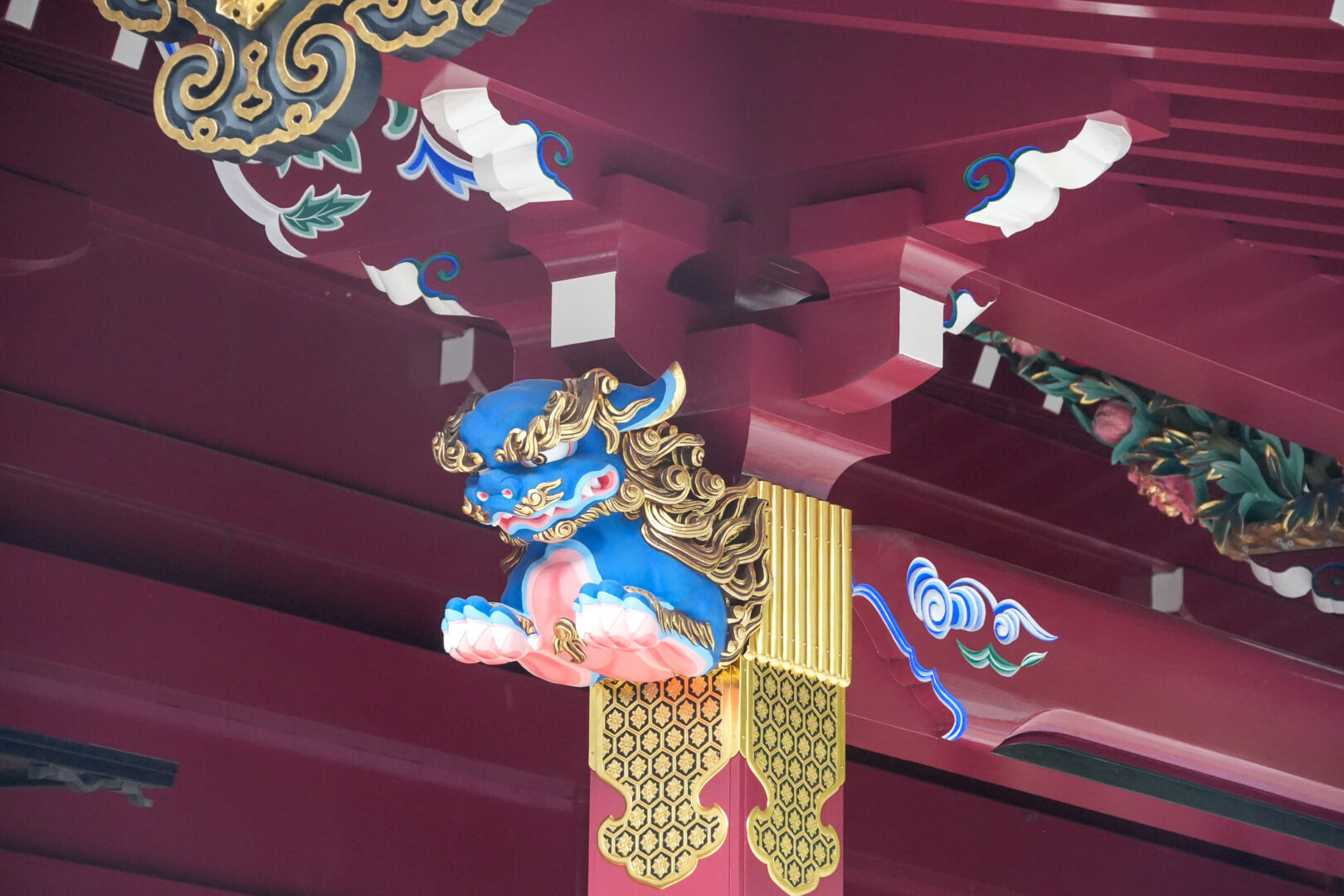
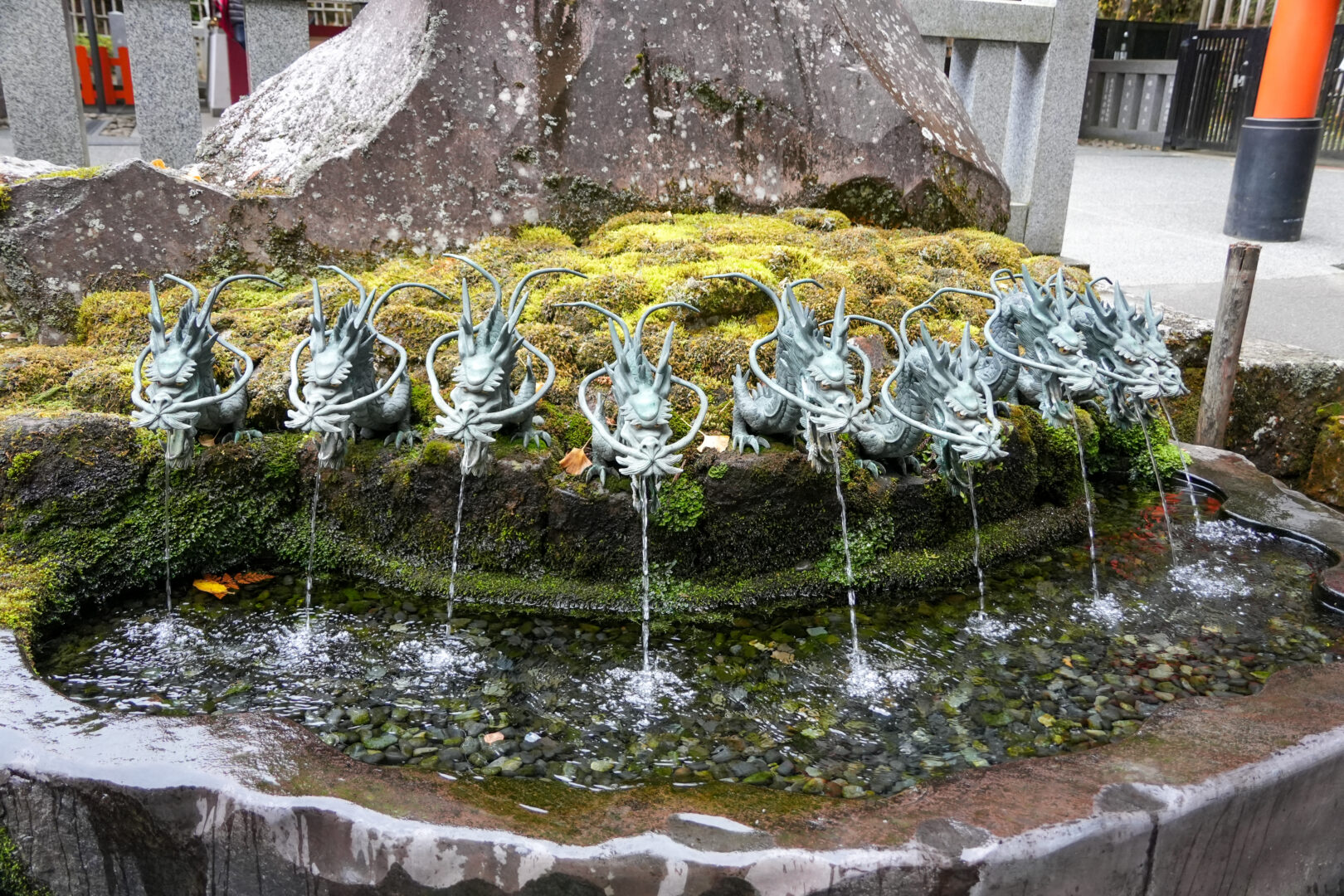
We continued walking to Hakone Shrine, one of the most important and beautiful Shinto shrines in the Kanto region. Located amidst a dense forest on the shores of Lake Ashi, this shrine has a long history dating back to 757 AD. In the past, it was a popular place for samurai and shoguns to worship and pray for victory in battle. Today, people commonly visit to pray for travel safety, good fortune, and love.
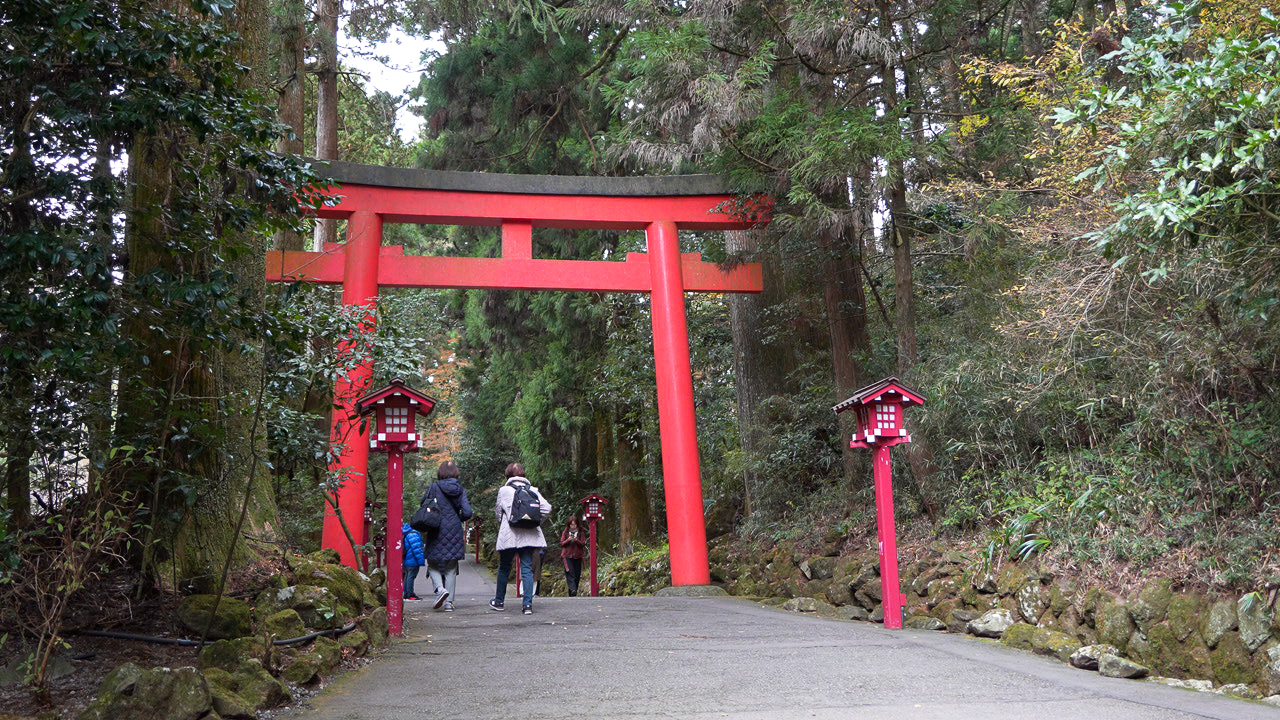
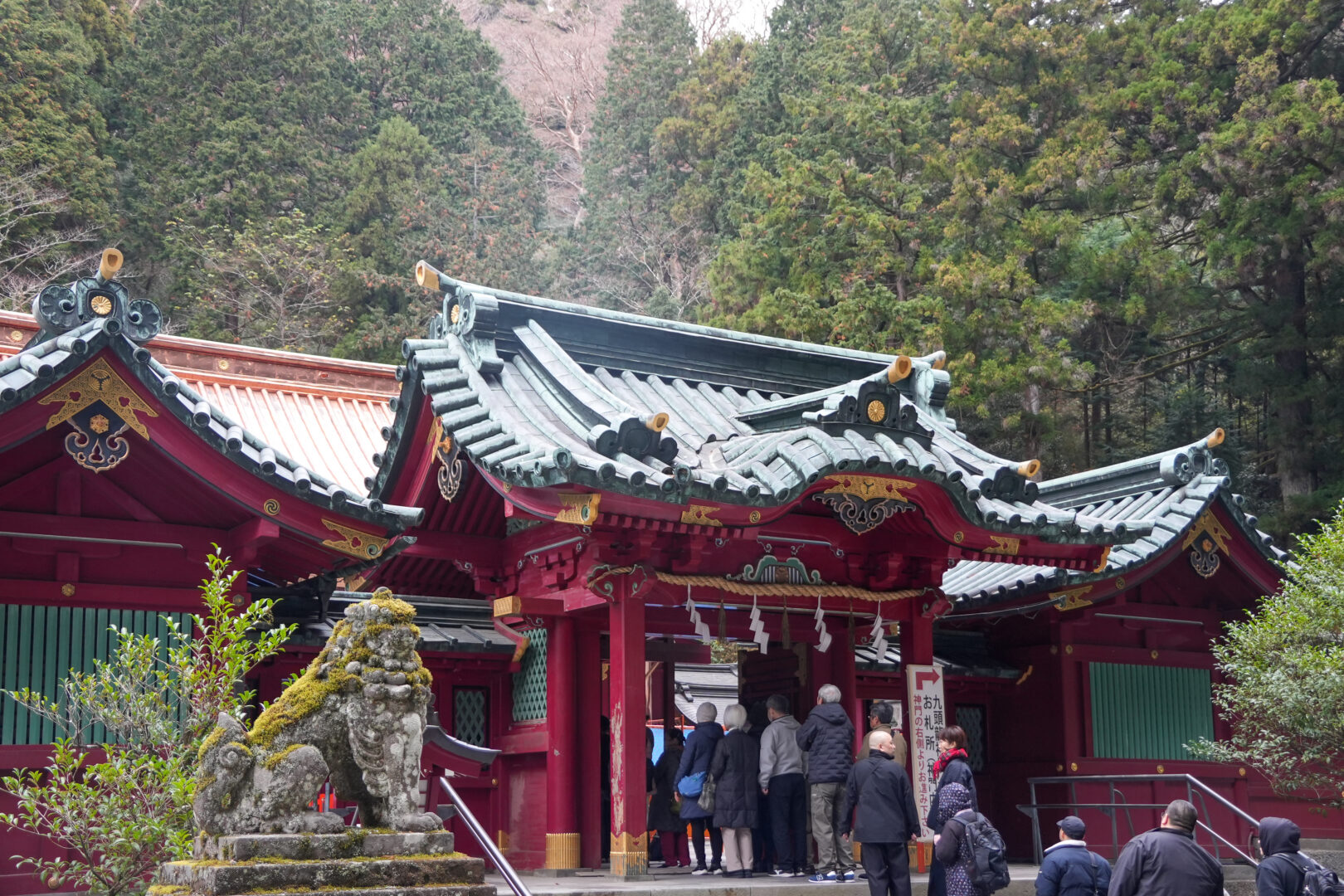
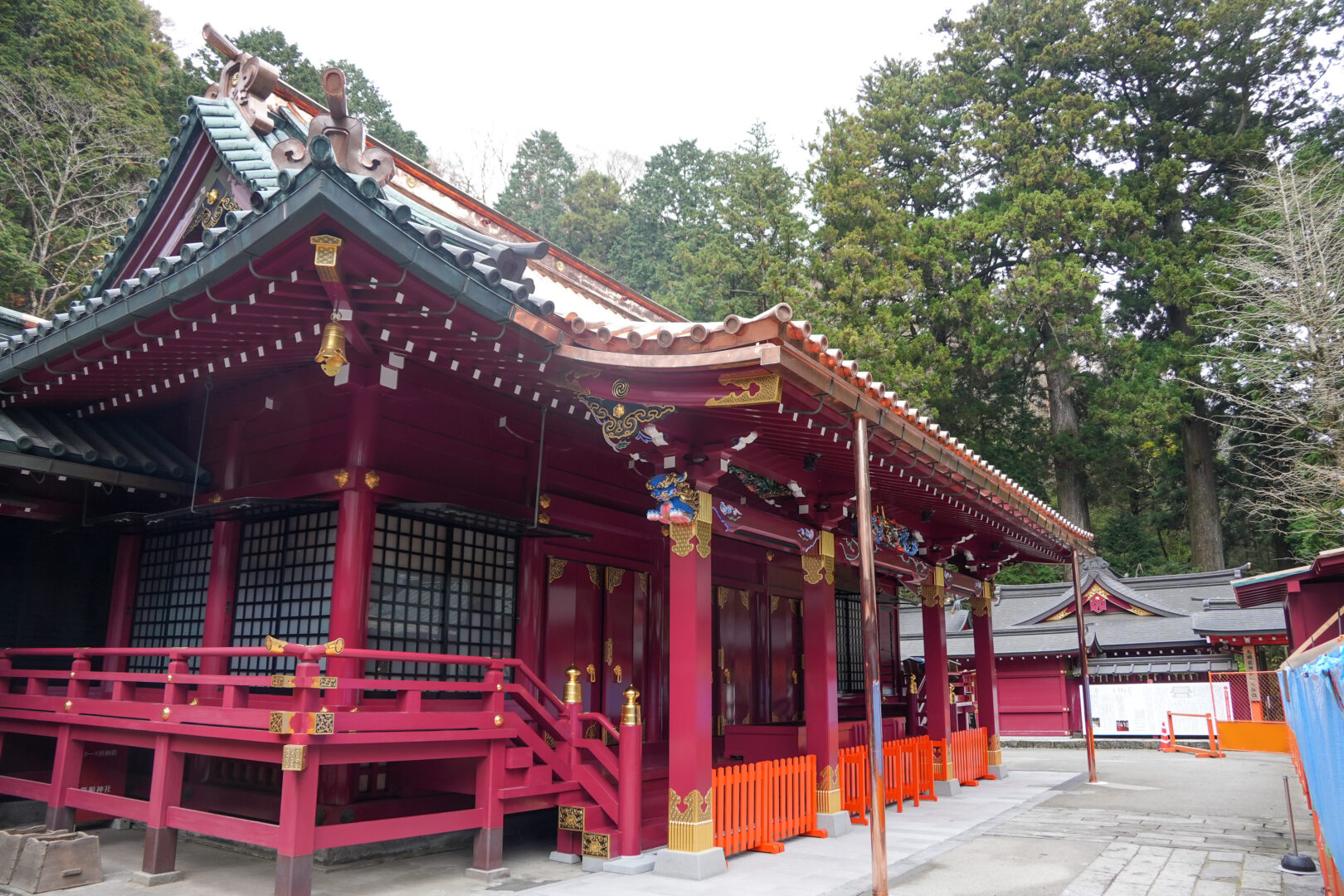
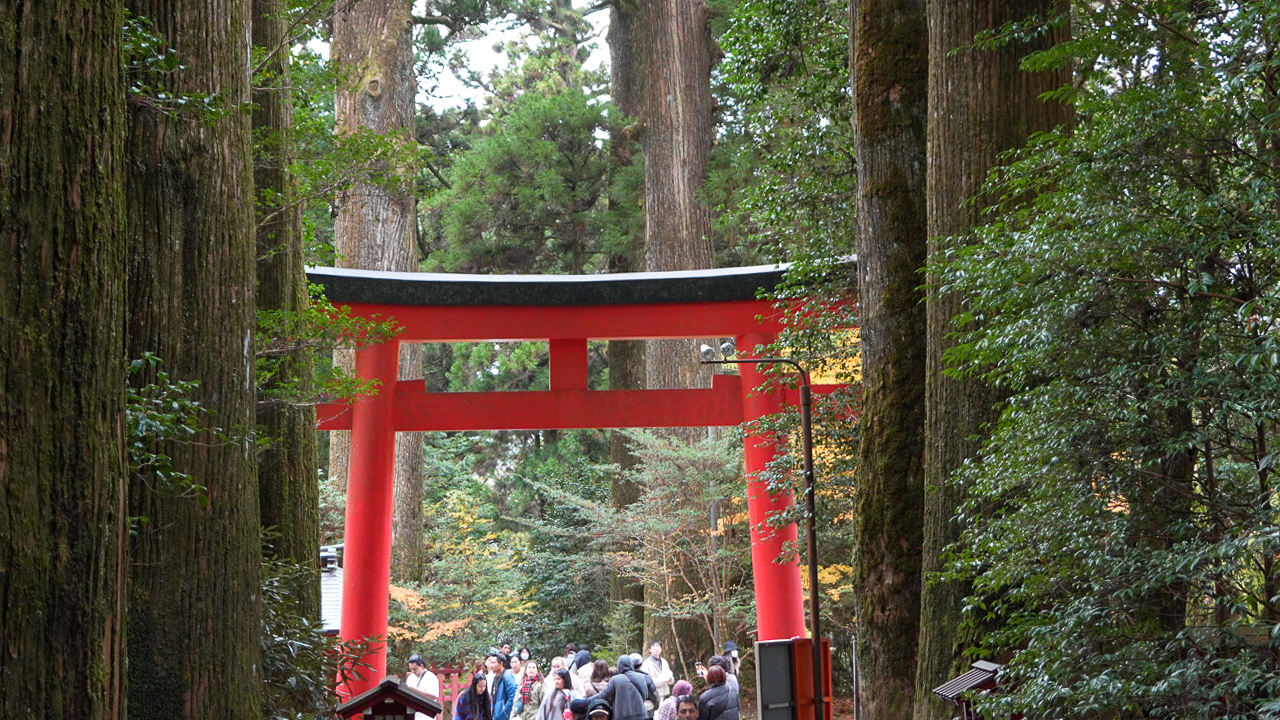
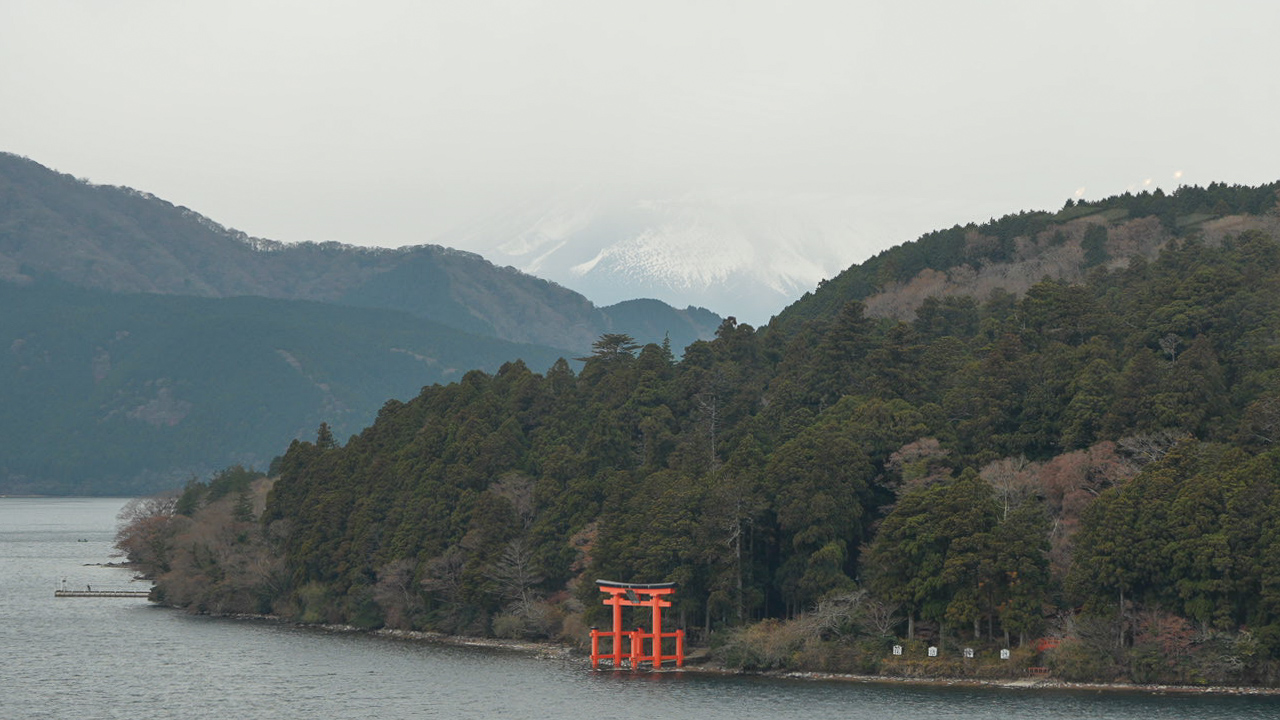
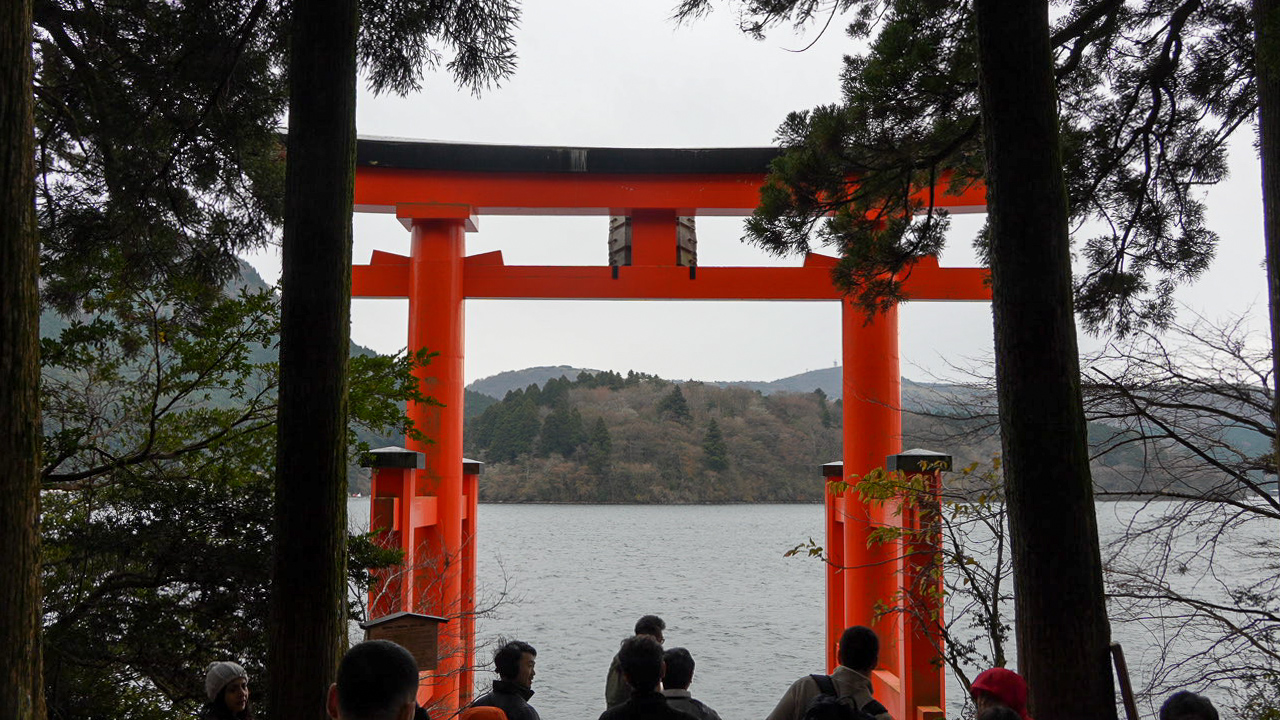
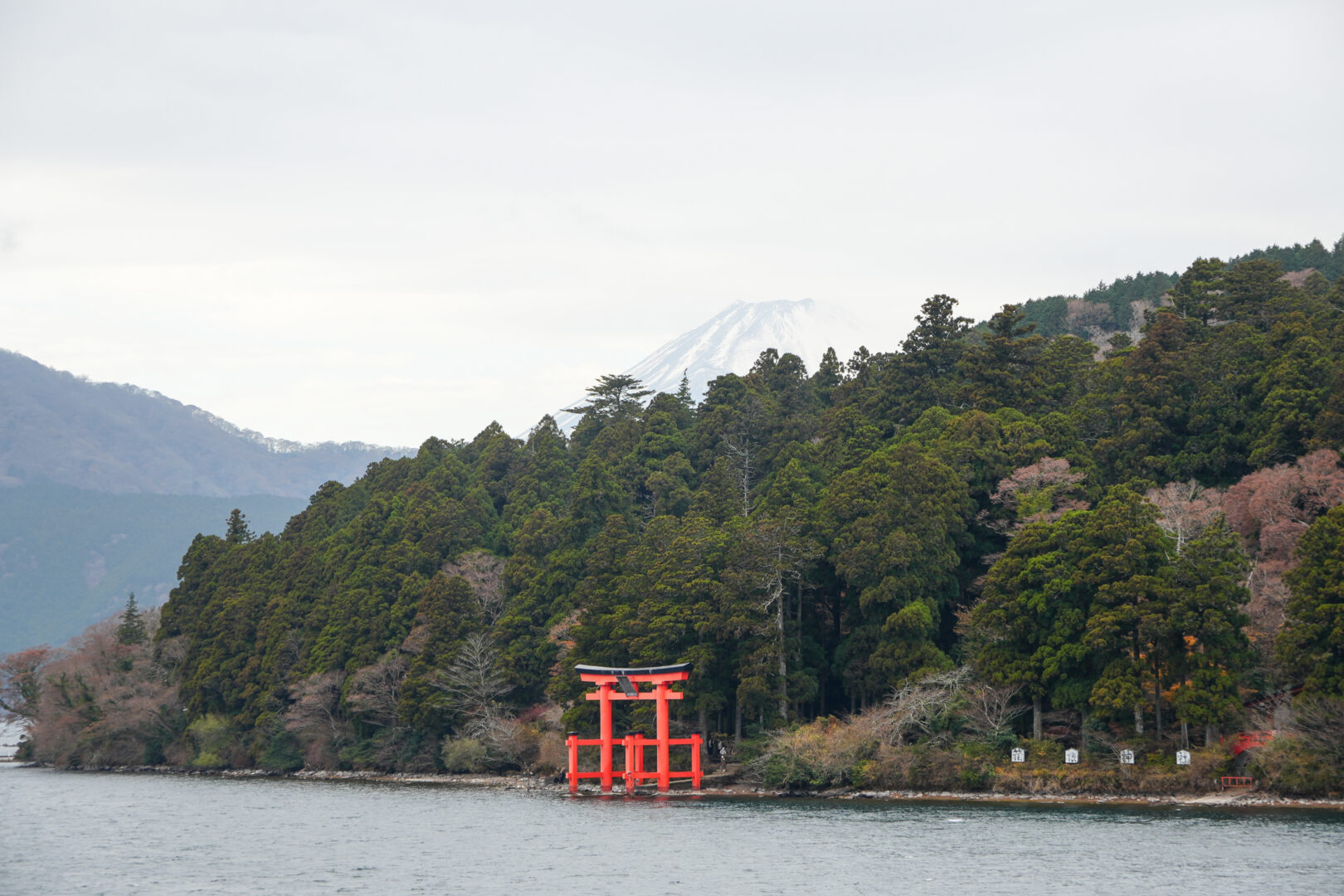
The most famous spot is the “Heiwa no Torii” or the Torii Gate of Peace. Its bright red structure stands majestically in Lake Ashi and is the most popular point where tourists line up to take photos.
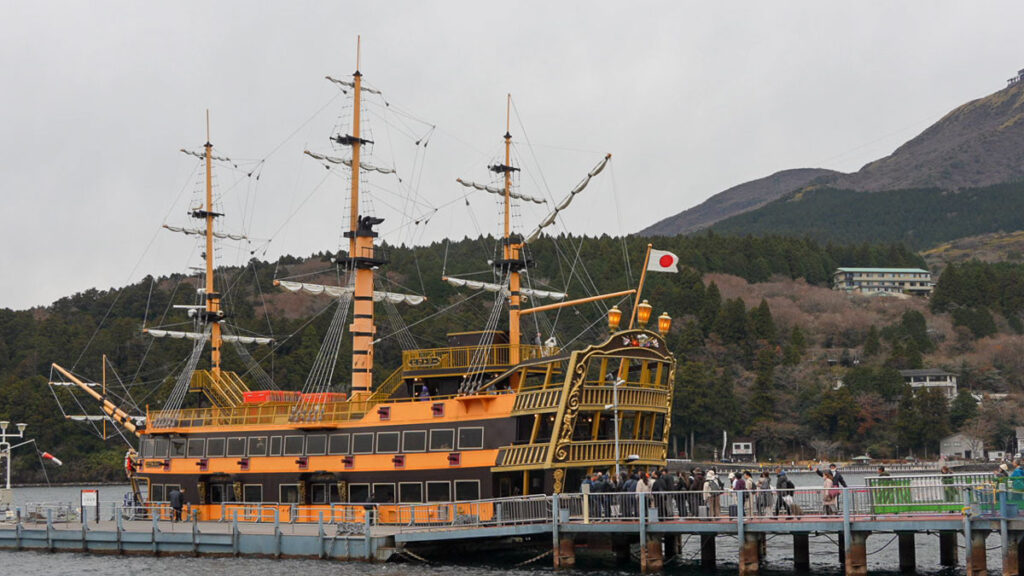
1:25 PM Hakone Sightseeing Cruise: Motohakone-ko → Togendai
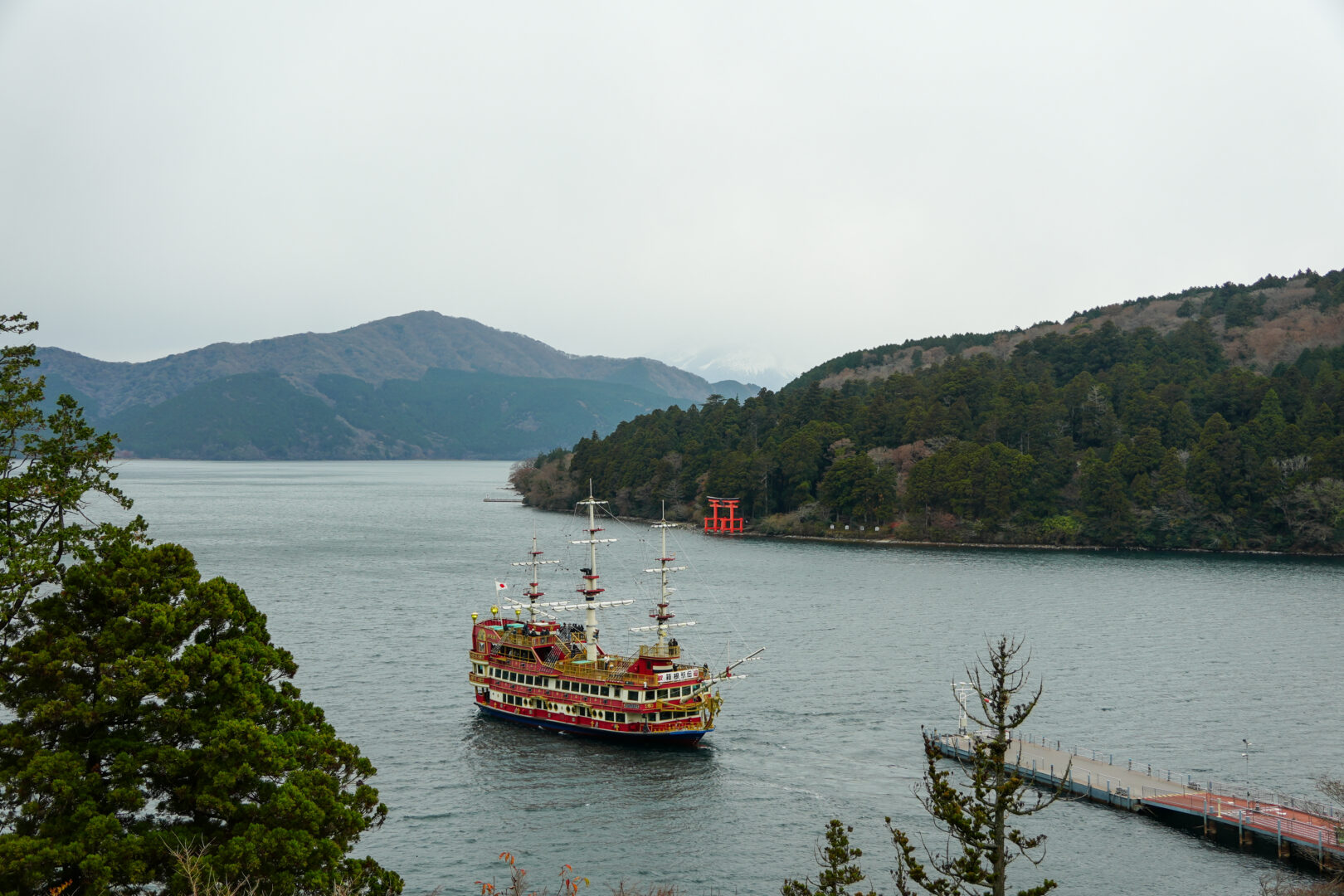
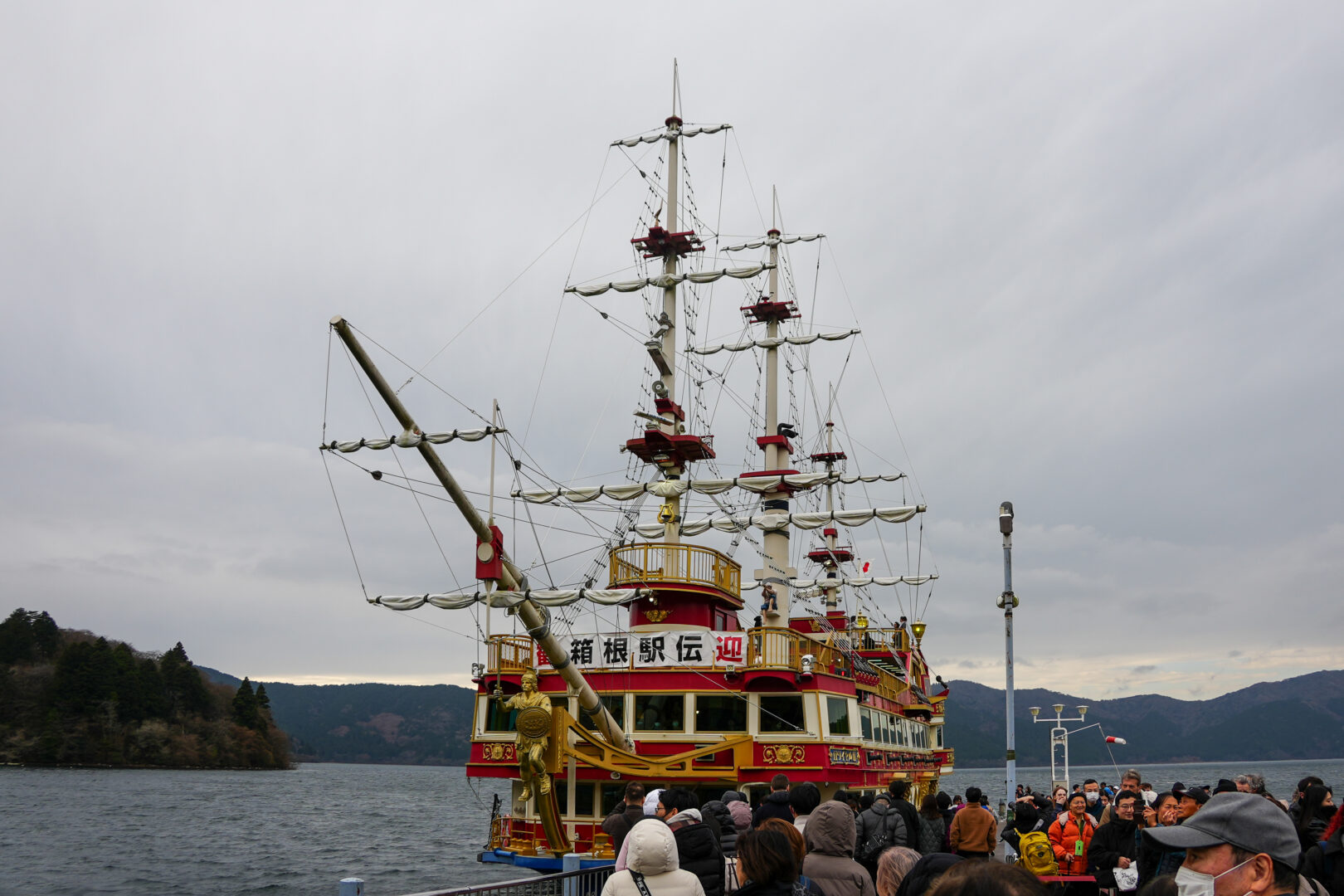
Next, we took the Pirate Ship to cruise across Lake Ashi, which can be accessed directly using the pass. However, there is a Special Cabin available for an additional 800 yen. If you show your Freepass when purchasing the Special Cabin ticket, you will receive a discount, reducing the price to 700 yen. In this cabin, you can enjoy the interior and the deck without the crowds, adding even more convenience. The cruise takes a short time, approximately 30 minutes.
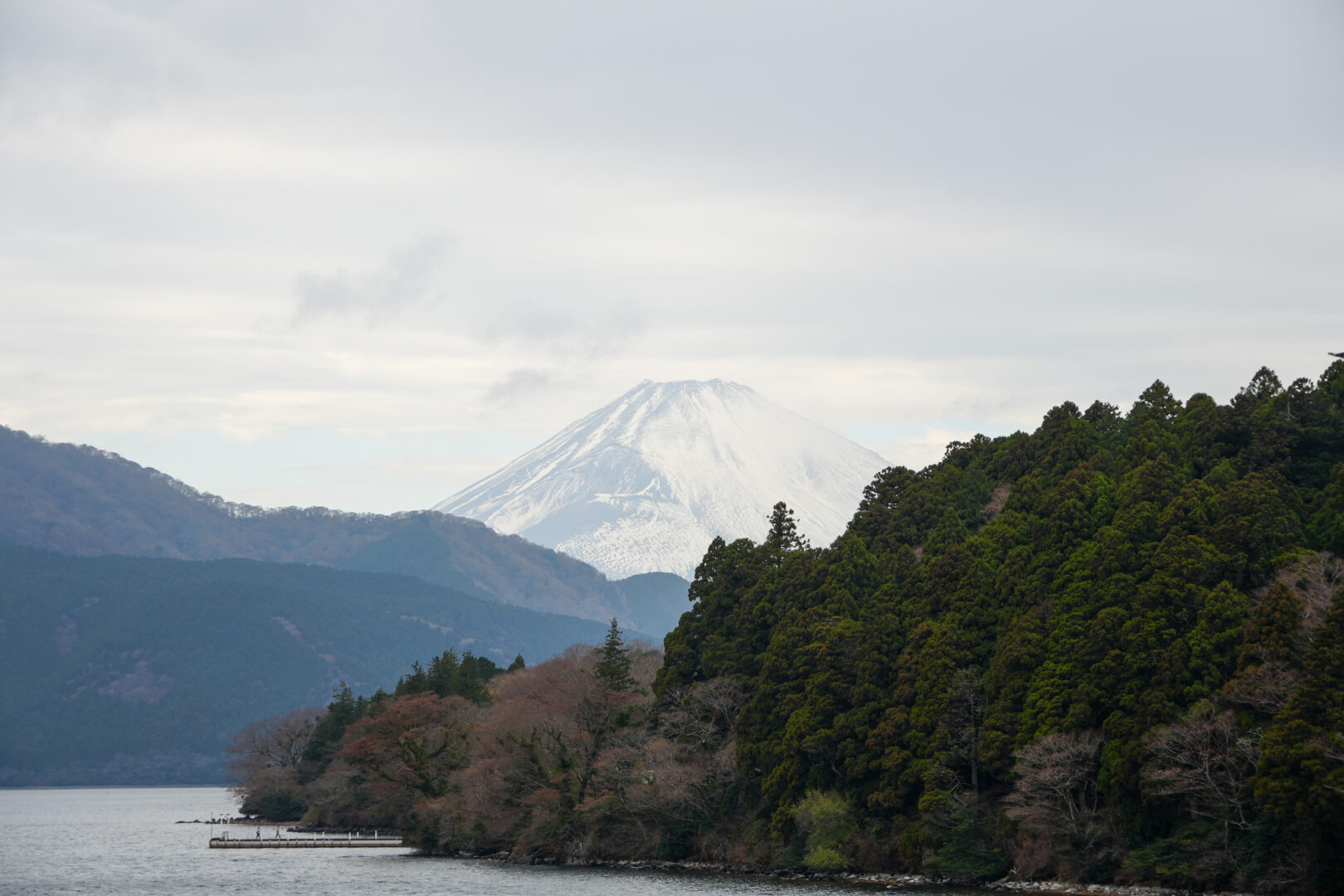
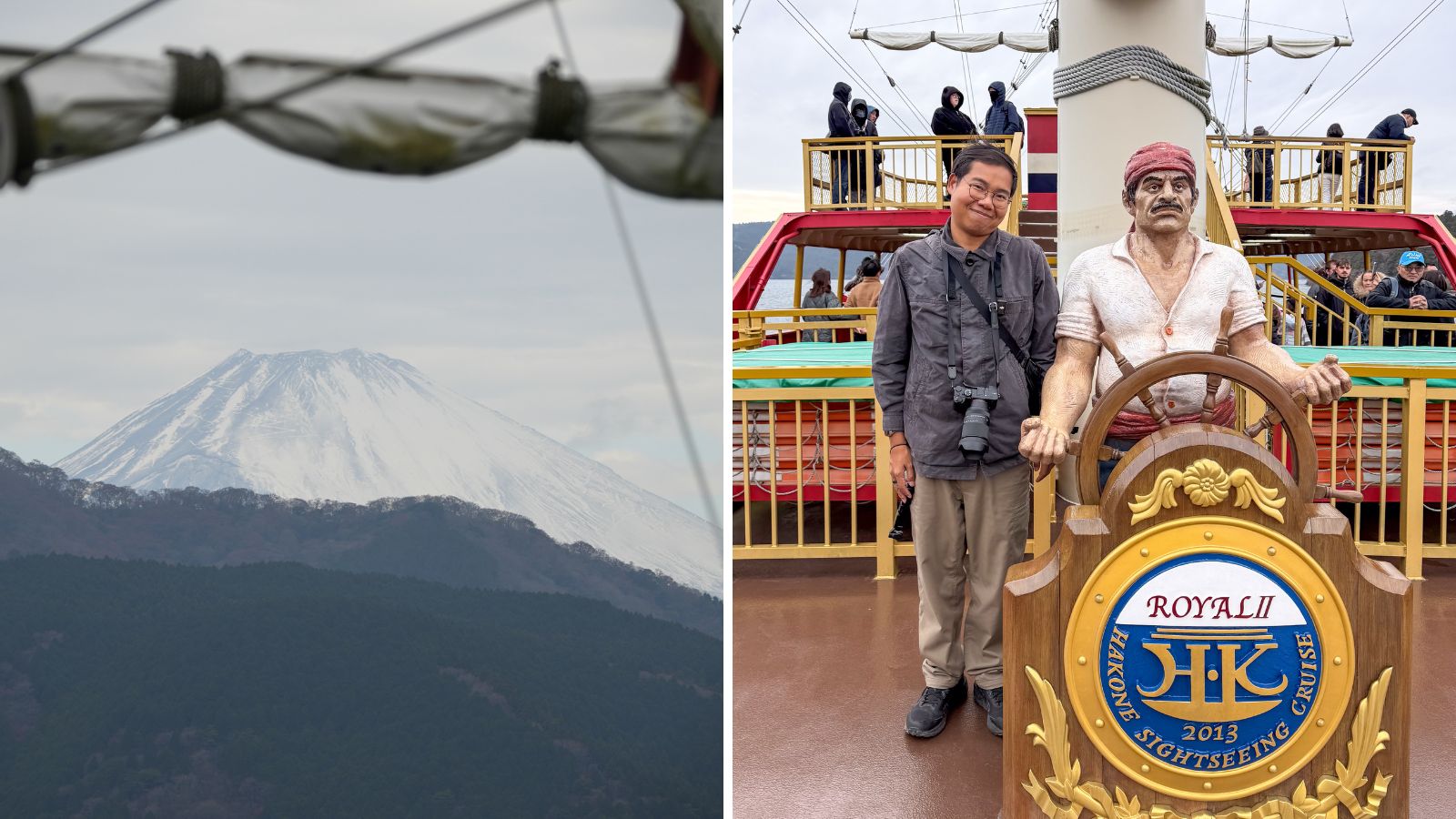
As we continued our cruise, Mount Fuji finally revealed itself in all its grandeur. No matter how many times you visit, the excitement of seeing Fuji never fades. It always appears much larger and more magnificent than you imagine once the mist clears. Truly stunning.
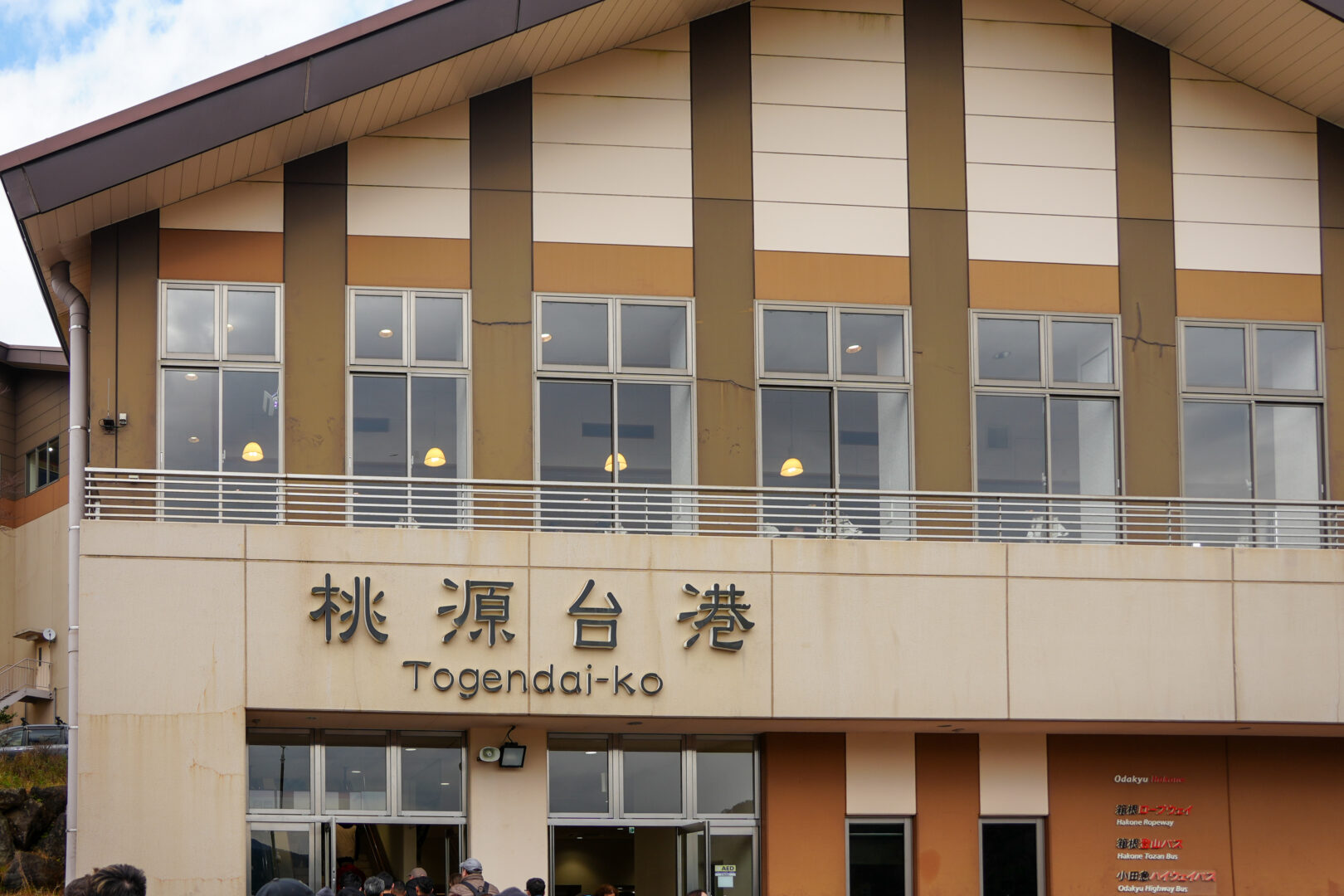
2:00 PM Hakone Ropeway: Togendai Station → Owakudani Station
Once we disembarked from the Pirate Ship, we headed to the ropeway to ascend to Owakudani.
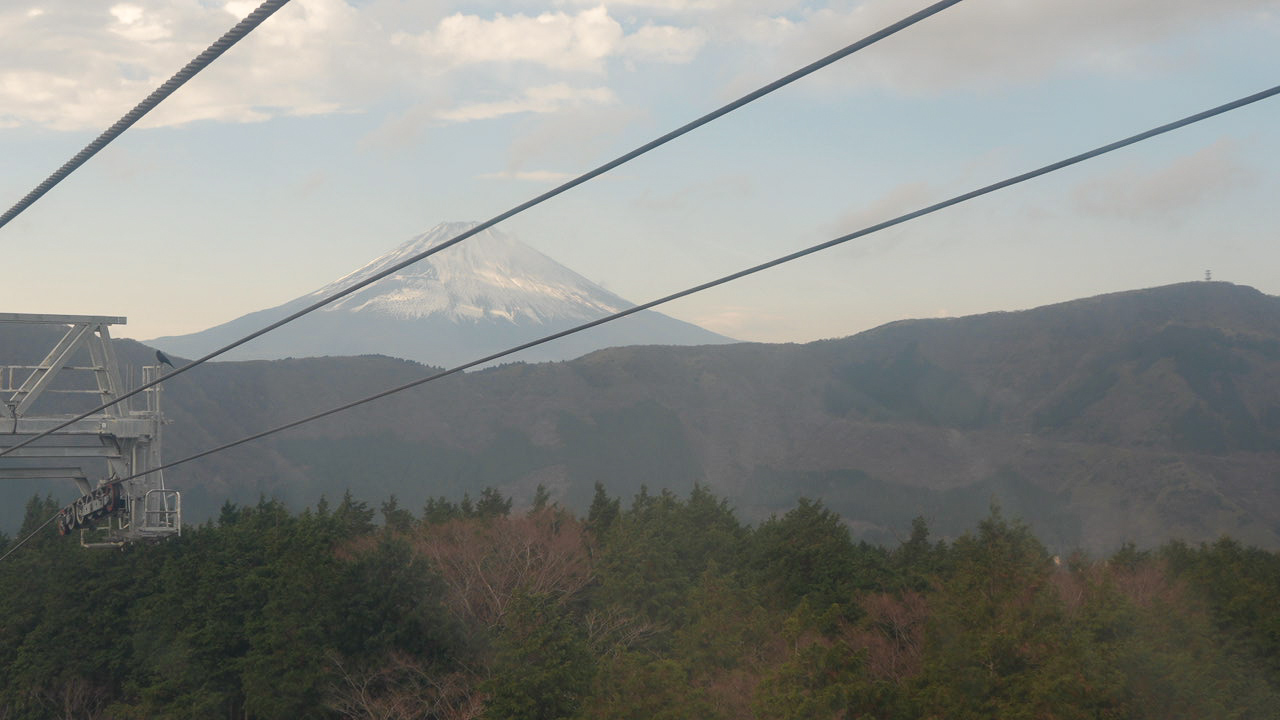
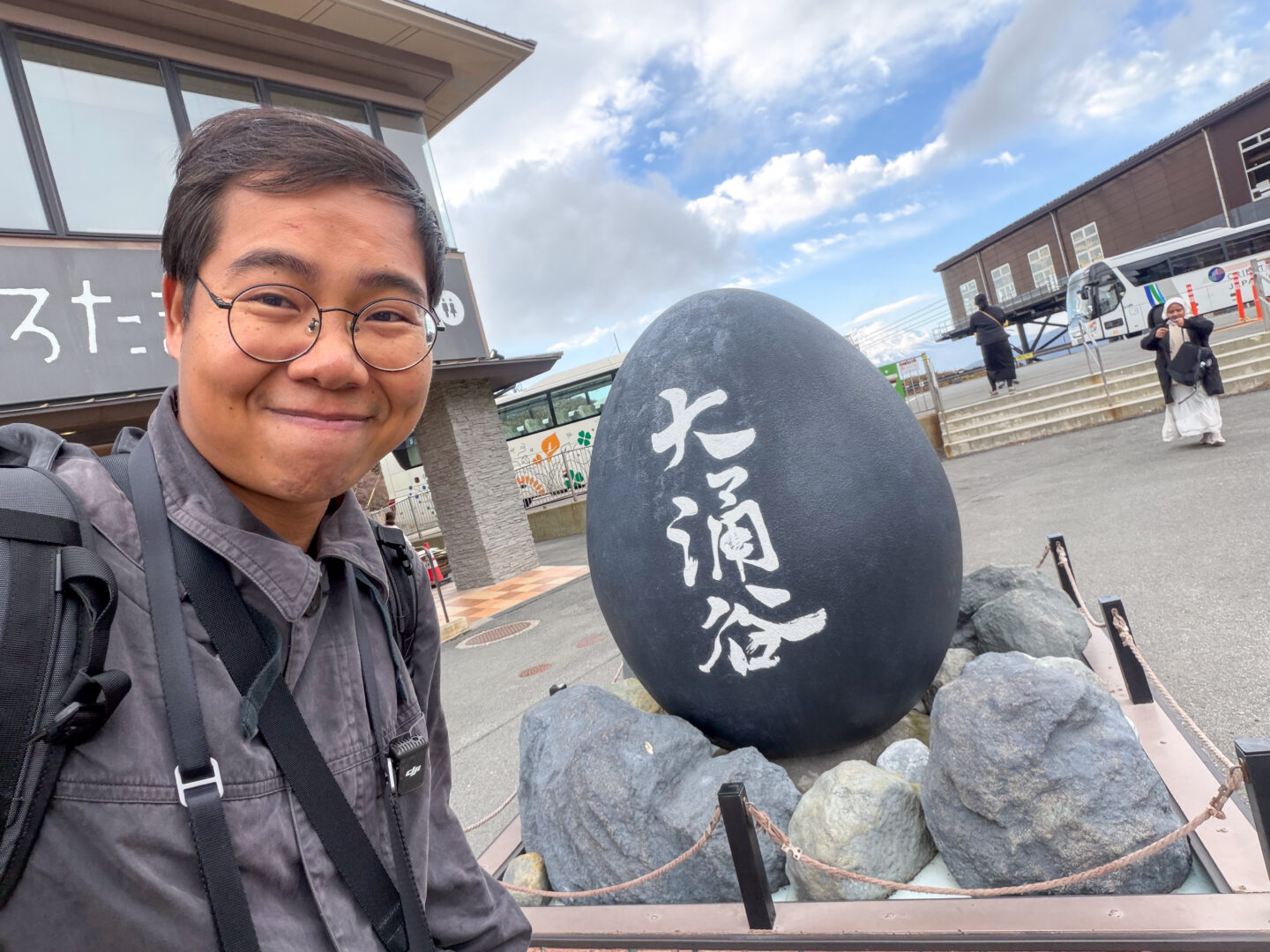
Owakudani
Owakudani, also known as “Hell Valley”, is one of Hakone’s most important and spectacular landmarks. This site was formed by the eruption of Mount Hakone approximately 3,000 years ago and remains an active volcanic zone to this day.
While this valley has long been a famous Japanese tourist attraction, it has recently undergone significant renovations. There are now plenty of new photo spots and many modern shops to explore.
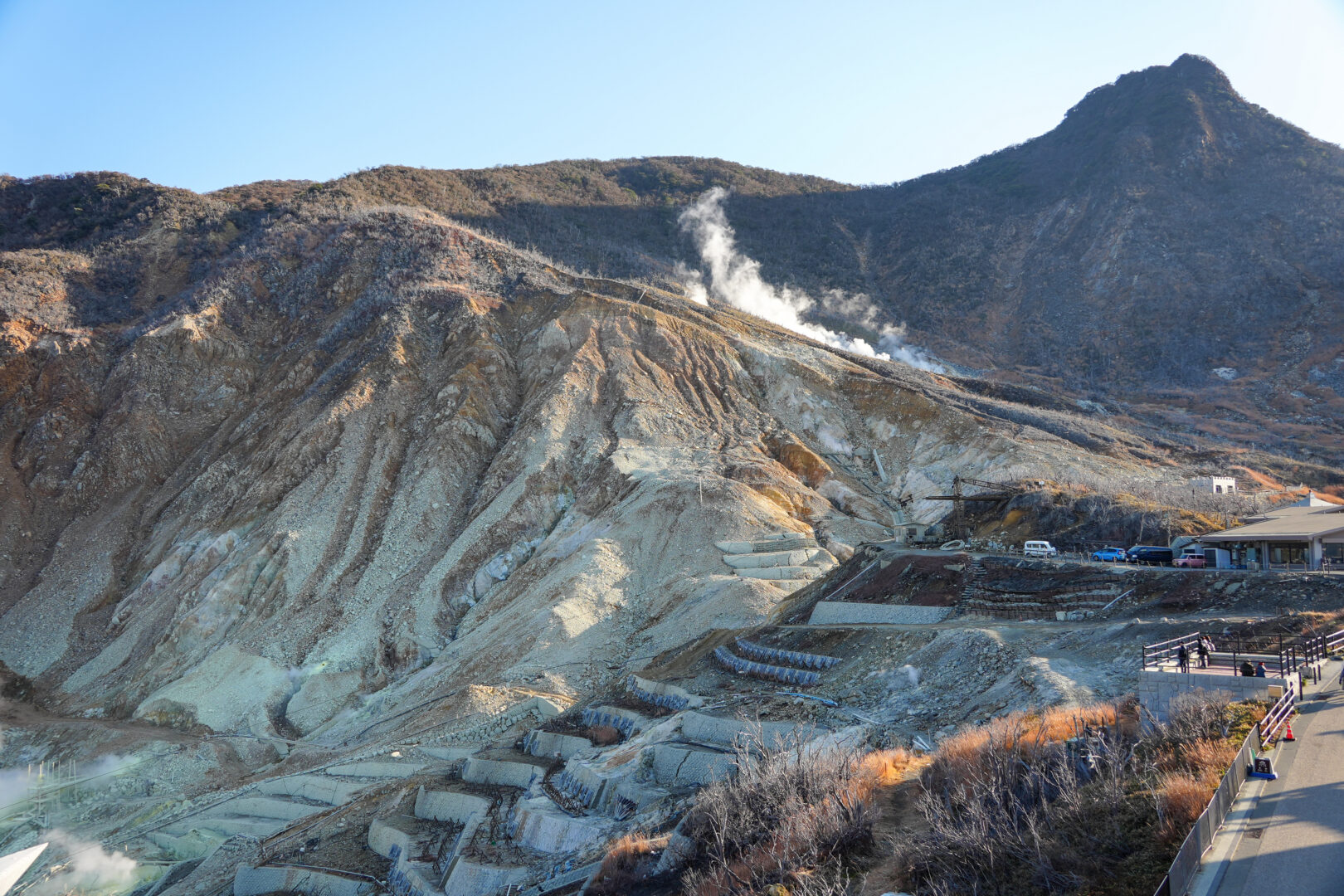
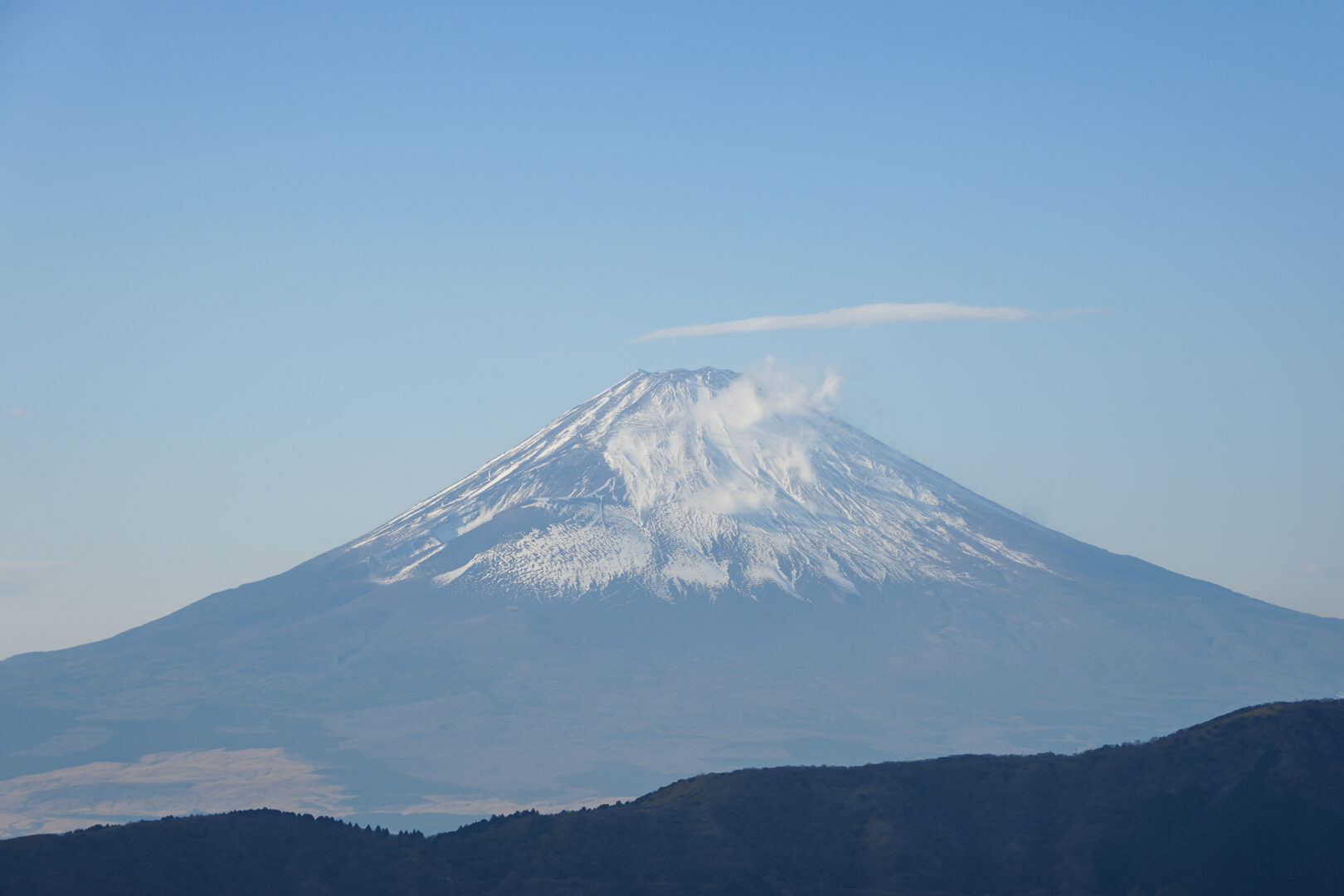
You can see Mount Fuji standing tall and majestic like this.
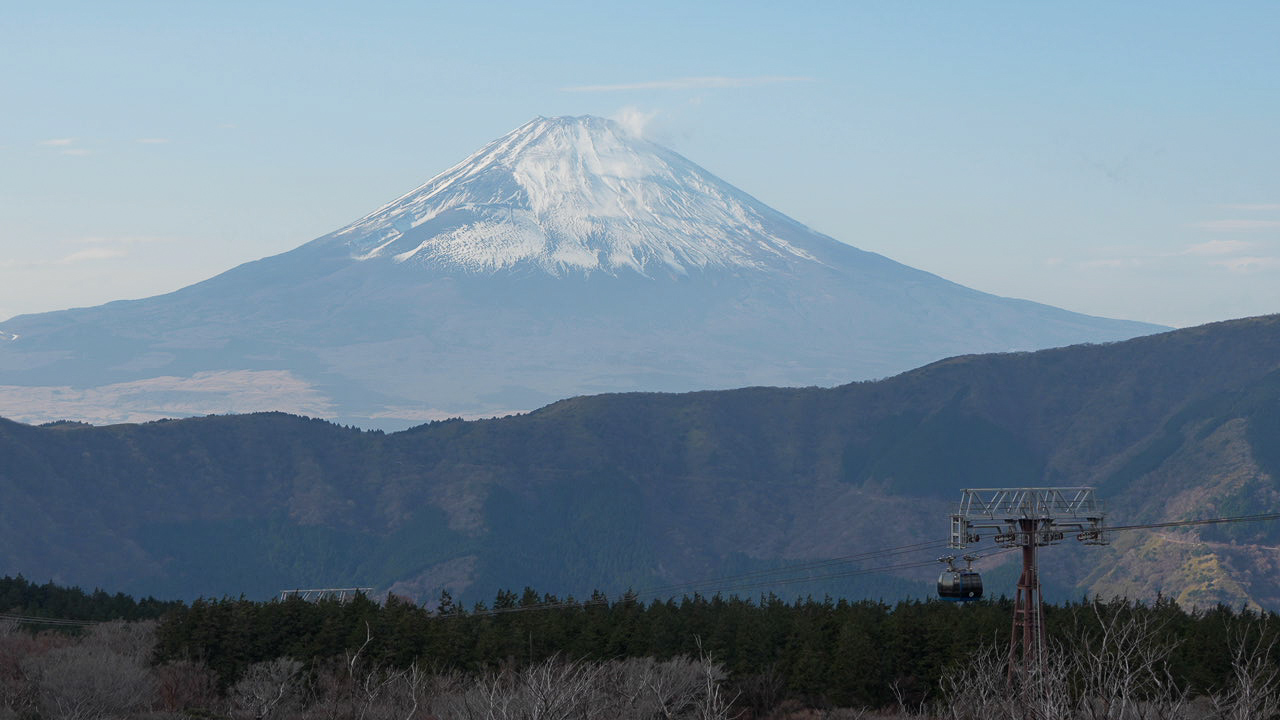
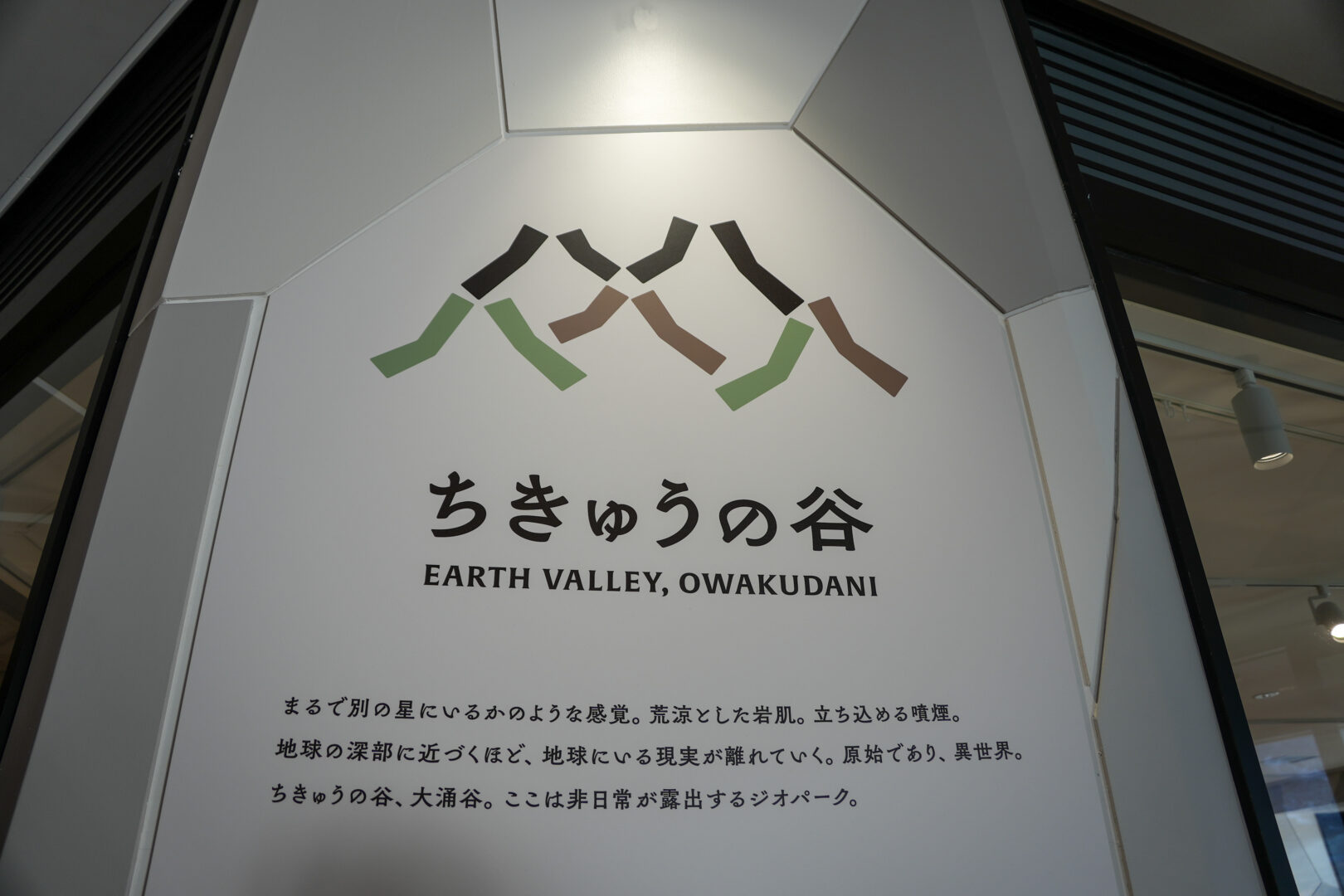
Earth Valley
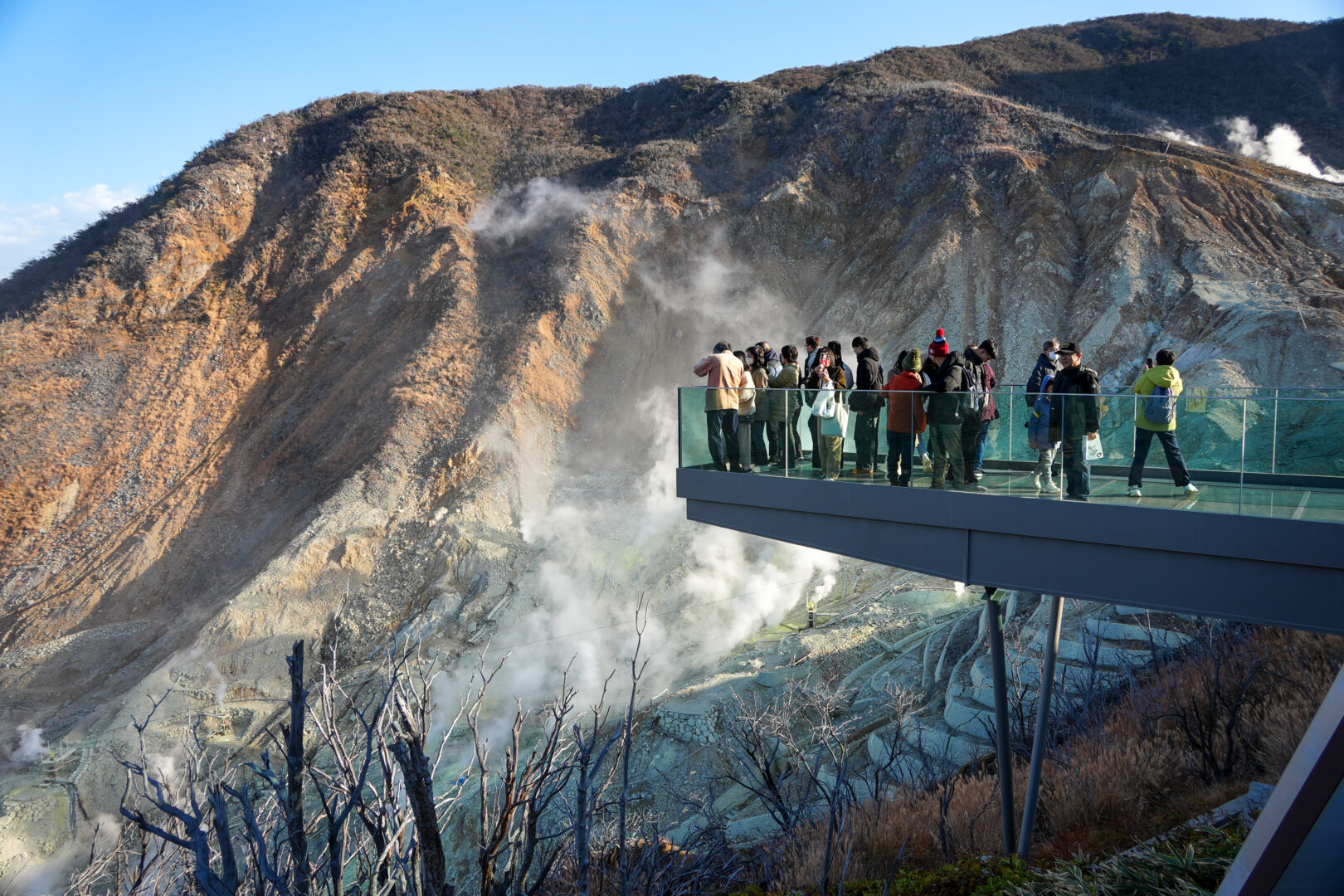
Earth Valley is the newest observation zone in Owakudani. This project involved renovating the area around the Owakudani Ropeway Station into a spot where tourists can experience the “power of the earth” more closely and safely.
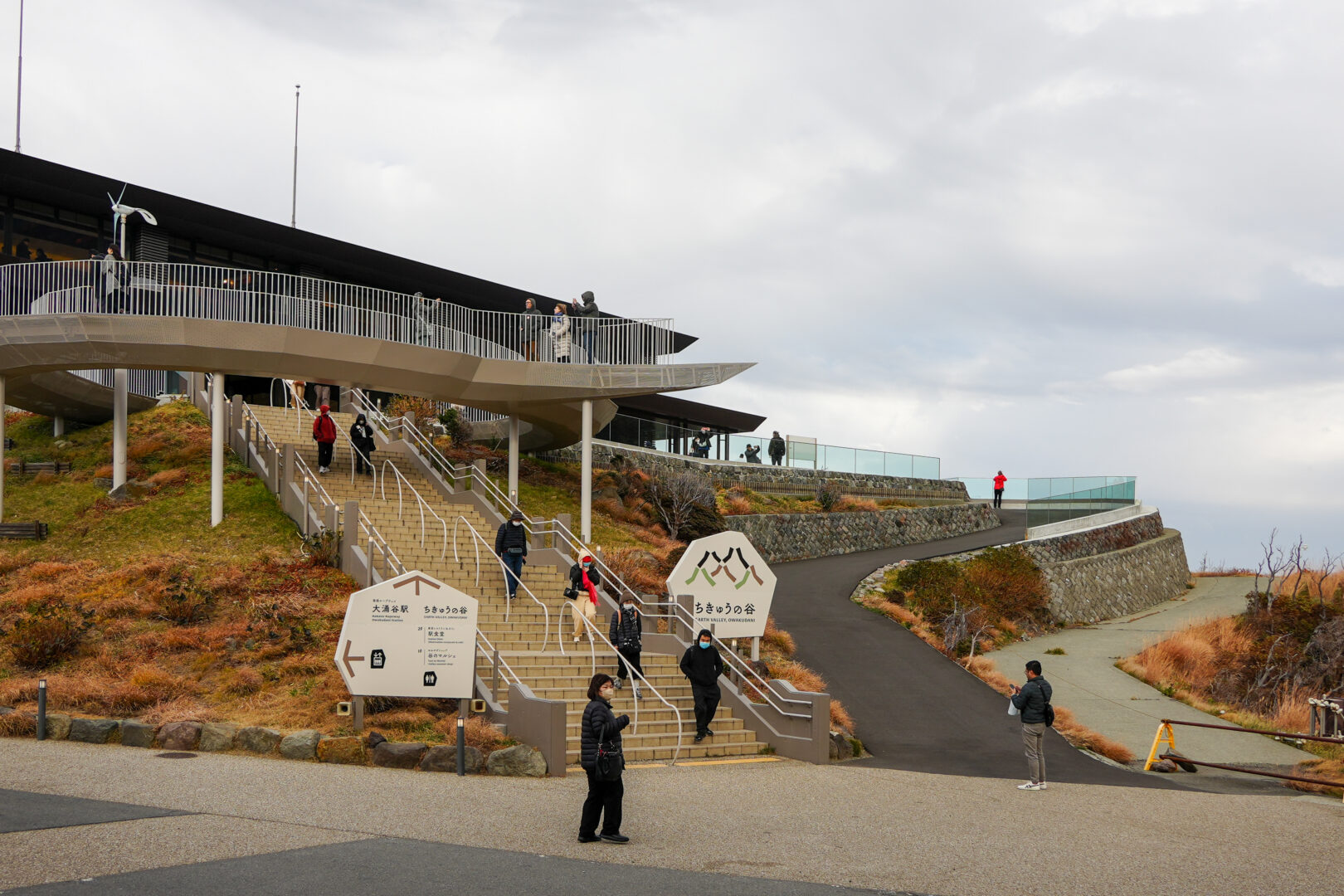
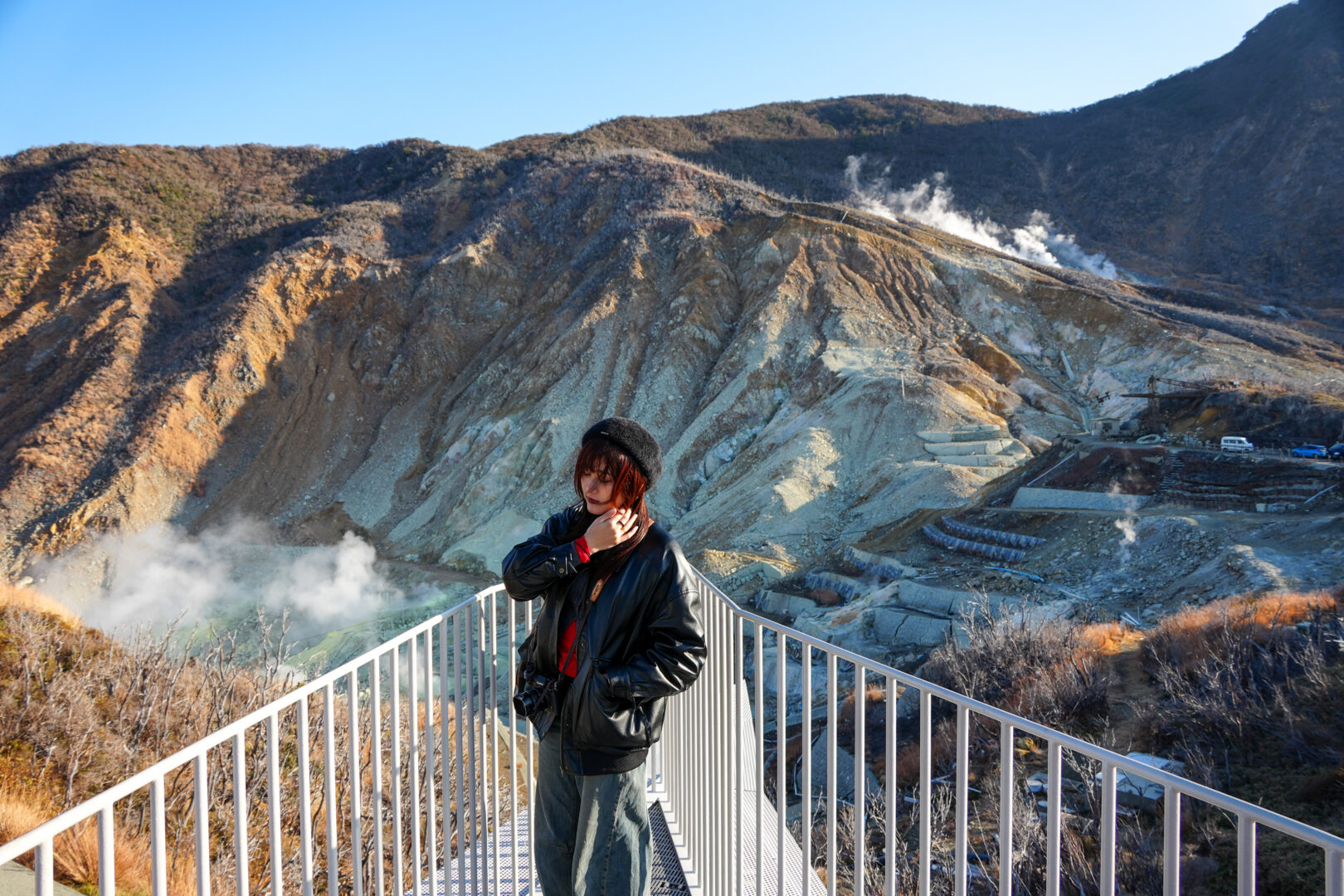
1. Highlight Viewing Points (The Decks)
Within the Earth Valley zone, there are three main observation points designed to offer different perspectives:
Ibuki no Deck (Breath of the Earth): An observation deck featuring a “clear glass floor” that extends over the valley, allowing you to see the volcanic steam rising from the ground directly beneath your feet.
Kaze no Wa Terrace (Ring of Wind): A large circular terrace (18 meters in diameter) designed to catch the breeze while offering a 360-degree panoramic view of both Mount Fuji and the valley.
Ozora no Hotori (The Sky’s Edge): A spacious relaxation area focused on showcasing the vastness of the sky and the grandeur of the mountains.
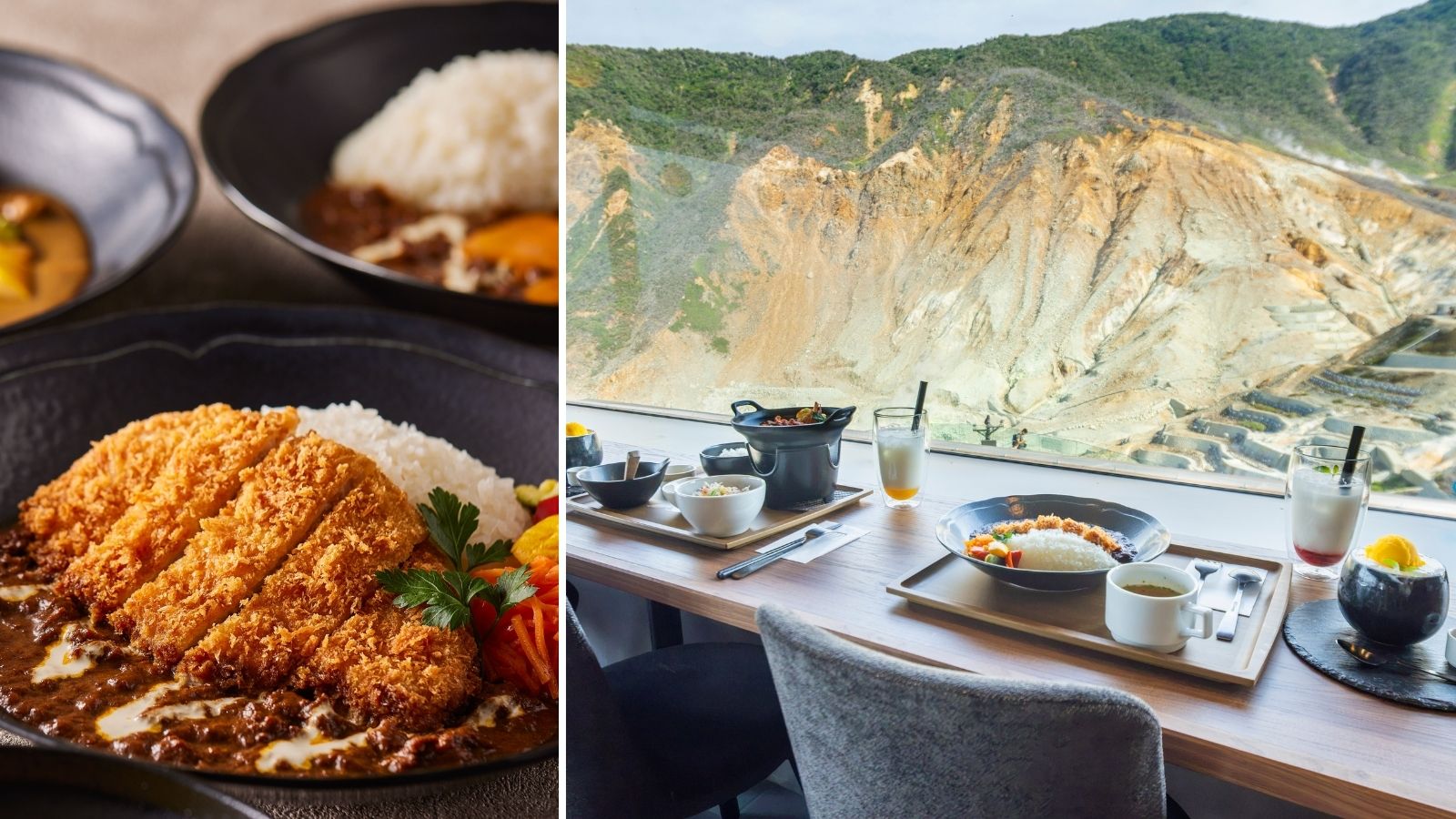
2. Tani no Marché (Valley Marche) – Cafe & Shops
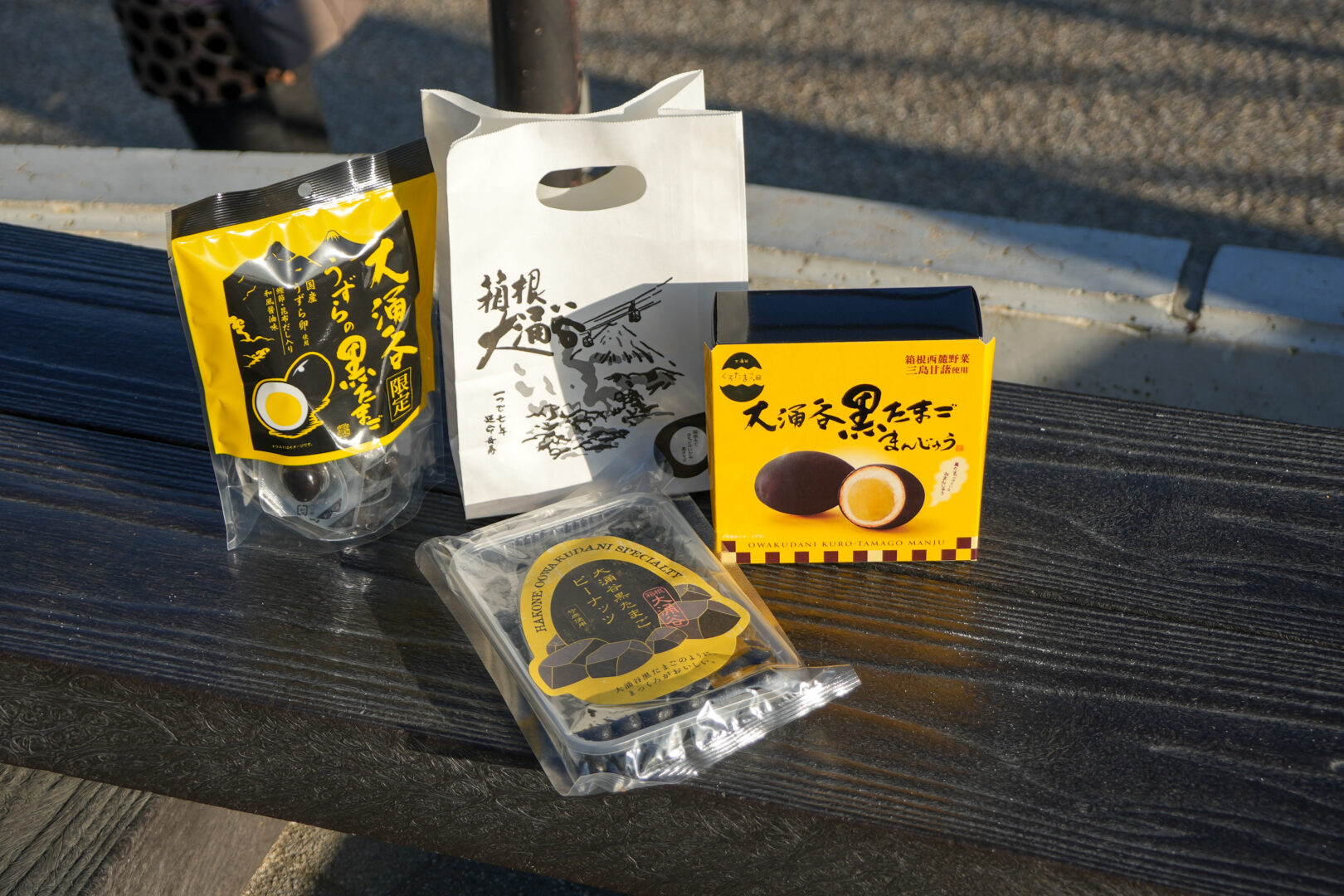
In this zone, you’ll find Valley Marché, a shop selling sweets and souvenirs themed around the “Earth.” Highlights include treats designed to look like volcanic rocks and specialty drinks exclusive to this location. On the second floor, there is a restaurant called OWAKUDANI KITCHEN, which serves delicious curry along with stunning views of Owakudani.
3. The “Living Earth” Experience
The concept of Earth Valley is to shift from simply “watching the steam” to “experiencing nature.” You will be able to hear the sounds, feel the wind against your skin, and witness the shifting geological changes of a truly living, breathing landscape.
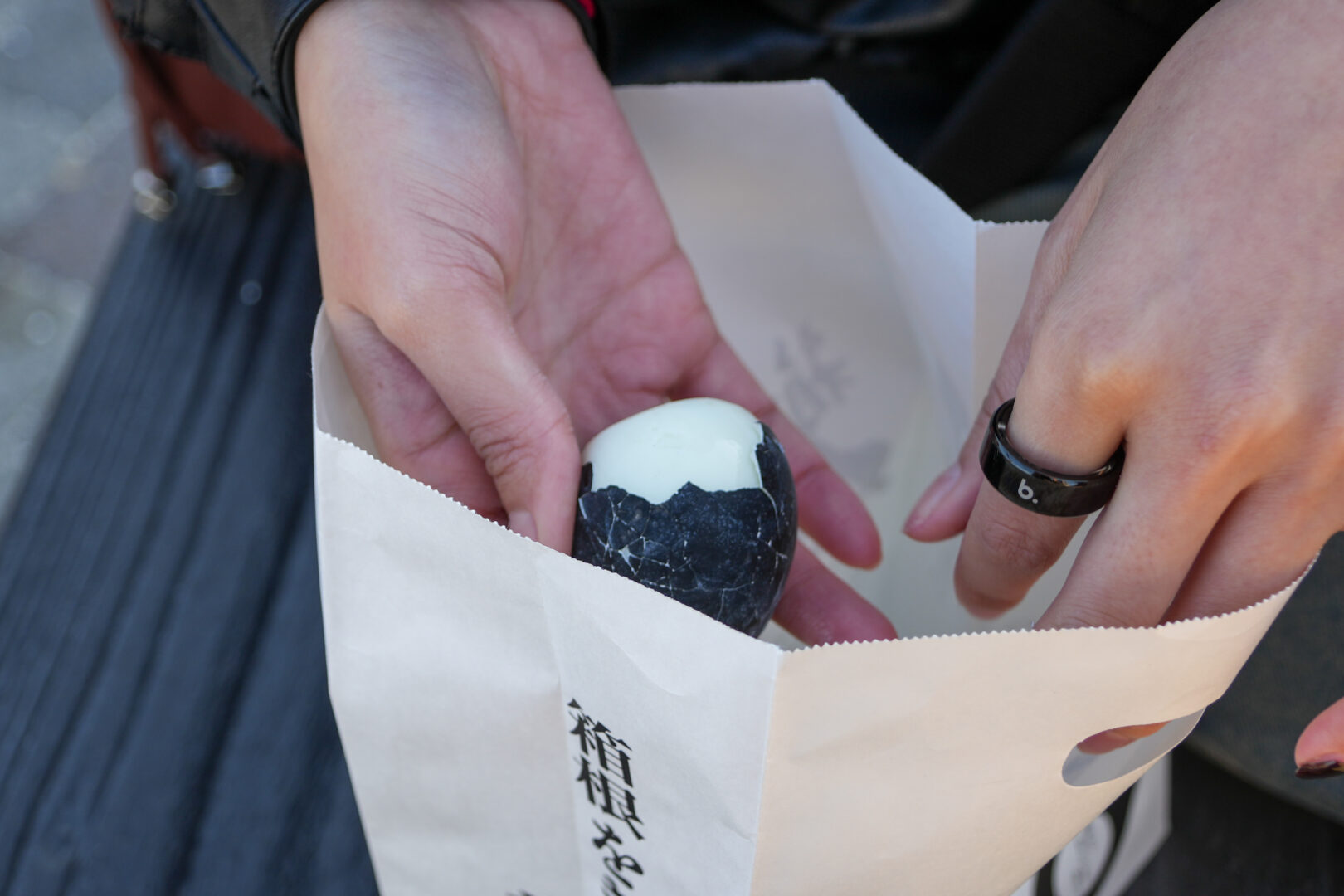
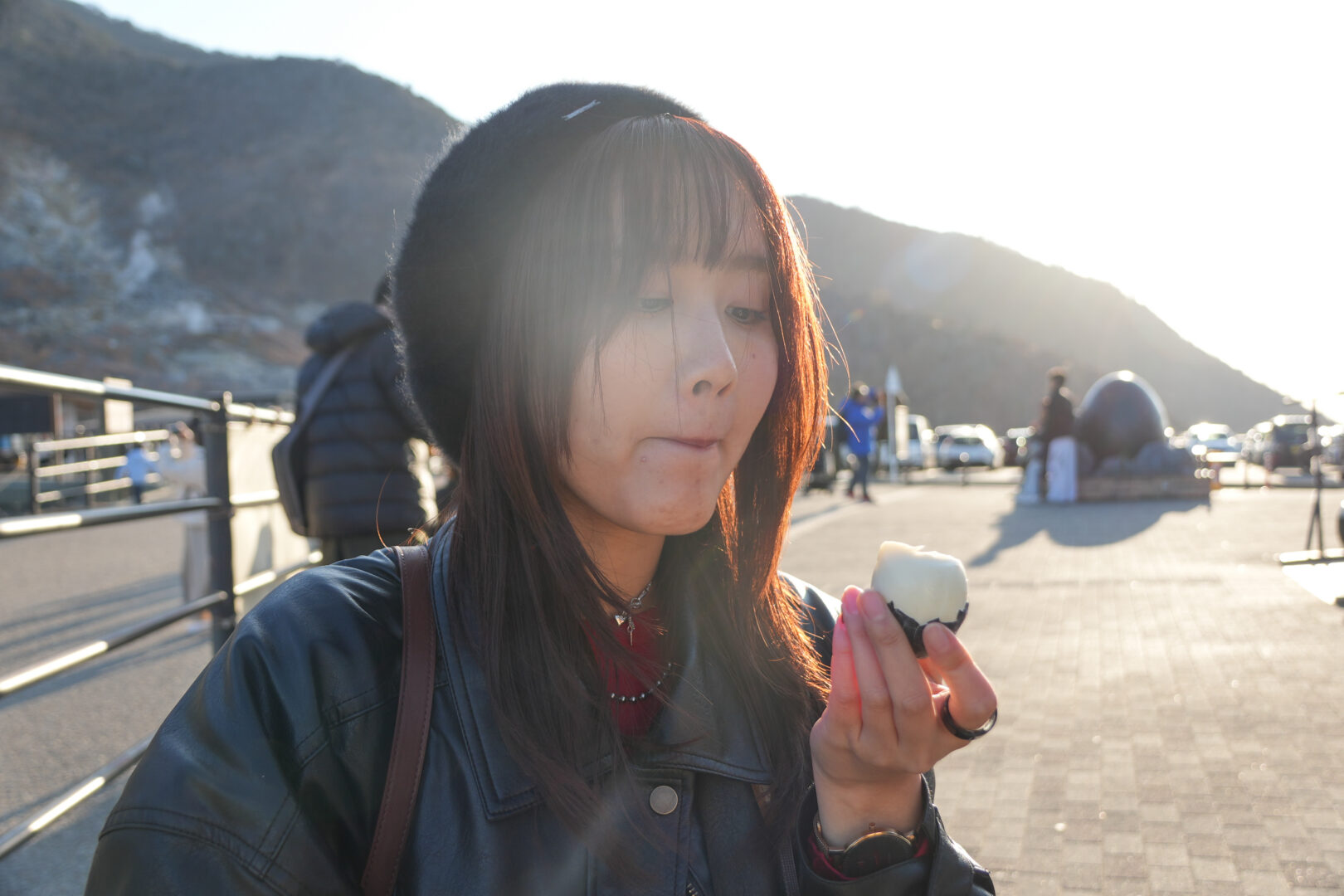
The Legend of the "Black Egg" (Kuro-Tamago)
These are chicken eggs boiled in hot spring water rich in sulfur and iron. A chemical reaction turns the shells jet black, while the inside remains a normal, white boiled egg. They are served with salt for dipping. According to local legend, eating just one black egg will extend your life by 7 years. You can purchase them at the souvenir shops located inside.
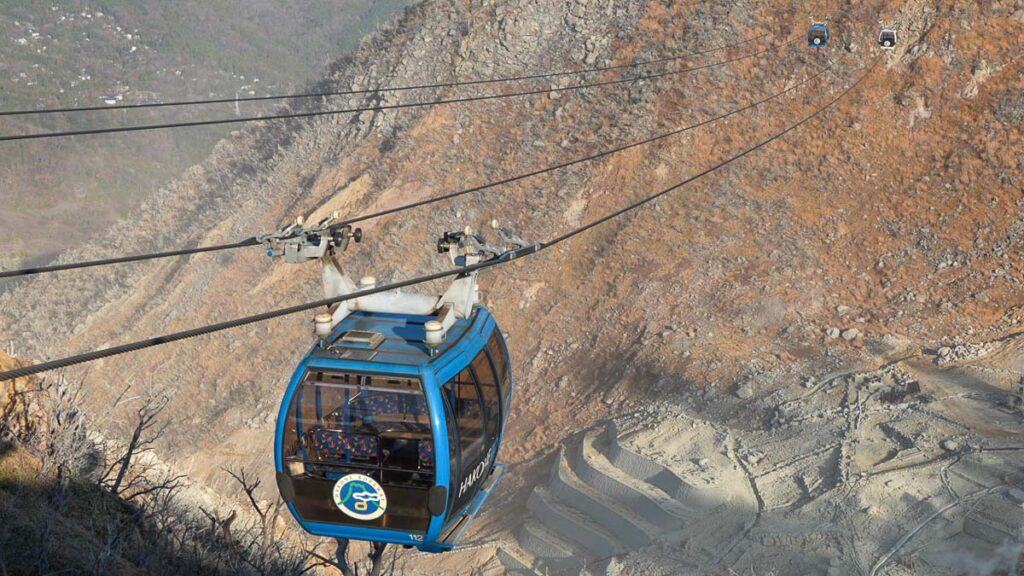
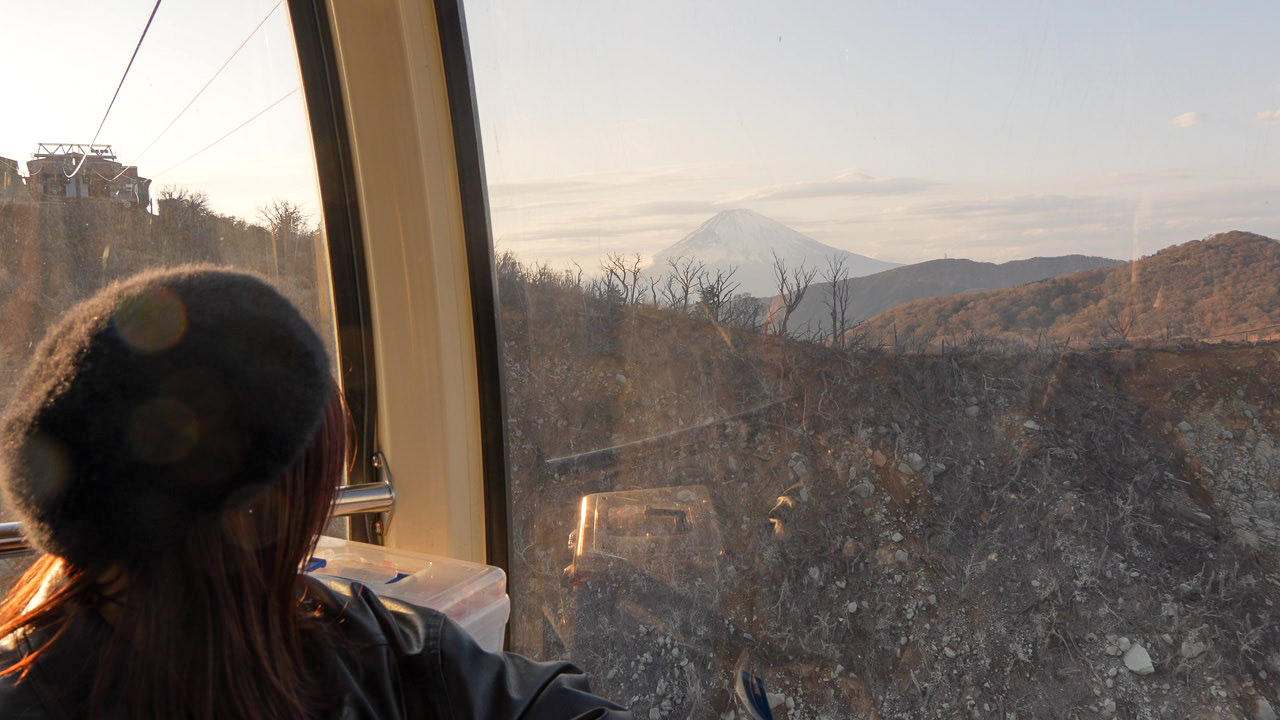
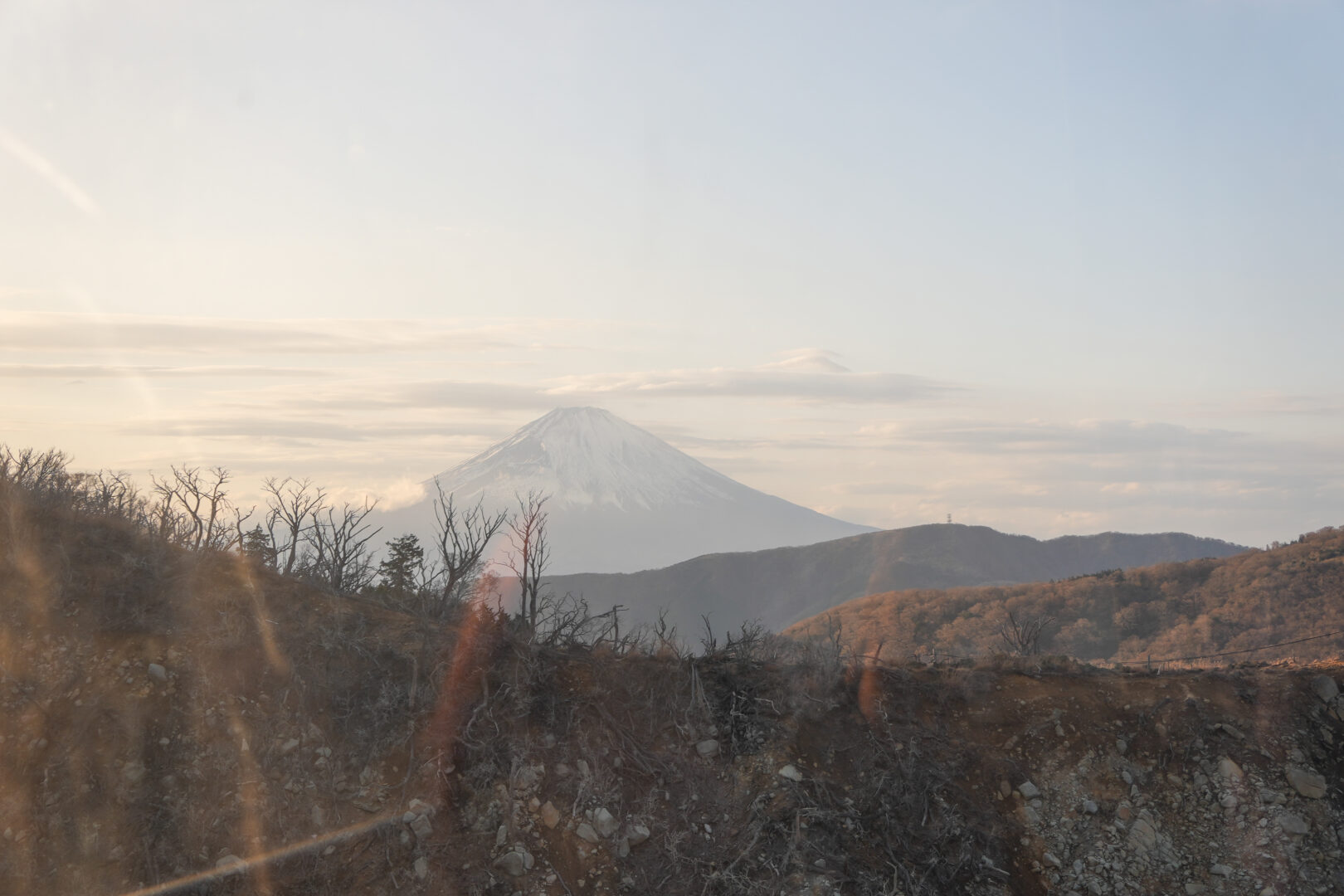
3:30 PM Hakone Ropeway: Owakudani Station → Sounzan Station
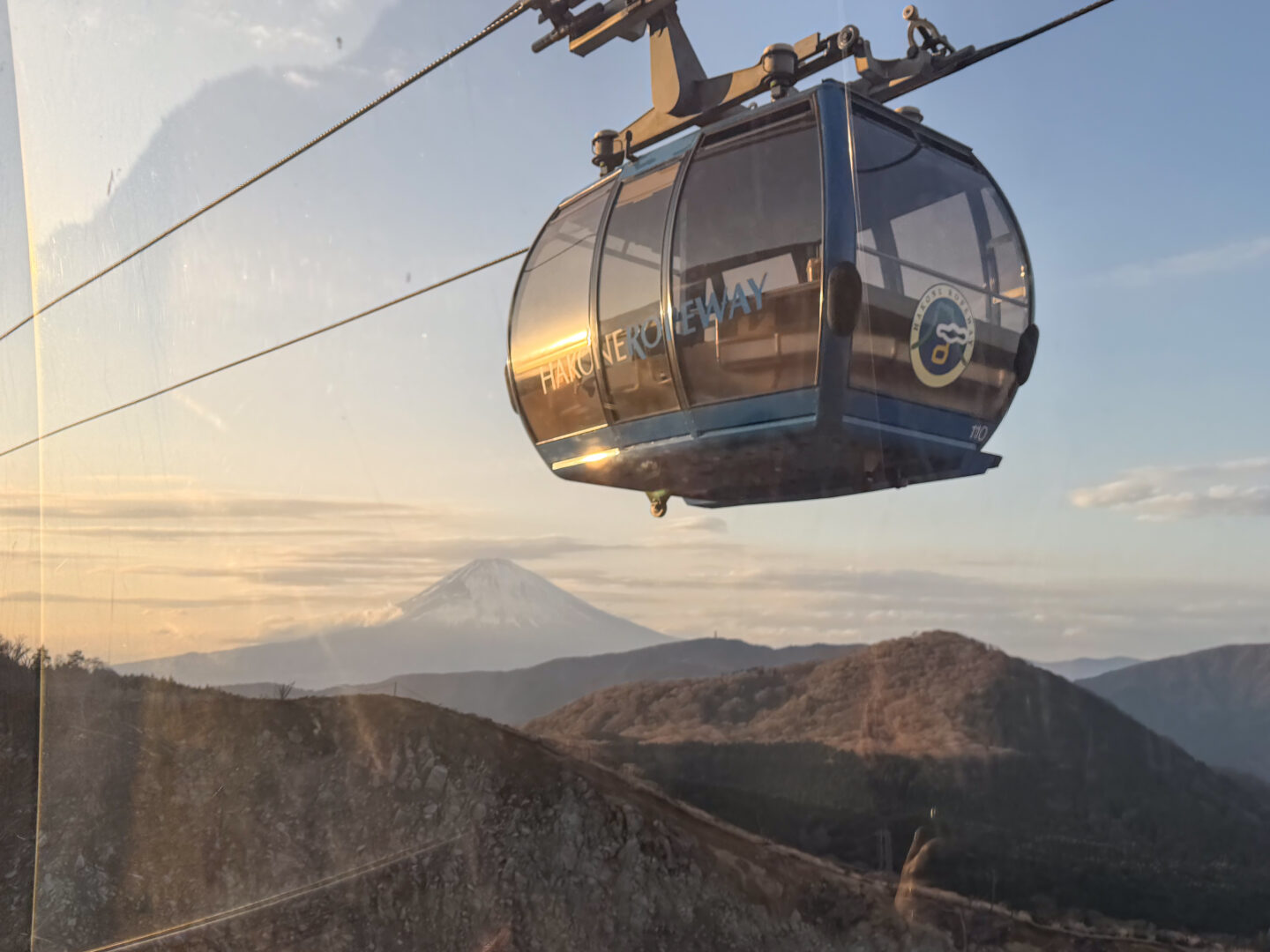
We began our descent on the ropeway. Mount Fuji remained clearly visible from every angle.
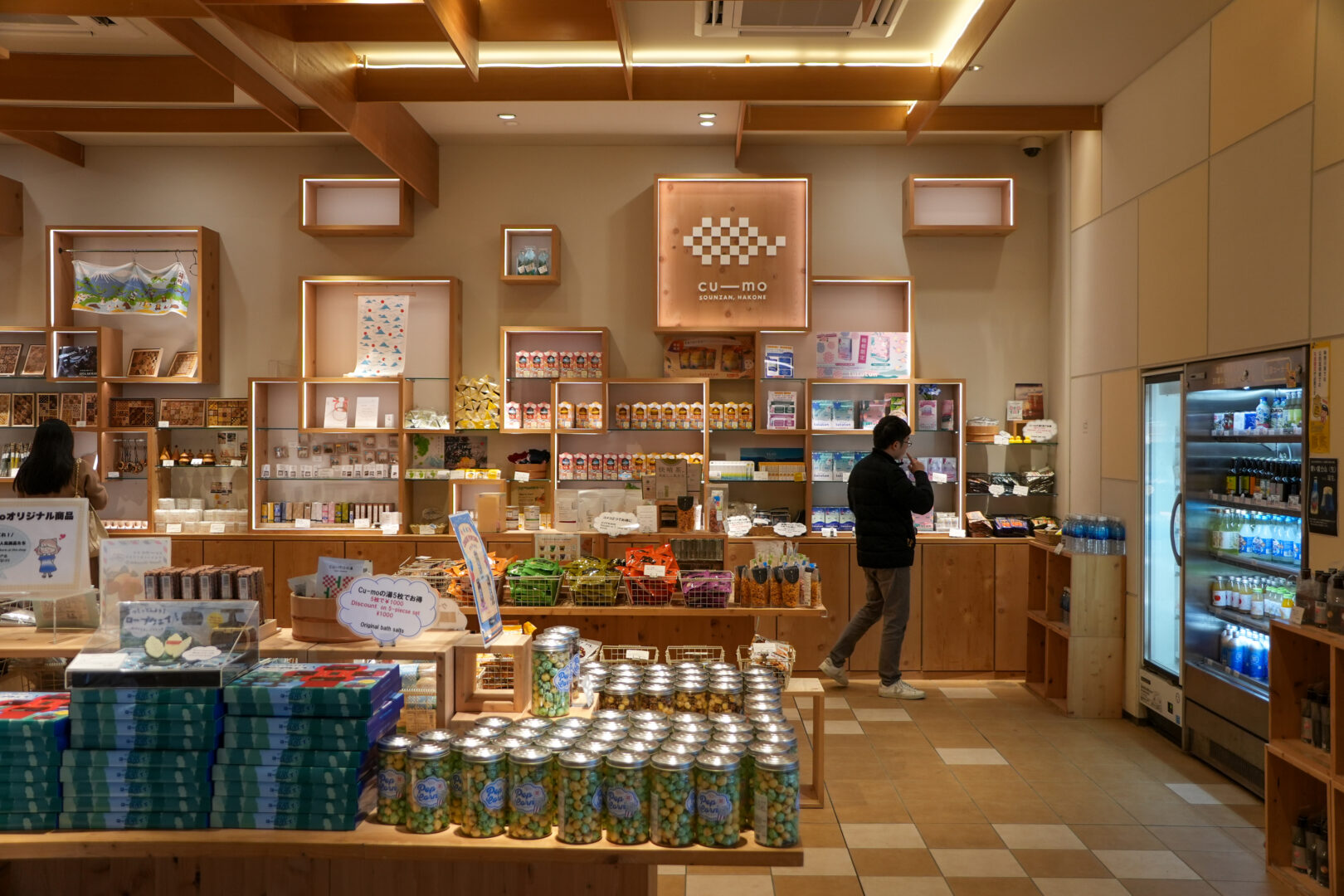
cu—mo Hakone
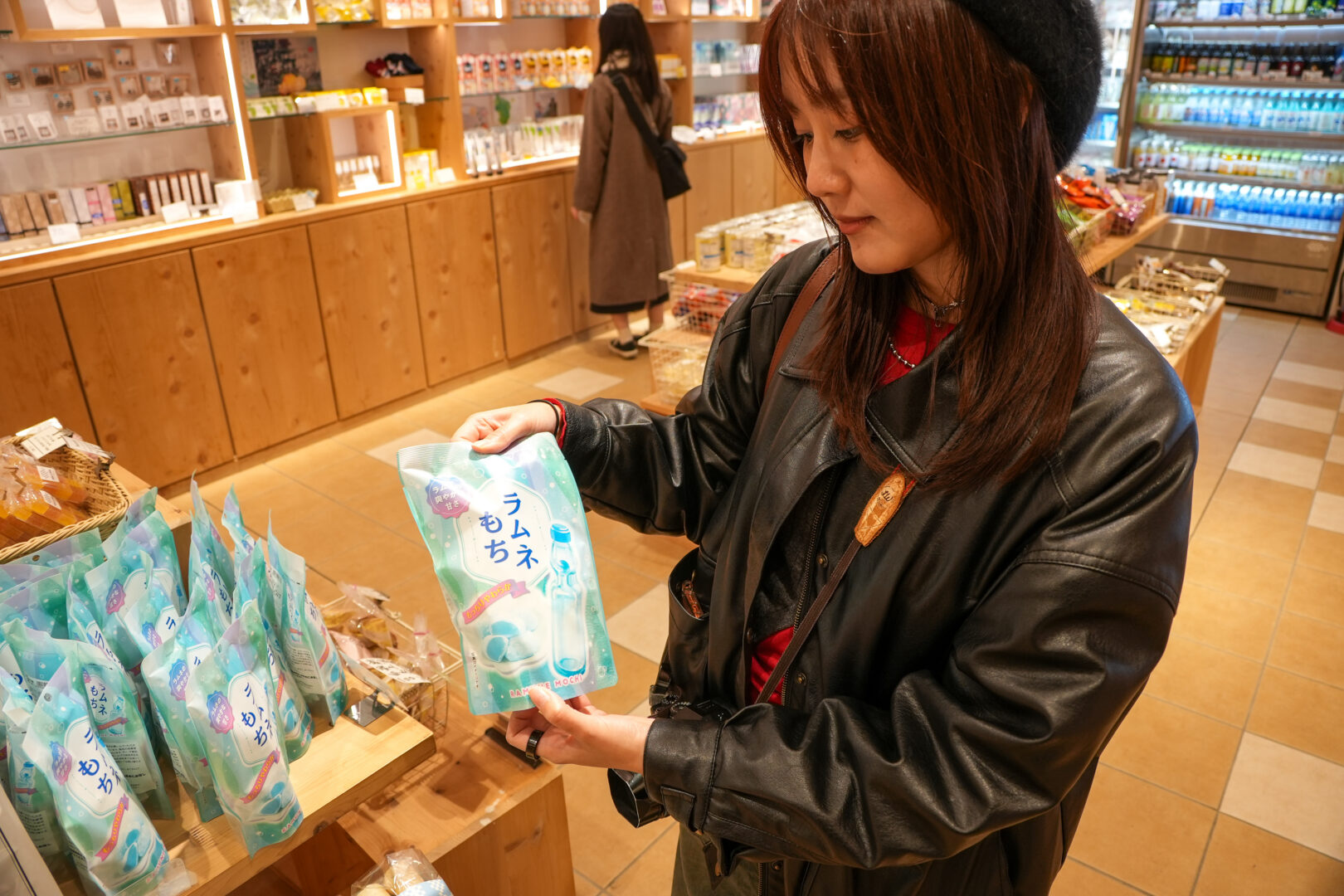
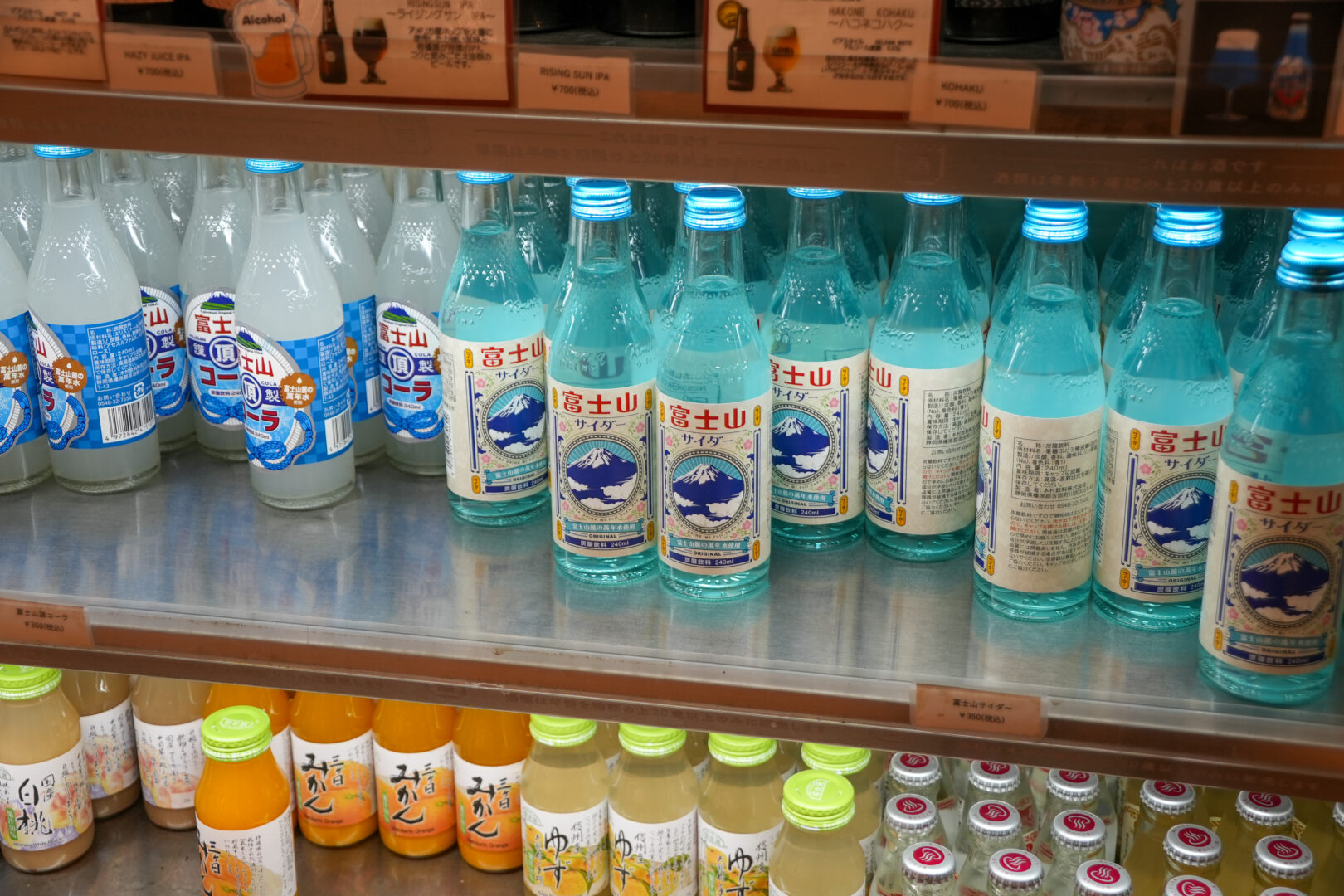
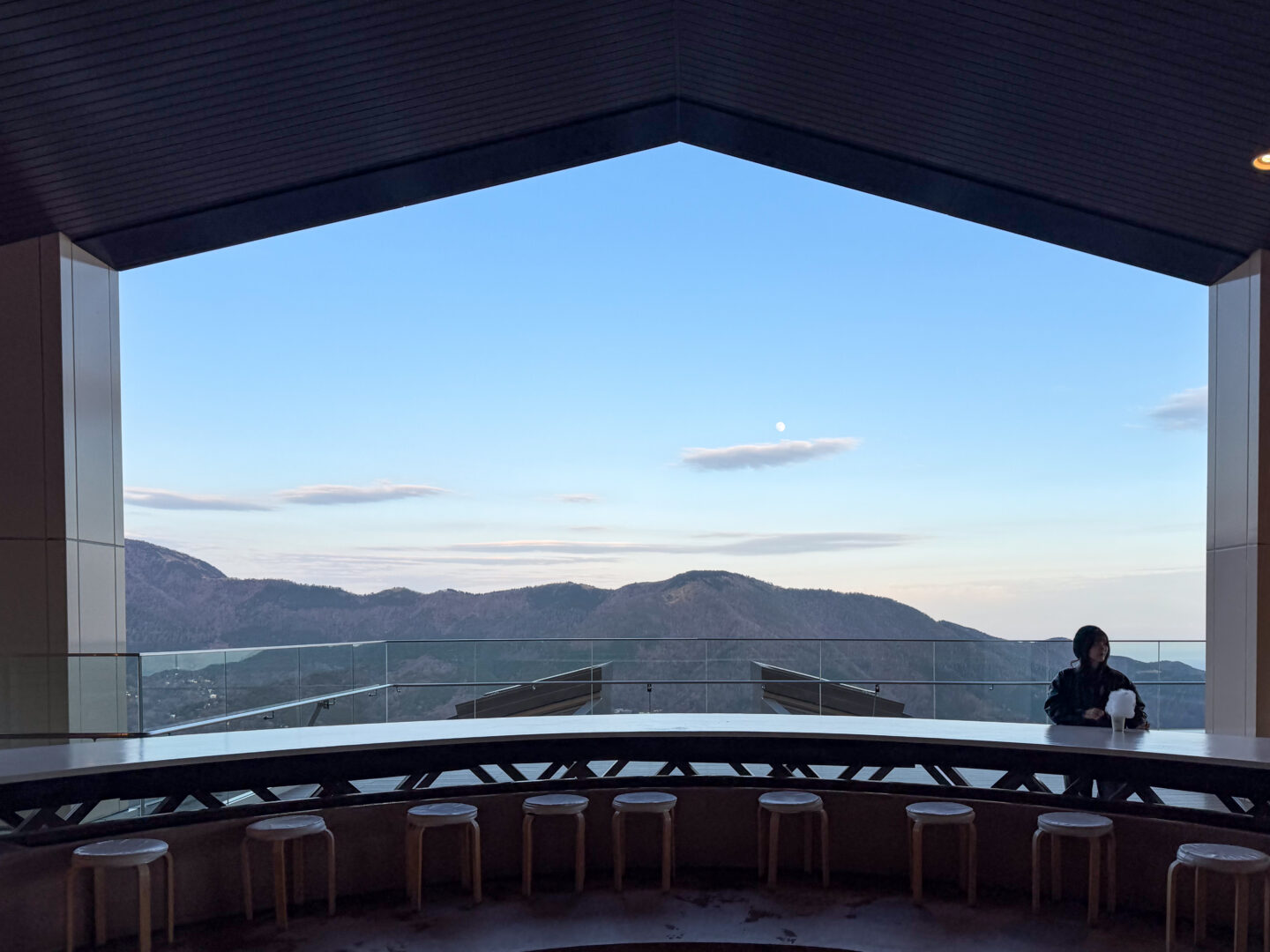
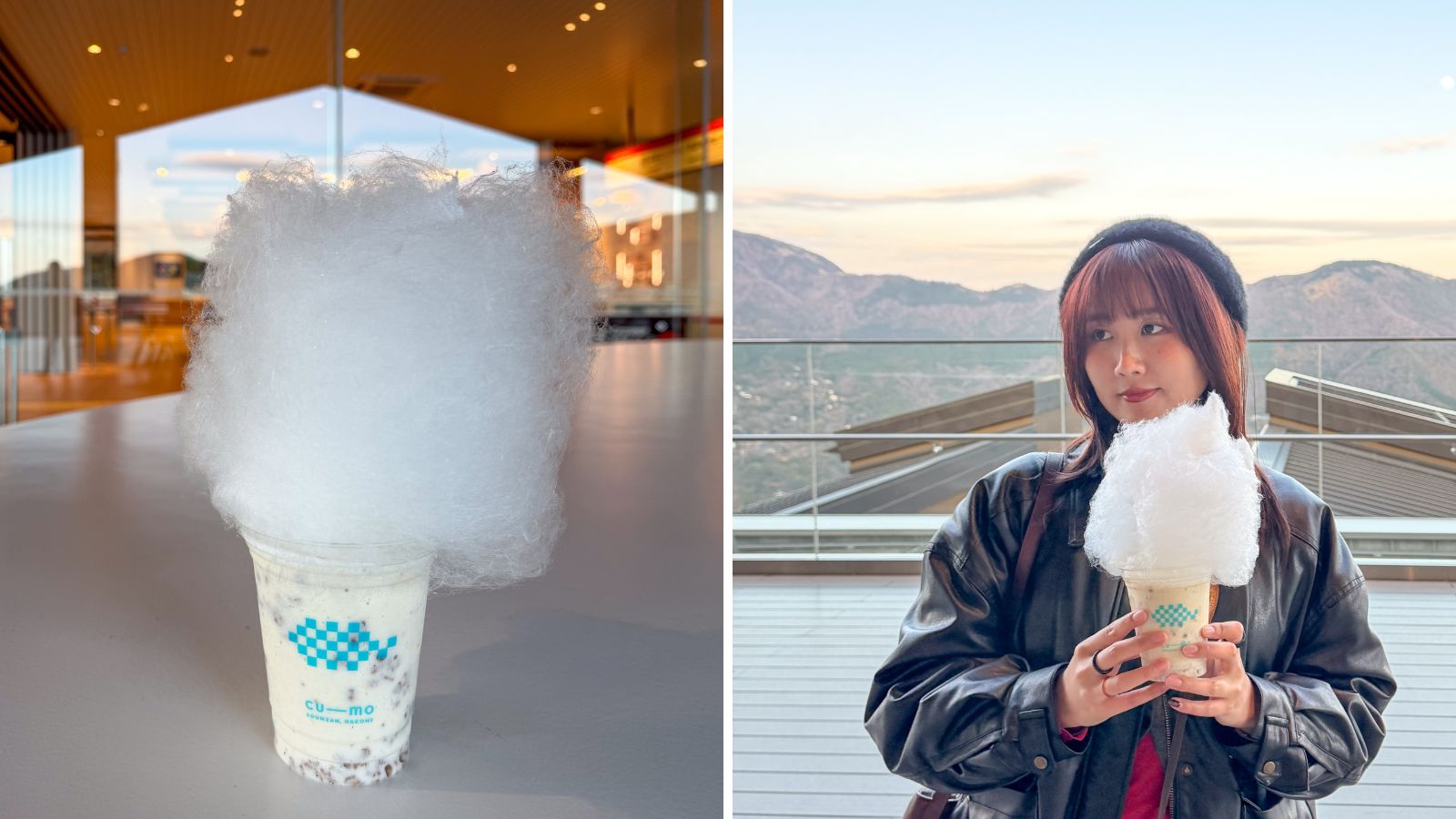
Next, we took the ropeway down to Sounzan Station to visit cu—mo, located on the second floor. This station serves as the transfer point between the ropeway and the cable car. The facility features a relaxation area with a cafe and a footbath (onsen) on a terrace facing the outdoors, allowing you to enjoy the mountain views of Hakone’s Gora area. While soaking your feet, I highly recommend grabbing a cloud-shaped cotton candy smoothie from the cafe to enjoy alongside the scenery.
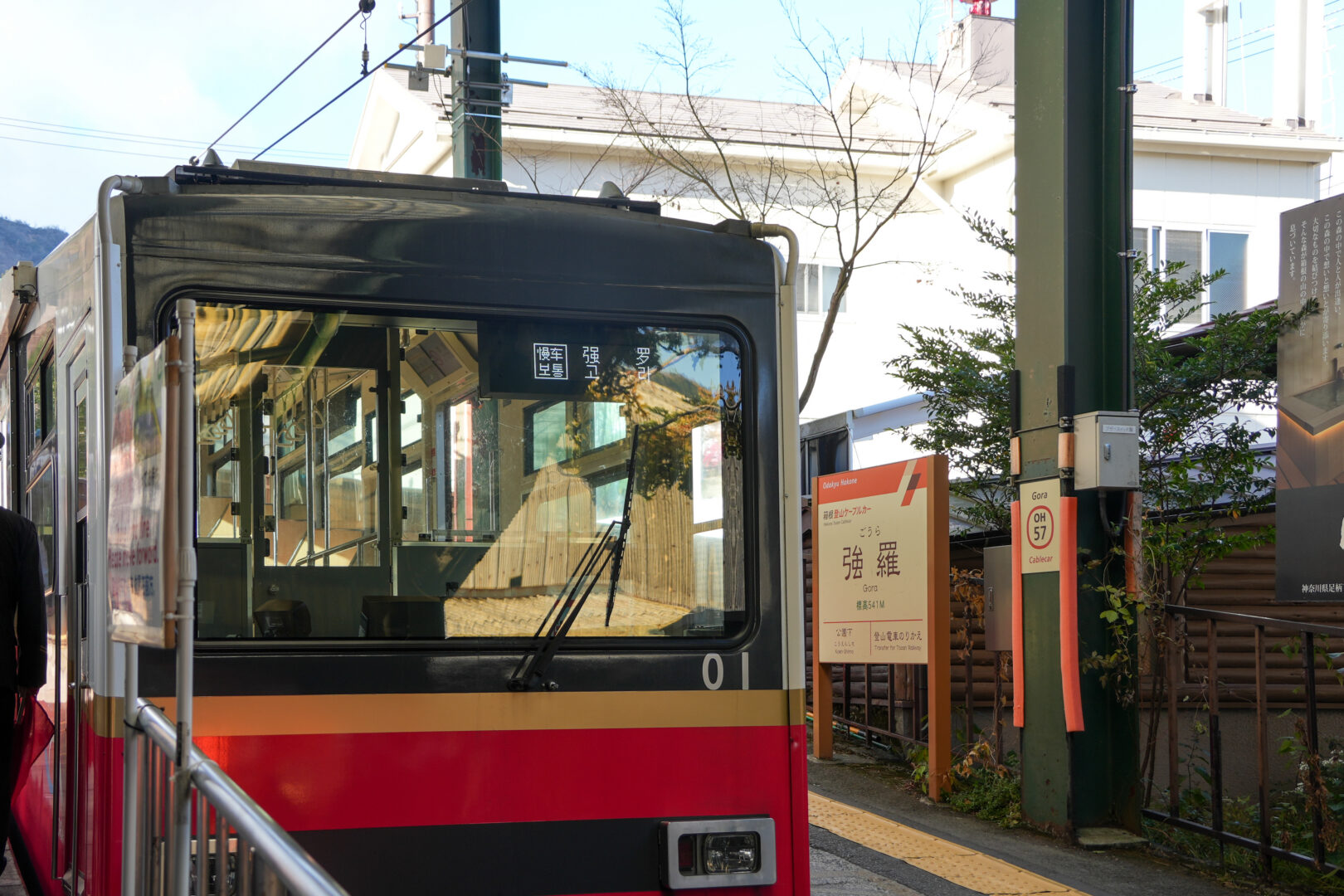
4:47 PM Hakone Tozan Cable Car: Sounzan Station → Gora Station
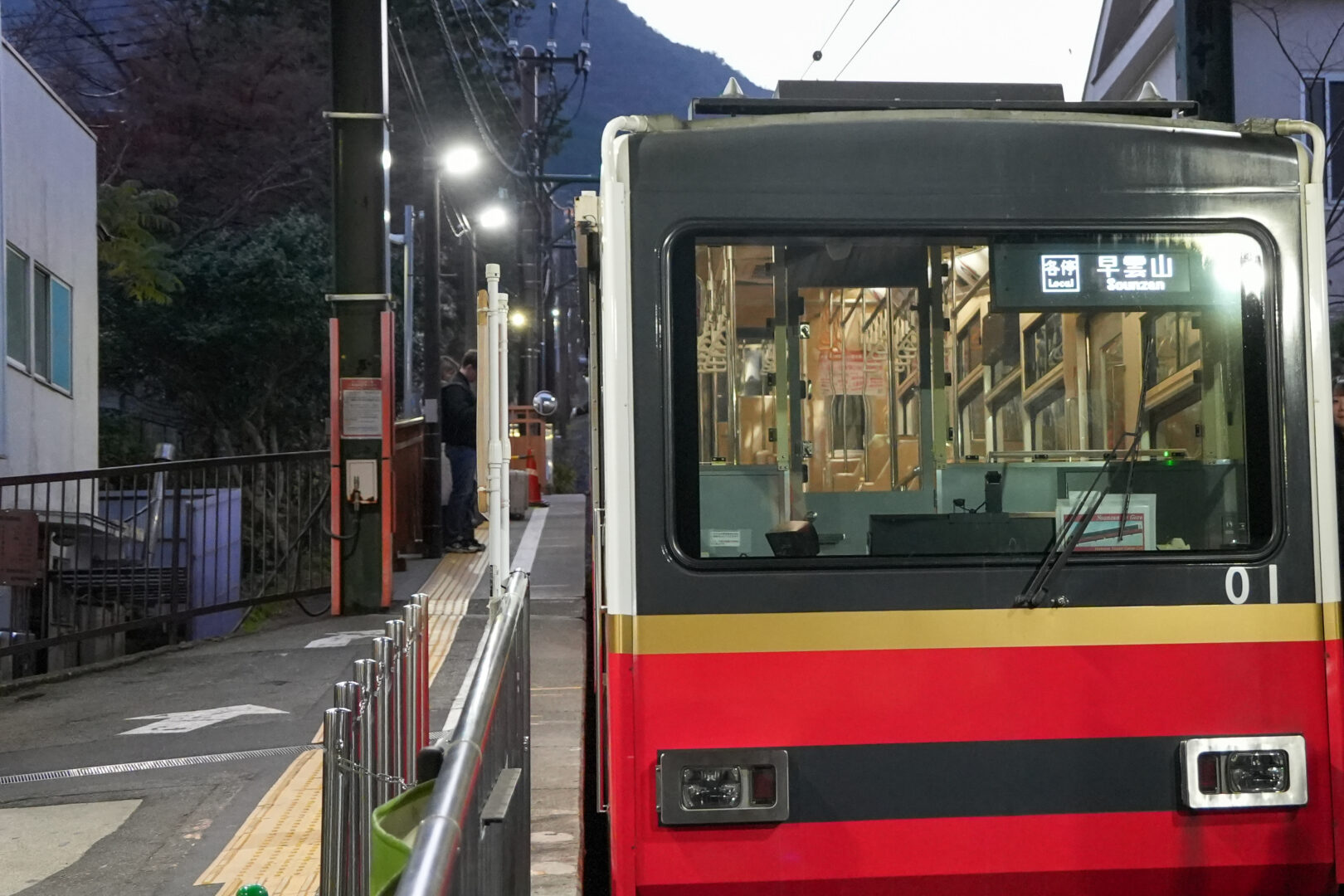
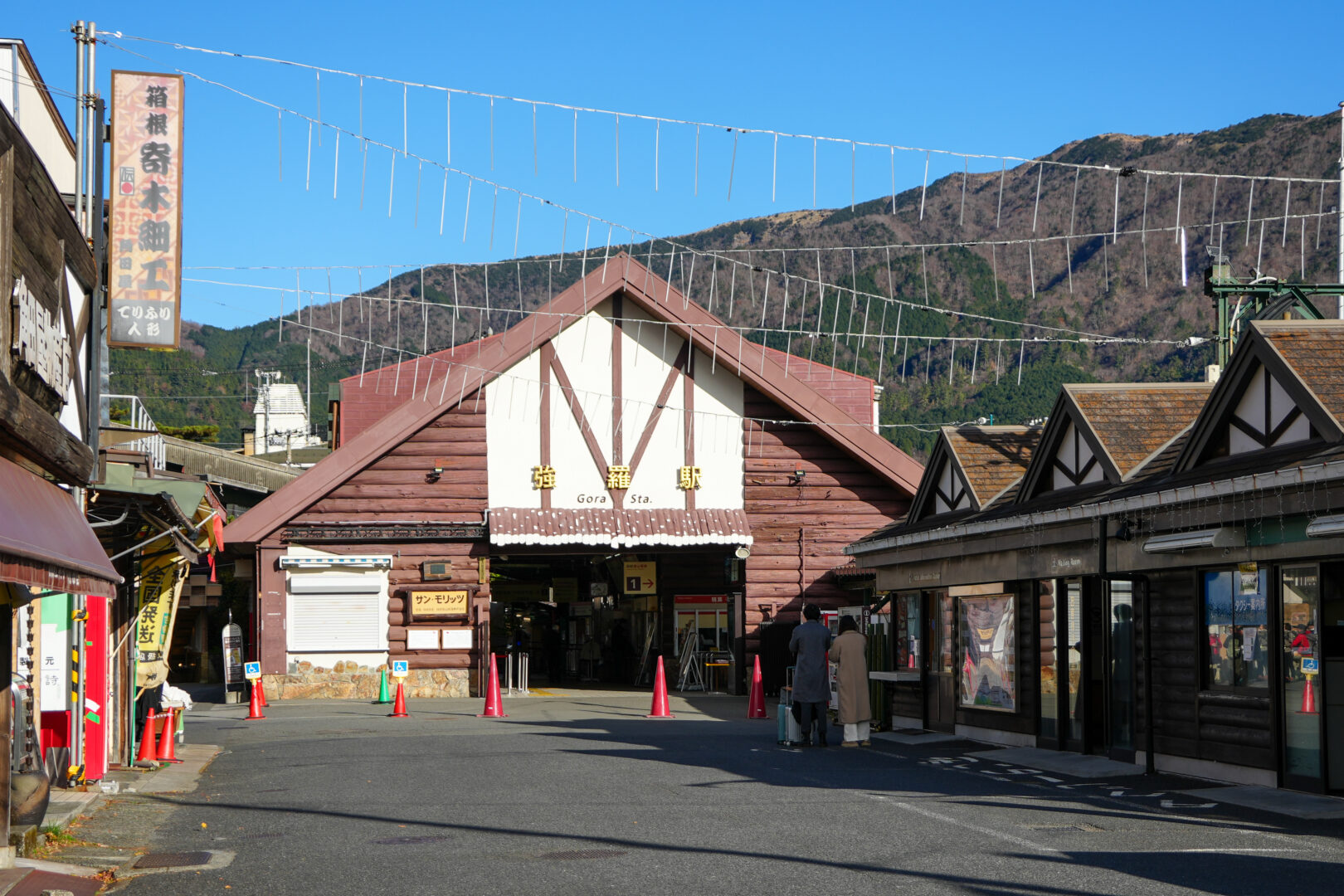
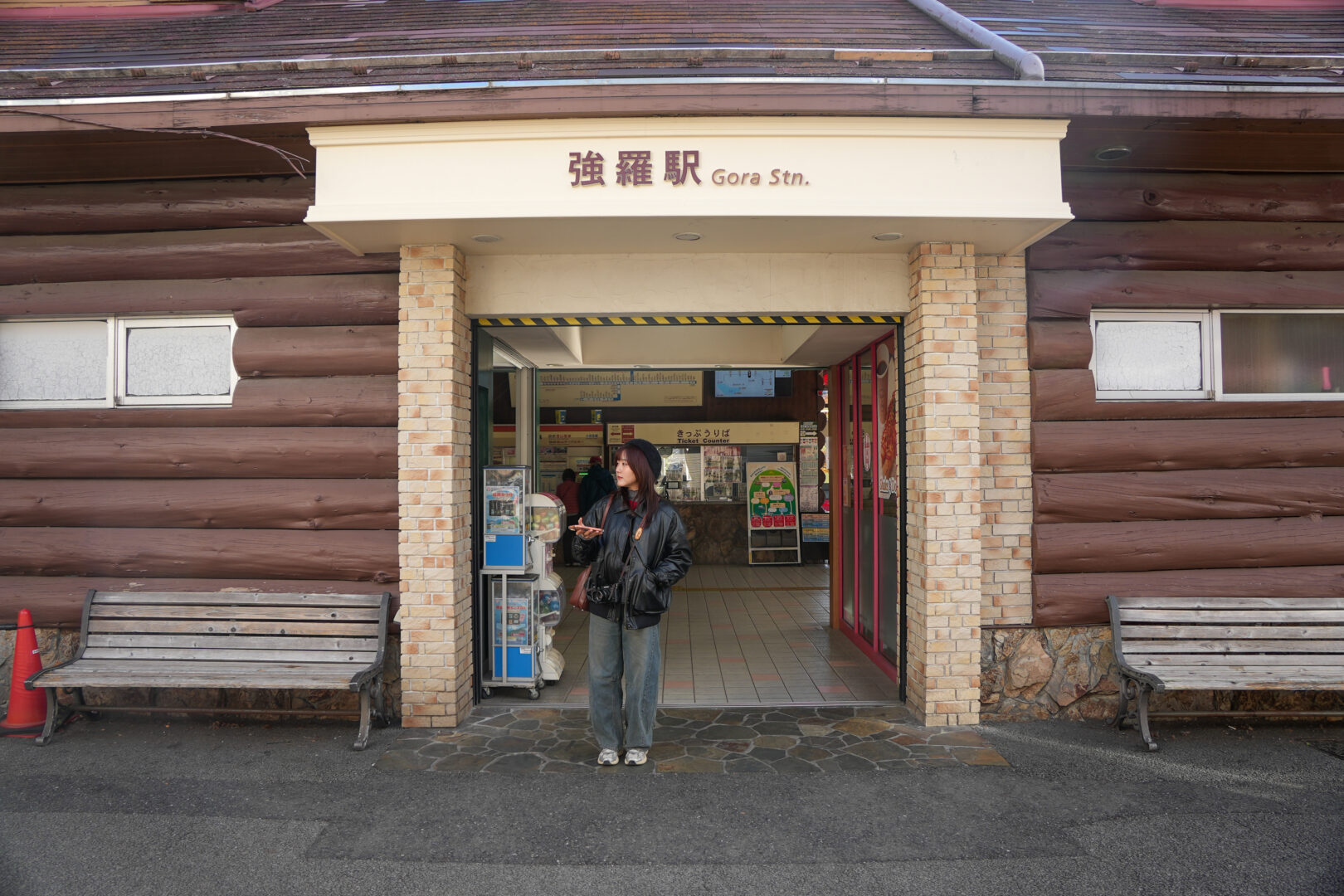
We took the cable car down to Gora Station to head to our accommodation. Gora Station is a central hub in Hakone, filled with various hotels, restaurants, and cafes.
Hakone Yutowa
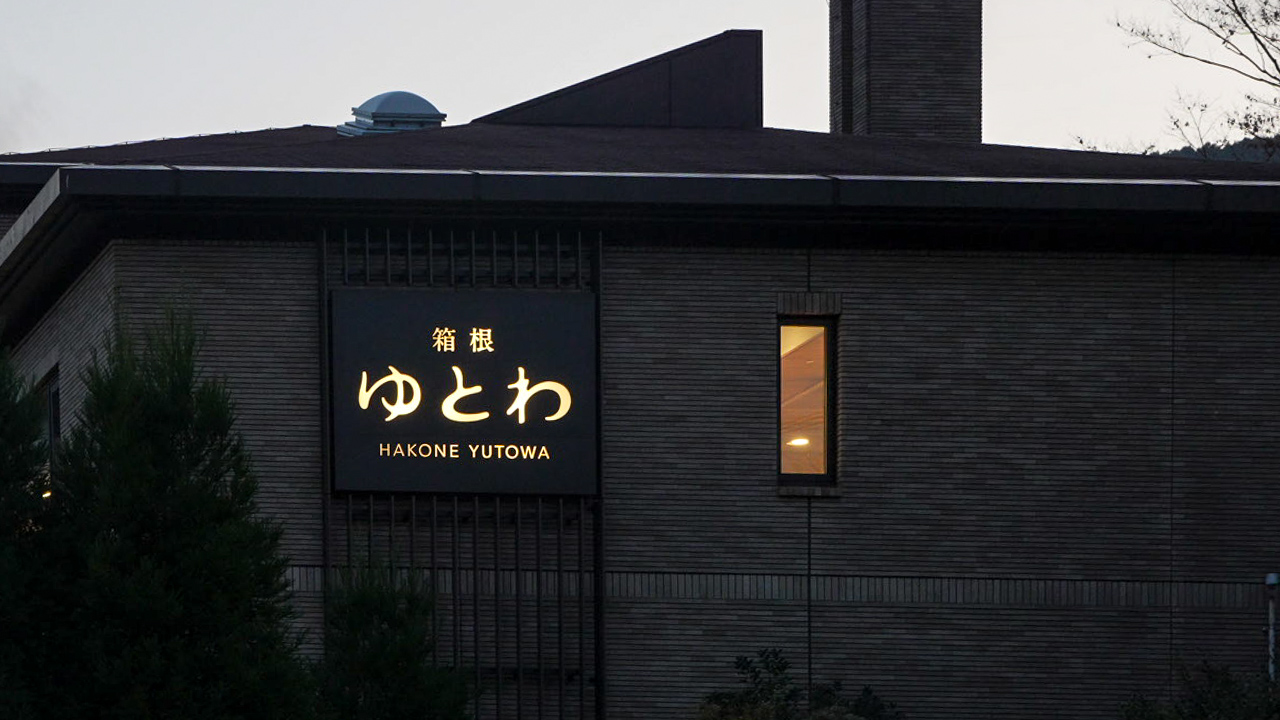
We arrived at our accommodation, a modern Japanese hotel located in the Gora area. This place truly stands out for its design, which emphasizes relaxation and communal spaces that evoke a warm, “home-away-from-home” feeling.
You can find more details and book your stay here.
Lobby
Once we finished checking in, we were able to select our Yukata and choose various room amenities right here.
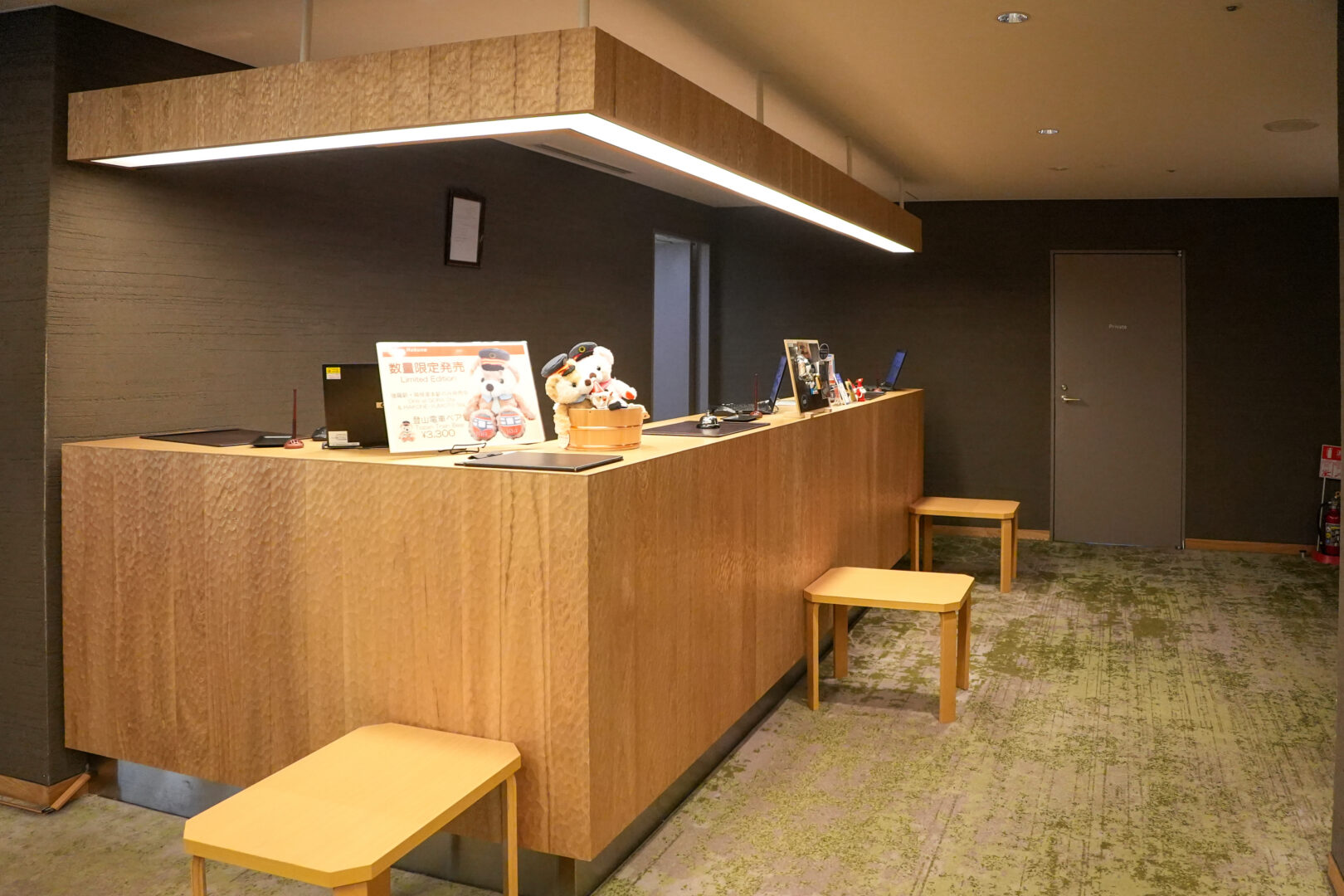
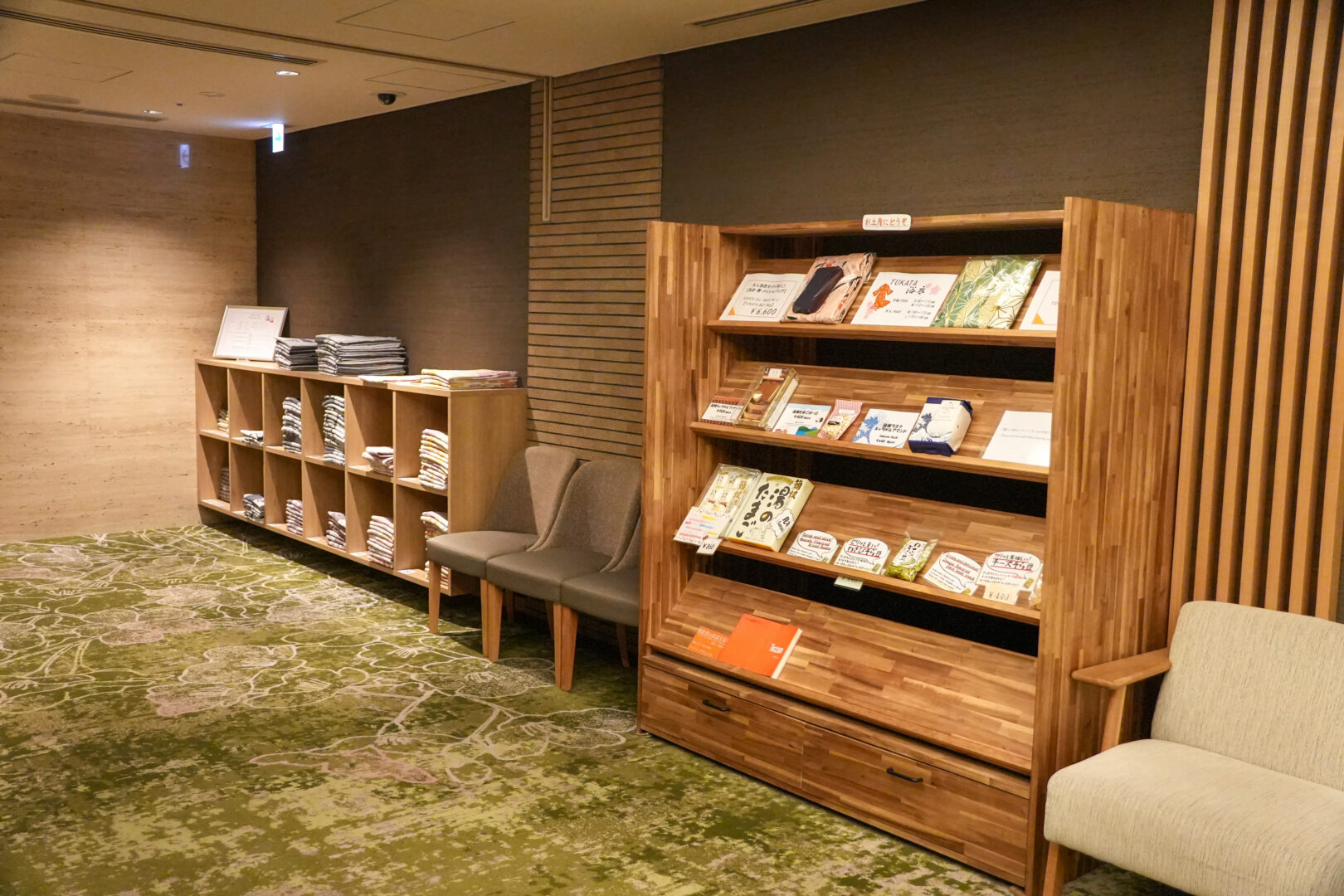
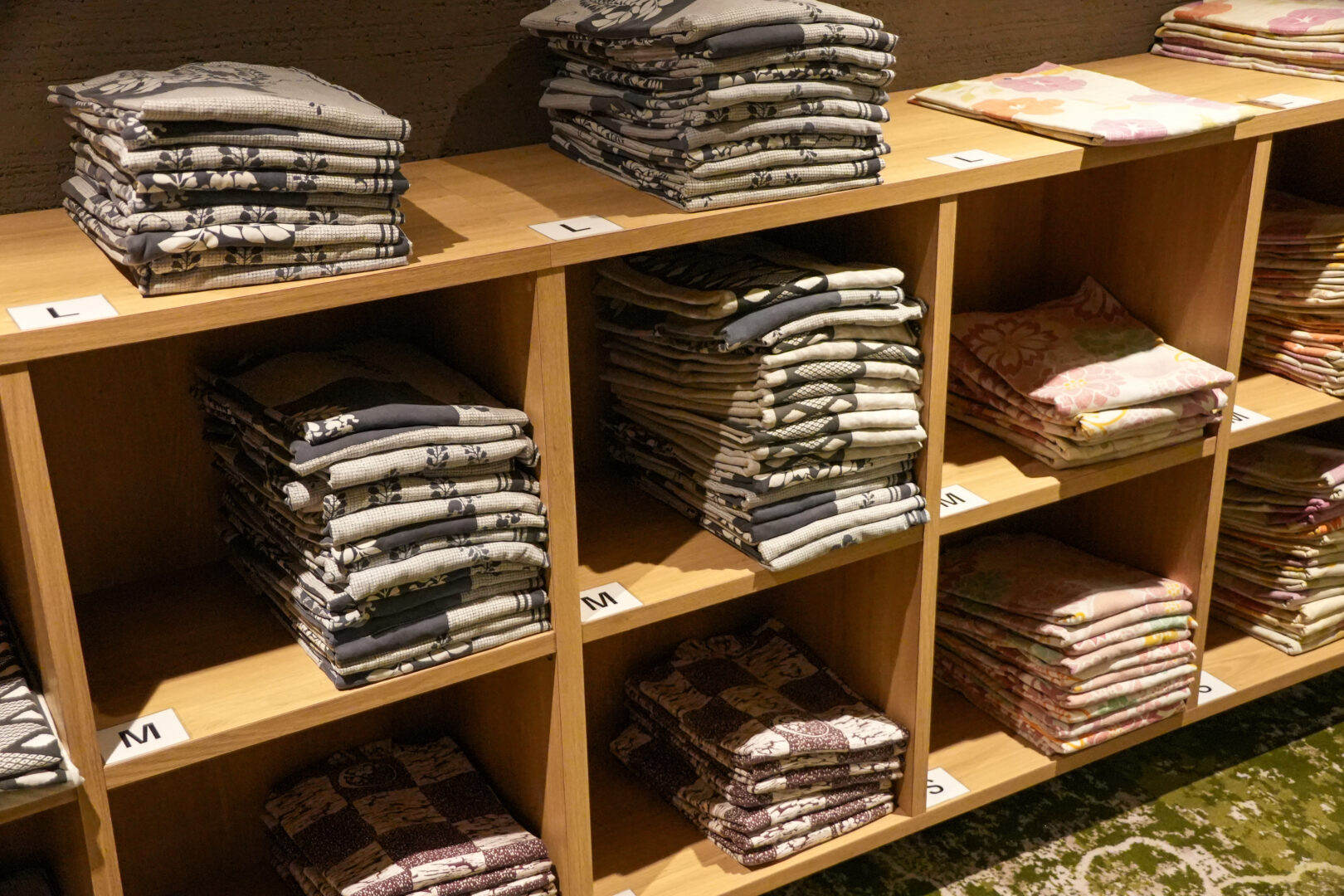
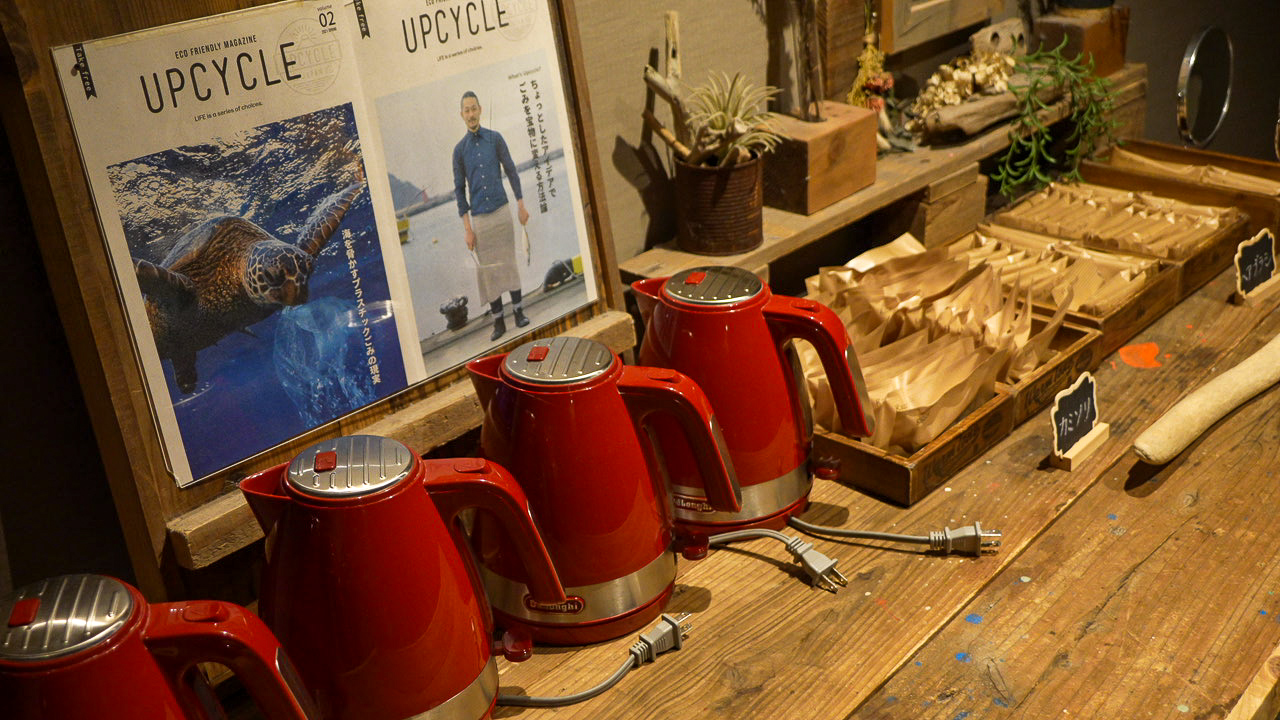
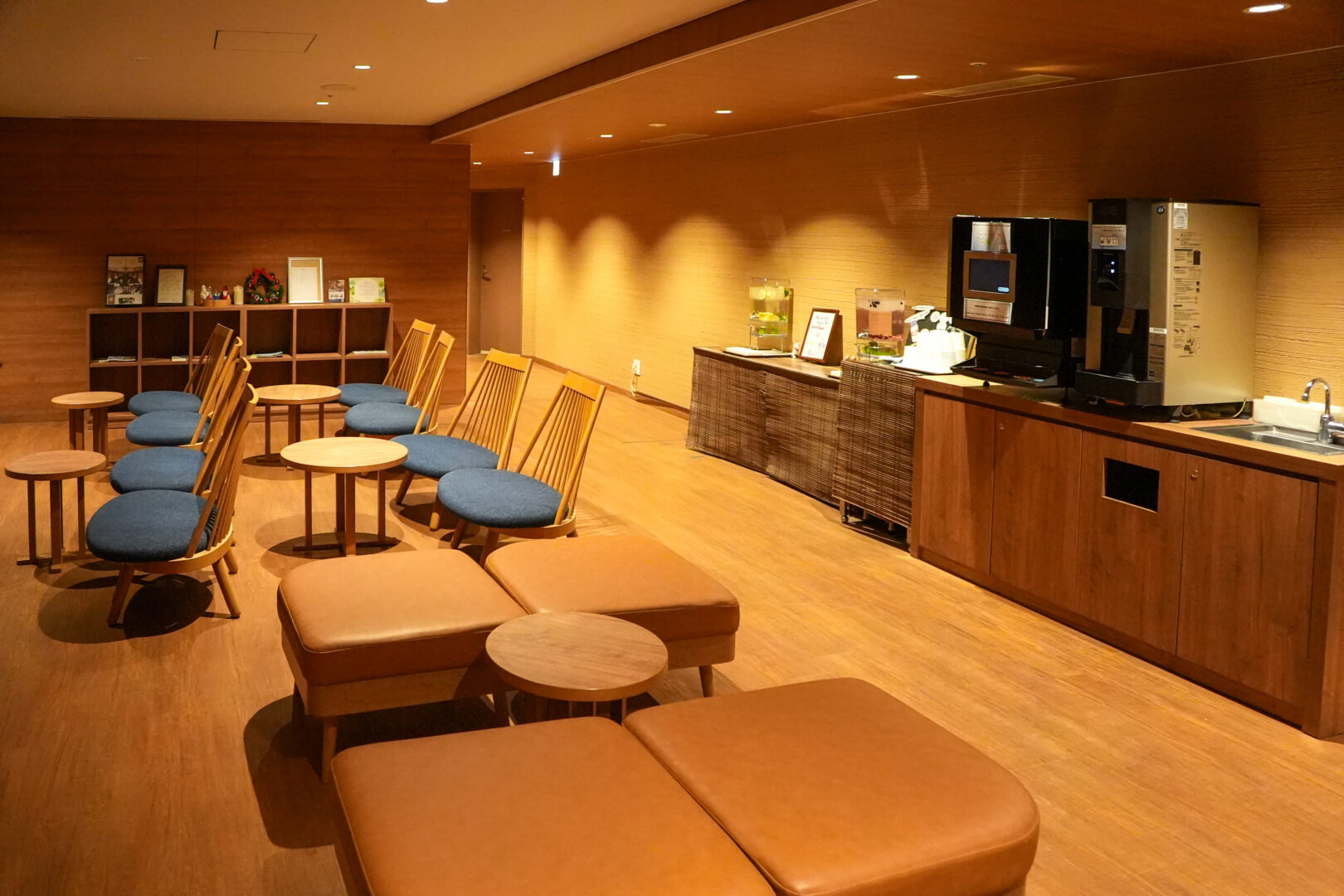
Library Lounge
This lounge features an extensive collection of books to read, accompanied by a free-flow beverage service (including select alcoholic drinks during specific hours). You can relax, read, or get some work done in this cozy atmosphere throughout the day.
One of the main selling points here is the incredible value; room rates often include both breakfast and dinner buffets, as well as the complimentary drinks in the lounge. This allows you to fully unwind at the hotel for an extended stay without worrying about extra expenses.
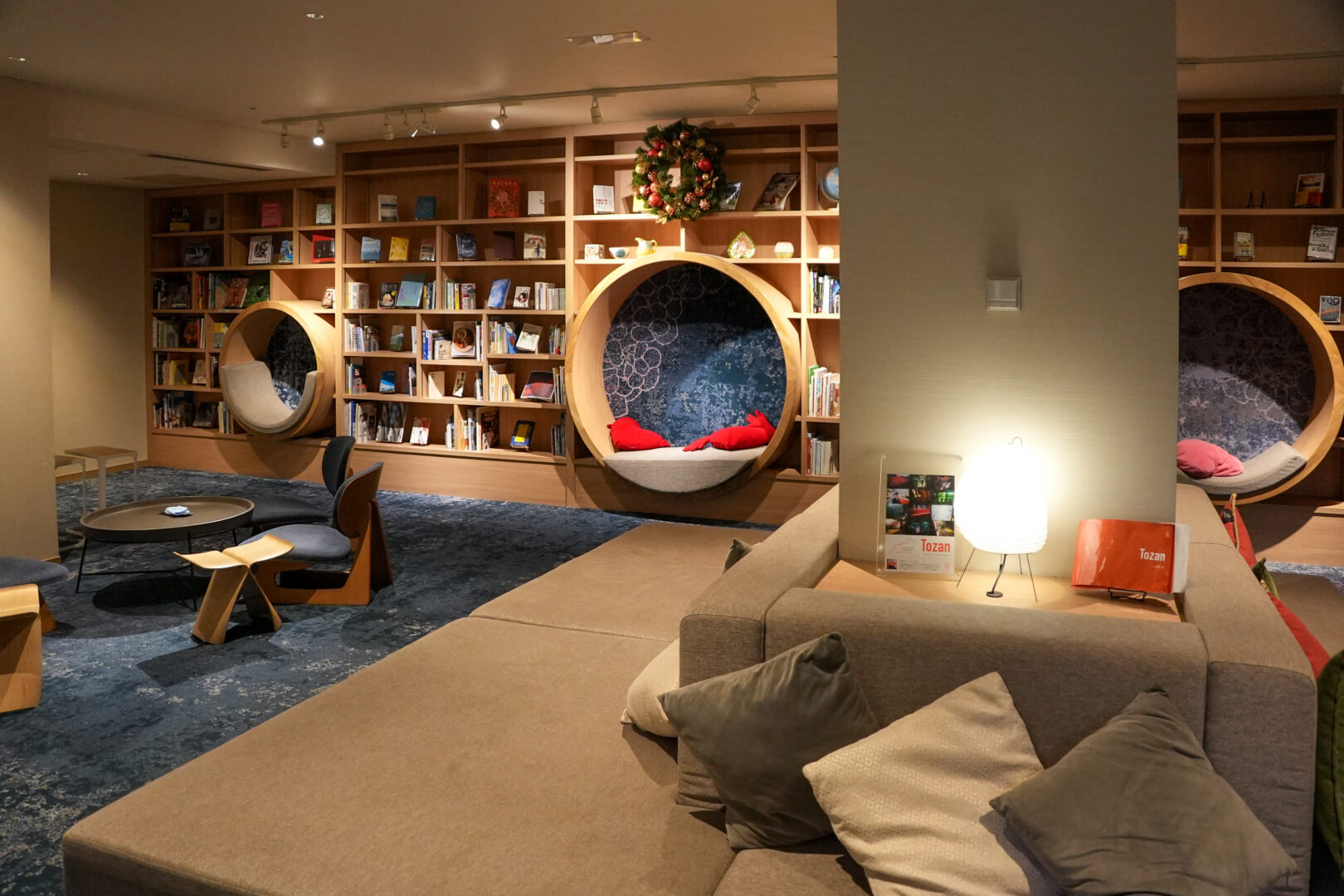
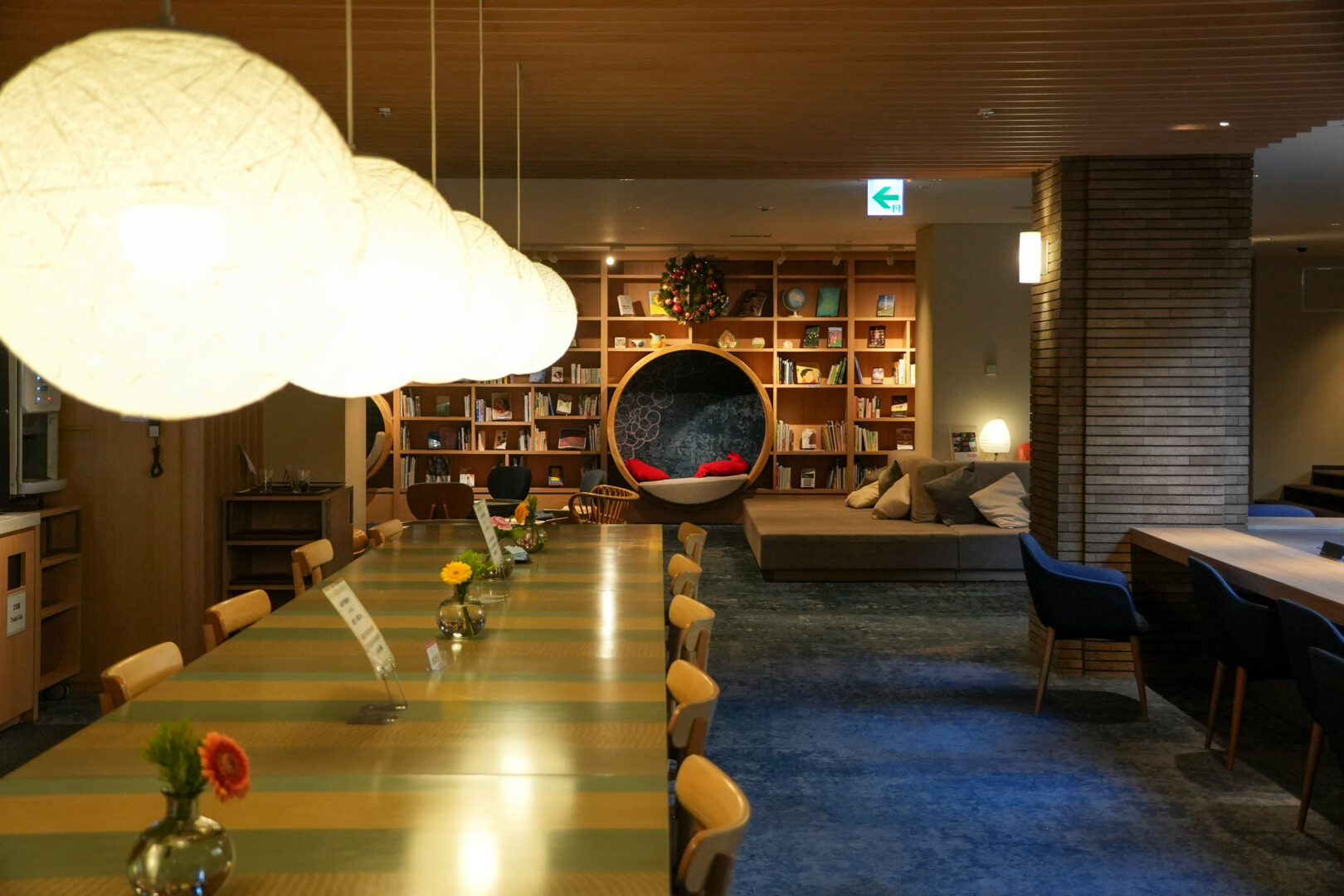
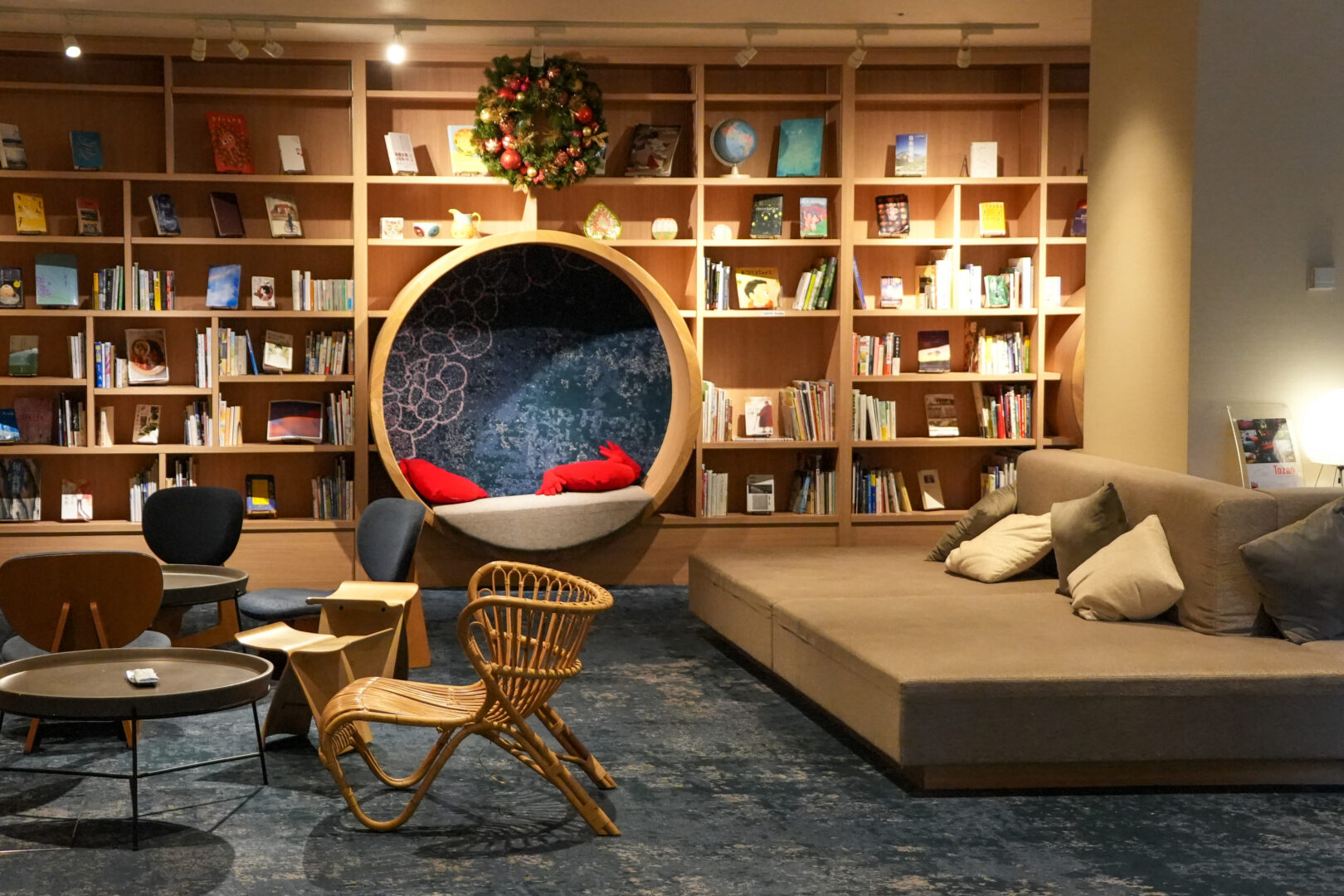
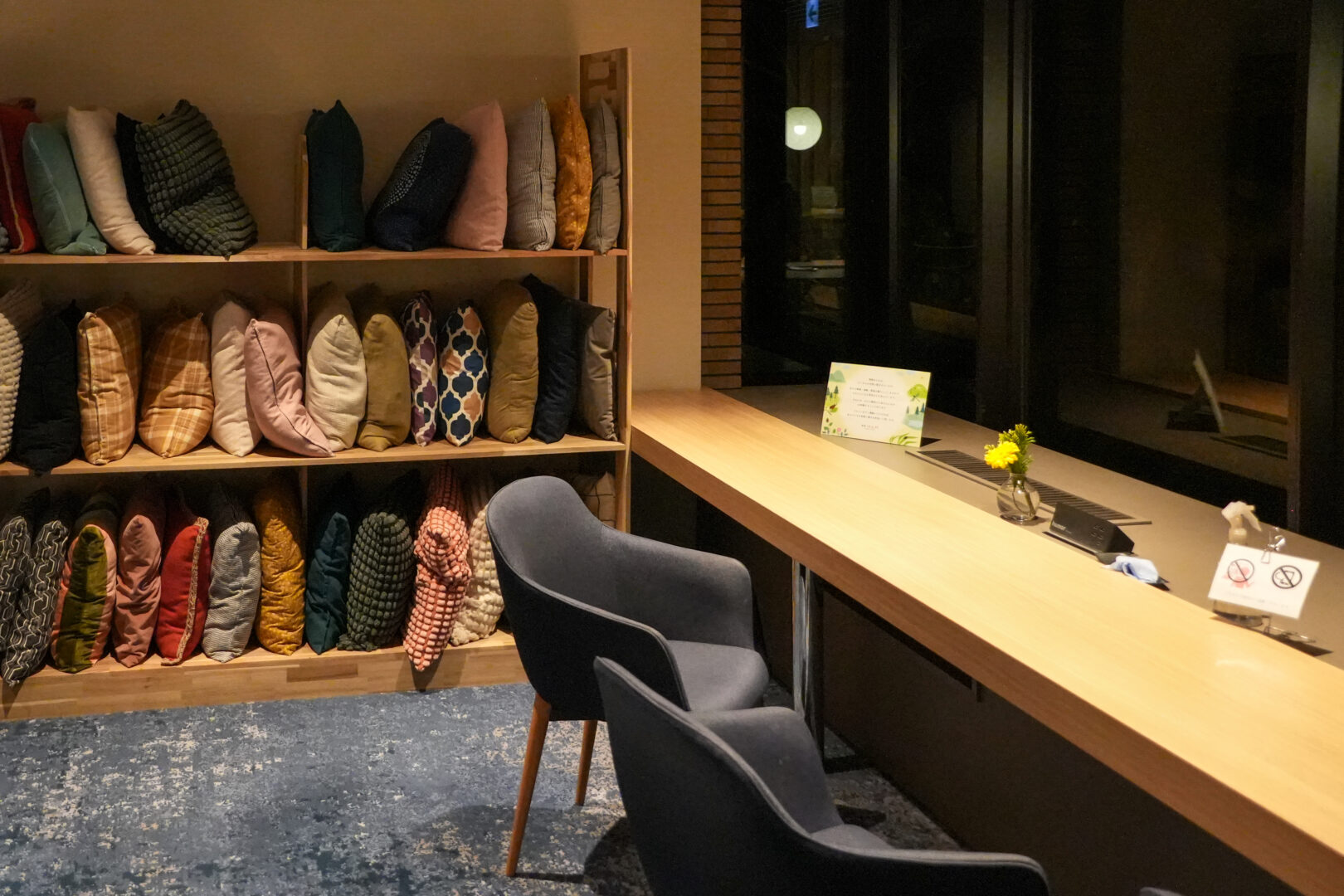
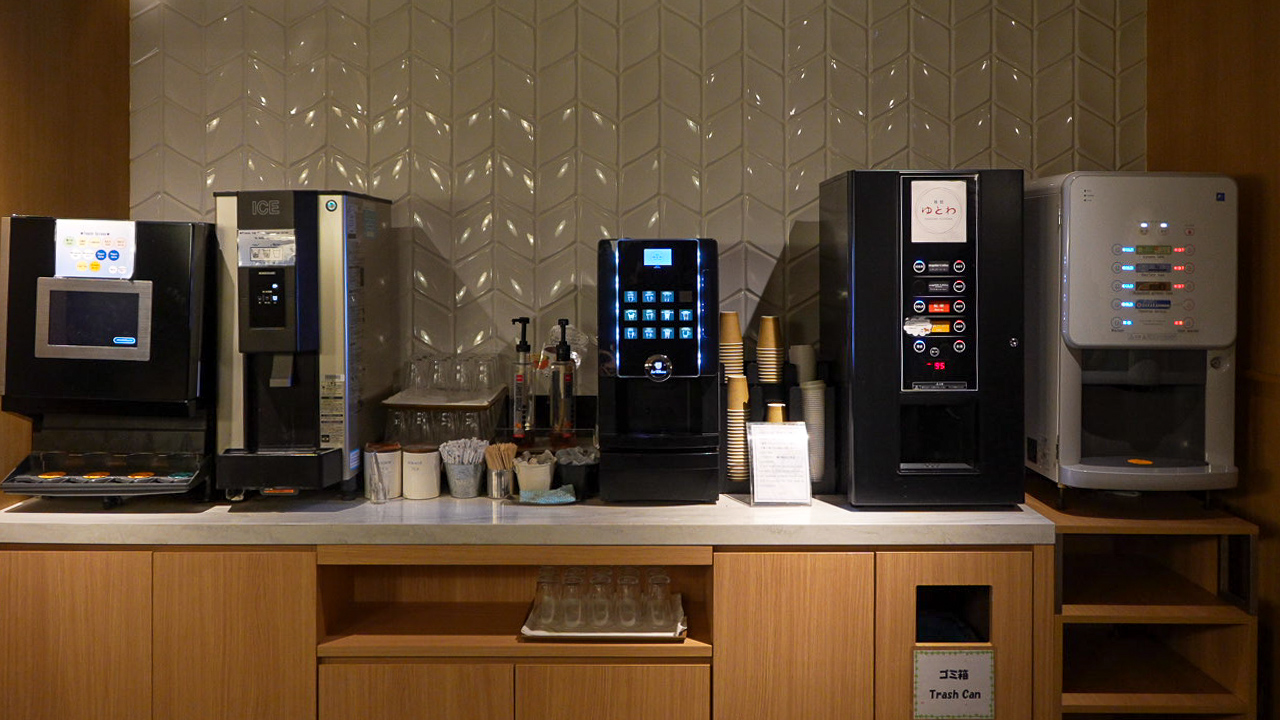
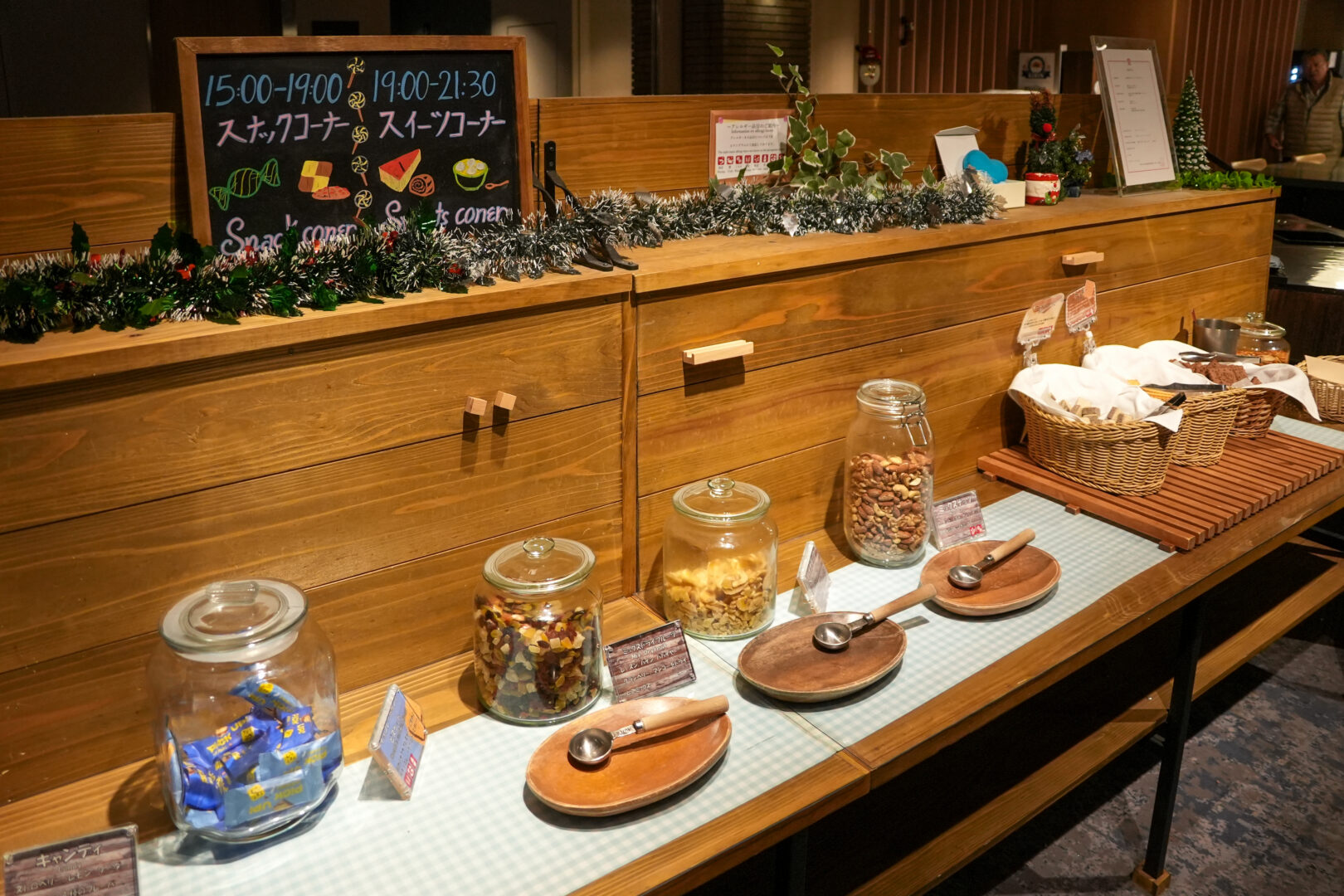
The lounge service point offers complimentary drinks and snacks according to the schedule.
Manga Reading Corner
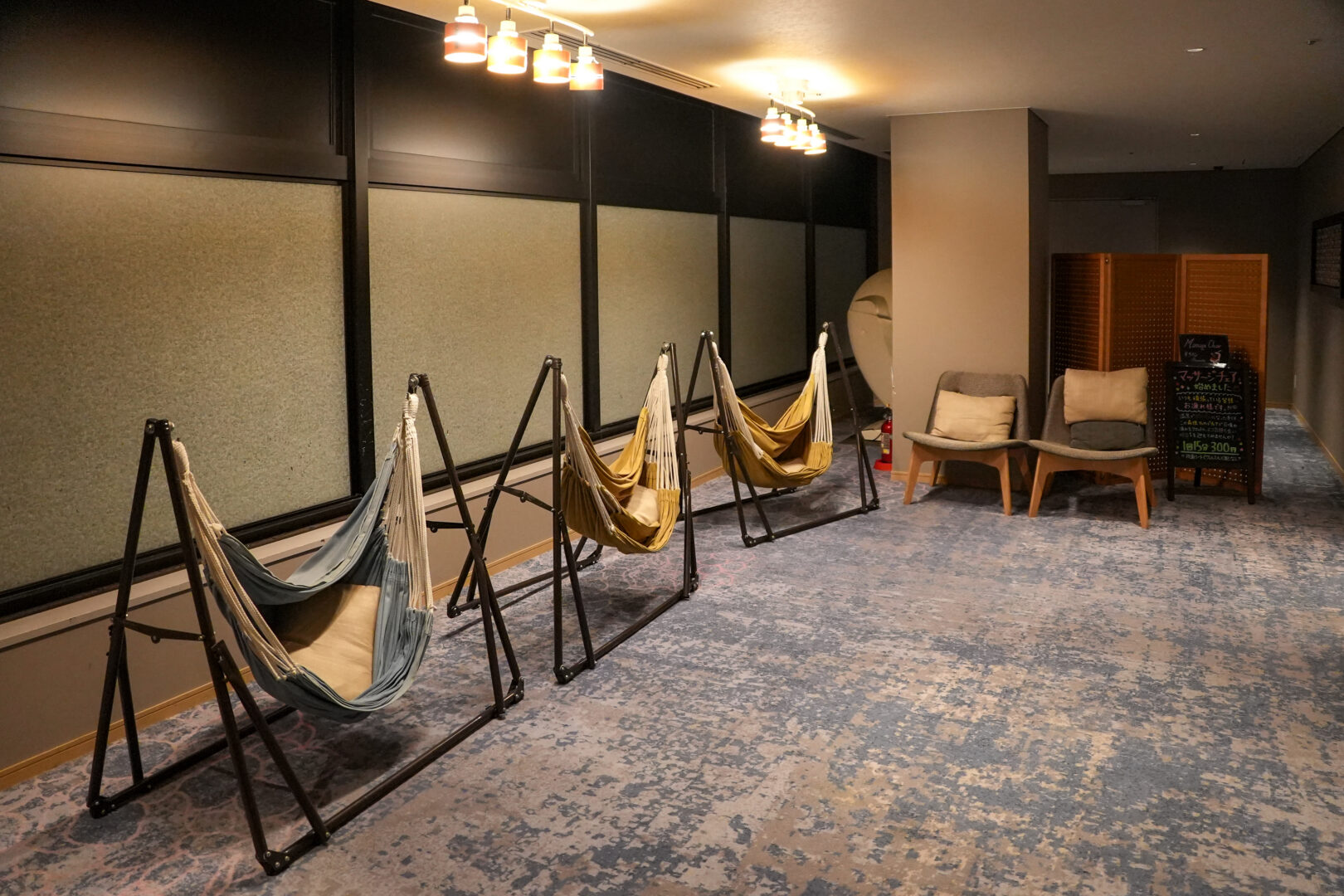
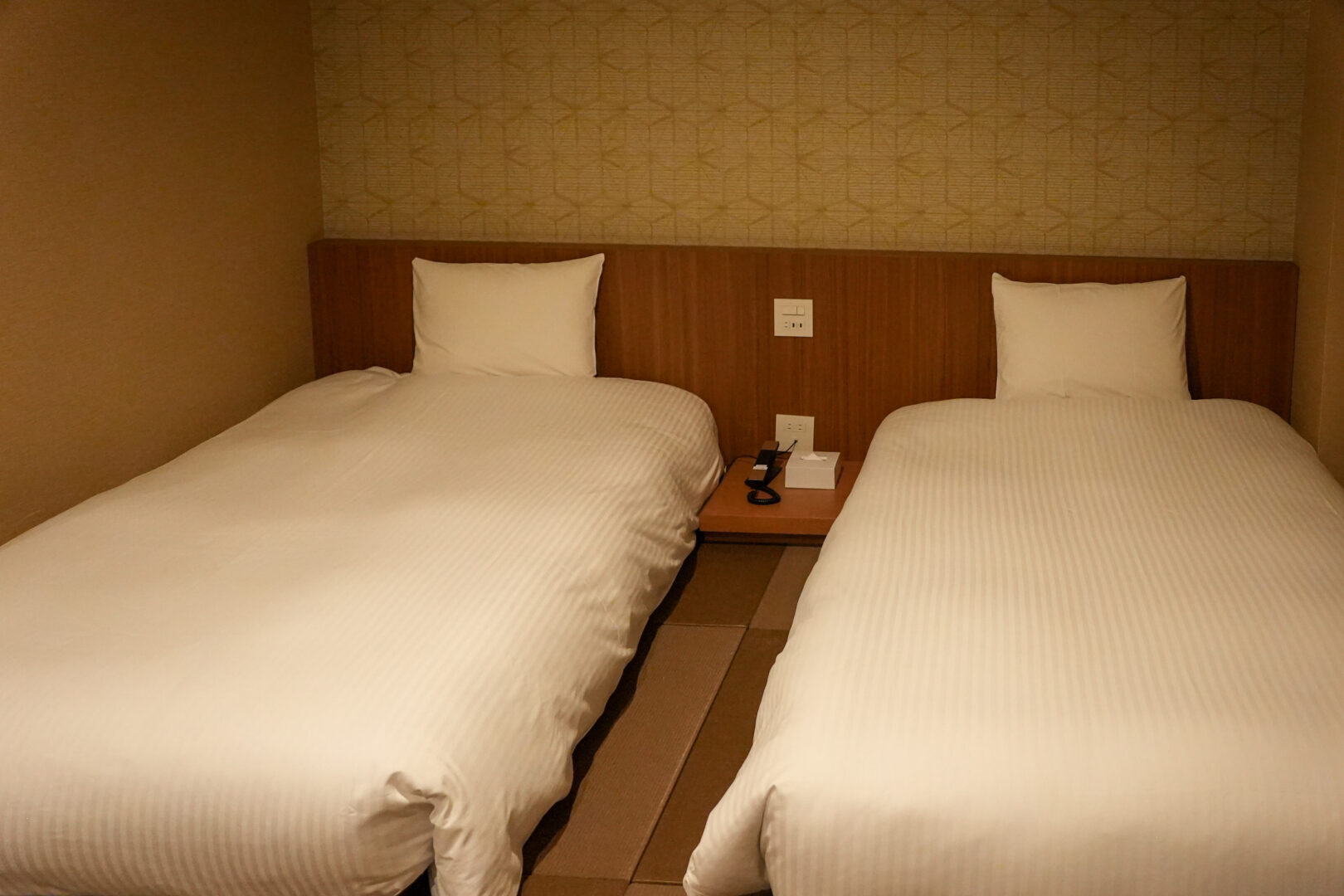
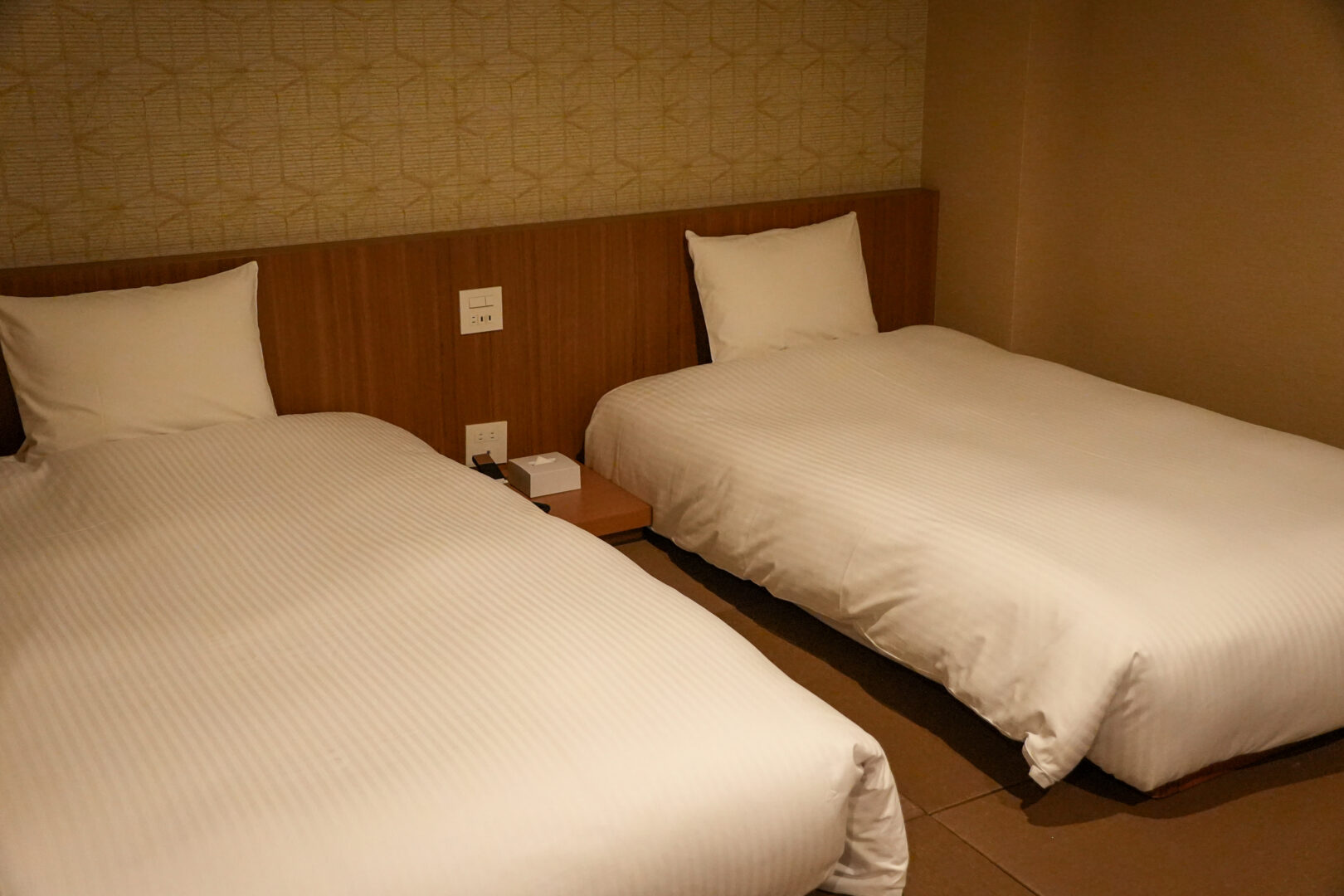
Bedroom
Type: Standard Twin Room
The room we stayed in is a Japanese Modern style with twin beds, ensuring a comfortable sleep for everyone. The hotel also offers other room types; for families, I recommend the Condominium style rooms, which come equipped with a kitchen.
You can view more room details here.
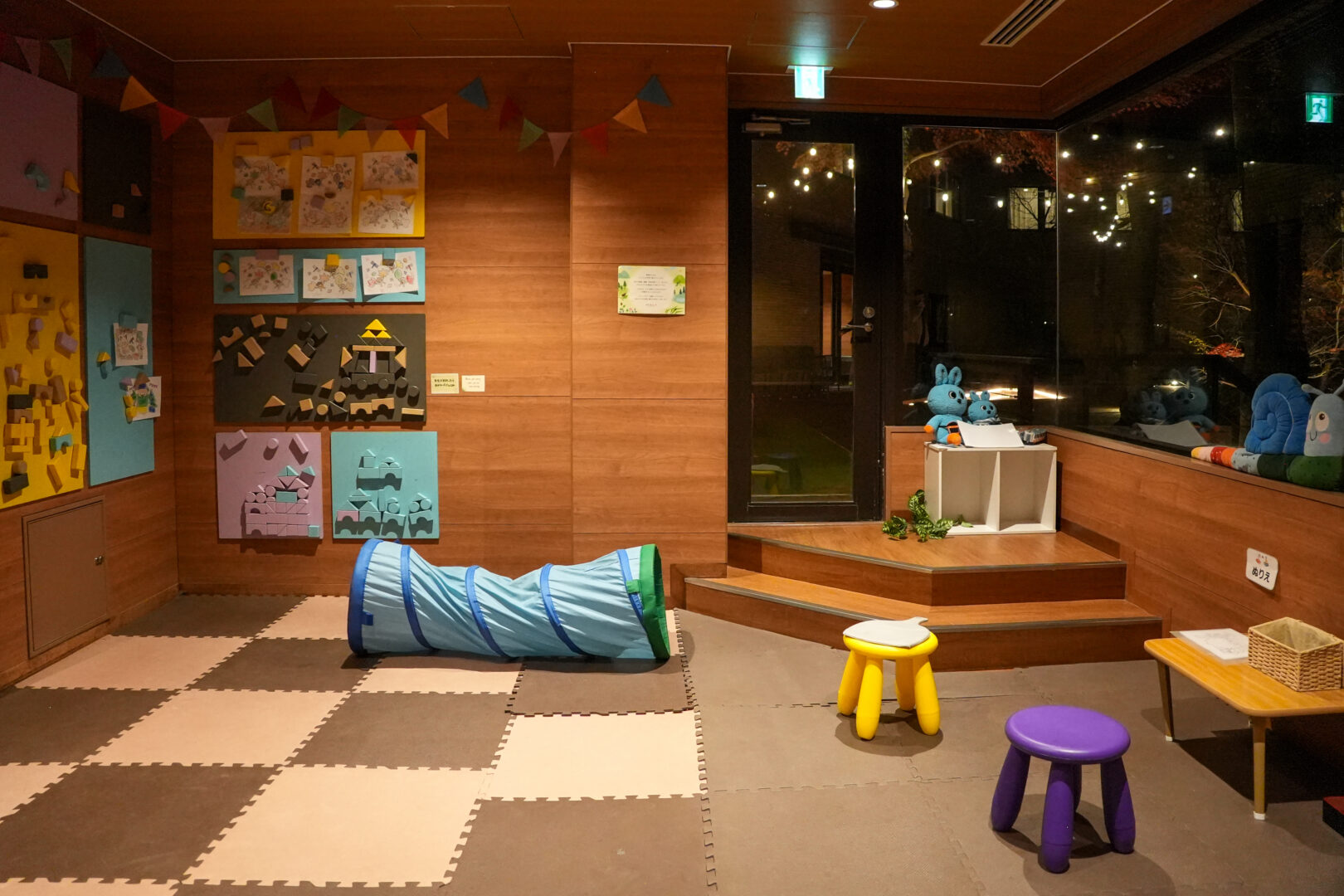
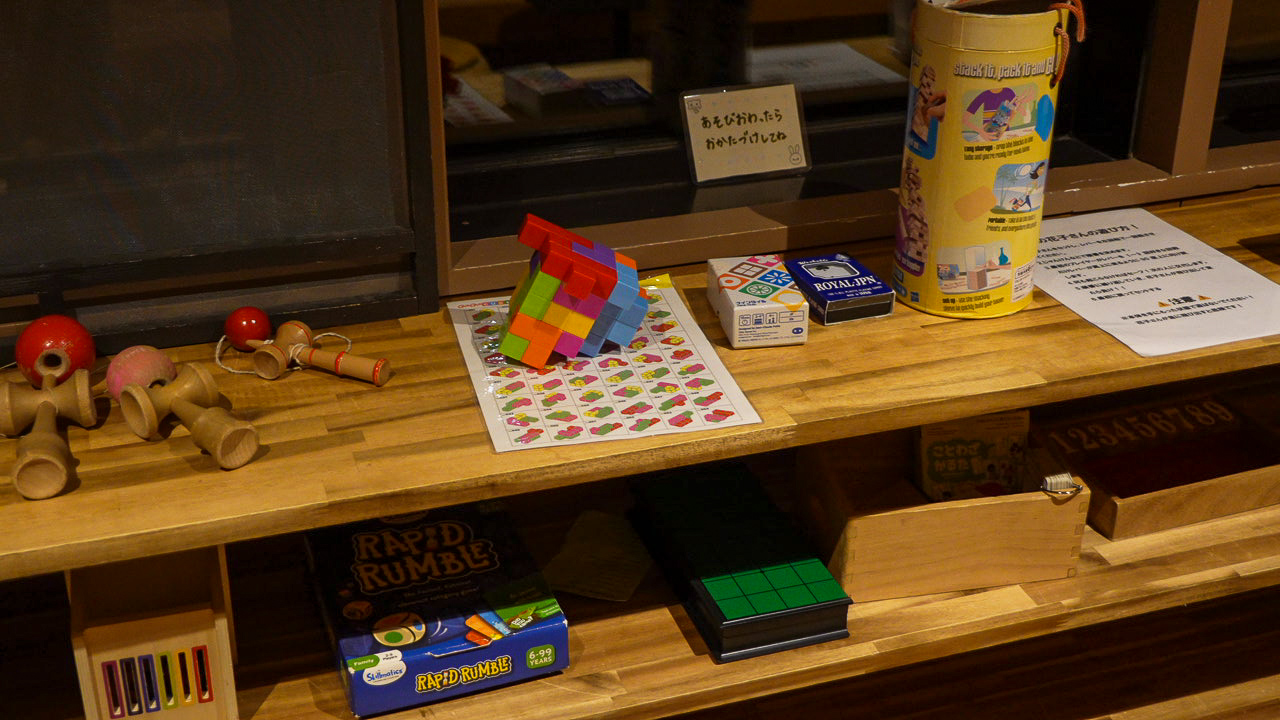
Kids Area
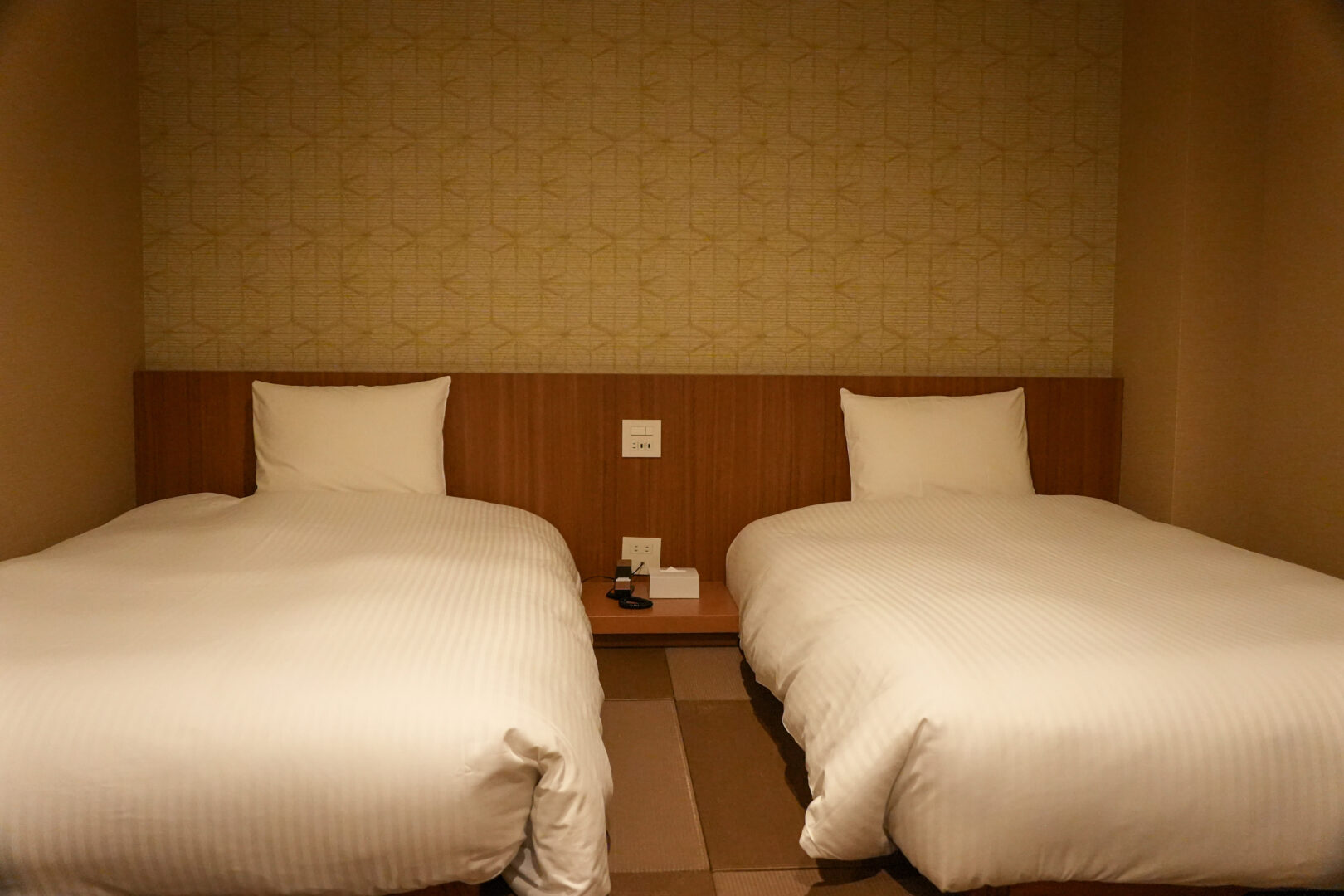
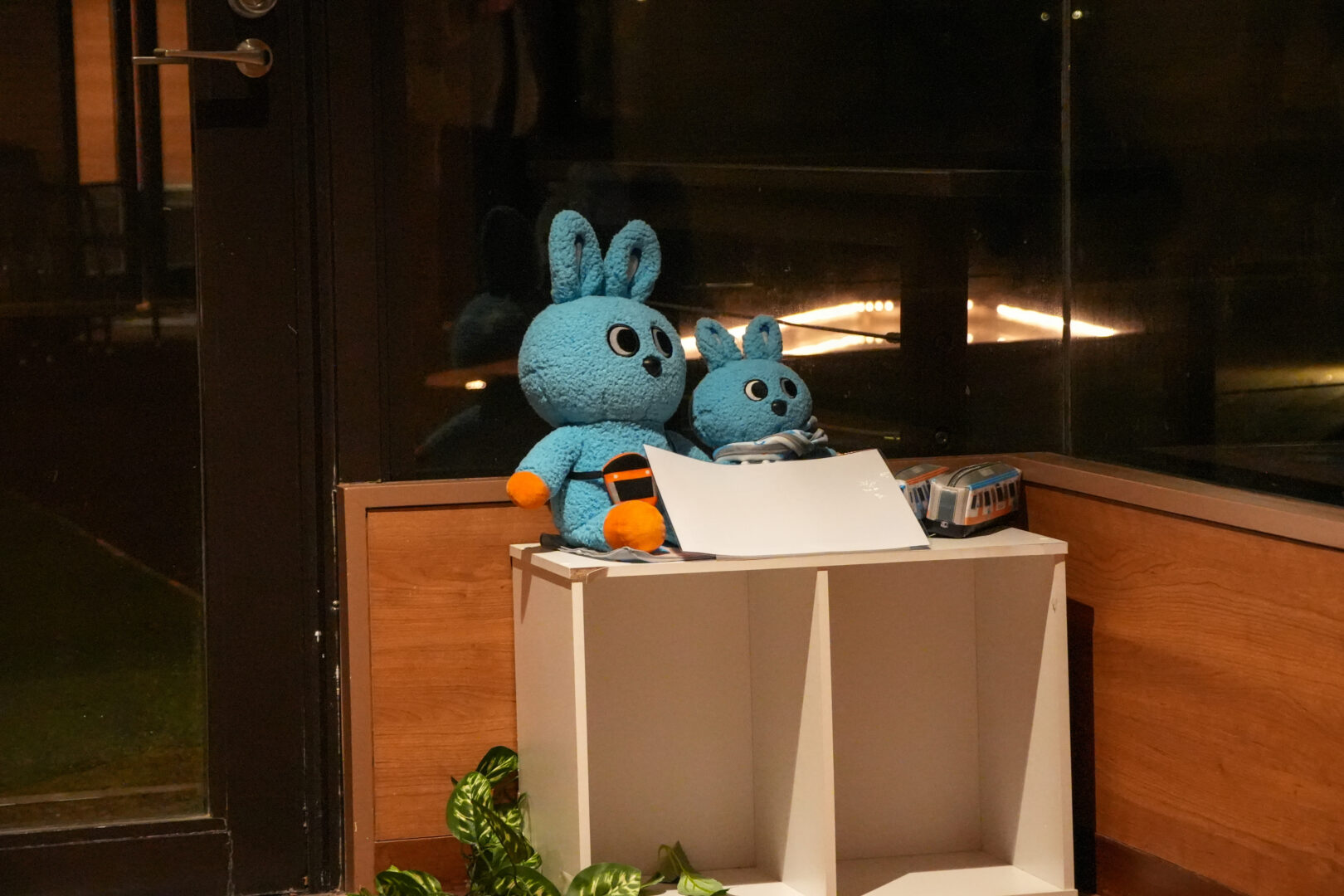
This is a play area for children, fully equipped with a wide variety of toys. It is a very family-friendly hotel.
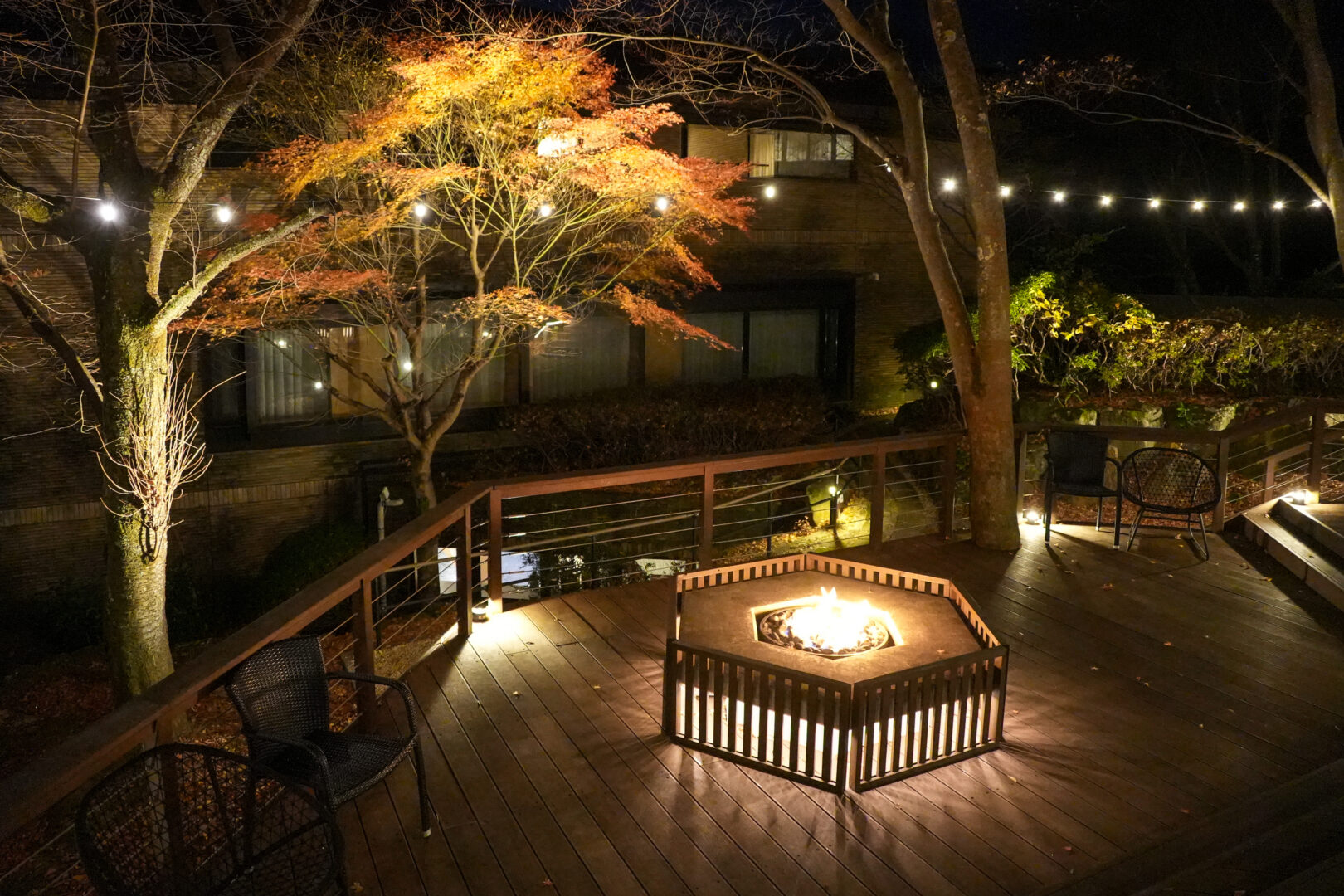
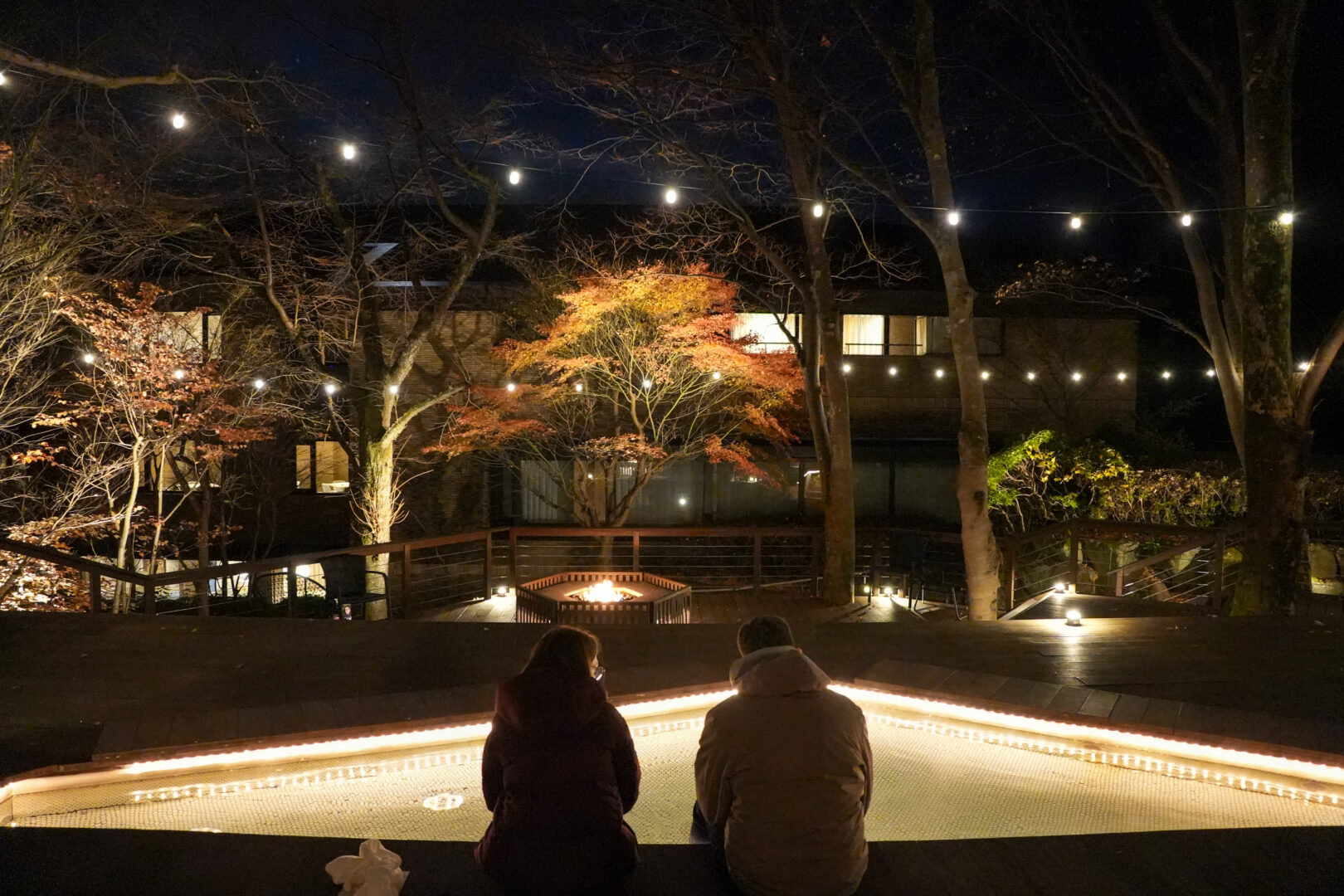
Nakaniwa
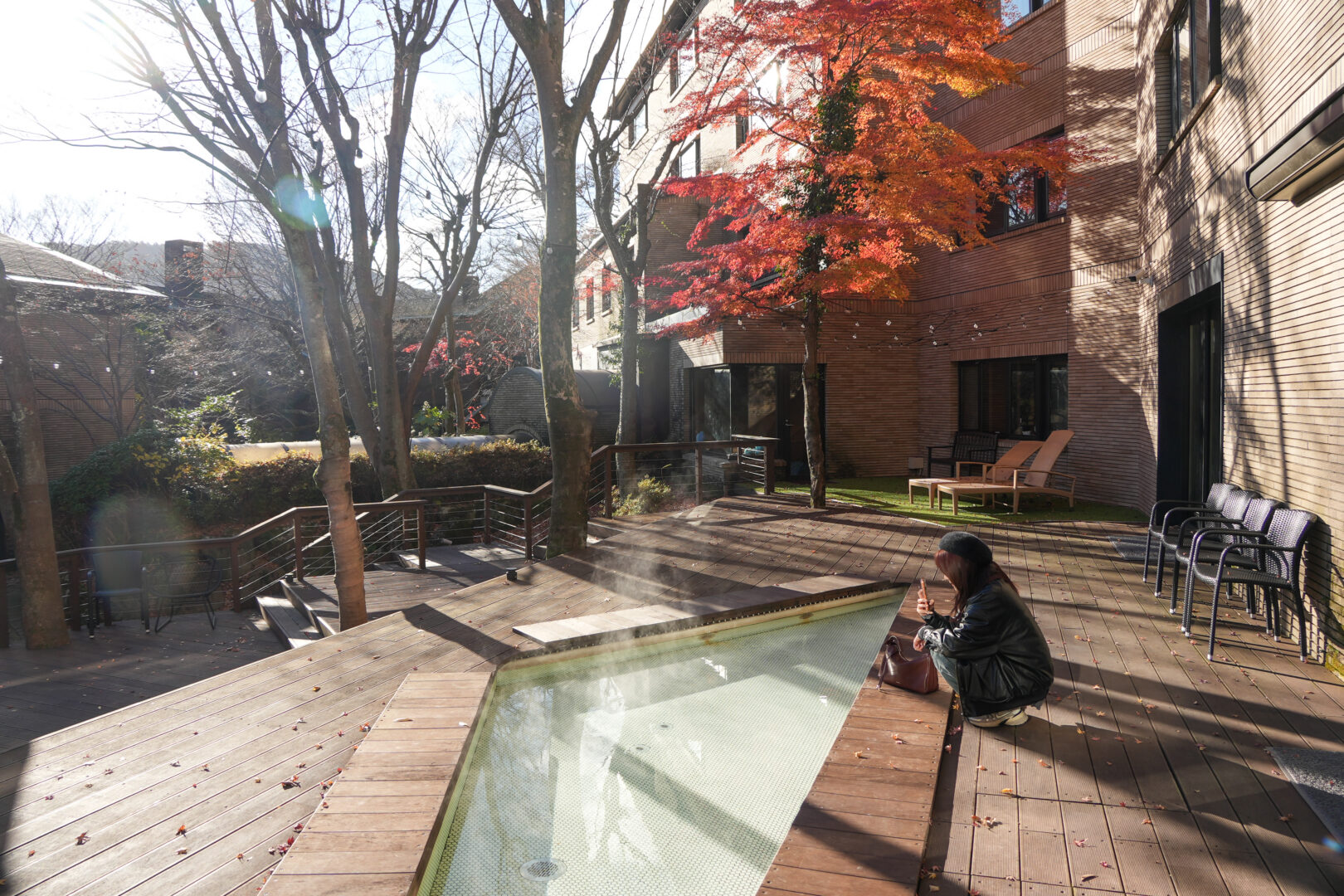
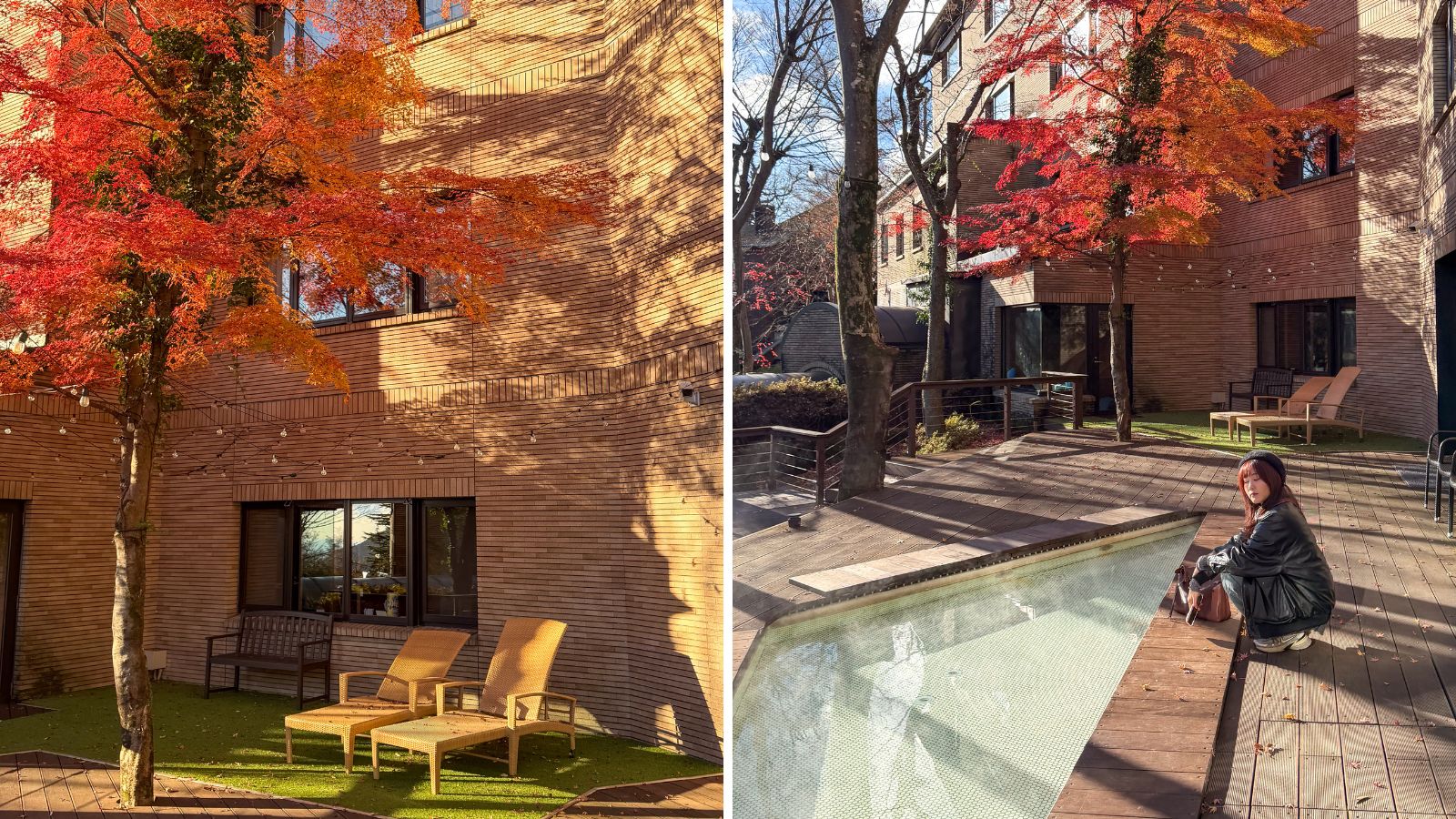
The highlight of this hotel is the outdoor wooden courtyard, which features a footbath onsen and an open-air fire pit. The atmosphere at night is incredibly romantic and relaxing.
Dinner
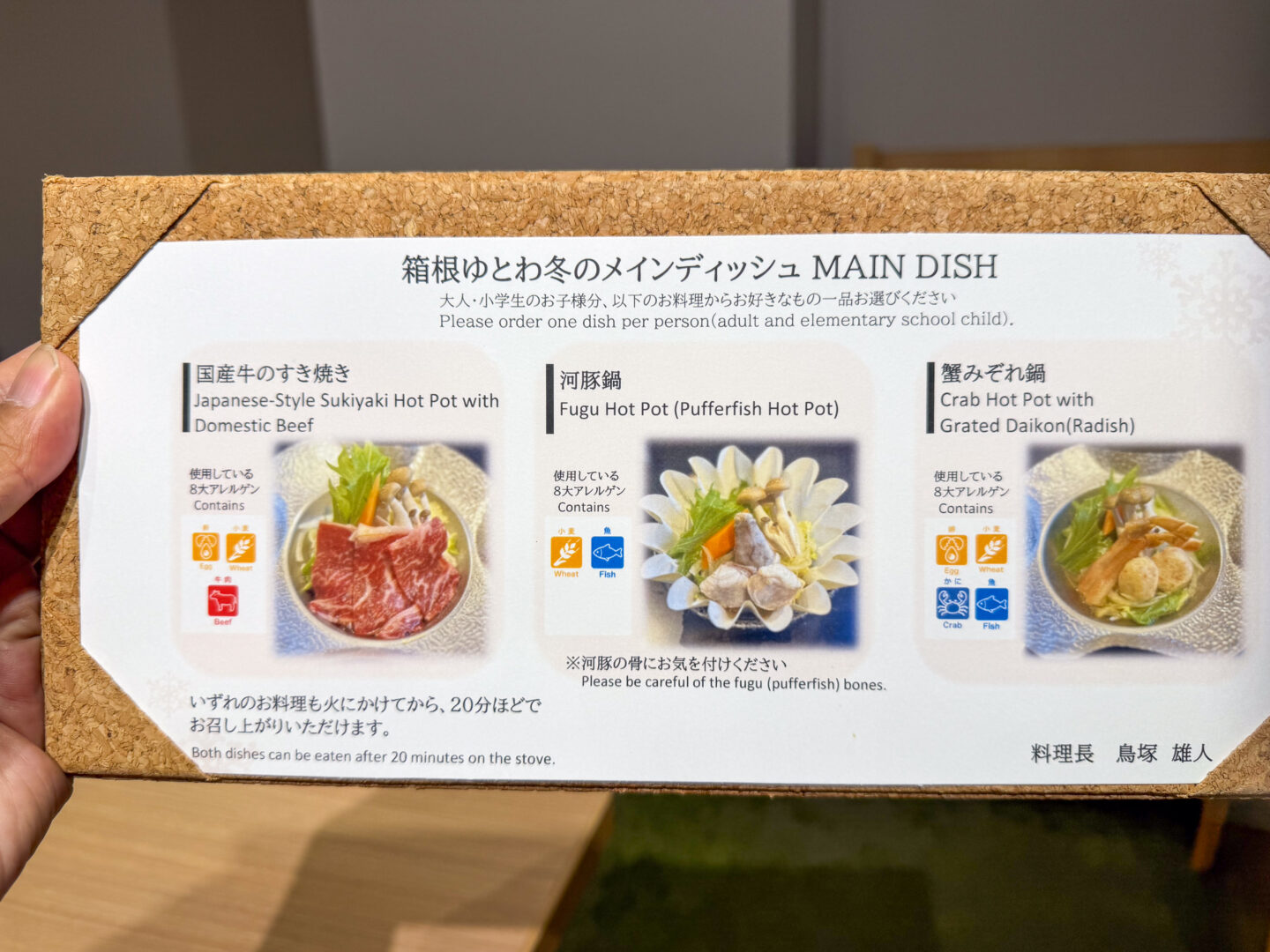
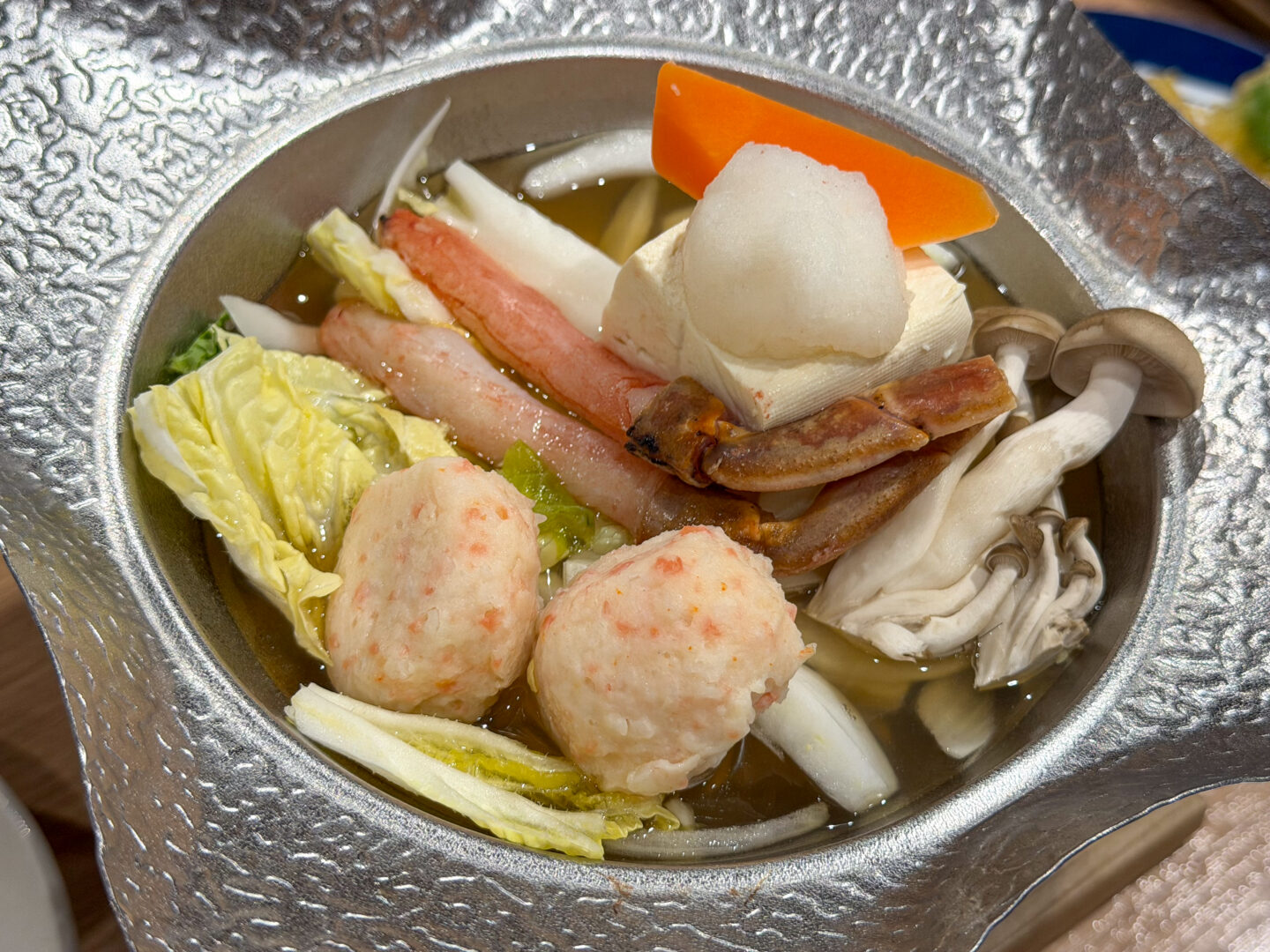
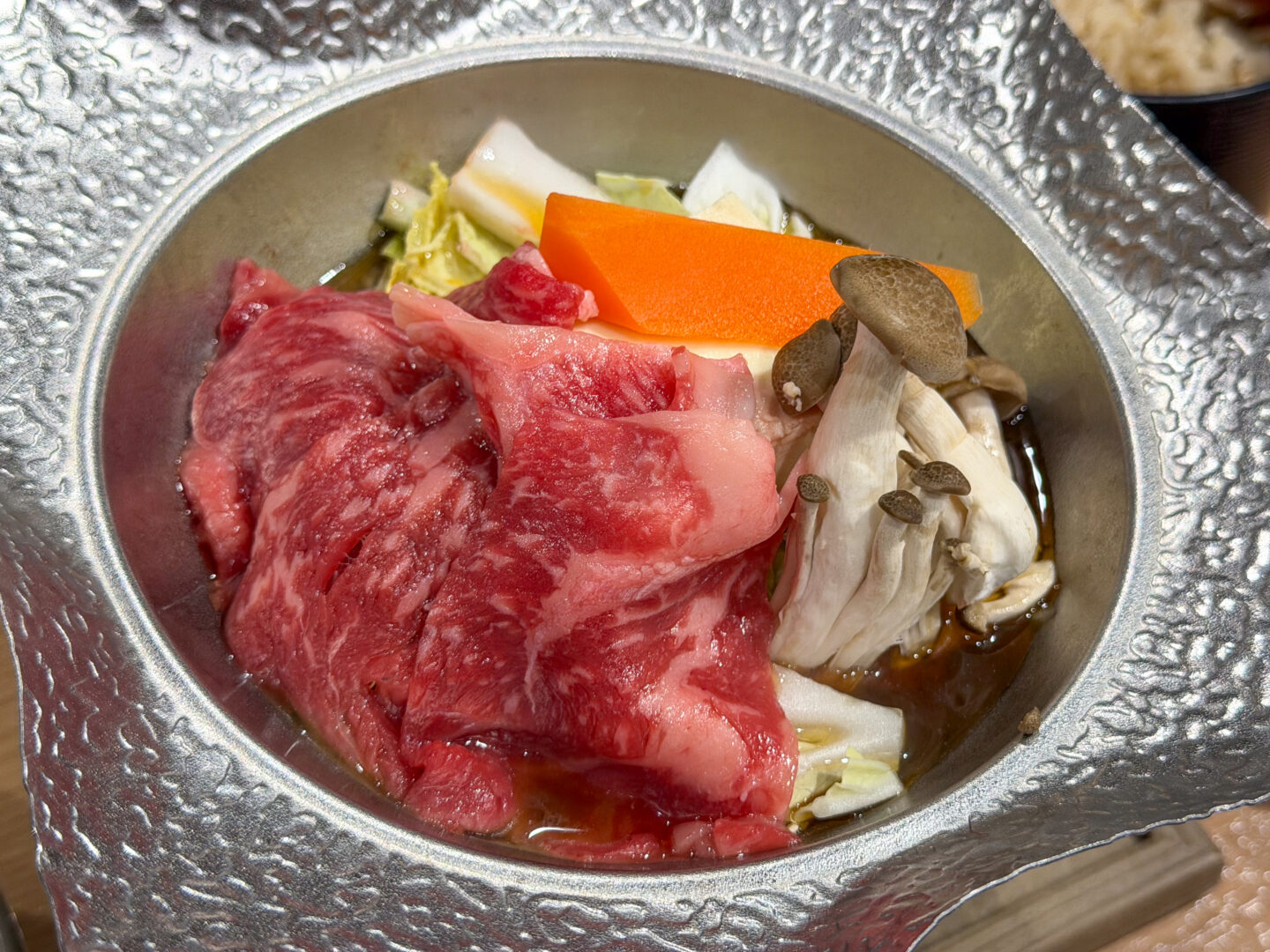
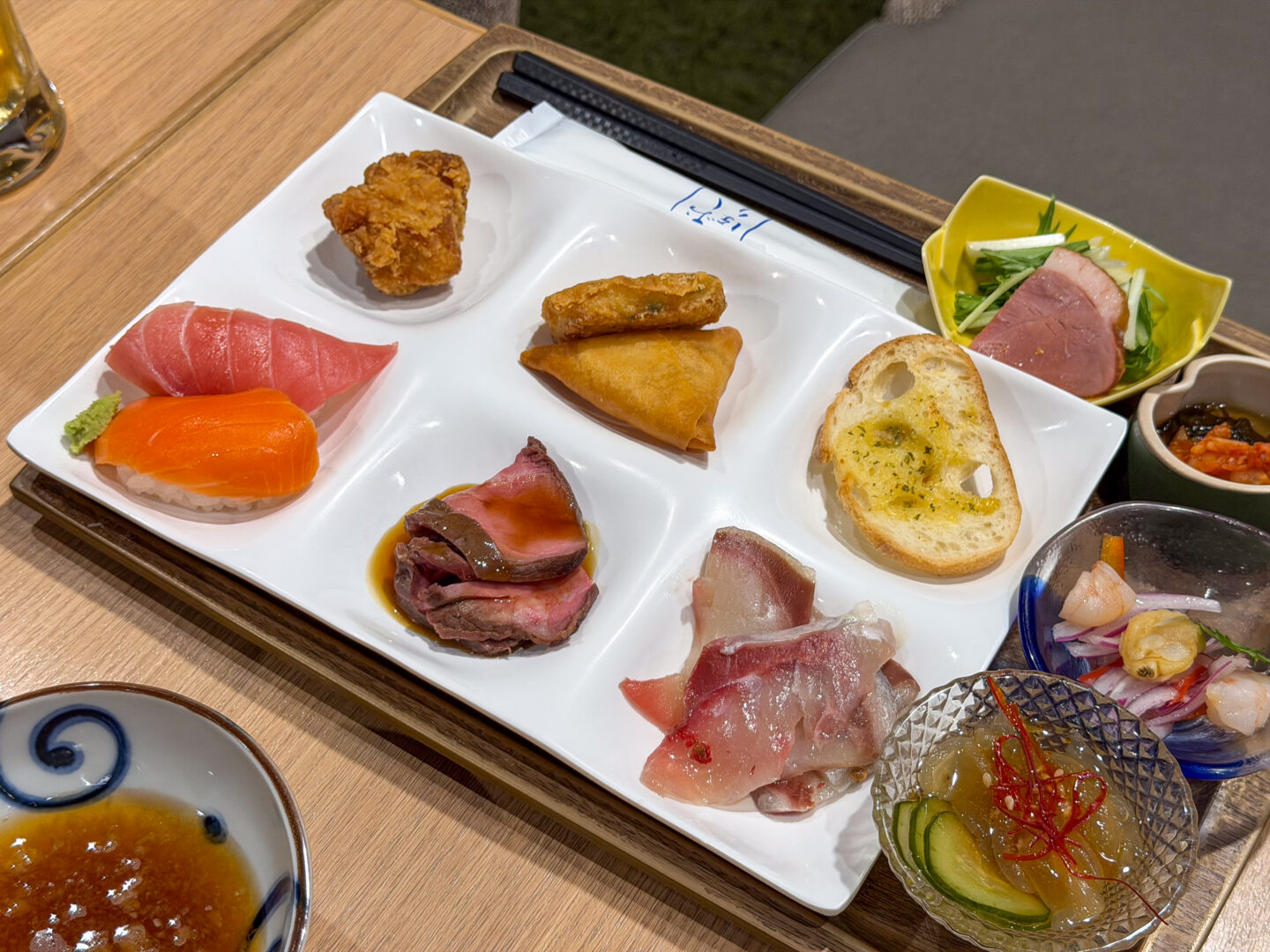
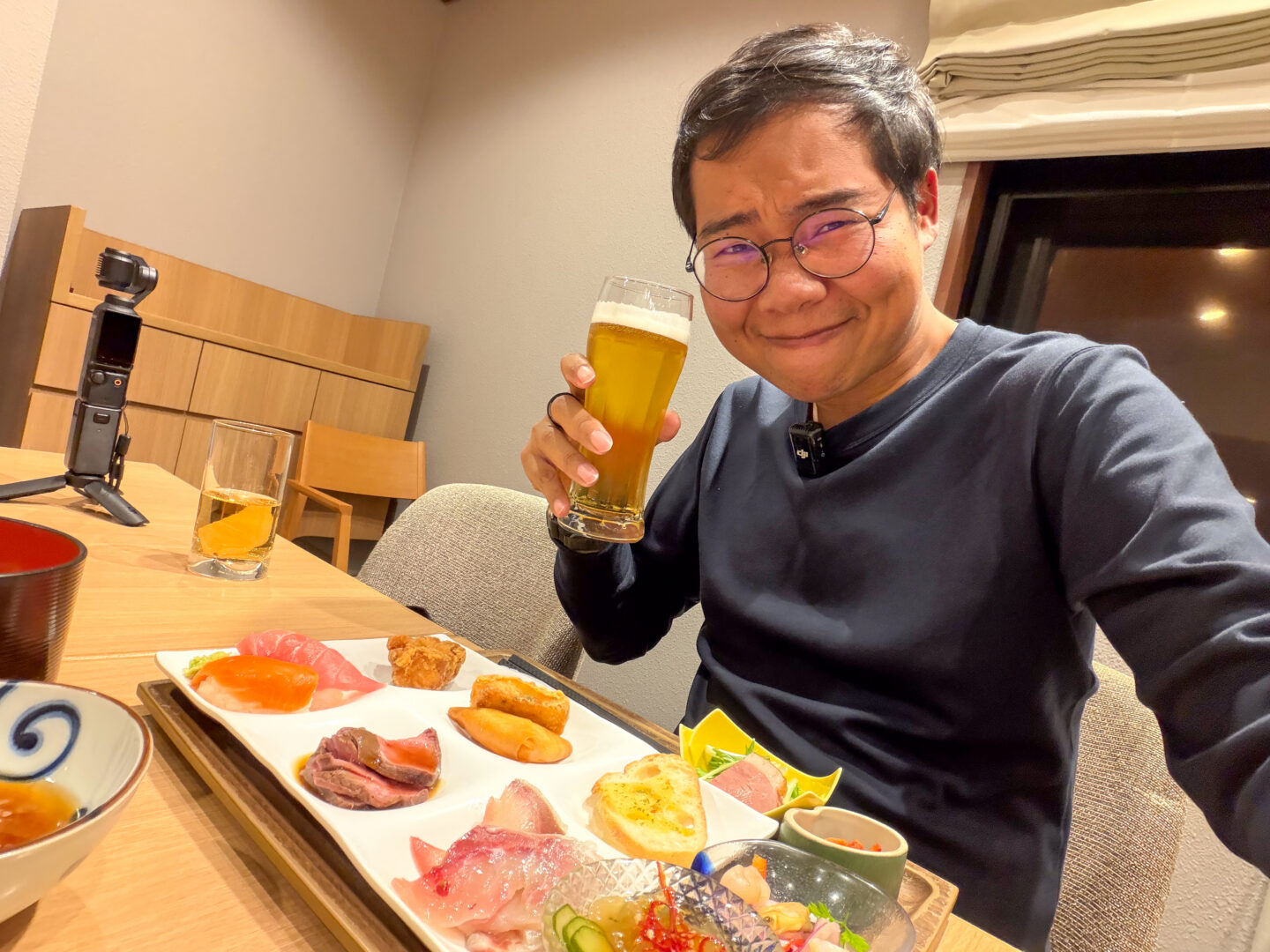
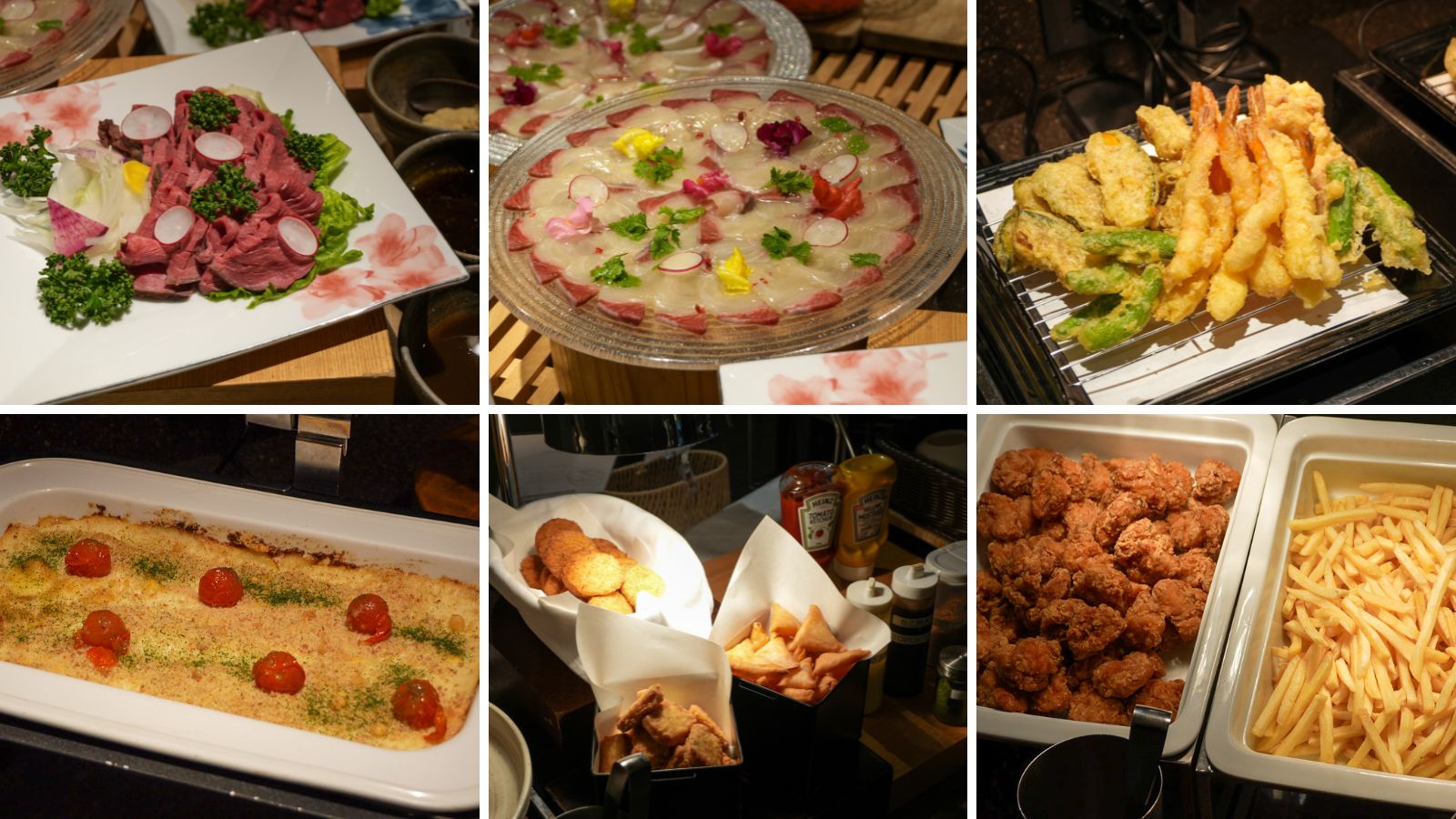
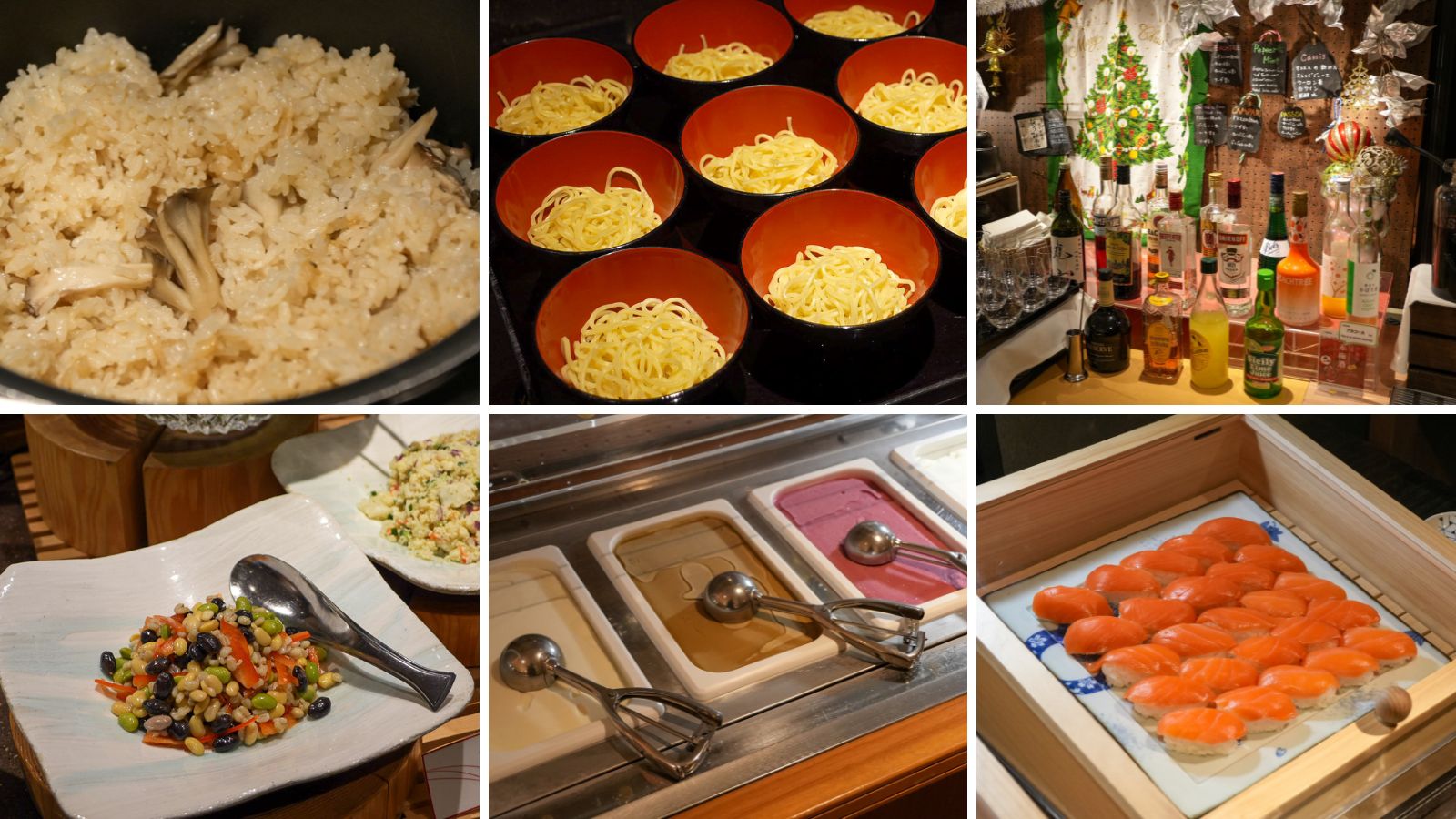
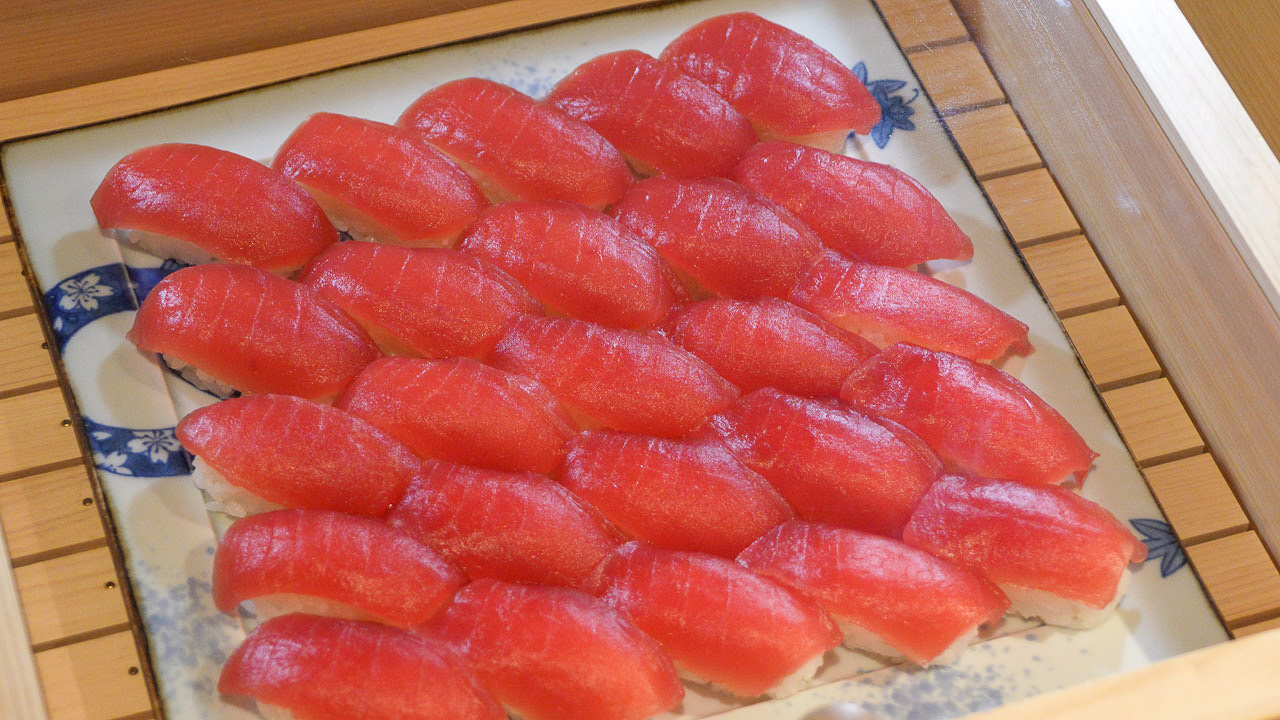
The hotel’s dinner service is a Half Buffet style. You start by ordering a main course. This season’s specialty is Nabe (Hot Pot). You can choose your favorite from options like Crab, Fugu (Pufferfish), or Sukiyaki. Afterward, you are free to enjoy the buffet, which features a high-quality international selection with a wide variety of dishes to choose from.
The shabu-shabu was absolutely delicious.
There is a wide variety of food, and drinks are also included in the room rate.
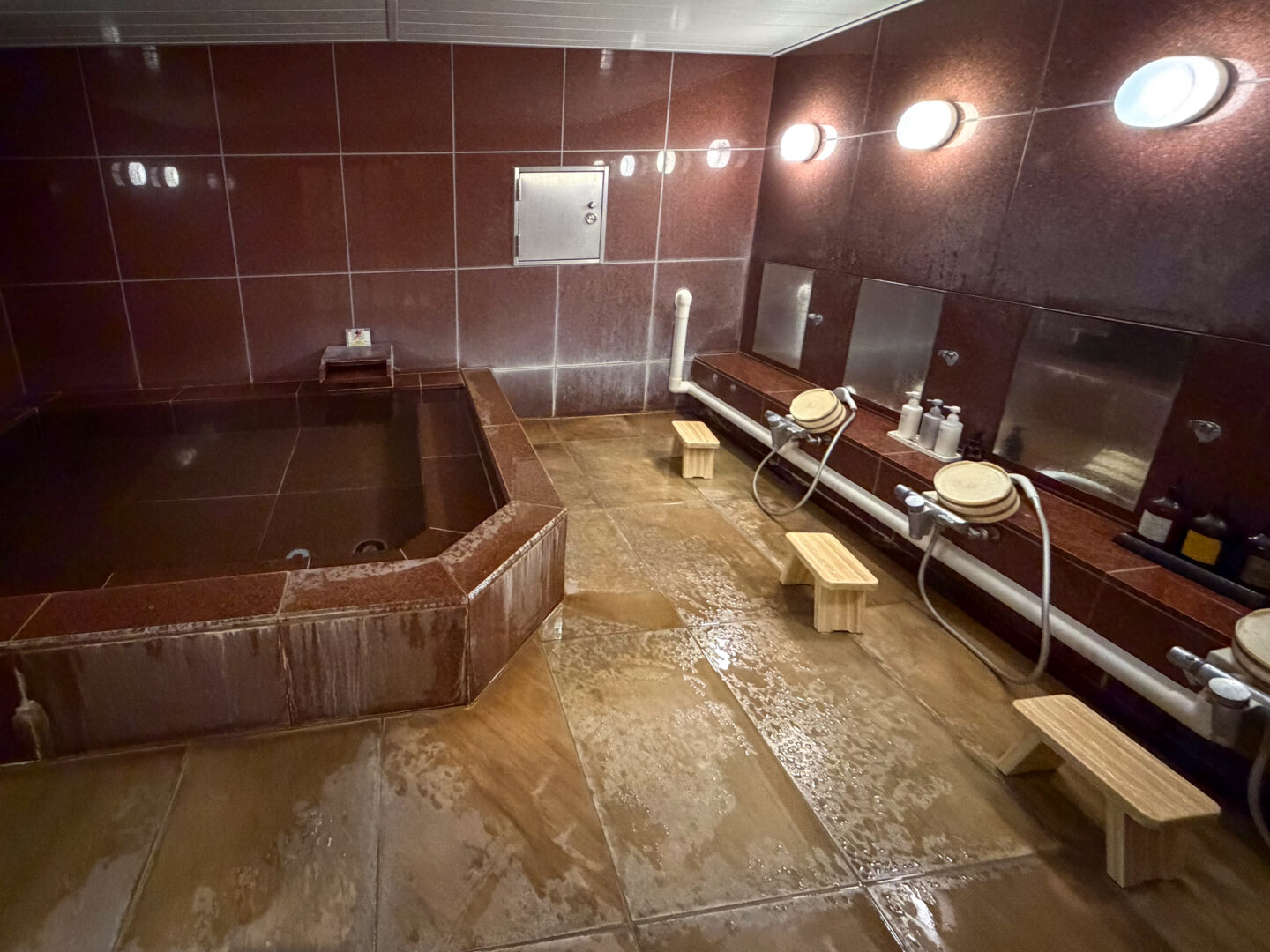
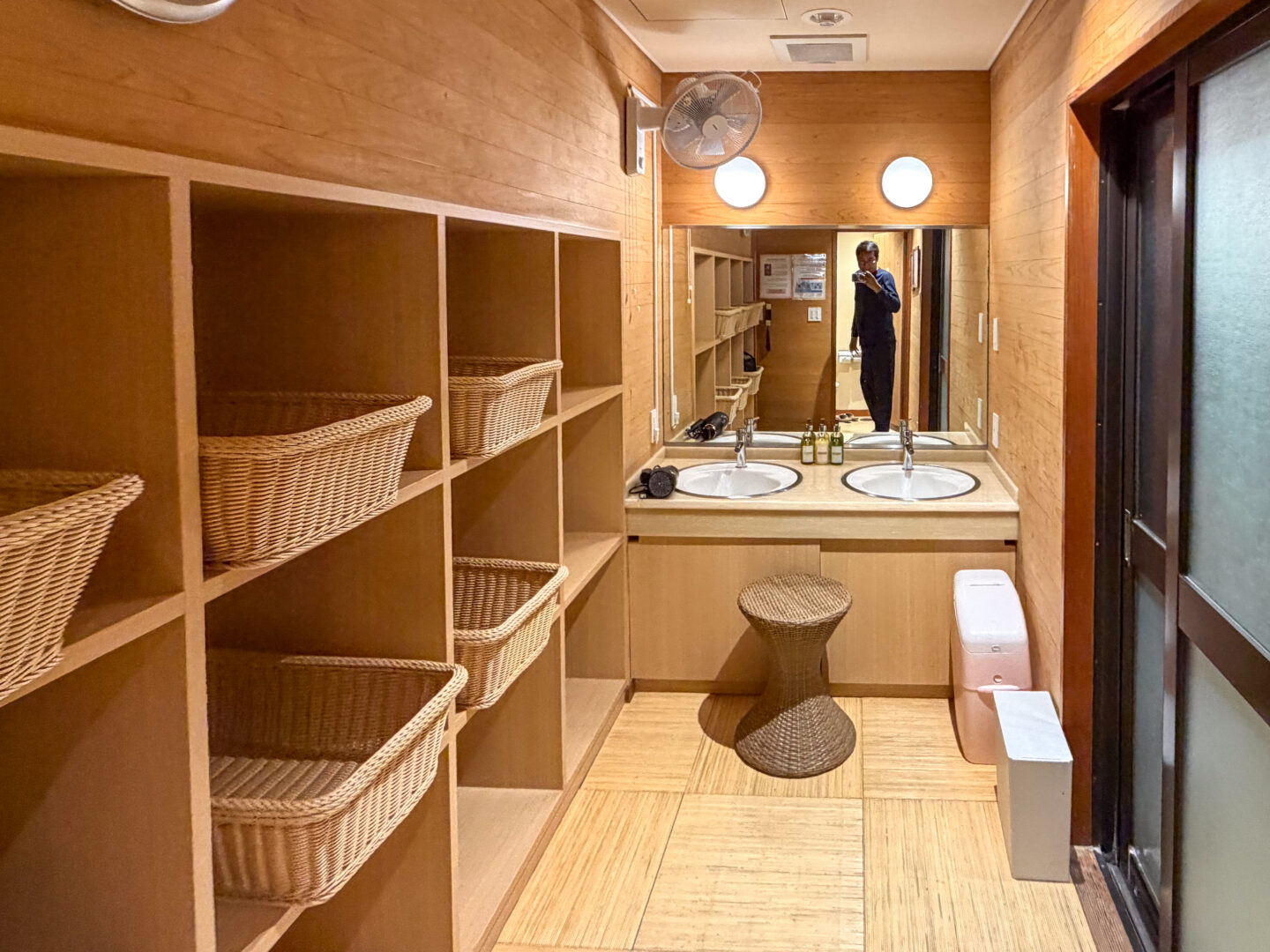
Onsen
The hotel features a beautifully designed large public hot spring bath. Additionally, there are Private Onsen baths available that can accommodate multiple people at once. These private baths are free of charge and operate on a first-come, first-served basis, making them perfect for those who prefer more privacy.
Day 2
Our second morning in Hakone began! Today, we explored the area around Gora Station and traveled along the Hakone Tozan Railway. This route is still relatively under-the-radar for many tourists. Let’s head out and see what interesting spots we can find!
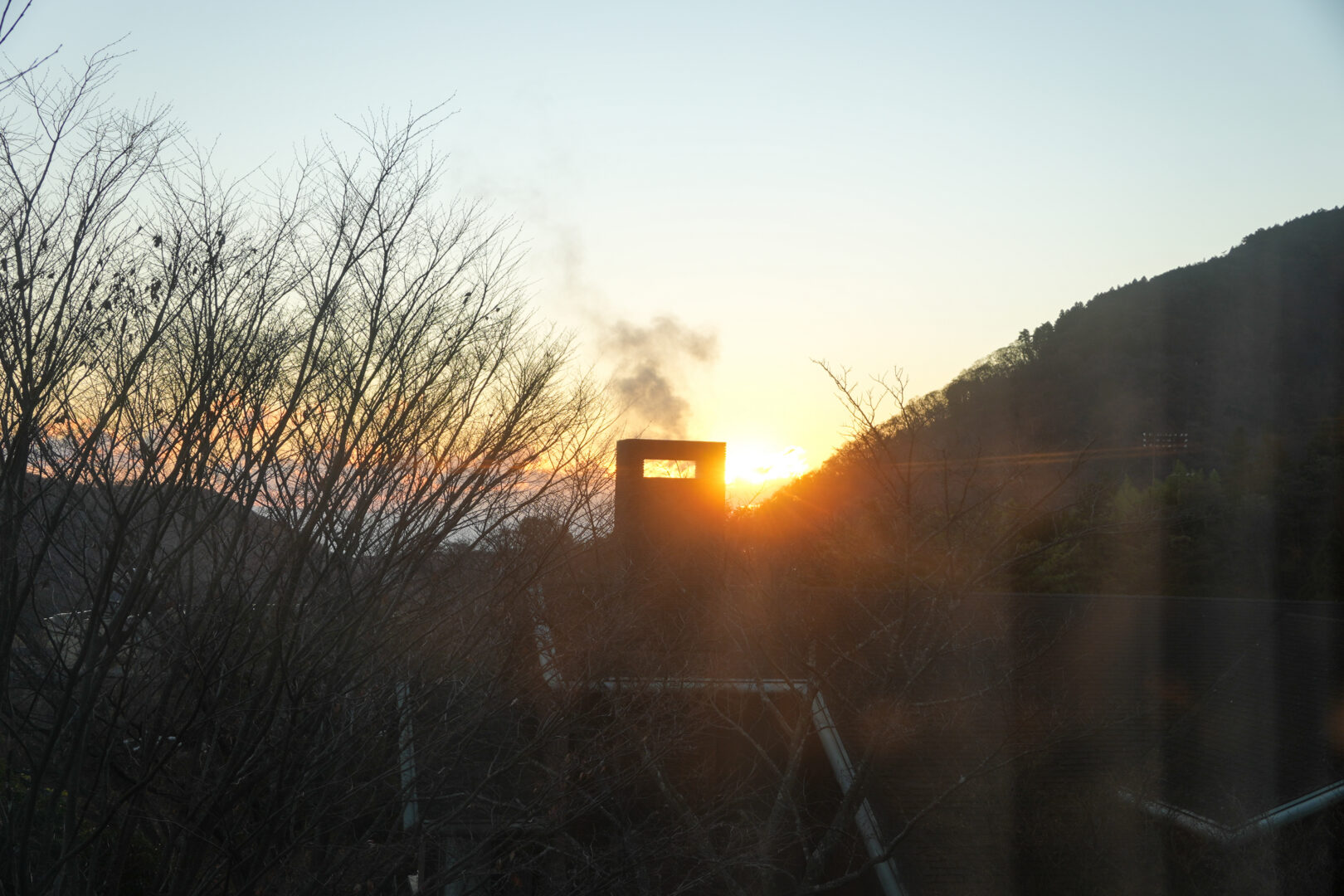
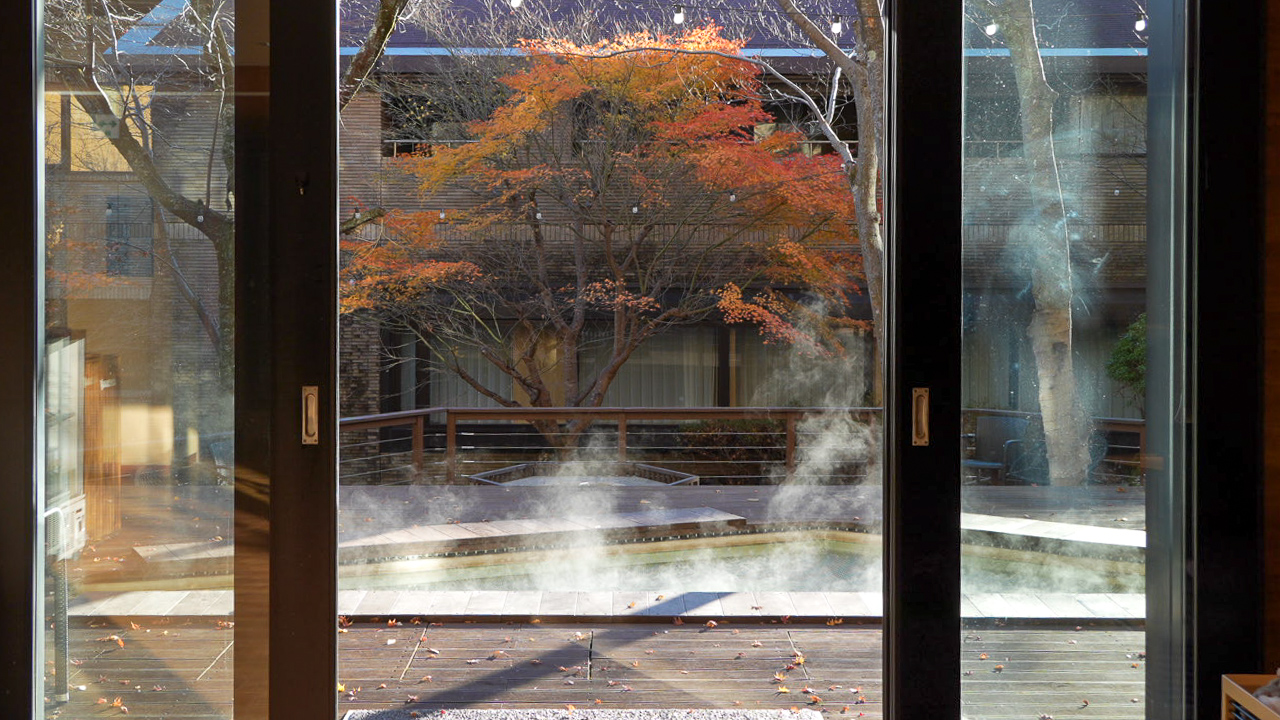
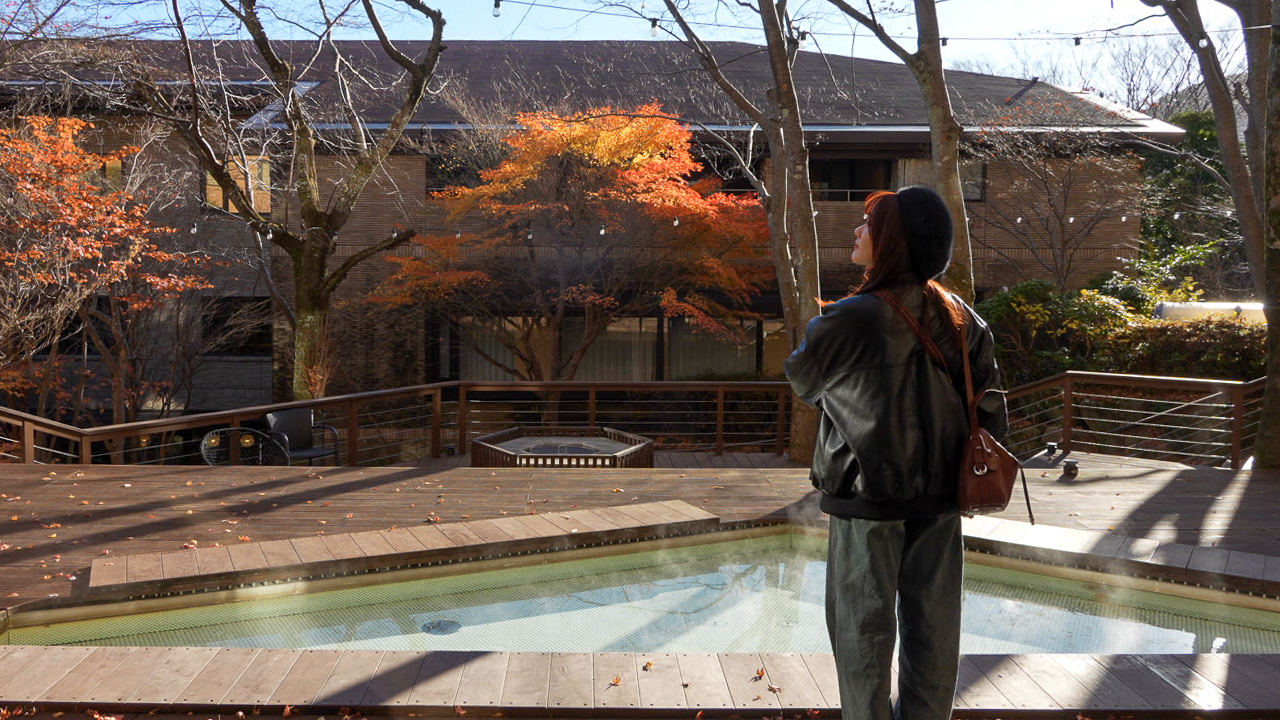
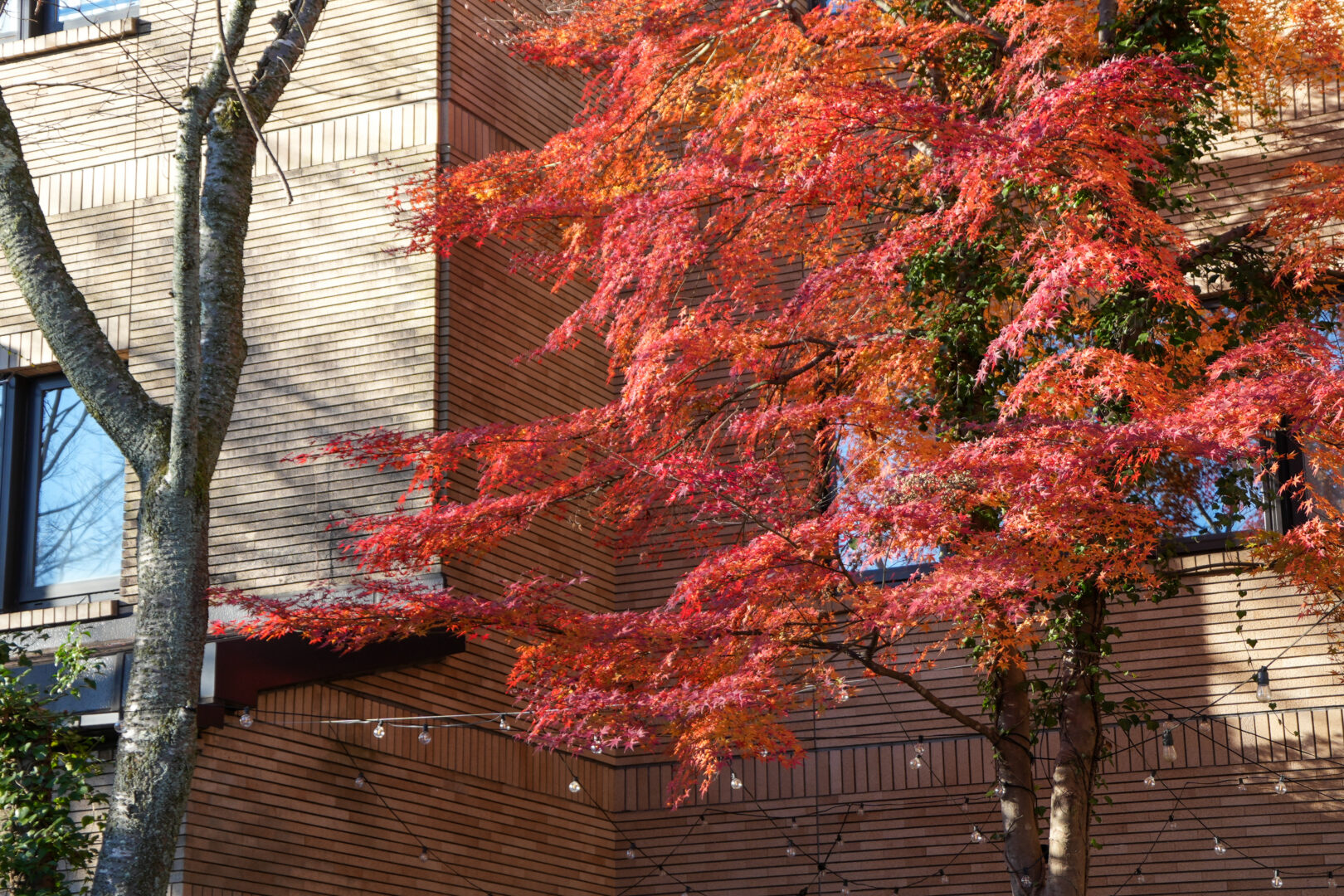
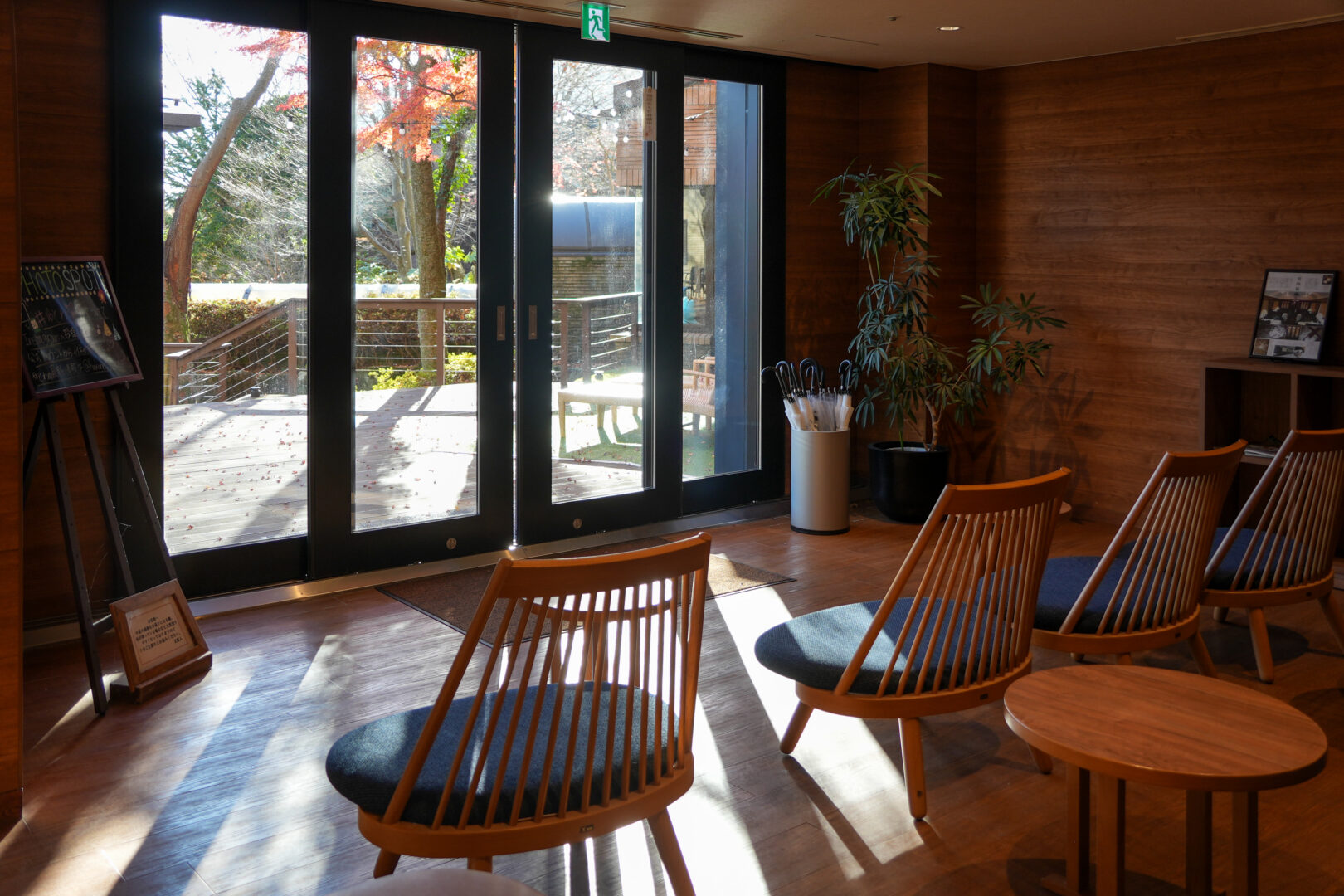
We woke up early to soak in the hotel's atmosphere before starting the day.
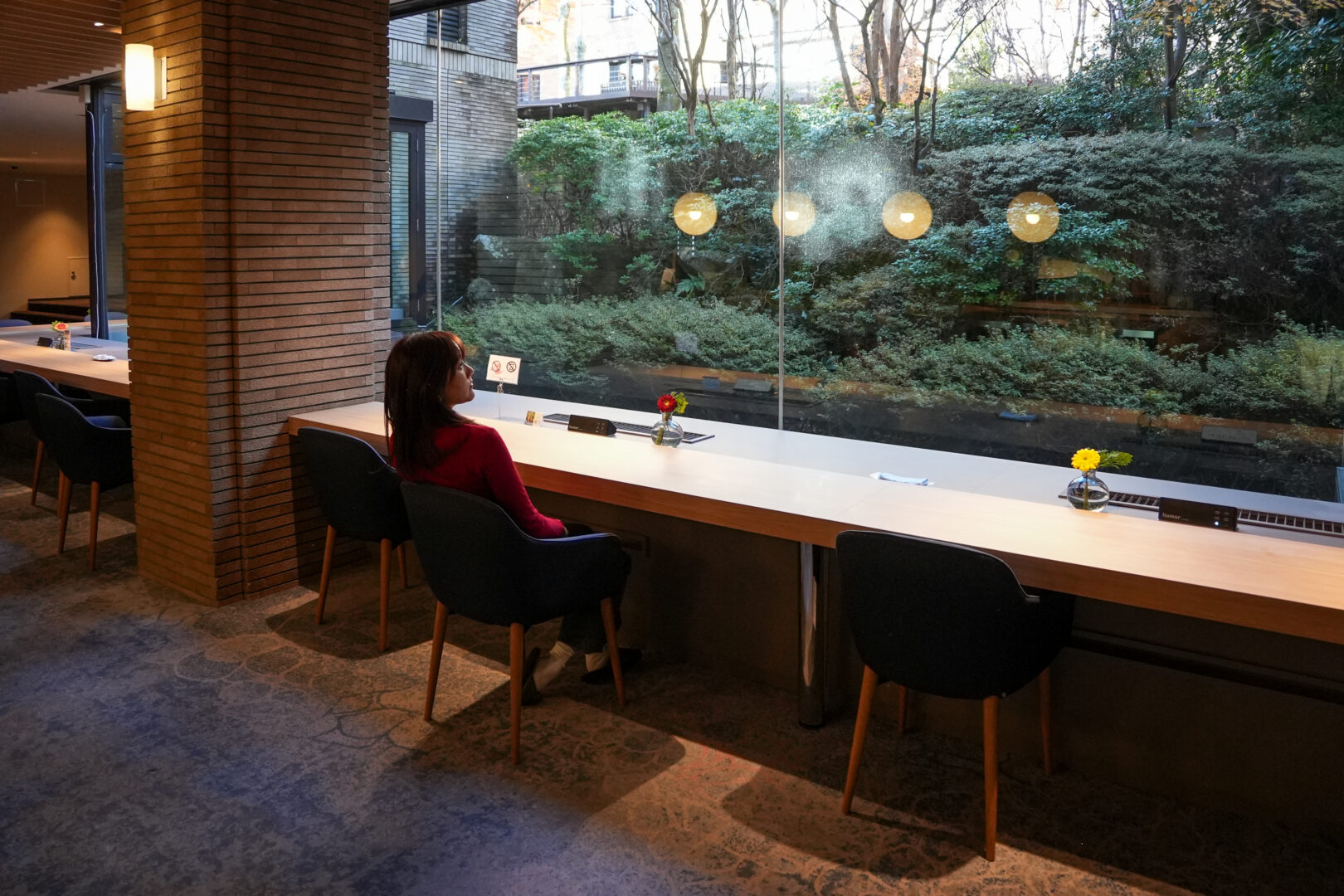
The atmosphere at the outdoor courtyard's footbath was absolutely wonderful.
Breakfast
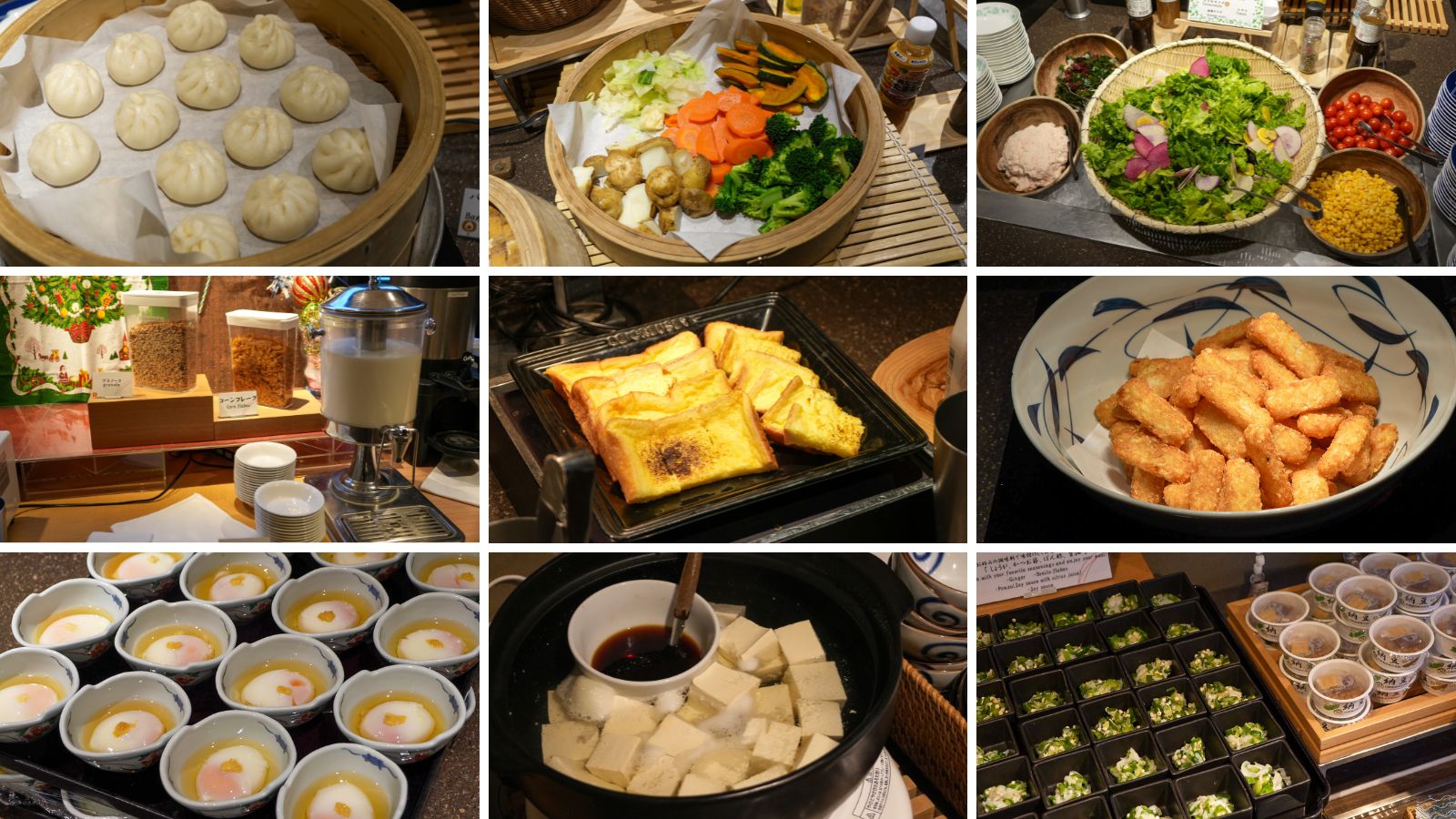
Now, let’s head to breakfast at the same restaurant. The breakfast here is a full buffet featuring an international selection. You can choose from a variety of styles, including Japanese and Western dishes, depending on your preference.
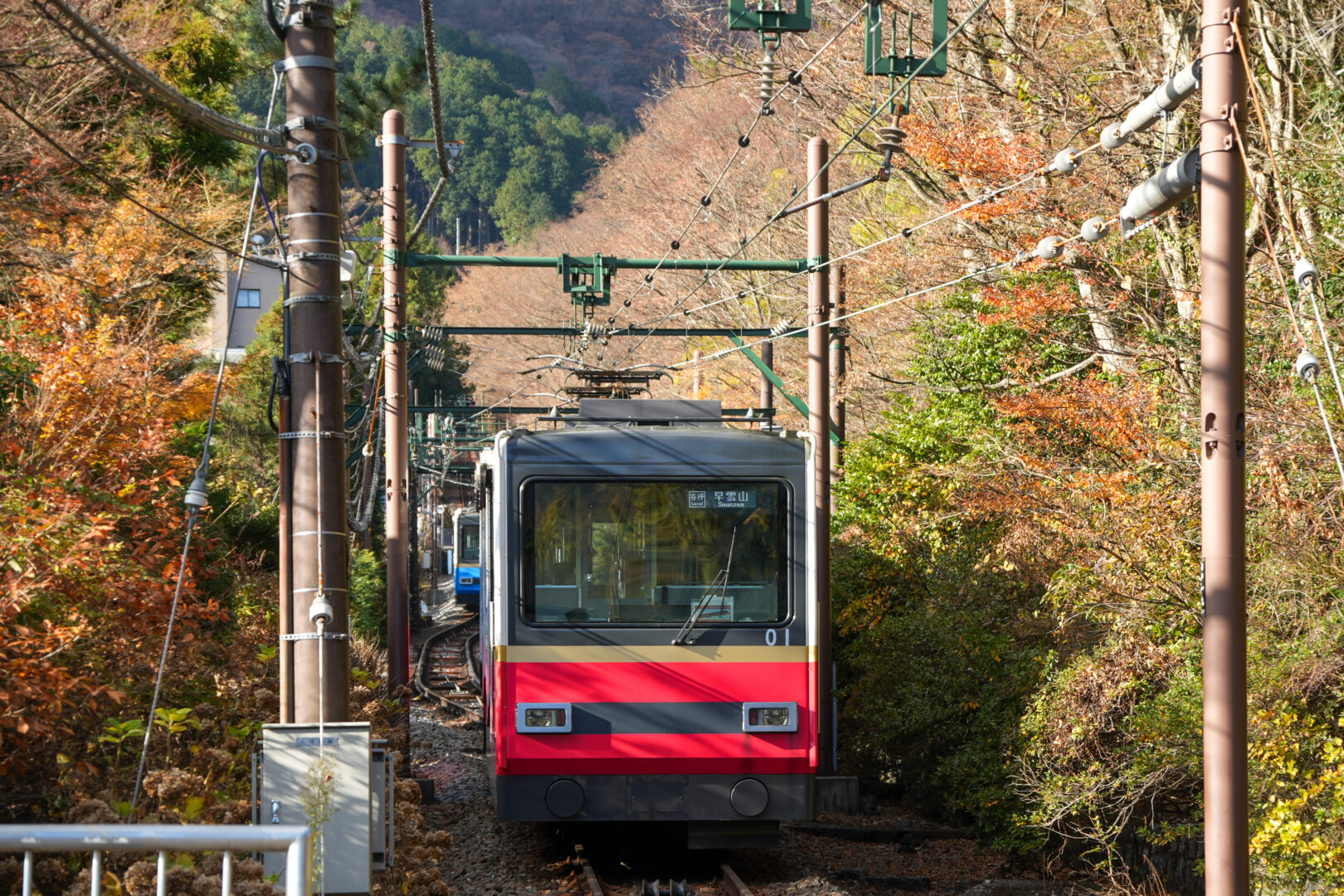
9:18 AM Hakone Tozan Cable Car: Gora Station → Koen-kami Station
We started our morning by exploring the nearby areas. I highly recommend taking the cable car. For instance, if you look at Google Maps, the Hakone Museum of Art appears to be close to the hotel, but the actual path is quite steep since it’s on a mountainside. To save your energy, just take the cable car especially since we already have the pass. Use it to the fullest! Just show your pass to the staff and hop on.
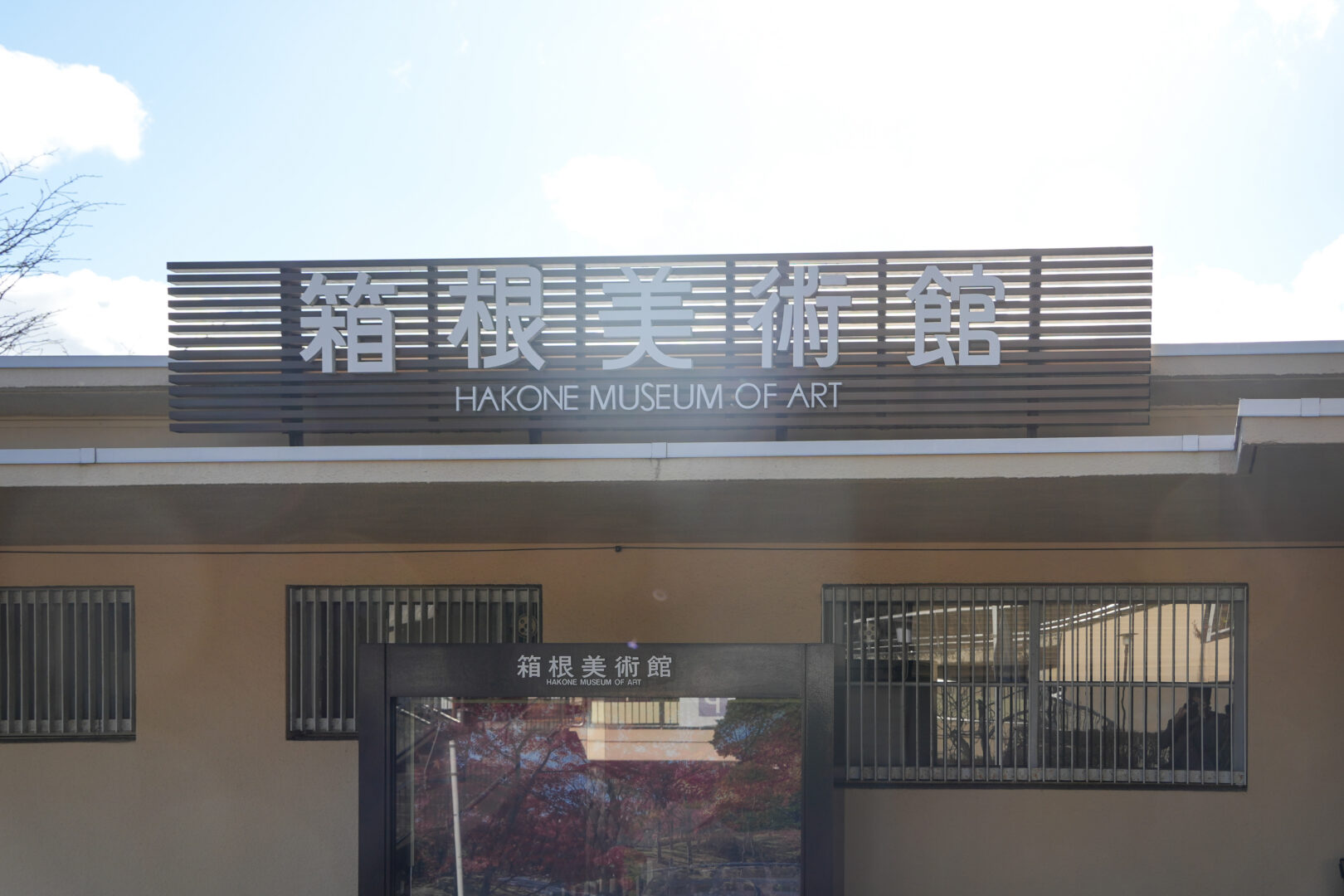
Hakone Museum of Art
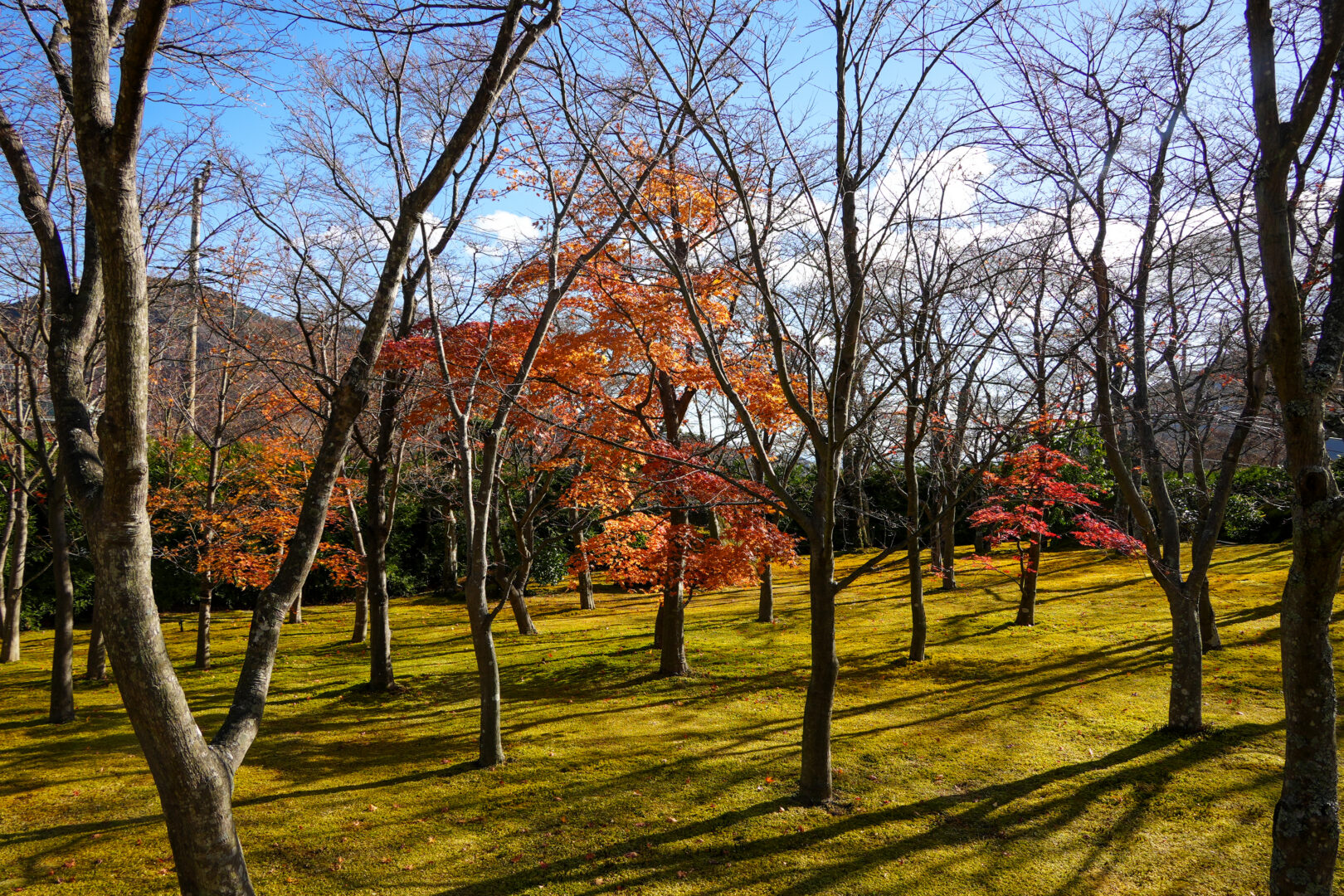
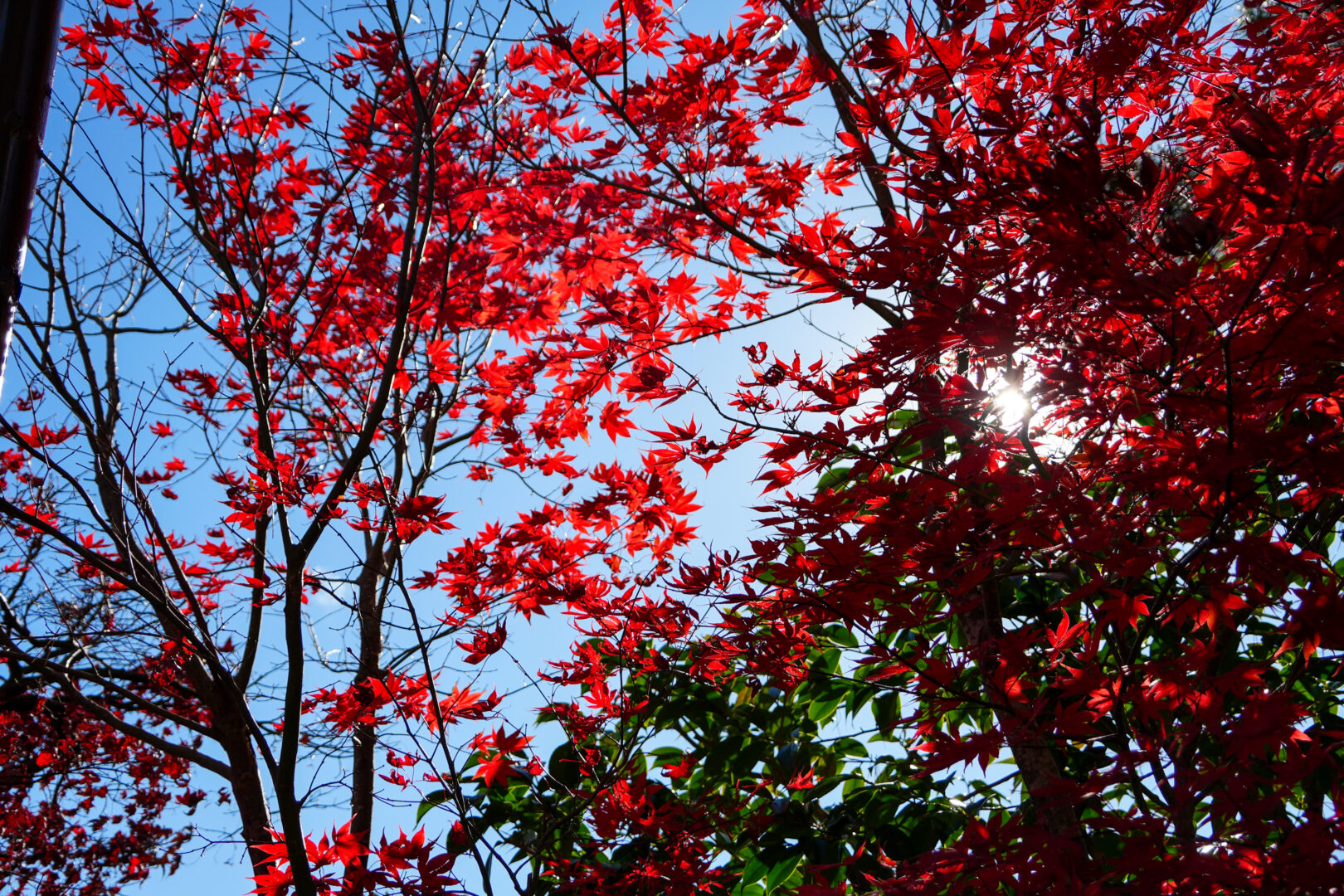
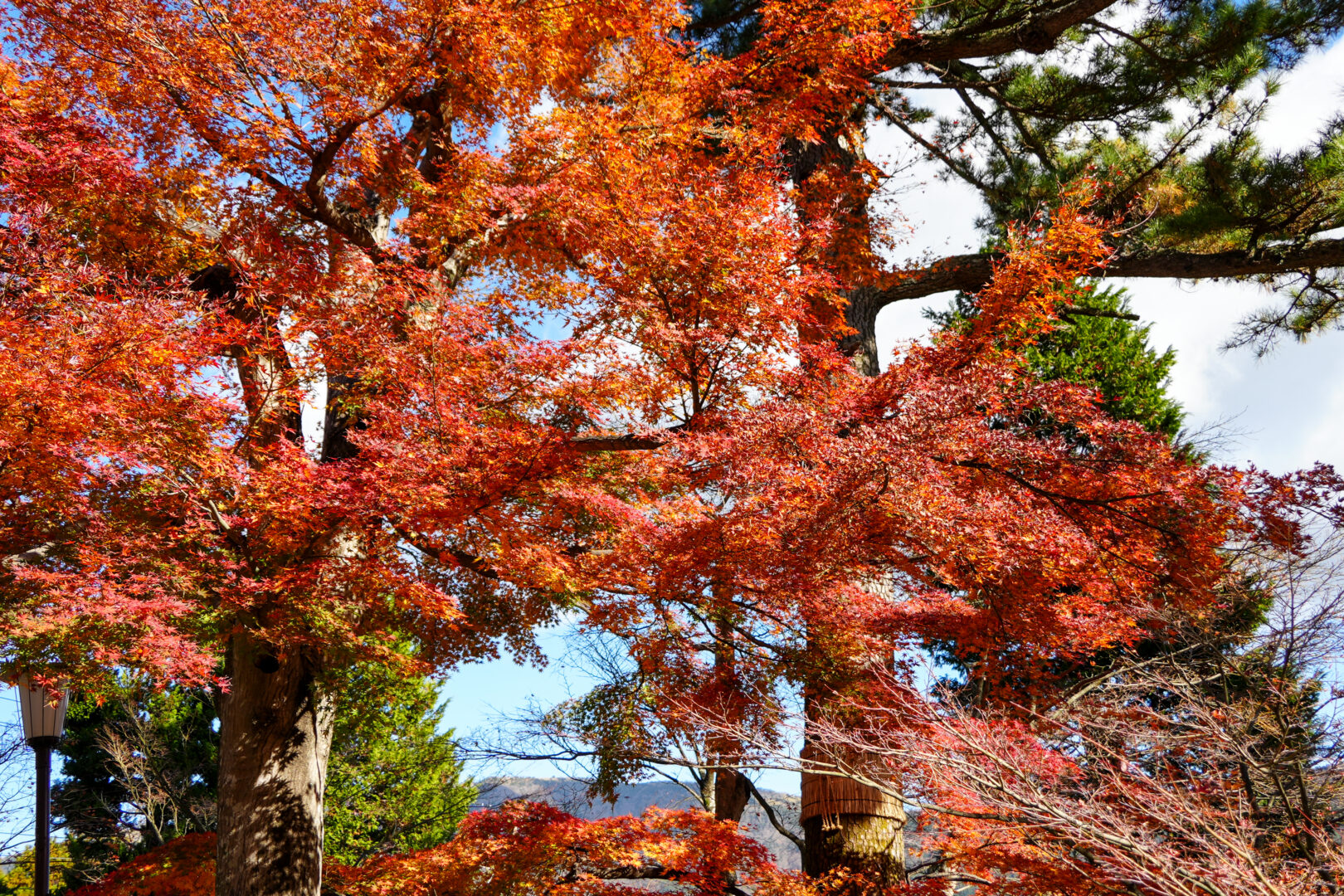
Established in 1952, this is the oldest museum in Hakone. If you appreciate a tranquil, traditional Japanese garden atmosphere that captures the charm of every season, this is one of the top spots in Hakone for autumn foliage. The leaves usually begin to change color in late November; unfortunately, arriving in early December meant we just missed the peak.
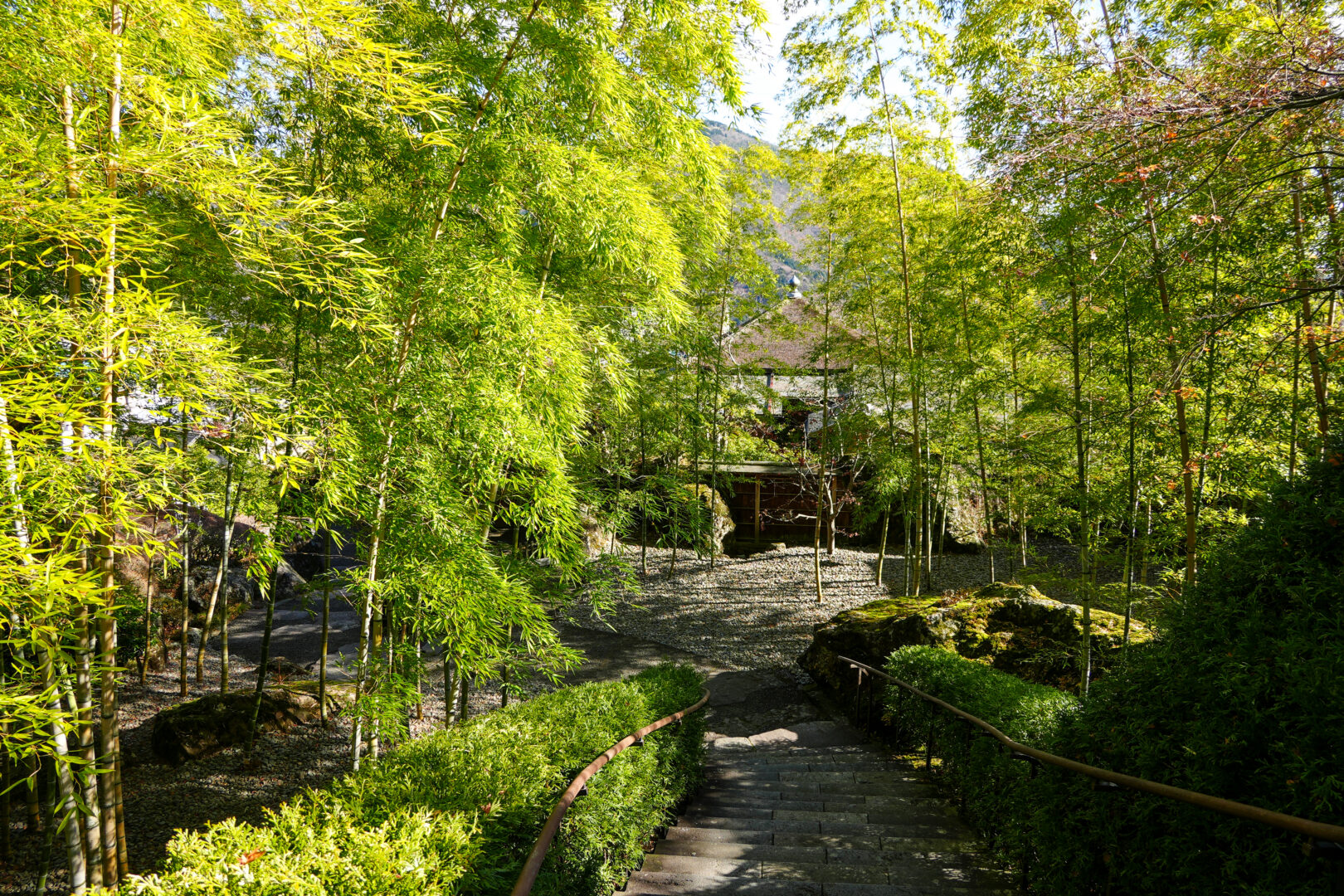
However, the garden is actually most famous for its Moss Garden. It features over 130 varieties of moss covering the ground like a lush, thick green carpet, all of which are meticulously maintained.
The grounds also house various buildings in both Japanese and Western architectural styles, which have been officially registered as National Treasures.
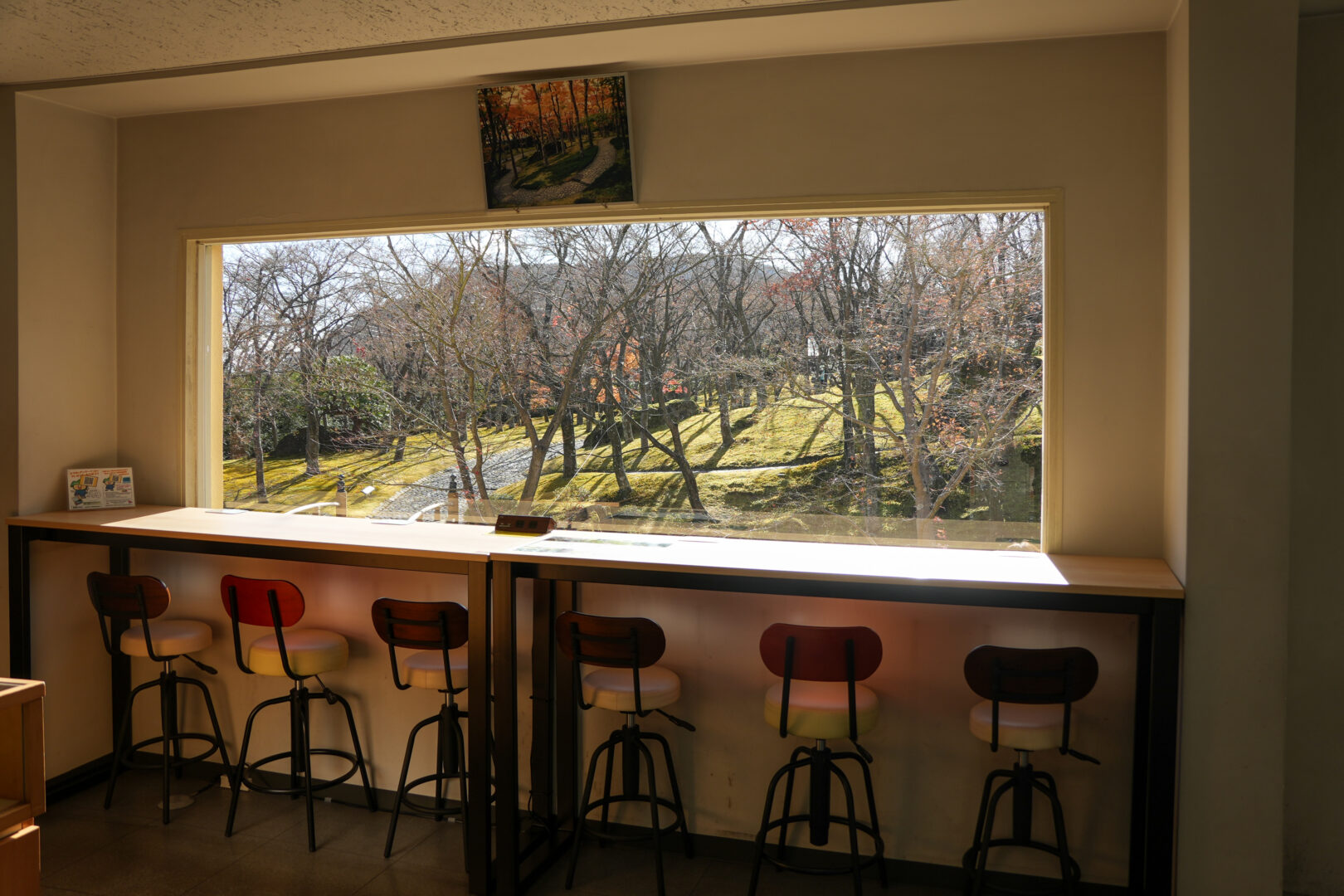
There are more than 130 species of moss covering the ground like a green carpet, creating a stunning contrast with over 200 maple trees. If you look closely, you'll notice that the maple trees here remain quite small, despite the garden having been open for over 50 years. This is because the garden intentionally maintains the trees at a specific size; if any tree grows too large, they will replace it with a newer one of a similar height. This ensures that the maples throughout the garden maintain a perfectly uniform and tiered appearance. The level of care put into this garden is truly extraordinary.
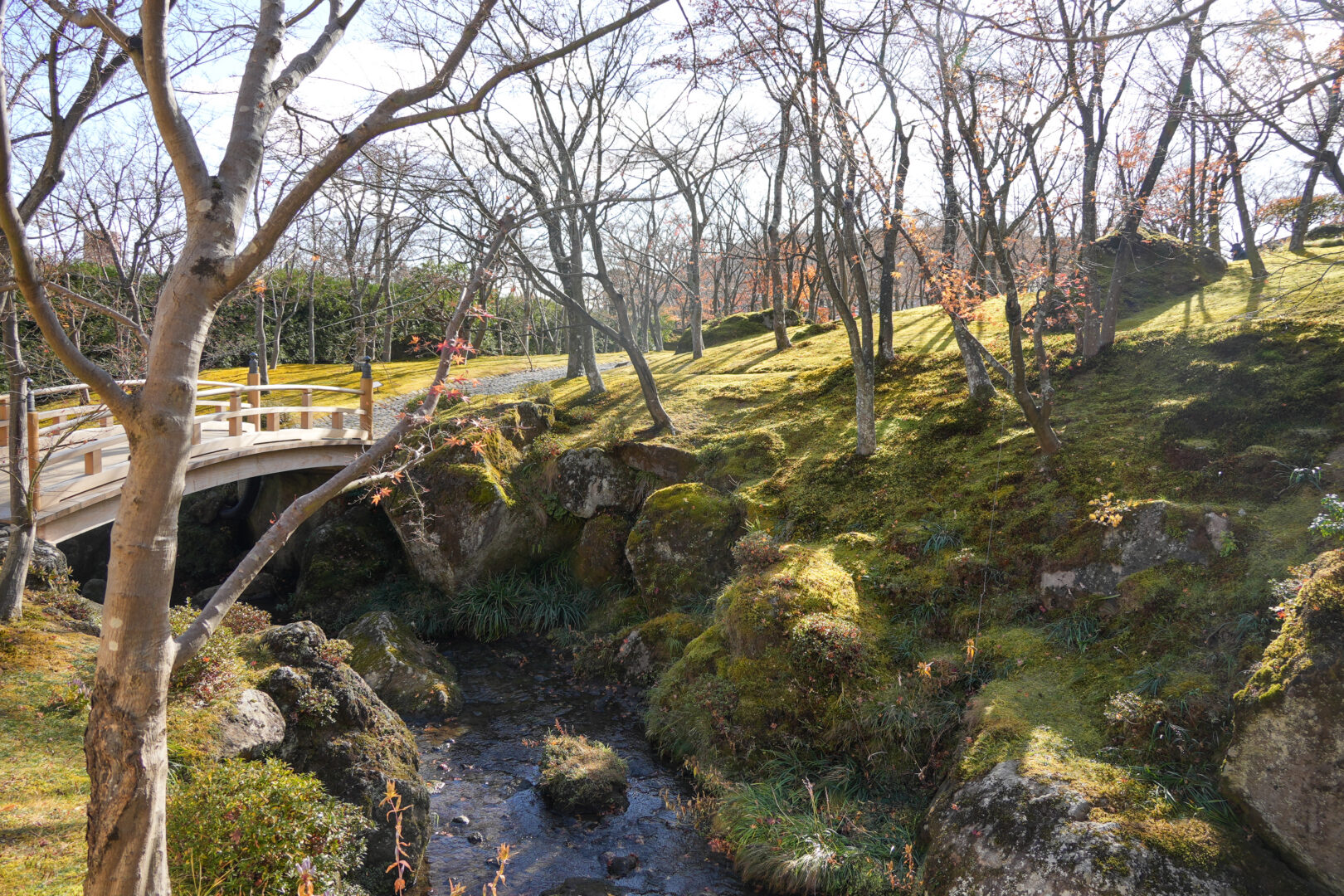
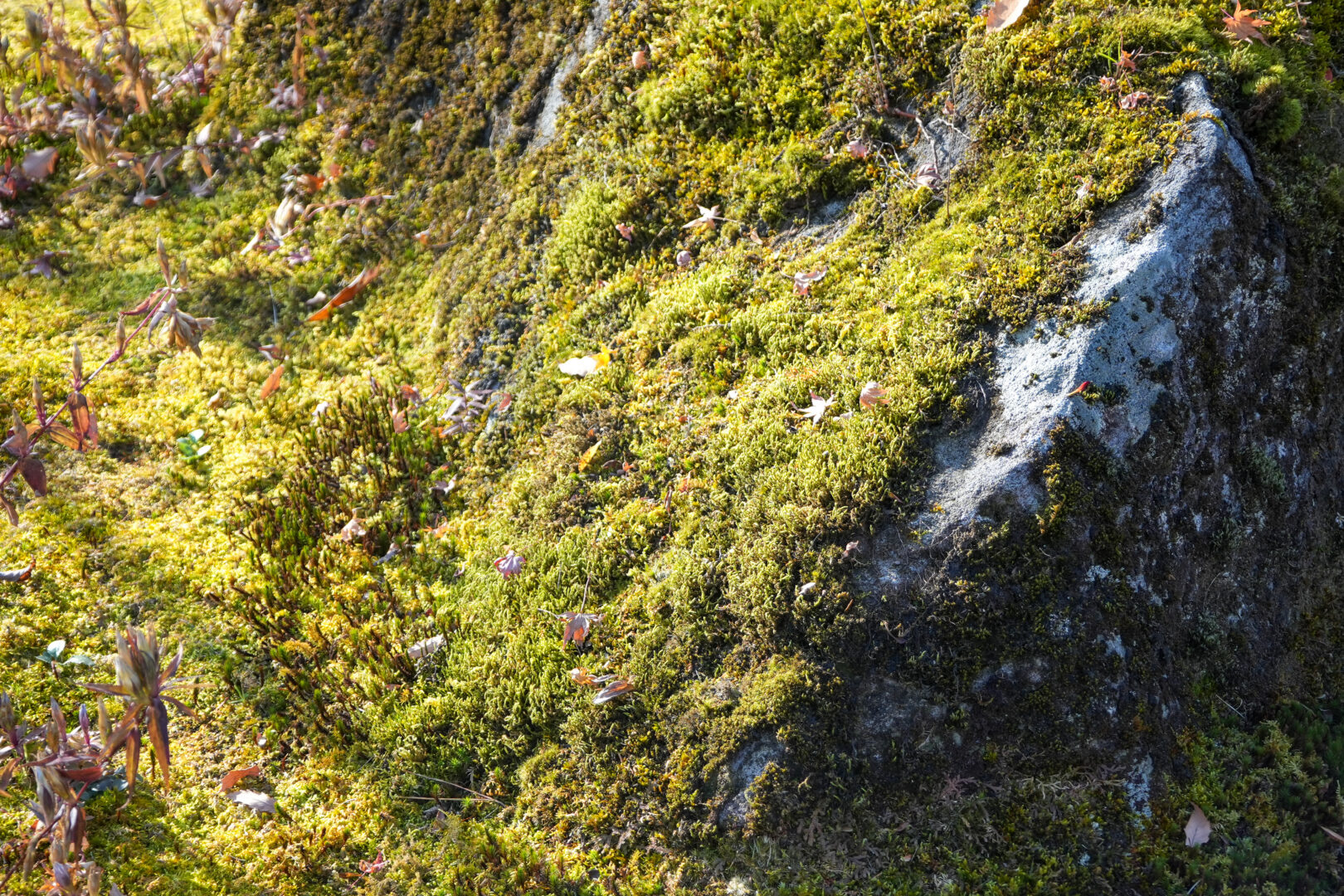
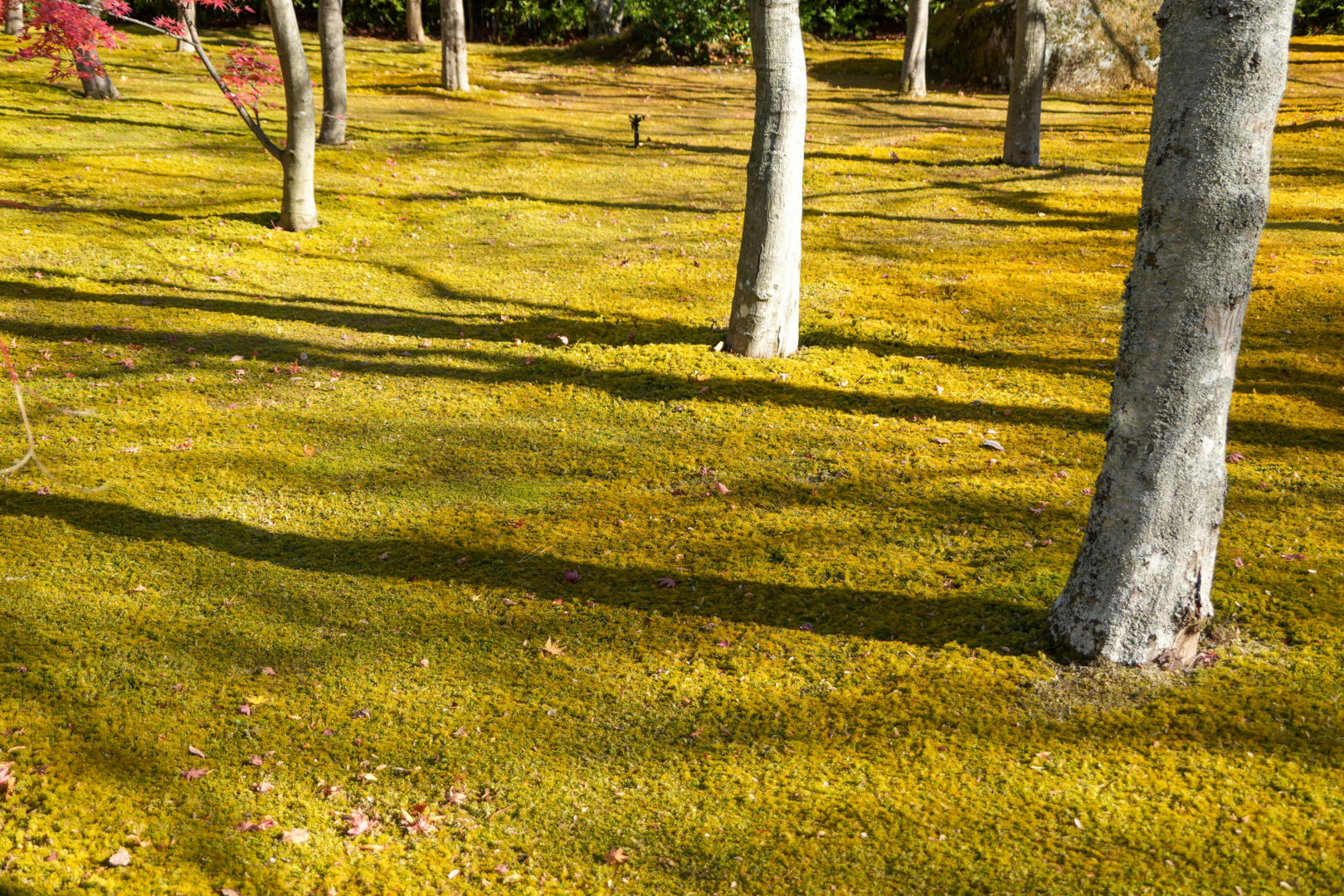
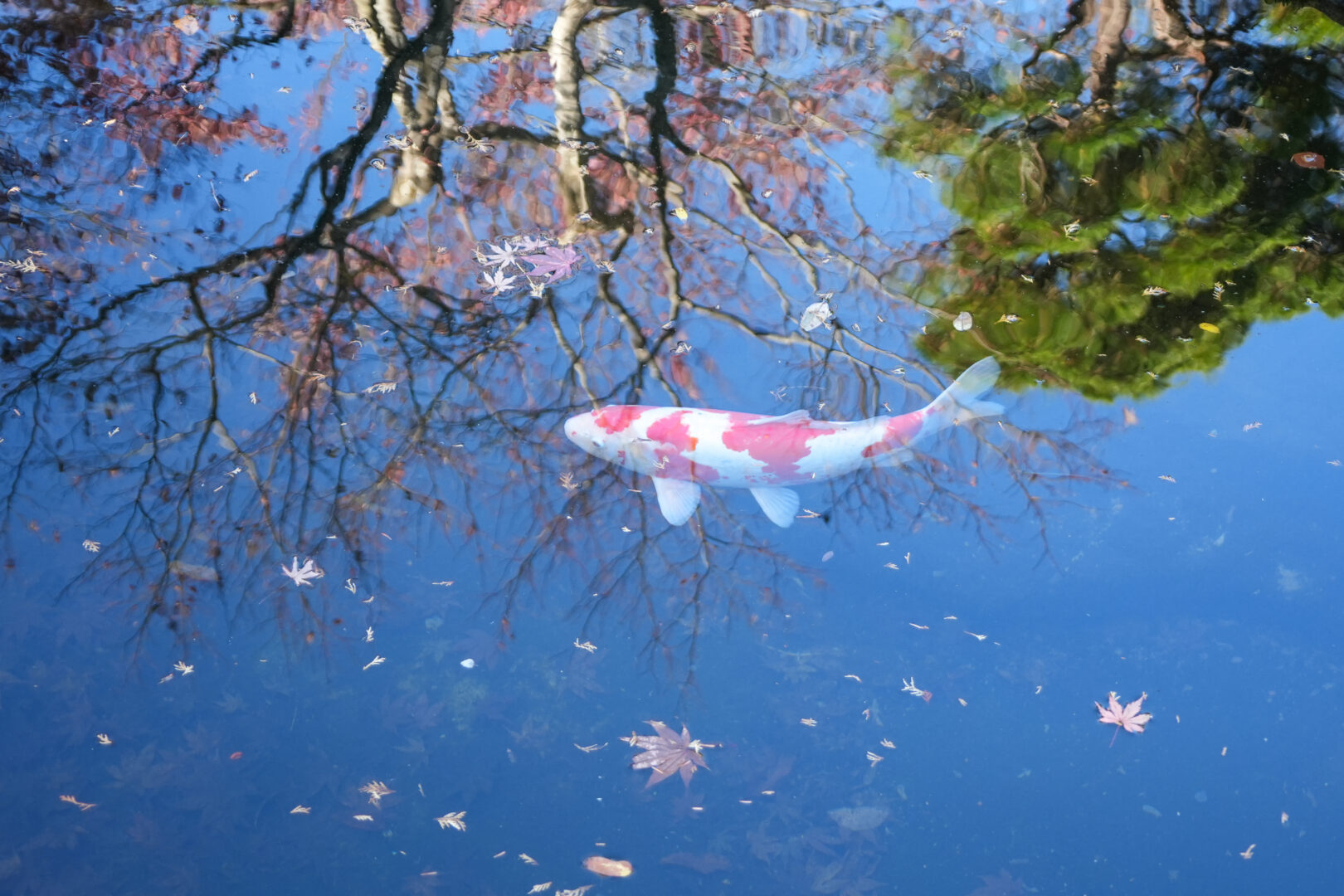
The grounds feature various architectural styles, including both Japanese and Western buildings, which have been officially registered as National Cultural Properties.
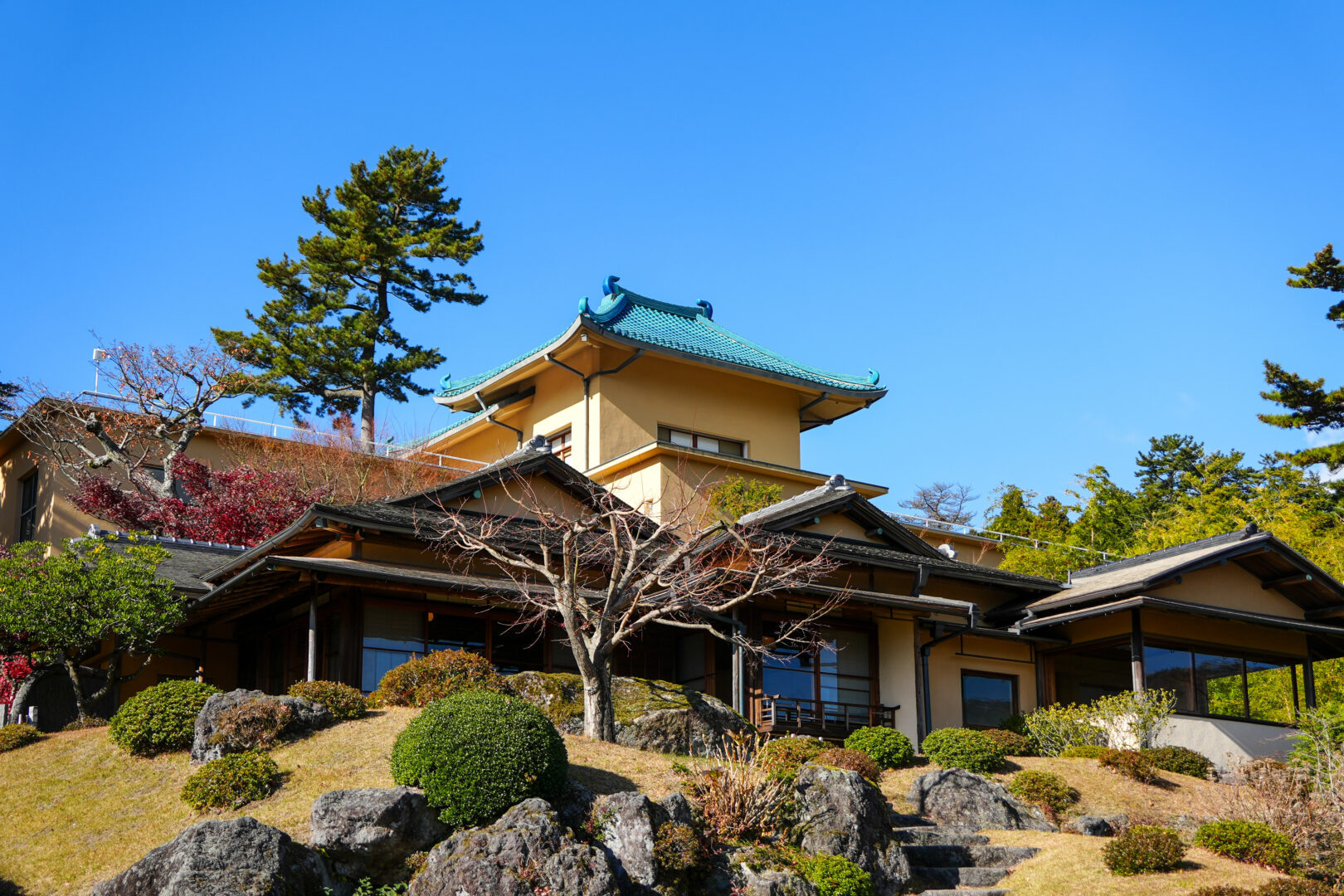
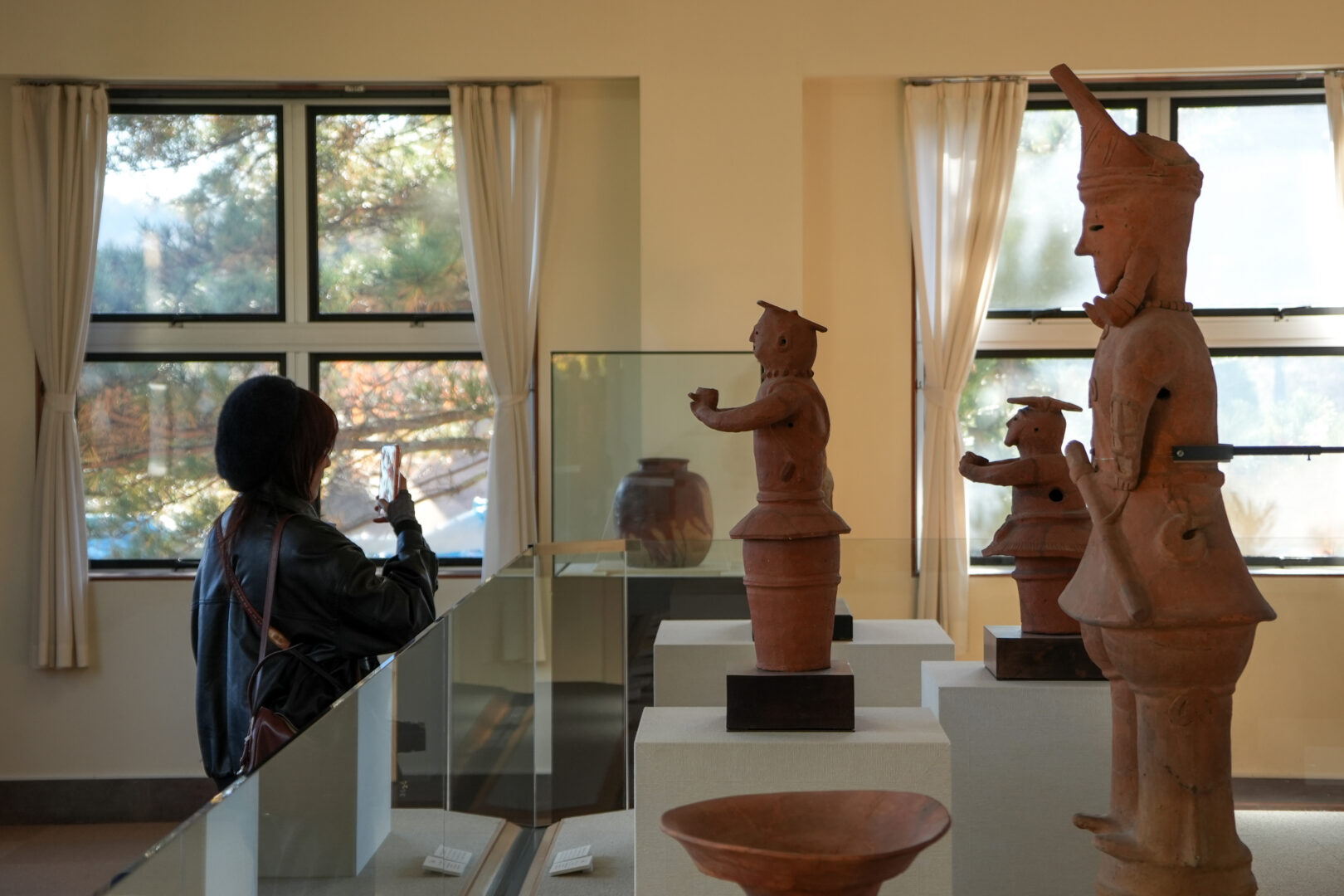
The museum building itself focuses on exhibiting Japanese pottery and ceramics, spanning from the prehistoric Jomon period all the way to the Edo period.
Shinwa-tei Teahouse
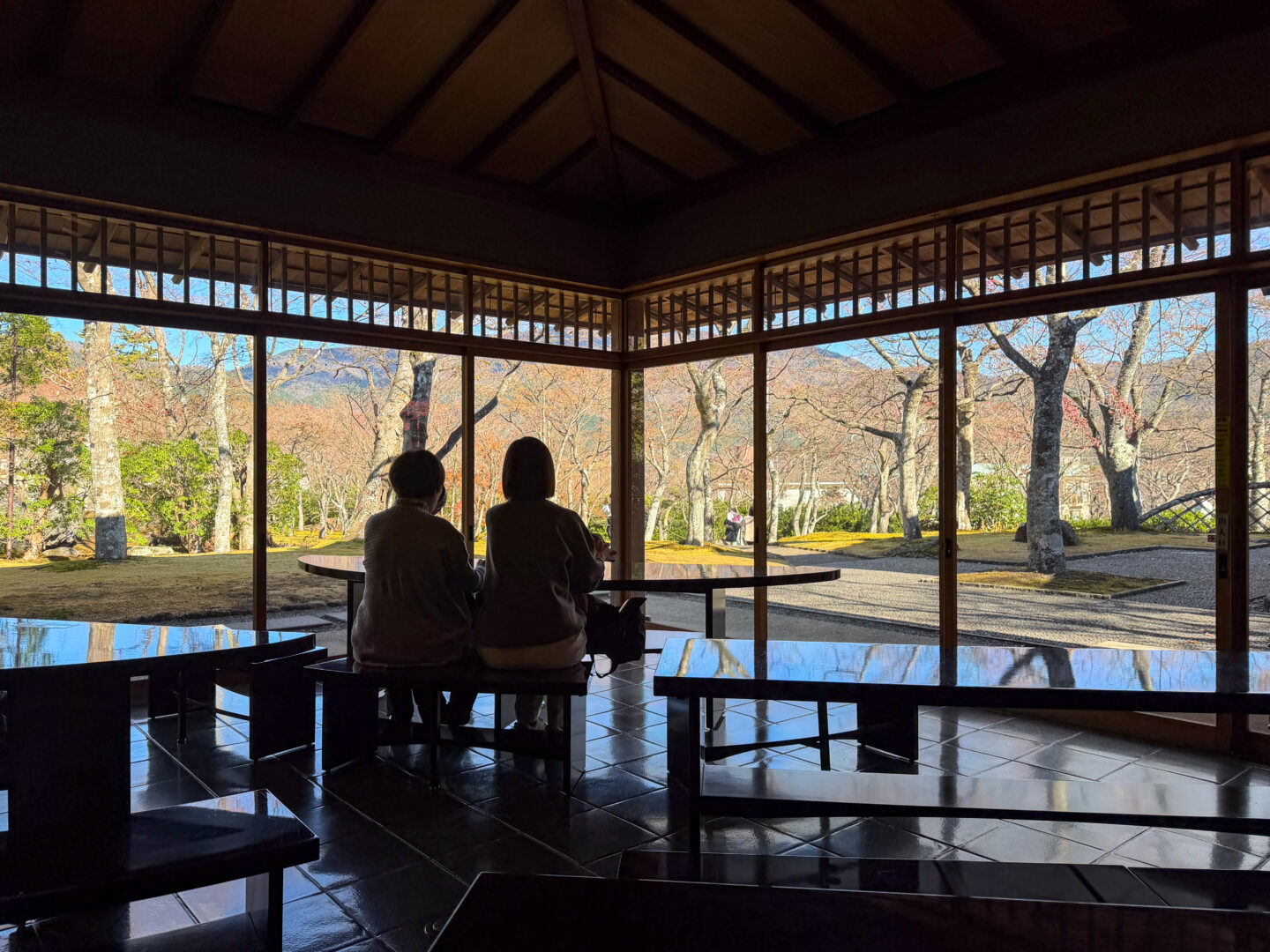
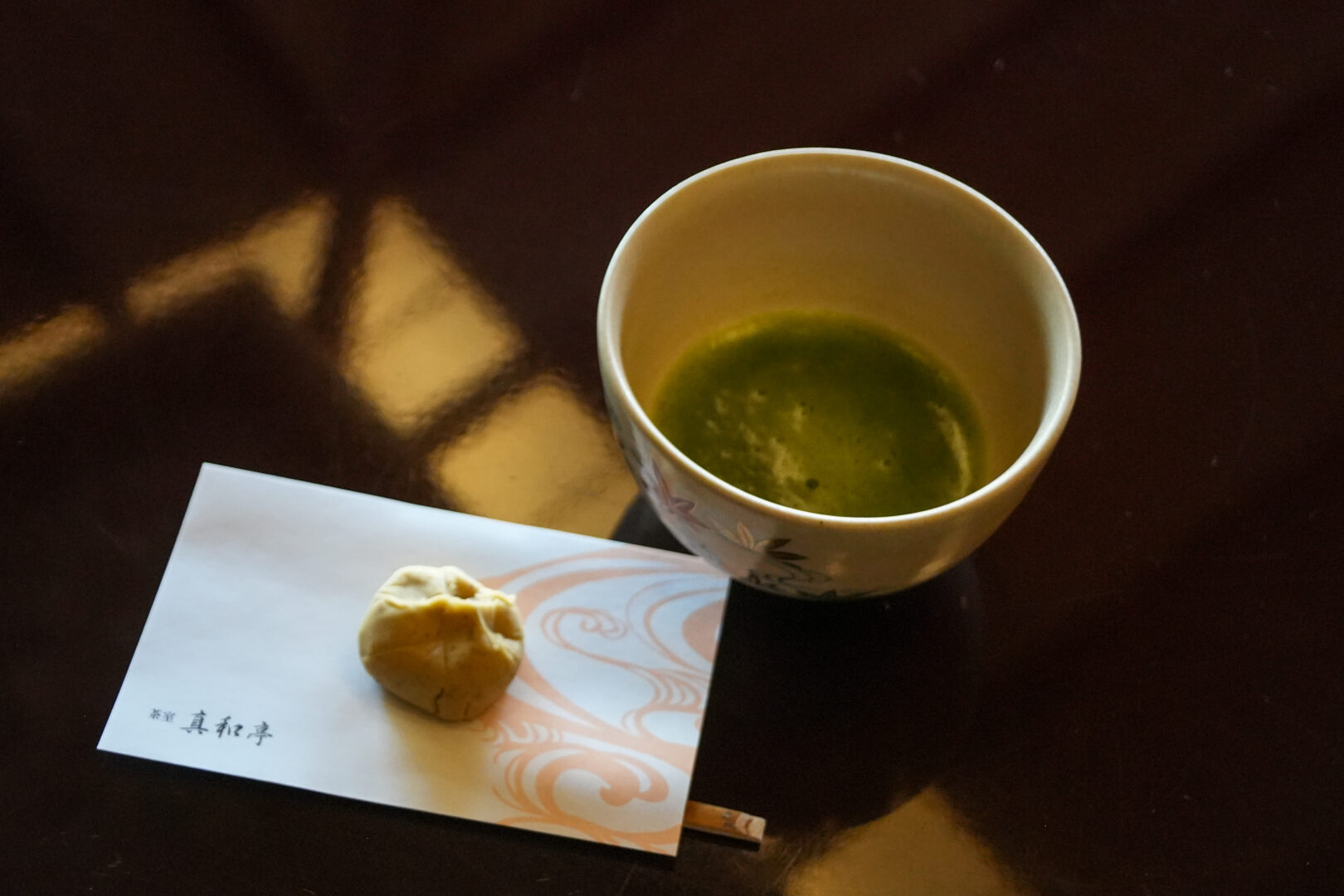
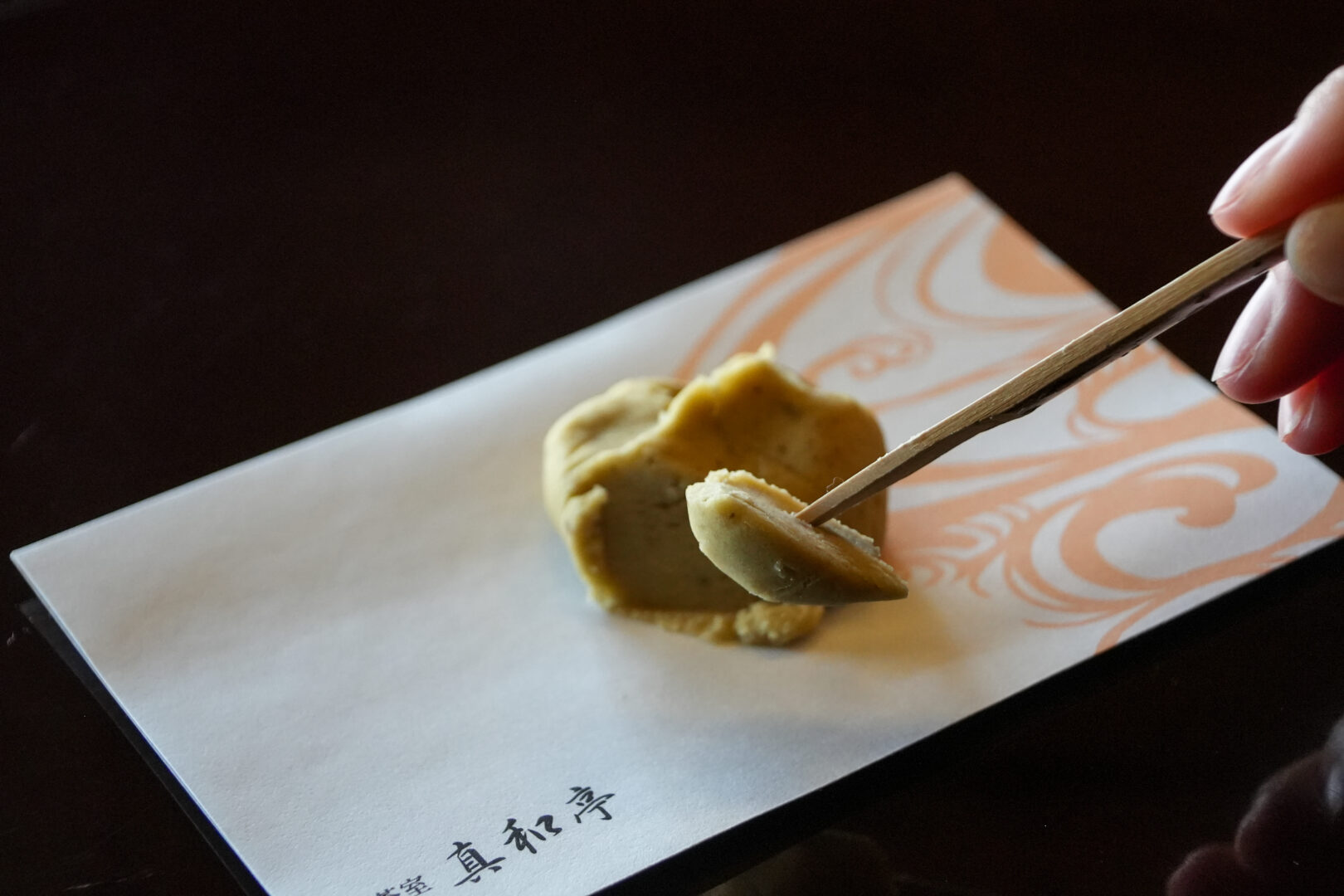
After strolling through the garden, you can stop by the on-site teahouse for some matcha green tea paired with traditional Japanese sweets. The highlight here is the experience of sipping tea while gazing at the moss garden through large windows; it truly feels like you are looking at a living painting.
10:32 AM KANKO SHISETSU MEGURI Bus S Line : Hakone Museum of Art → Nicolai Bergmann Hakone Gardens
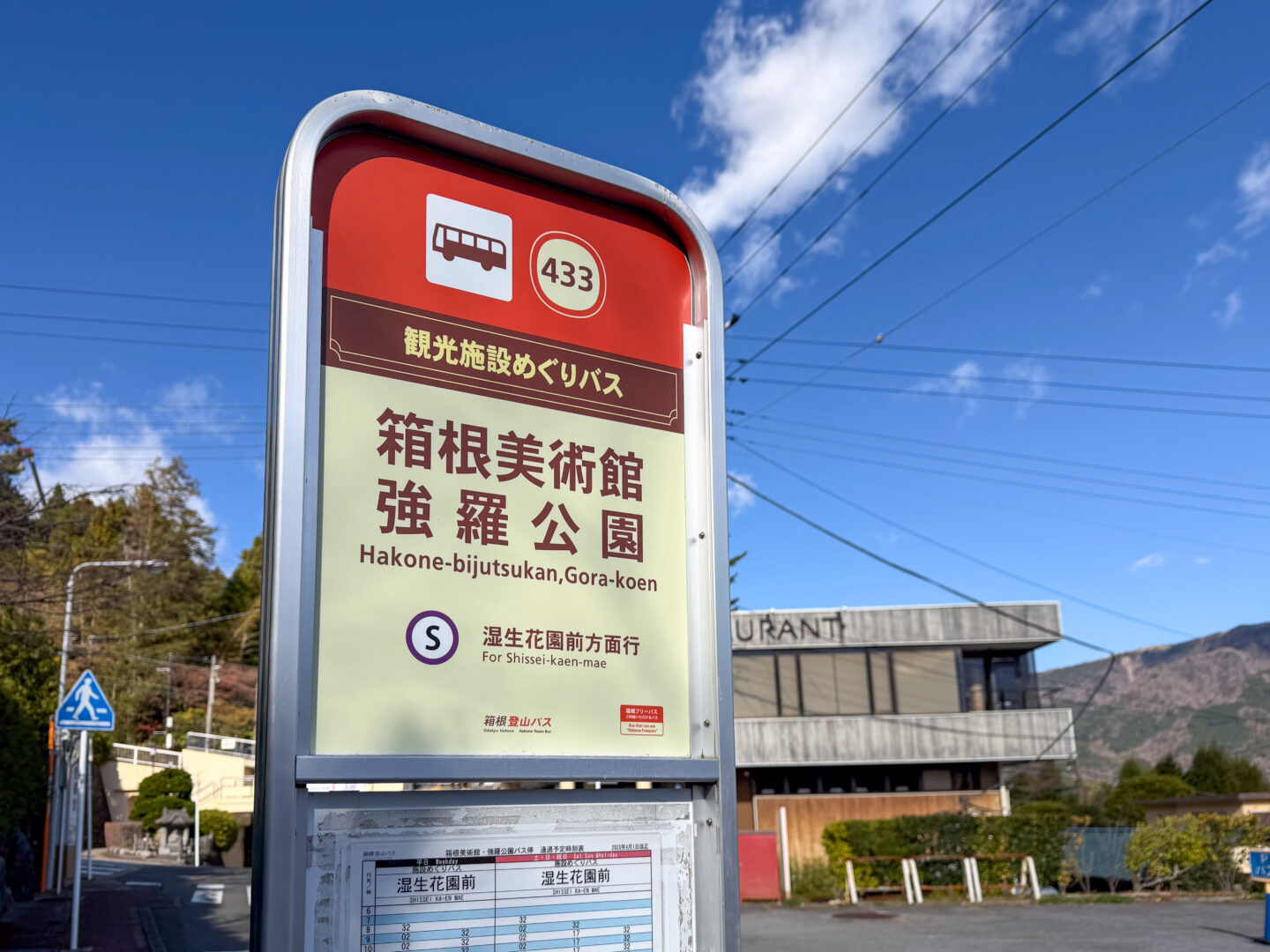
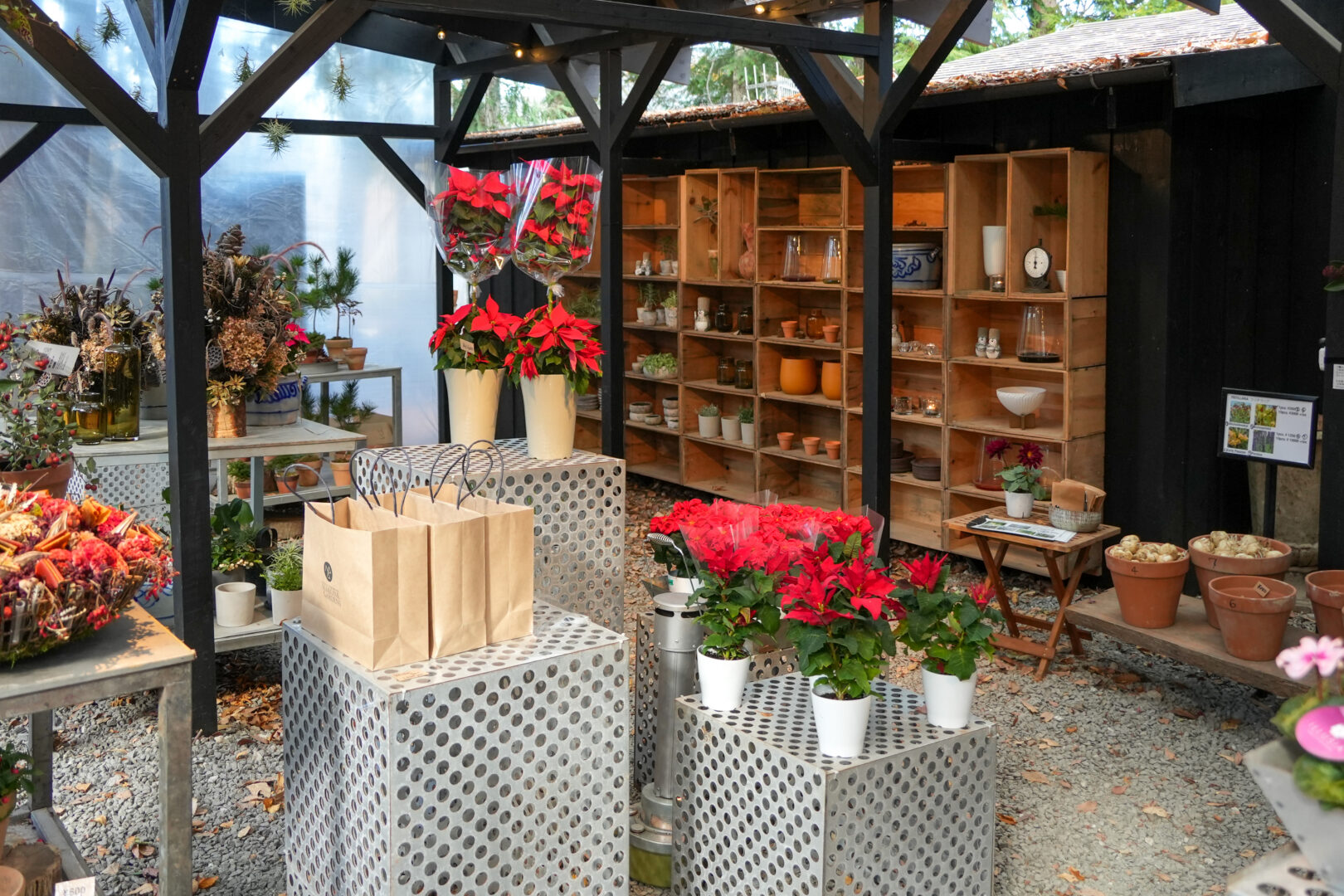
Next, we took the bus to Nicolai Bergmann Hakone Gardens. This is a Nordic-style botanical garden that blends perfectly with the natural landscape of Hakone. The garden was created by Nicolai Bergmann, a world-renowned Danish floral artist and the creator of the famous “Flower Box” brand.
Admission is 1,800 yen, but if you purchase tickets online, the price is reduced to 1,500 yen.
You can check the details at its official site.
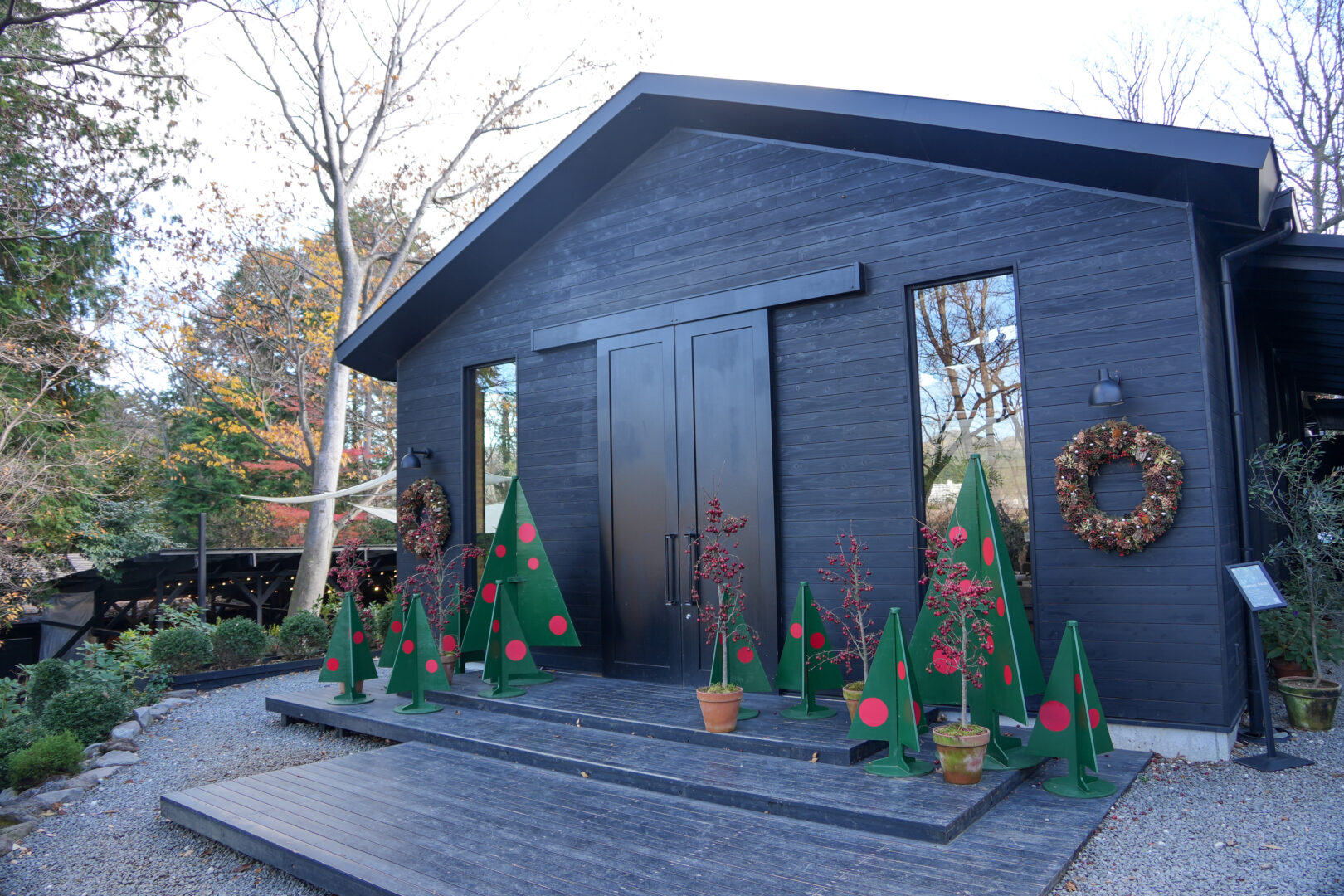
Within the vast forest, you can stroll along paths adorned with flowers and Nordic-style decorations, meticulously crafted like a work of art.
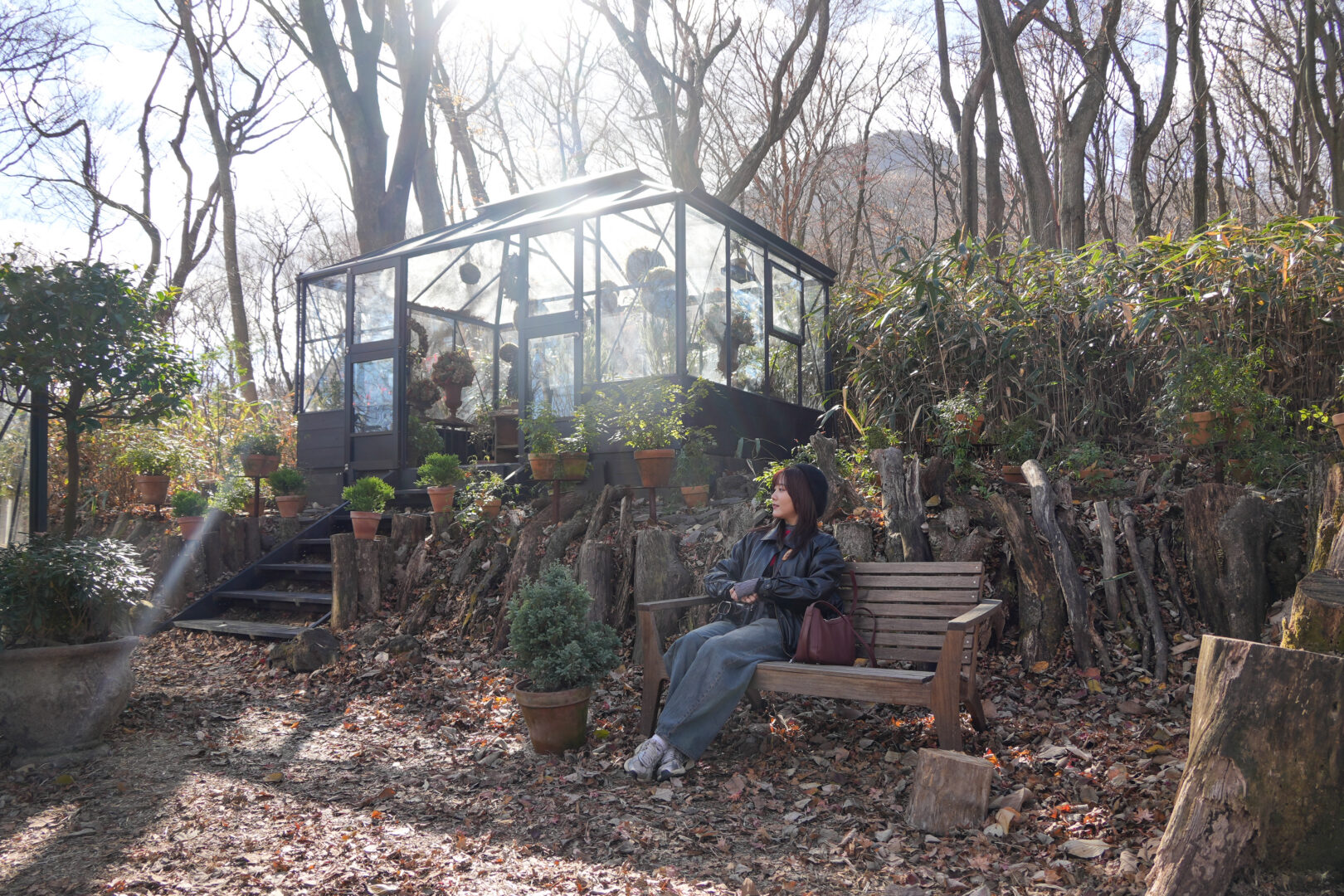
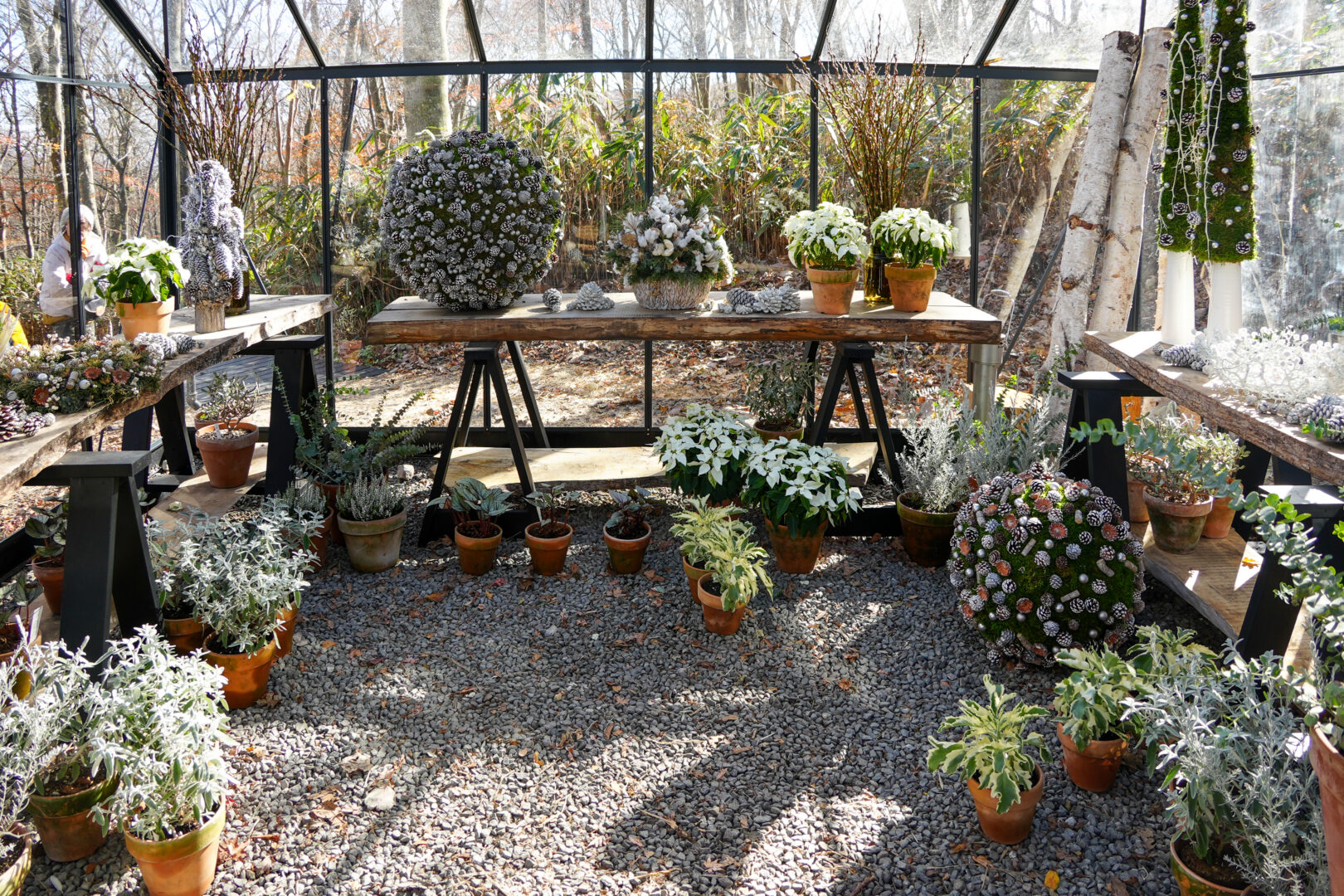
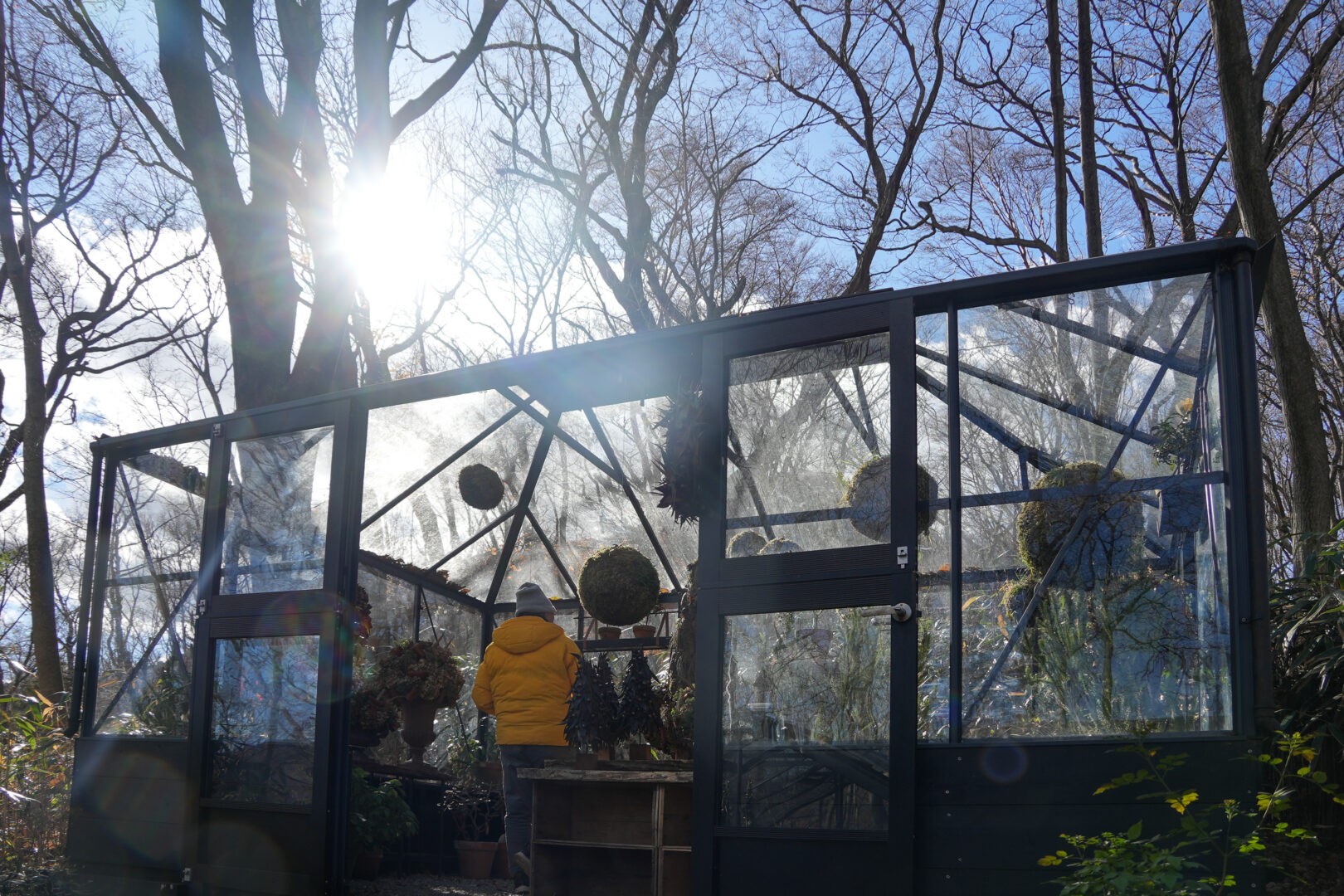
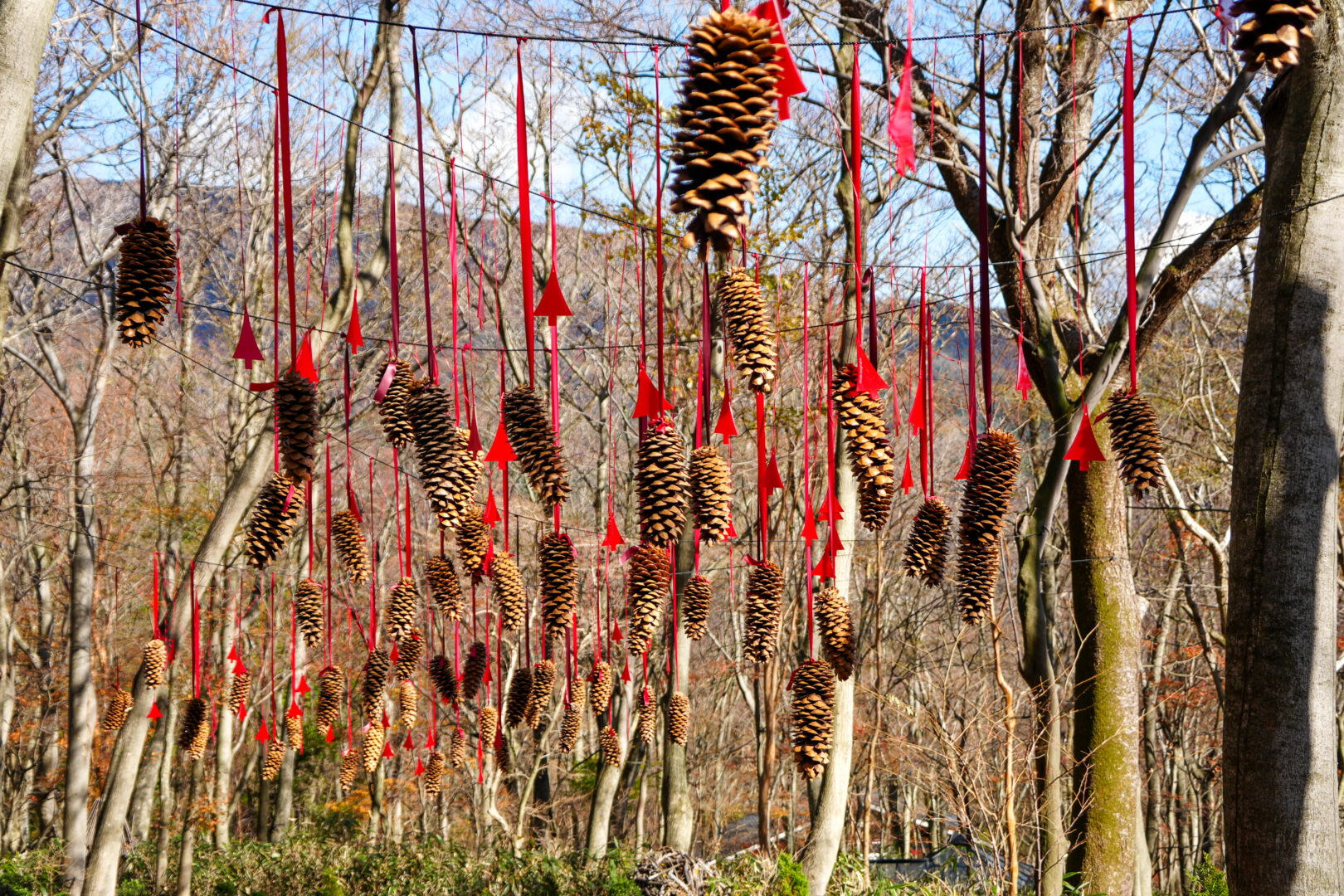
This garden is designed to shift its beauty with the seasons. In spring, vibrant flowers like tulips are in full bloom, while by mid-July, the grounds are adorned with over 3,000 pots of various hydrangea species. During the autumn, you'll find large pumpkins lining the paths for a Halloween theme, and as the year comes to a close, the garden is transformed with elegant Nordic-style Christmas decorations.
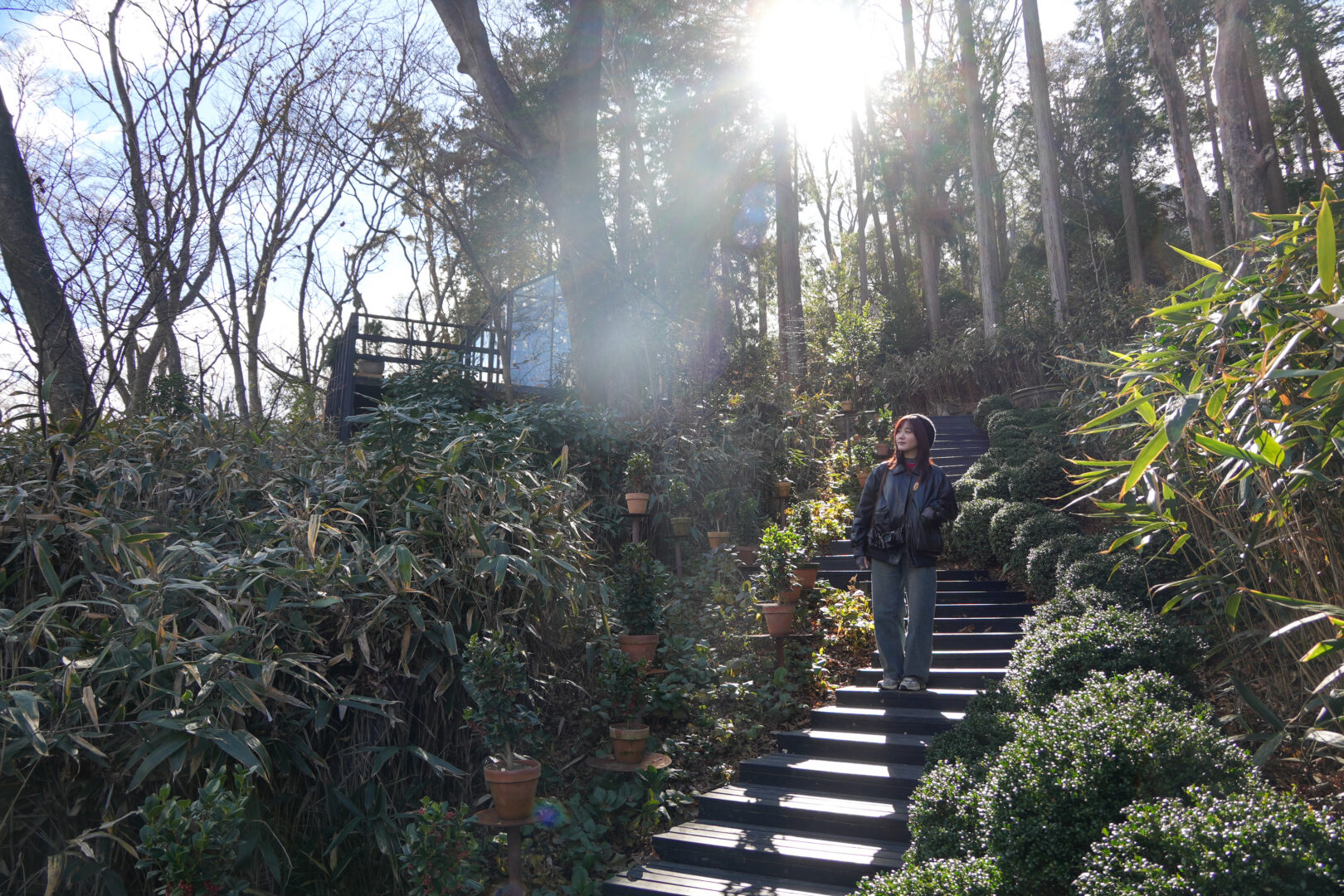
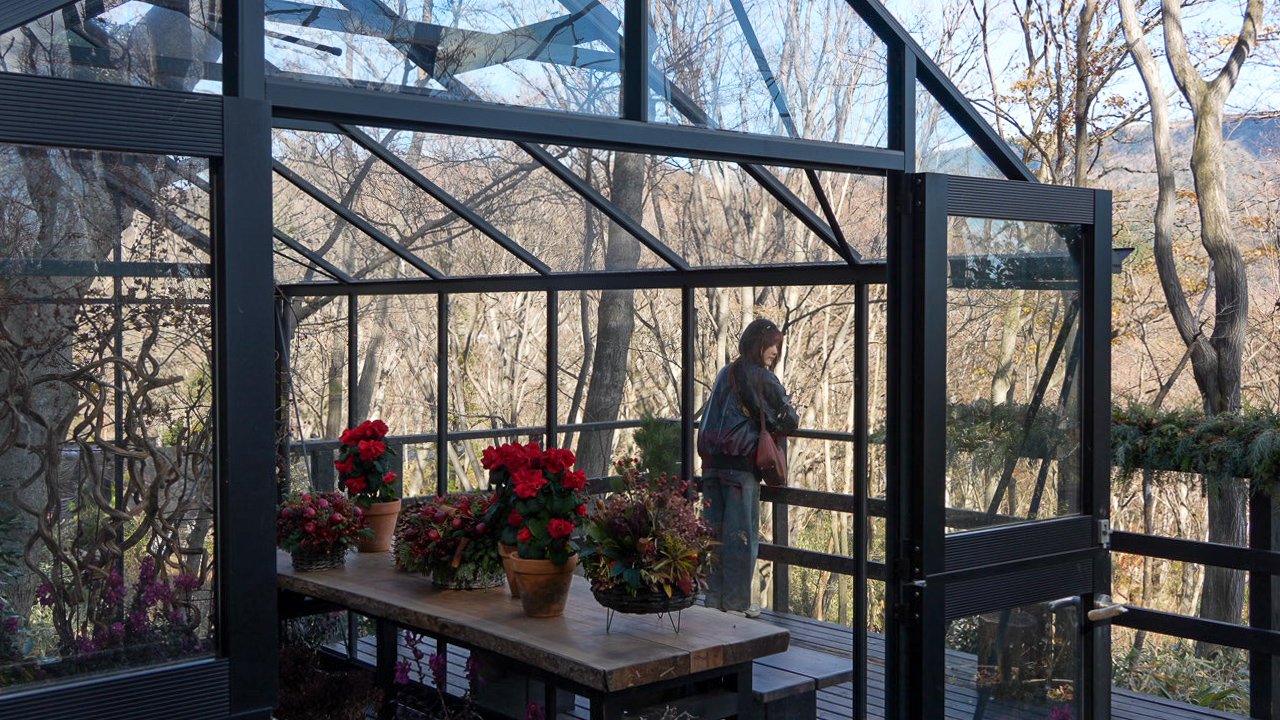
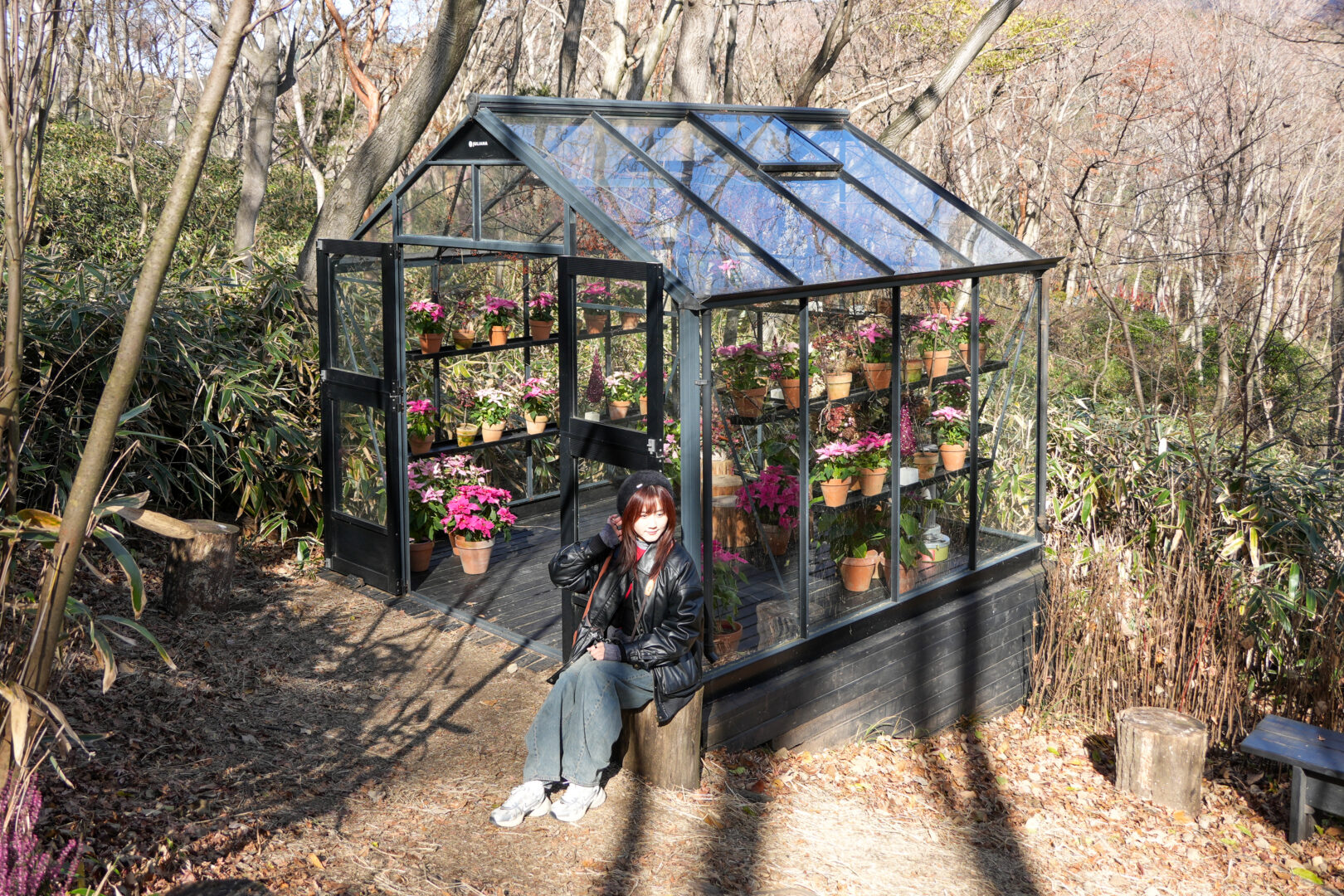
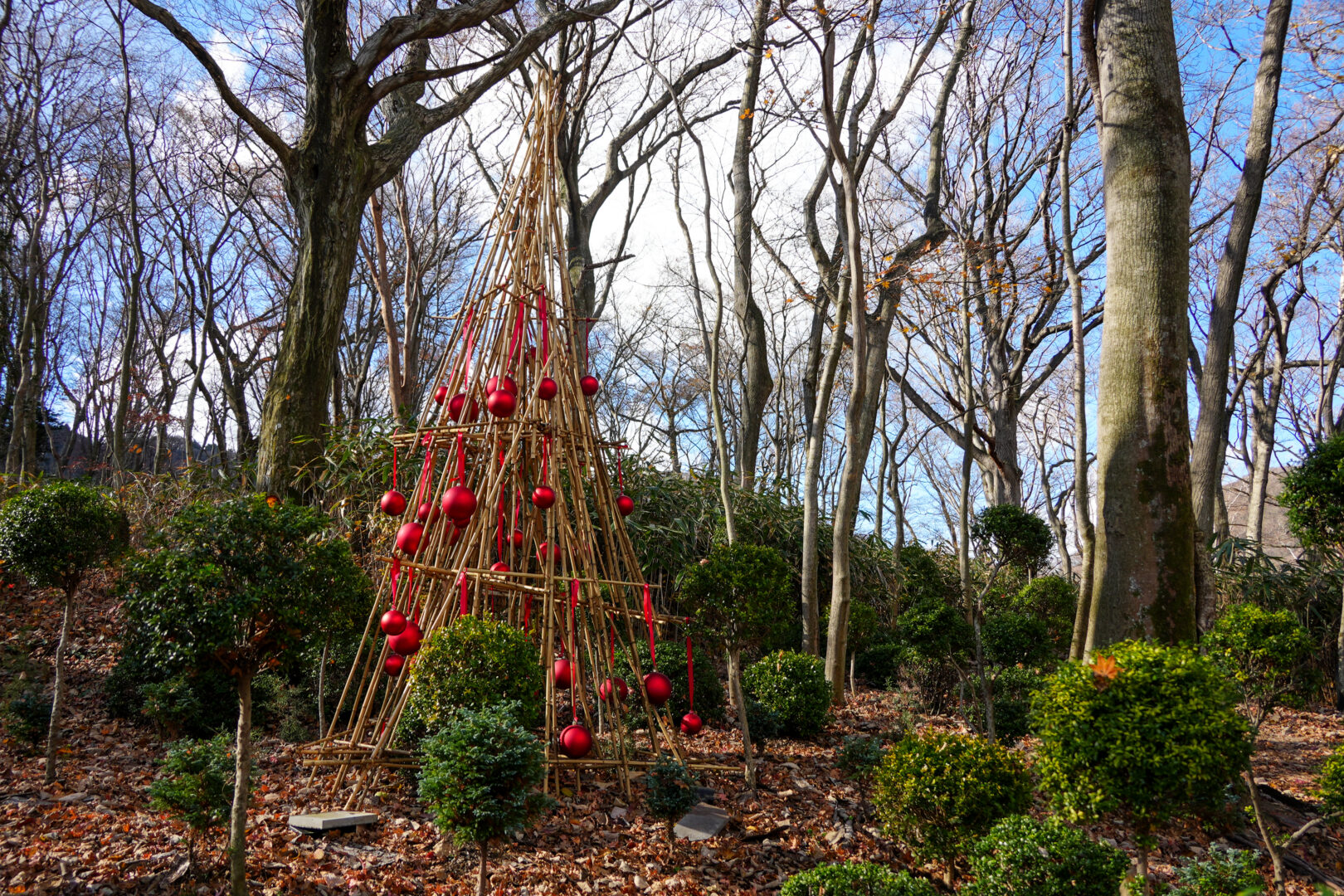
You can purchase food and drinks from the café, and the shop will provide a picnic basket so you can enjoy your meal at various scenic spots throughout the garden.
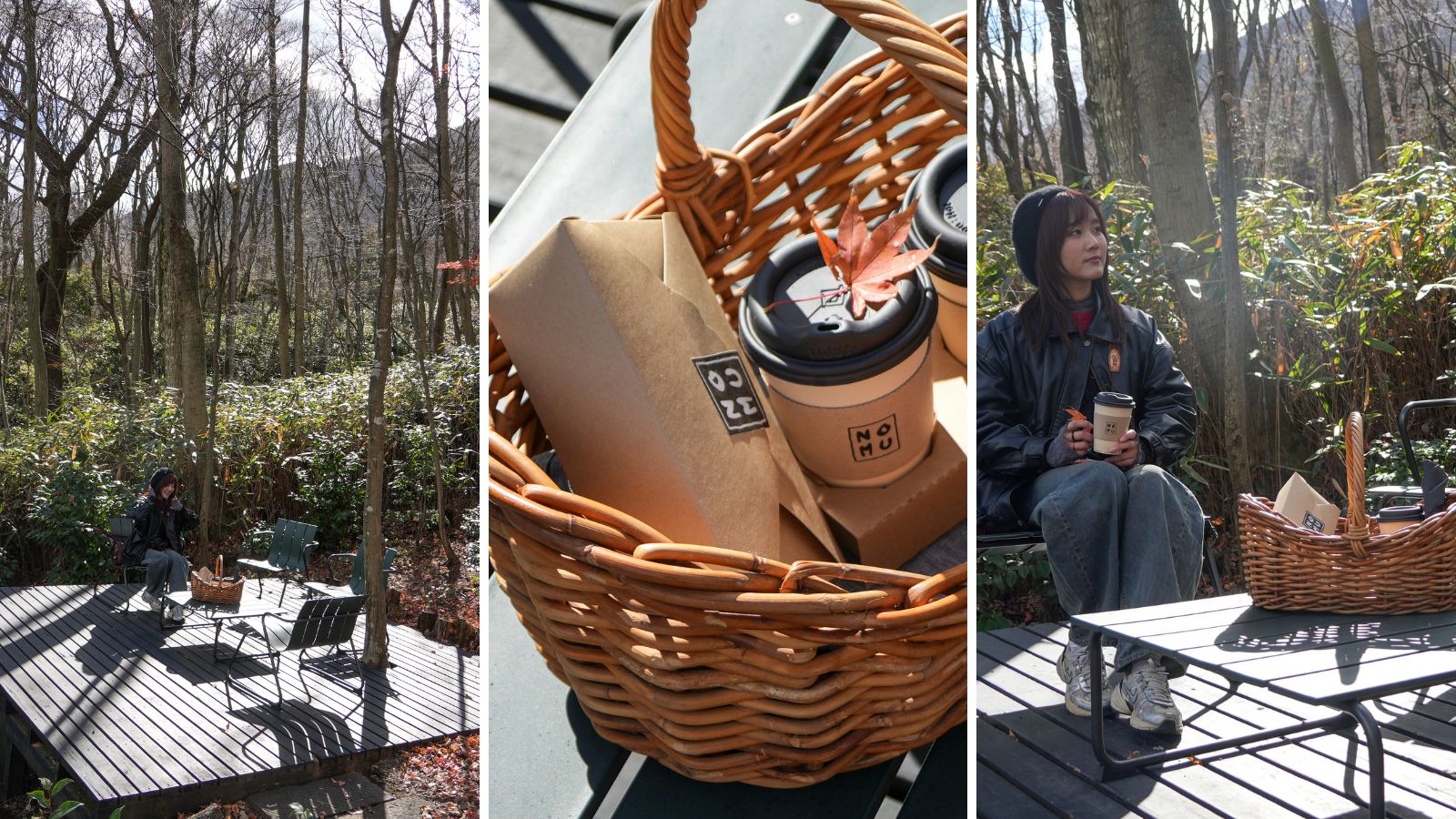
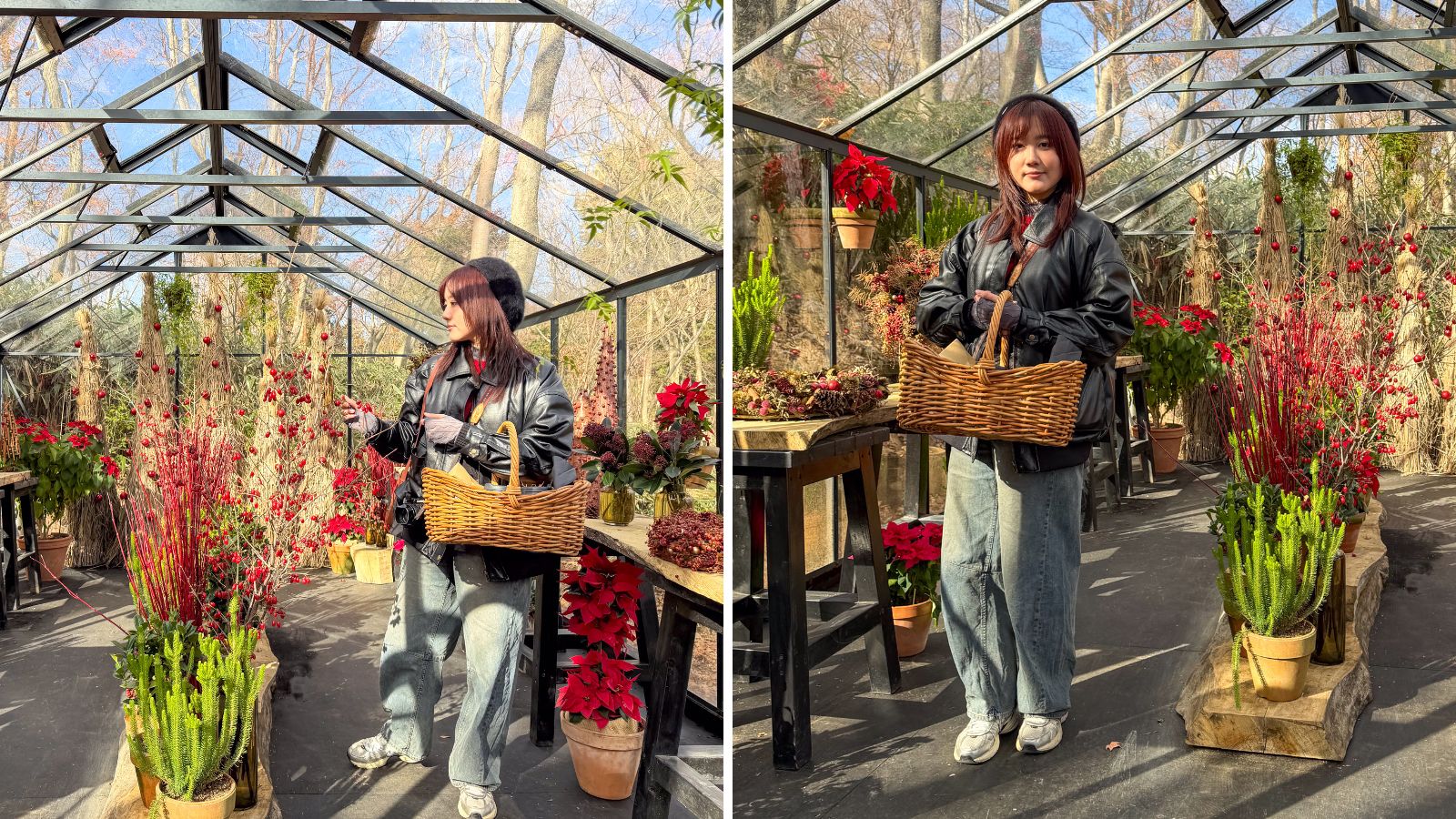
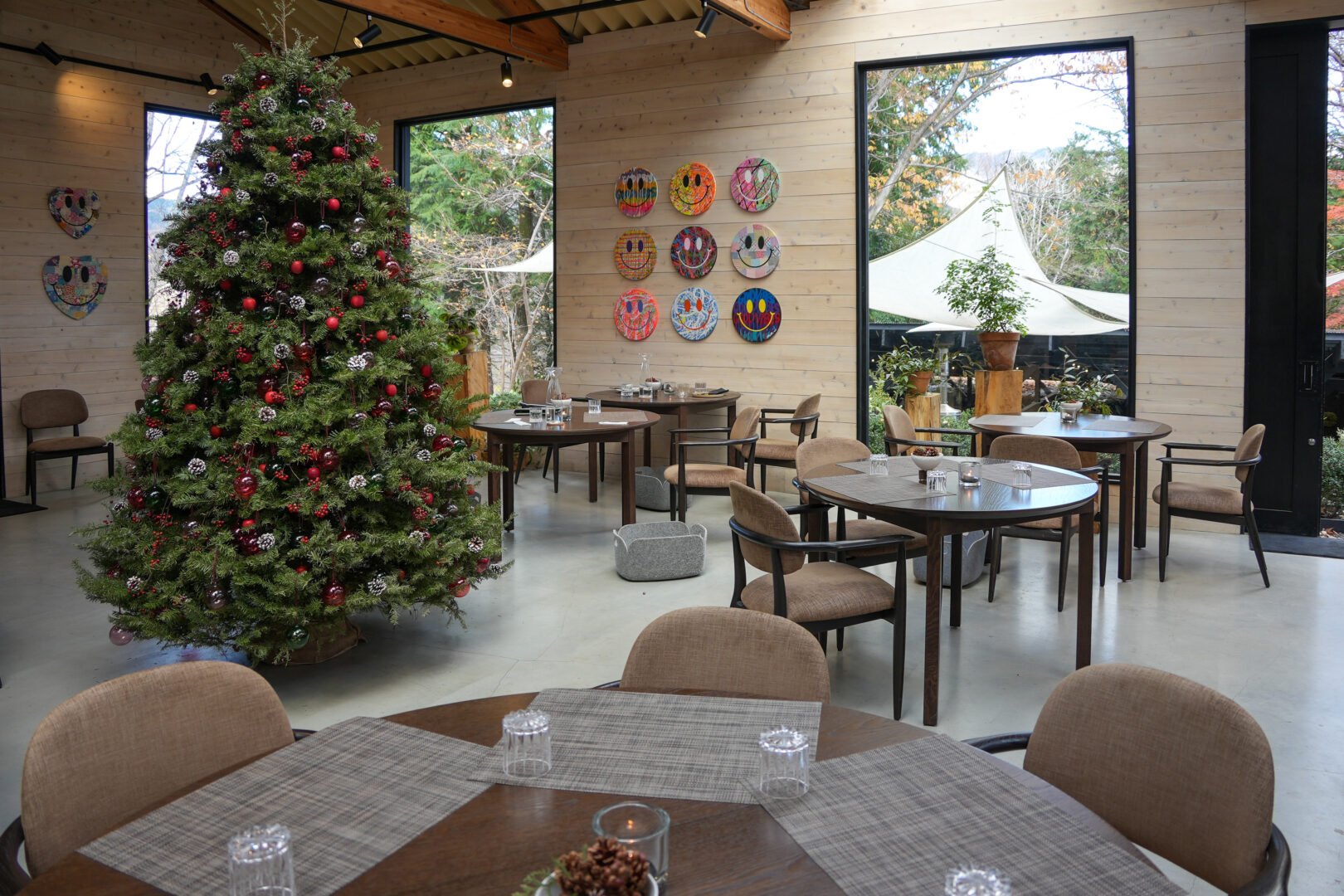
NOMU Hakone
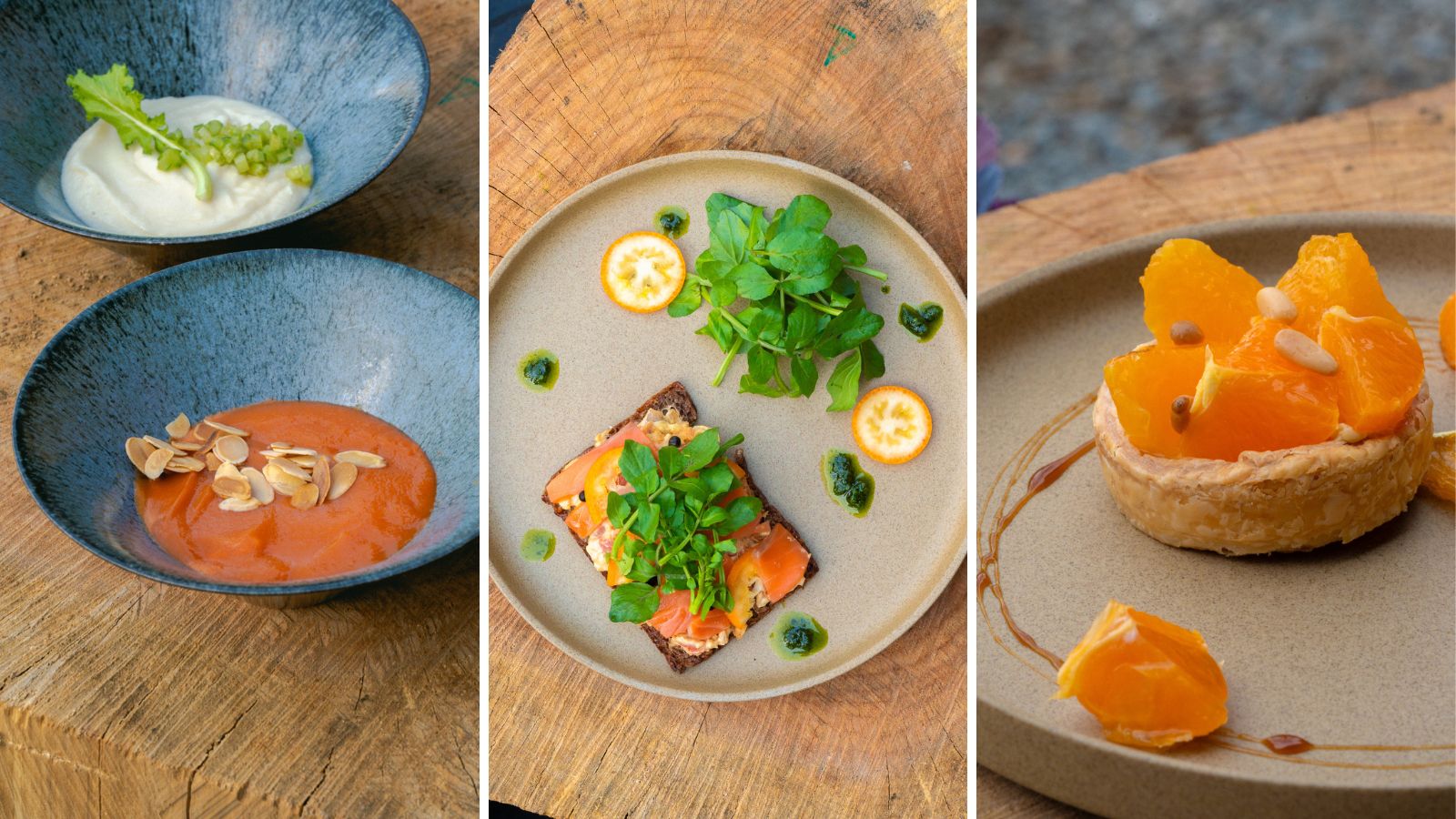
NOMU Hakone is a café serving Nordic-style cuisine prepared with local ingredients from the Hakone area. Here, you can find “Smørrebrød,” a traditional Danish open-faced sandwich, along with various desserts. The interior is bright and filled with natural sunlight, making it a perfect spot to relax and enjoy the peaceful atmosphere.
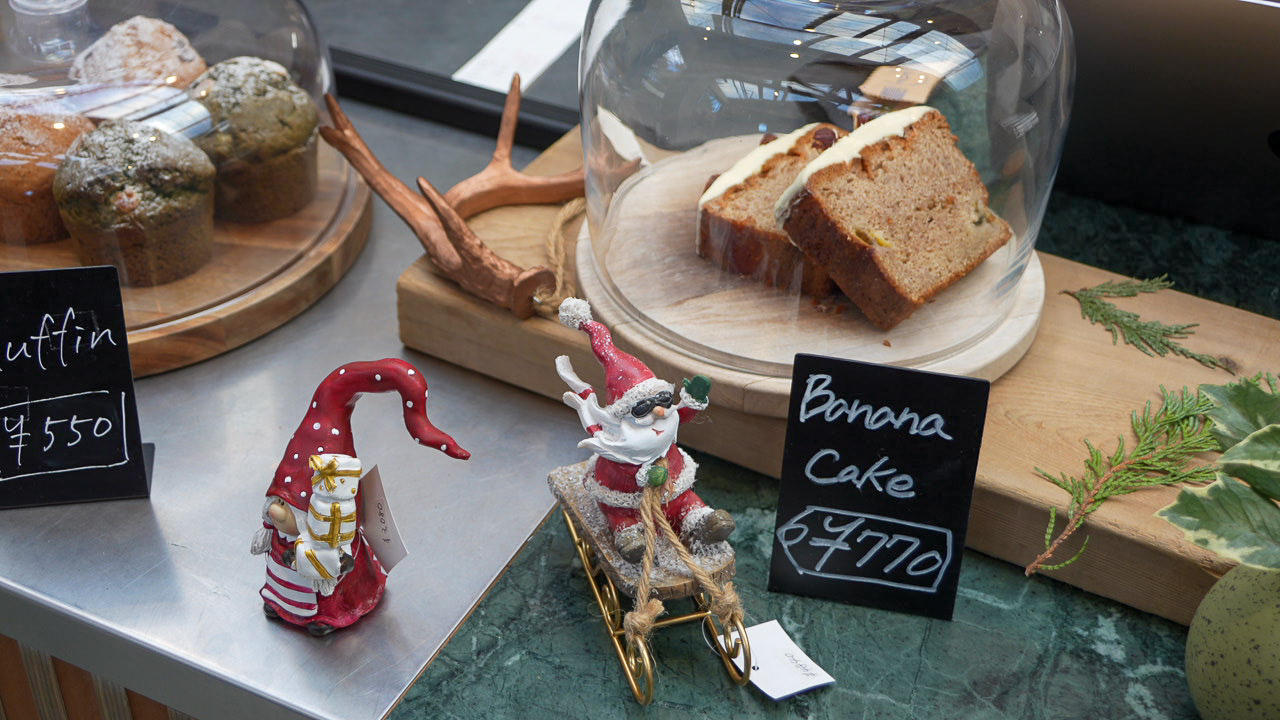
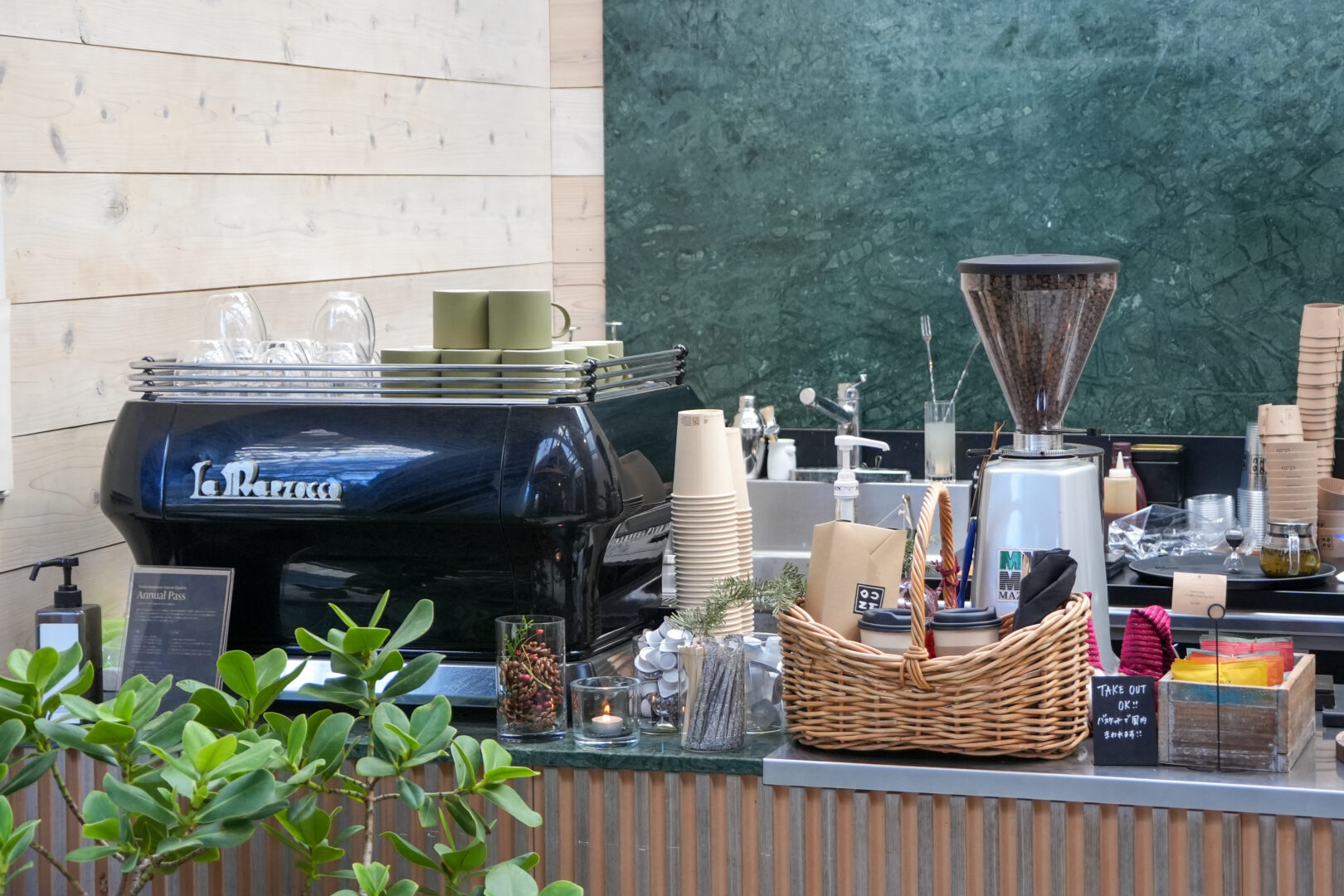
Danish-style food and sweets.
12:17 PM KANKO SHISETSU MEGURI Bus S Line: Nicolai Bergmann Hakone Gardens → Gora Station
We took the bus back to Gora Station.
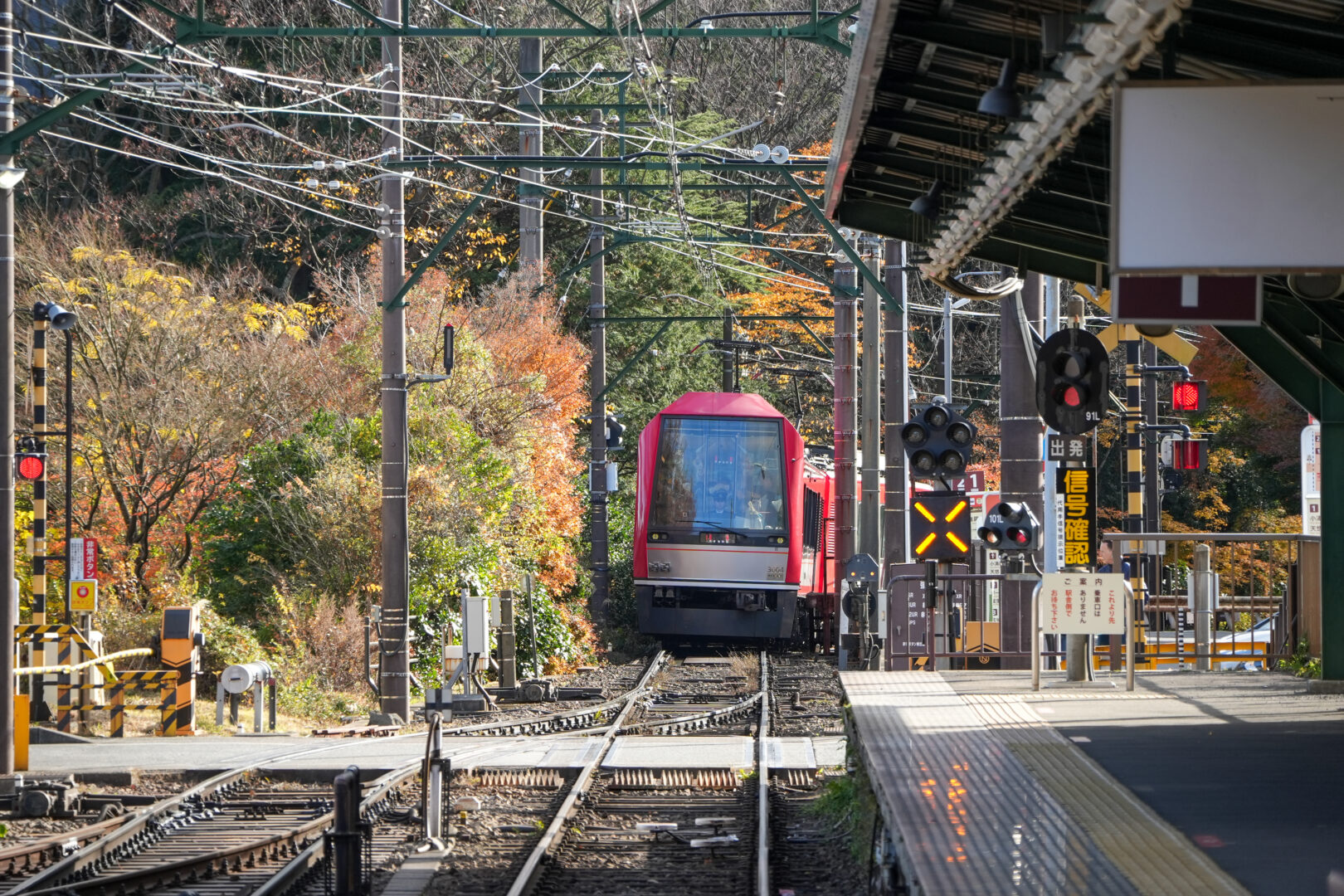
12:38 PM Hakone Tozan Train: Gora Station → Miyanoshita Station
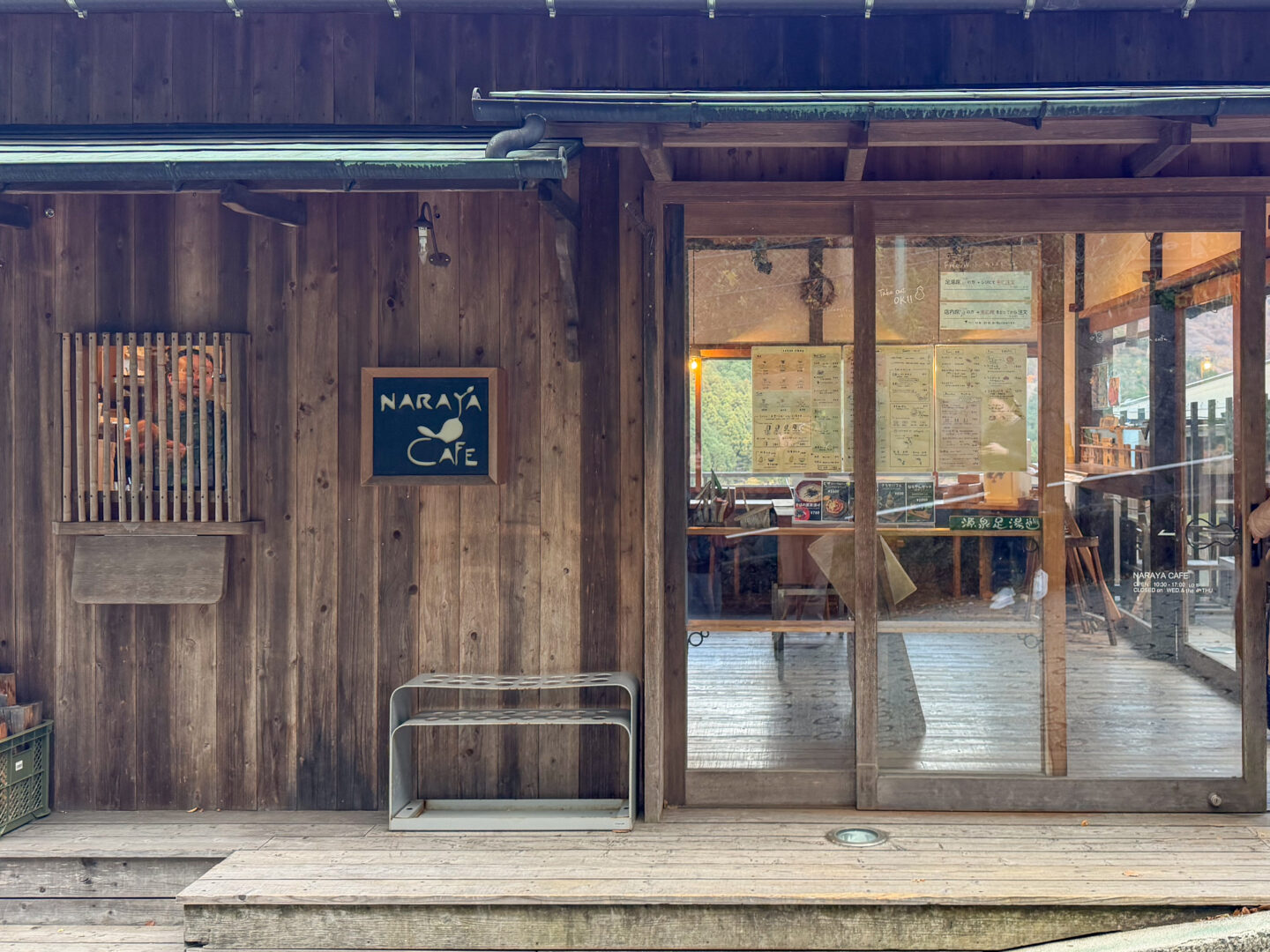
NARAYA CAFE
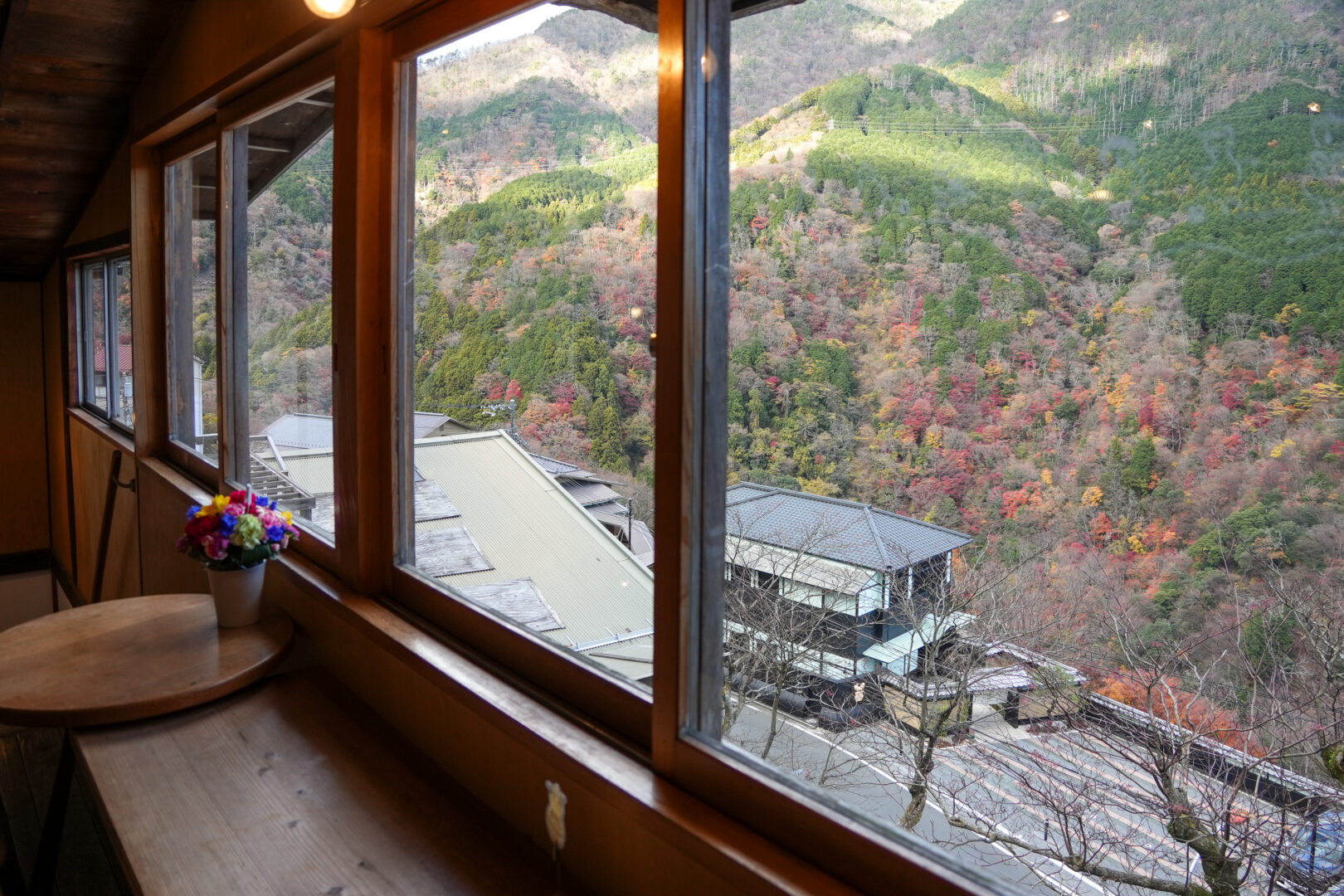
One of Hakone’s most unique and charming cafes, NARAYA CAFE offers stunning mountain views and is located right next to Miyanoshita Station. The cafe was converted from a portion of the Naraya Ryokan, a historic inn with a legacy spanning over 300 years. The design beautifully blends original woodwork with a cozy, modern style, transforming the space into a cafe, gallery, and handmade craft shop.
The standout feature is the outdoor footbath, where you can soak your feet in natural onsen water while enjoying your snacks and drinks.
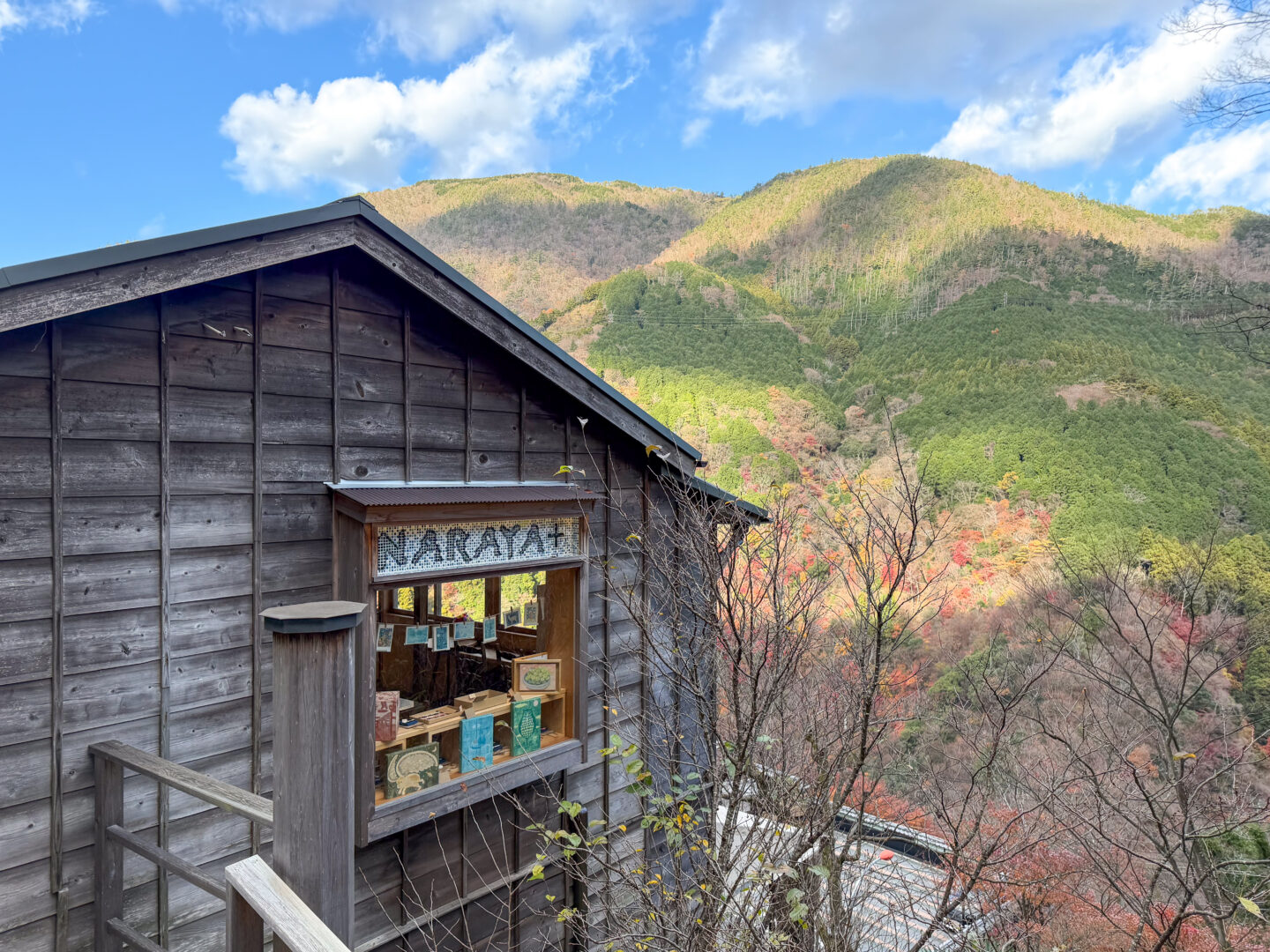
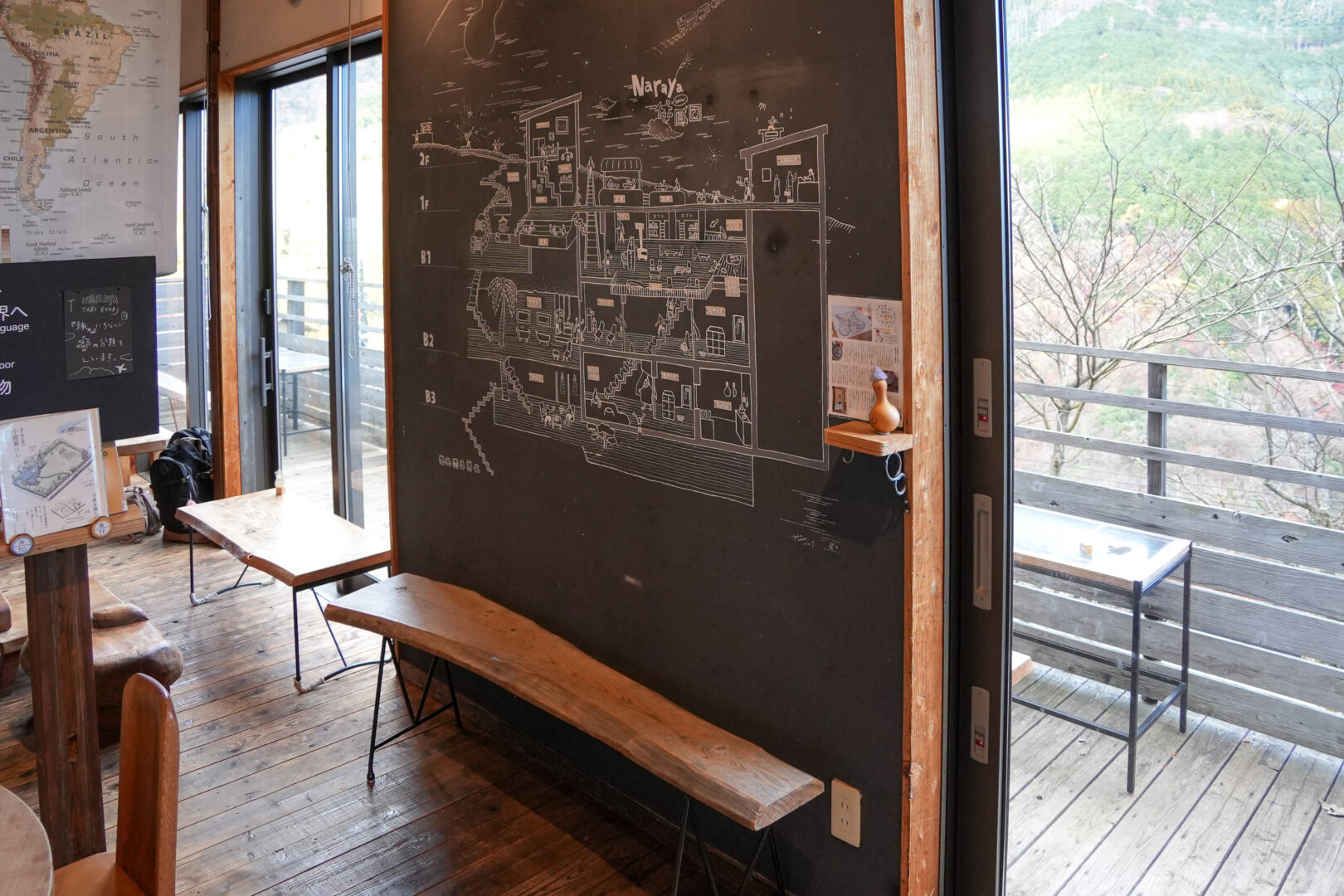
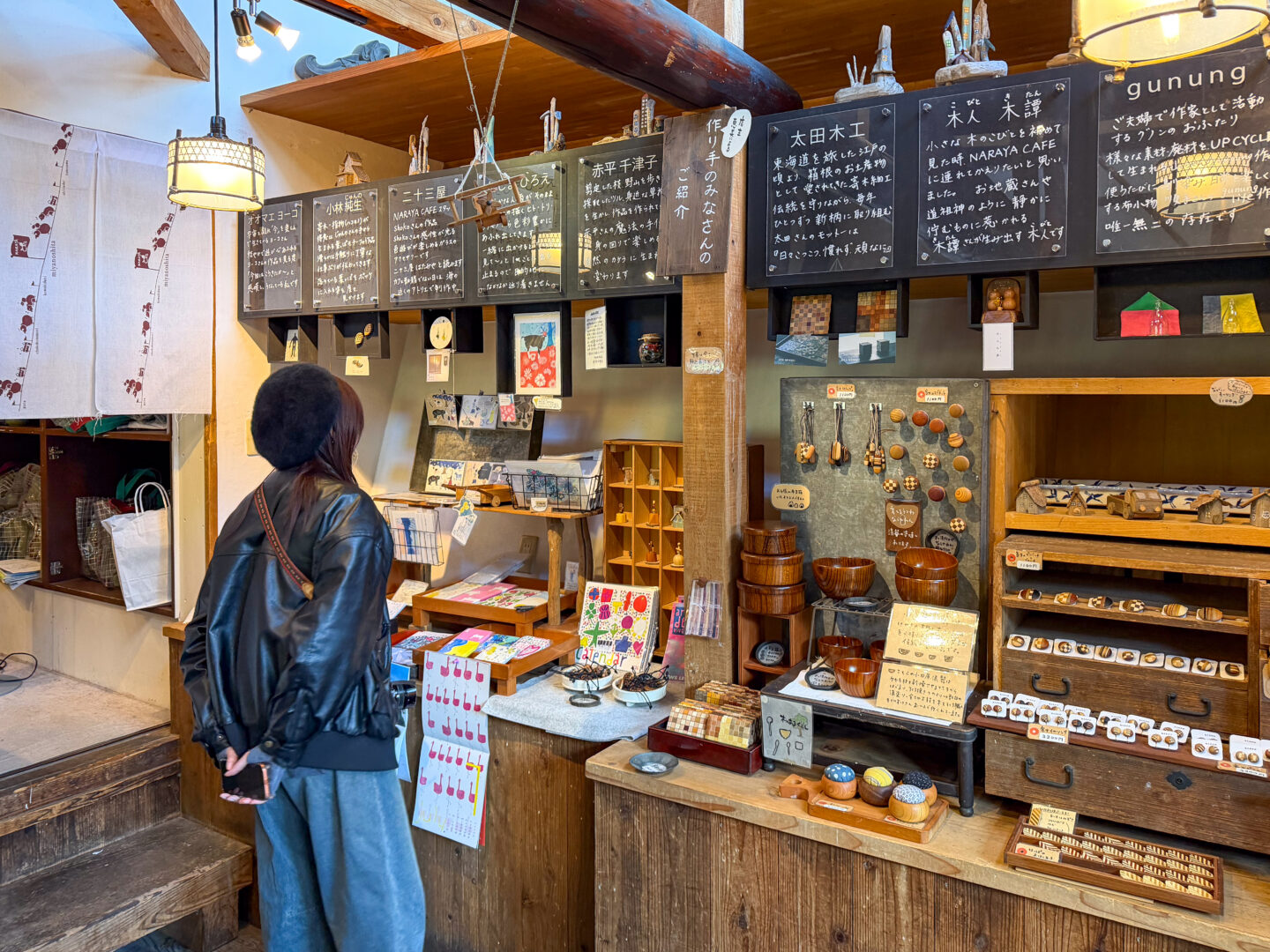
The souvenir zone features a carefully curated selection of artisanal crafts and charming lifestyle items.
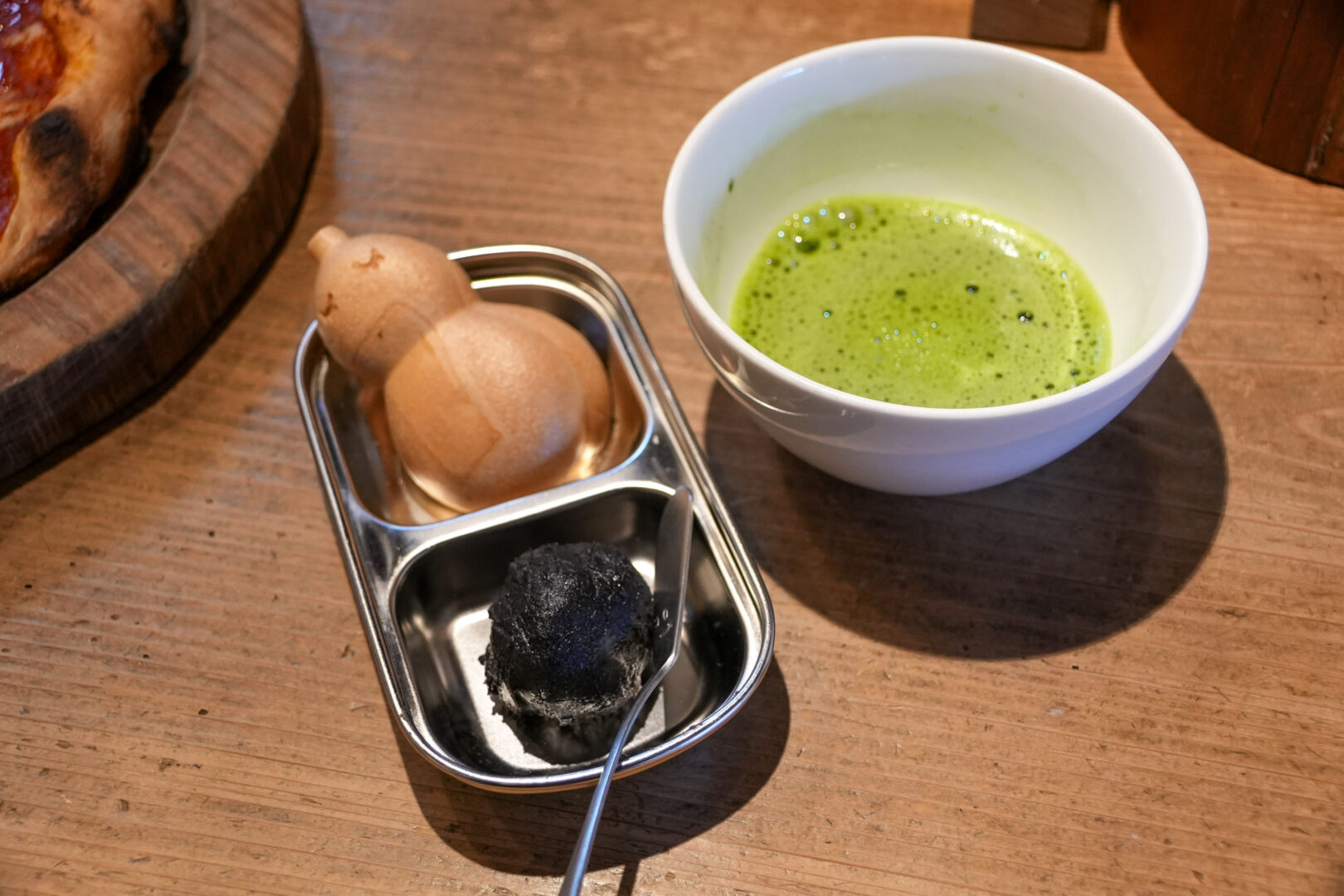
The must-order menu item is “Narayan,” a Monaka dessert. A crispy wafer filled with bean paste. It is uniquely shaped like a gourd, which was the crest of the original owning family. The fun part is that you can customize your own filling, choosing from options like red bean, black sesame, green pea, or seasonal flavors, and then fill the wafer yourself. It can also be ordered as a set with a drink.
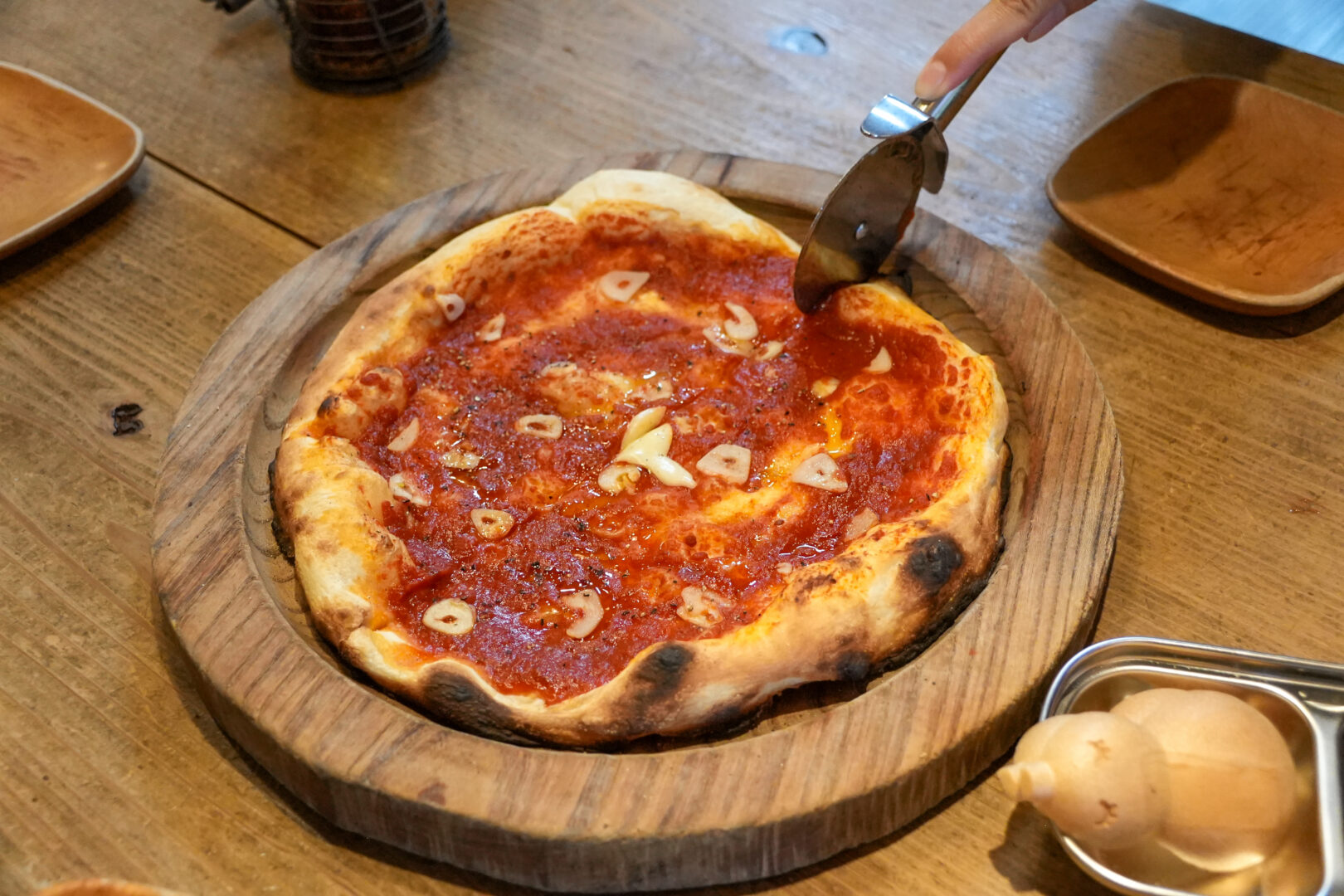
They also serve pizza here, and it was delicious!
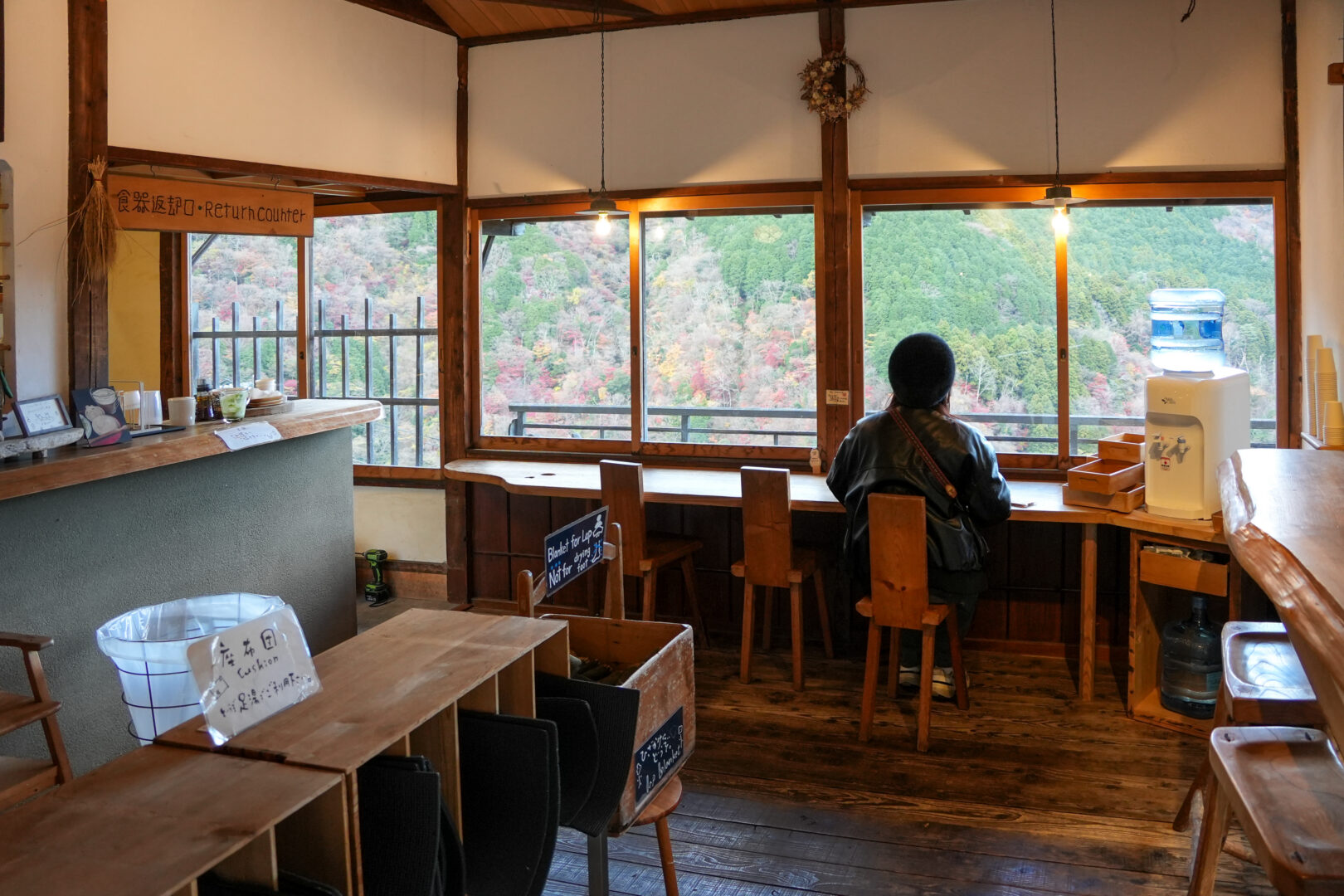
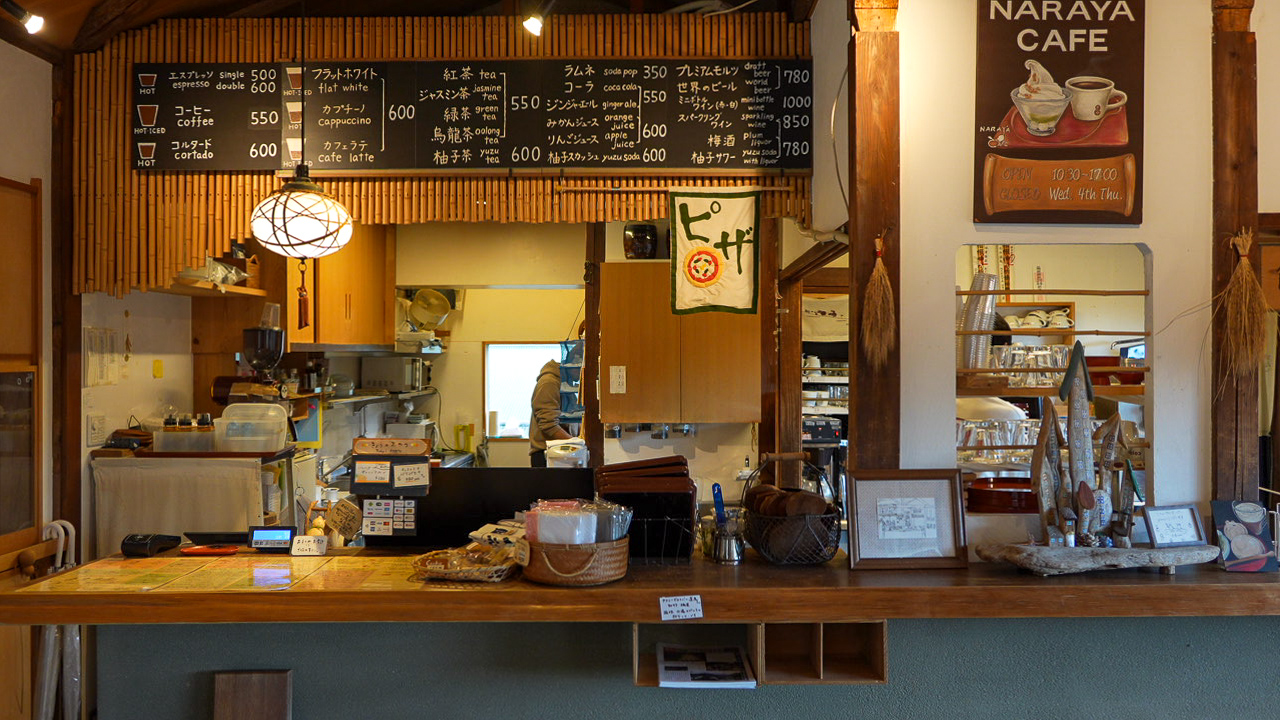
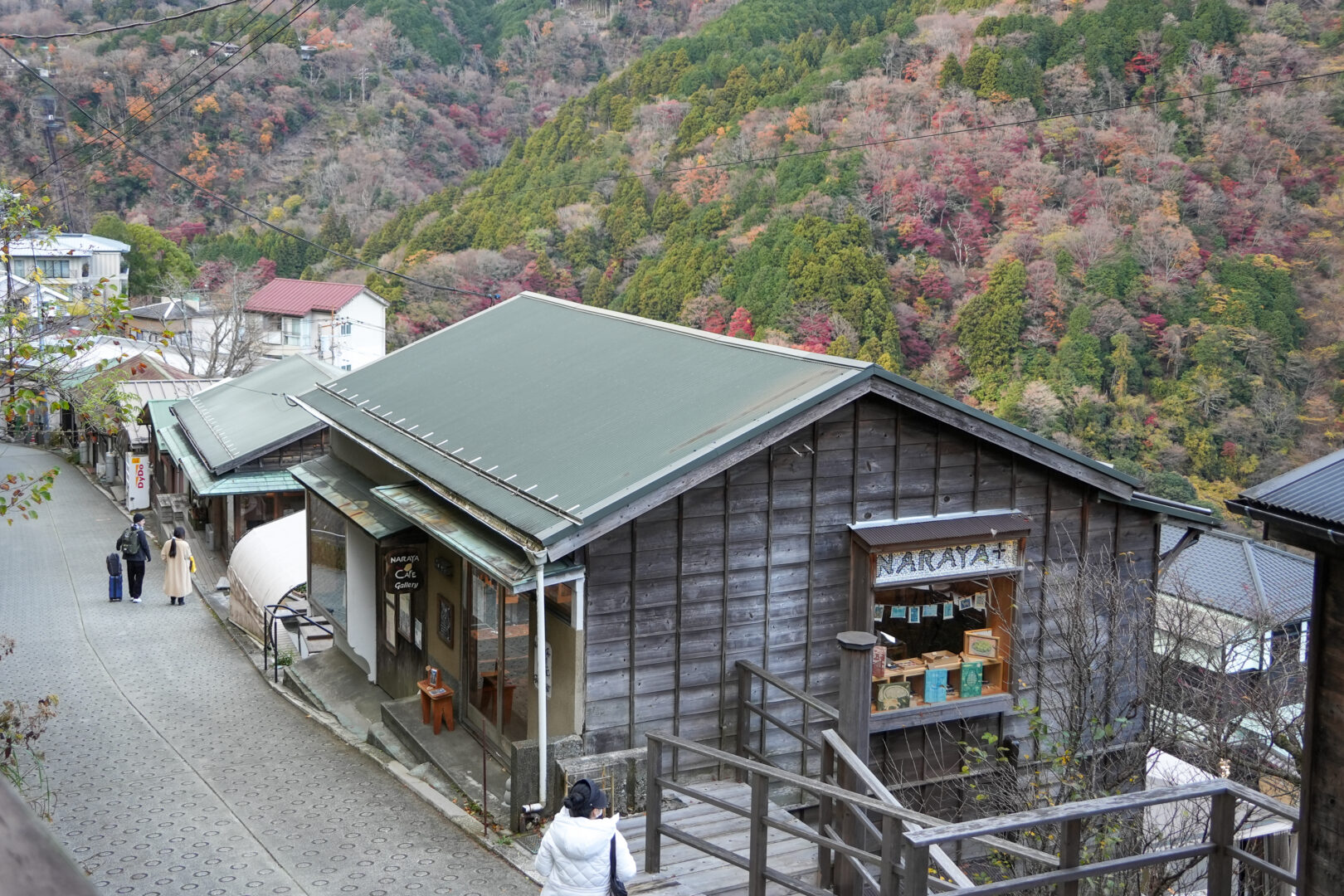
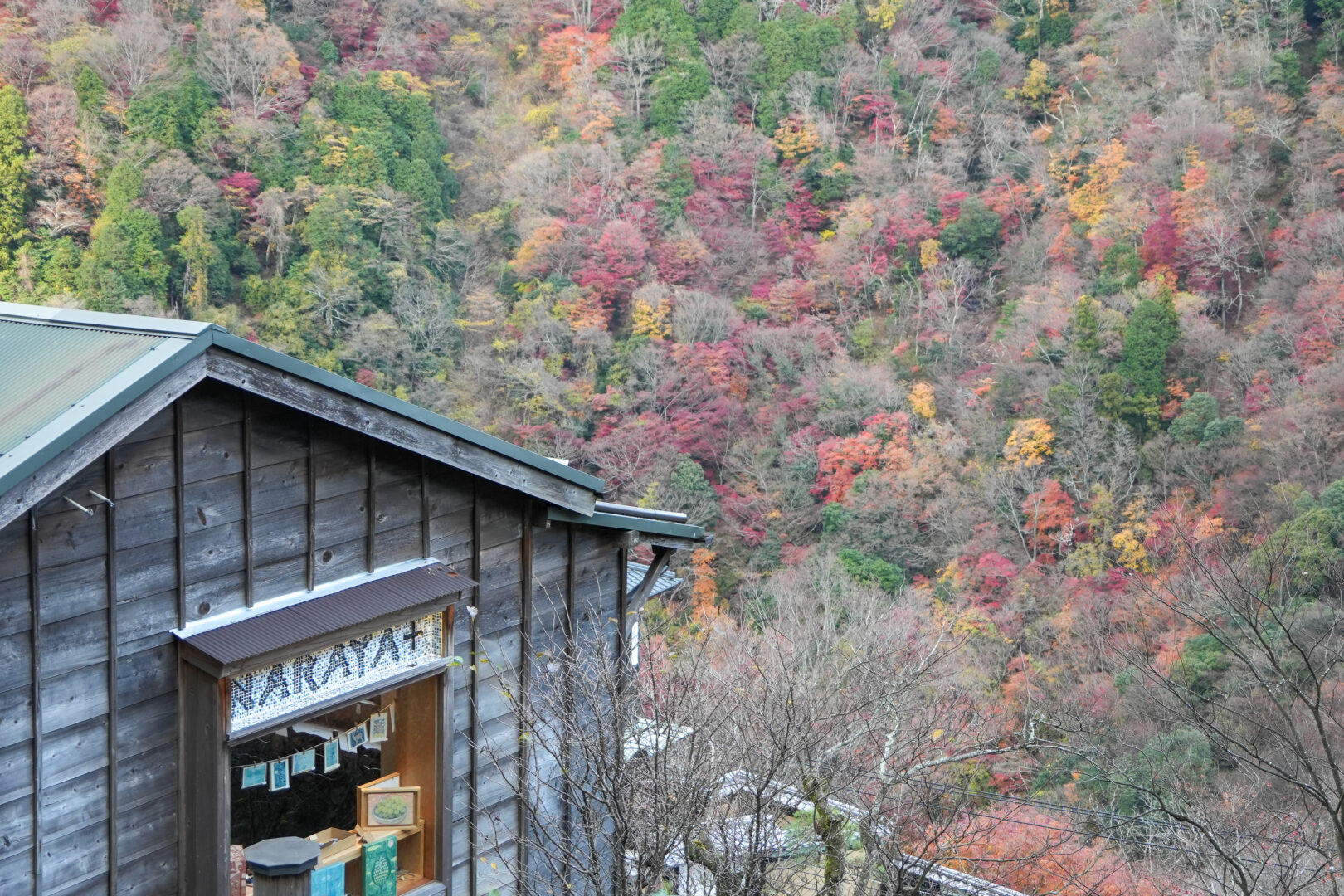
In addition to the café area, there is a small gallery on the upper floor that showcases various works of art.
2:18 PM Hakone Tozan Train: Miyanoshita Station → Tonosawa Station
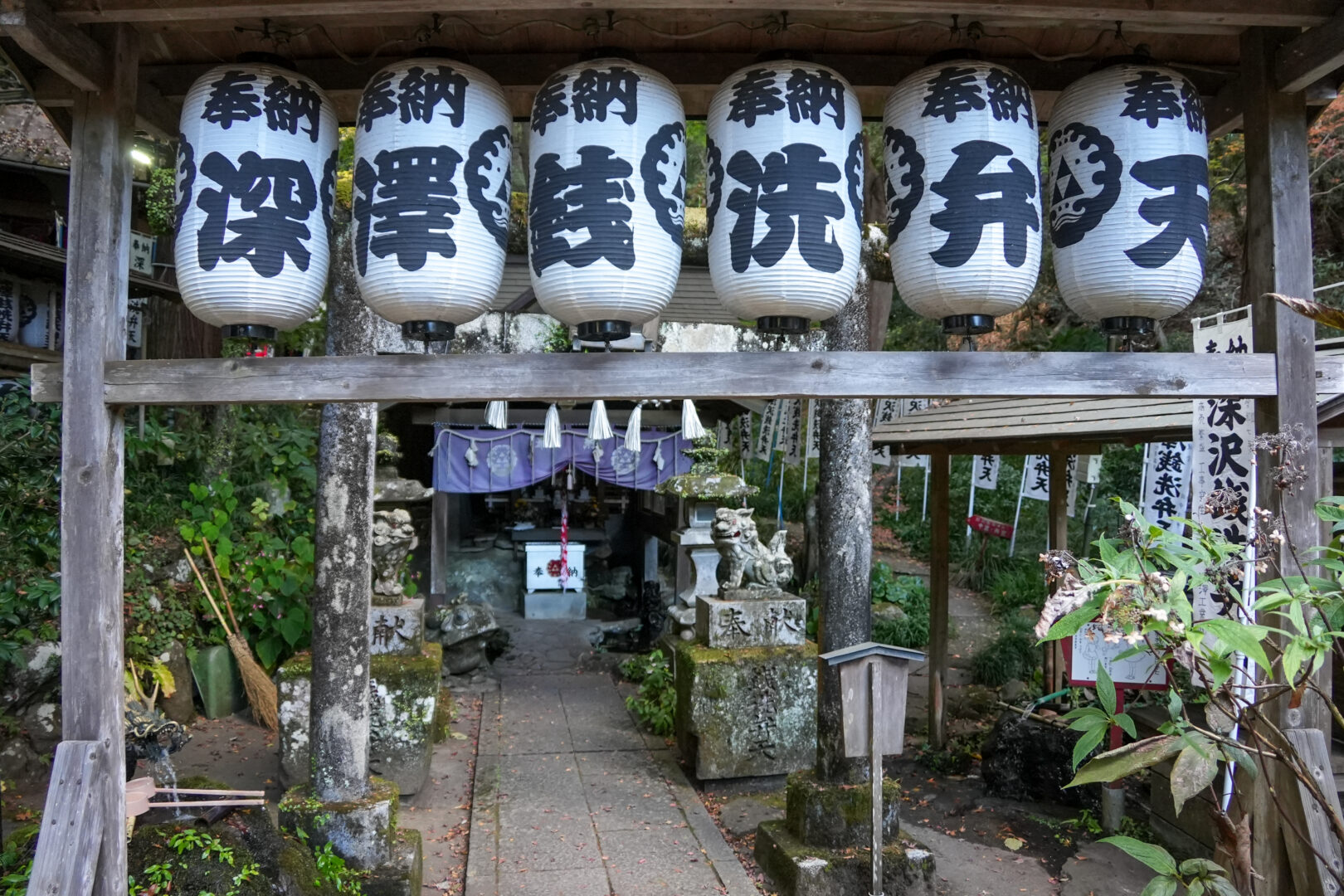
Fukazawa Zeniarai Benzaiten Shrine
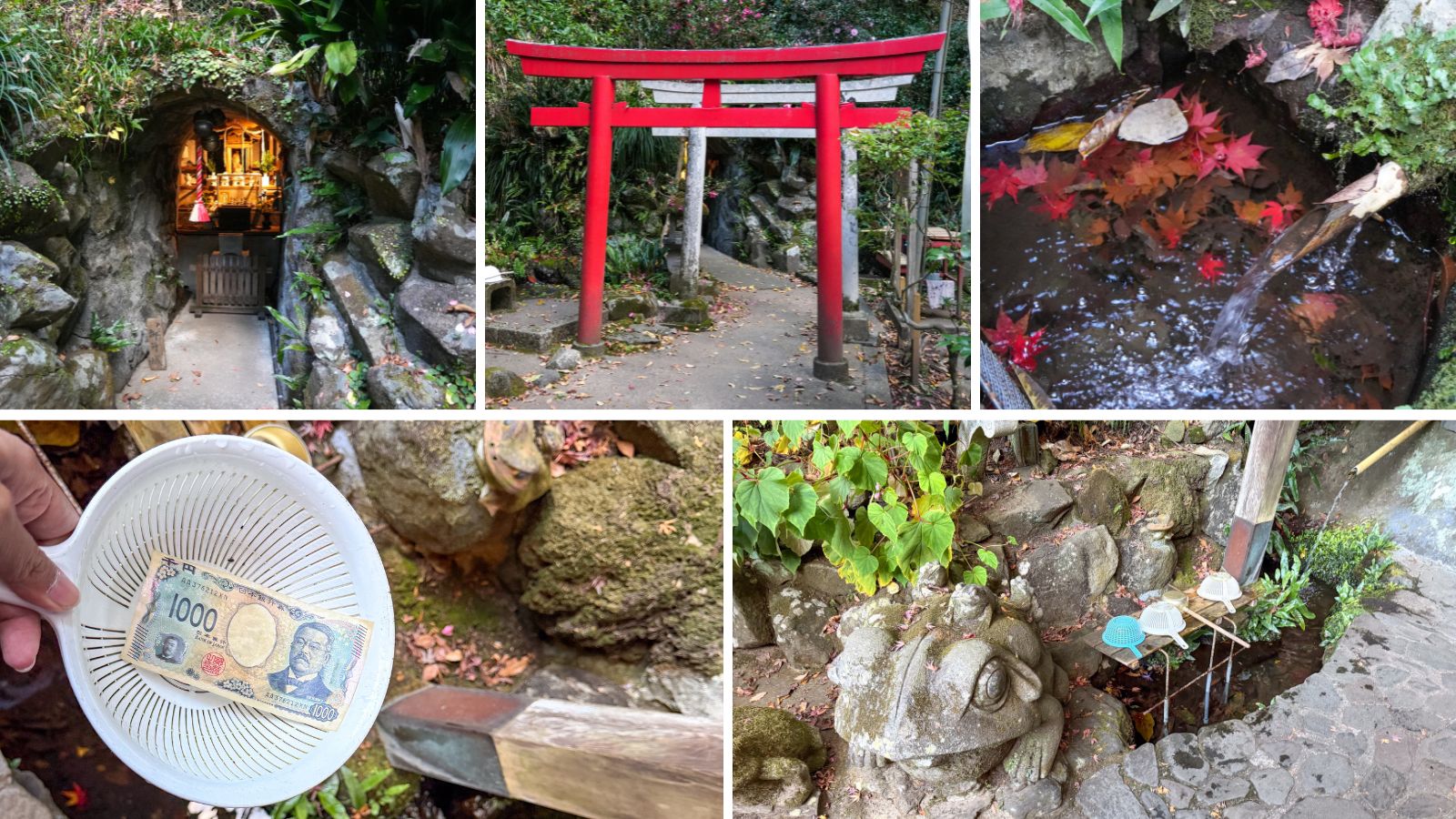
The “Money Washing Shrine” of Hakone is a small, fascinating hidden gem. Tradition holds that if you wash your money in the natural hot spring water flowing within the shrine, your wealth will multiply many times over, bringing financial luck to the owner.
The shrine is uniquely located right next to the platform of Tonosawa Station on the Hakone Tozan Railway. The coolest part is that as soon as you step off the train, you can enter the shrine grounds immediately without even leaving the station. Despite being one of the most accessible shrines, it maintains a quiet, mystical atmosphere, nestled amidst mountains and lush forest.
This shrine was built to worship Benzaiten, the goddess of fortune, arts, and water. It’s no wonder the sacred water here is believed to possess powerful energy for attracting wealth.
Hakone Tozan Train: Tonosawa Station → Hakone-Yumoto Station
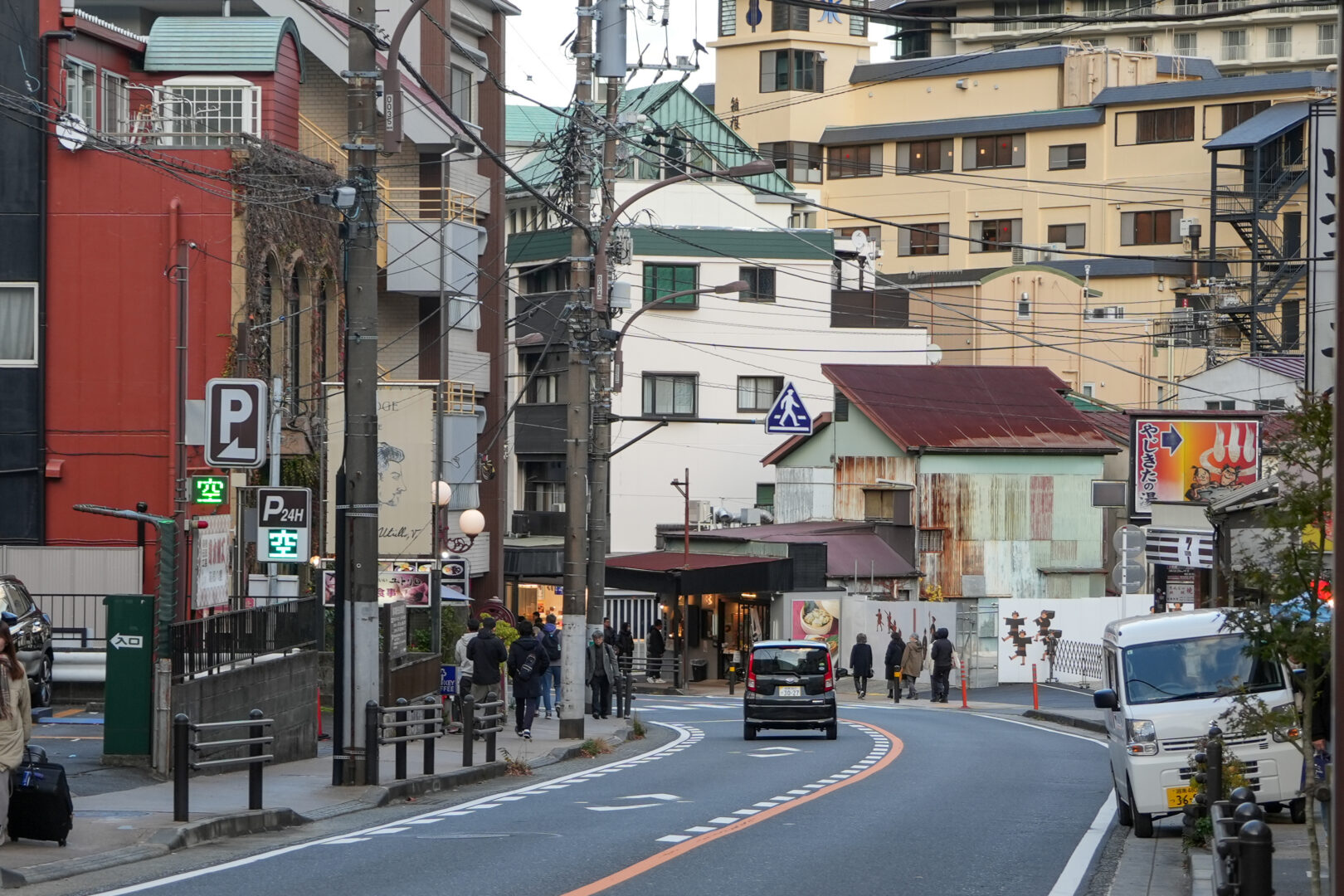
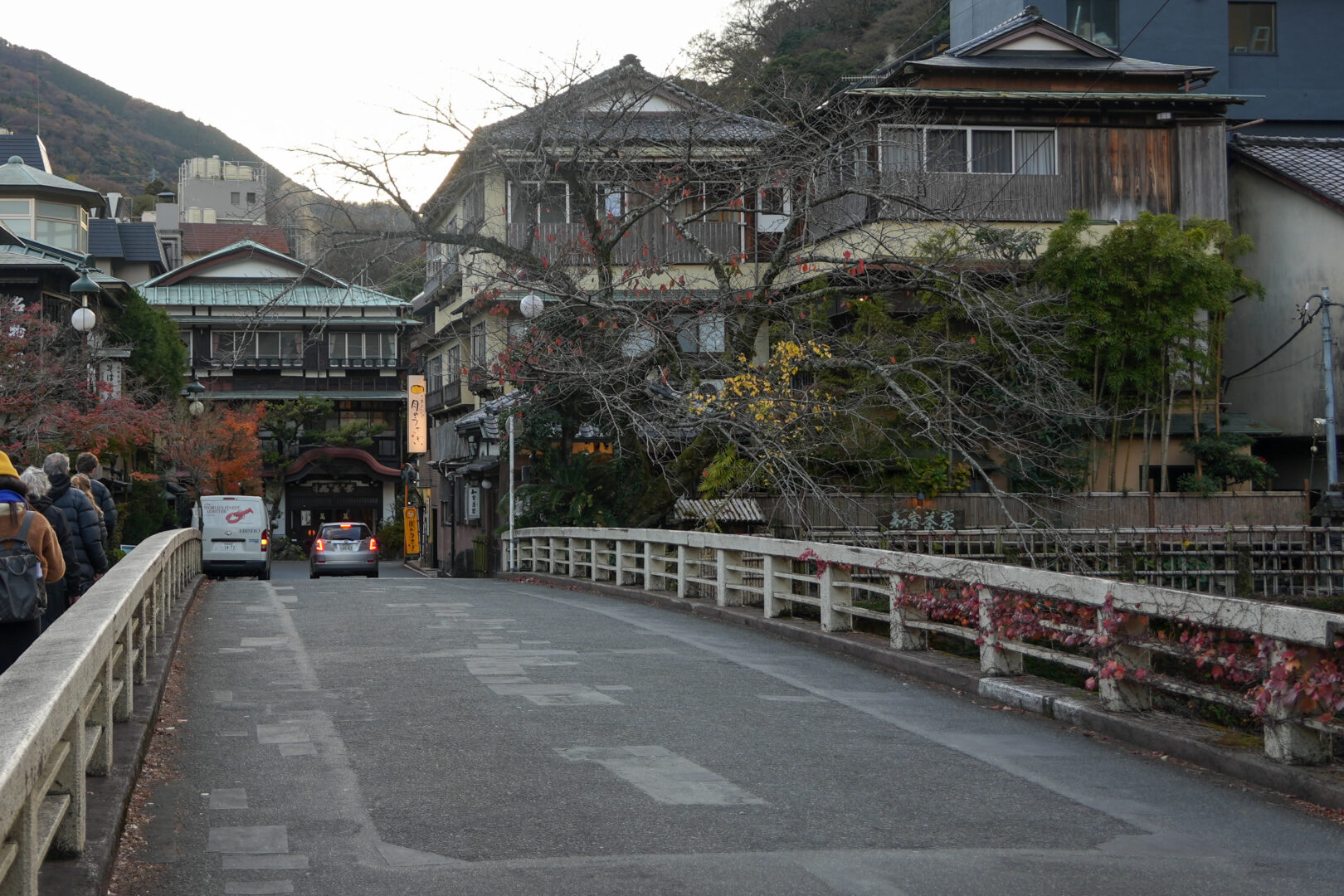
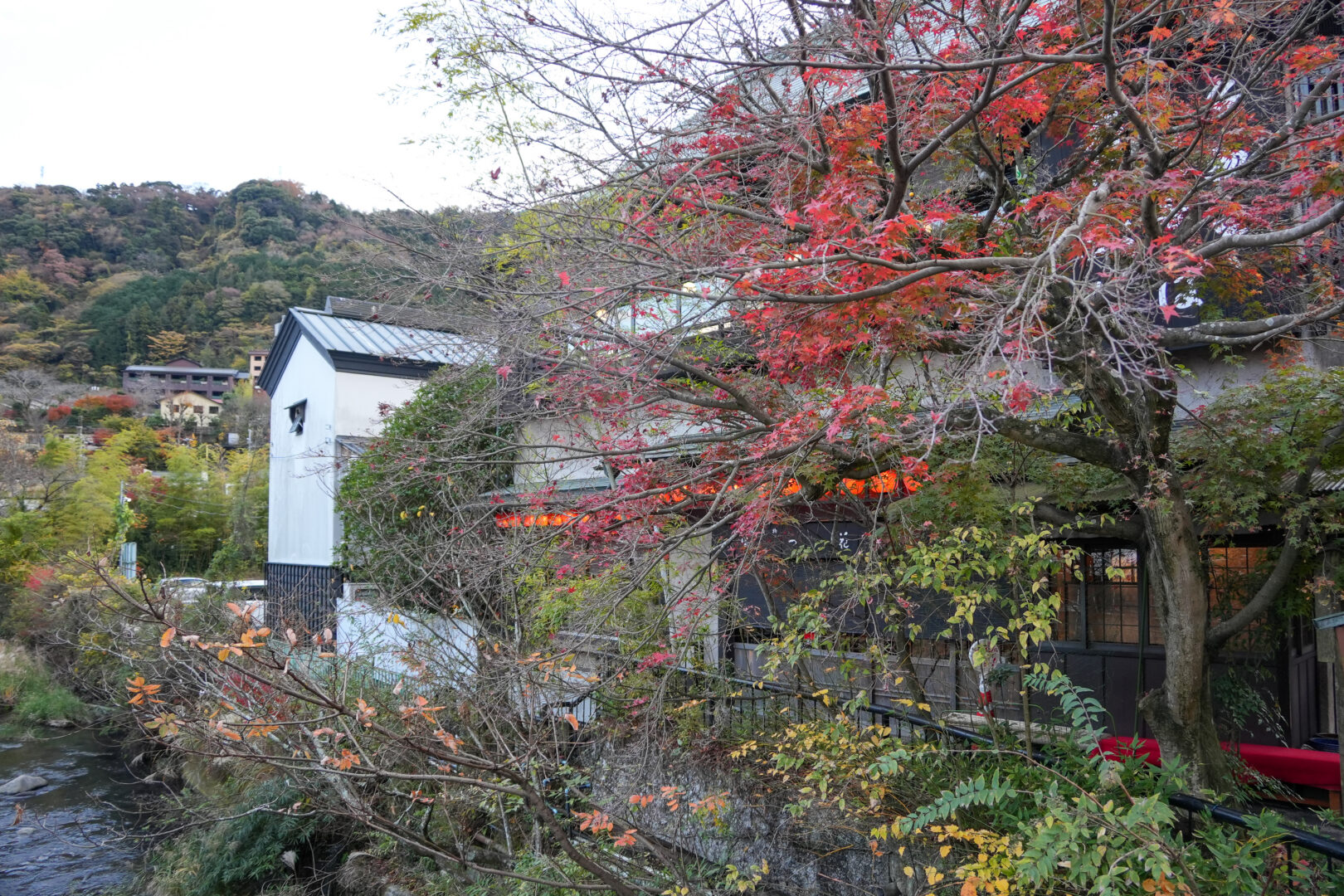
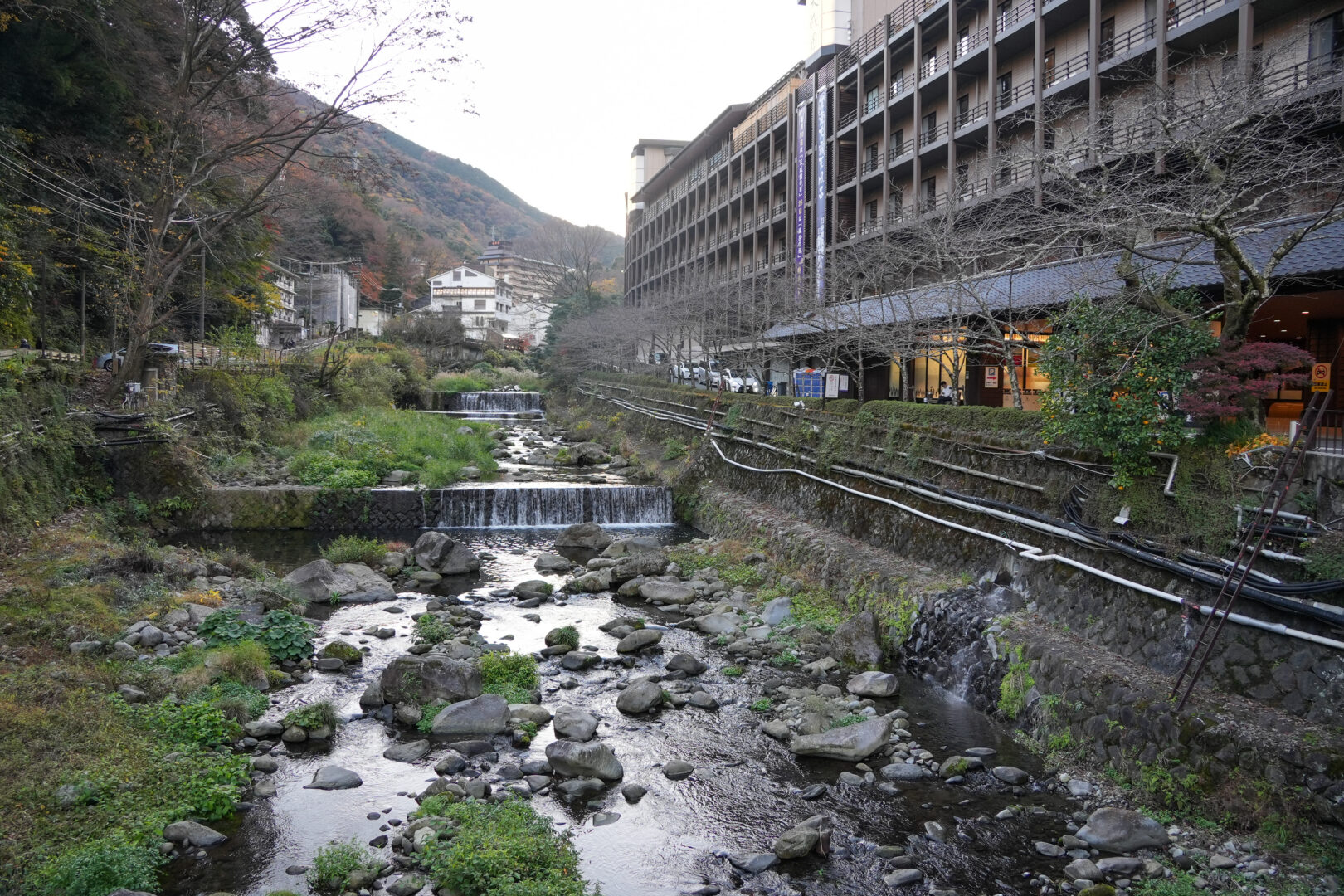
We took the train back to Hakone-Yumoto Station and went for a stroll around the town.
This historic onsen district is bustling with numerous shops and cafes. The Yumoto area is the oldest hot spring source in Hakone, with many ryokans and onsen hotels lining the riverbanks. Many of these establishments offer day-use onsen services, which is perfect for those looking to enjoy a relaxing soak before heading back to Tokyo.
Tamadare Falls
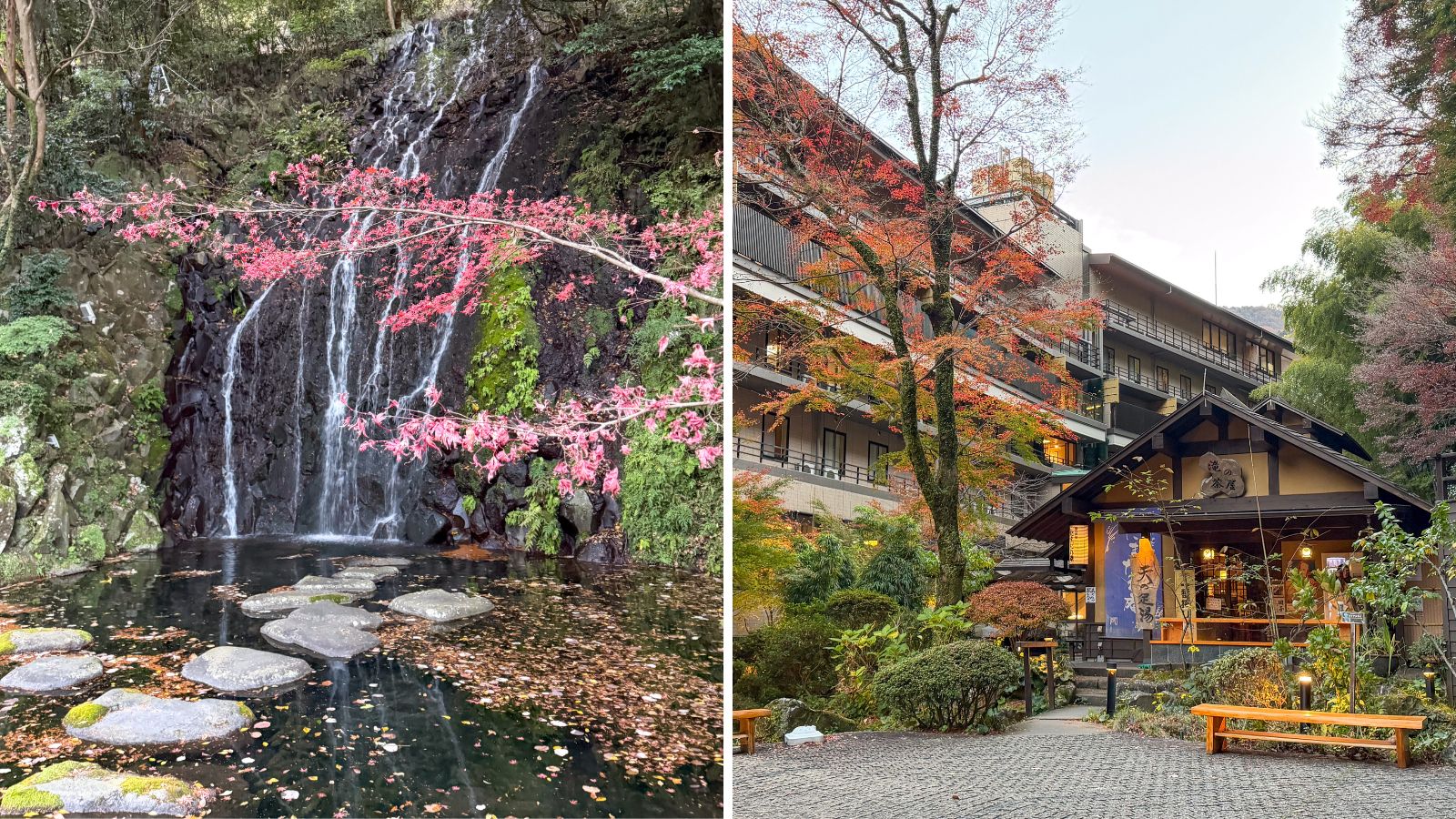
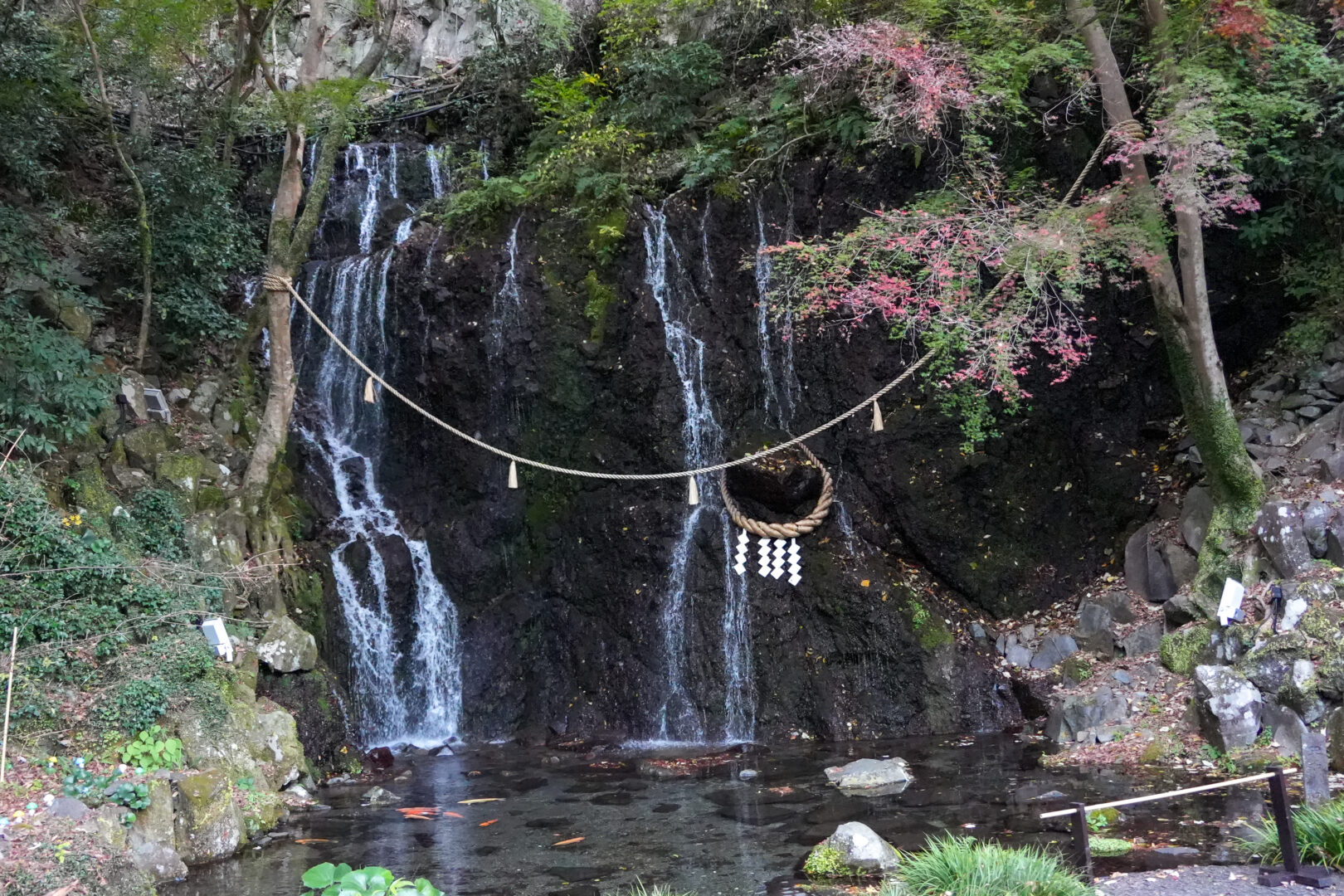
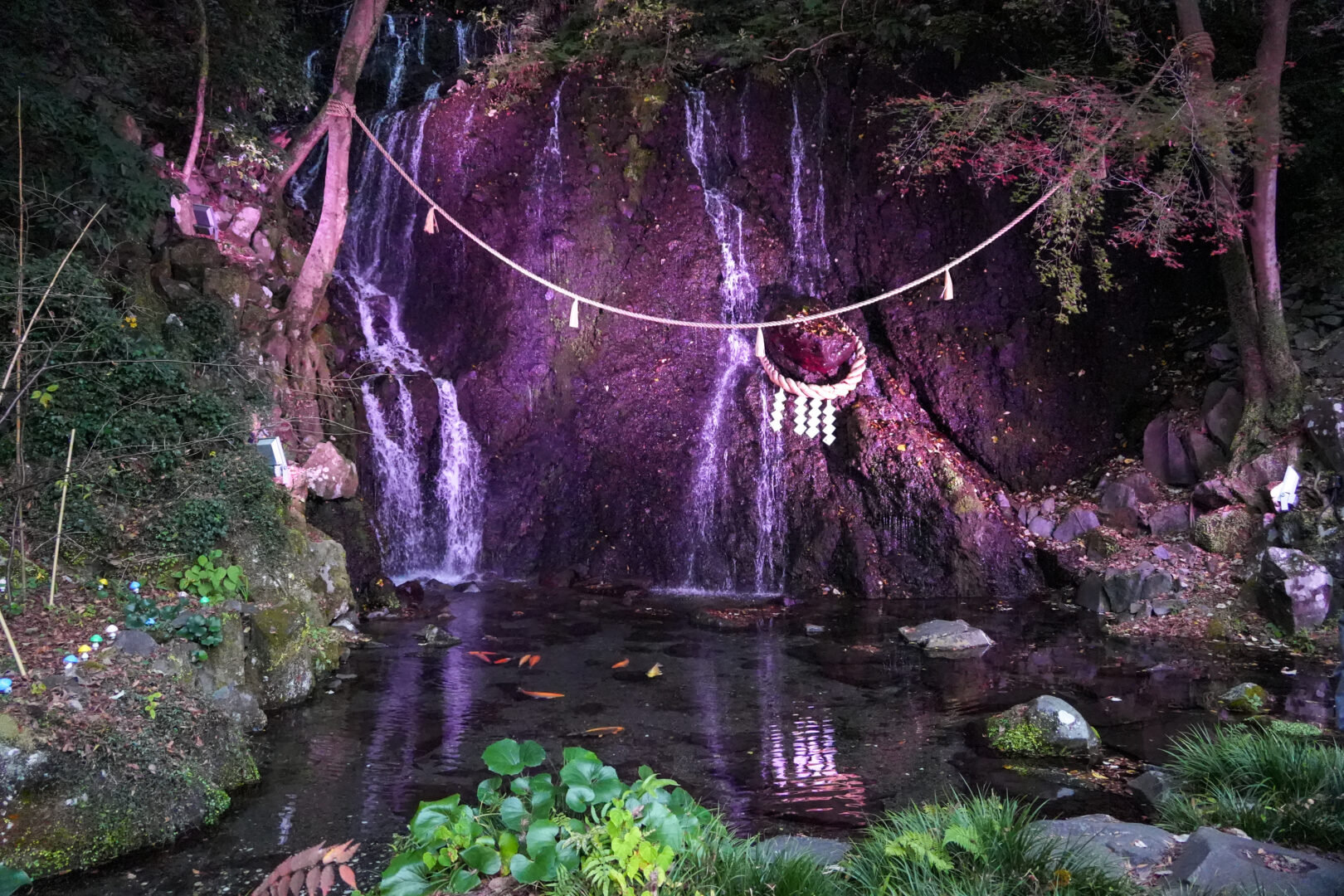
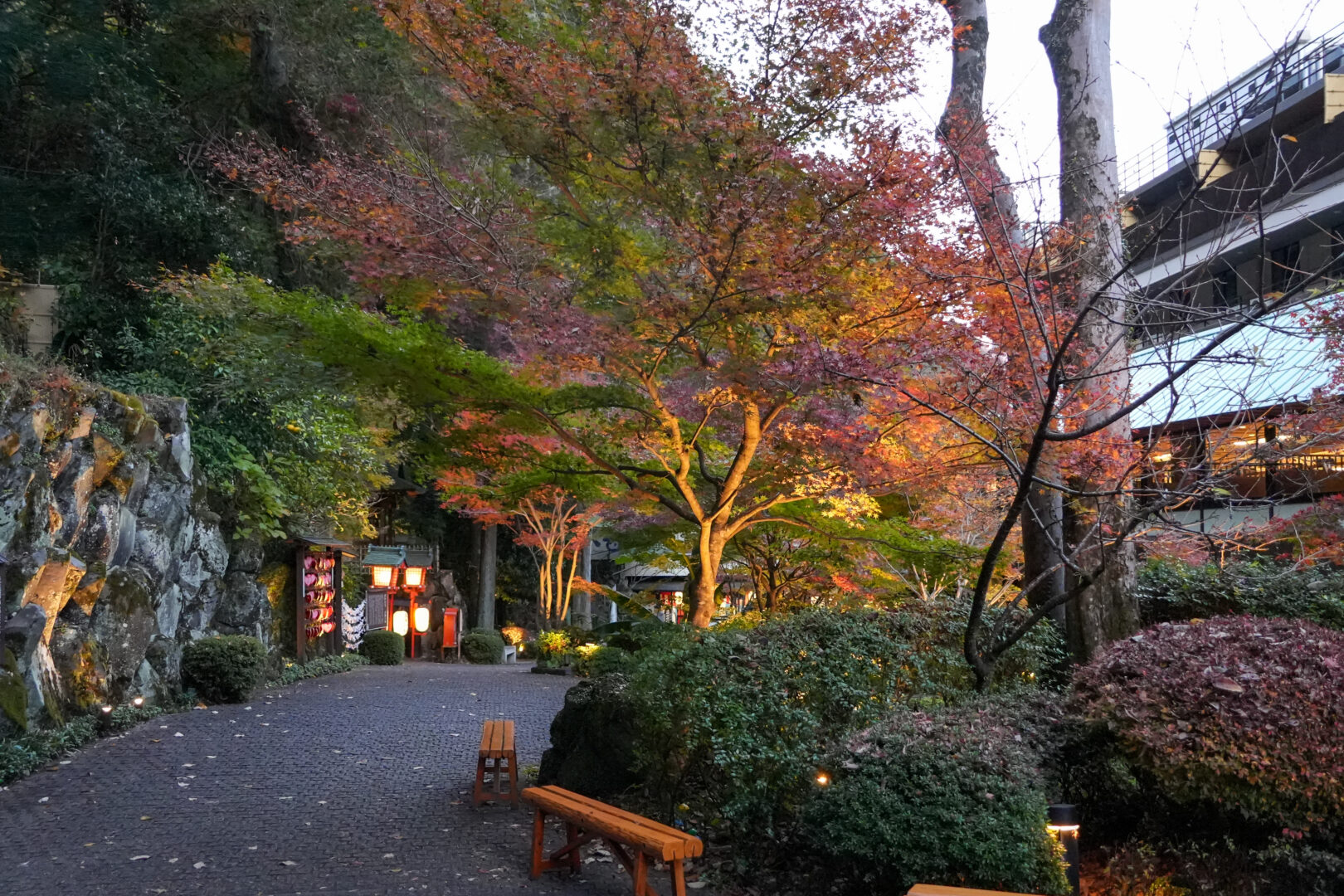
A small, beautiful, and tranquil waterfall located in the Hakone-Yumoto area, Tamadare Falls is situated within the garden of the Tenseien Hotel.
The name Tamadare translates to “Pearl Curtain,” which describes the way the water trickles down the rock face in delicate strands, resembling a soft curtain of pearls. Near the waterfall sits the small Tamadare Shrine; it is locally believed that the water here is sacred, offering blessings for love and fertility.
Chimoto
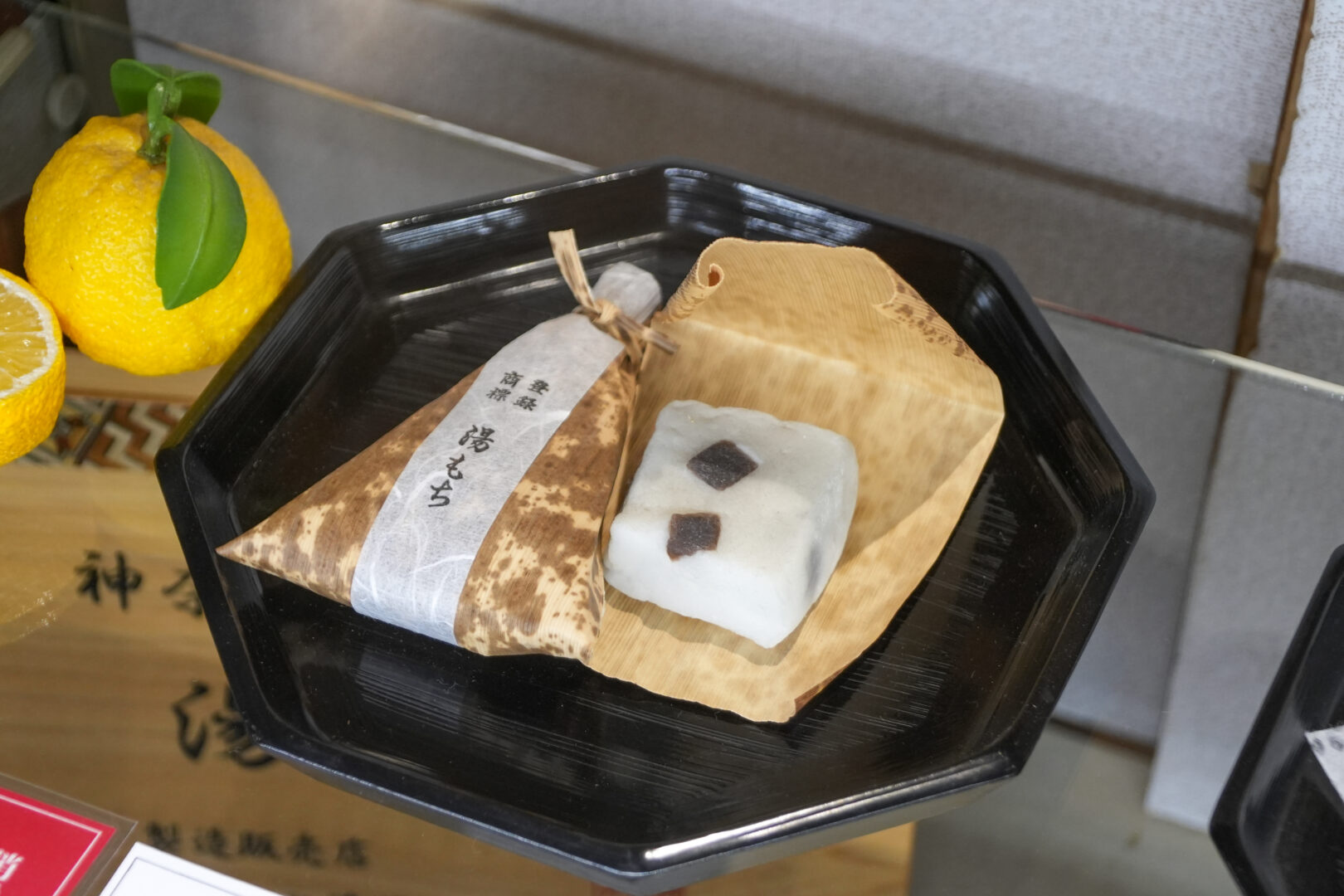
Chimoto is one of the oldest and most renowned traditional Japanese confectionery shops in the Hakone-Yumoto area. With a history spanning over 75 years, it is a must-visit destination for any dessert lover.
The shop’s most famous signature menu item is Yumochi, widely recognized as the representative sweet of Hakone. It features a silky-smooth, pearly-white mochi with an incredibly soft texture and a delicate scent of yuzu. Inside, you’ll find small pieces of red bean yokan. Its unique shape and tenderness are meant to evoke the soft, supple skin of someone who has just finished a relaxing soak in a hot spring.
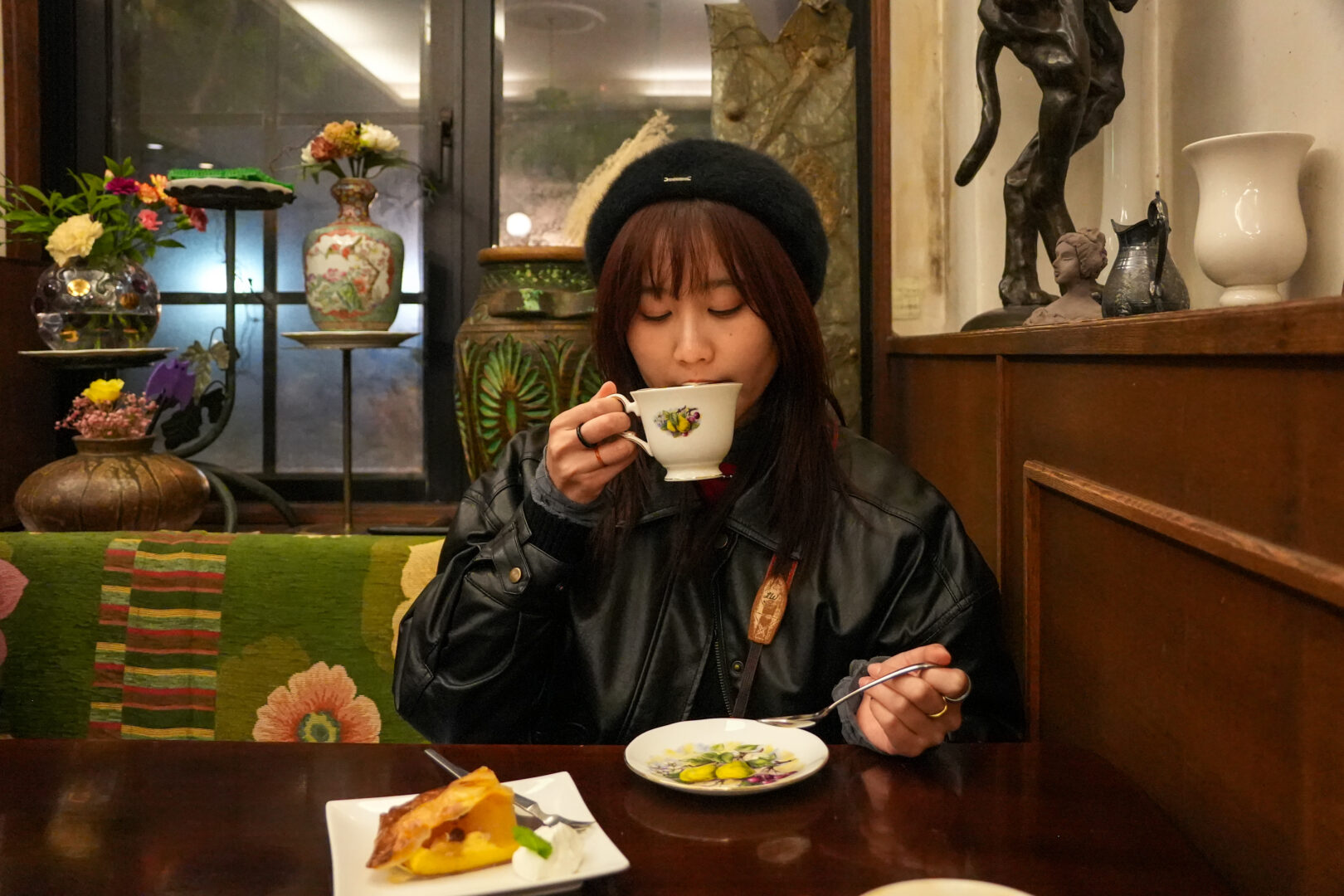
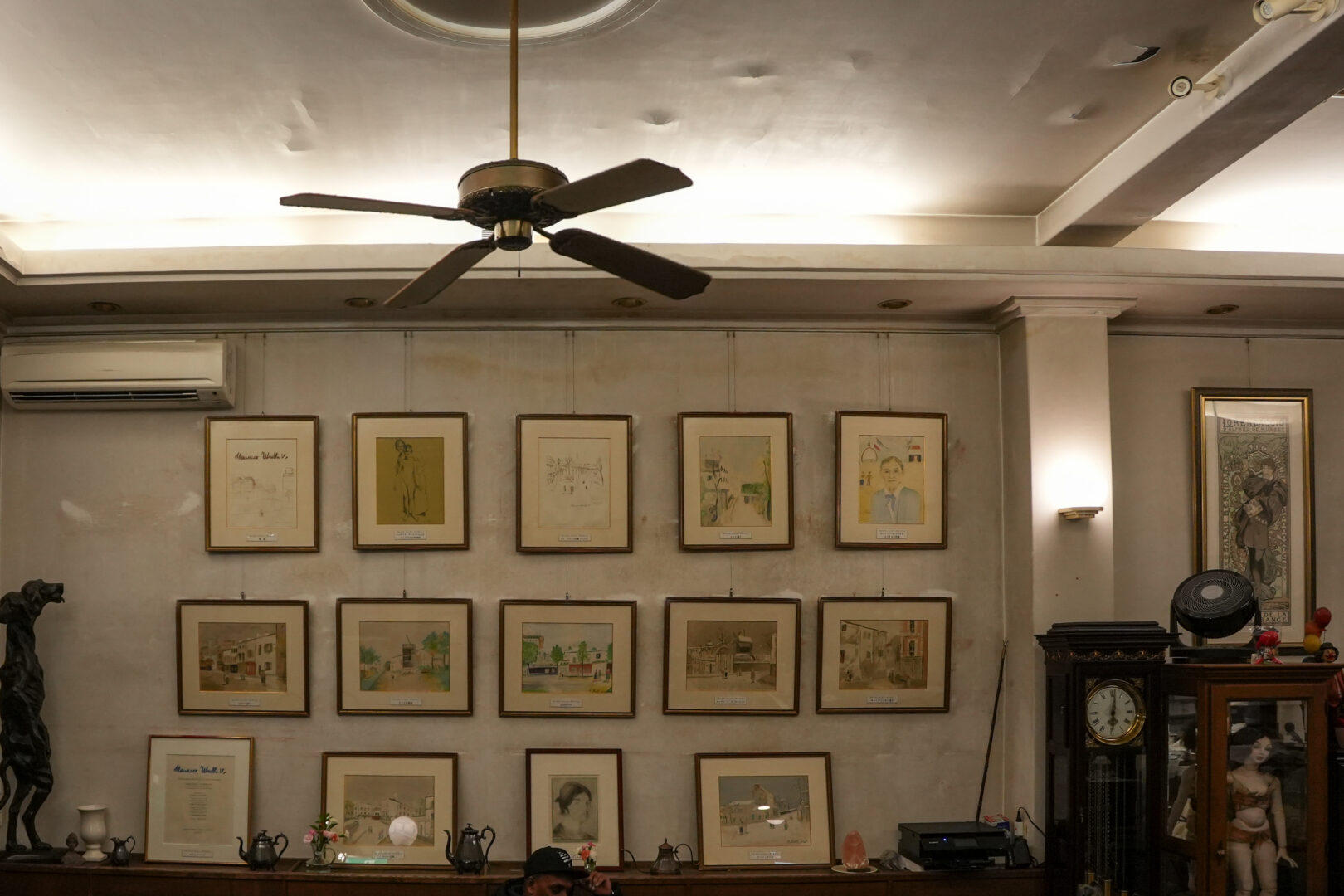
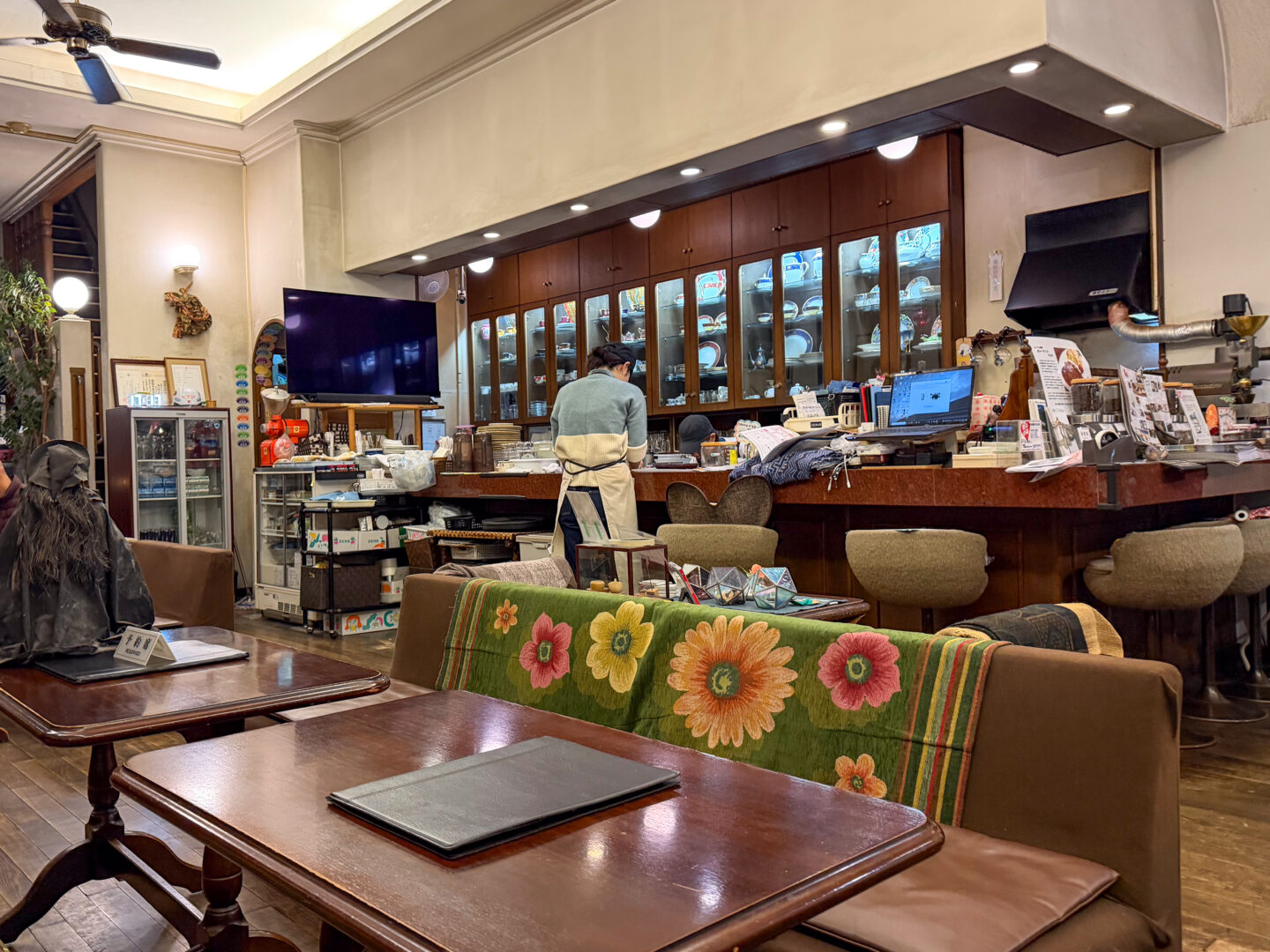
Gallery Cafe Utrillo
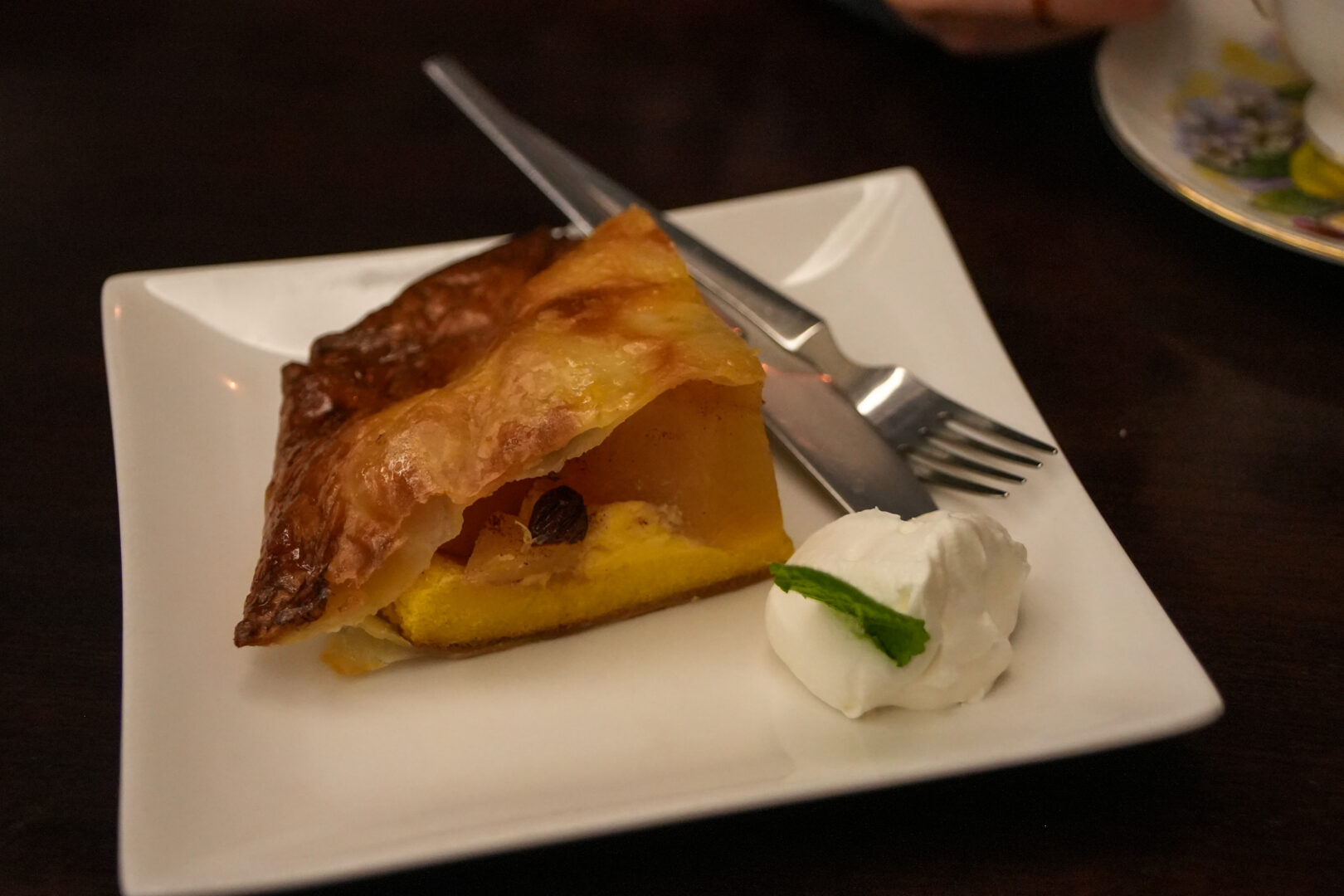
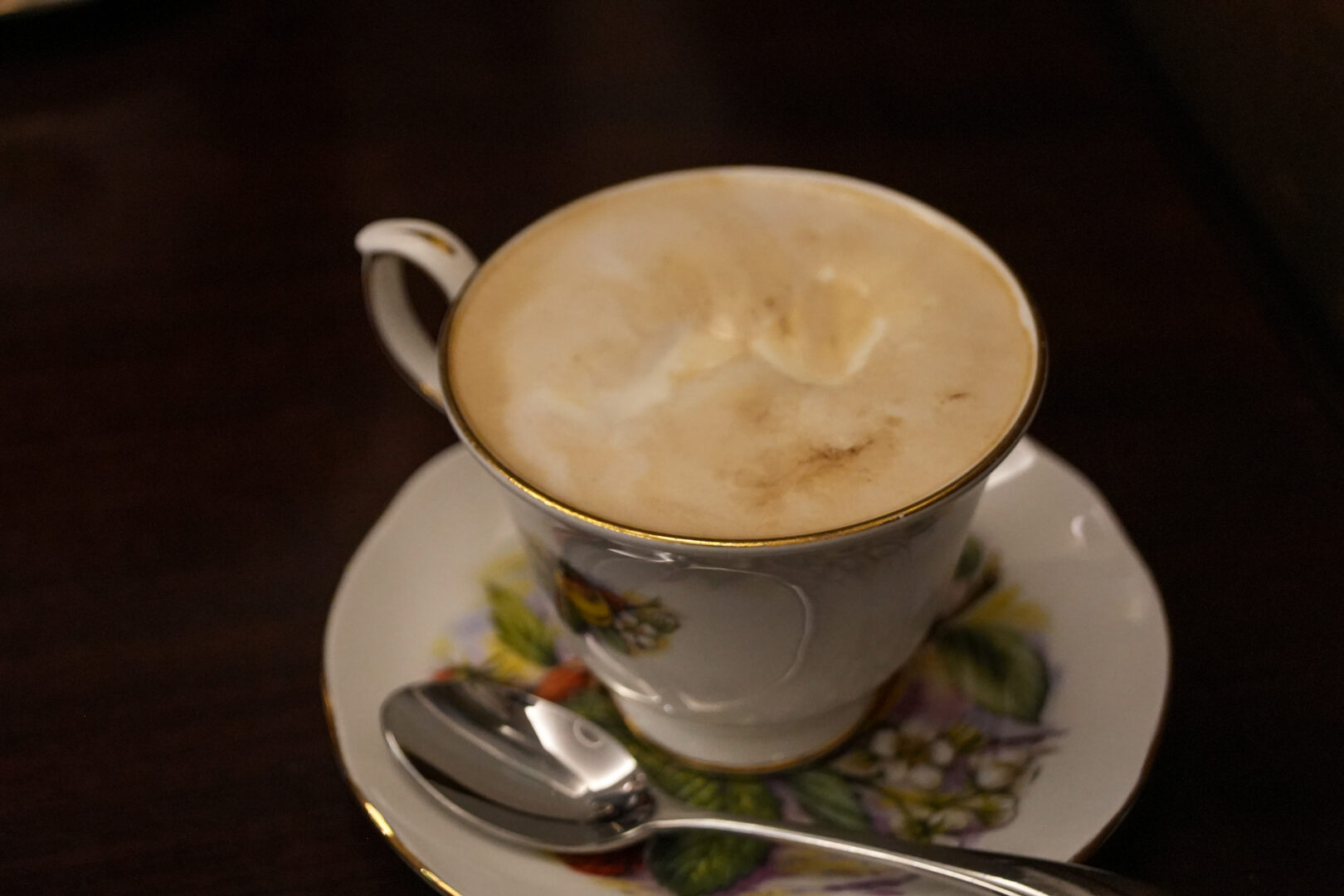
This is a uniquely characterized café in the Hakone-Yumoto area. More than just a coffee shop, it is a space that perfectly blends fine art with a classic aesthetic. It evokes the feeling of a European café or a traditional Japanese Kissaten, featuring vintage audio equipment and wooden furniture that create a warm, tranquil atmosphere.
The coffee and desserts here are absolutely delicious.
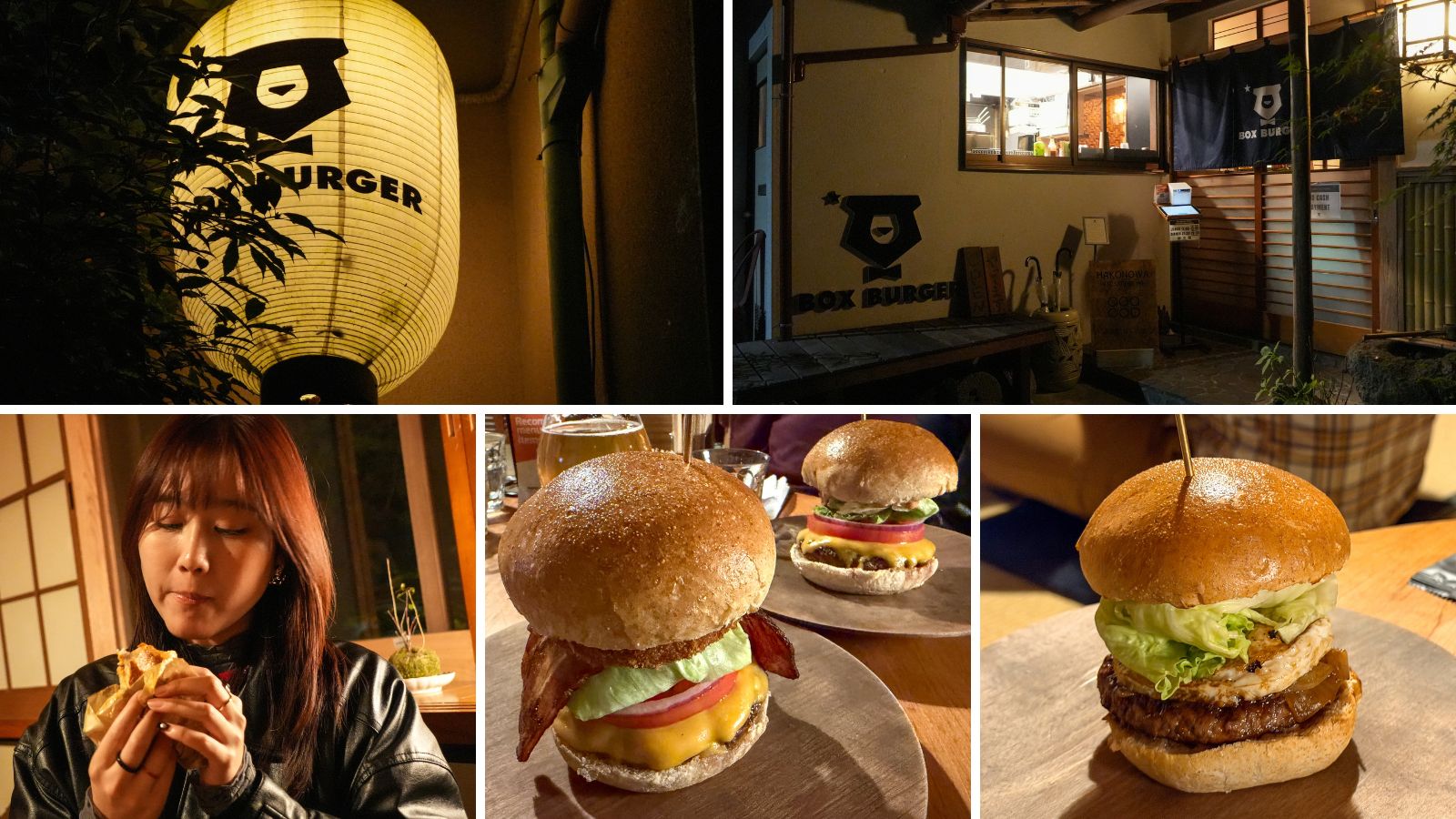
BOX BURGER
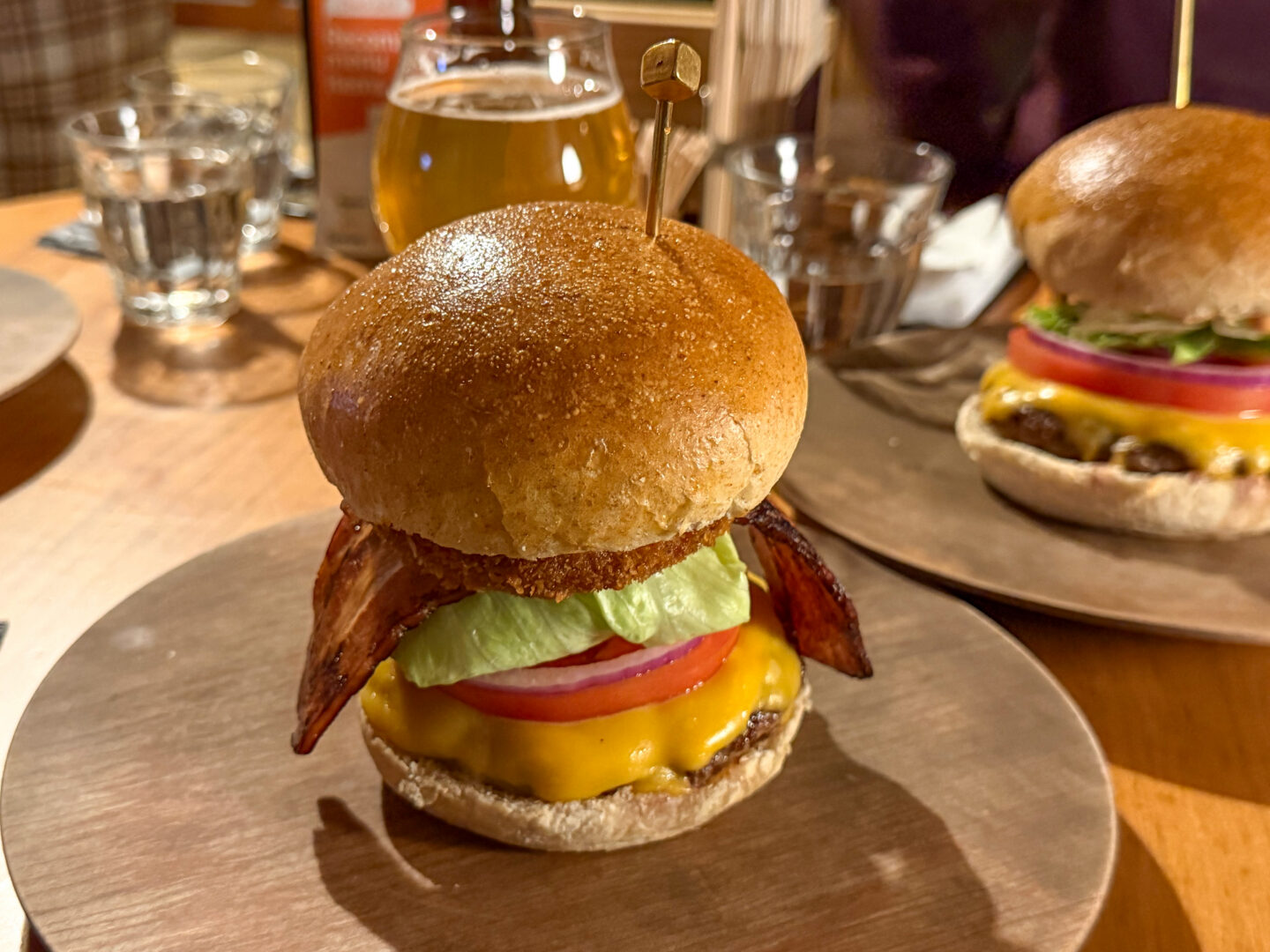
This is a premium craft burger shop in Hakone that is highly popular among burger enthusiasts for its unique flavors and high-quality local ingredients. The highlight of the menu is the use of Soshu Beef, a premium beef from Minamiashigara City, Kanagawa Prefecture, known for its incredible tenderness and rich flavor. In addition to beef, they also offer a variety of other meat options.
This branch is located in a beautifully renovated old wooden building, offering a unique dining experience where you can enjoy a gourmet burger inside a traditional Japanese-style house.
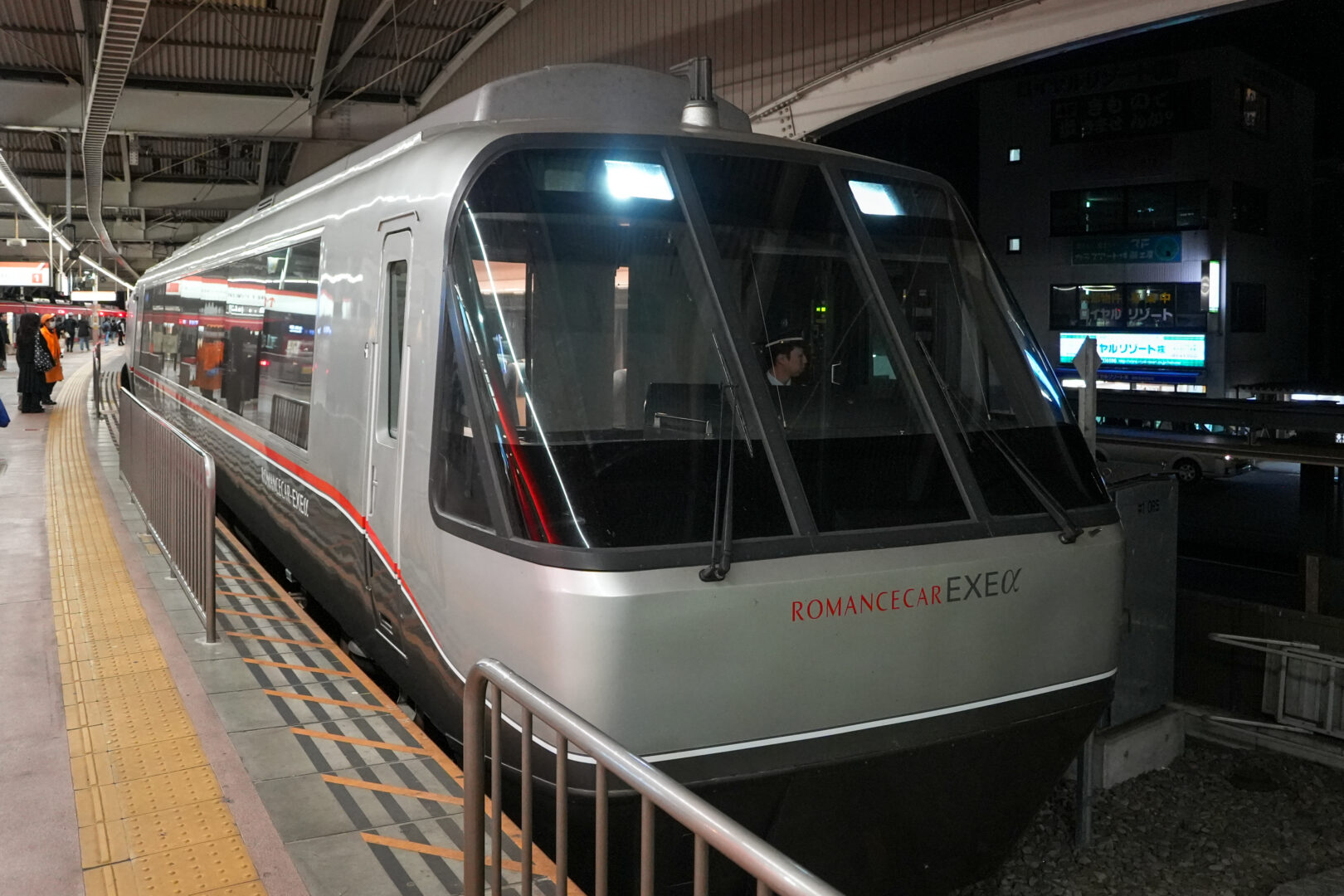
7:50 PM Romancecar: Hakone-Yumoto Station → Shinjuku
And then we headed back to the station to catch the Romancecar back to Odakyu Shinjuku Station. That concludes our 2-day, 1-night trip to Hakone. To be honest, there are still so many more places to explore far more than what we managed to see this time. It’s definitely a destination worth visiting over and over again.
The Digital Hakone Freepass can be purchased through EMot Online Tickets. You can buy it on your mobile phone anytime, anywhere, no need to wait in line or exchange physical tickets before your trip.
Additionally, you can easily transfer tickets to friends, and there’s no need to worry about losing them like traditional paper tickets.
Using the pass is simple: just scan the QR Code at the readers located at station entrances. For stations without readers, simply show your screen to the station staff. Please note that screenshots are not accepted. You must display the live ticket from the app or website.