1-Day Hakone Itinerary – Mystical Shrines, Volcanic Valleys, and Outdoor Art with the Hakone Freepass

- SHARE


Few places within easy reach of Tokyo offer scenery as striking as Hakone. But can you really experience the best of Hakone in just one day? Curious to find out, I set off along the classic Hakone loop using the convenient Digital Hakone Freepass. Starting aboard the scenic Odakyu Romancecar from Shinjuku Station, the journey winds through forested sanctuaries like Hakone Shrine, the steaming volcanic valley of Owakudani, and the sculpture-filled grounds of the Hakone Open-Air Museum. With seamless transfers and hassle-free digital tickets via EMot Online Tickets, here’s how the journey unfolds!
My Hakone Journey from Shinjuku with the Romancecar
My journey to Hakone began at the bustling platforms of Shinjuku Station in Tokyo, armed with one very convenient tool: the Digital Hakone Freepass 2-Day Ticket. This smartphone-based ticket is designed to help travelers explore Hakone with ease, offering unlimited rides on the Hakone Tozan Train, Hakone Ropeway, Hakone Tozan Cable Car, the Hakone Sightseeing Cruise, and local buses – plus a round-trip ticket on the Odakyu Line.
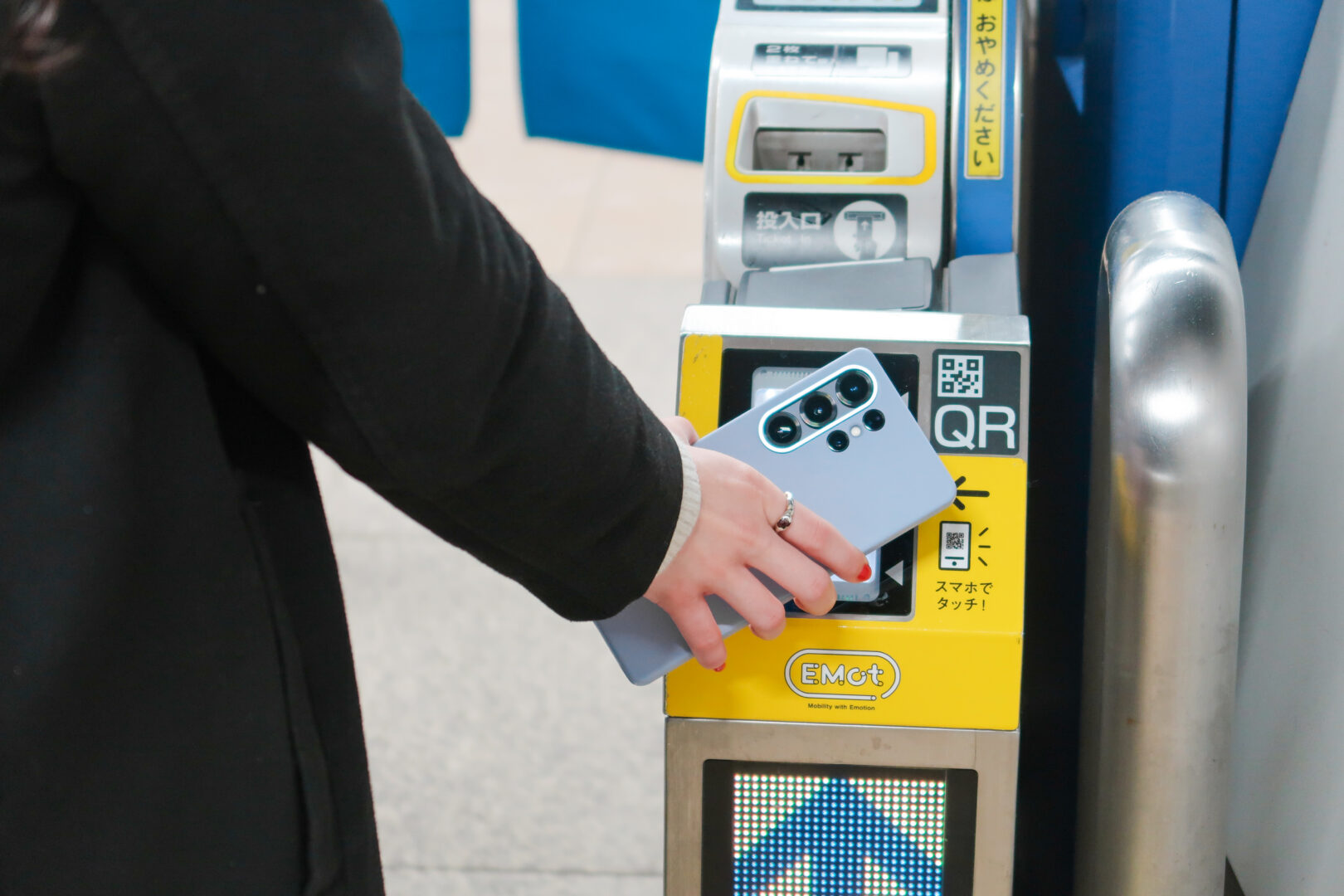
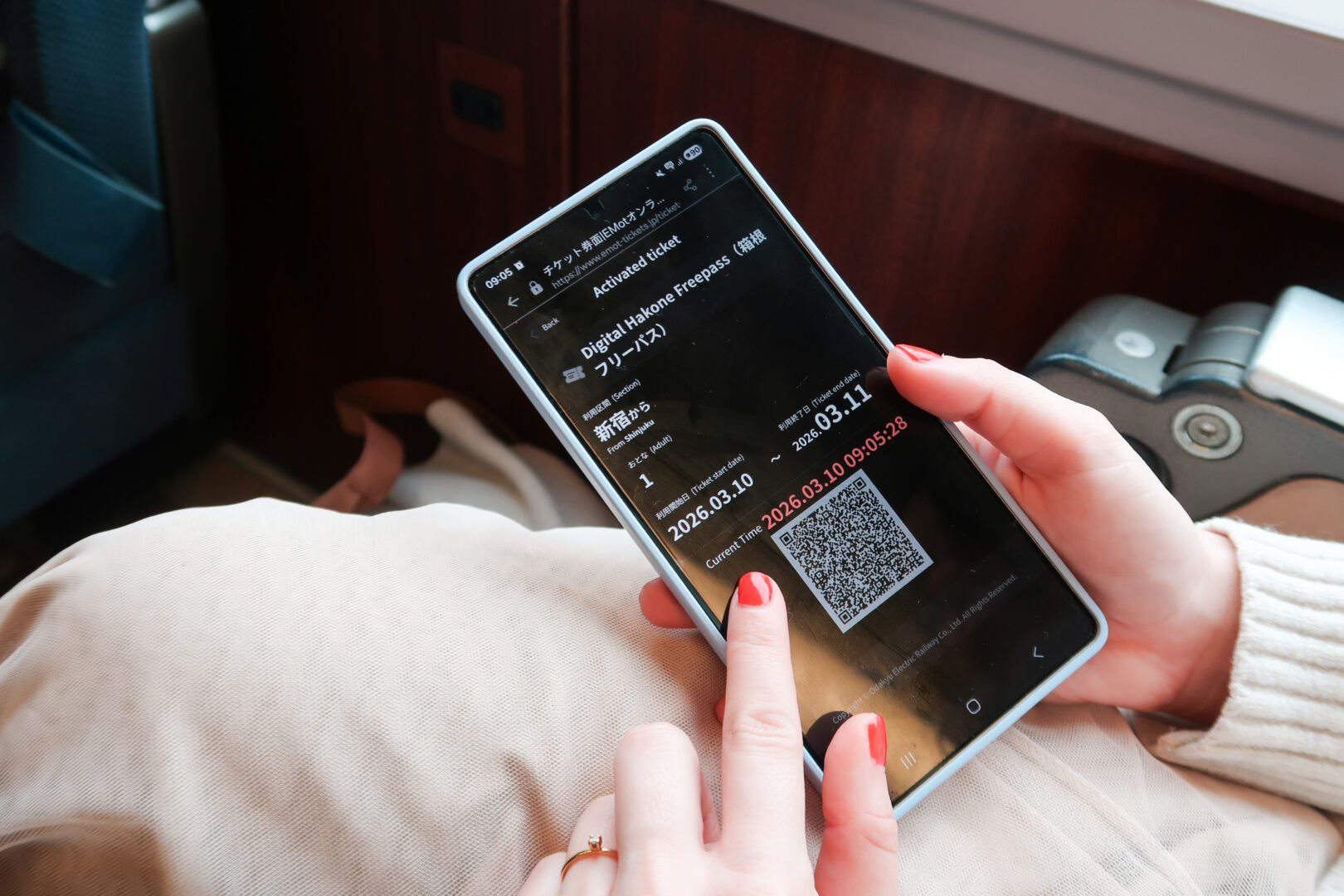
I purchased the pass through EMot Online Tickets. After setting up an account, which didn’t take more than a couple of minutes, all I had to do was select my travel date, ticket type, and payment method, and the ticket was instantly saved to my account.
Important rule: You must log in using the same method you used when purchasing the ticket – I used my email. You also need an internet connection to access your ticket, so keeping your phone charged and connected is essential.
Get your digital ticket for Hakone Freepass
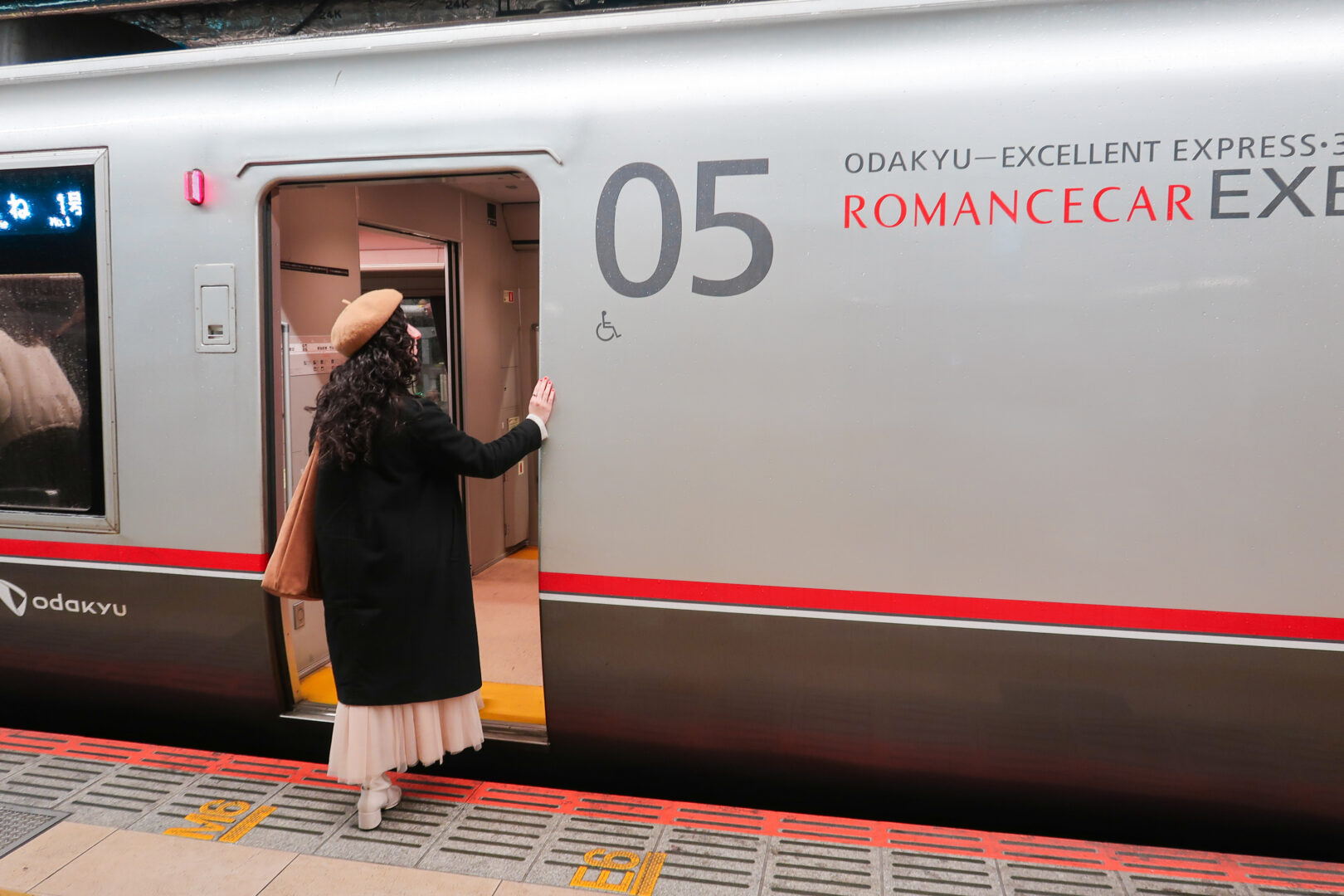
On the day of travel, I found it incredibly easy to use. Once activated, simply tap “Show Ticket” to display the QR code and scan it at the ticket gates or show the screen to staff where scanners aren’t available. For the trip from and to Shinjuku Station, I also added a limited express ticket (an extra 1,150 yen each way) via Emot to ride the comfortable Odakyu Romancecar, and I was able to select my seat at the time of purchase. Before long, Tokyo’s dense cityscape began to fade into rolling mountains, marking the start of a smooth and scenic journey to Hakone.
Get your digital ticket for the Limited Express Romancecar
Hakone-Yumoto to Motohakone: Gateway to the Floating Torii Gate of Hakone Shrine
After arriving at Hakone-Yumoto Station, I followed the signs to the bus stop and boarded the R Hakone Shindo Line bound for Motohakone. The 35-minute ride winds through forested mountain roads before arriving at Motohakone Port. Since local buses are included in the pass, the transfer was incredibly convenient – I simply showed the QR code to the driver when boarding, with no need to fumble for coins or worry about my IC card balance.
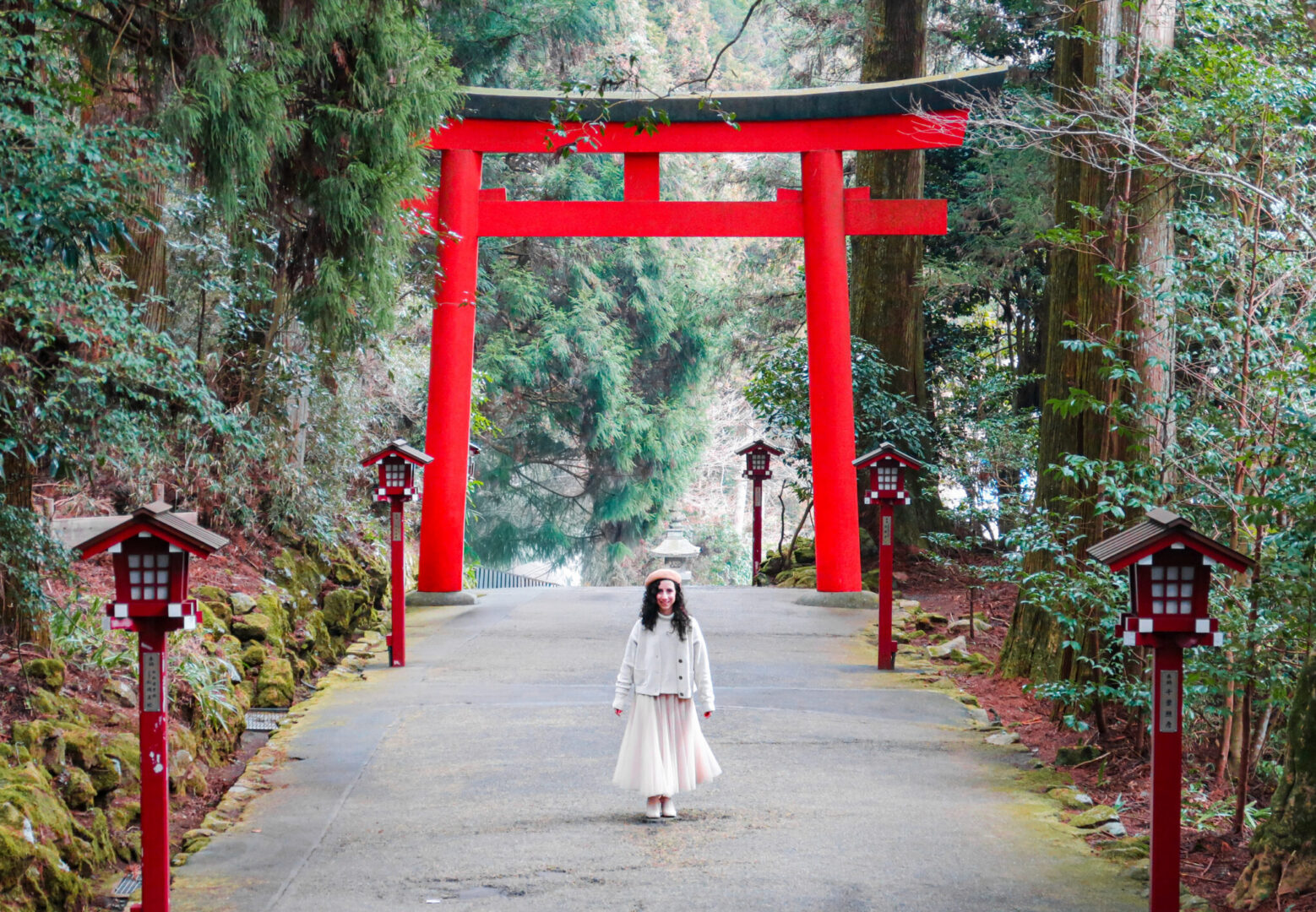
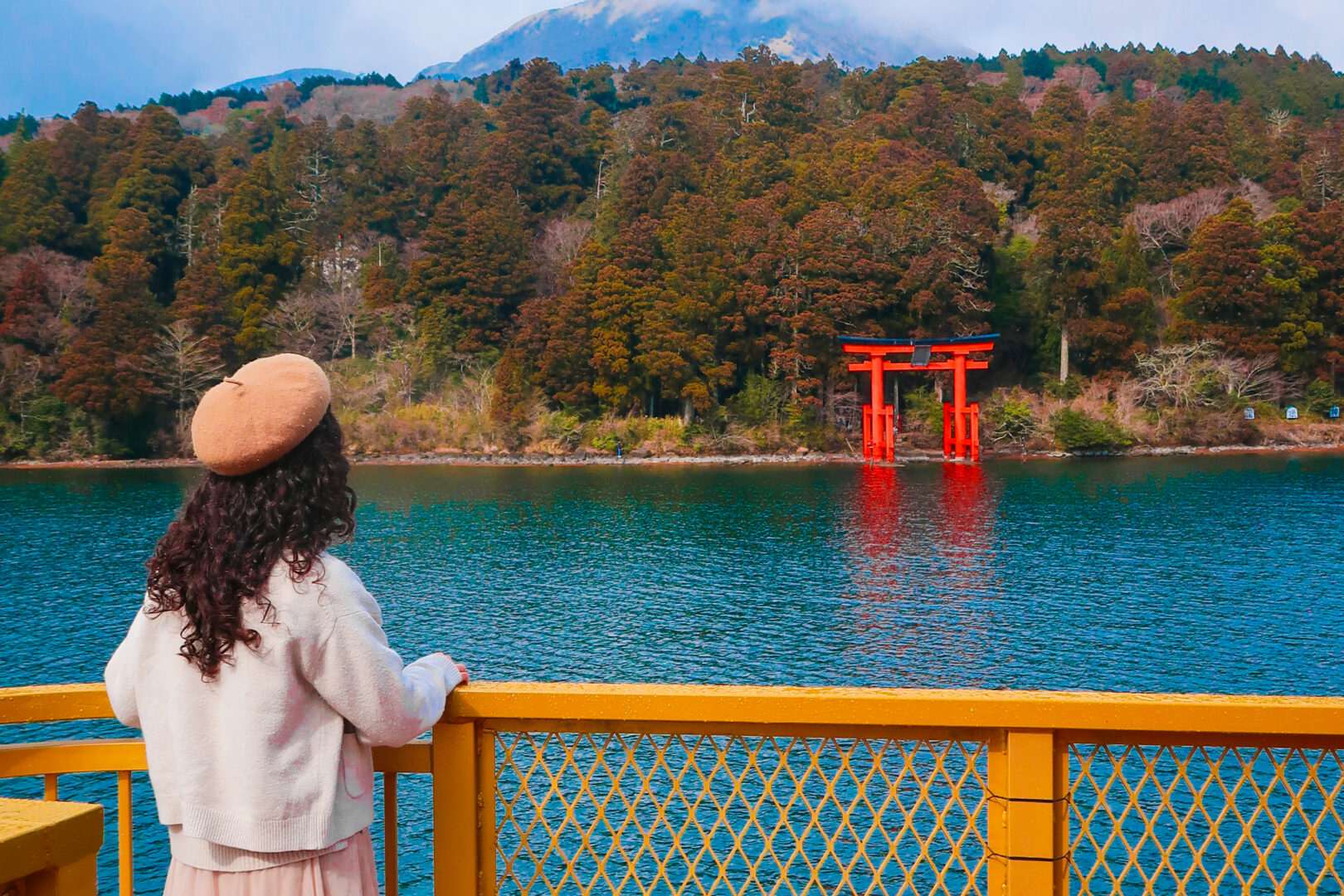
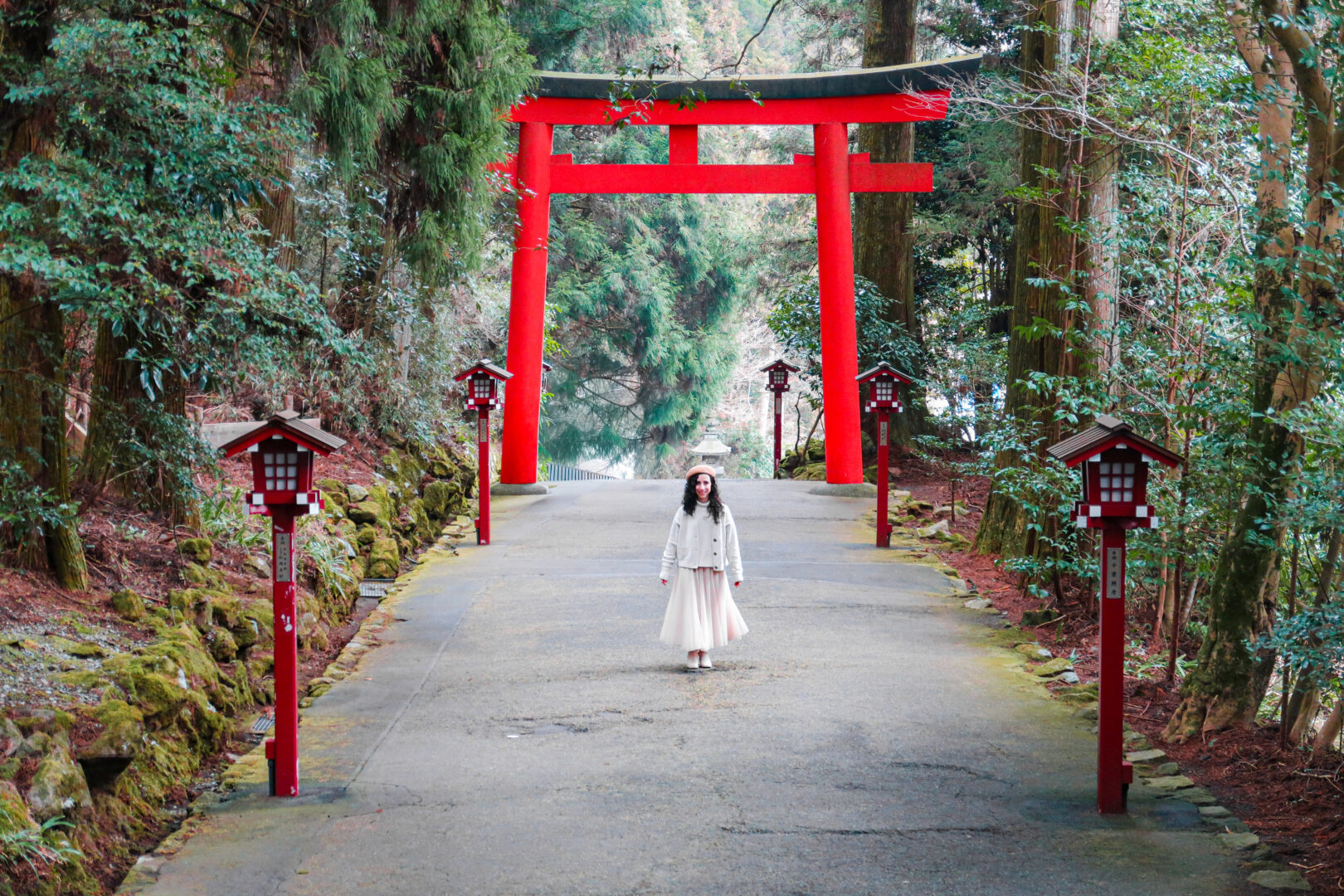
From there, it’s just a short walk to the atmospheric grounds of Hakone Shrine, famous for its vermilion torii gate rising from the waters of Lake Ashi. On clear days, the scene becomes even more magical with Mount Fuji visible in the distance.
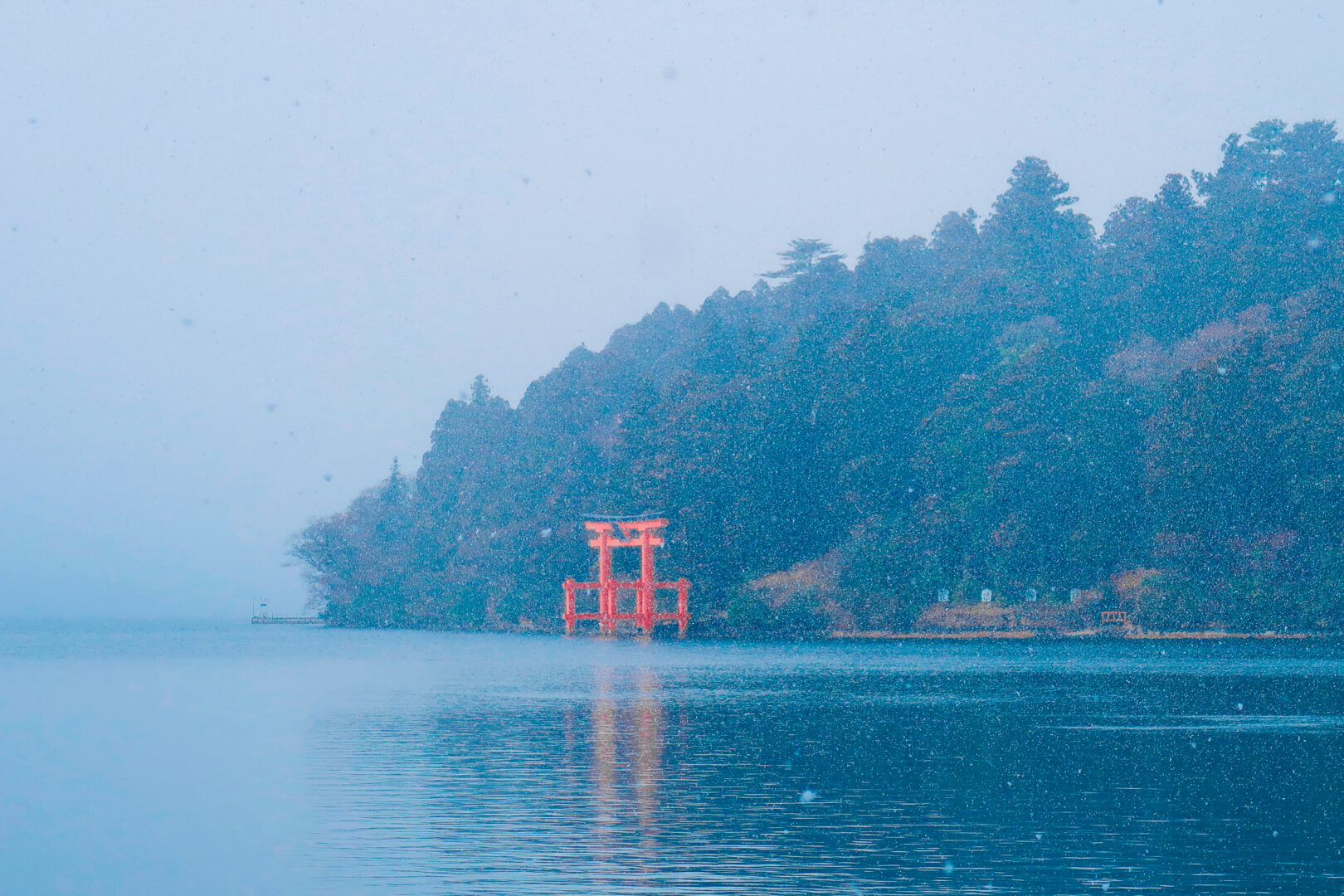
During my visit in early spring, the turbulent weather shifted from bright sunshine to gentle flurries within minutes, making the scenery feel even more dreamlike. While Mt. Fuji was buried in fog, watching snowflakes drift past the vivid red torii was a particularly memorable moment.
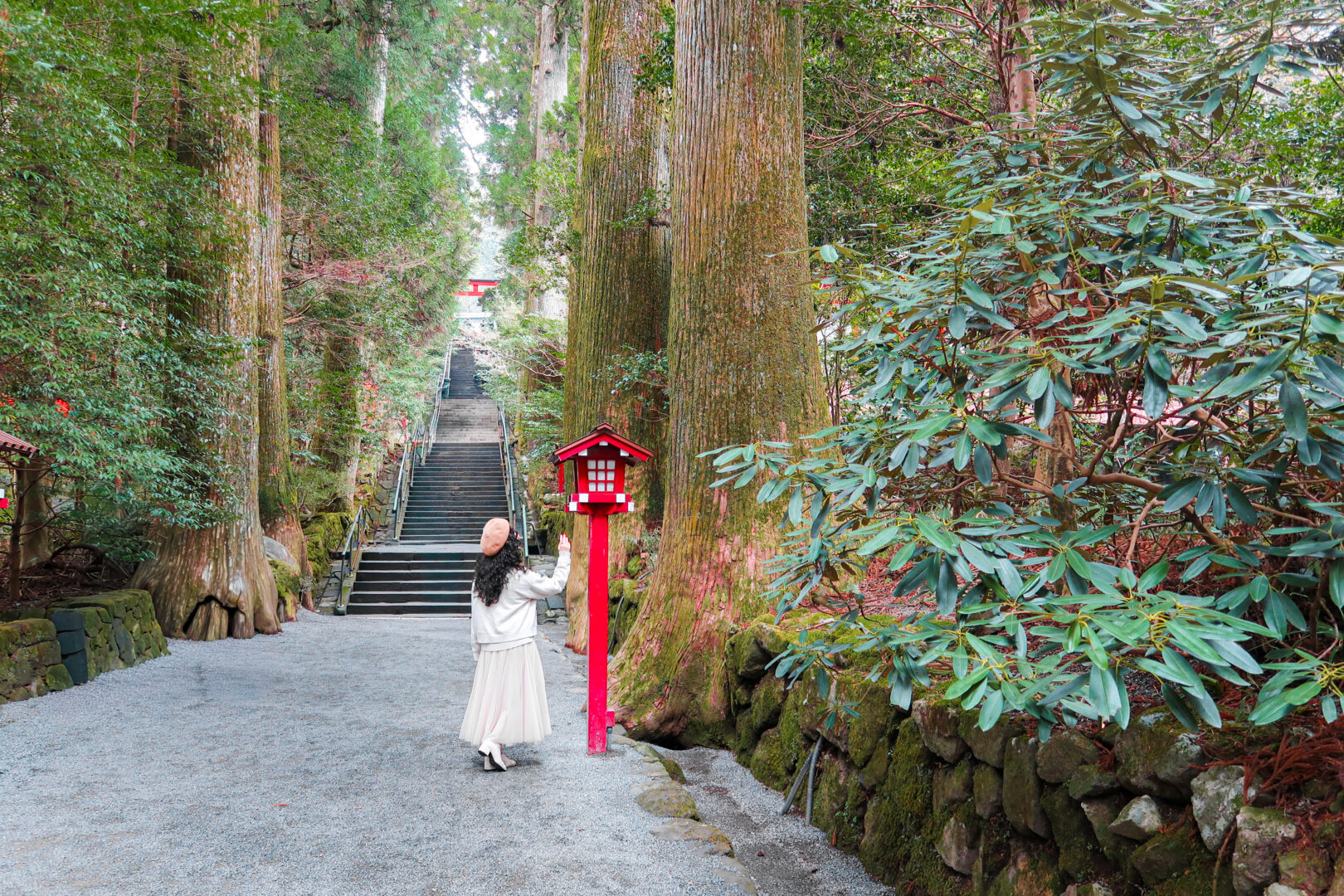
As I walked beneath towering cedar trees, some I’d heard were over 800 years old, the shrine’s mystical atmosphere seemed little changed from when it was founded in 757, providing me a raw glimpse of ancient Japan.
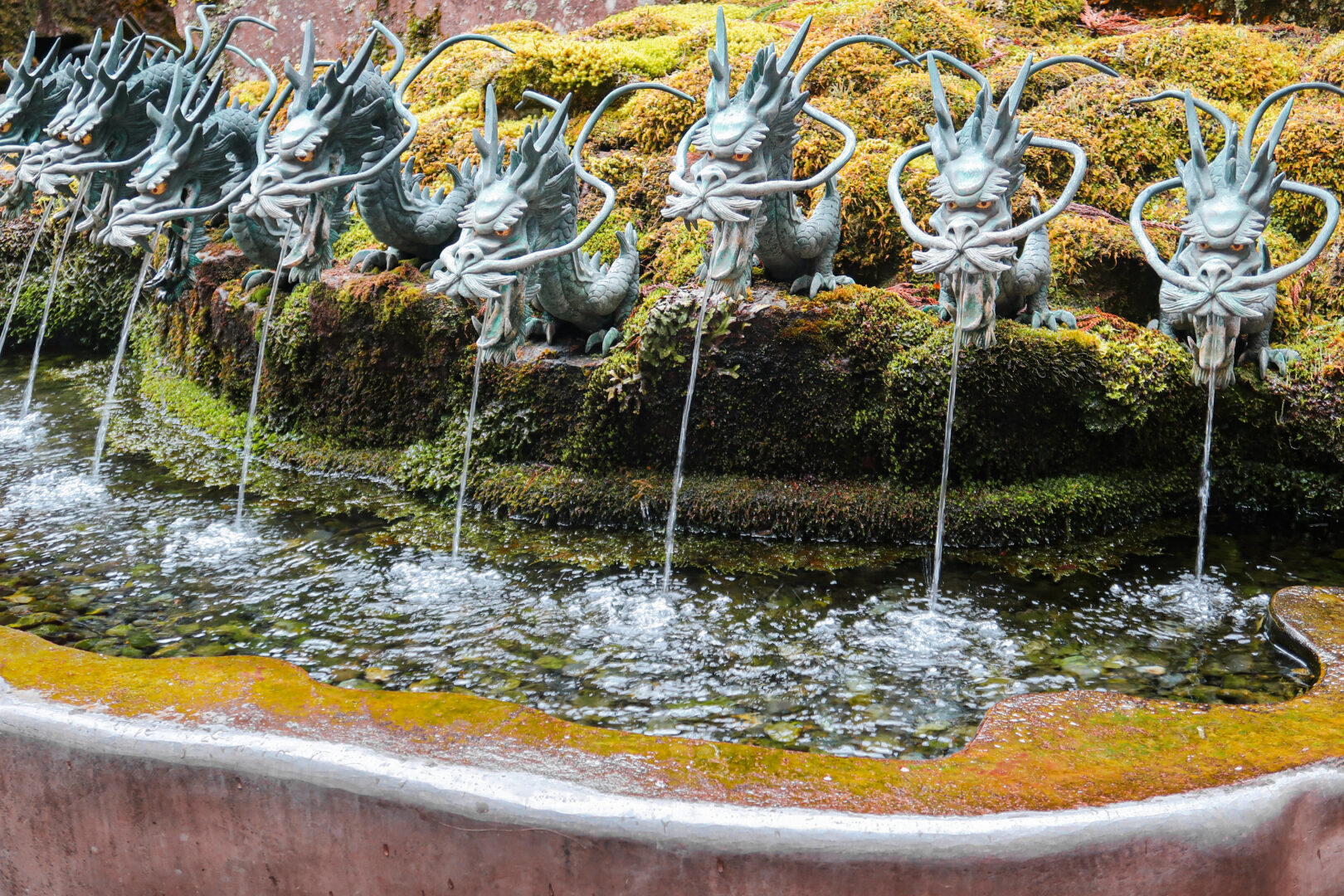
While exploring, I kept noticing dragon motifs appearing throughout the grounds. According to legend, a fearsome nine-headed dragon once lived in Lake Ashi and caused trouble for nearby villages. A priest eventually subdued the creature and enshrined it at the nearby Kuzuryu Shrine Hongu, transforming it into a guardian deity. Today, the dragon is believed to protect the lake and represent the life-giving power of water. No matter how many shrines I visit, it’s details like these that make each one feel like an exciting new discovery.
A Scenic Lunch Break by Lake Ashi at Ashinoko-chaya
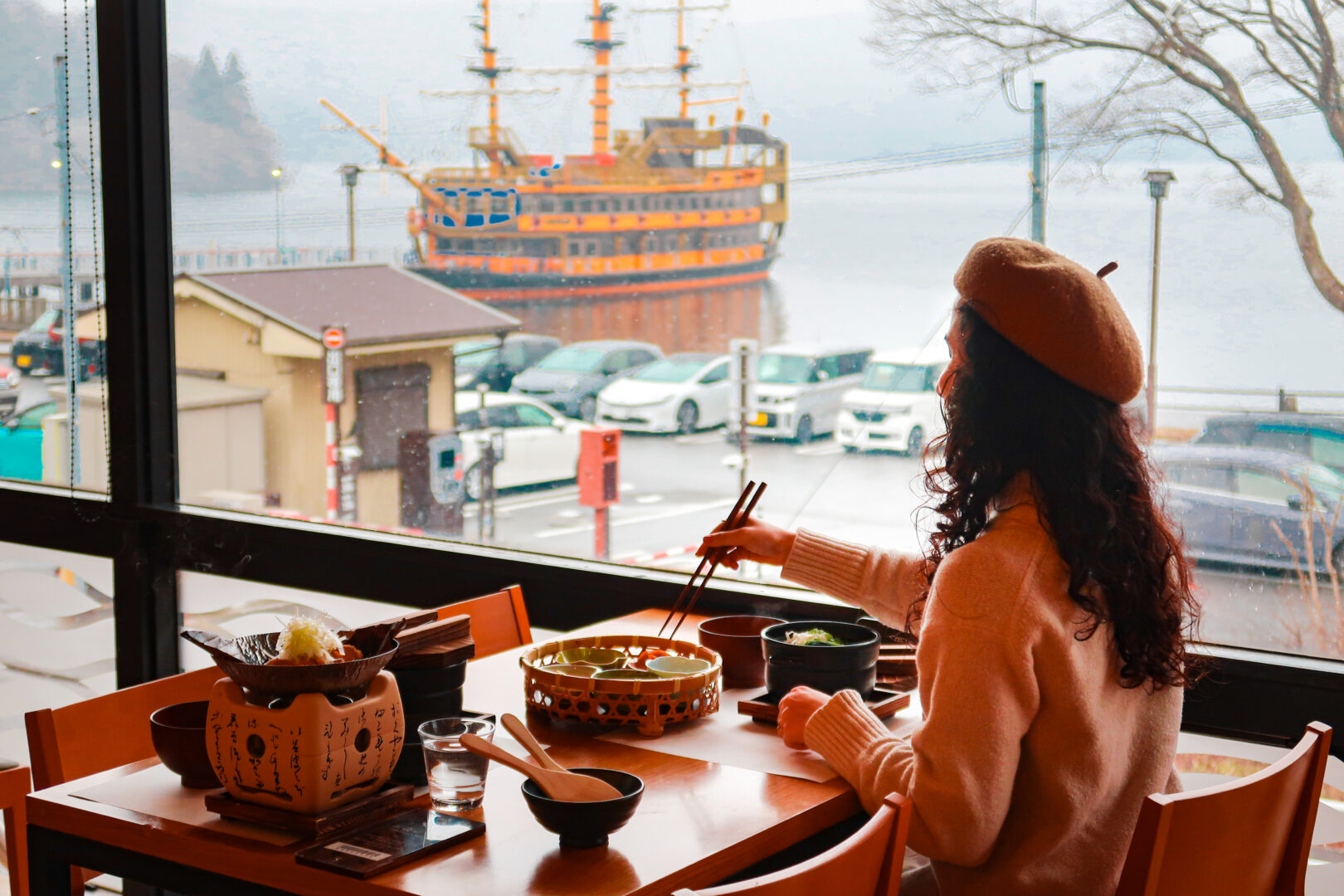
After wandering around Hakone Shrine, I walked back toward Motohakone Port and stopped for lunch at Ashinoko-chaya, a cozy spot overlooking Lake Ashi. From my seat by the window, I could watch the colorful ships of the Hakone Sightseeing Cruise dock and depart, making the setting feel even more special.
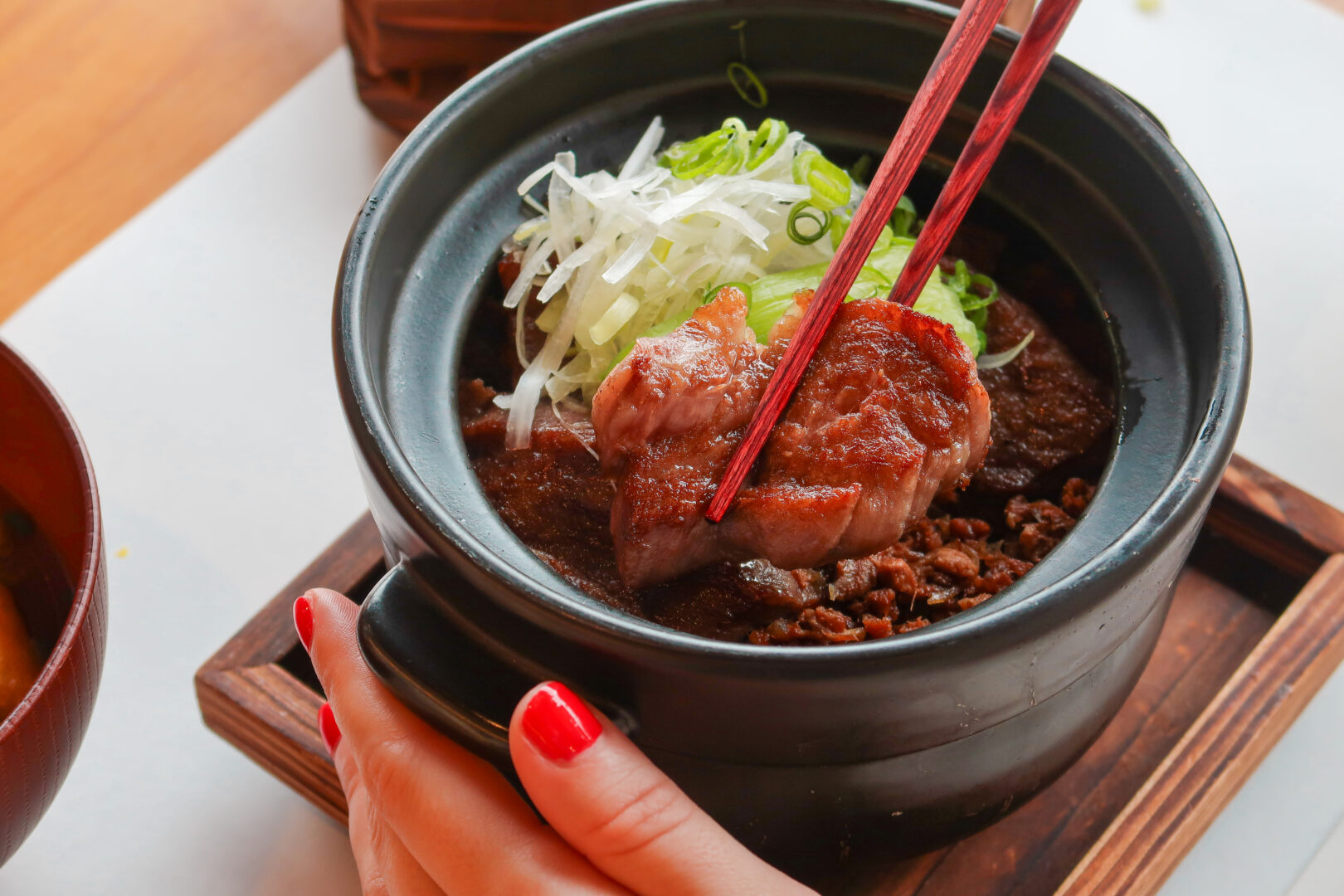
I ordered the “Wagyu Rib Roast and Shigureni Nokkemeshi,” a bowl of freshly cooked rice topped with domestic beef rib roast and “shigureni” beef simmered in a savory-sweet soy sauce. The melt-in-your-mouth wagyu paired perfectly with the warm rice and rich glaze, culminating in a hearty, satisfying bite of Hakone at its finest.
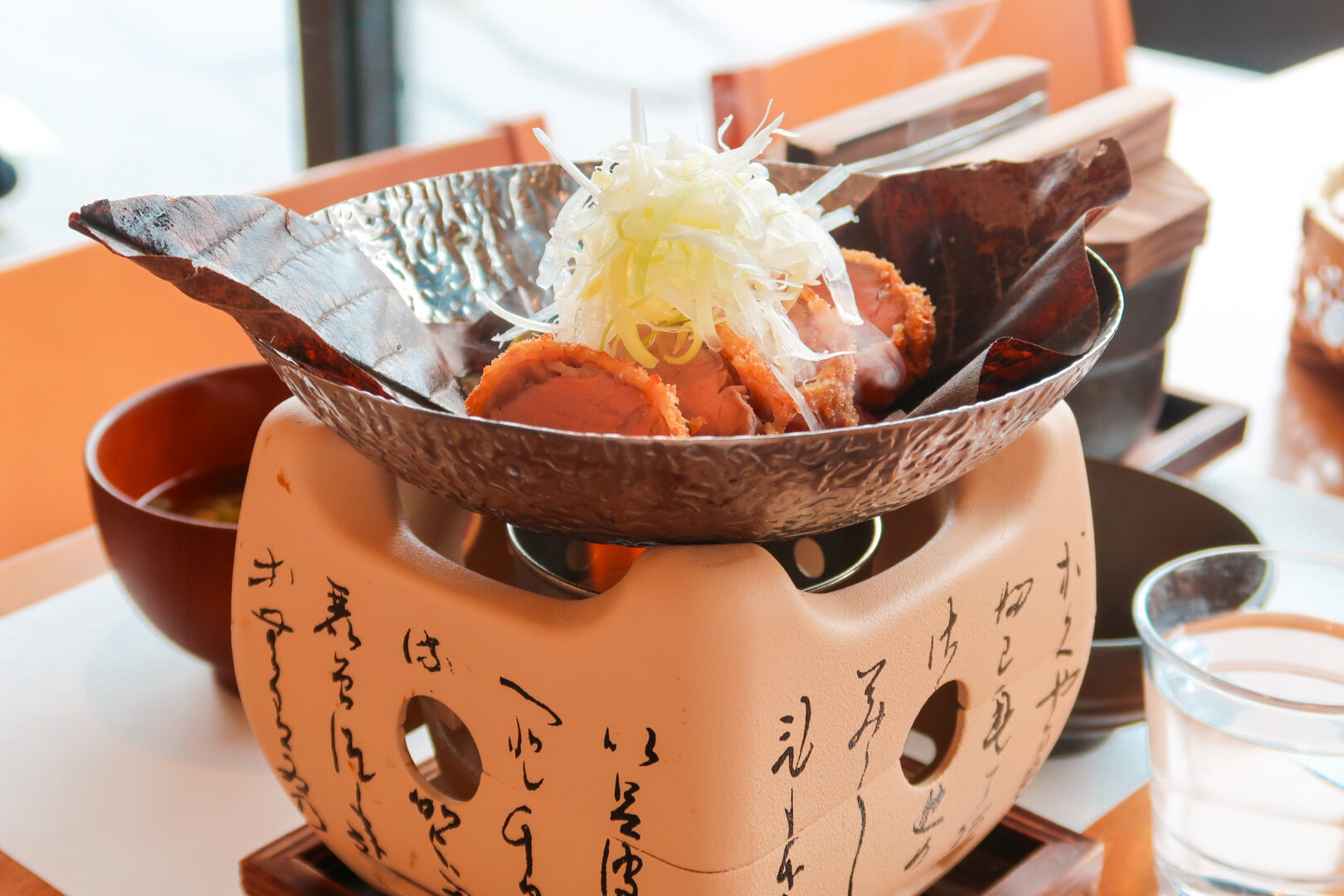
My friend tried the “Fujinokuni Pork Hirekatsu Bekkomeshi,” featuring the renowned Fujinokuni-brand pork fillet cutlet sourced from nearby Shizuoka Prefecture. Slowly grilled at a low temperature with miso on a magnolia leaf, the pork was incredibly tender, juicy, and full of flavor.
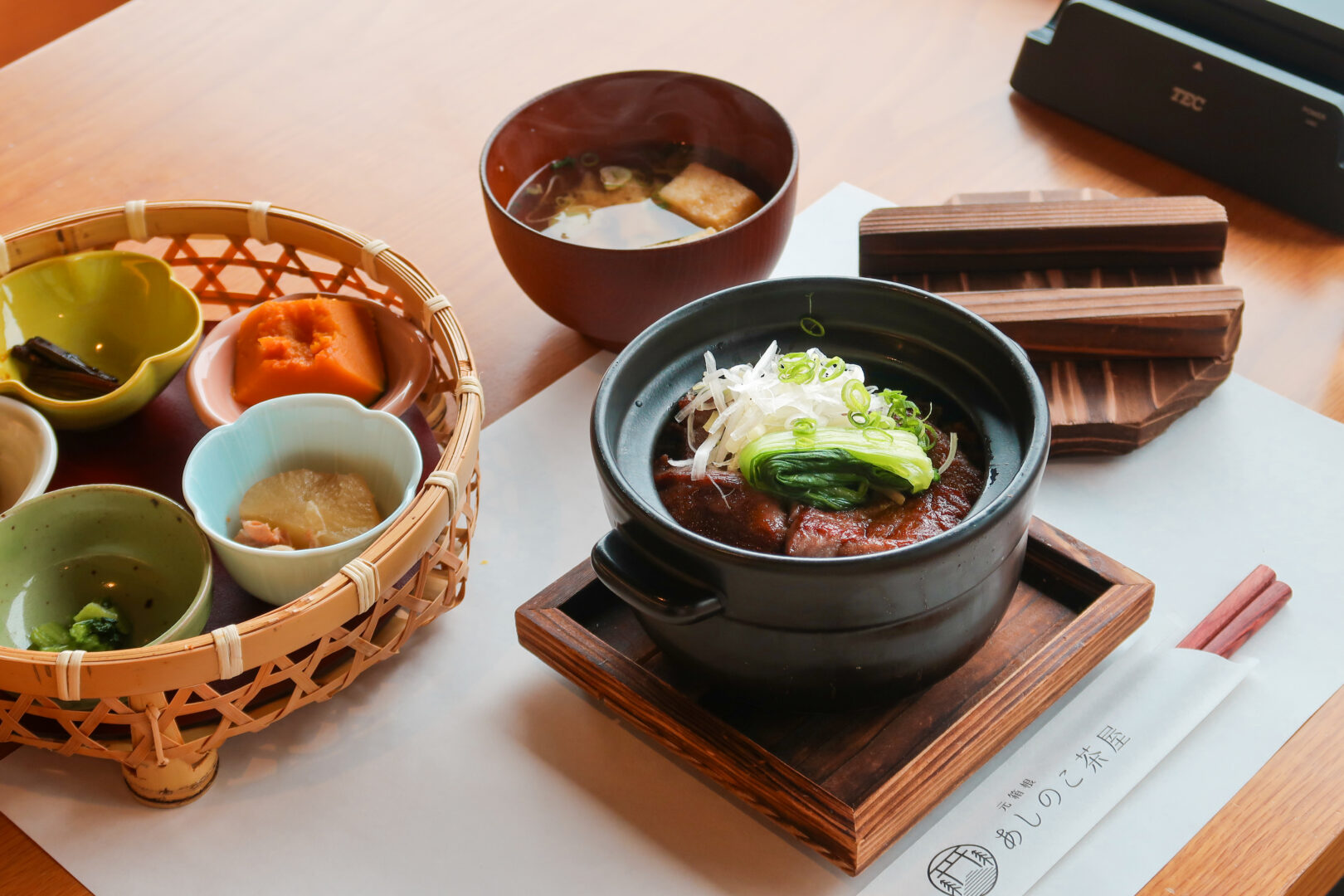
Both sets are served with a colorful selection of “obanzai” savory side dishes made with seasonal ingredients. You can order them buffet-style, letting you choose whichever catches your interest. I opted for sweet “kabocha” pumpkin, simmered savory eggplant, lightly seasoned “daikon” radish, and fluffy “tamagoyaki” rolled omelet. While Hakone may be best known for its dramatic scenery, this relaxed lunch overlooking Lake Ashi reminded me that the region’s local flavors are well worth saving time for.
*The obanzai menu changes depending on the day.
Sailing First Class Across Lake Ashi on Hakone’s Iconic Vessels
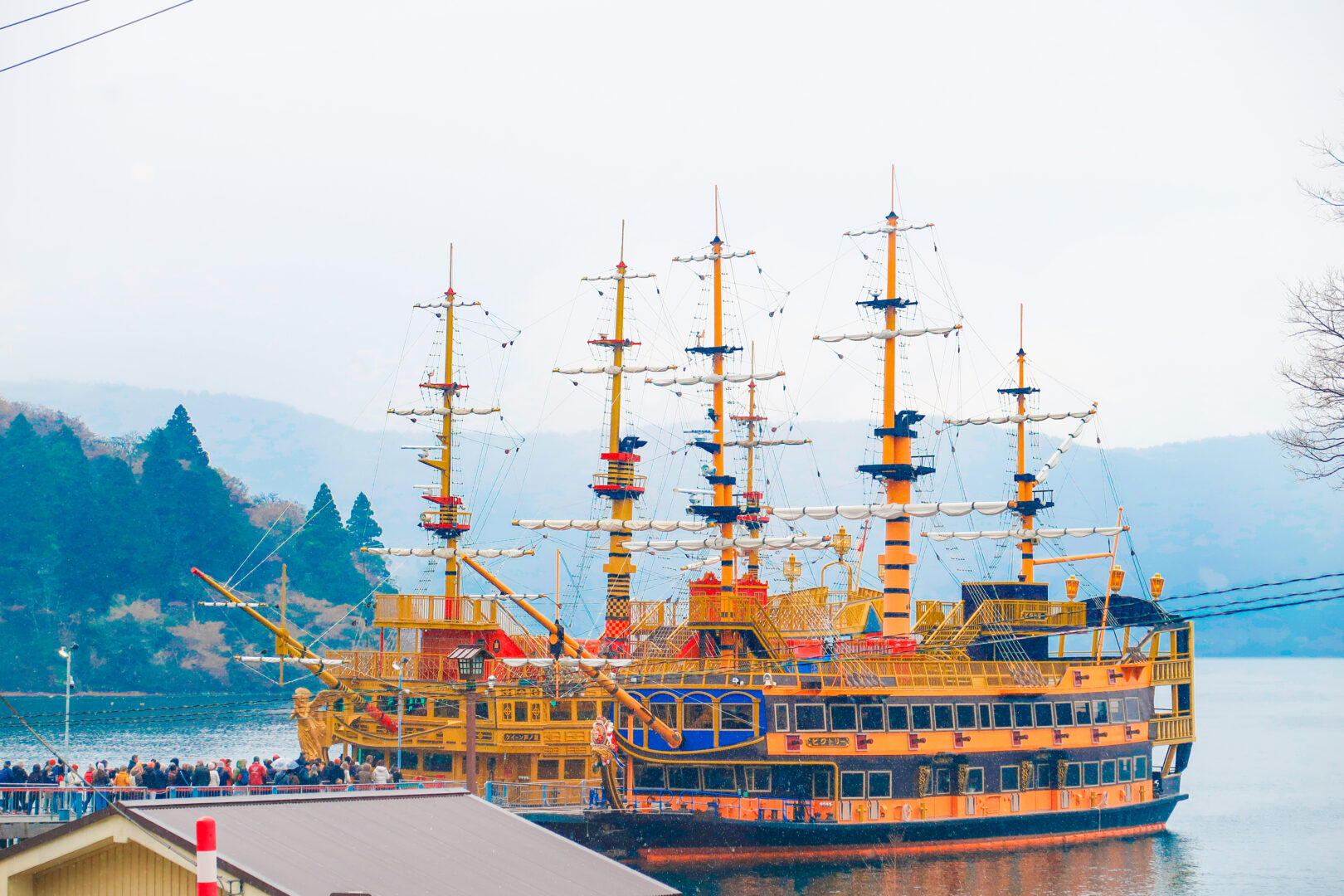
After lunch, I returned to Motohakone Port to board the famous Hakone Sightseeing Cruise for a 30-minute journey across Lake Ashi to Togendai Port. The cruise is also included in the Digital Hakone Freepass, adding to the seamless experience – I simply showed the QR code on my phone to the staff at the boarding gate before stepping aboard.
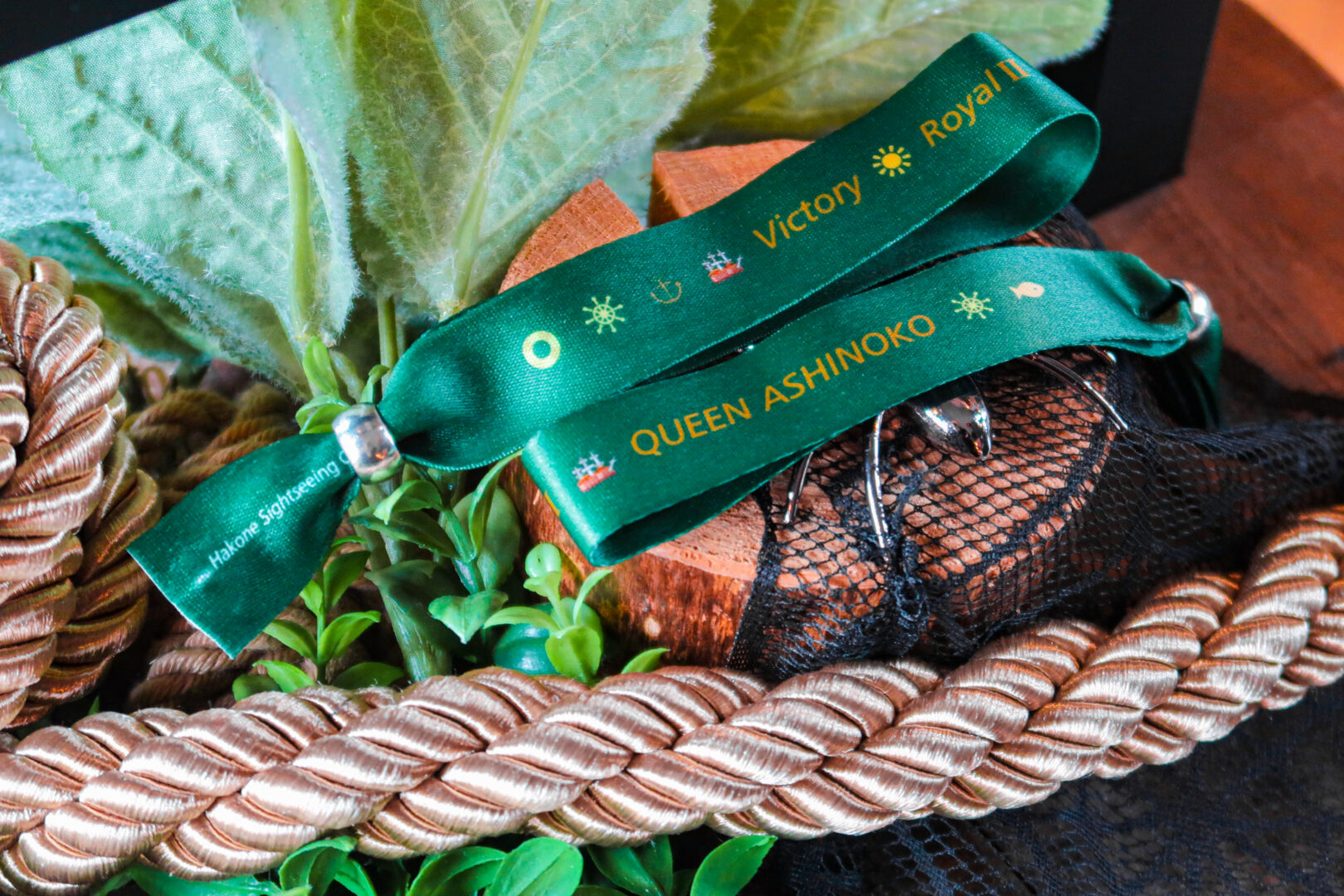
Seeing as it was a special day, I paid the small additional fee of 700 yen and treated myself to first-class tickets, which came with a commemorative bracelet granting access to the exclusive first-class cabin.
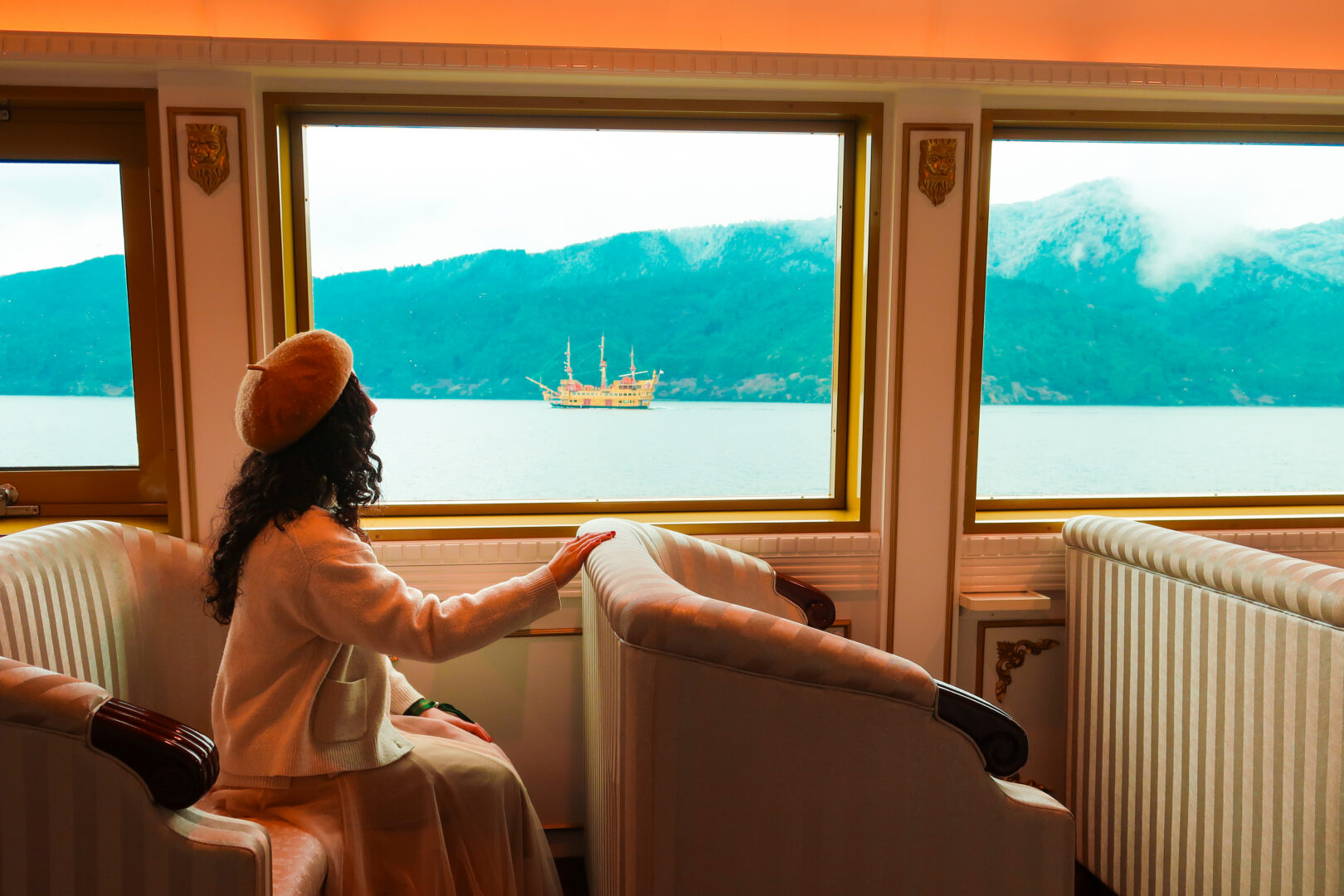
I waved goodbye to Motohakone Port and boarded the Royal II, which boasts an ornate design inspired by the 18th-century French flagship Royal Louis. The elegant first-class cabin, quiet atmosphere, and access to a private deck made me feel like royalty as I sat back and soaked in the panoramic lake views in comfort.
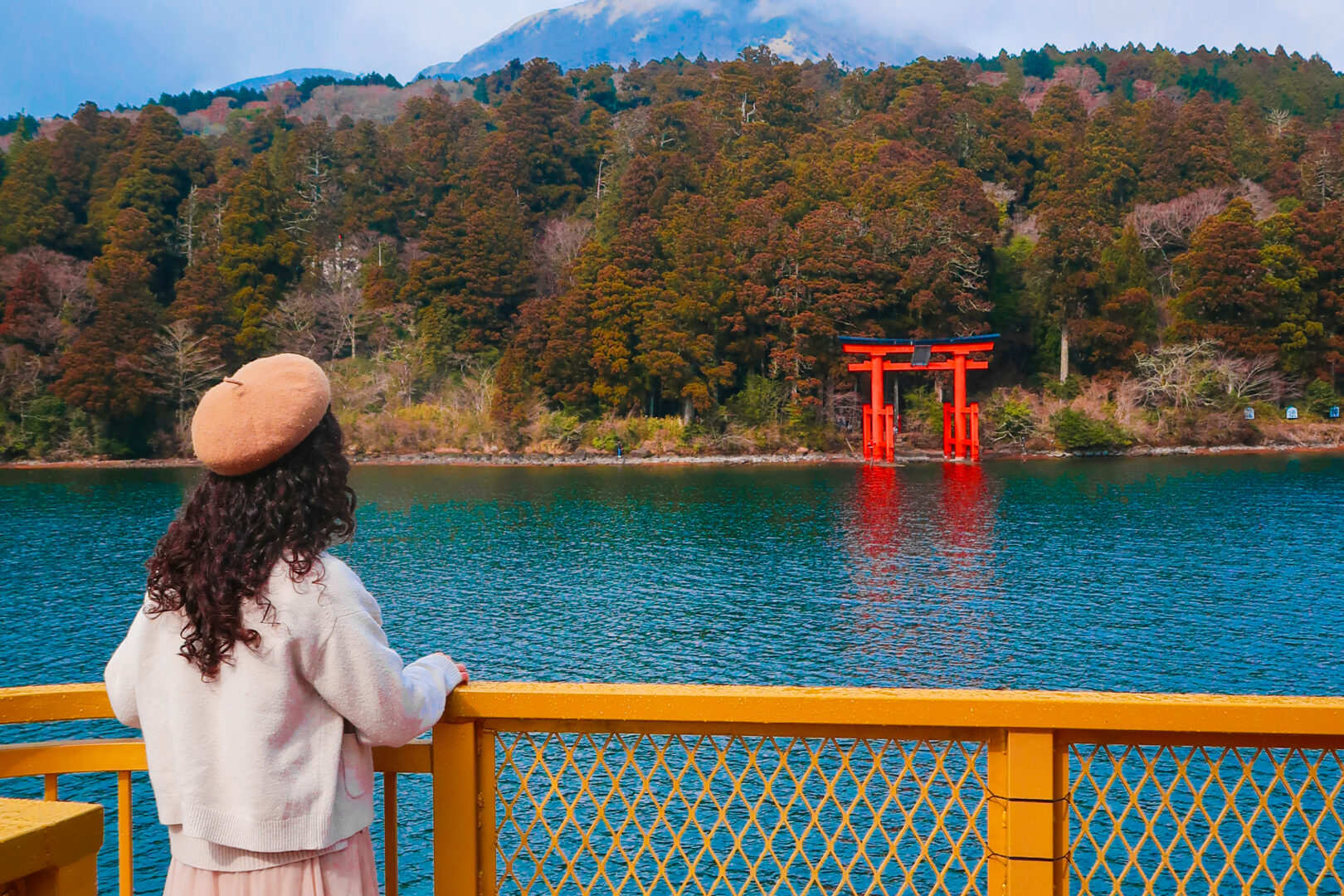
From the water, Hakone’s scenery felt even more breathtaking, with mountains rising around the lake, mist drifting down the forested hills, and the iconic torii of Hakone Shrine standing magnificently along the shoreline as the ship set sail. Looking out across the lake, I also caught a glimpse of the more secluded floating torii of Kuzuryu Shrine Hongu, quietly standing along the lakeshore and easy to miss if you’re not paying attention.
Riding the Ropeway to Owakudani’s Eerie Volcanic Valley
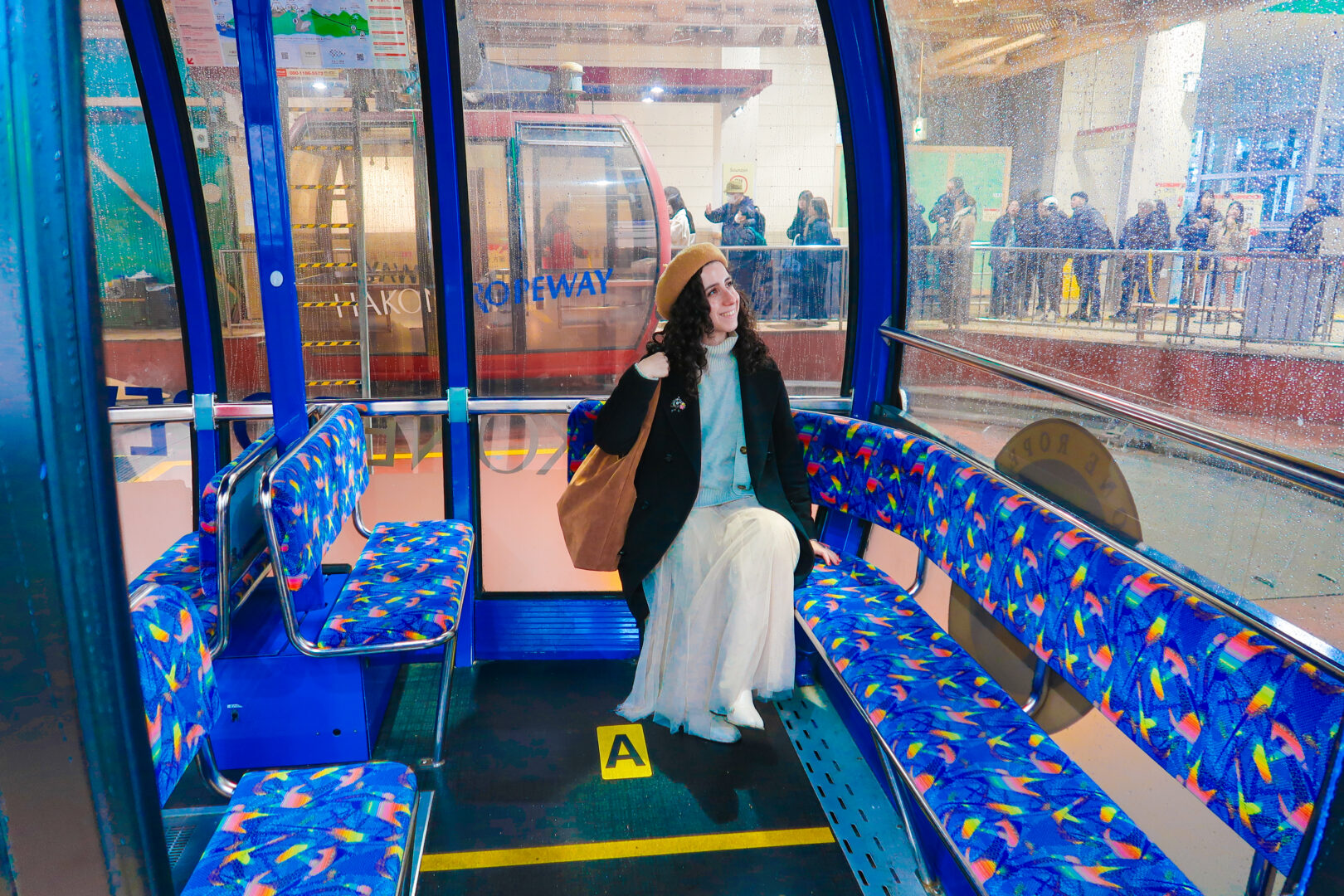
After disembarking at Togendai Port, I boarded the Hakone Ropeway toward Owakudani. This section of the ropeway is famous for offering sweeping aerial views over Lake Ashi with Mount Fuji rising in the background. On the day of my visit, clouds had rolled in and instead of distant vistas, the ropeway drifted quietly through a misty white landscape, giving the ride an unexpectedly mysterious atmosphere as the mountains appeared and disappeared through the fog.
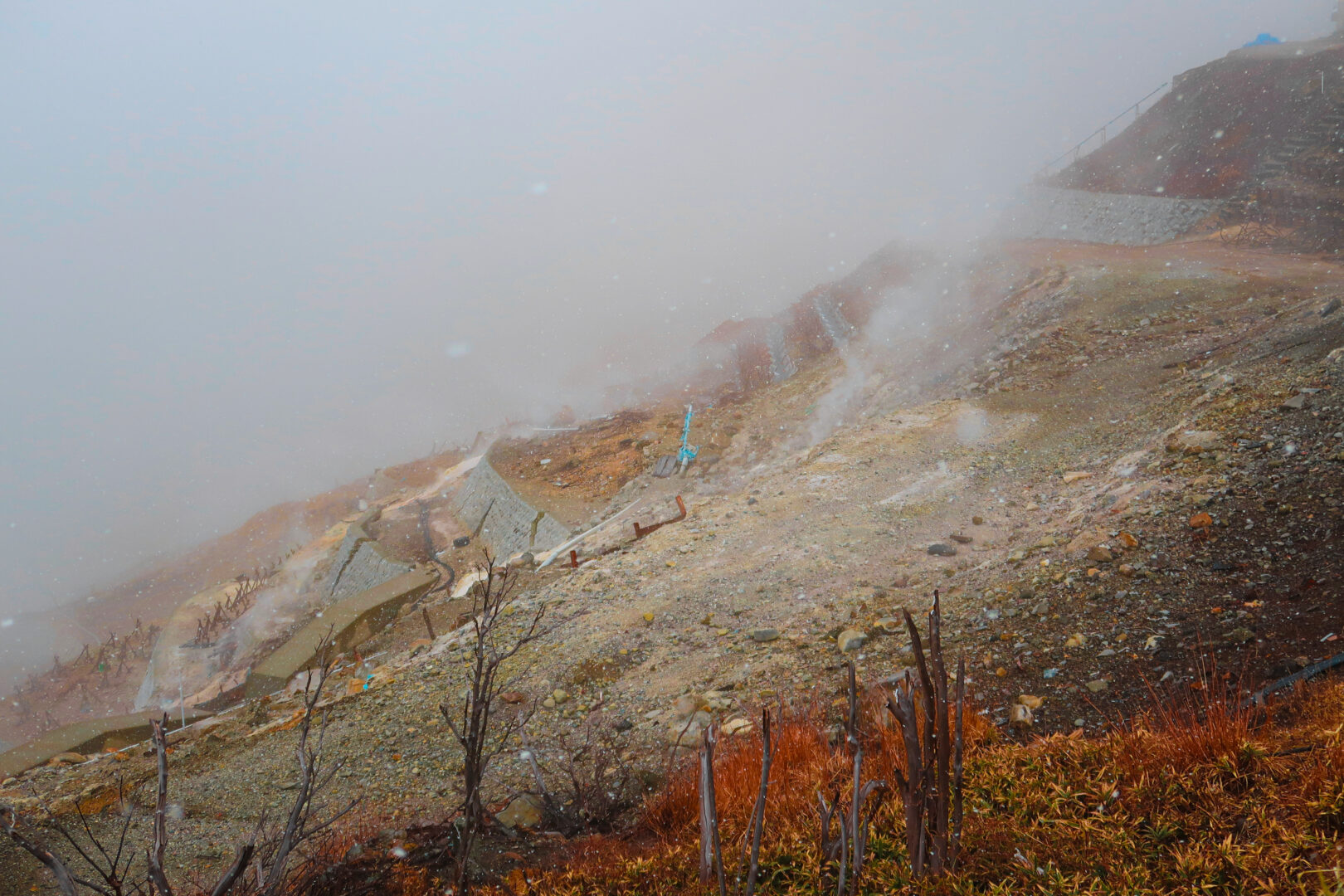
Hopping off the ropeway at Owakudani, the smell of sulfur and plumes of steam rising from the mountainside made it clear I’d arrived in one of Hakone’s most dynamic natural wonders. Formed during an eruption around 3,000 years ago, the valley’s name – meaning “Great Boiling Valley,”– perfectly captures the geothermal landscape where nature’s raw power is still on display. Several viewing platforms allowed me to safely observe the striking scenery up close, giving me a newfound appreciation for the magnificent forces usually hidden deep beneath the earth.
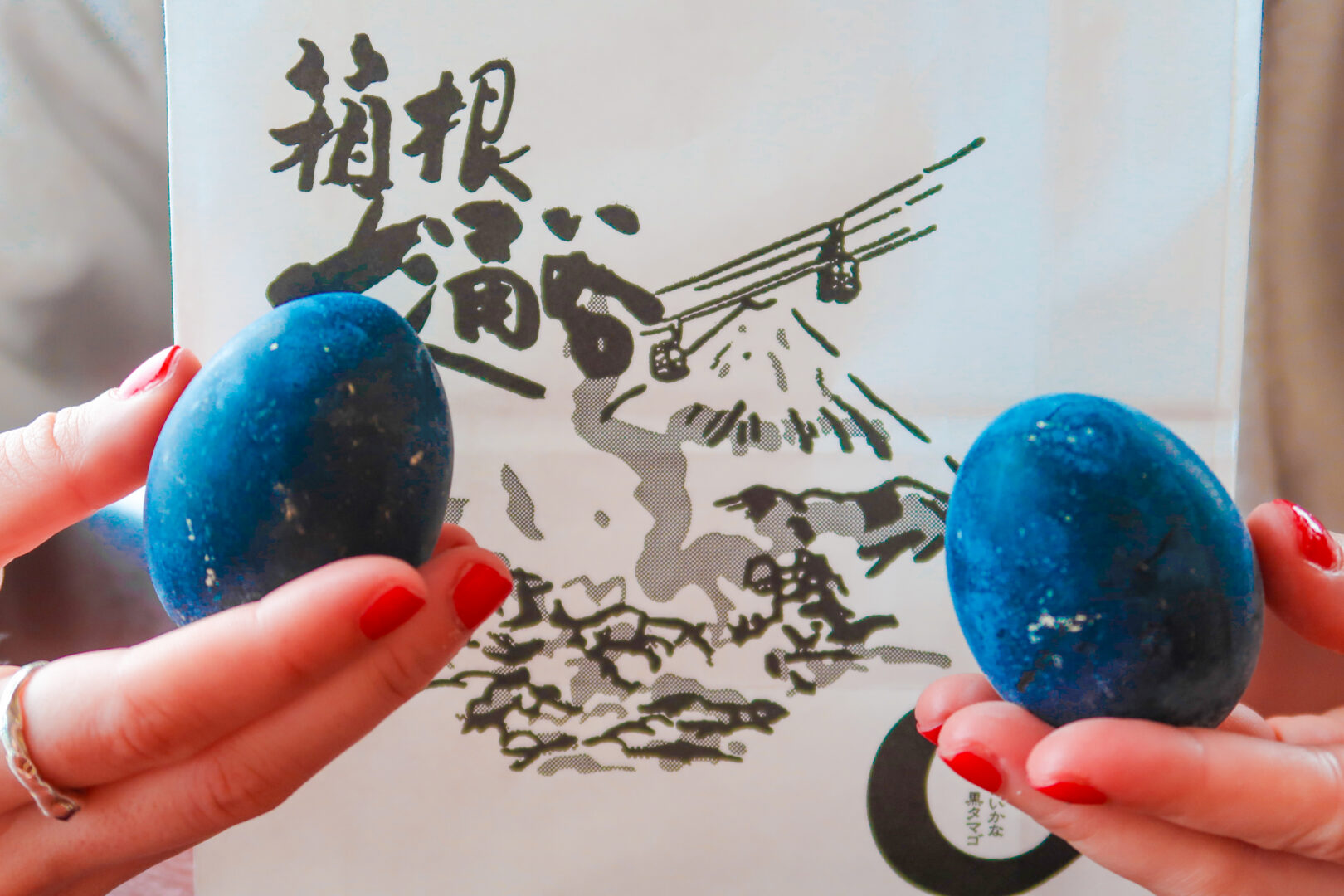
A must-try here are the unique black eggs, whose shells turn jet black after being boiled in the geothermal waters of the valley. According to local legend, eating one adds seven years to your life. Despite their dramatic appearance, the flavor is surprisingly similar to a regular boiled egg, but with slightly deeper, more minerally notes and a rich, creamy yolk.
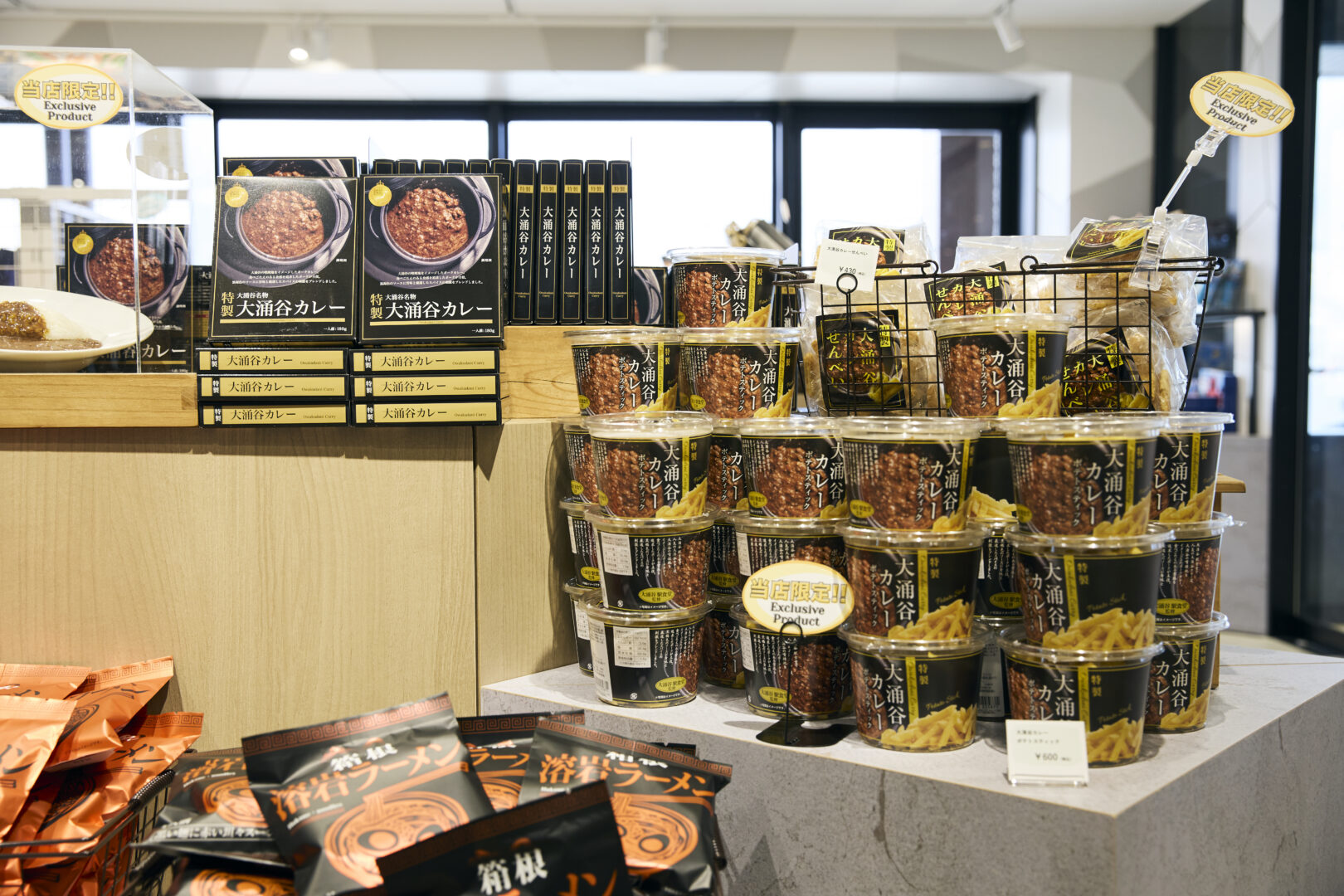
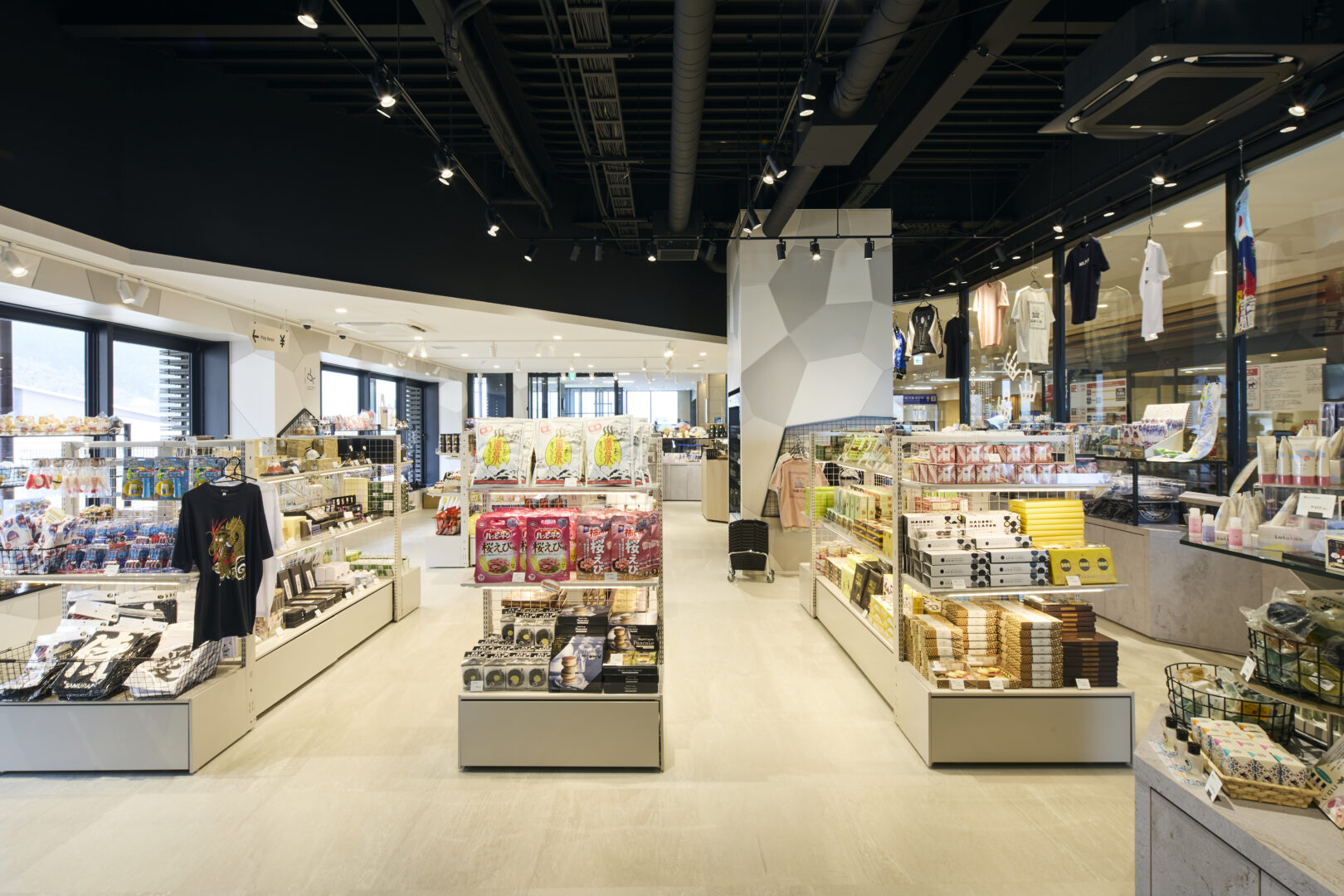
Making my way back to the ropeway, I popped into Tani no Marché, a souvenir shop right by Owakudani Station. Inside, I found a wide range of Hakone souvenirs, including the popular richly Owakudani-kare (special Owakudani curry) inspired by Owakudani’s volcanic landscape – a unique local specialty to take home. I also came across Mt. Fuji-themed keepsakes like the “Fujisan-oshi Bottle,” whose inwardly curved base is shaped like Mt. Fuji. I loved that it can be paired with matching bottle caps topped with a 2D acrylic Mt. Fuji figure, available in a variety of colors, making it feel more fun and customizable.
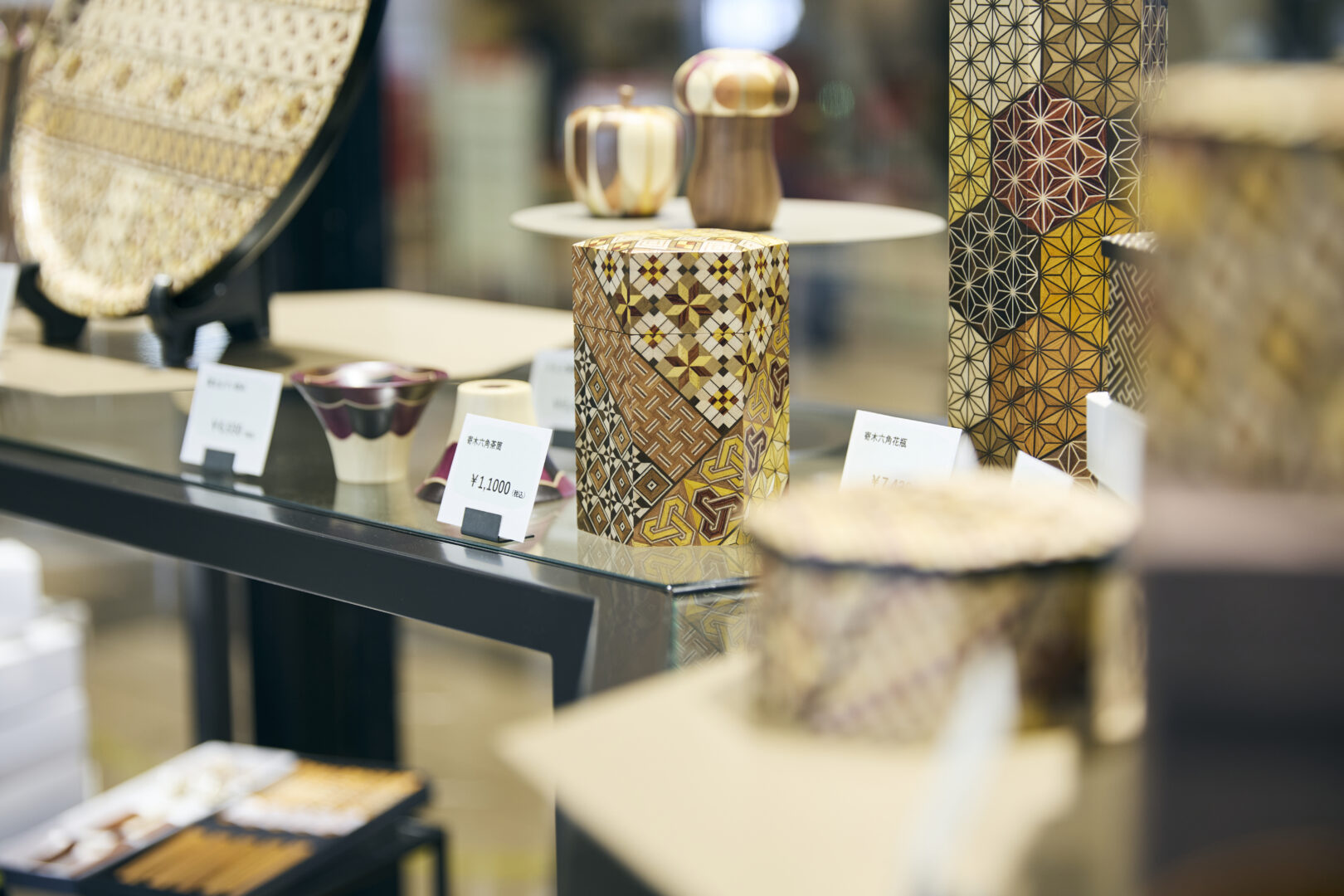
Alongside these were traditional crafts such as beautifully intricate Hakone Yosegi-Zaiku (Hakone marquetry) jewelry boxes and trays.
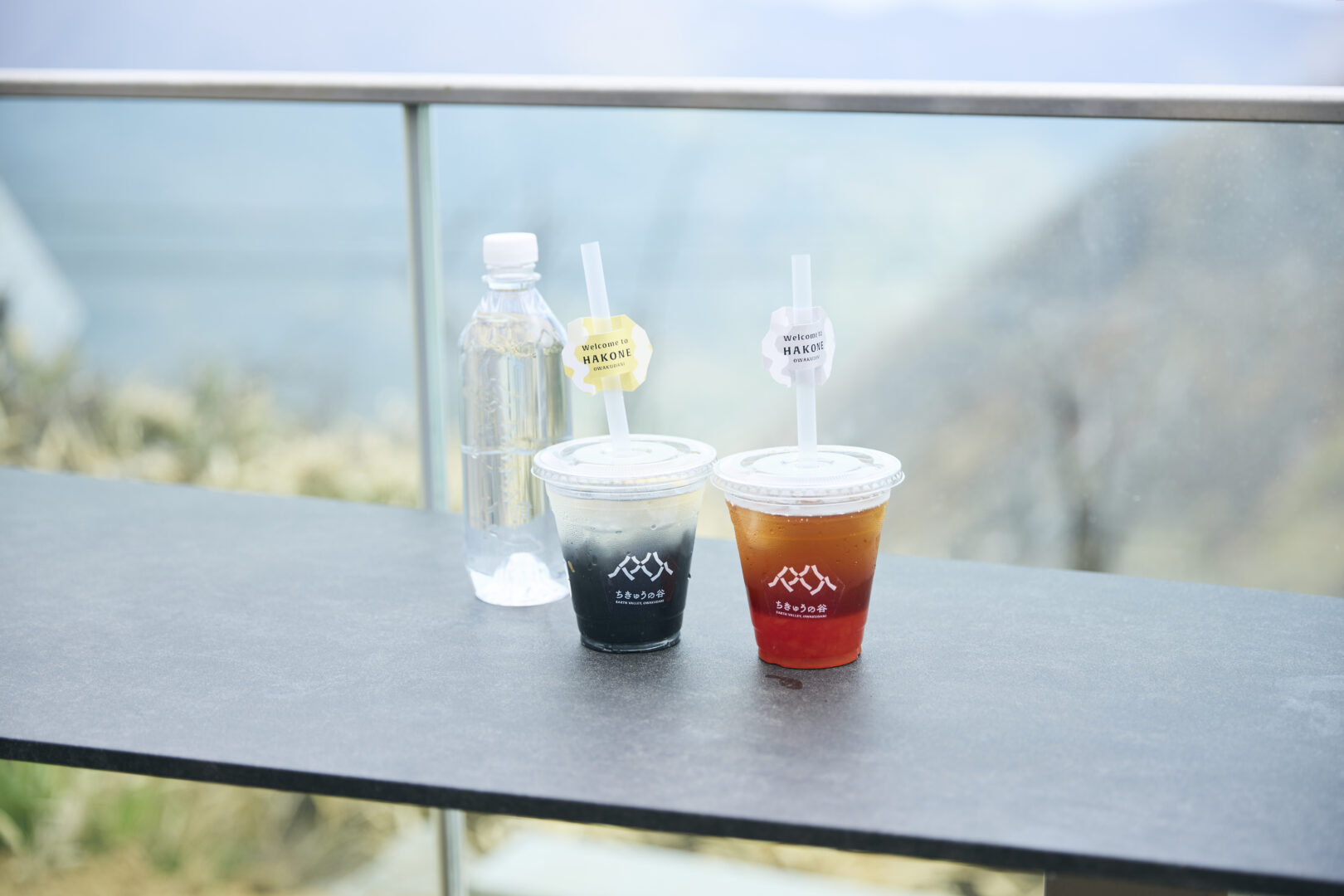
I also found plenty of treats to enjoy on the spot, and ended up trying some of the shop’s eye catching original drinks. These included the Valley Soda, with refreshing layers of tea and red grapefruit, and the Geo-nade, a black lemonade with citrusy notes and jelly that adds a fun contrast in both taste and texture.
Exploring Hakone Open-Air Museum: Where Art Meets Nature

After visiting Owakudani, I continued on the Hakone Ropeway onward to Sounzan. This section of the ropeway delivered a completely different perspective, traveling about 130 meters above Owakudani, letting me enjoy a final view of the steaming vents from above. From Sounzan Station, I descended the mountains to Gora on the Hakone Tozan Cable Car, then switched to the Hakone Tozan Train, whose unique switchback tracks and stunning mountain scenery made the ride feel like an adventure in itself. Chokokunomori Station marked my next stop, where my final destination of the day awaited: the Hakone Open-Air Museum.
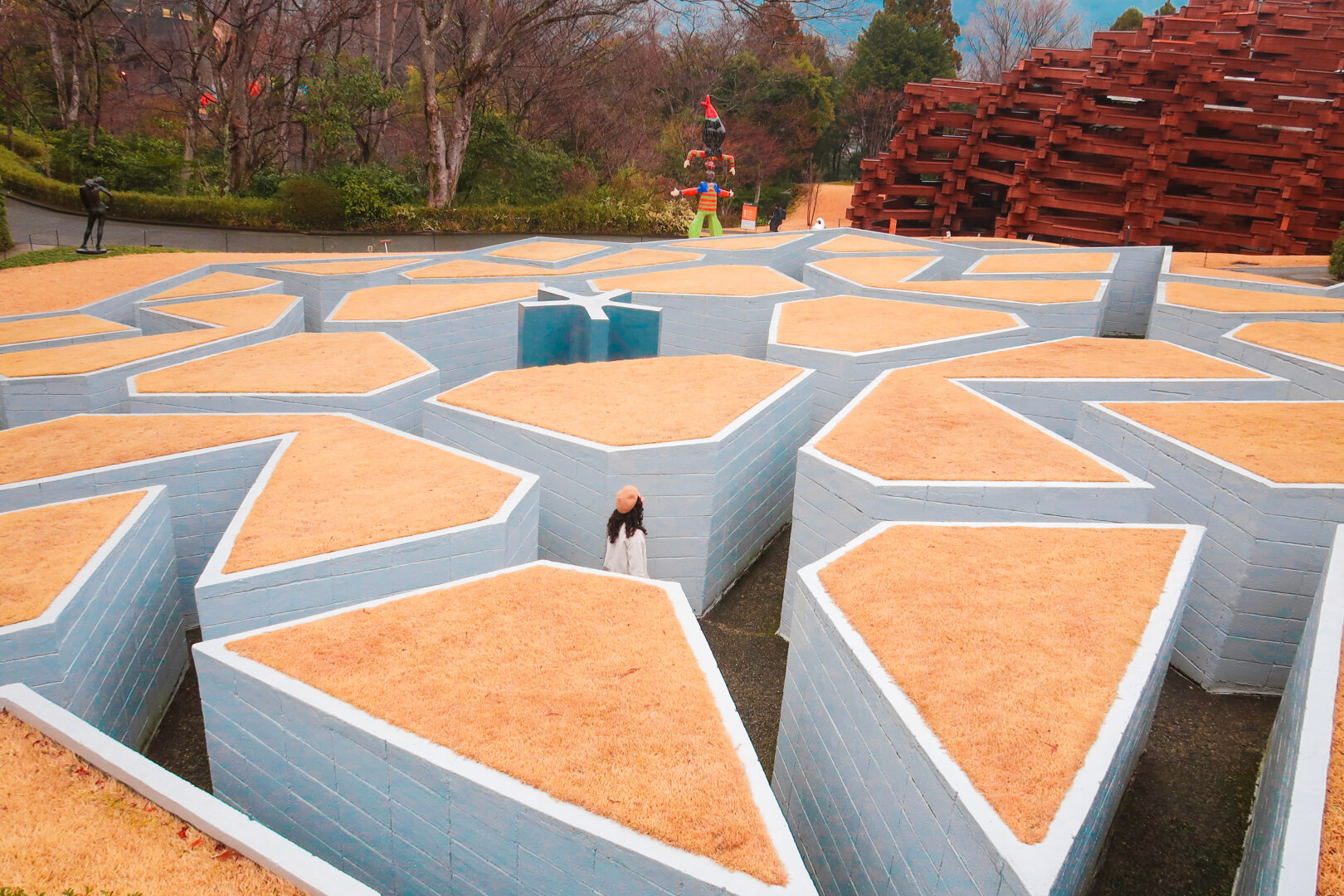
Spread across a vast mountainside, this museum feels more like a peaceful park where art and nature merge. Wandering through the sprawling 70,000-square-meter grounds, I found sculptures tucked among lush greenery, scattered across rolling lawns, and set against jaw-dropping mountain views, encouraging me to roam and appreciate them all up close.
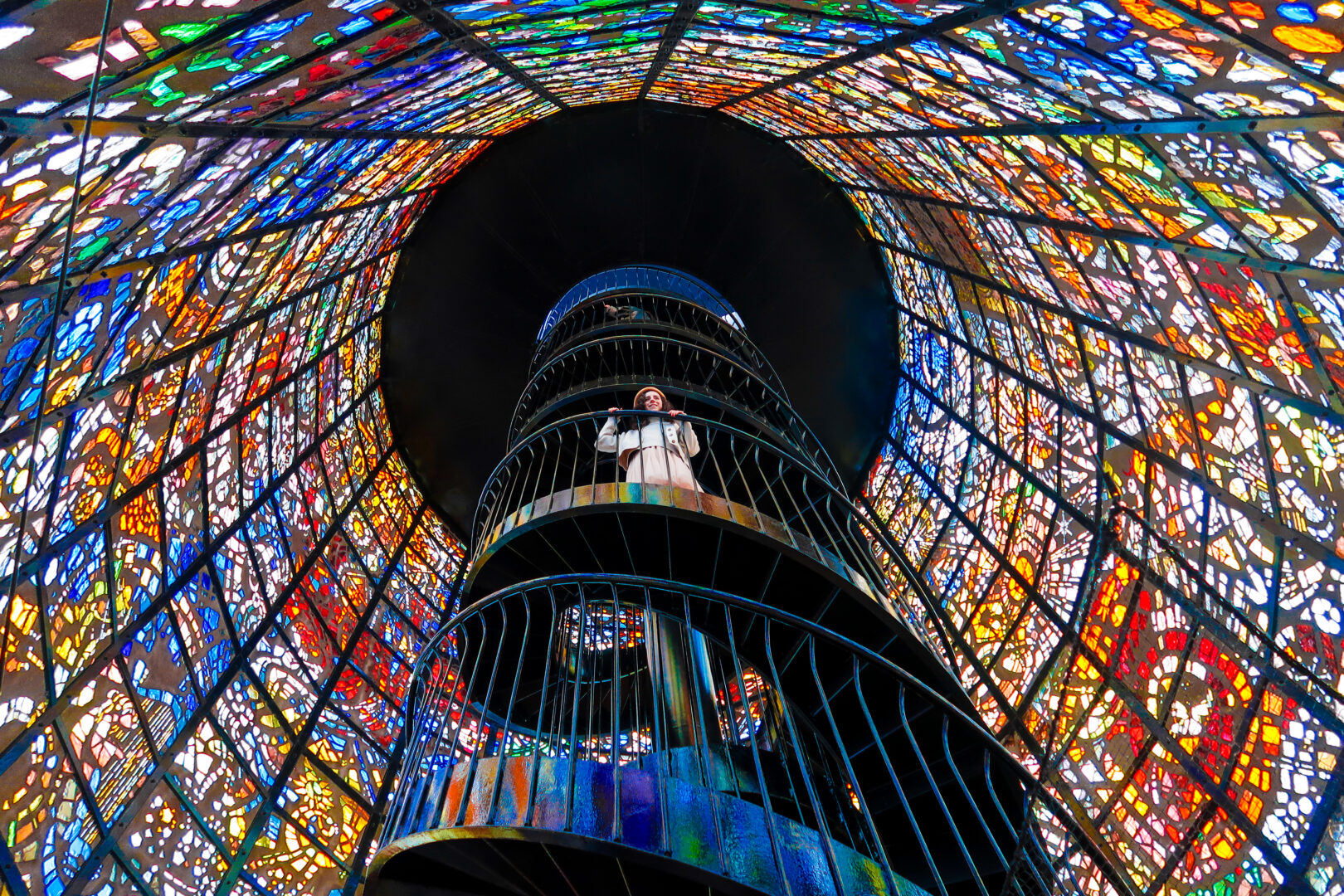
For me, the biggest highlight was climbing inside the colorful stained-glass tower of the Symphonic Sculpture. As I stepped inside, sunlight streamed through the vibrant panels, casting shifting patterns of red, blue, and gold across the spiral staircase. The effect felt almost hypnotizing, as if walking through a glowing kaleidoscope.
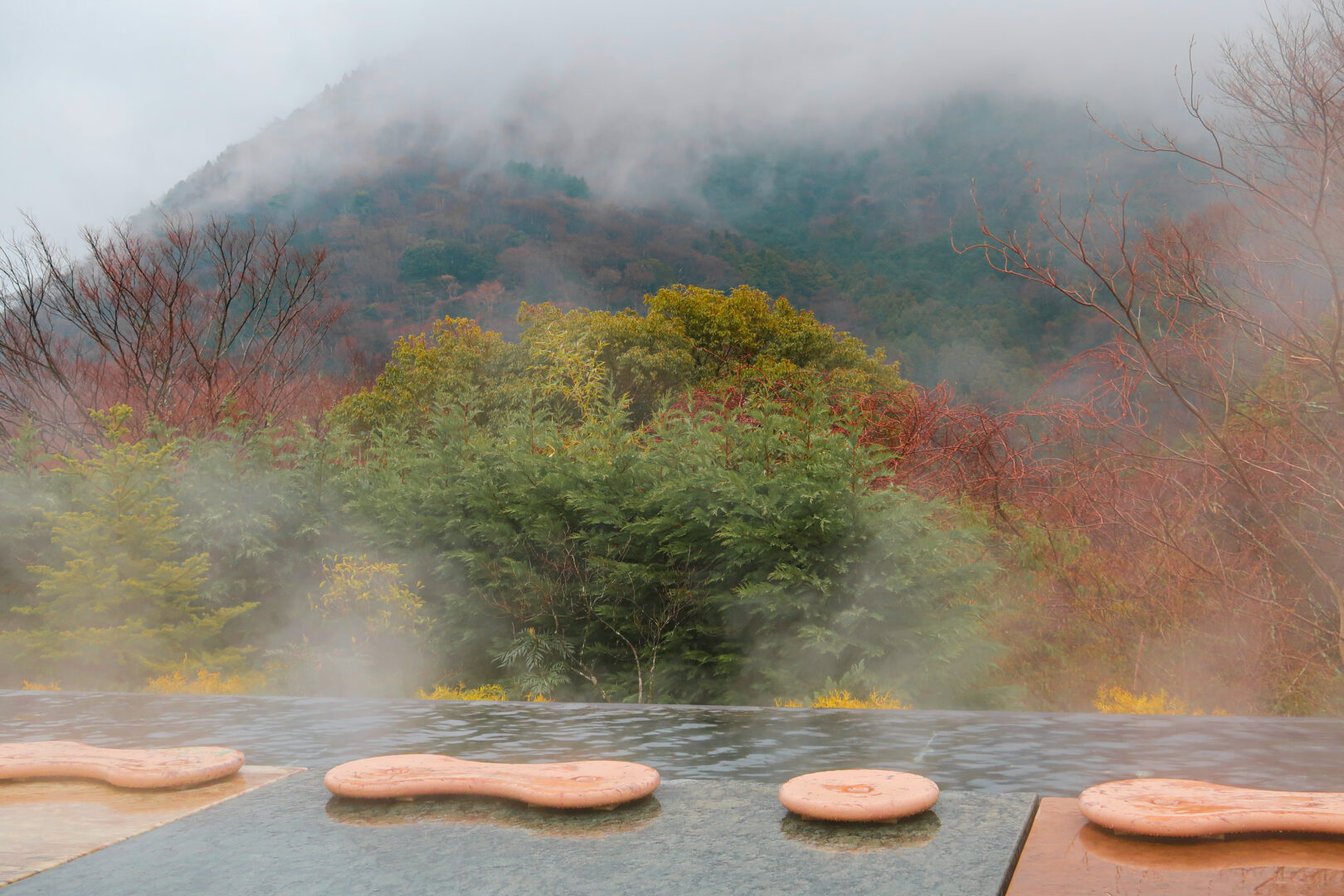
Right nearby, a relaxing footbath invited me to take a break while soaking my feet and quietly admire the natural scenery. Fed by Hakone’s natural hot spring waters, it’s a great way to experience the area’s famous onsen without staying overnight at a ryokan or visiting a public bathhouse – an unexpectedly peaceful pause before heading back to Hakone-Yumoto Station.
Finding the Perfect Hakone Souvenirs at Hakone-no-Ichi Shop
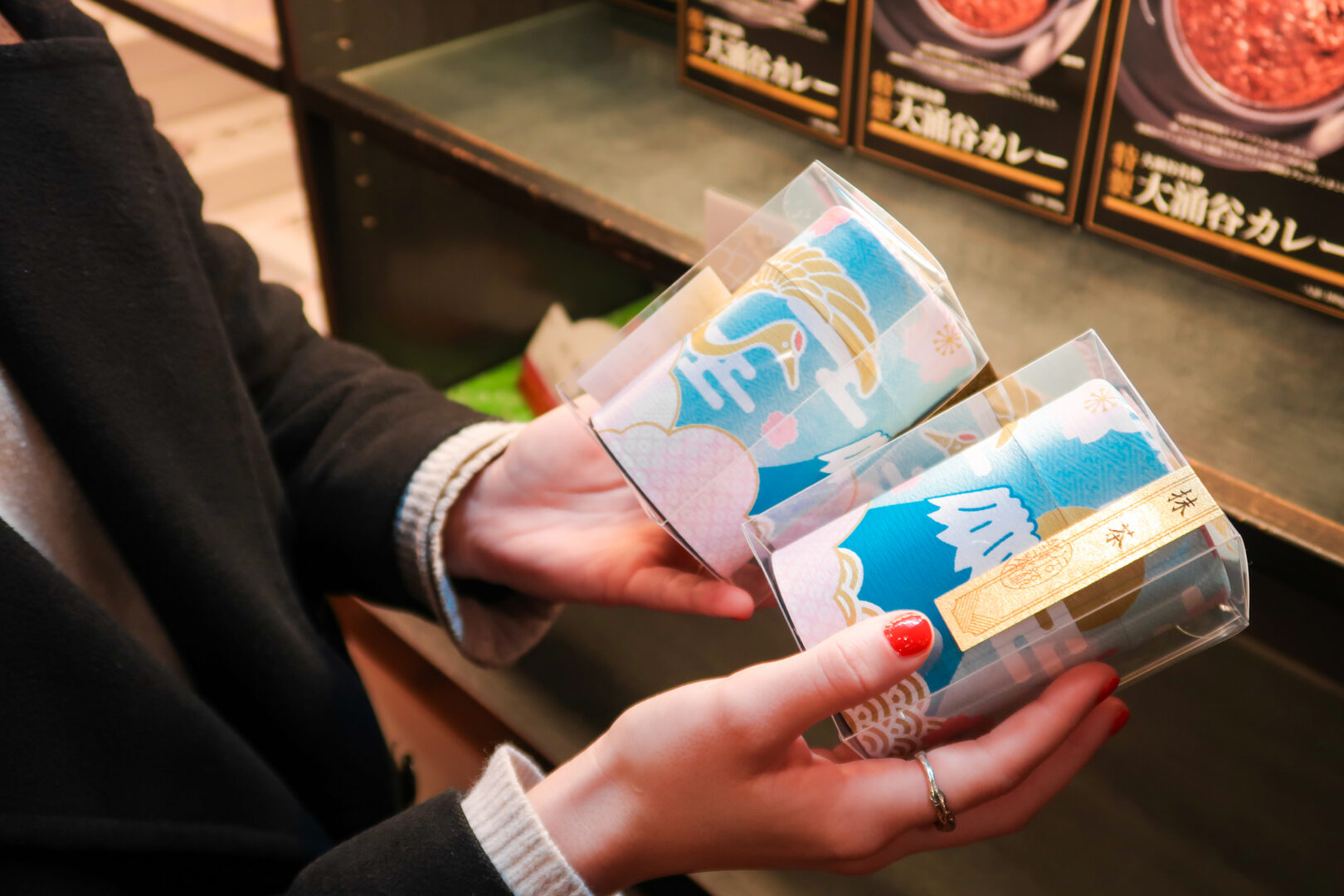
Before catching the Odakyu Romancecar back to Tokyo, I made one last stop at
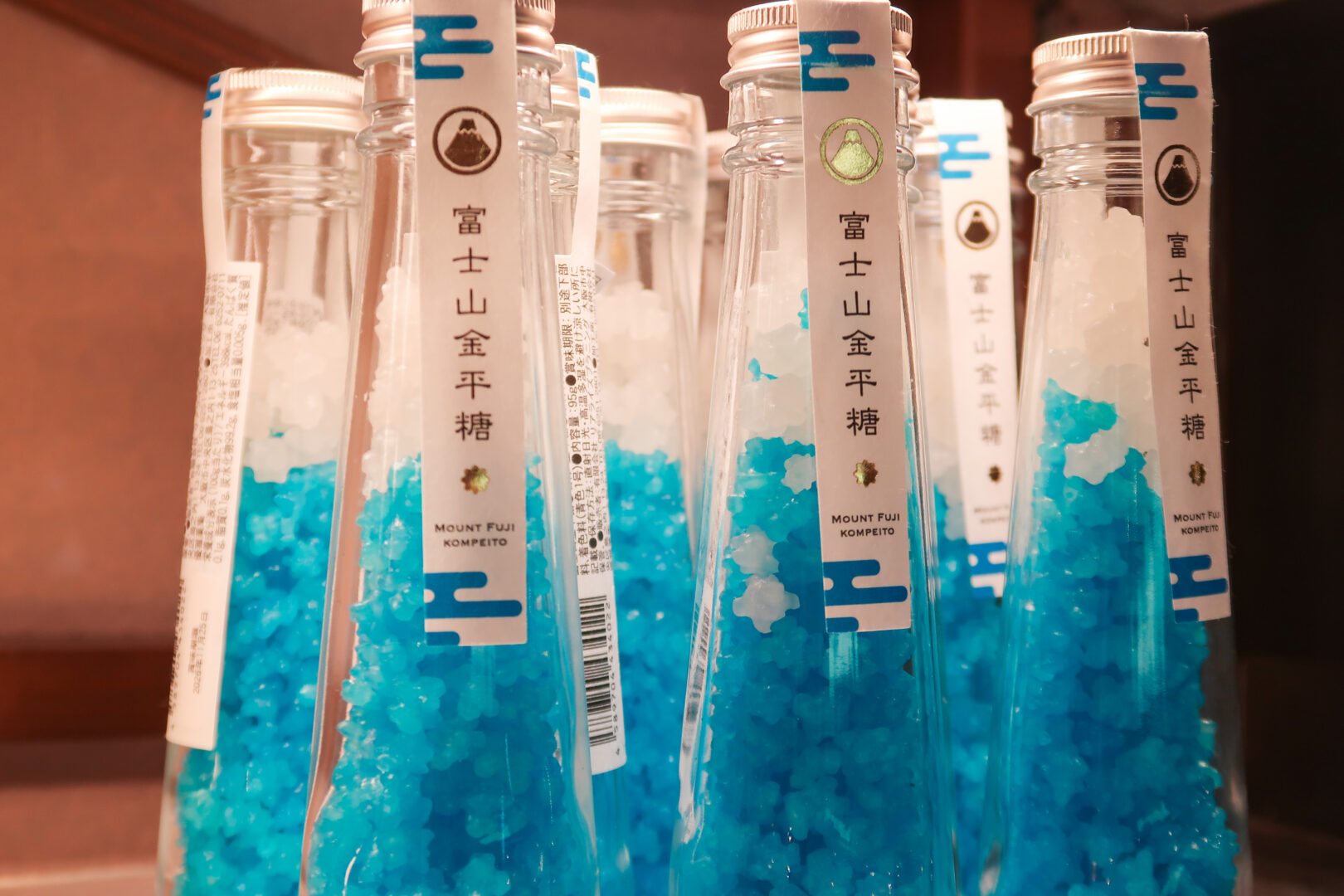
Hakone-no-Ichi Shop inside Hakone-Yumoto Station. Conveniently positioned just before the ticket gates, the shop is the perfect place to pick up a few Hakone souvenirs before returning to Tokyo. Shelves were filled with countless local specialties and beautifully packaged treats, but the Mt. Fuji-themed gifts immediately caught my eye. From delightfully crumbly Mt.Fuji-shaped sable cookies to tins of fragrant matcha decorated with cranes and Japan’s iconic peak, and even colorful Mt. Fuji-shaped “konpeito” sugar candies (pictured).
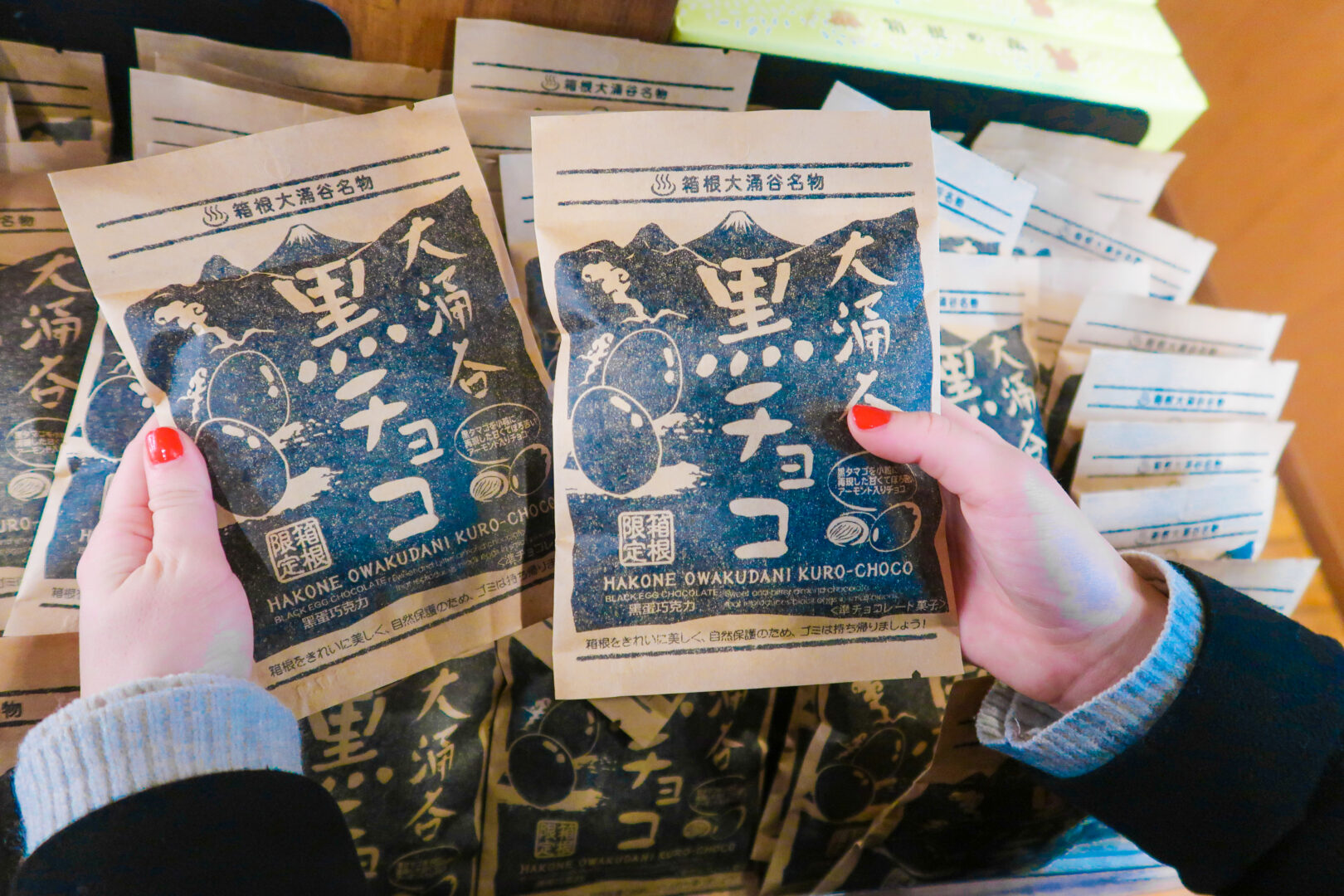
It was a lovely way to bring a little bit of Hakone home with me, so I couldn’t resist picking up two bags of black-egg-inspired chocolates. Each featured a crisp, candy-coated almond, layered with white chocolate flavored with egg yolk powder and finished with a semi-sweet dark chocolate coating. They were a huge hit when I shared them with my friends – they finished them in one go.
Hakone in 1 Day: A Scenic Journey with the Digital Hakone Freepass
By the end of the day, it was clear that Hakone truly lives up to its reputation. From serene shrines and volcanic landscapes to art set in nature, the variety of experiences packed into one trip was remarkable. Thanks to the Digital Hakone Freepass and the smooth connections between trains, ropeways, sightseeing cruises, and cable cars, exploring the area felt effortless. As my trip proved, it’s entirely possible to enjoy many of Hakone’s highlights in just one memorable day.