Hakone Old Tokaido Road Hiking Itinerary: Hatajuku, Amazake Chaya, and a Forest Onsen
- SHARE


When most people think of Hakone, they picture hot springs, art museums, and views of Mount Fuji. But there’s more to Hakone than sightseeing. I set out to walk the Old Tokaido Road, just as travelers did centuries ago, beneath towering cedar forests, pausing at cozy tea houses and meeting local craftspeople.
My route took me on the Hakone Tozan Cable Car, over the landscape on the Hakone Ropeway, across Lake Ashi by Sightseeing Cruise, and finally to the forest onsen at Hakone Yuryo, a perfect reward after a day on foot. So let me show you how you can do it too!
Before You Start: Why I Recommend Getting to Hakone the Night Before (and How to Make the Most of Day One)
In my experience, this route works best if you arrive in Hakone the evening before and spend the night in Gora. It gives you a head start for the next day and lets you enjoy these quieter mountain towns without rushing through them.
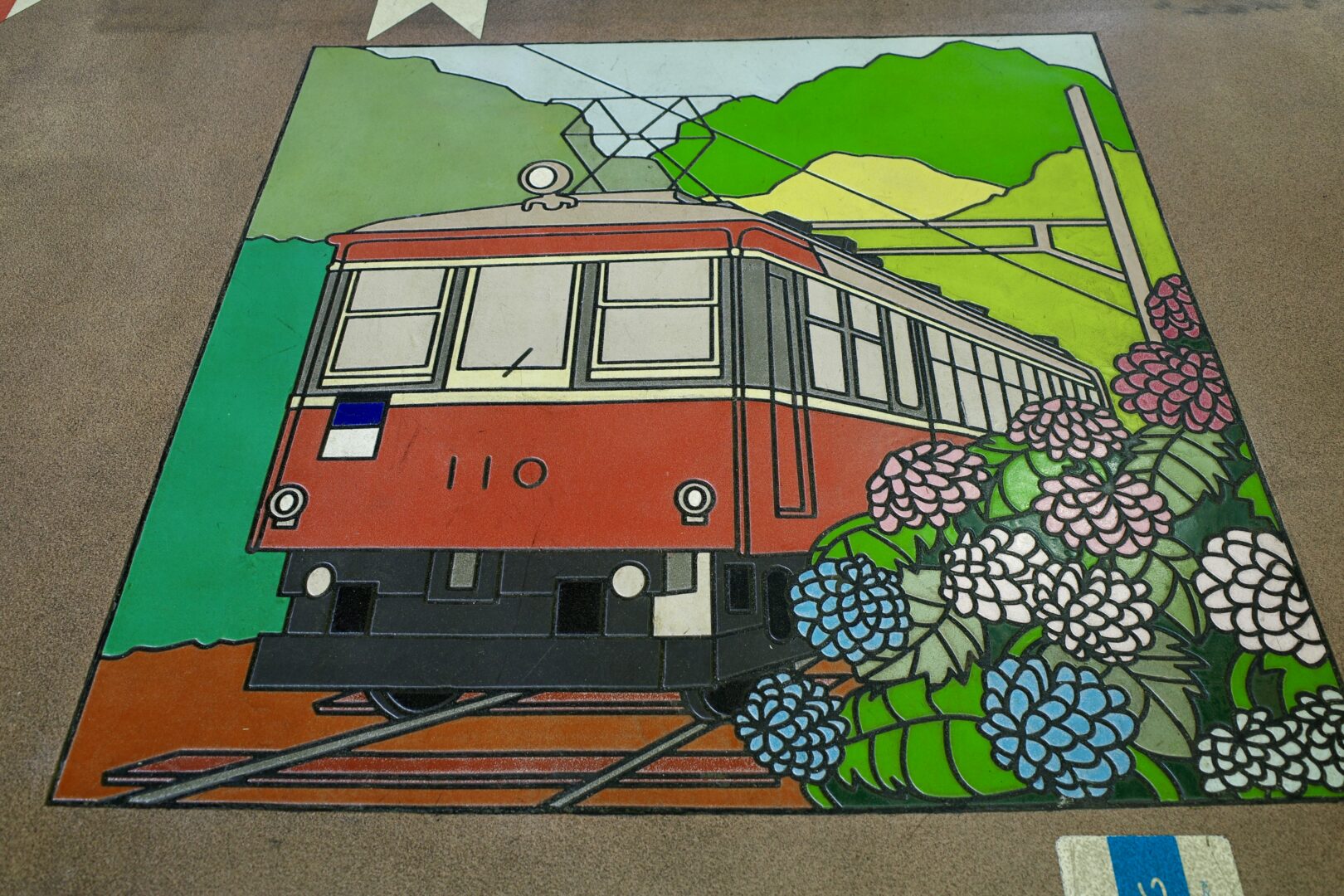
To reach Hakone from Tokyo, take an Odakyu train from Shinjuku Station to Hakone-Yumoto Station. The Limited Express Romancecar is the most convenient option, offering a direct journey of around 80 minutes with reserved seating and large windows for enjoying the scenery.
One tip I cannot recommend enough is to purchase the Hakone Freepass before your trip to get unlimited use of many of Hakone’s main forms of transportation, including trains, cable cars, ropeways, buses, and Sightseeing Cruise. You can purchase the pass at Shinjuku Station or get EMot Online Tickets in advance. Having it ready makes traveling between Hakone’s different areas much easier, especially on an itinerary involving several transfers.
Just remember: the Romancecar requires a small extra fee on top of your Hakone Freepass, which covers the base fare.
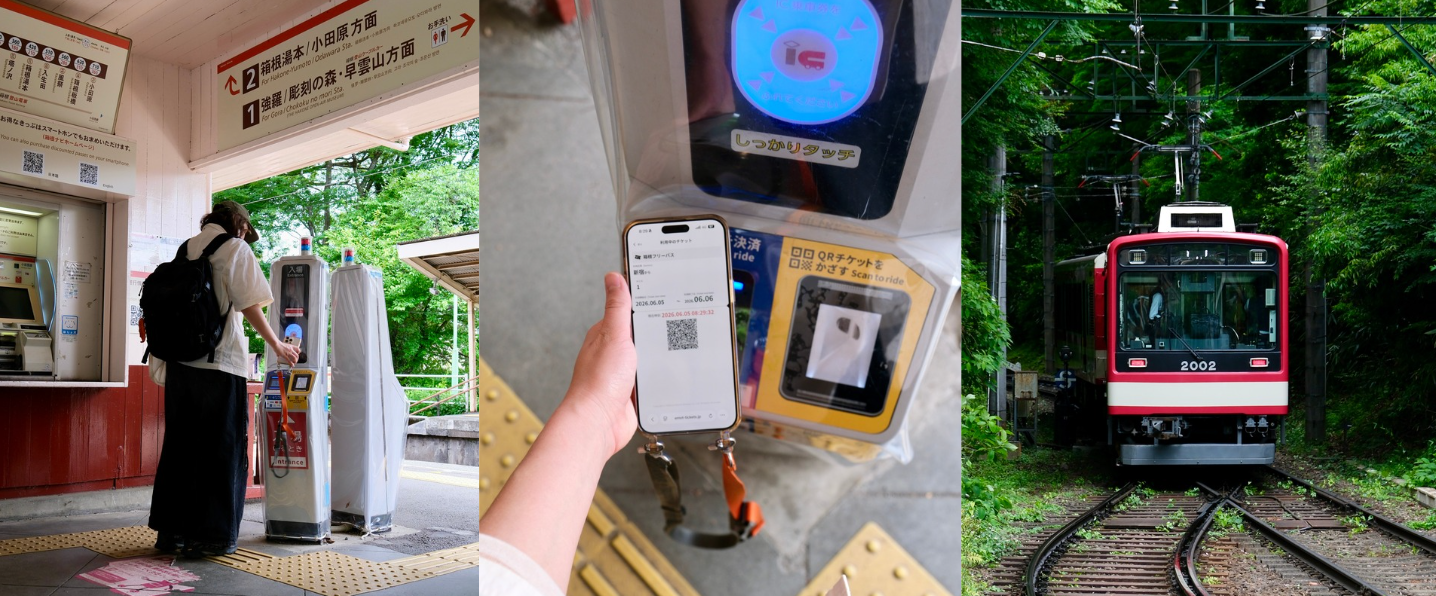
Get your digital ticket for the Limited Express Romancecar
Get your digital ticket for Hakone Freepass
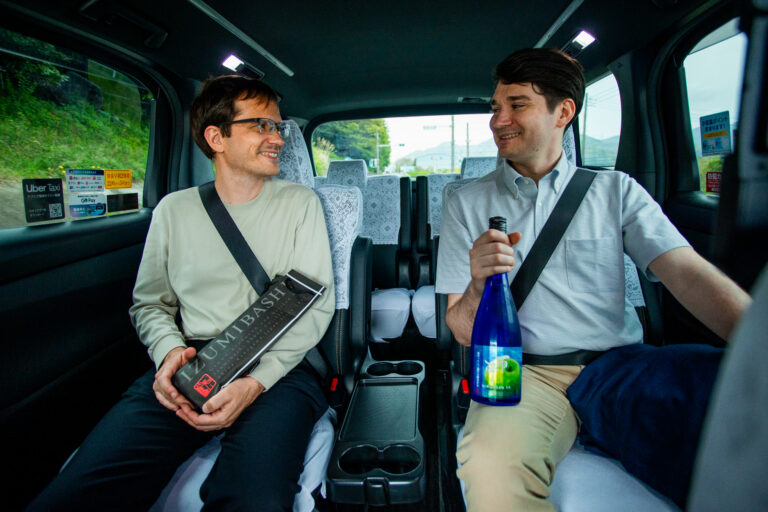
Once you arrive at Hakone-Yumoto, transfer to the Hakone Tozan Train or take a Hakone Tozan Bus covered by the Hakone Freepass to your next destination.
For a detailed first-day itinerary, see another guide to exploring Miyanoshita and Gora.
Leaving Gora on Hakone’s Mountain Transportation
Waking up in Gora, I couldn’t wait to start the next leg of my Hakone adventure. Gora Station is small and a little sleepy in the early morning, but there’s a quiet excitement in the air as people line up for the Hakone Tozan Cable Car.
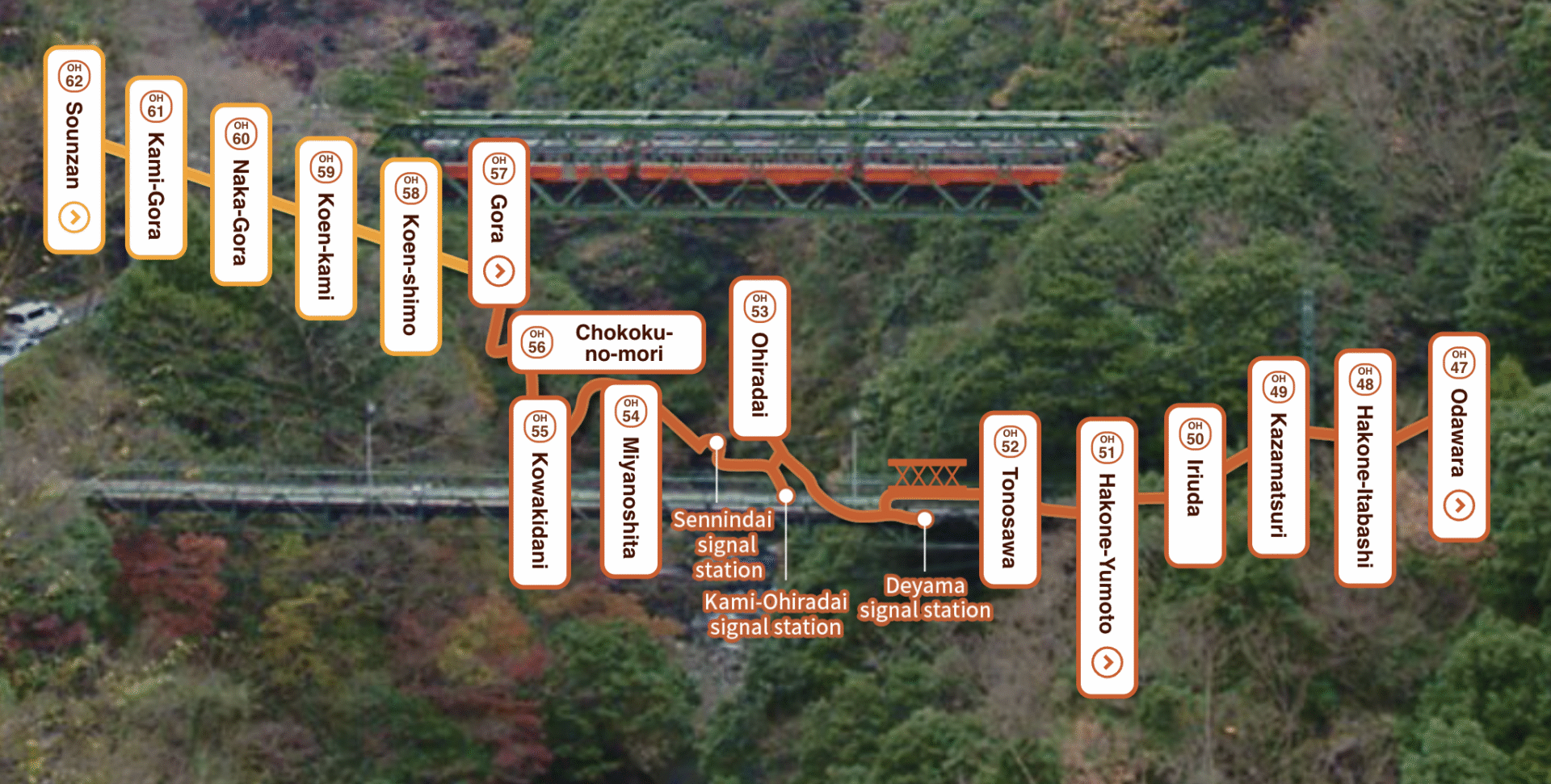
The cable car up to Sounzan is short, but it always gets my heart racing a bit as it climbs steeply through the trees. Each time I ride it, I’m reminded that in Hakone, getting from one place to another is part of the fun.
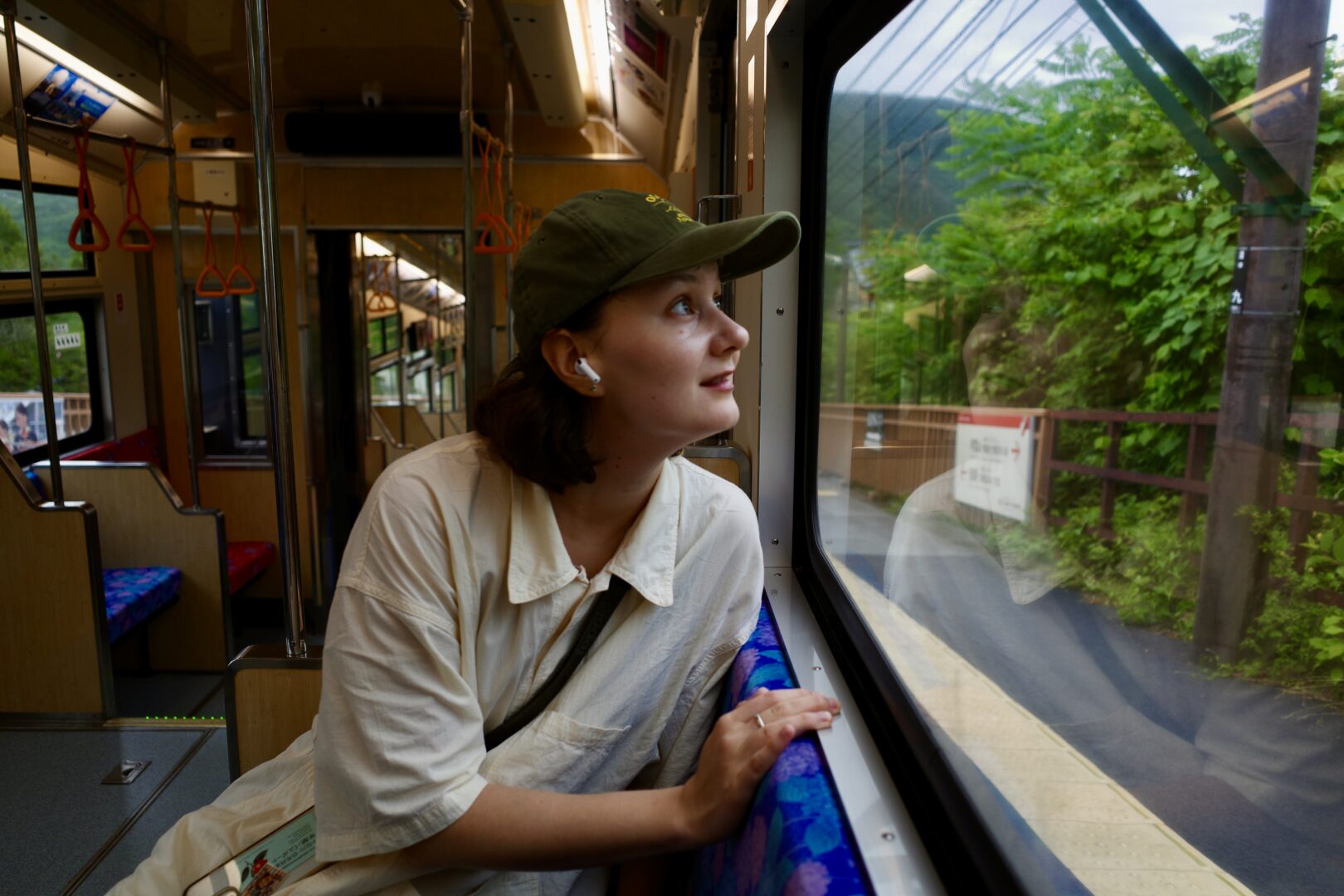
At Sounzan, you switch to the Hakone Ropeway. If the skies are clear, the views from the gondola are jaw-dropping, and sometimes even Mount Fuji in the distance. But even when everything is shrouded in cloud and mist, the whole ride feels mysterious and otherworldly.
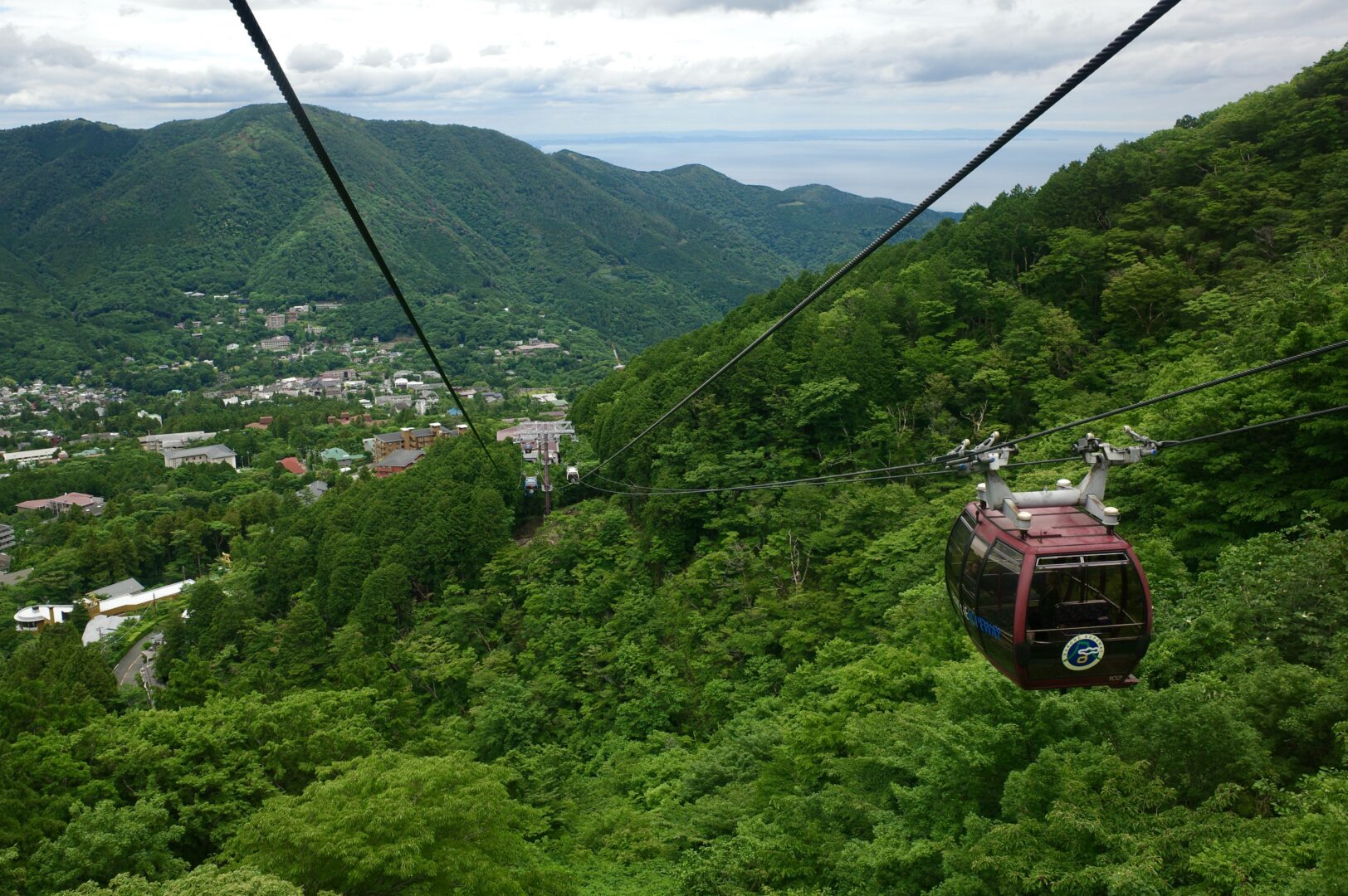
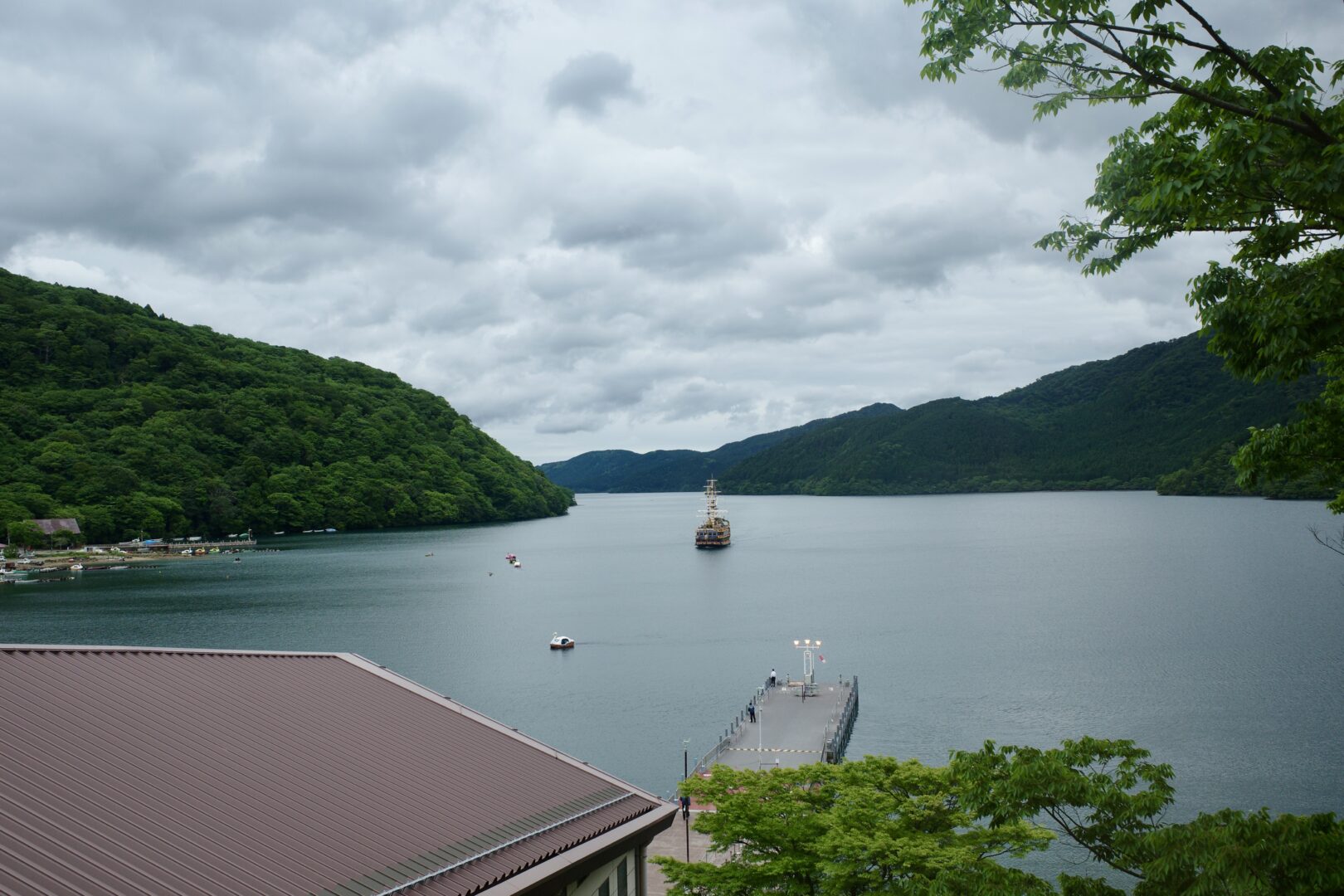
The Hakone Ropeway glides past the steaming vents of Owakudani (it really does smell like sulfur!), and eventually descends to Togendai on the edge of Lake Ashi.
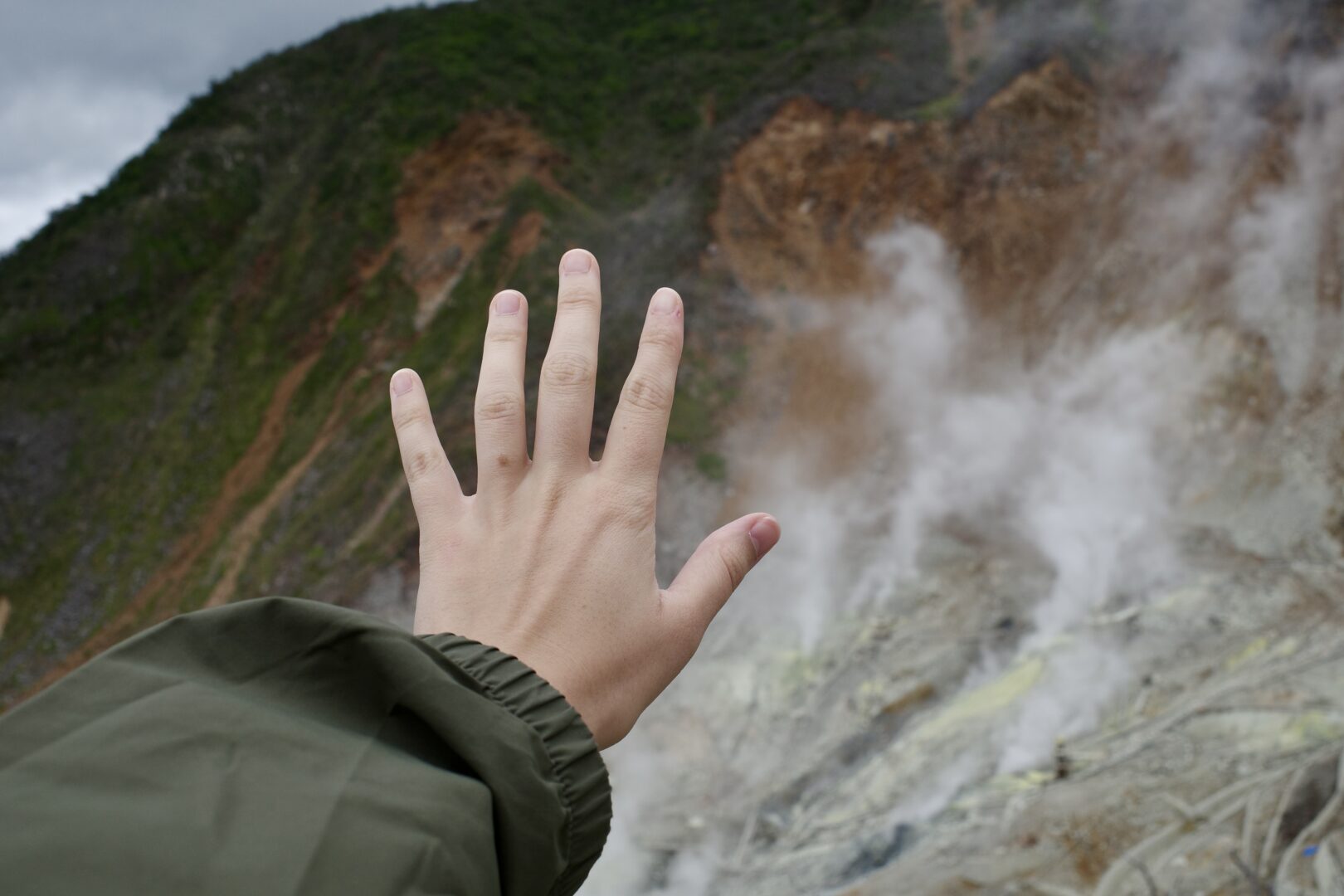
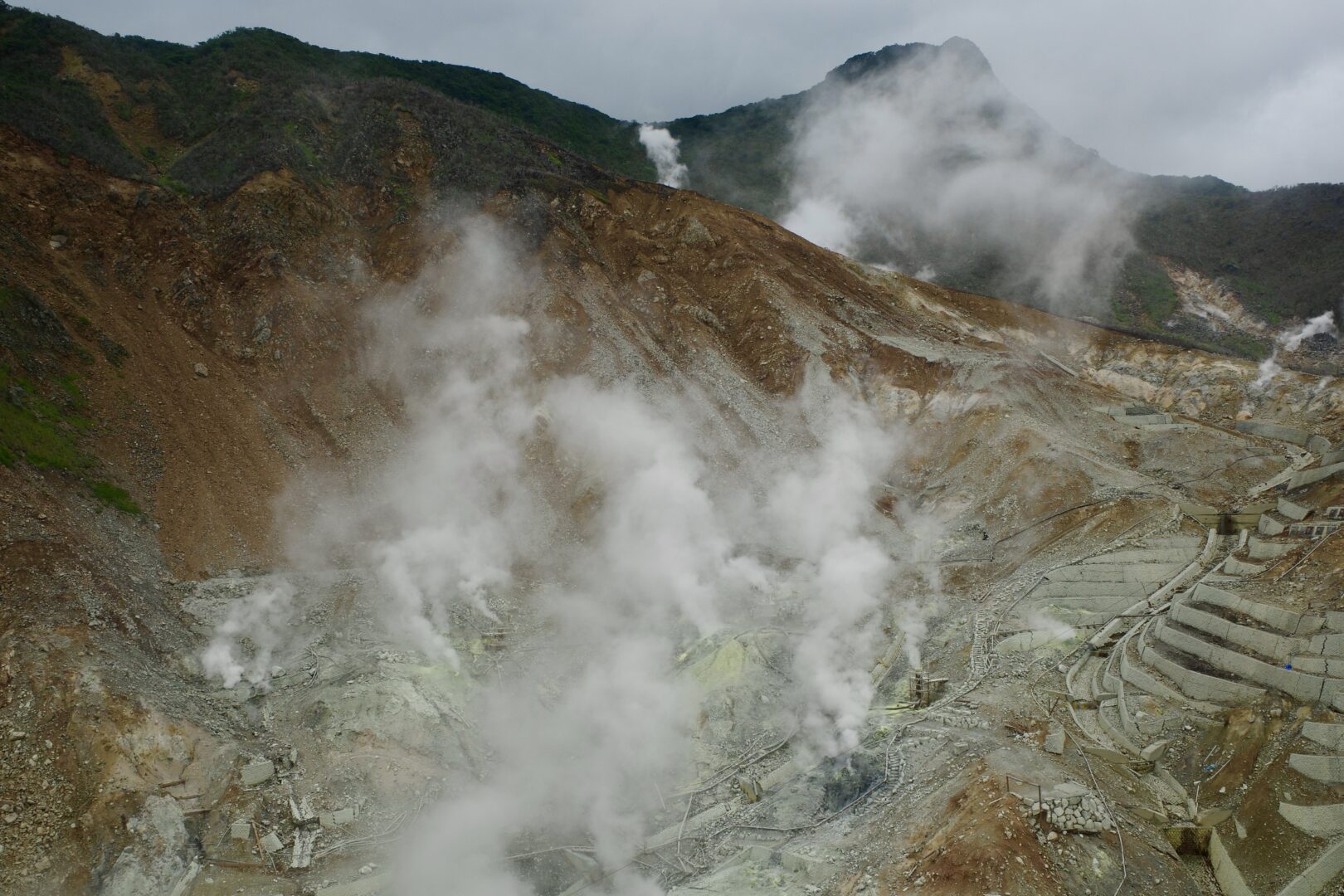
Your Hakone Freepass is pure gold here. It covers every leg, cable car, ropeway, and even the Sightseeing Cruise across Lake Ashi, so you can hop on and off without worrying about tickets. That makes life so much easier, especially if you want to be spontaneous.
Transportation services and traffic conditions may change due to weather, maintenance or other operating conditions. Check the latest information on Hakone Navi before traveling.
Crossing Lake Ashi Toward the Old Tokaido Road
After boarding the Hakone Sightseeing Cruise at Togendai, I put in my headphones and let my favorite playlist set the mood. There’s something about watching the glassy surface of Lake Ashi slip by with music in your ears. It turns the ride into a little personal movie.
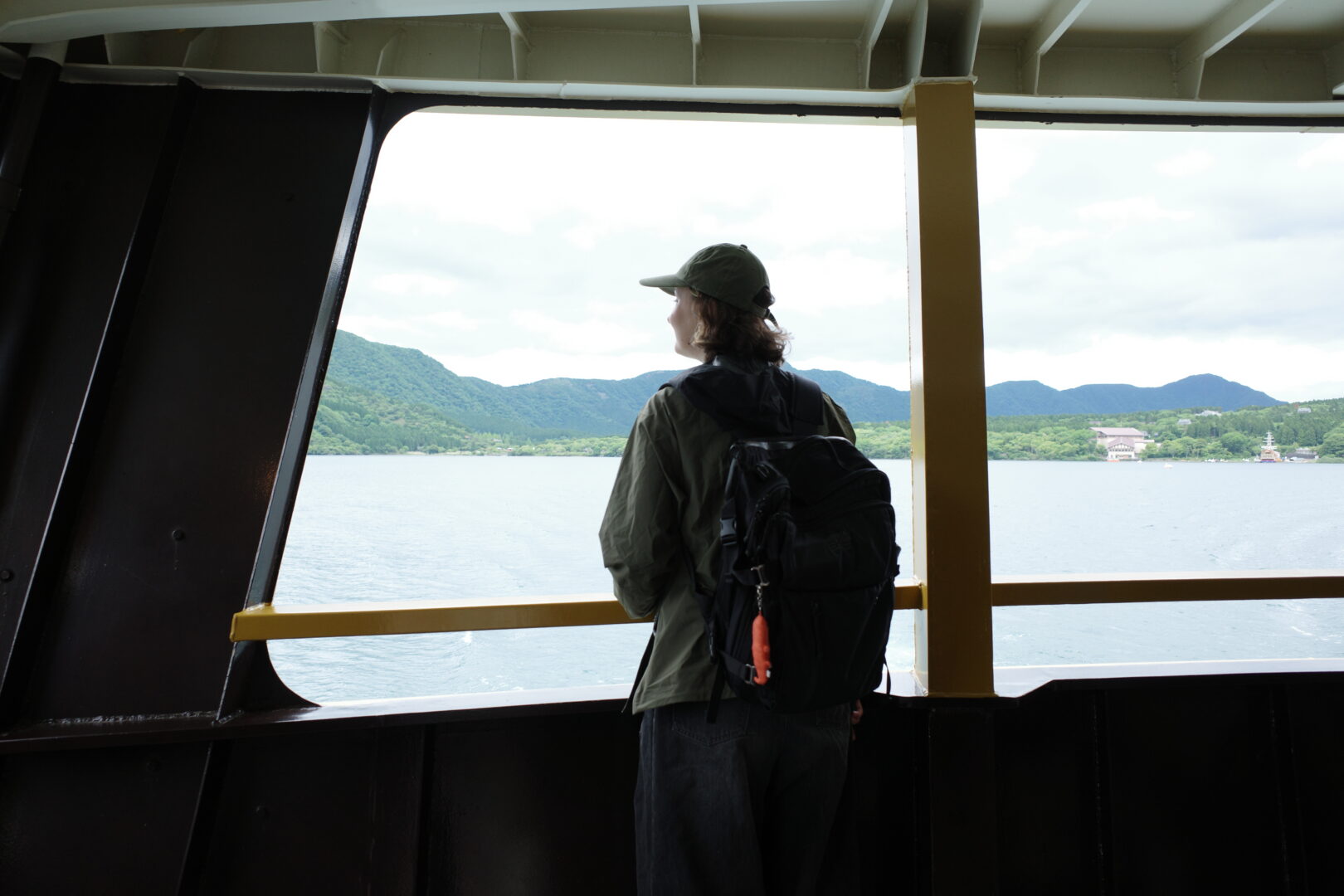
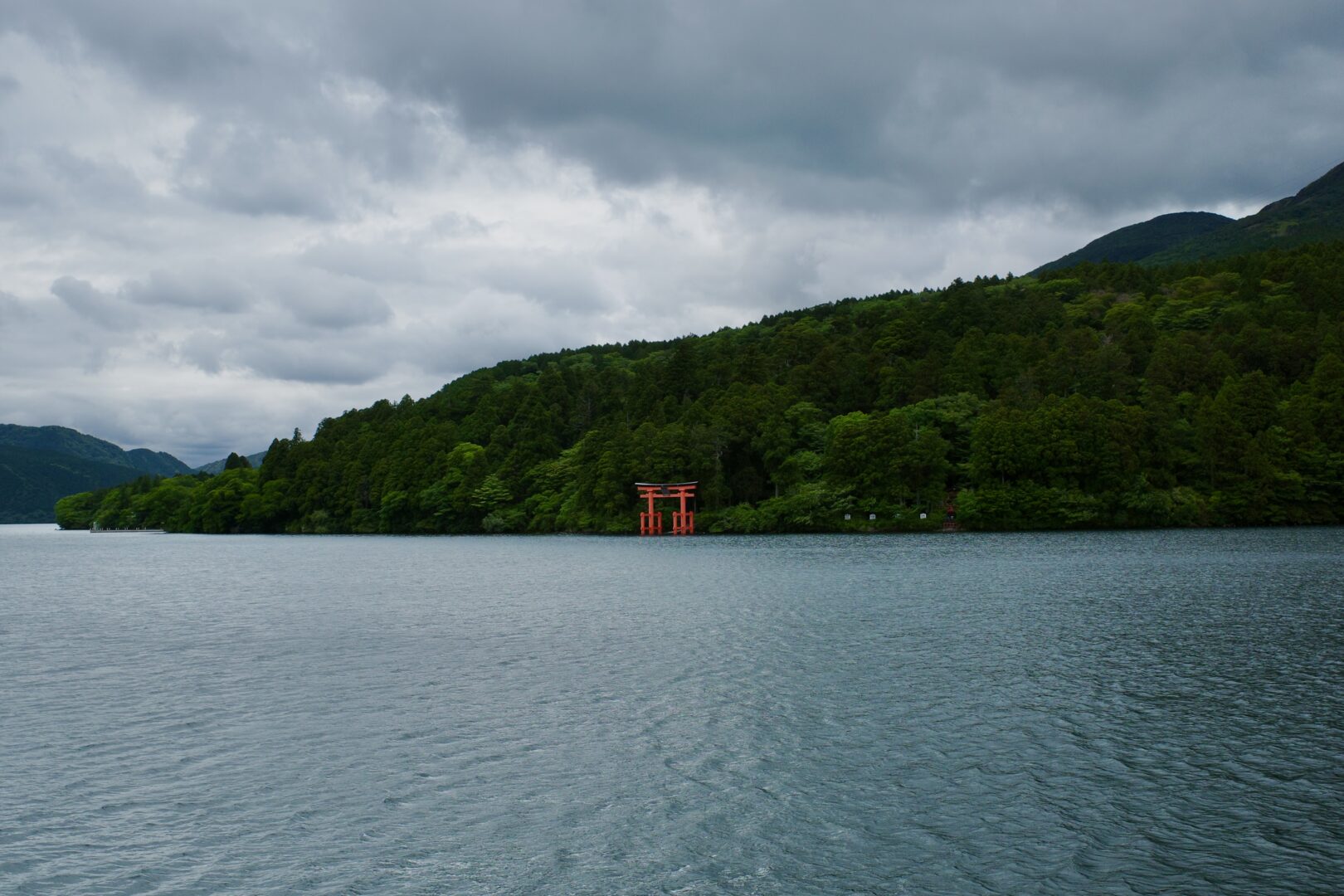
After getting off the Hakone Sightseeing Cruise at Motohakone-ko (this is the stop you want!), the entrance to the Old Tokaido Road is just a short walk away. Look for signs pointing toward the cedar avenue and Gongen-zaka Slope; the path is easy to spot once you know where to look.
How to Walk the Old Tokaido Road in Hakone: Historic Stone Path Experience
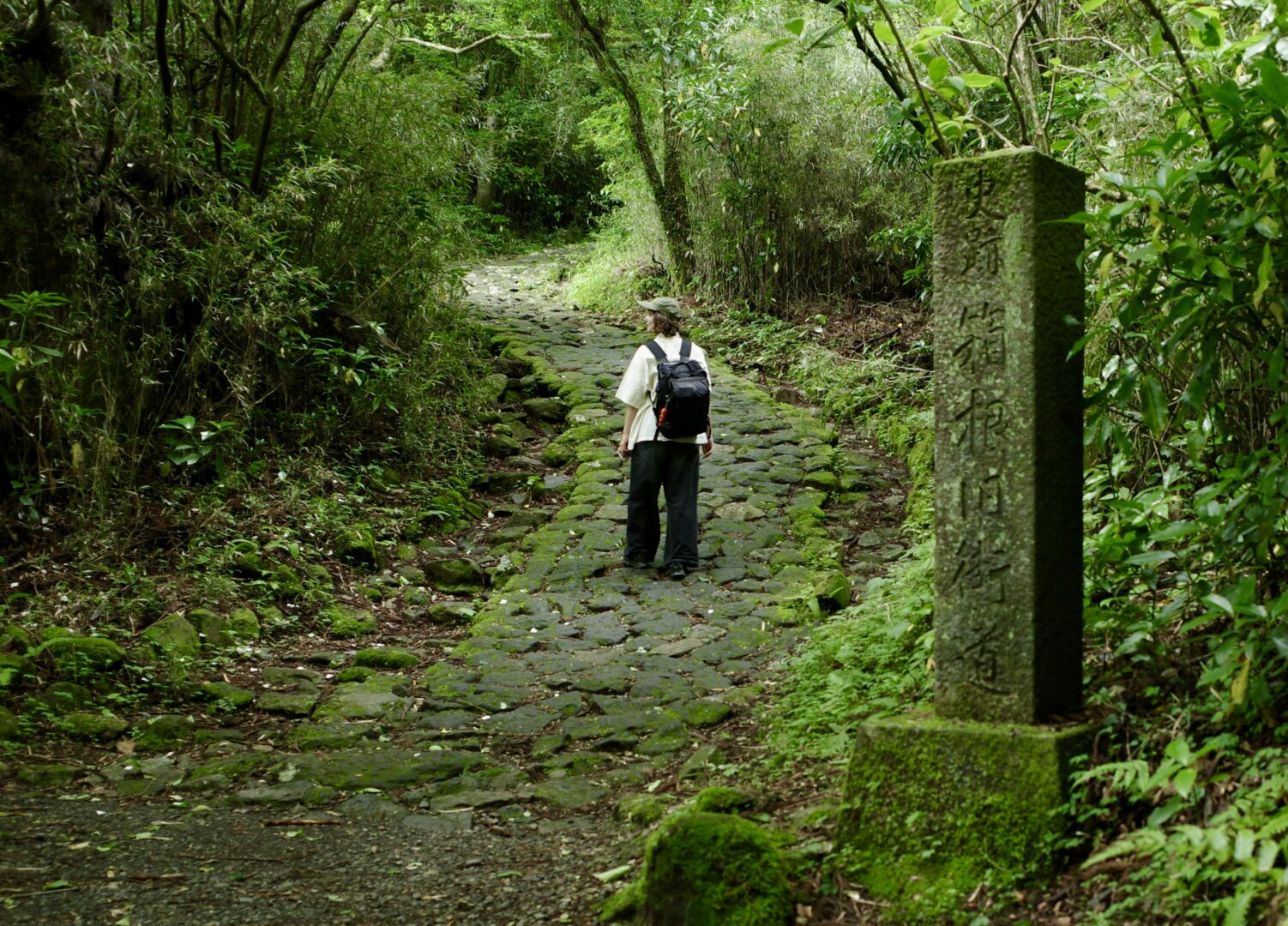
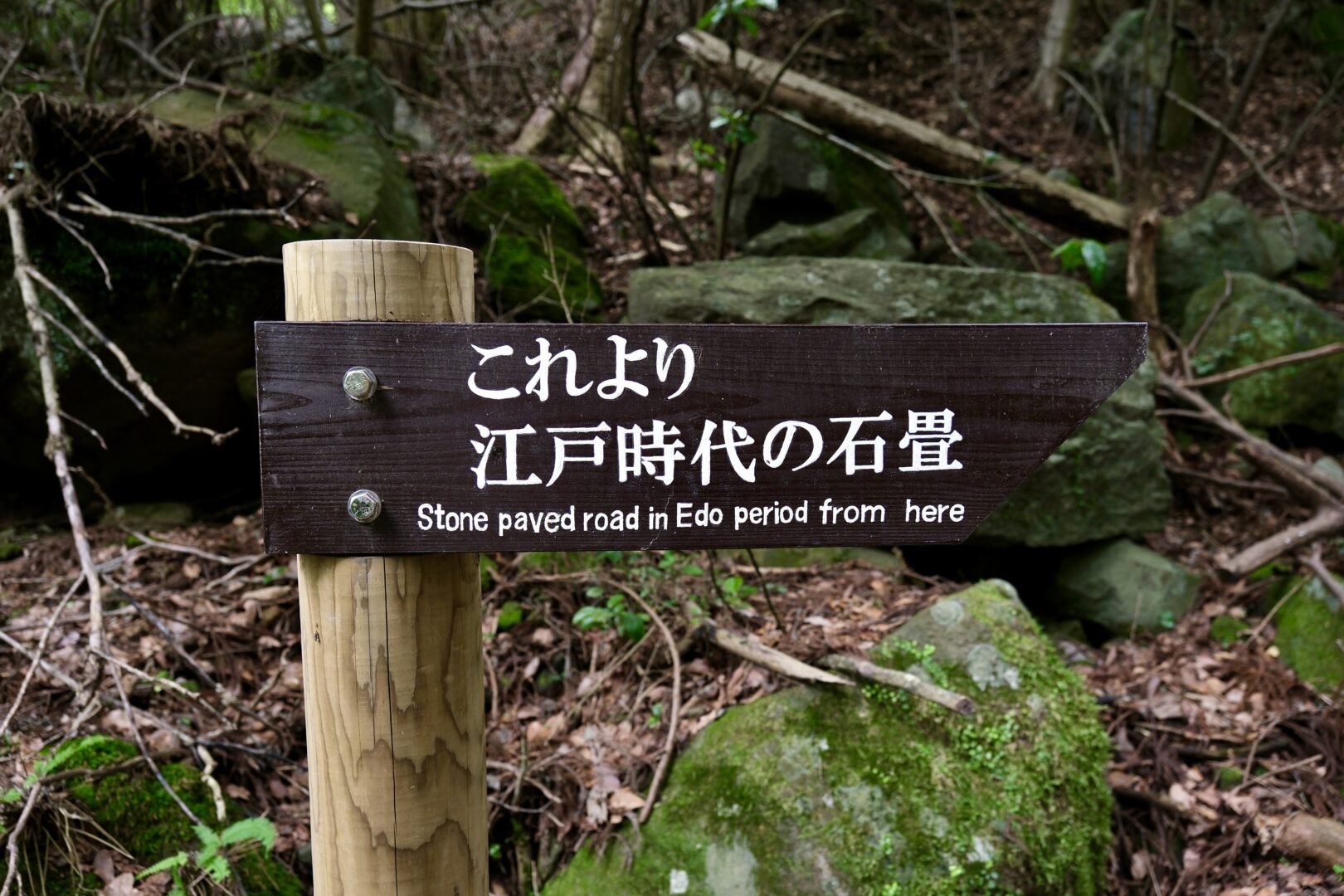
Stepping onto the Old Tokaido Road, I feel a mix of excitement and awe. It’s wild to imagine that during the Edo period, this was the main link between Edo (now Tokyo) and Kyoto, and that Hakone’s mountains were some of the most challenging obstacles along the journey.
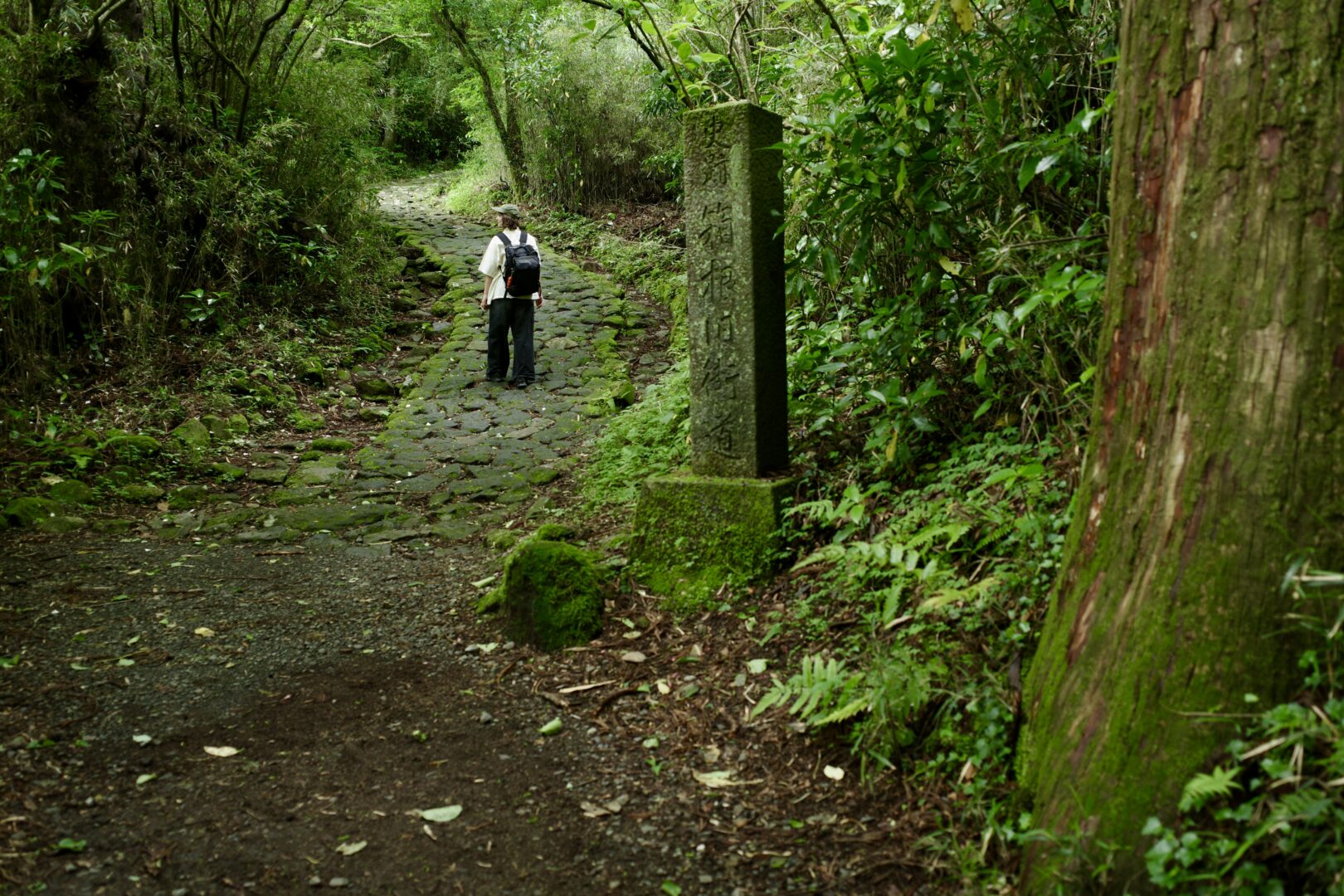
These days, you can walk the historic route from Motohakone-ko, where the Sightseeing Cruise drops you off, all the way to Hakone-Yumoto. The paths are well-marked with wooden signposts, so it’s easy to stay on track. Walking times vary considerably depending on the route, weather and trail conditions, so allow plenty of time.
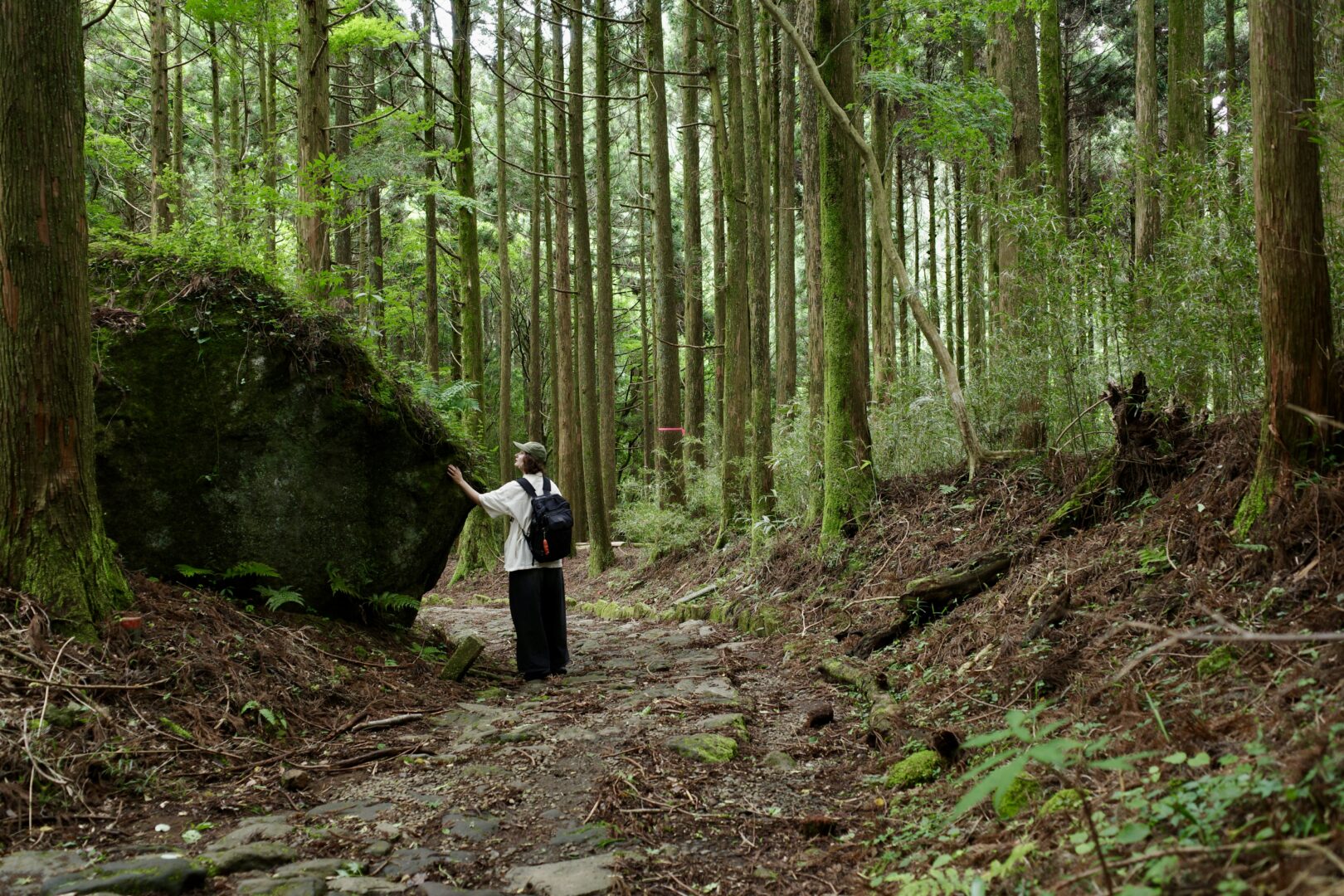
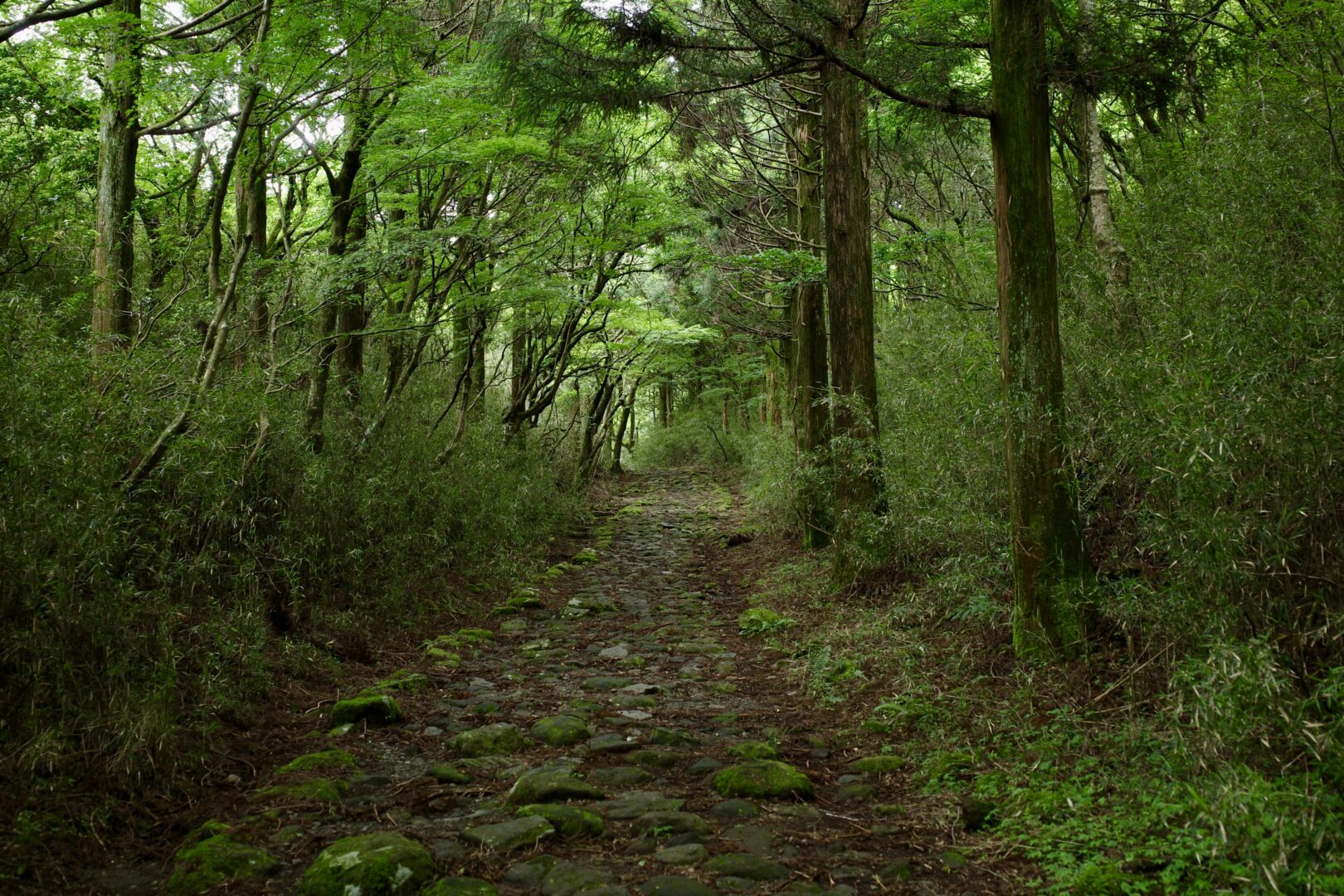
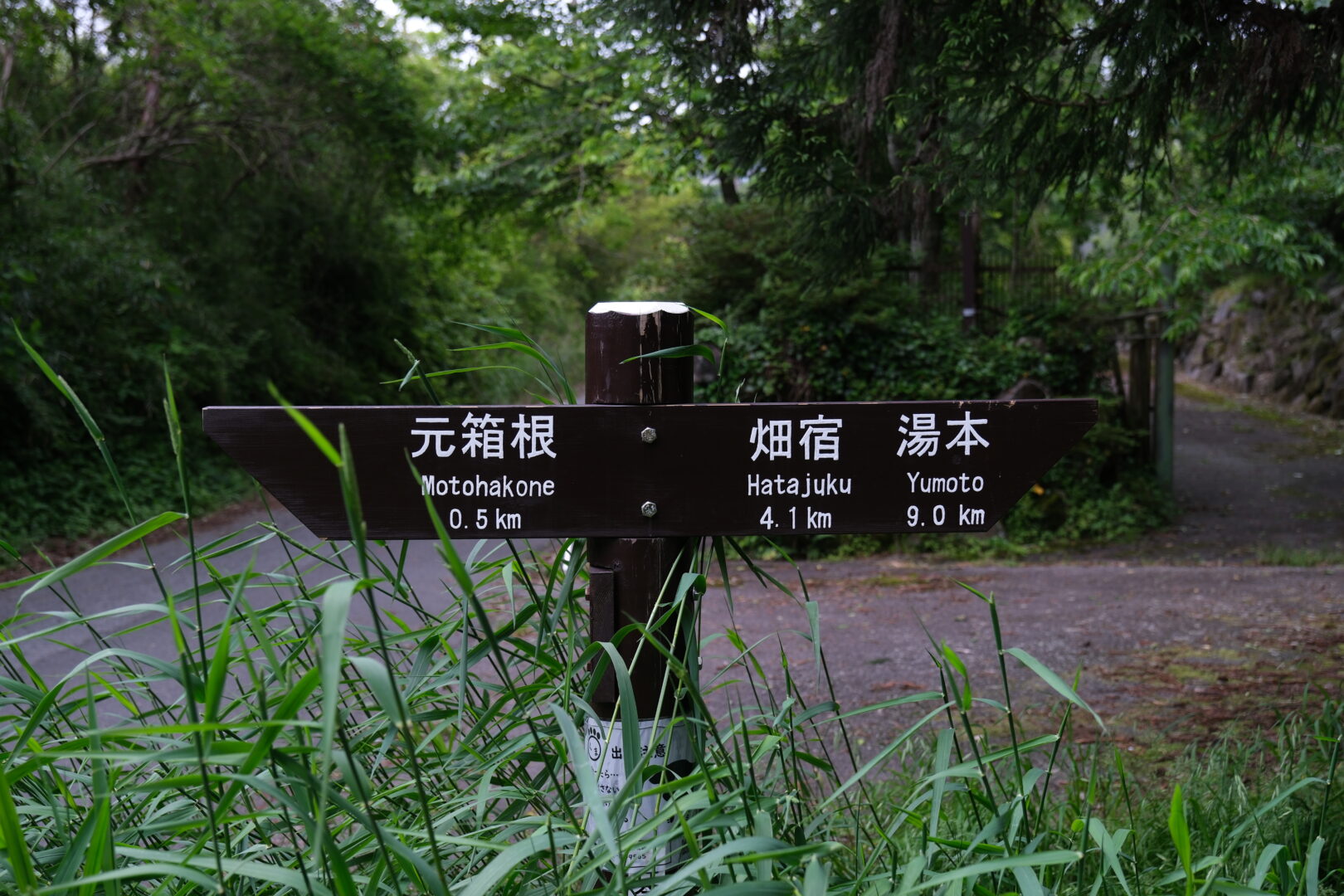
As you start walking, you can’t help picturing travelers from centuries ago, slowly making their way up these same steep, slippery slopes. Even with the stone paving, I found myself focusing on every step. The stones are uneven and can be slick, especially after rain, so you really have to pay attention to where you’re going.
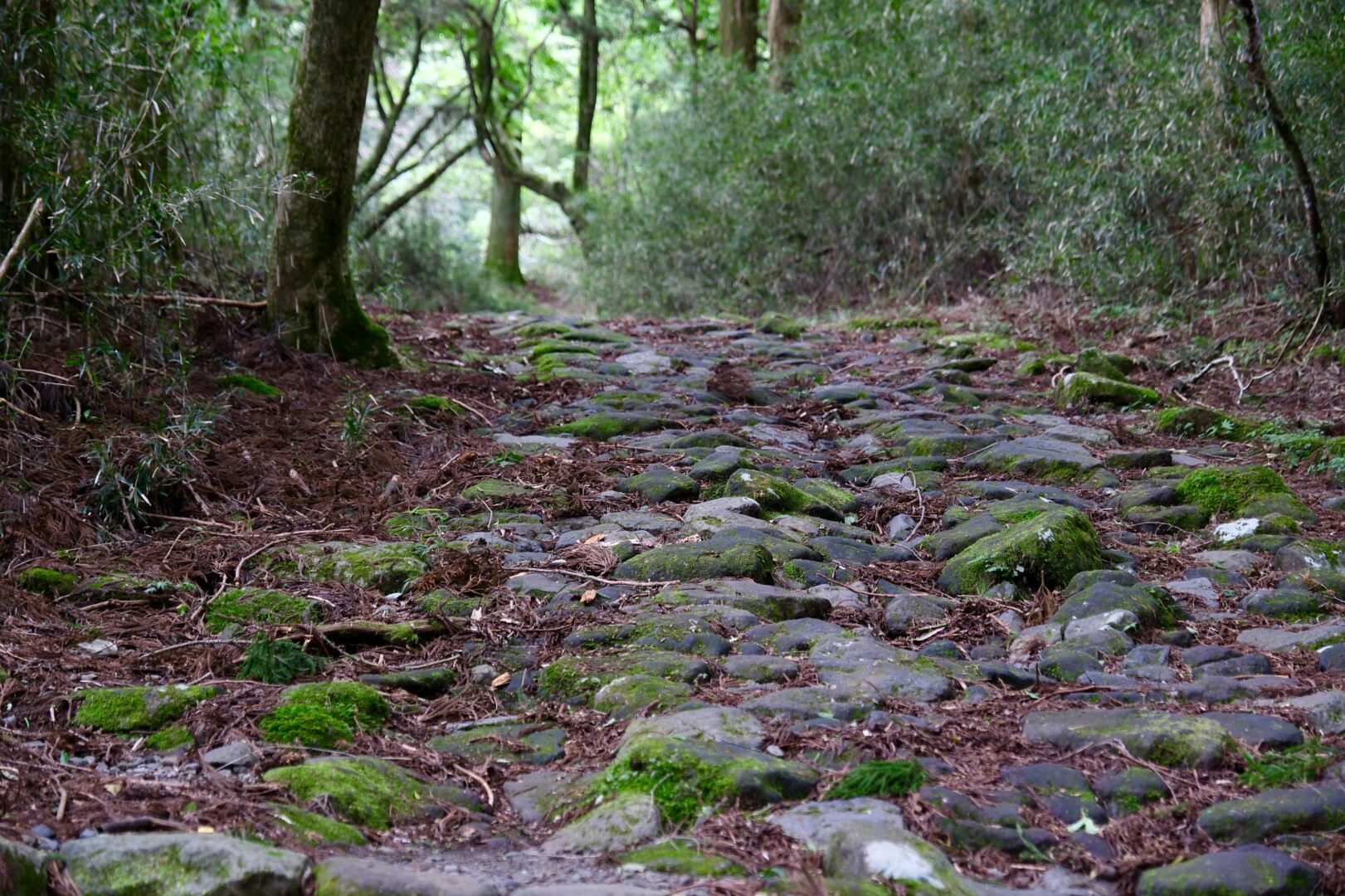
I’d honestly recommend good walking shoes and a bit of patience, especially after it rains.
Walking here, surrounded by towering trees and cool mountain air, feels so far removed from the stations and hotels of modern Hakone. The silence is broken only by my footsteps, and with every step, I felt more connected to the history beneath me.
A Rest at Amazake Chaya Tea House
After walking through the forest, Amazake Chaya appears beside the old road, almost exactly where a tired traveler would hope to find it.
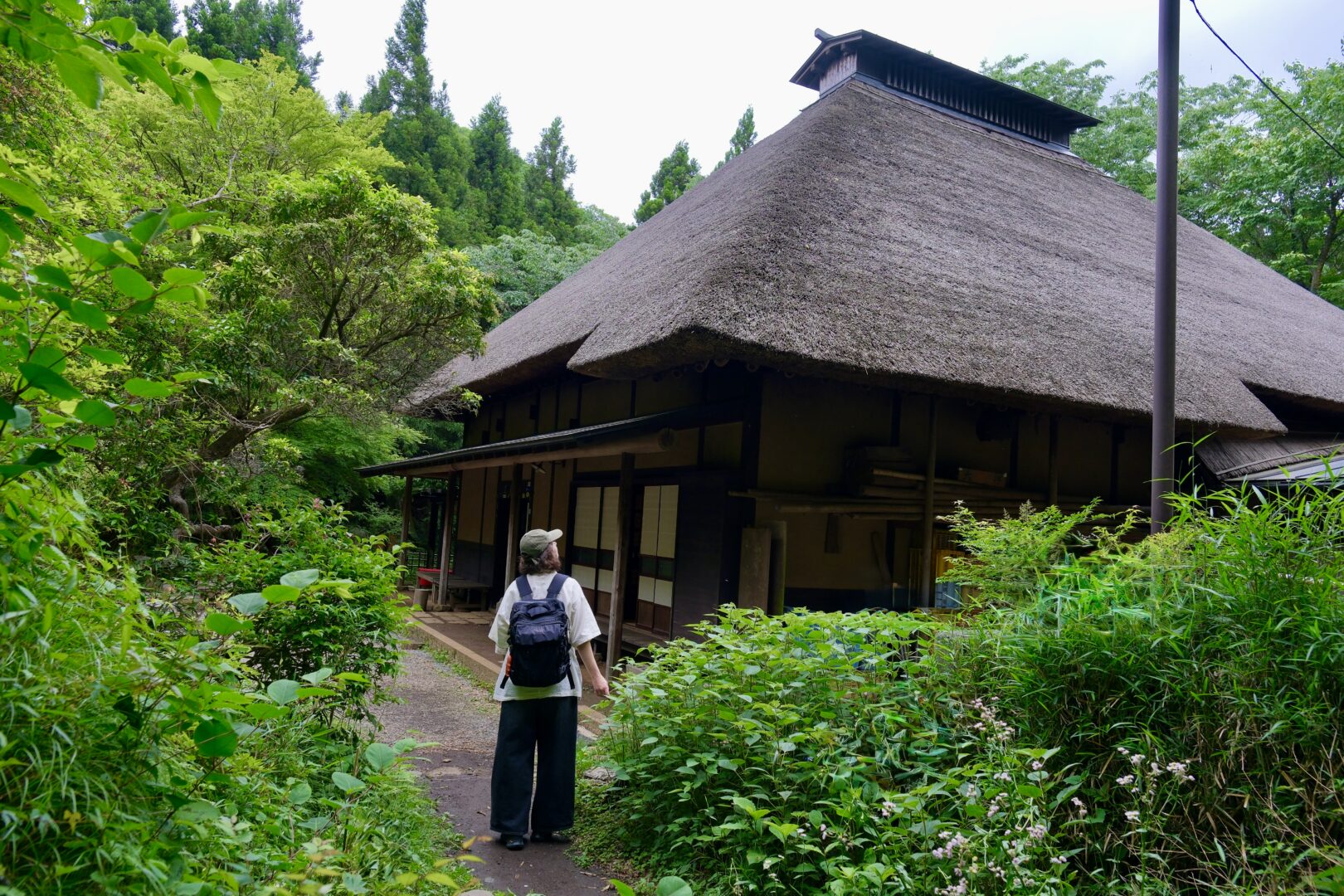
This tea house has a remarkable history: Amazake Chaya has been serving weary travelers for over 400 years, dating back to the early Edo period. In those days, this spot was a crucial lifeline for people crossing the Hakone mountains on the Old Tokaido Road. Merchants and samurai alike would have stopped here for warmth and rest. Amazake Chaya is one of the rare tea houses along the old highway that’s still in business today, passed down through the same family for generations.
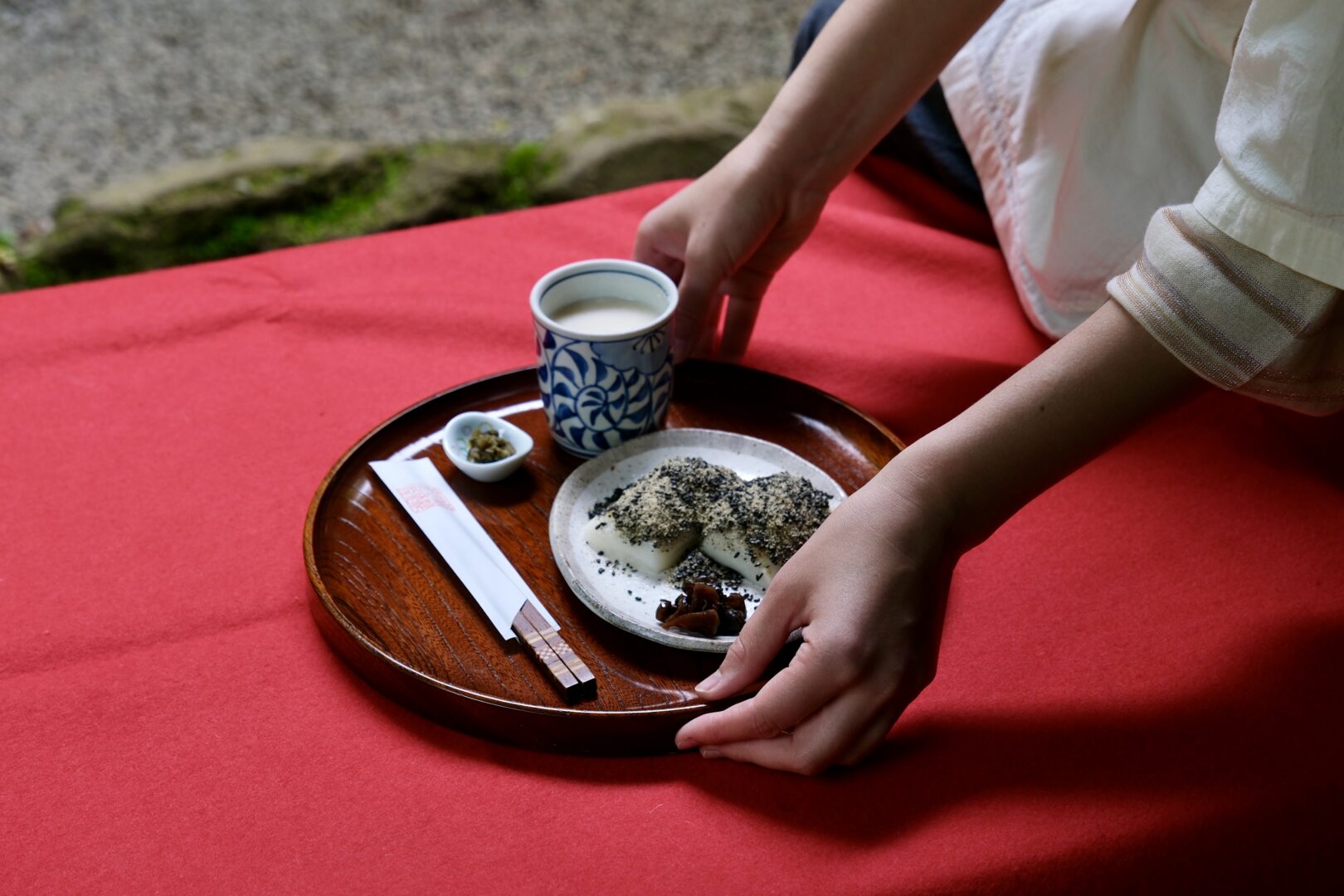
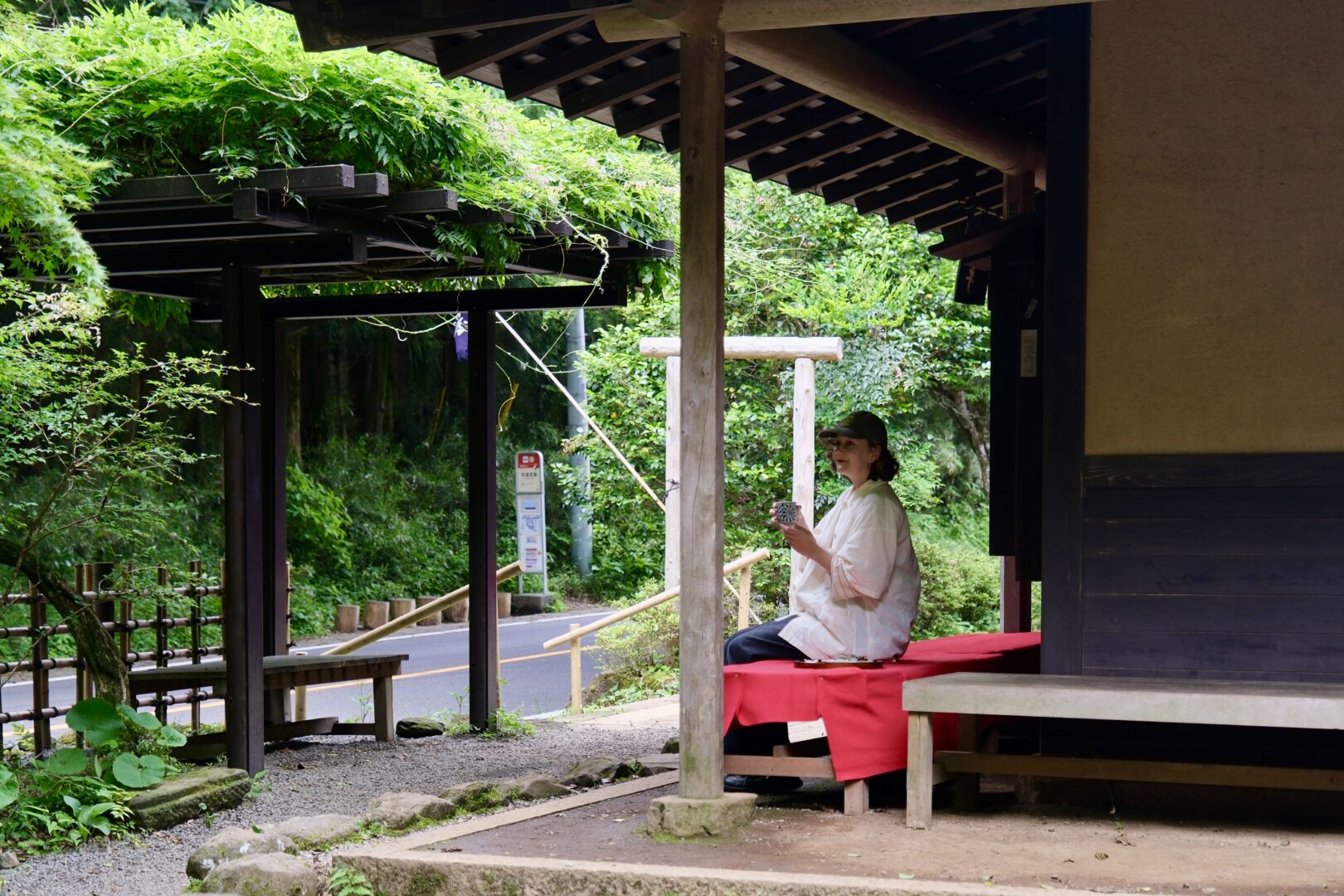
The house specialty is amazake, a mildly sweet drink made from rice and koji. Despite the word sake in its name, traditional koji-based amazake contains little or no alcohol. It’s warming in cold weather but can also be served chilled during the warmer months.
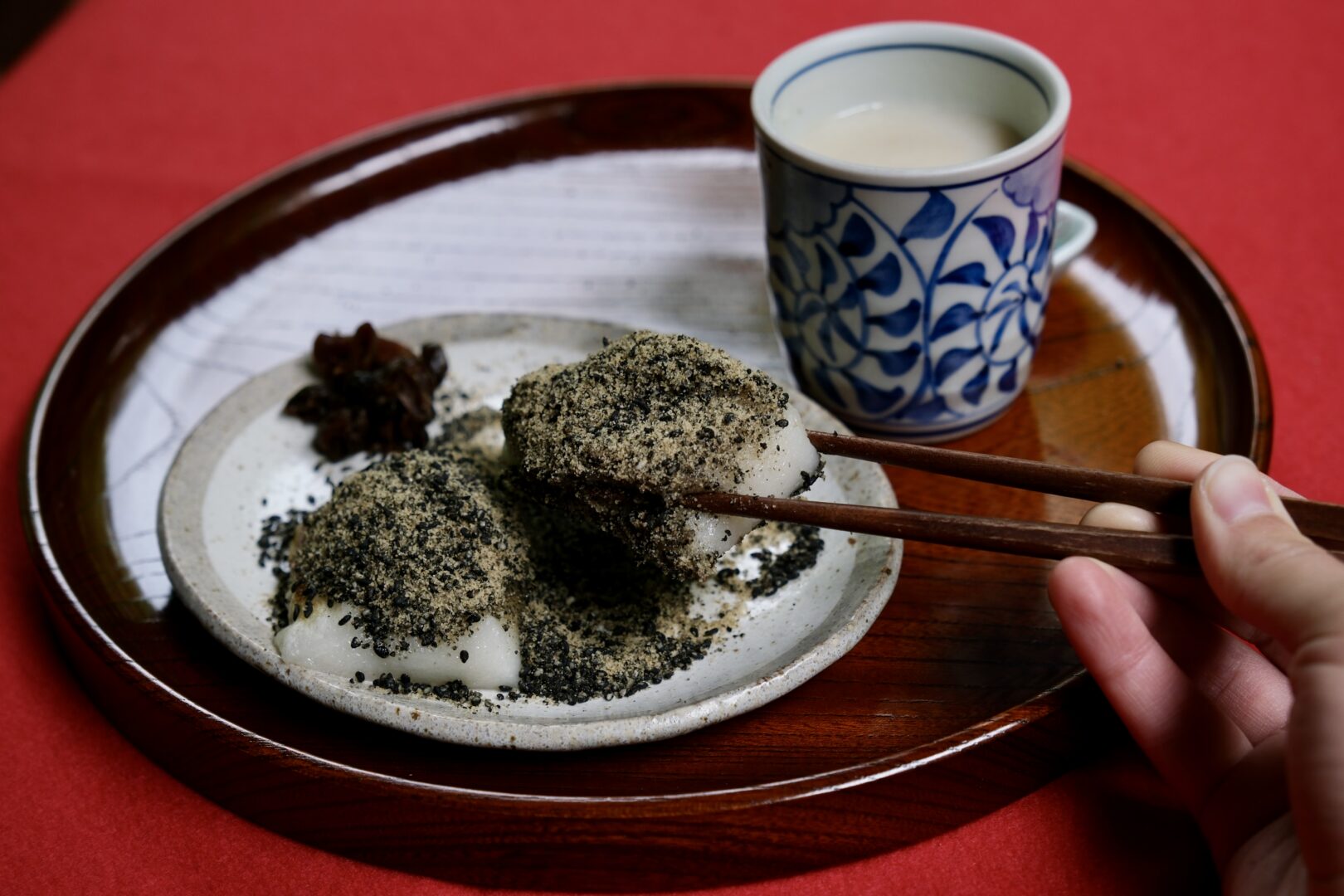
If you’re hungry after your walk, like I was, try the chikara mochi, soft, chewy rice cakes brushed with sweet soy sauce and black sesame topping.
Miharashi Chaya Utsuki: Lunch with a Mountain View
After resting for a bit at Amazake Chaya, I set out again, following the wooden signs toward Hatajuku. If you ever feel like you’ve walked enough, there’s a bus stop right next to the tea house, and your Freepass works for a ride back to Hakonemachi-ko or even Hakone-Yumoto. I decided to see how far my legs would take me.
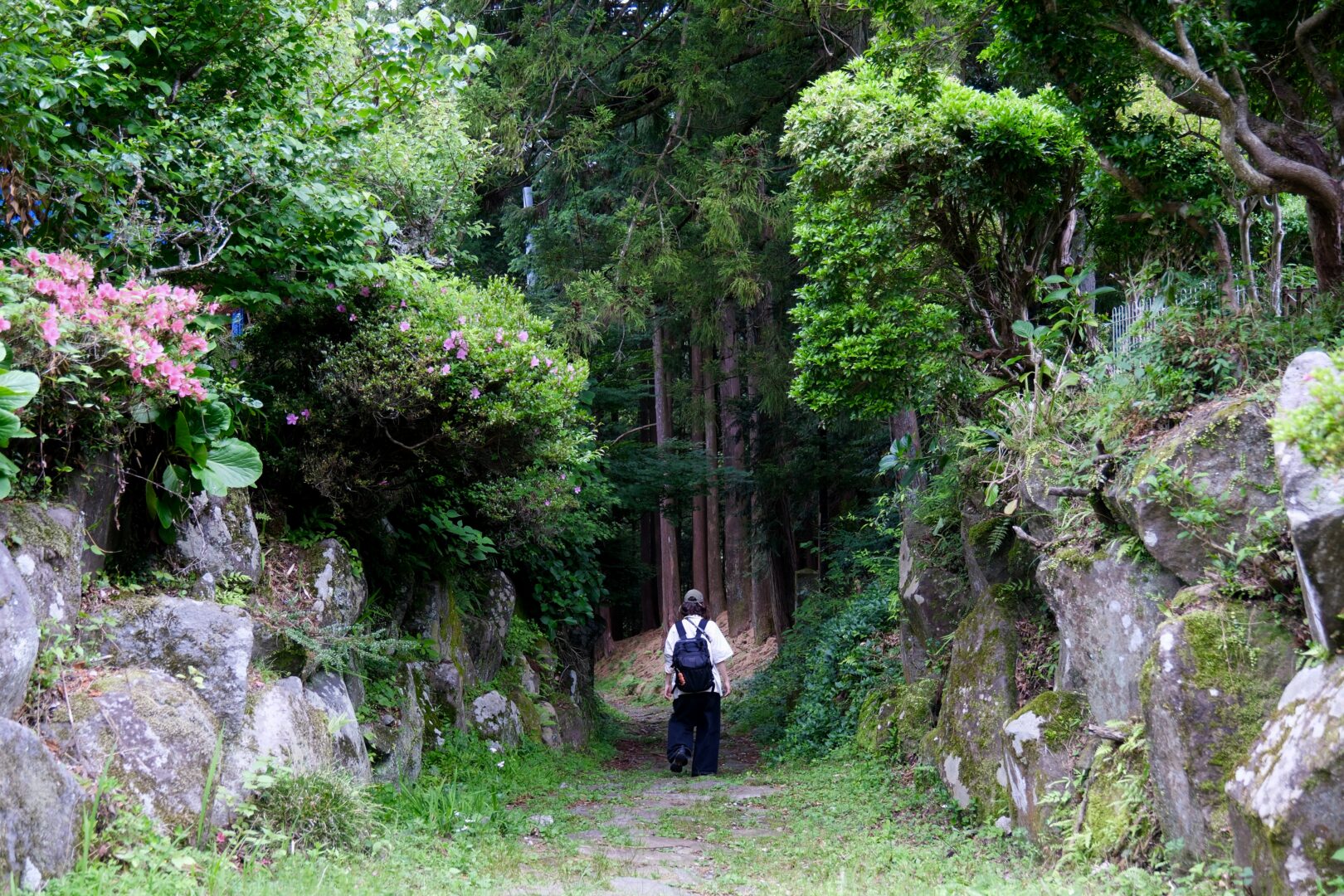
About half an hour later, the path opened up to Miharashi Chaya Utsuki. I was more than ready for lunch, and honestly, the view from the restaurant alone is worth the stop on a clear day. “Miharashi” means “view,” and it fits: the mountains here stretch out in every direction.
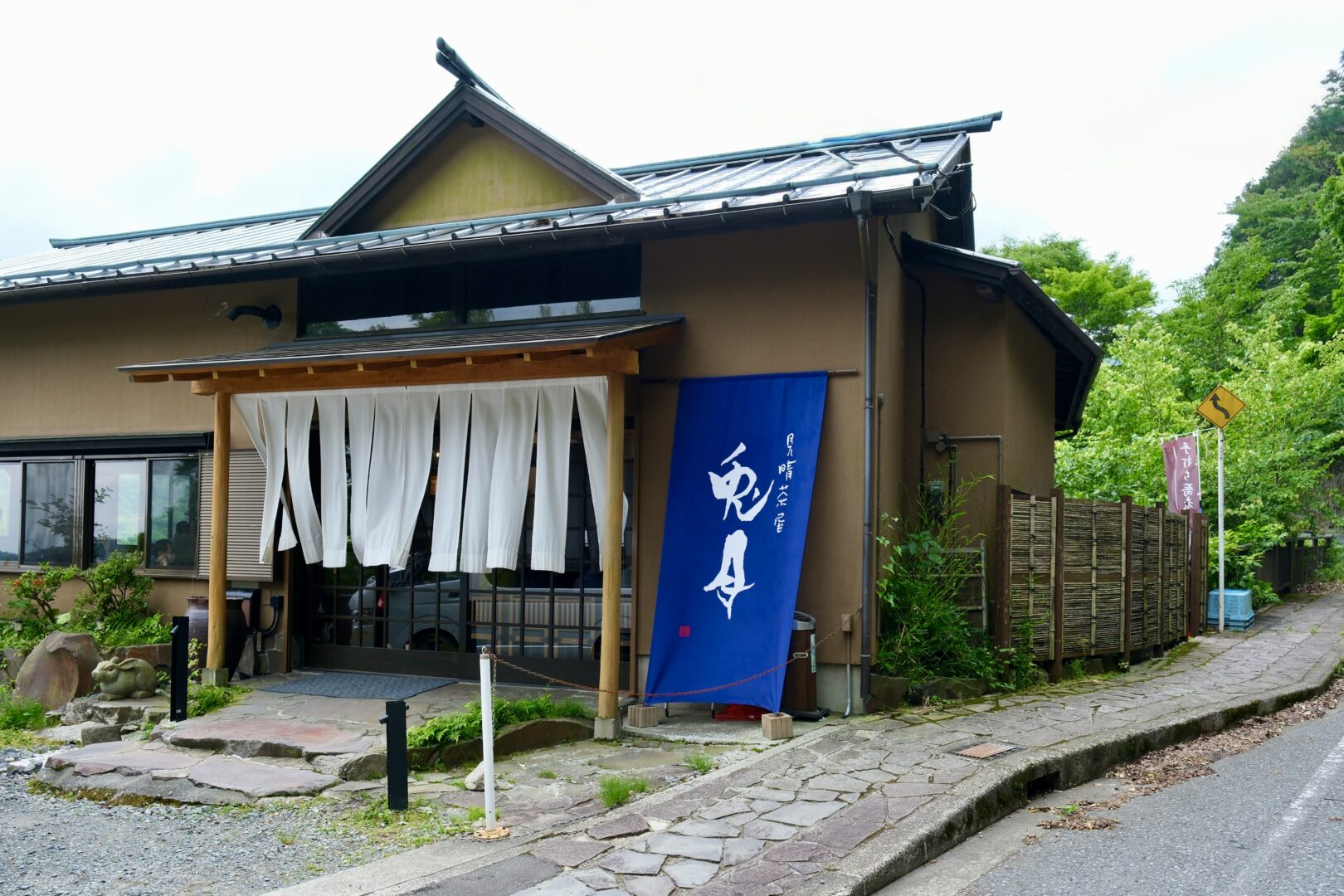
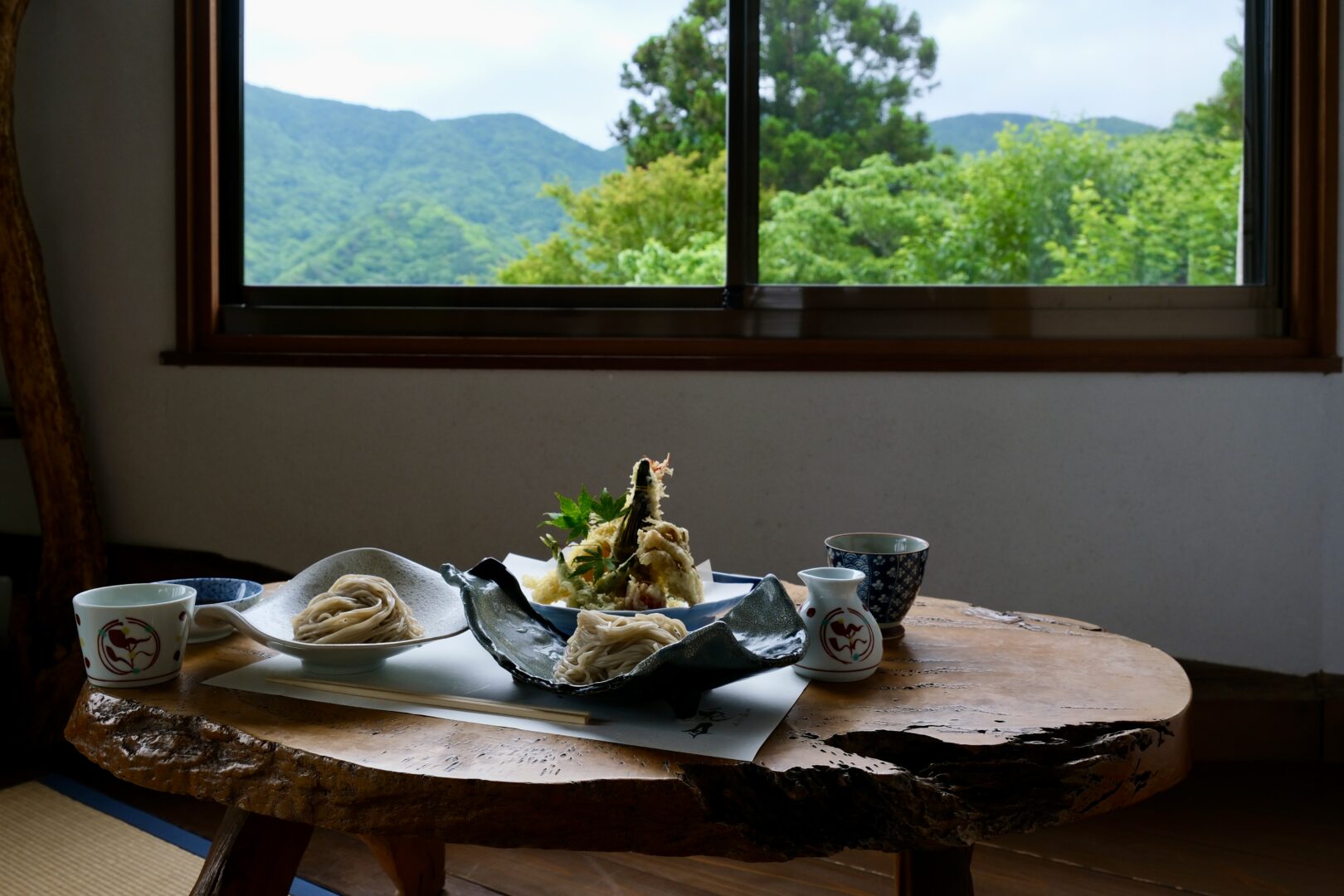
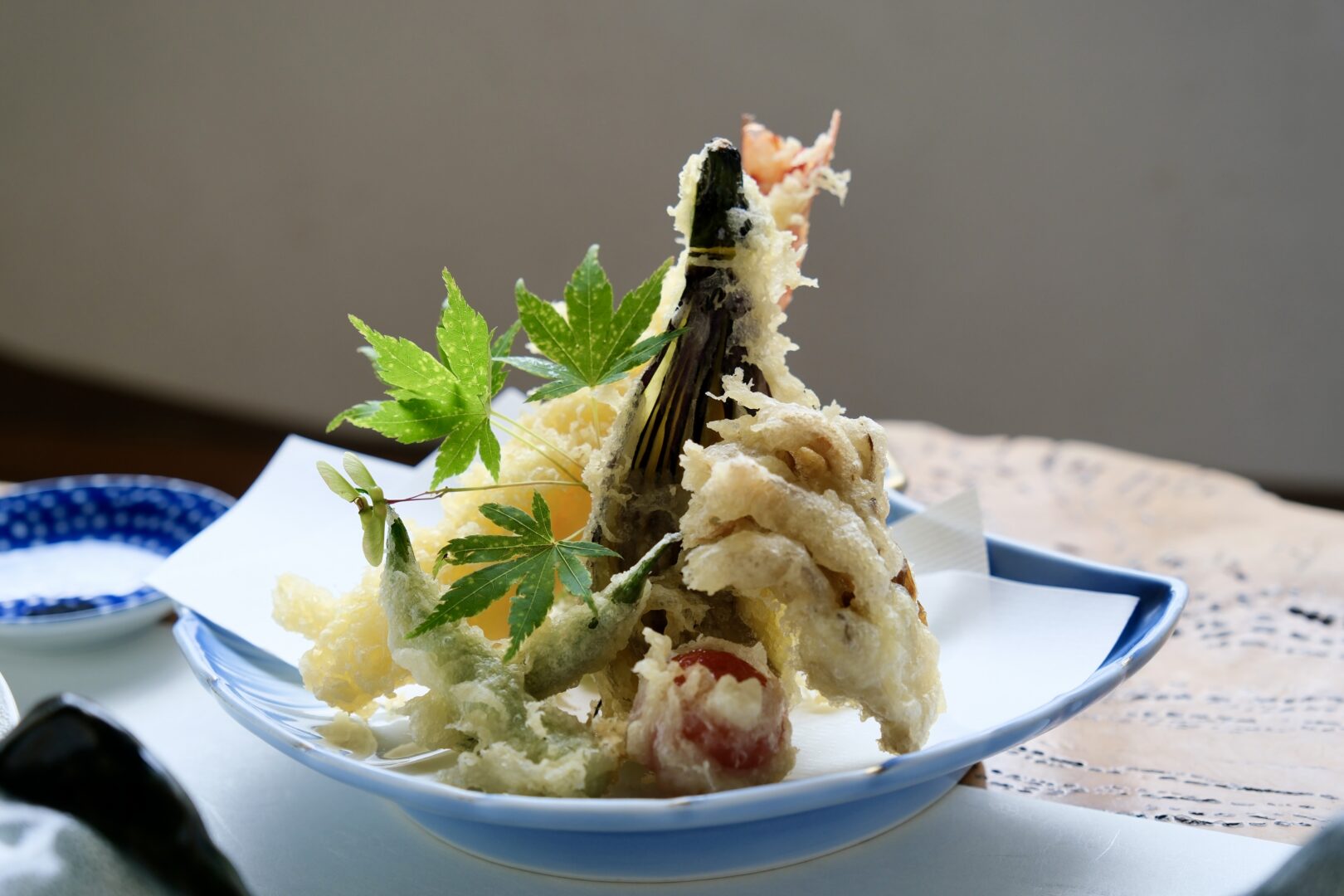
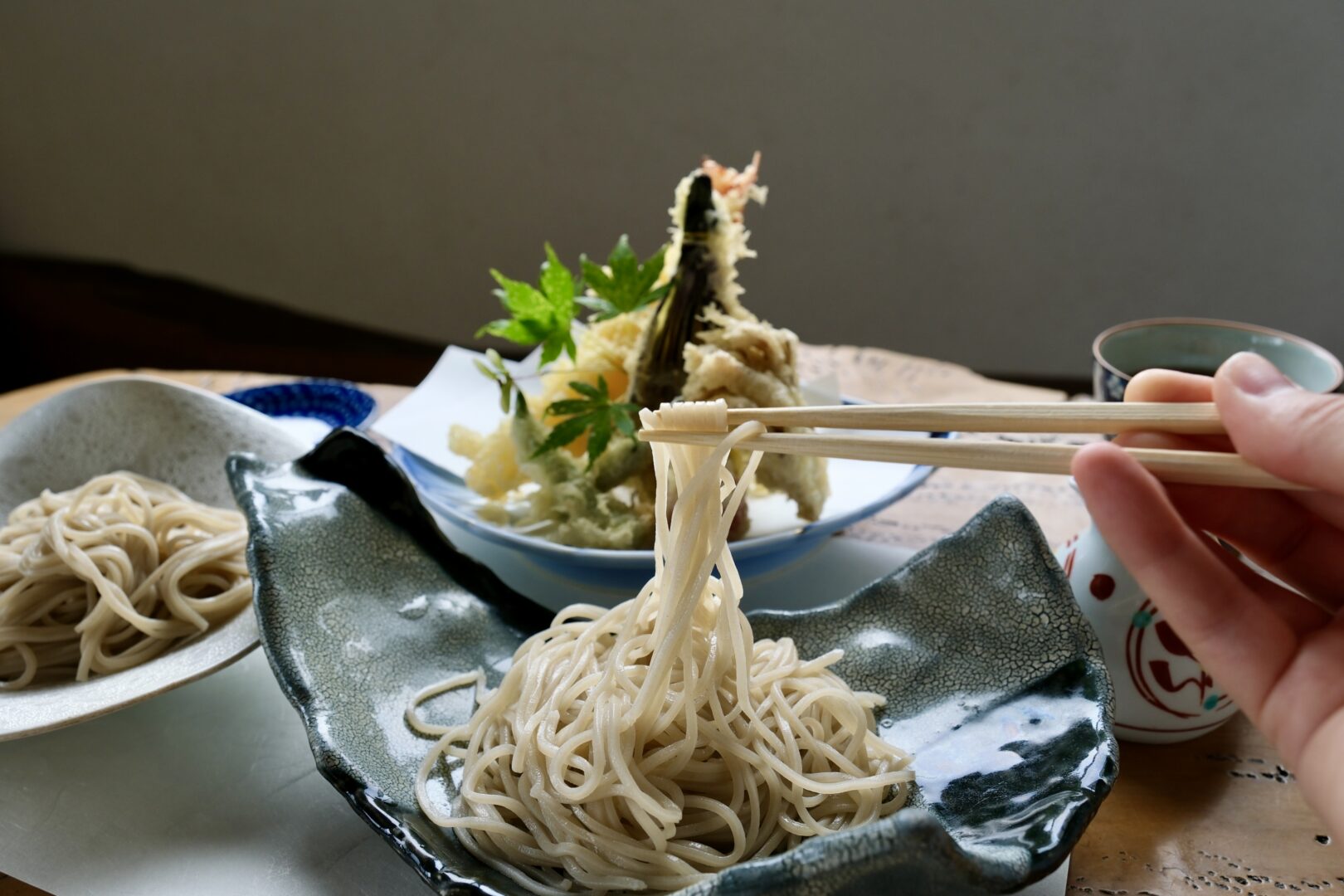
The menu is all about mountain comfort food, with a rotating selection of soba noodles made from buckwheat flour sourced from Hokkaido, Tohoku, Nagano, and other regions, depending on the season. I went straight for the tempura soba, and it turned out to be one of the best meals of my hike: crisp shrimp and vegetables (not greasy at all) alongside chewy, nutty noodles in a hot broth.
Discover Hakone Yosegi-Zaiku in Hatajuku: Traditional Japanese Woodcraft Village
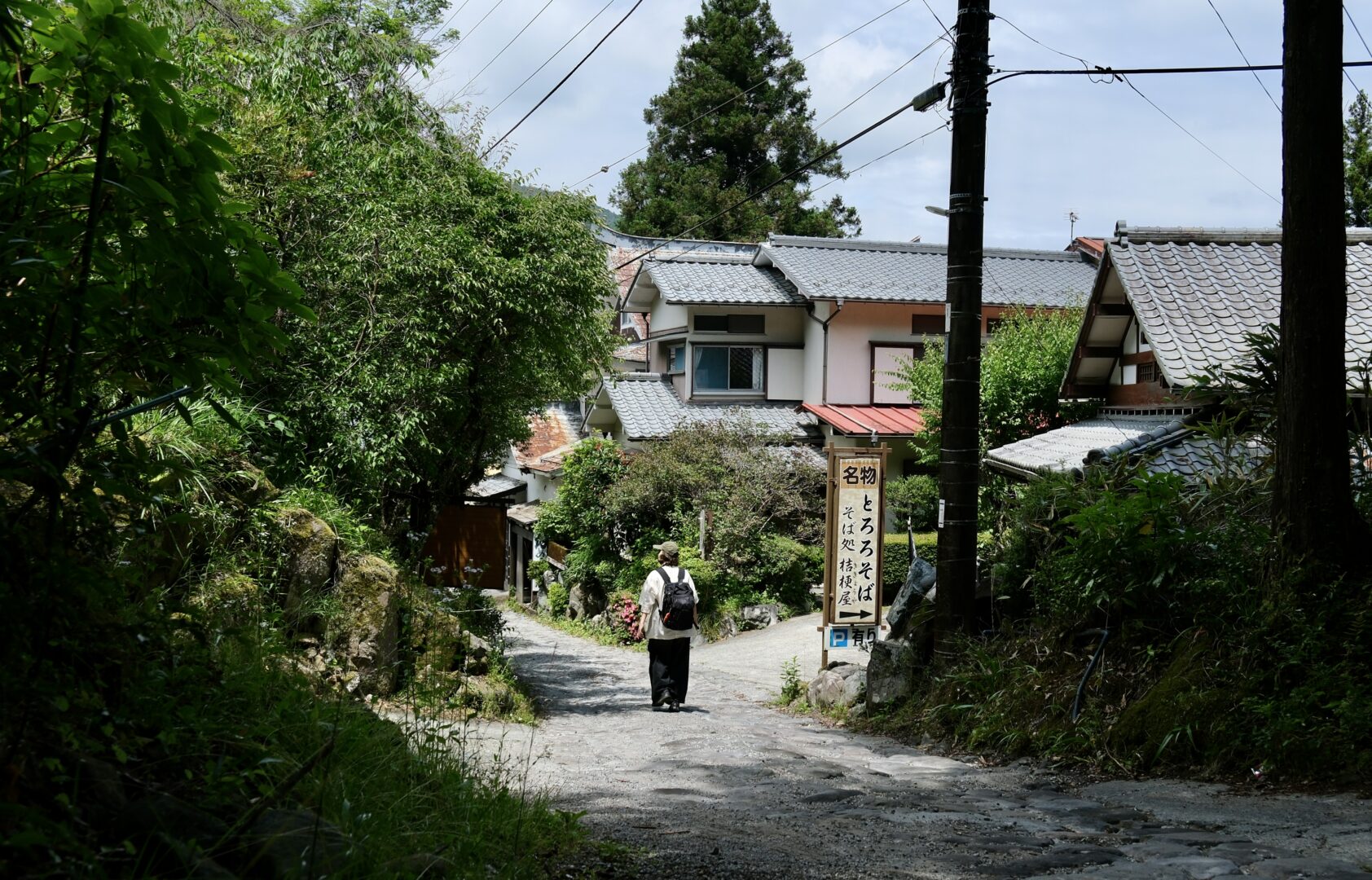
Refueled, I picked up the route again, following wooden signposts through quiet stretches of road toward Hatajuku. This tiny village is famous for yosegi-zaiku, a traditional woodcraft in which artisans create intricate geometric patterns from local Hakone wood.
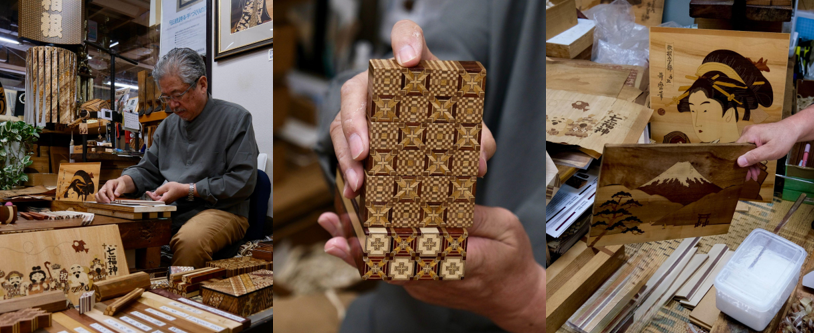
At Hamamatsuya, I was lucky enough to meet one of the craftsmen, Ishikawa Ichiro. He patiently demonstrated how yosegi-zaiku is made and shared some history: the craft began here during the Edo period.
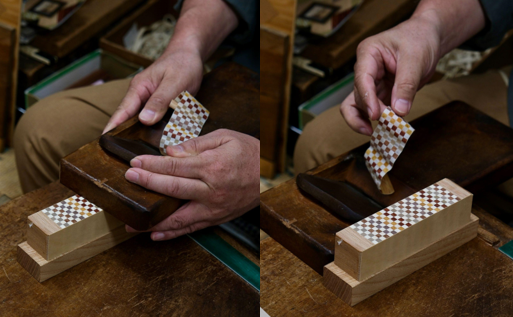
It’s astonishing how much skill and knowledge go into these works. The blocks of geometric patterns are painstakingly assembled from different woods, some pale cream, others deep red or almost black, sourced from the surrounding Hakone mountains. The assembled blocks are then sliced into ultra-thin sheets (sometimes as thin as 0.15mm!), which are used to decorate boxes and other objects. Only a seasoned artisan can manage this feat, and each finished piece holds a warmth and beauty that you just can’t get from anything mass-produced.
I also got a few souvenirs from the shop on the first floor; the shelves were lined with boxes, trays, and coasters.
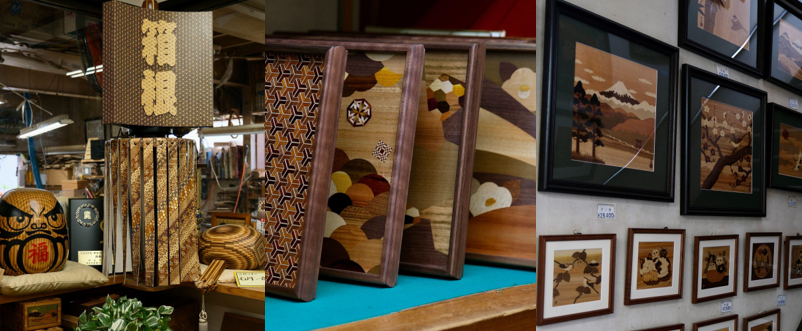
From a distance, the patterns on these pieces look almost printed, but up close you realize every line and shade is the natural color of the wood itself, expertly cut and fitted together.
From Hatajuku to Hakone-Yumoto
After exploring Hatajuku, you have a choice: you can catch the Hakone Tozan Bus toward Hakone-Yumoto, or keep walking along the old path as I did.
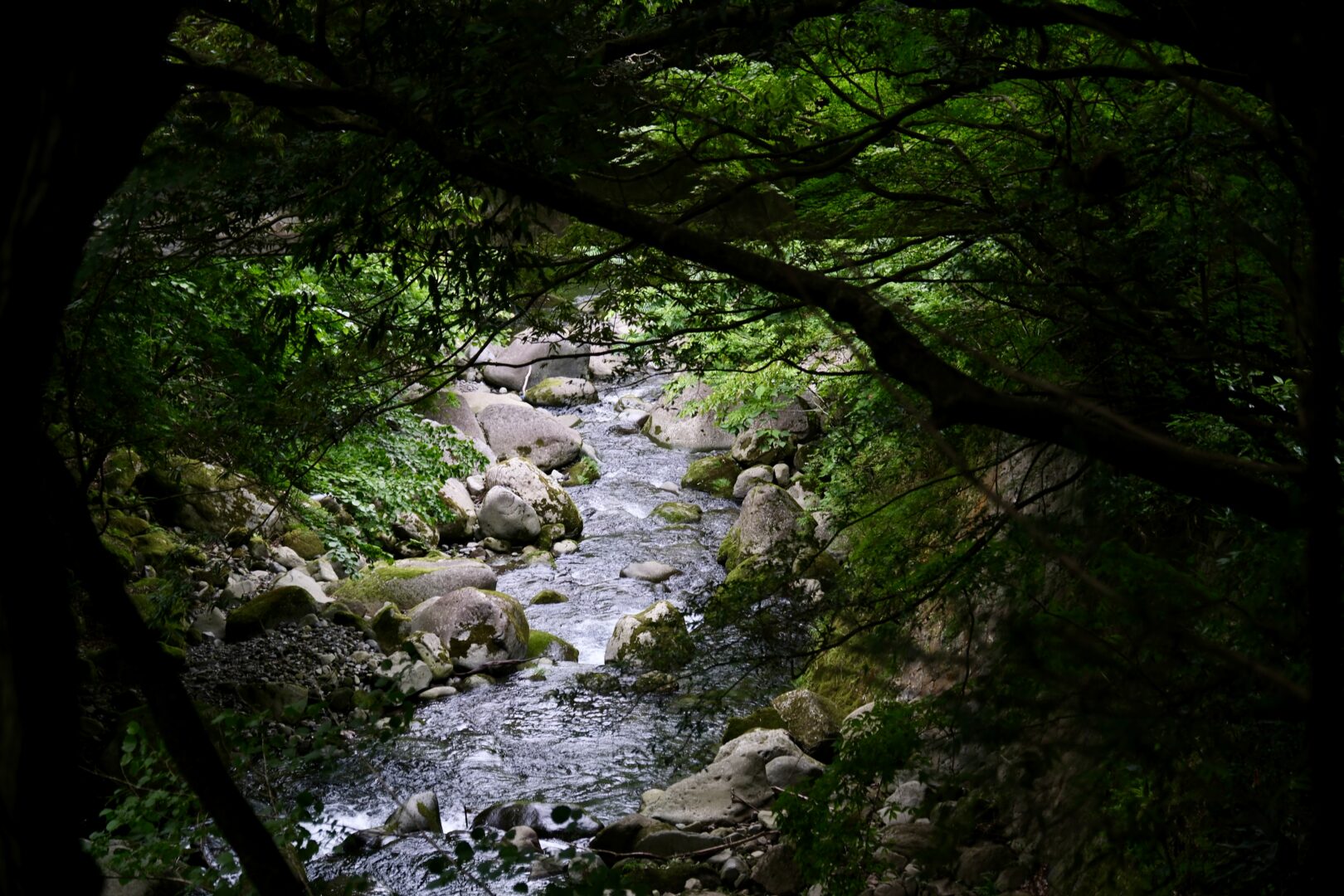
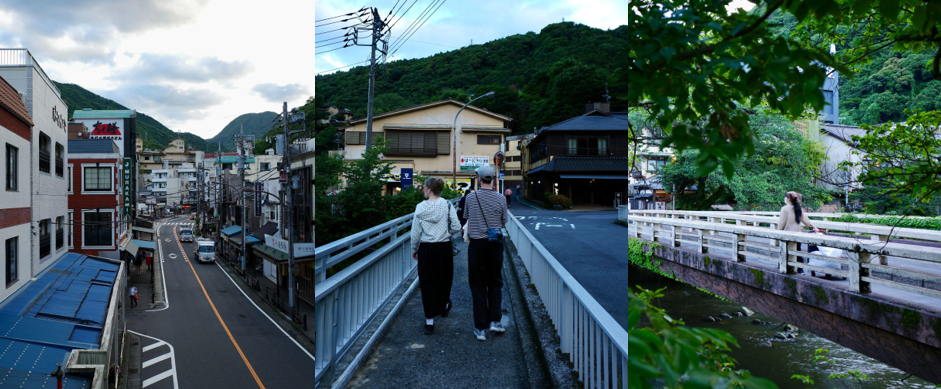
I decided to continue on foot through Hakone’s quiet forests, and finally arrived in Hakone-Yumoto, the main hub for travelers, with its cluster of hotels, shops, and lively riverside streets welcoming you to the gateway of Hakone.
Relaxing in Hakone Onsen: End Your Day at Hakone Yuryo
Before boarding the train back to Tokyo, or heading onward if you’re lucky enough to stay another night, there’s time for one final Hakone ritual: a soak in an onsen.
After all that hiking, I was more than ready for some downtime. I took the free shuttle (runs every 10–15 minutes) from Hakone-Yumoto Station to Hakone Yuryo, a day-use hot spring tucked away in the forest.
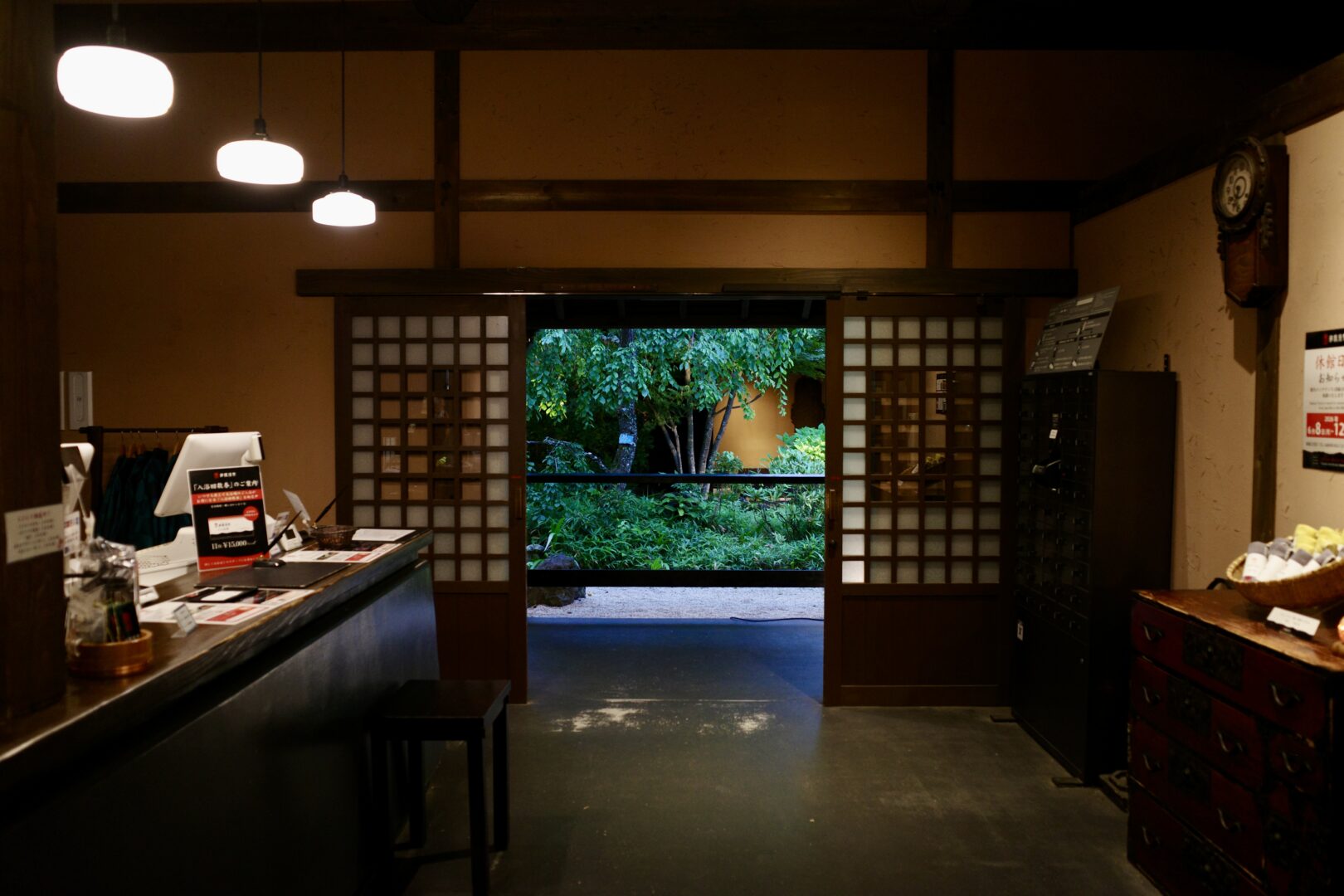
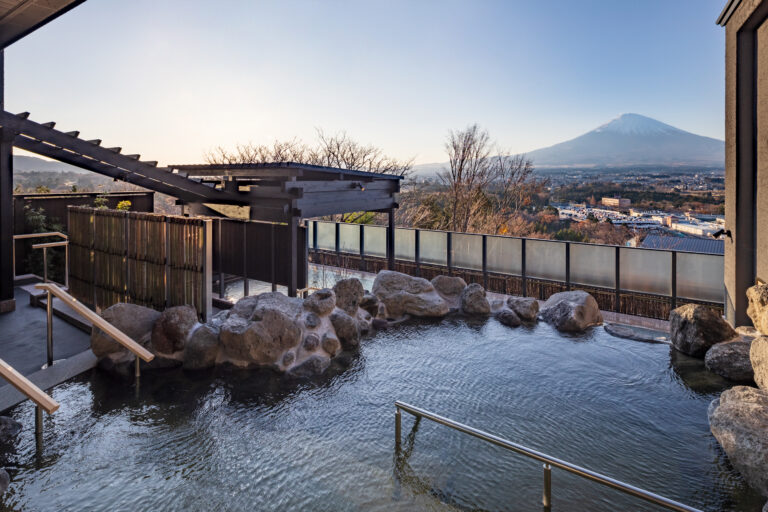
The public baths are beautifully done, with both indoor and open-air pools surrounded by trees. After a full day of walking stone paths and winding mountain trails, sinking into the hot water felt like a well-earned reward. In autumn, the view from the outdoor baths is especially stunning with the changing leaves, something I’d love to come back for.
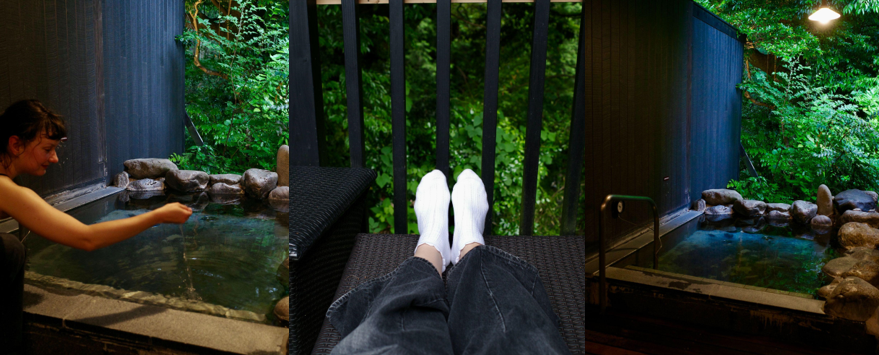
Hakone Yuryo also offers 19 reservable private open-air bath rooms, ideal for couples, families, or anyone looking for a more private onsen experience. They are also a comfortable option for travelers with tattoos who may feel uncertain about using the public baths.
I booked one of the private bath rooms, Yamaboushi, myself and really enjoyed having the space to relax without worrying about anyone else. My room also had a small private terrace, where I rested for a while before and after bathing. Reservations are recommended, as the private baths are very popular.
After drying off and feeling completely recharged, I caught the shuttle back to Hakone-Yumoto Station. From there, I headed straight back to Shinjuku on the Romancecar. If you opt for the Romancecar, don’t forget you’ll need a separate ticket and seat reservation, even with the Freepass.
Using the Hakone Freepass for the Old Tokaido Road in Hakone
The preserved road is historic, but it shouldn’t be treated like an ordinary paved sightseeing path. The stones are often uneven and can become quite slippery after rain, so if you’re not comfortable with walking on rough terrain, it’s better to use public transportation to get around Hakone.
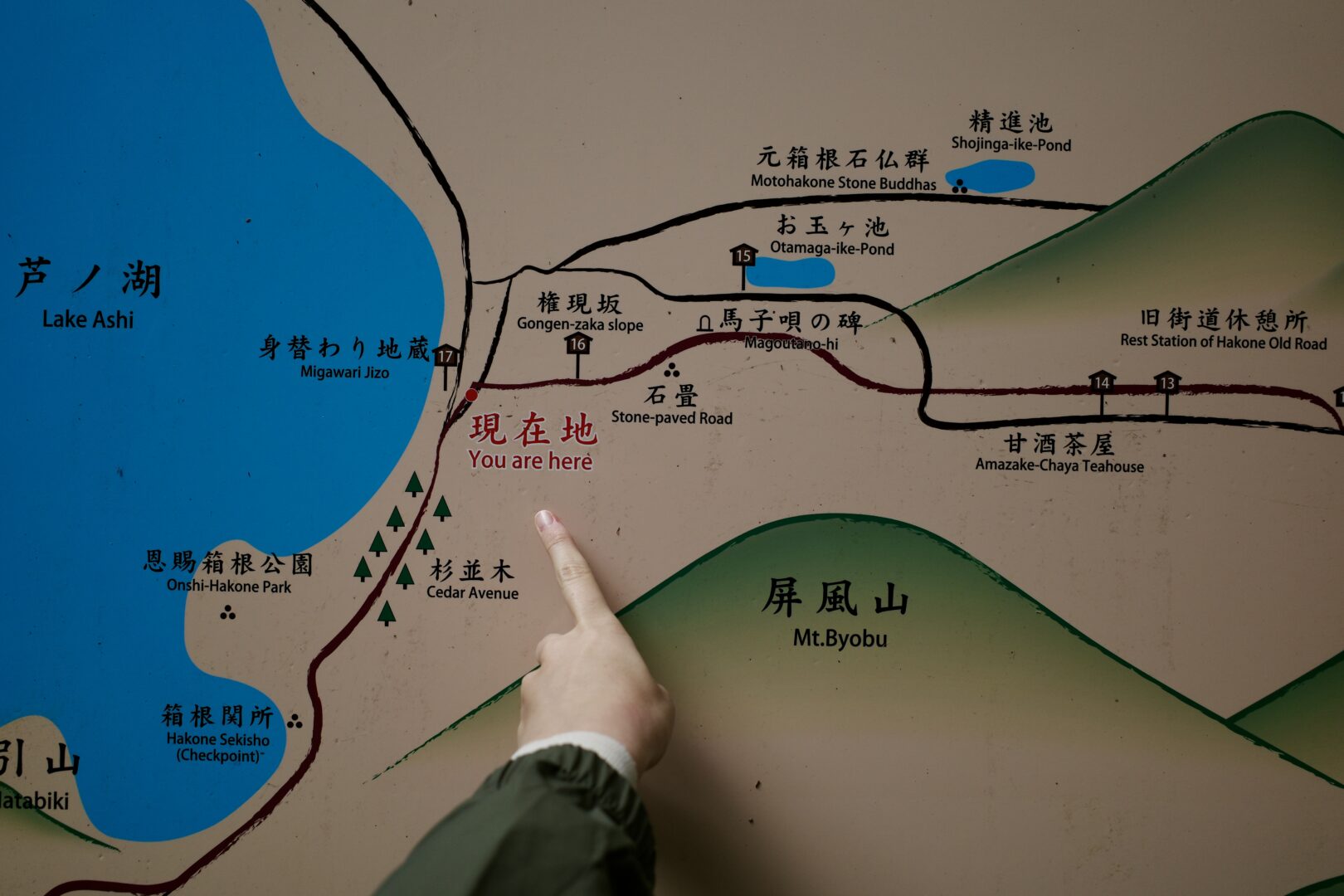
This itinerary works especially well with the Hakone Freepass, since it lets you combine several types of transportation: train, cable car, ropeway, bus, and Sightseeing Cruise into one continuous journey.
Depending on the exact route and operating conditions, the pass can be used for:
- The Hakone Tozan Train between Hakone-Yumoto, Miyanoshita, and Gora
- The Hakone Tozan Cable Car from Gora to Sounzan
- The Hakone Ropeway from Sounzan through Owakudani to Togendai
- The Hakone Sightseeing Cruise across Lake Ashi
- Designated Hakone Tozan Bus services around the Old Tokaido Road, Amazake Chaya, Hatajuku, and Hakone-Yumoto
Discovering a Slower Side of Hakone
Hakone’s museums, hot springs, and volcanic scenery are all experiences I’d recommend to anyone. But for me, walking the Old Tokaido Road and visiting Hatajuku offered a real sense of connection between the landscape and the people who have passed through over centuries.
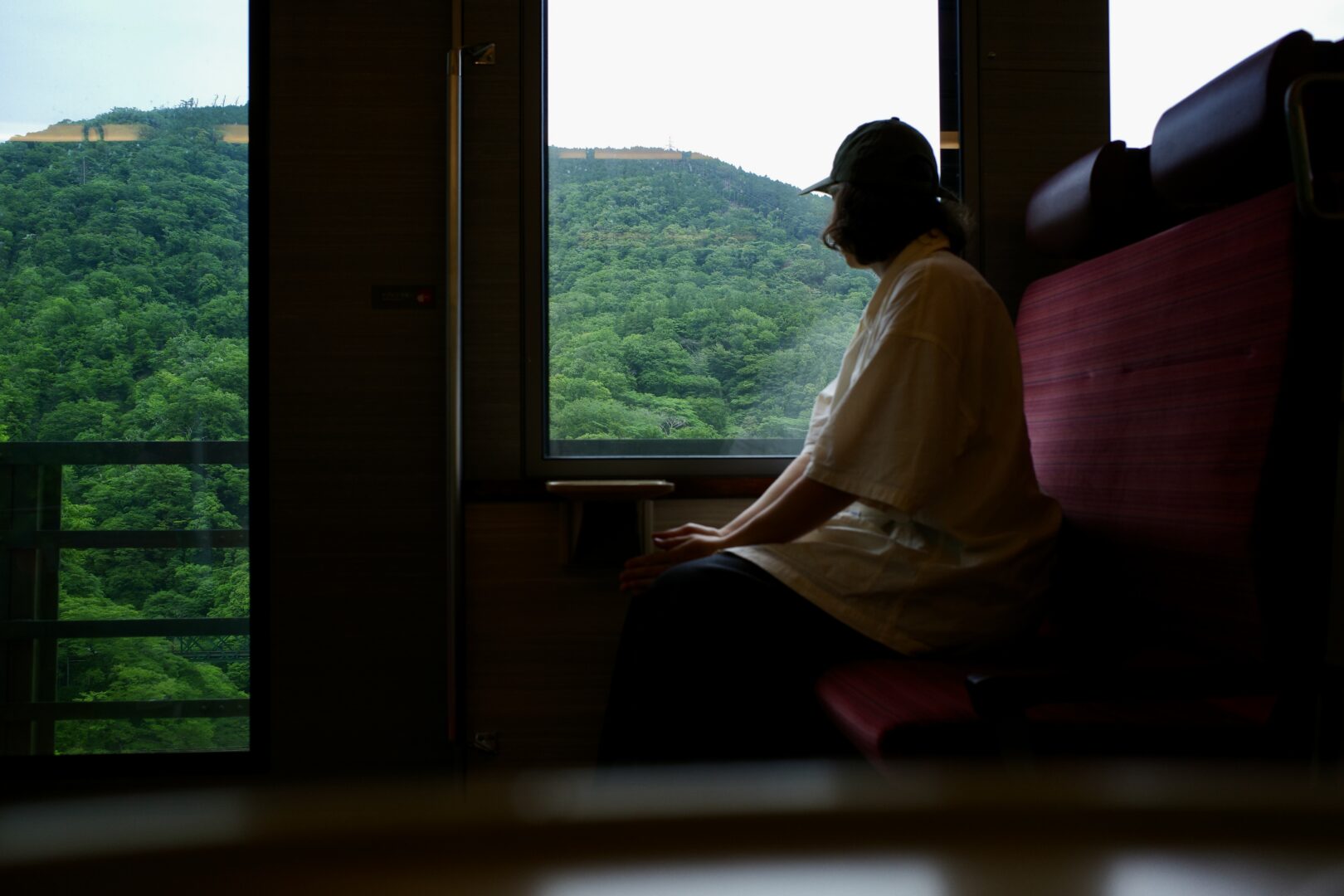
Treading the old stone road, I could imagine the effort it once took to cross these mountains.
Stopping at Amazake Chaya, I felt part of the long tradition of travelers pausing to rest. In Hatajuku, seeing yosegi-zaiku up close, I was struck by how skilled hands transform the colors and patterns of the surrounding forests into something both practical and beautiful. And wrapping up the day in the soothing water of Hakone Yuryo brought everything full circle, a reward that’s been enjoyed here for generations.
By combining walking with Hakone’s trains, cable car, ropeway, Sightseeing Cruise, and buses, I was reminded that in Hakone, the journey between destinations can be just as memorable as the destinations themselves.