- SHARE


In the thick heat of Tokyo’s summer, a weekend escape to cooler climes may feel like a distant dream, but it is far from the stuff of imagination. In fact, you can make it up into the mountains and back within the same day, all at a relaxed pace, and without requiring a car!
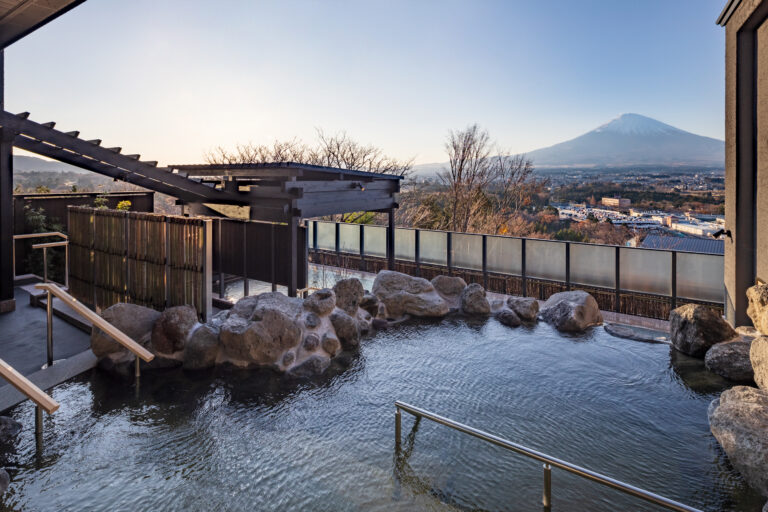
Part of the wider Hakone Geopark, the area is known for its volcanic landscapes, hot springs, art and mountain scenery. The Limited Express Romancecar connects Shinjuku with Hakone-Yumoto in about 80 minutes, making the transition from crowded city streets to green mountain views surprisingly quick.
I’ve previously enjoyed visiting Hakone’s classic sightseeing spots, so for this trip, I wanted to enjoy a different side of Hakone. In the summer heat, I wanted to make the most of the chance to escape the bustle of Tokyo with an itinerary that would let me slow down. Using public transport and the Hakone Freepass, I planned a slower summer route through Gora and Sengokuhara, with outdoor art, wetland plants, local food and one of the most peaceful temples I have visited in Japan.
Tokyo to Hakone by Romancecar
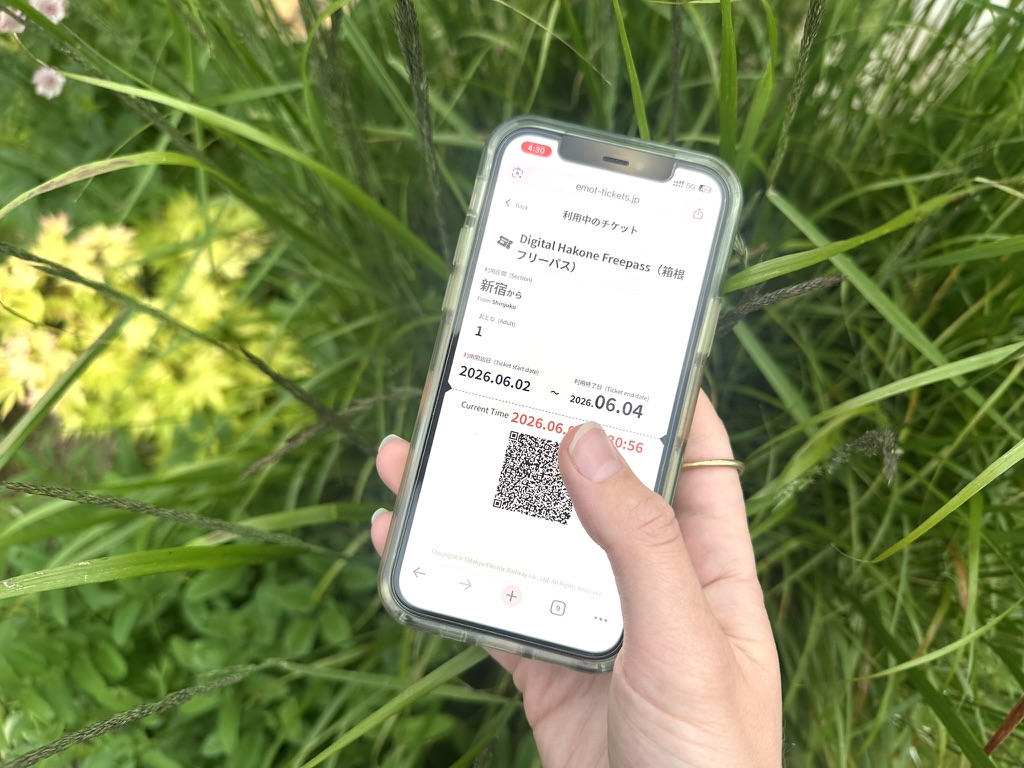
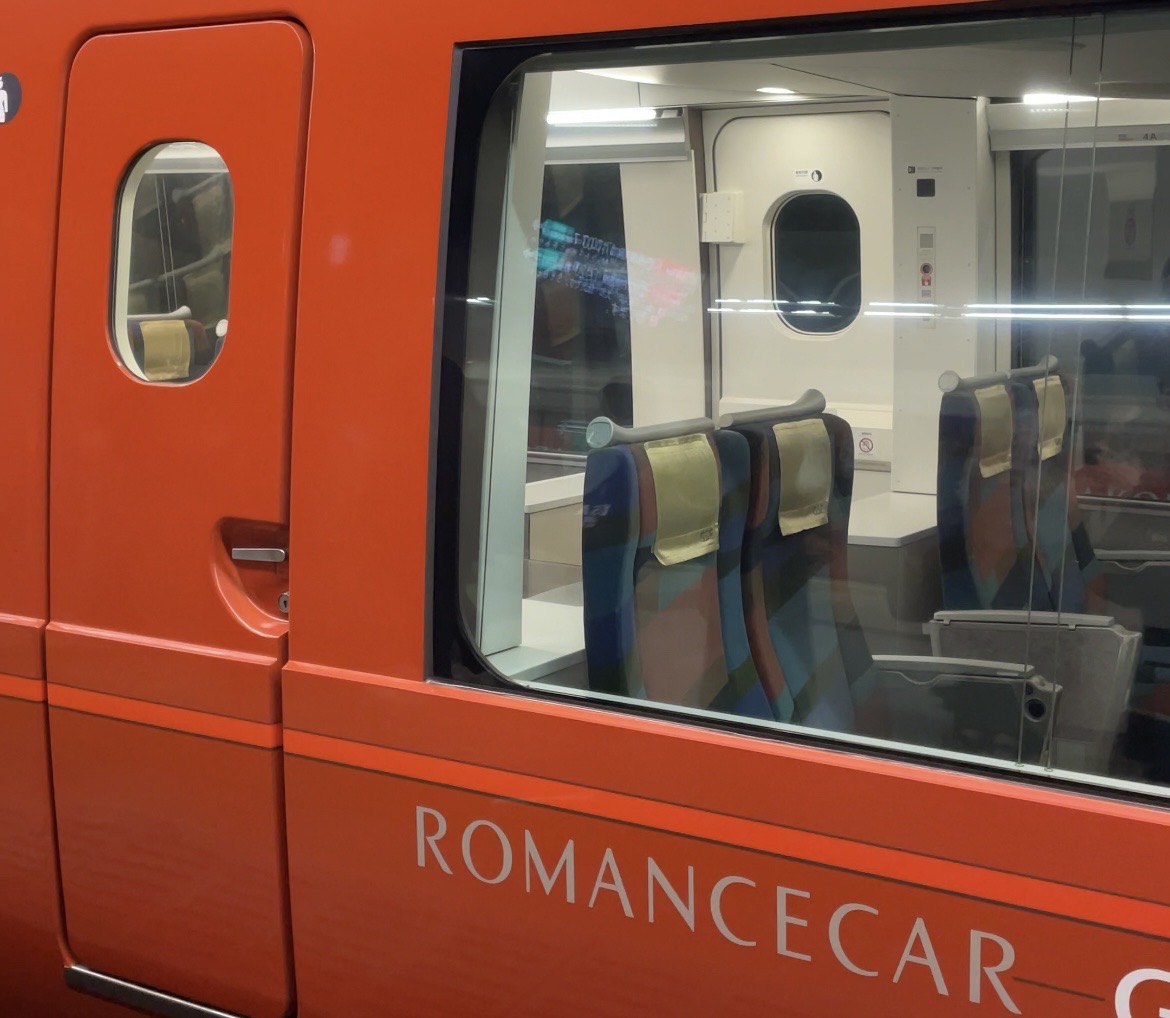
The Limited Express Romancecar offers a direct journey from Shinjuku to Hakone-Yumoto in about 80 minutes. For this trip, I use the Hakone Freepass for the regular Odakyu Line fare and purchase the required Limited Express ticket separately.
International travelers can purchase the Hakone Freepass and Romancecar Limited Express tickets online through Odakyu’s official website. As all Romancecar seats are reserved, booking the Limited Express ticket in advance is recommended, particularly on weekends and holidays.
After scanning my tickets at the gates, I take my seat by the window. It’s a smooth, comfortable journey where you can watch the scenery change as you head further toward the mountains. The speed and ease of the Romancecar make Hakone a popular day trip from Tokyo.
Arriving in Hakone-Yumoto
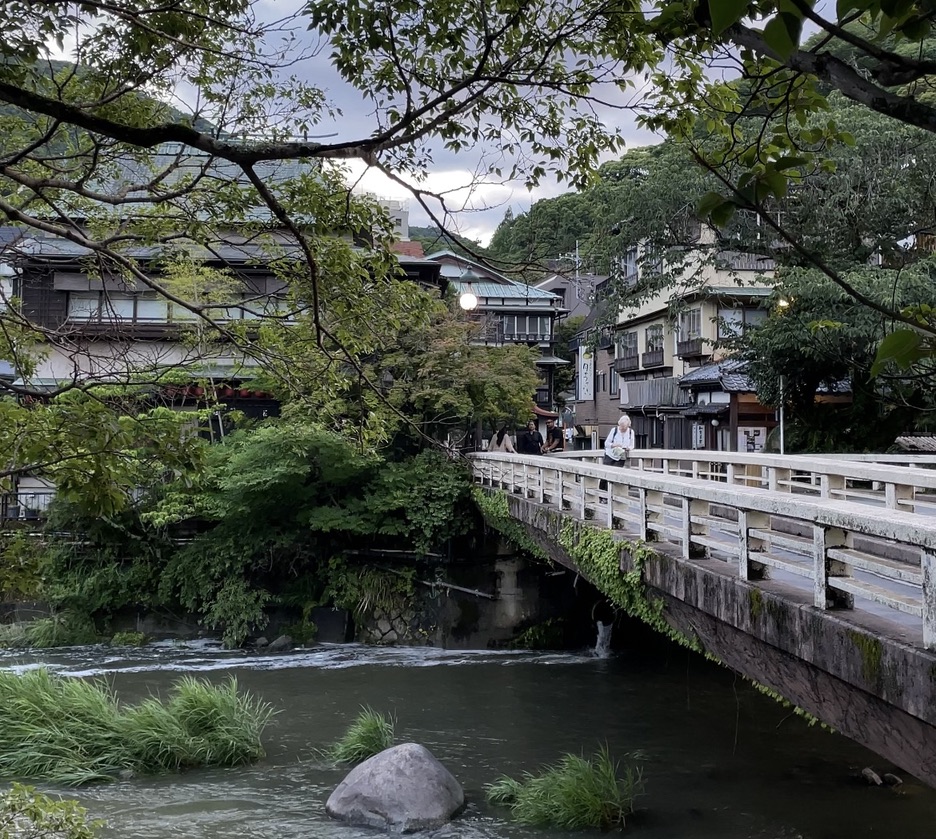
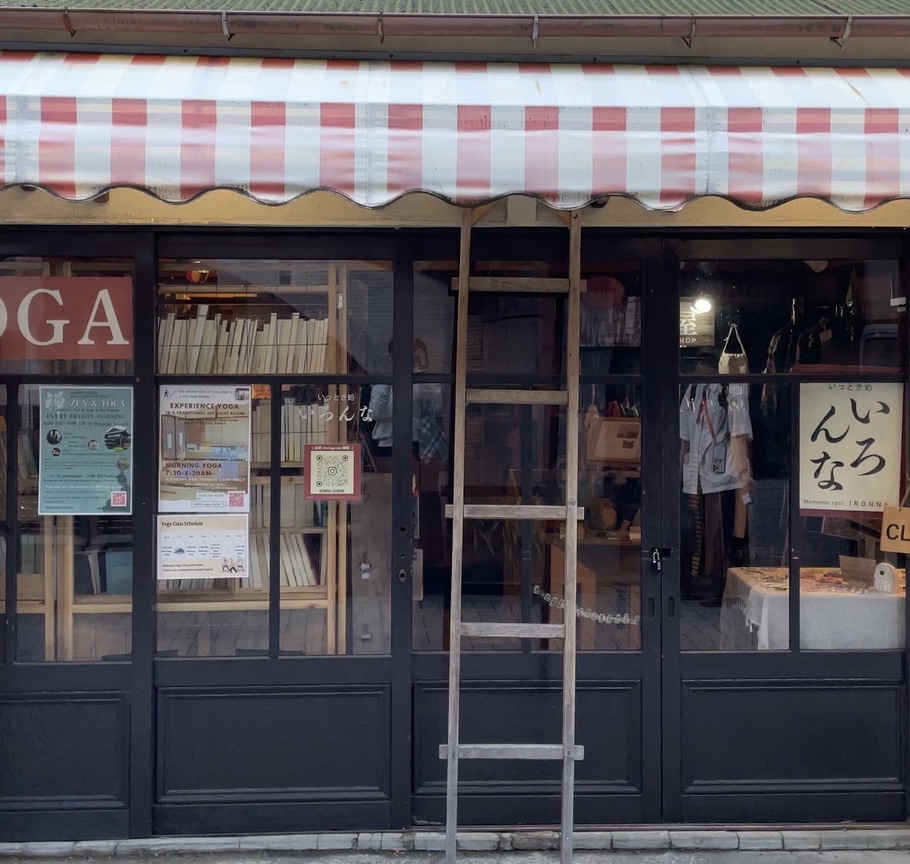
As the Romancecar pulls into its final stop, Hakone-Yumoto, I am so excited to explore.
Stepping out of the station, I can already feel a difference in the air, and with mountains having replaced the skyscrapers of Tokyo, the sky seems wider somehow. Hakone-Yumoto is considered the gateway to Hakone and is well connected by public transport to classic sightseeing spots.
The town has a retro feel, with a mix of older wooden buildings and nostalgic Showa-era shopfronts. A river flows through the town as swallows dip low above the streets.
From here, the Hakone Freepass makes traveling around the area simple. Available as a two- or three-day pass, it includes a round trip on the Odakyu Line from your selected departure station and unlimited rides on eight designated transport networks in Hakone, including the Hakone Tozan Train, eligible buses, the Hakone Ropeway and the Hakone Sightseeing Cruise.
Hakone-Yumoto to Gora on the Hakone Tozan Train
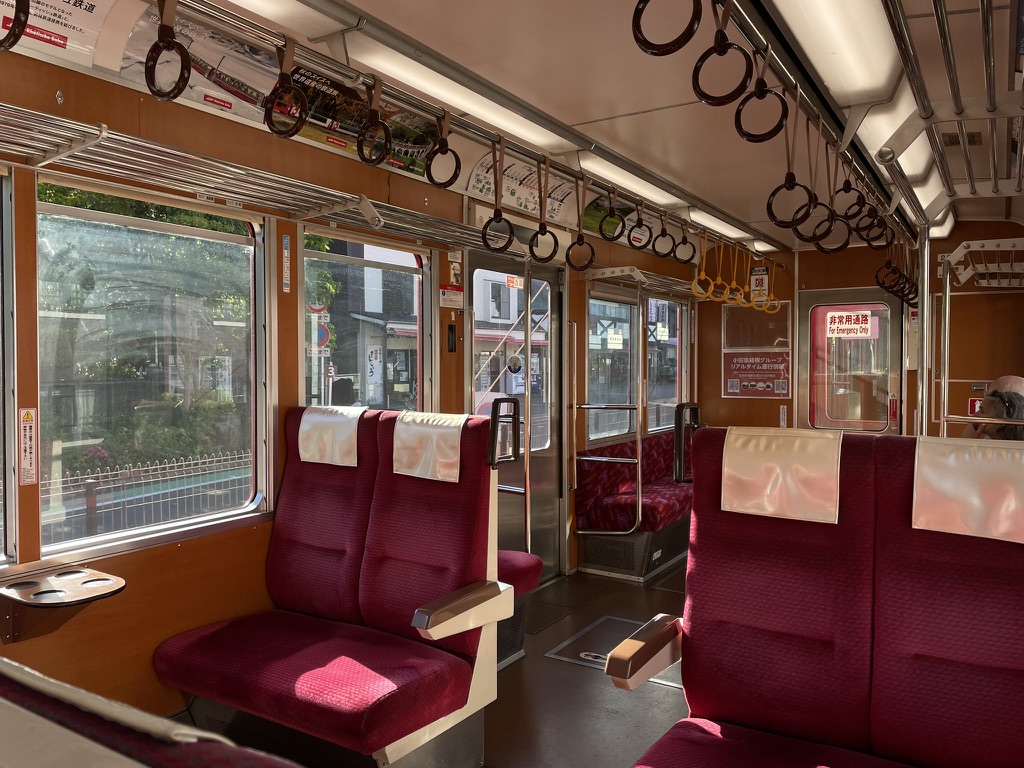
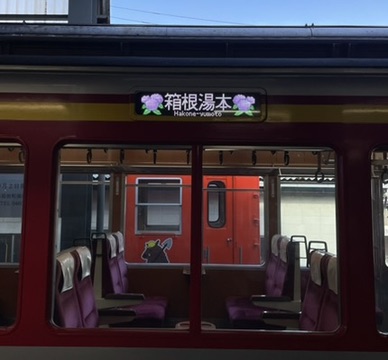
From Hakone-Yumoto Station, I use the Hakone Freepass to take the Hakone Tozan Train up toward Gora, a town located higher in the mountains. Its iconic red trains travel along a zigzagging mountain route, passing clusters of lilac and blue-tinged hydrangeas, their petals cradling drops of rain.
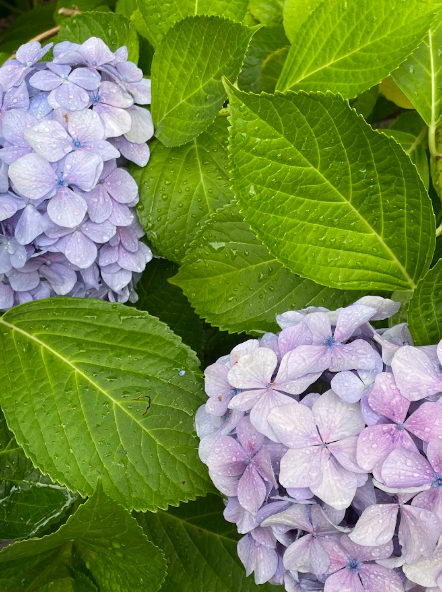
During the height of the summer rainy season, the train company even runs a limited Night Hydrangea Train events, where passengers are treated to an evening ride through softly illuminated blooms. Please note that this seasonal service has now ended and is not currently operating.
For now, though, I can enjoy the daylight view as I am led higher into the mountains to start exploring. A ride on the picturesque Hakone Tozan Train feels a world away from the packed commuter trains of the city. It’s easy to see why this area is so popular with Tokyoites.
A Matcha Stop Near Gora Station
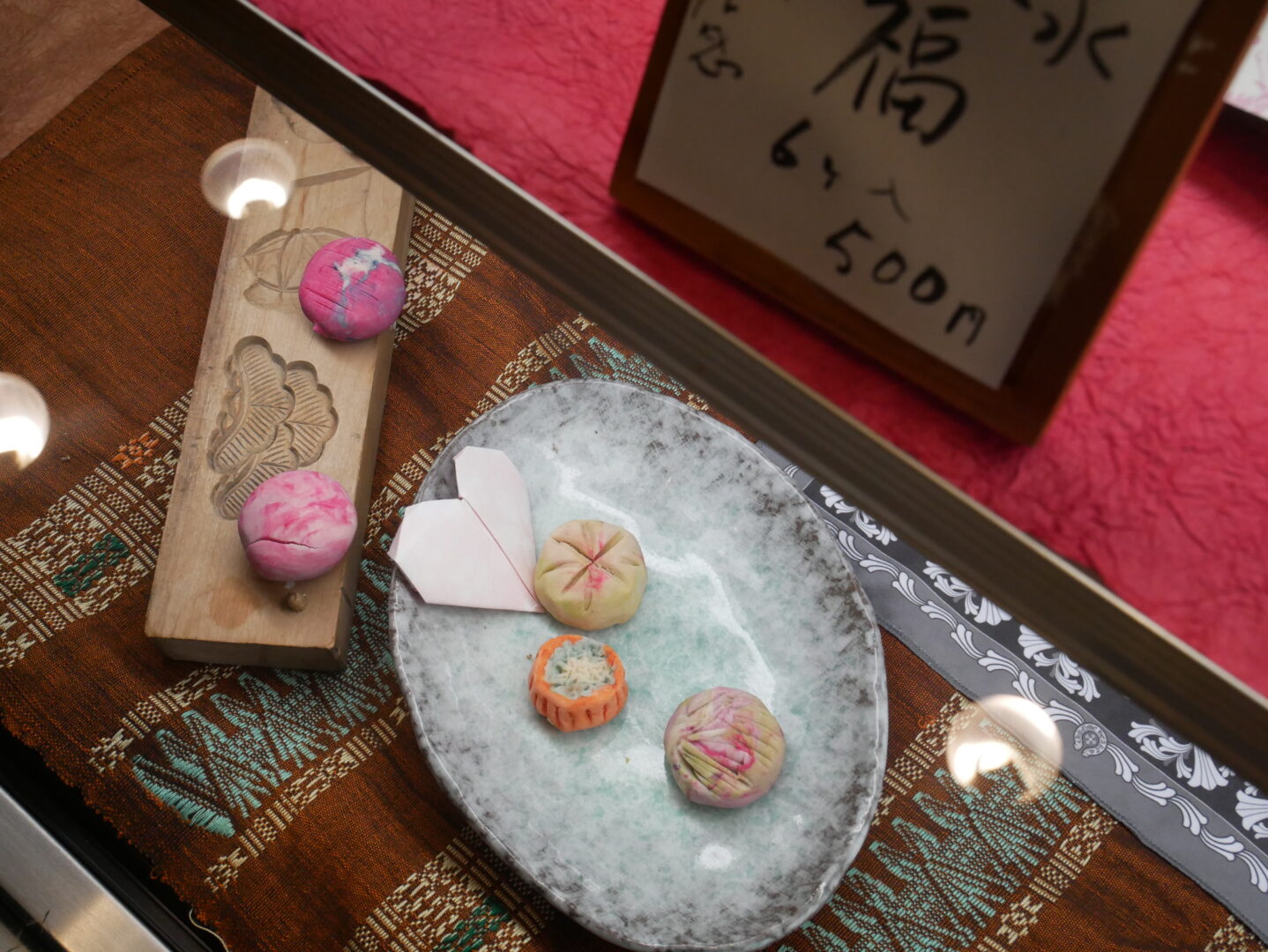
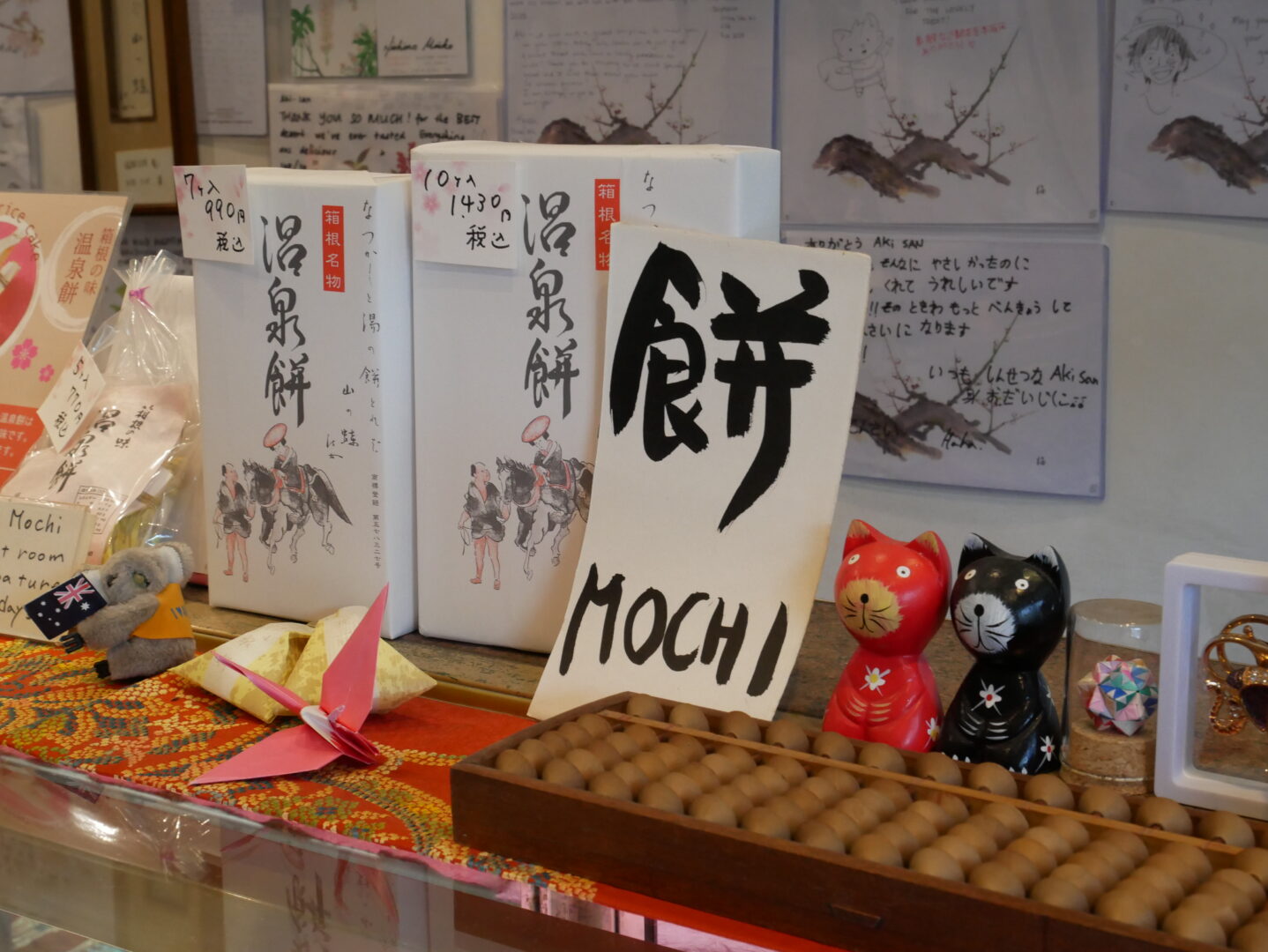
After arriving in Gora, I make my first stop at MatchaCafeAki AkiSweets, which was recommended to me before the trip. As a recent matcha convert, I am eager to try it.
The café is about a ten-minute walk from Gora Station, although the route includes a steep staircase. A black cat lounging contentedly by the entrance offers a sweet welcome, and the warm atmosphere continues as soon as I step inside.
The walls are lined with handwritten letters of appreciation from past guests, and once I have been greeted by the incredibly friendly owner, Aki-san, it is clear to see why this place has made such a big impression on people: he really greets guests with care, and his passion for the Hakone area is evident. He explains that the shop has been in his family for generations, serving matcha made with mountain spring water and homemade wagashi – traditional Japanese sweets – that look like tiny, vibrant jewels.
The matcha is among the best I have tasted, and the warmth of the experience makes this a memorable first stop in Gora.
The Hakone Open-Air Museum
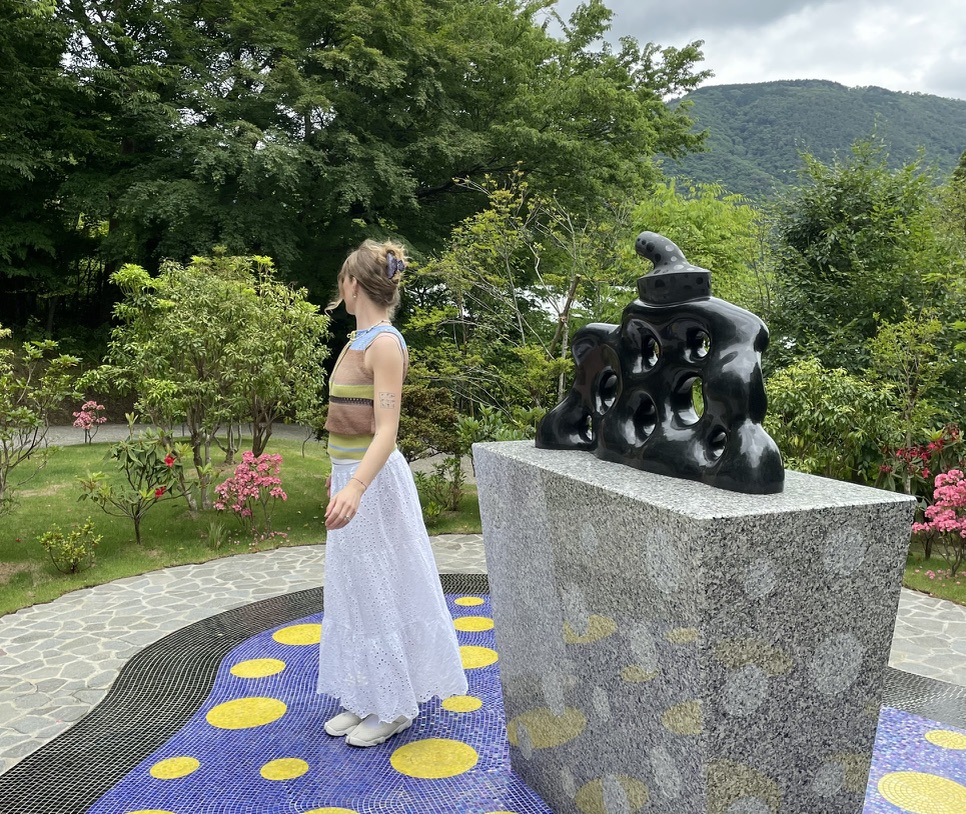
Yayoi Kusama《I Am a Pumpkin》2013 ©YAYOI KUSAMA, Courtesy of Ota Fine Arts
After enjoying matcha and wagashi, I return toward Gora Station and continue by Hakone Tozan Train to Chokoku-no-Mori Station. This short journey is covered by the Hakone Freepass, and from the station it is only about a two-minute walk to The Hakone Open-Air Museum.
Opened in 1969 as Japan’s first open-air museum, it remains one of Hakone’s best-known cultural attractions. Sculptures are displayed throughout spacious grounds featuring streams, hills, and ponds, with expansive views of the surrounding mountains and valley.
It’s a place where you can appreciate the harmonious relationship between art and nature while viewing a world-class collection by Japanese and international artists, including an extensive collection of works by Picasso.
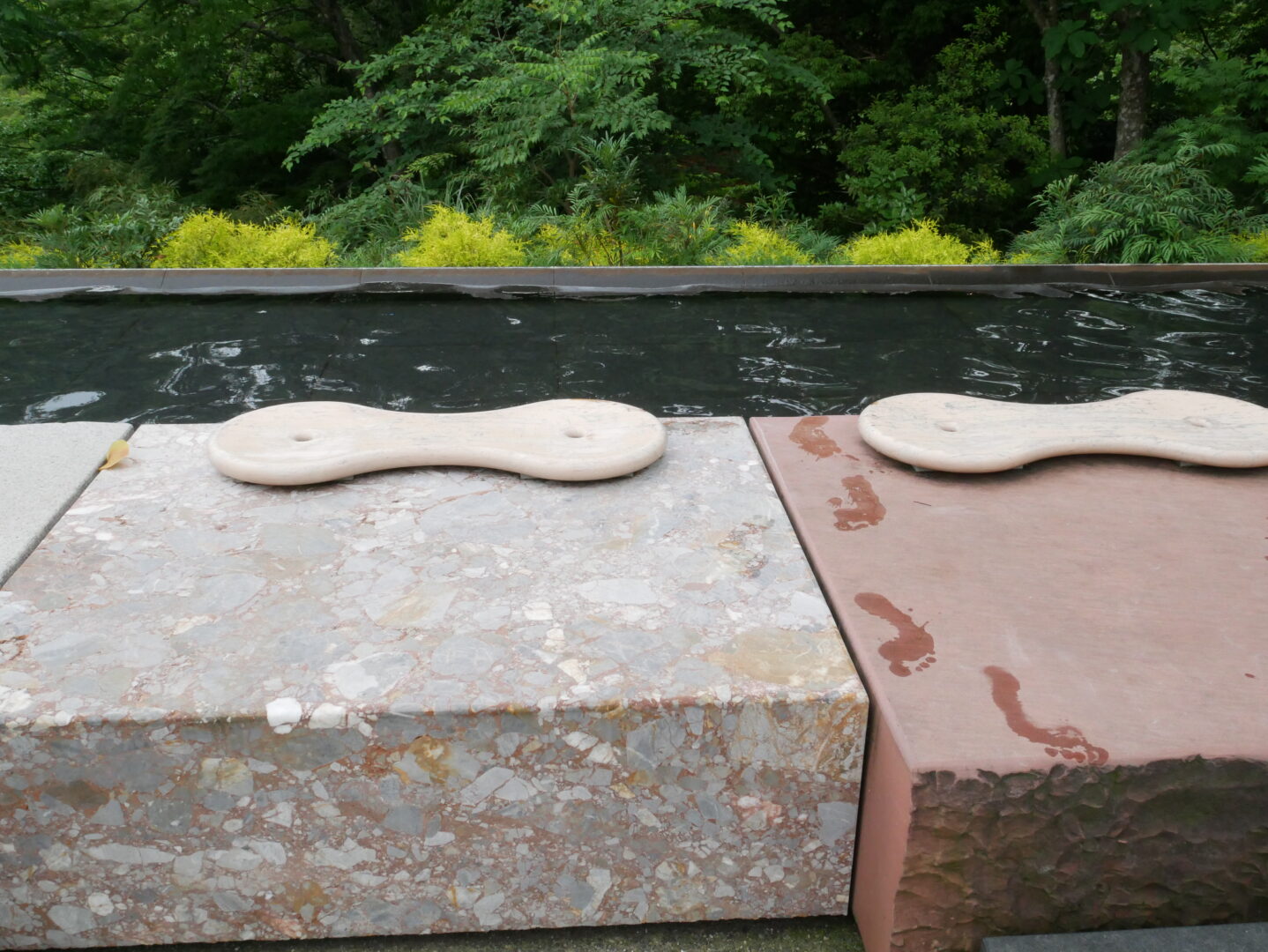
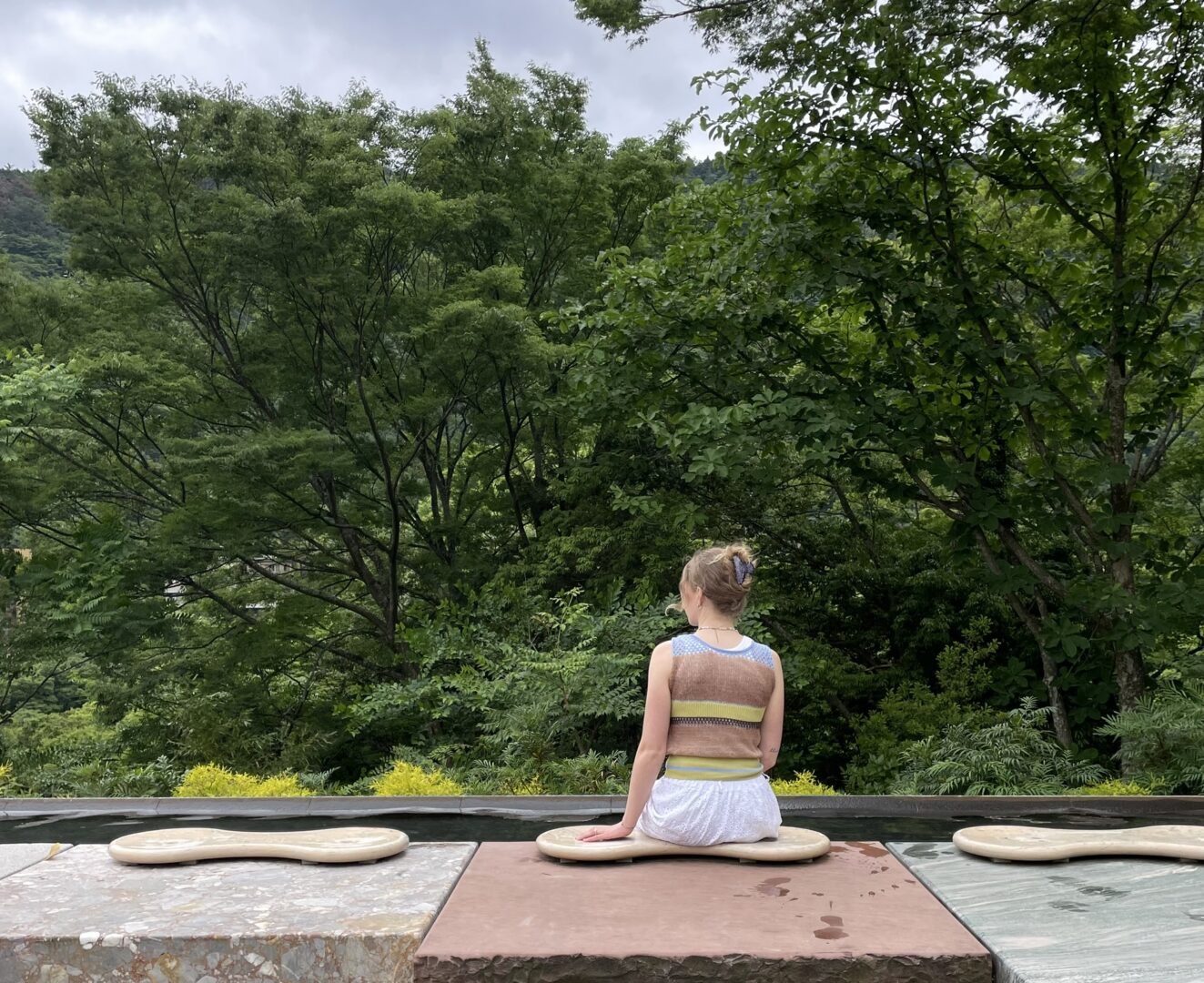
With so much space to explore at your own pace, the Hakone Open-Air Museum makes for a relaxed gallery experience and a welcome chance to enjoy the fresh air, which feels rare in Tokyo’s summer.
I’m a fan of the avant-garde work of Yayoi Kusama, so I’m happy to stumble upon I Am a Pumpkin, Kusama’s first stone sculpture, which is a new arrival in Hakone. I like how it sits like an island within a polka-dotted mosaic pool. I don’t naturally have a head for heights, but the 18-meter-tall Symphonic Sculpture by Gabriel Loire is definitely worth the shaky-legged climb.
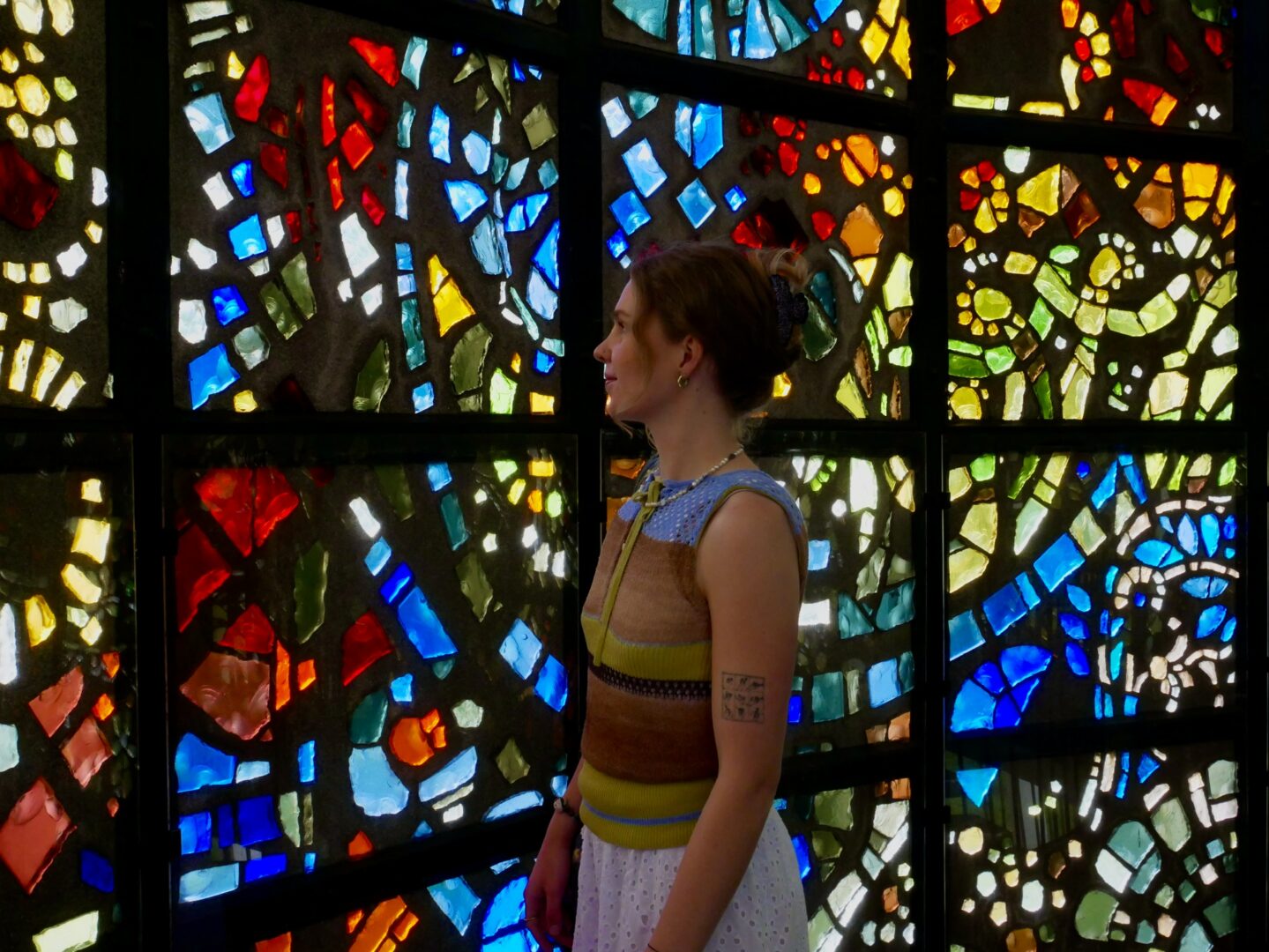
From the top of this watchtower, you can enjoy panoramic views across the museum and surrounding mountains, and inside, light refracts through stained-glass windows, revealing dream-like details wherever you look. Before heading off, I stop by the hot spring foot bath to rest my feet for a moment, taking in the views across the treetops.
Traveling to Sengokuhara by Hakone Tozan Bus
After leaving the museum, I use the Hakone Freepass to take a bus toward Sengokuhara from a nearby bus stop. Hakone has an extensive public transport network, and while the classic sightseeing route includes the Hakone Sightseeing Cruise and Hakone Ropeway, today I am happy to settle in for a quiet bus ride through the mountain scenery.
As transport schedules and service patterns may change, check Hakone Navi before departure.
Hakone Botanical Garden of Wetlands
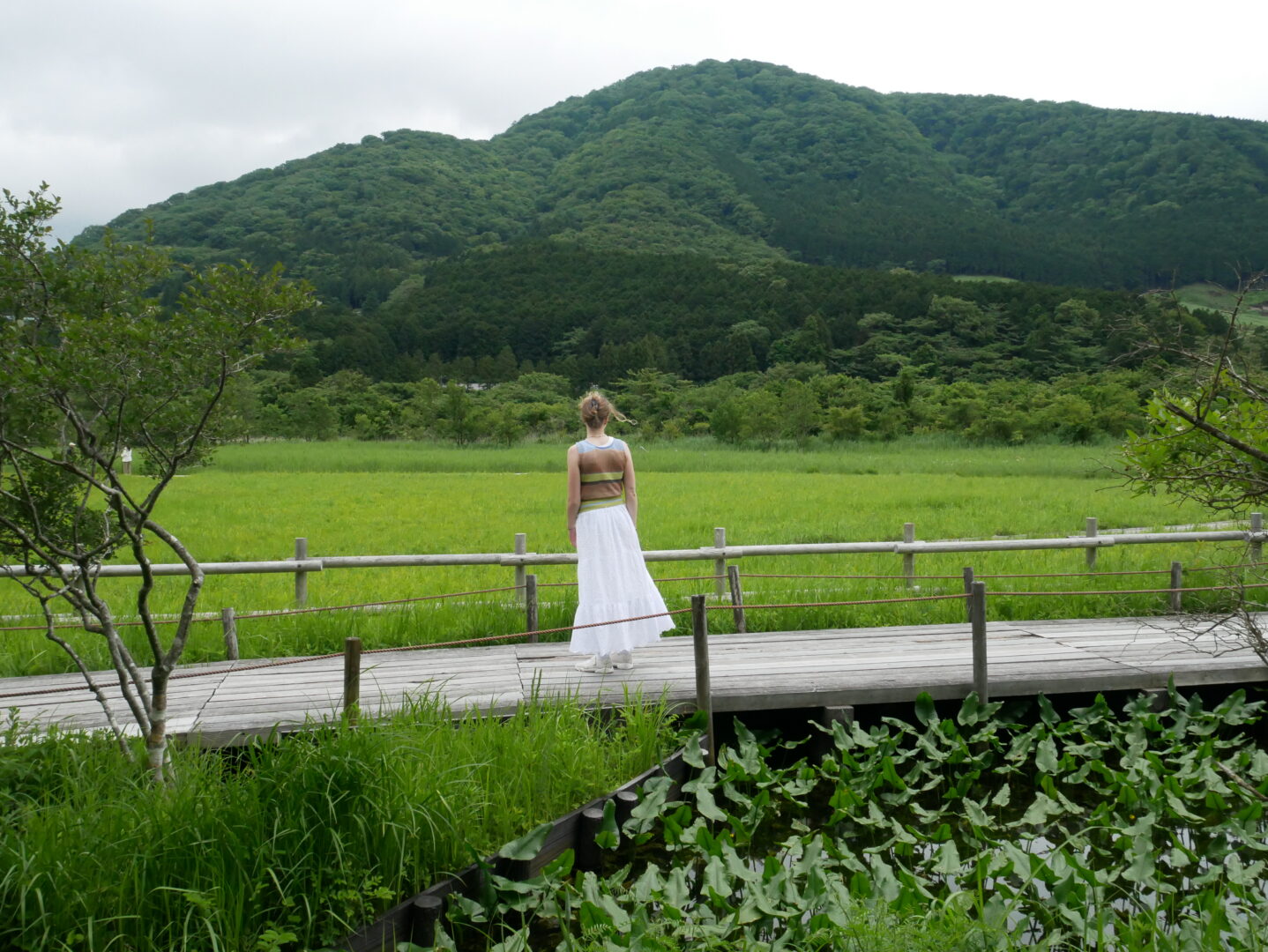
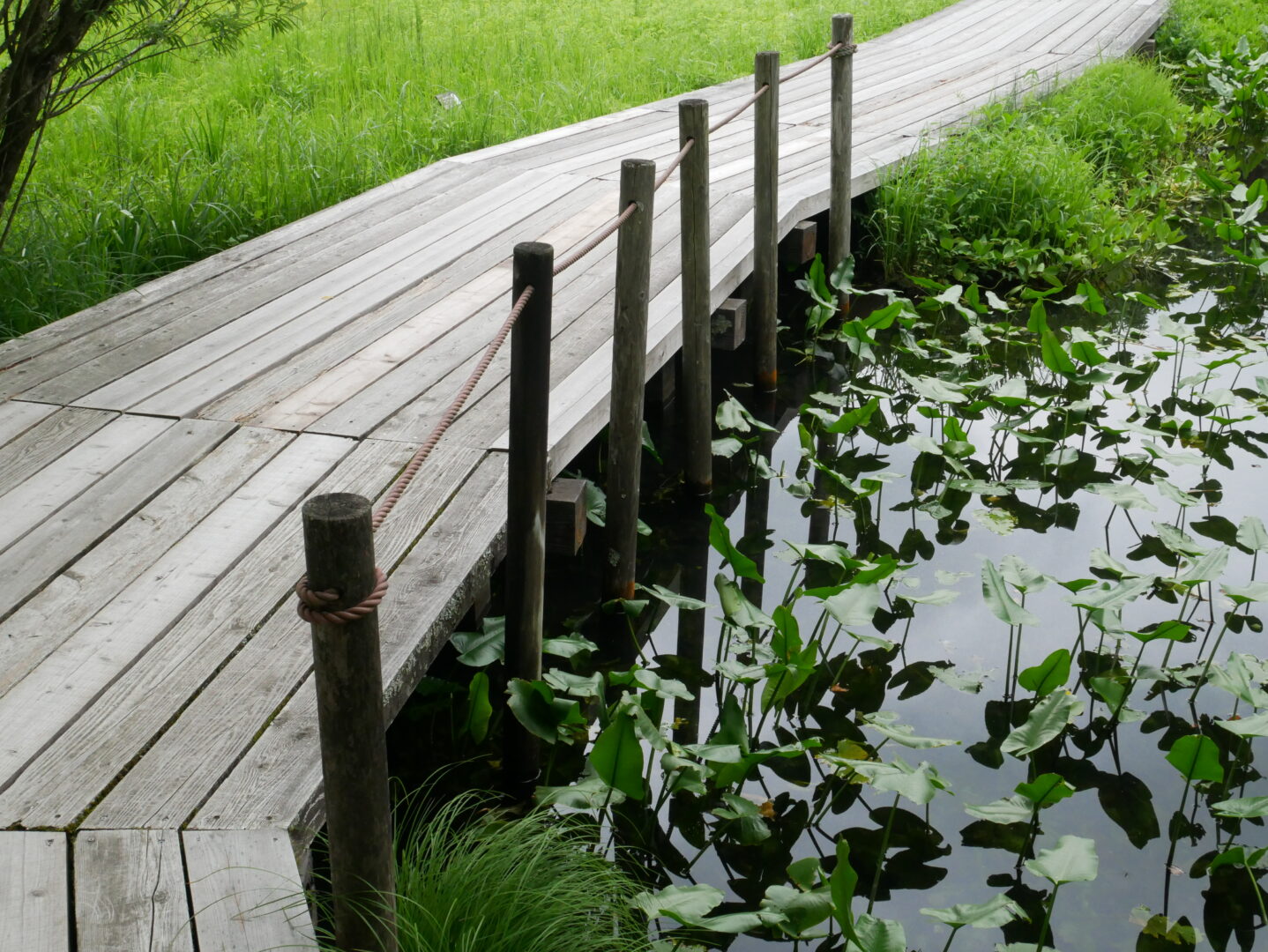
Next on my itinerary is the Hakone Botanical Garden of Wetlands, which is home to around 1,700 plant species. These include wetland plants from across Japan, as well as plants found in grasslands, forests and alpine environments.
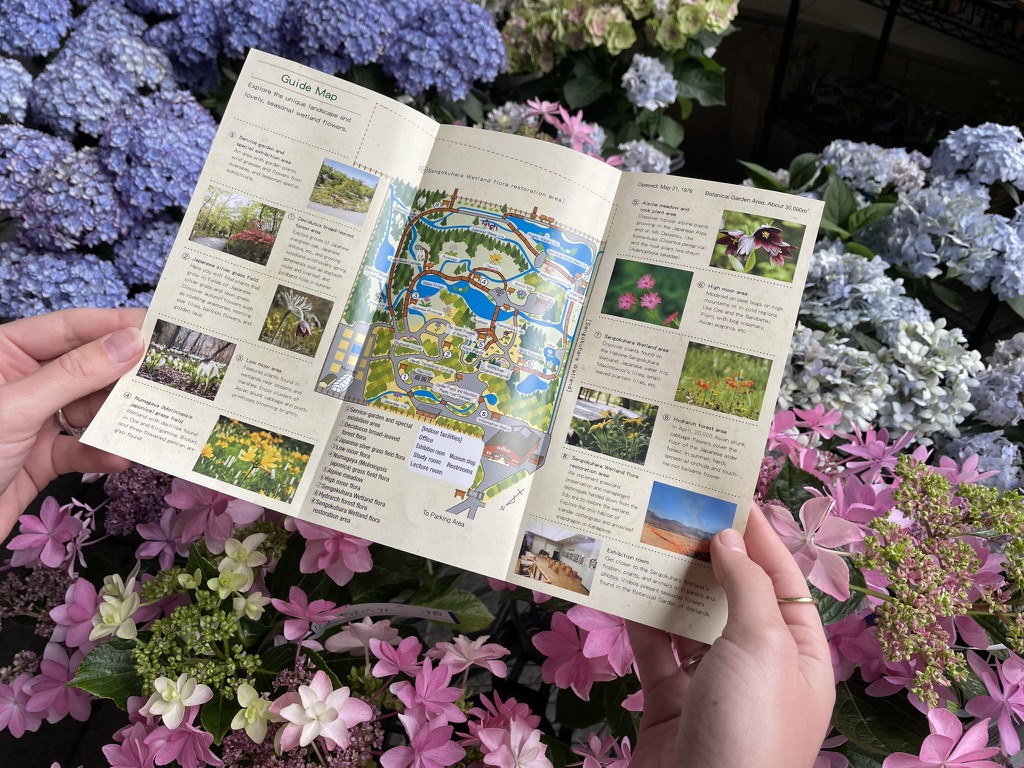
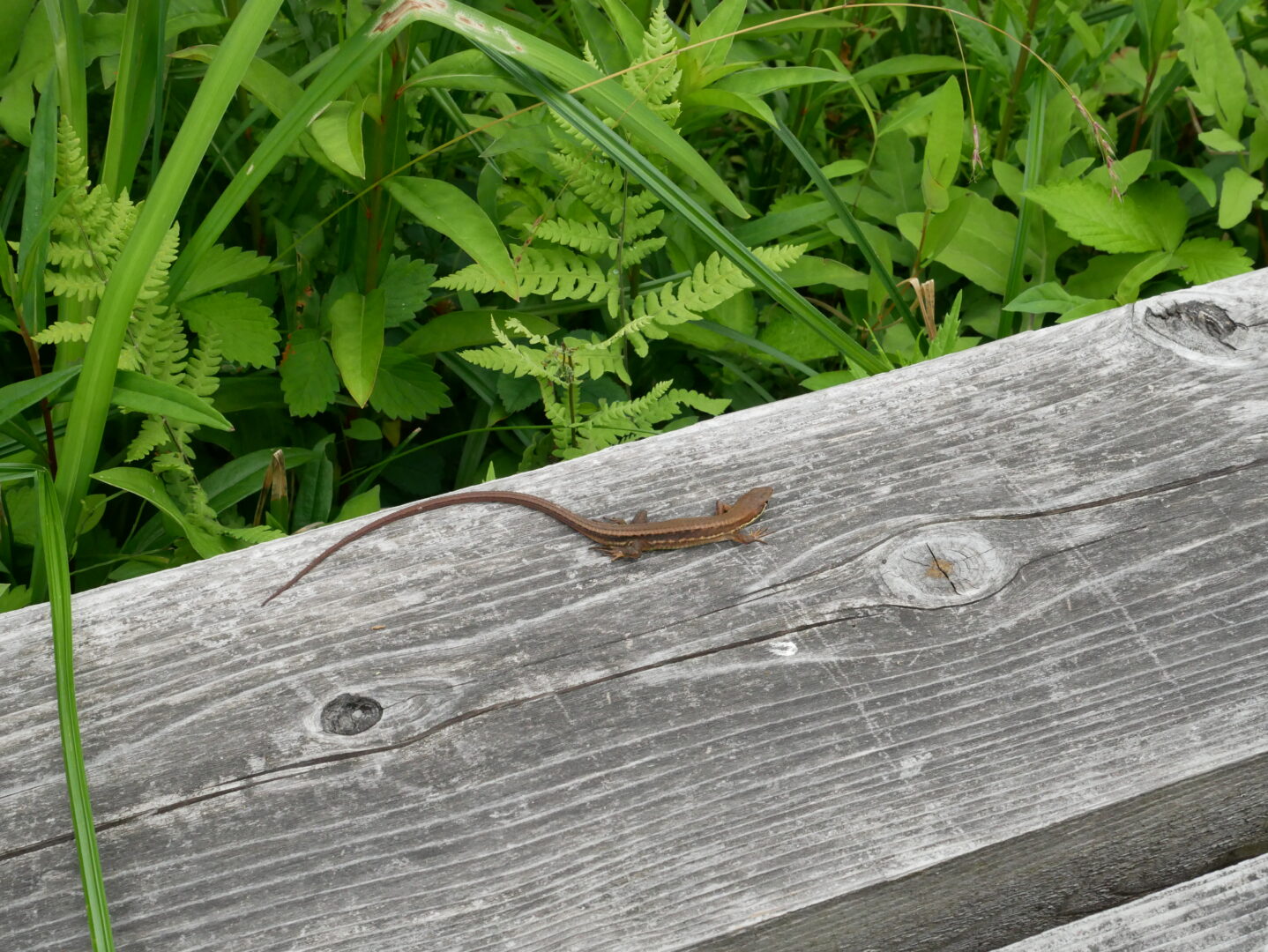
The garden is lush in the summer, with dragonflies buzzing in the air and the wind rippling through the long grasses. The route around the botanical garden leads you along boardwalks, where I spot Japanese grass lizards basking in the warmth.
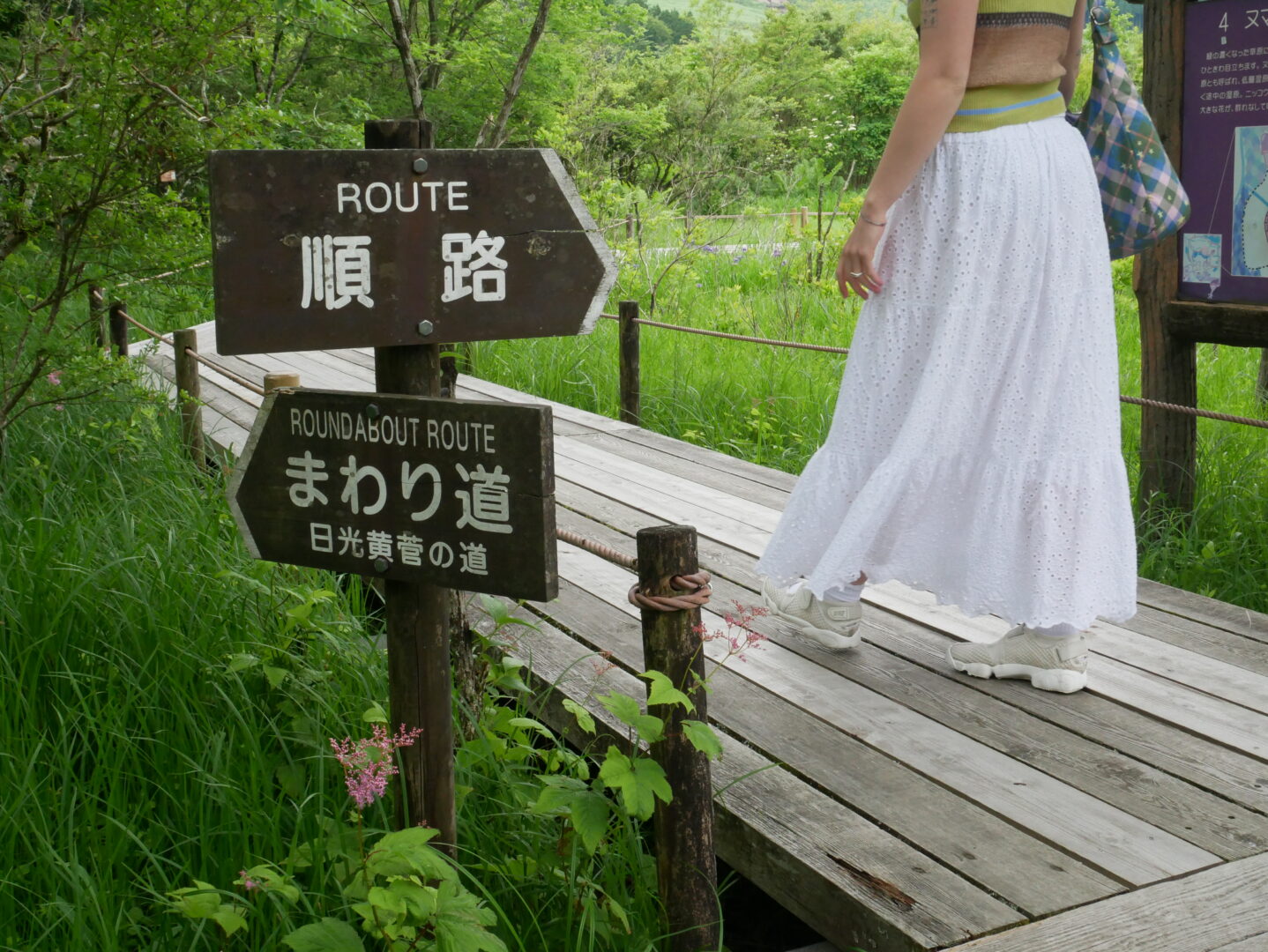
I follow the sign for the circular route, which feels like exactly the sort of path I want to take on a relaxed day like today. The garden has been designed to guide visitors from lowland to alpine environments and from early-stage wetlands to more developed wetland ecosystems. With benches available throughout the garden, this is the sort of place which invites you to slow down and take in the landscape.
Lunch at Dining Yamaboshi
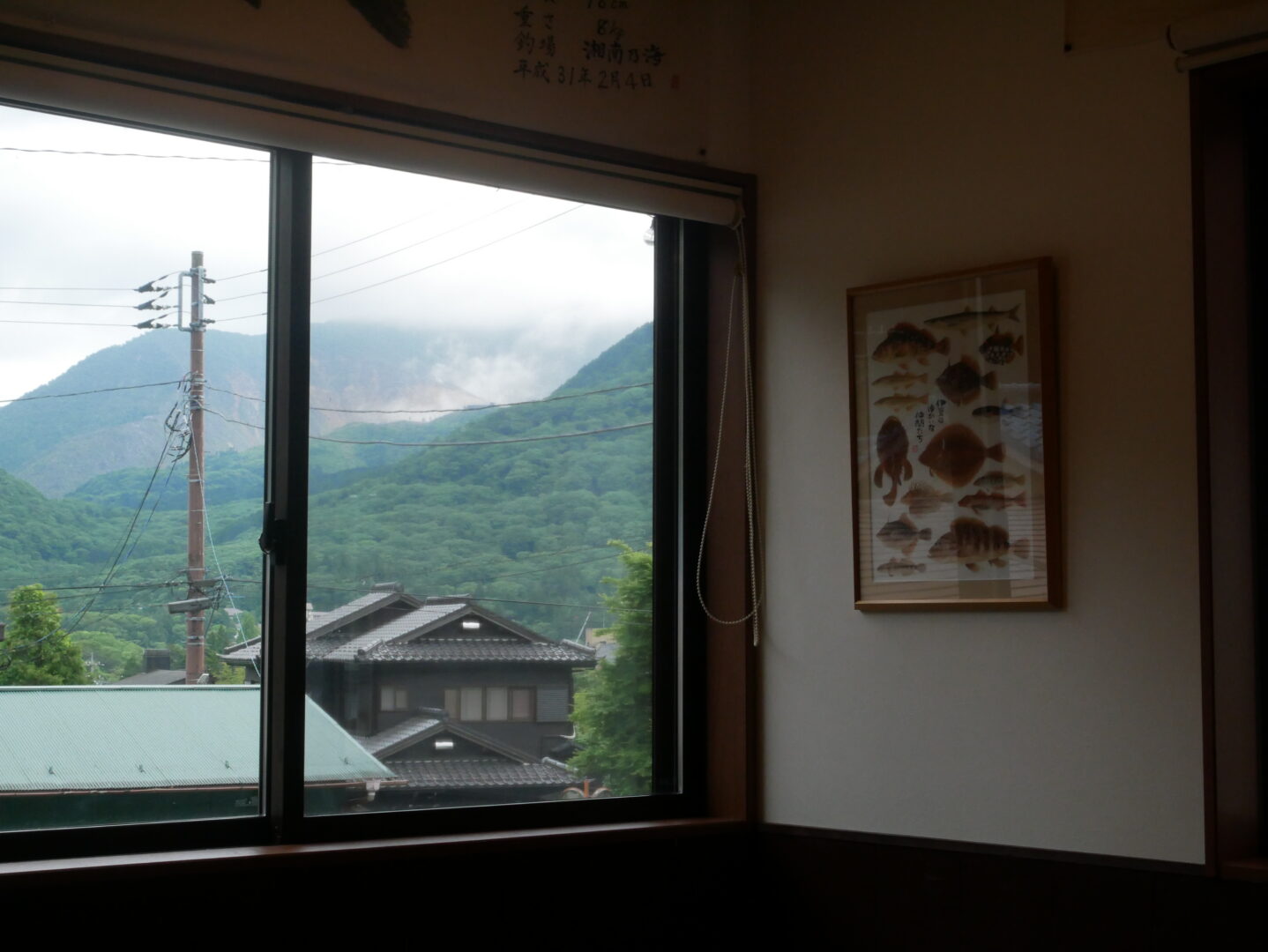
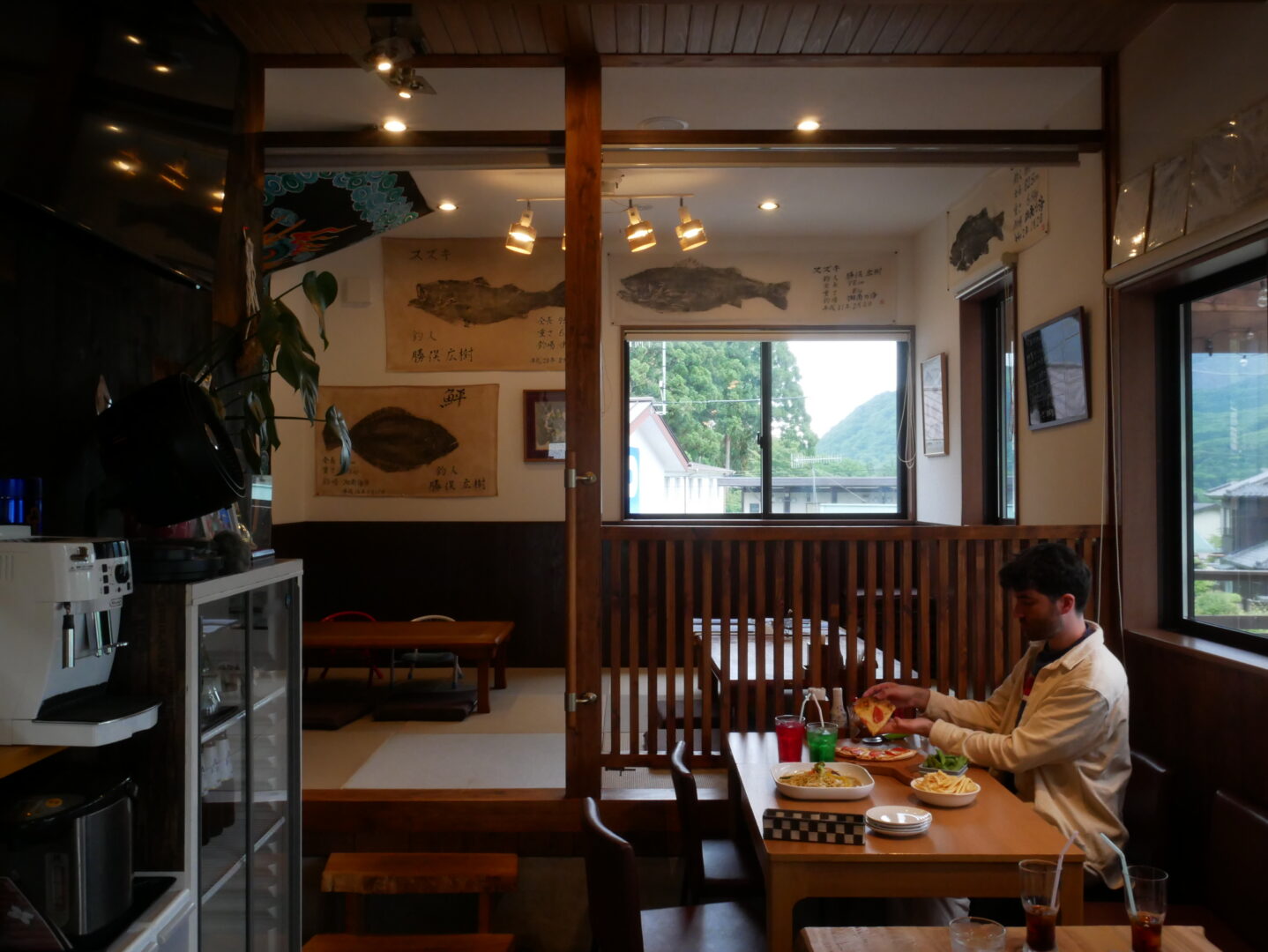
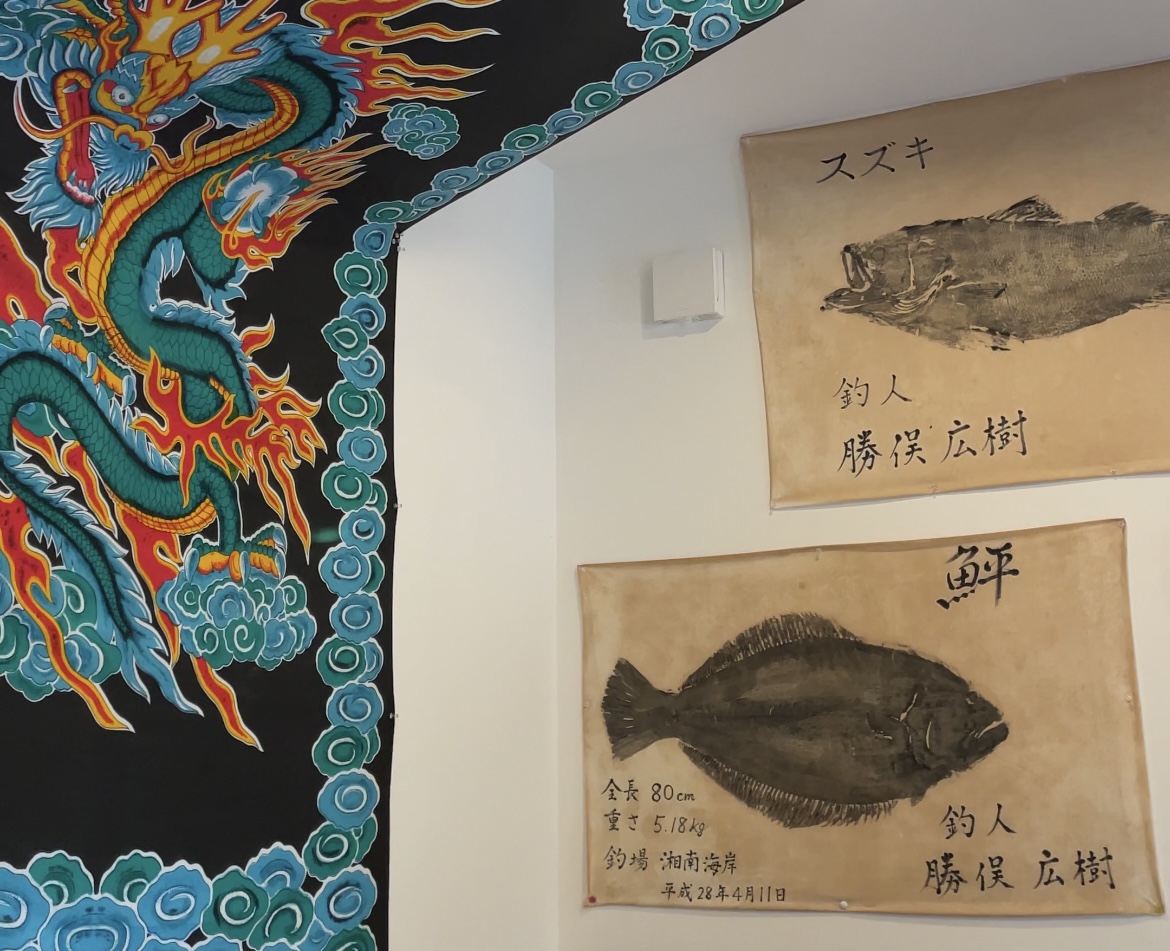
Next on the agenda is finding somewhere for lunch, and after a short walk, I reach Dining Yamaboshi, a friendly, family-run restaurant with views of the volcanic landscape of Owakudani, formed by volcanic activity almost 3,000 years ago.
This landscape inspired Dining Yamaboshi’s signature Eruption Curry, featuring rich curry flowing like lava over a volcano-shaped mound of rice. In addition to Italian-inspired options, the restaurant serves izakaya classics like karaage and edamame, with retro drinks like melon and strawberry sodas that give the place a nostalgic feel.
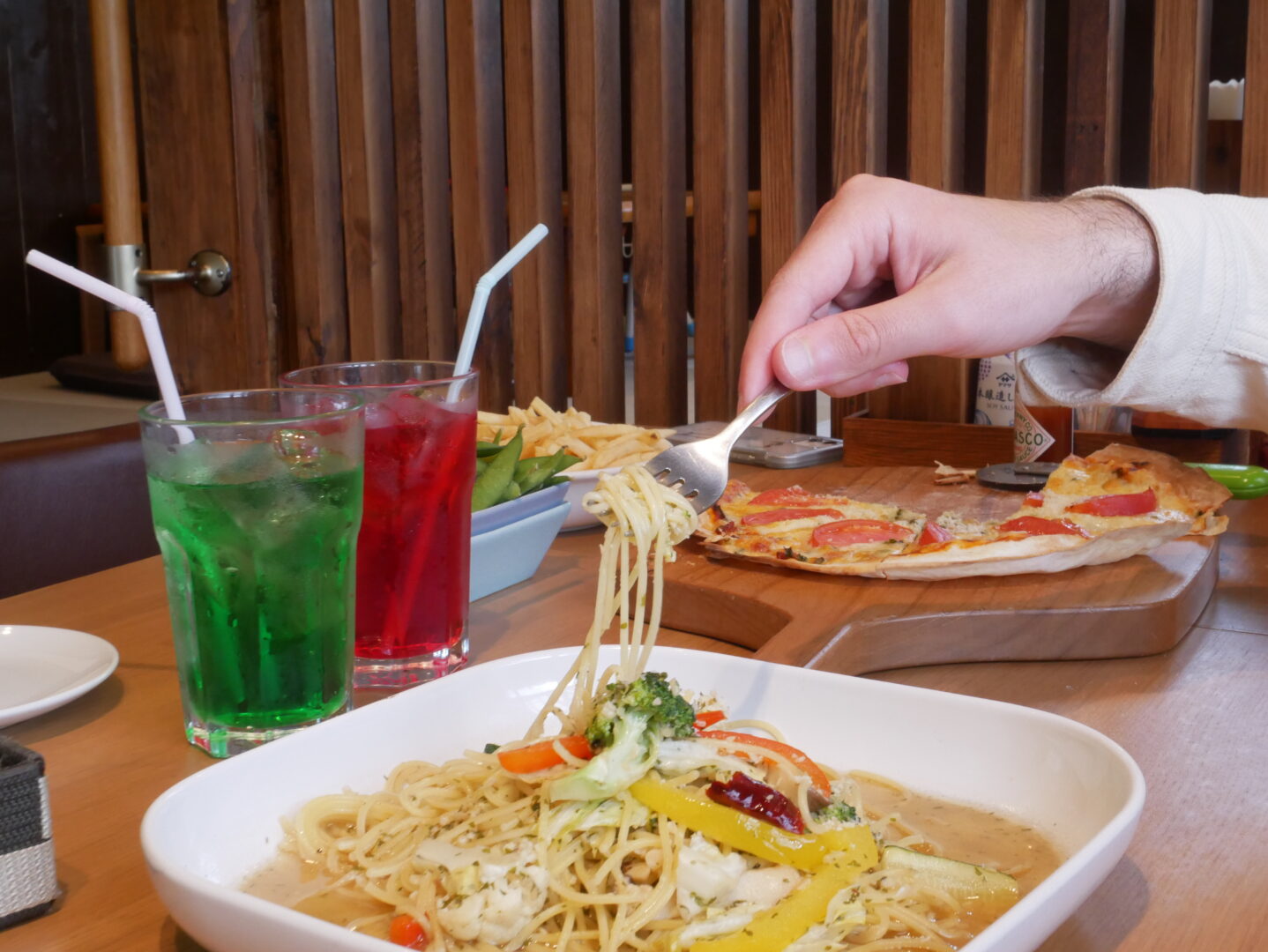
The welcome is warm, and the owners are kind enough to prepare delicious vegetarian options for us to enjoy – a tasty pizza and pasta studded with juicy vegetables. On the wall, a map of the world studded with pins shows just how many people have enjoyed eating here, and there is just enough room for us to squeeze a pushpin onto Scotland as evidence of our own visit.
Choanji Temple and Its Rakan Statues
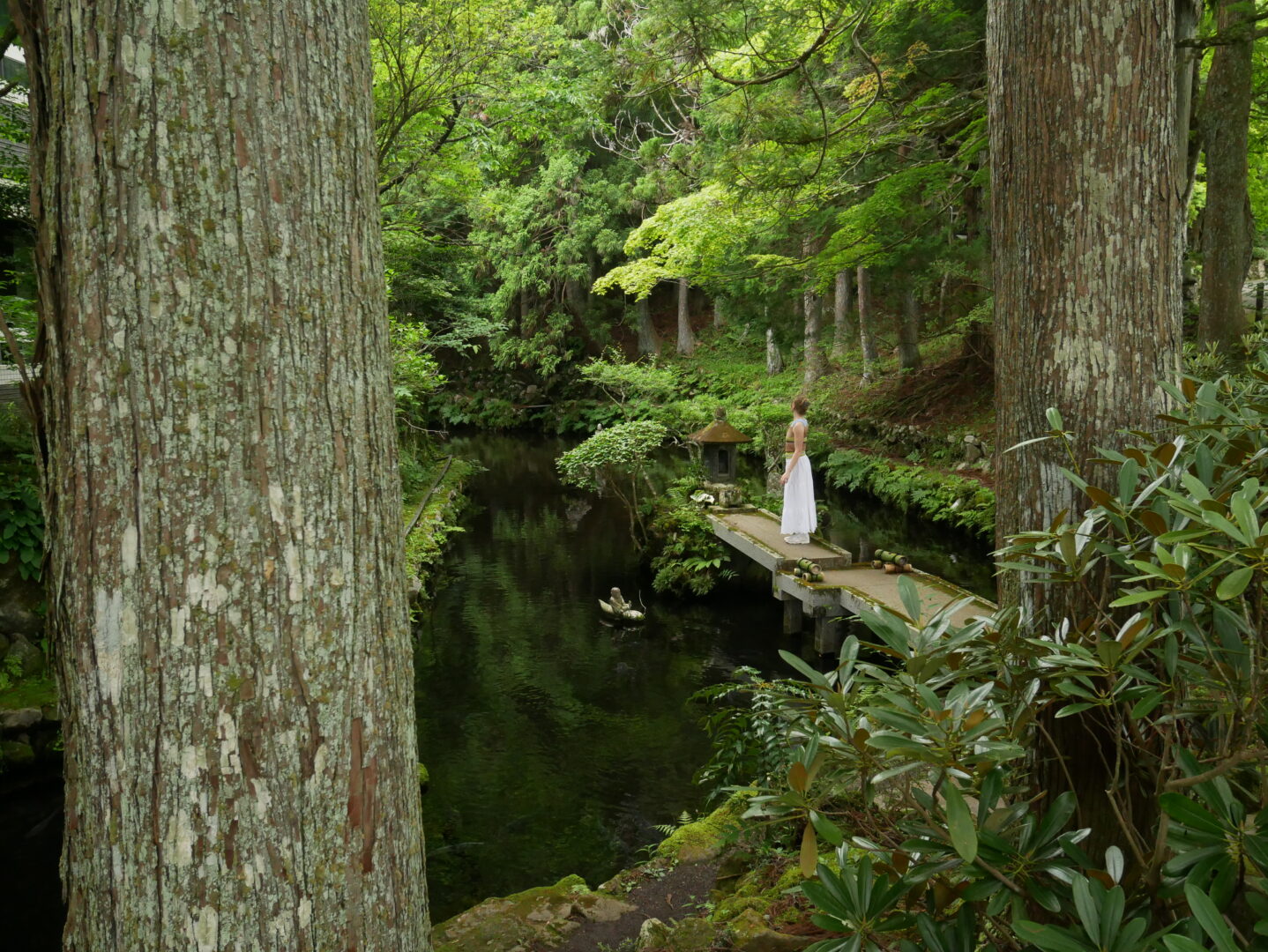
After lunch, it is less than a five-minute stroll to my next destination: the beautiful Choanji Temple, nestled at the base of a forested hill.
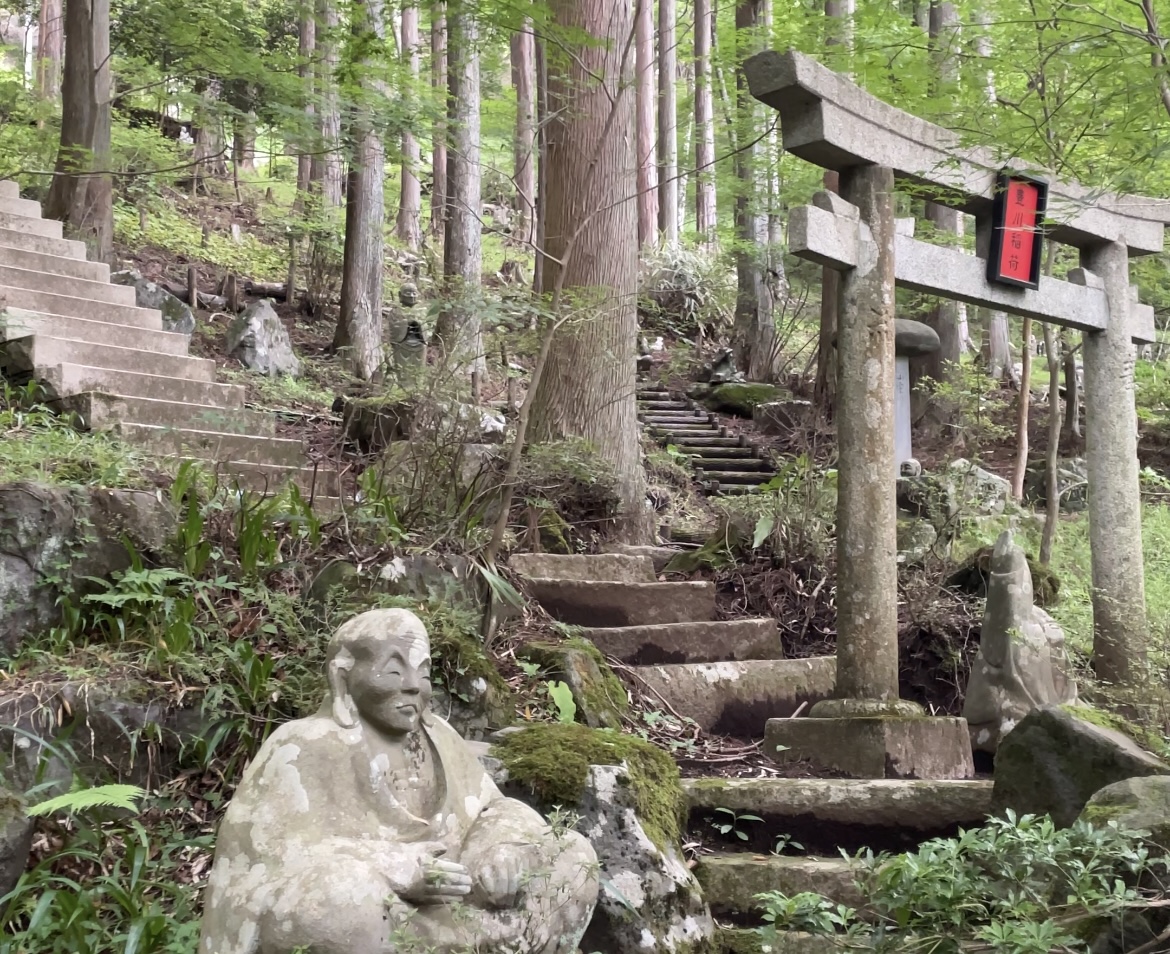
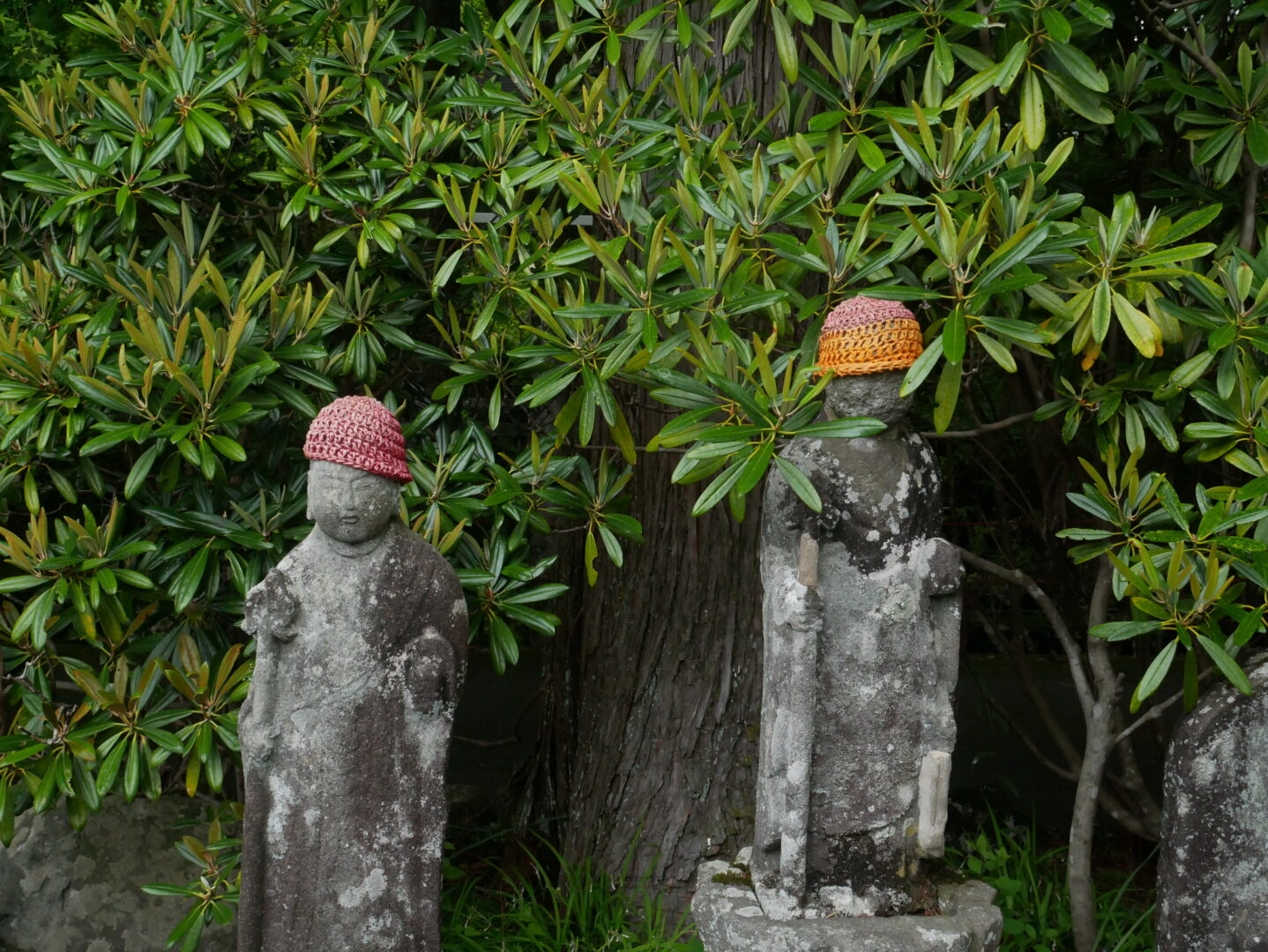
I often find myself wandering around temples and shrines in Japan, but this has got to be one of the most serene I have ever visited. Dappled light falls across the moss-covered ground, while orange koi swim slowly through the pond.
Upon learning it was first established in 1356, I pause to reflect on how remarkable that feels.
The temple is known for its rakan (Buddhist disciple) statues, with over 500 dotted throughout the grounds. As I make my way around, I notice the statues each display a different expression, some contemplative and others more humorous or playful.
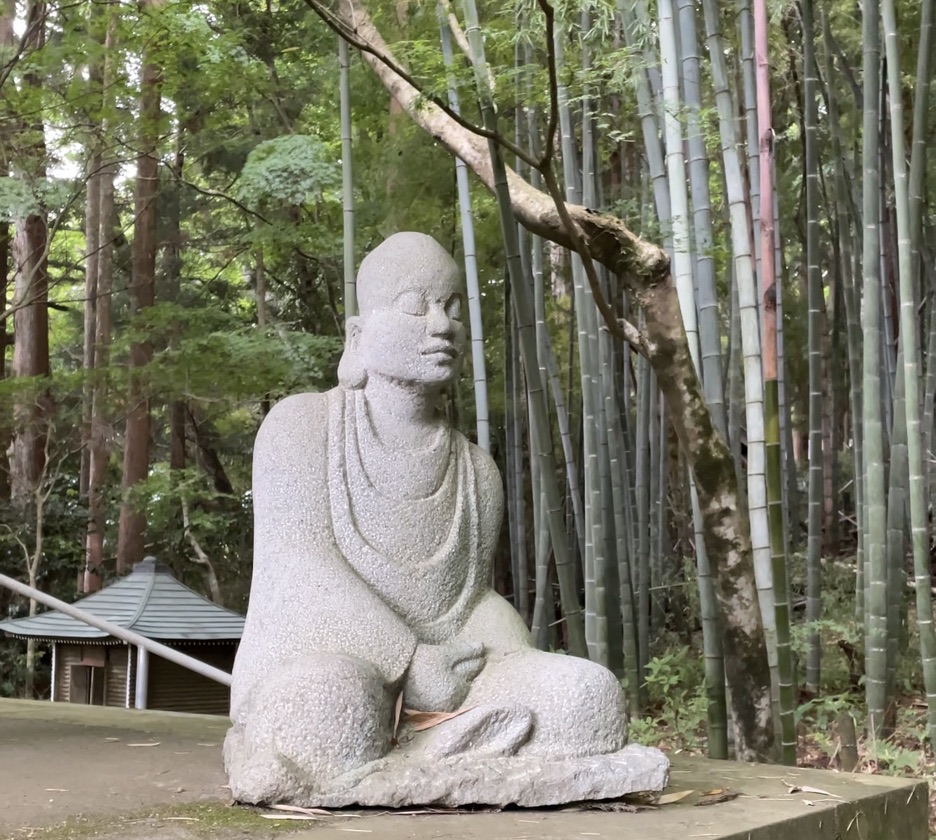
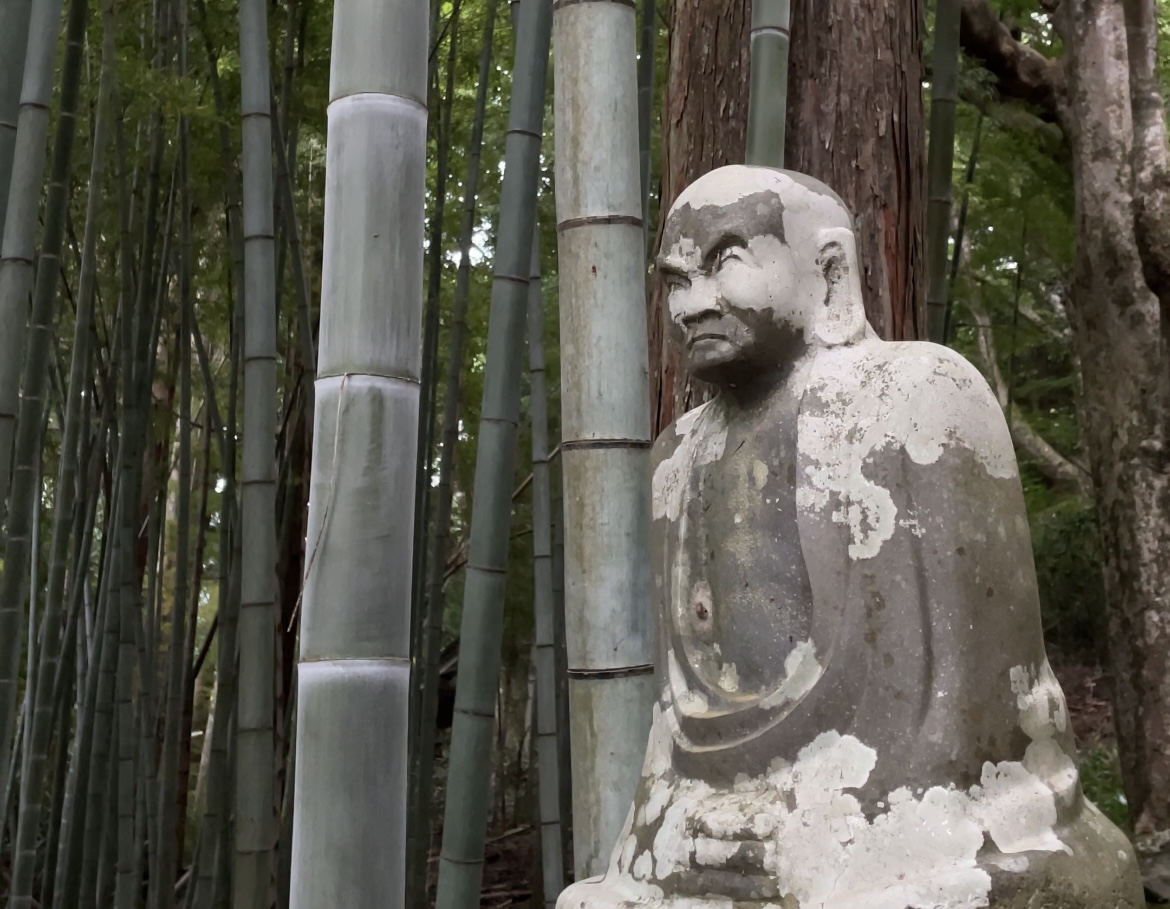
In autumn, visitors can enjoy vibrant autumn foliage, known as kōyō, but in summer the grounds are lush and green, and the shade from the canopy above makes it feel fresh and pleasantly cool. Soaking in the quiet, it feels hard to believe I departed from central Tokyo the same morning.
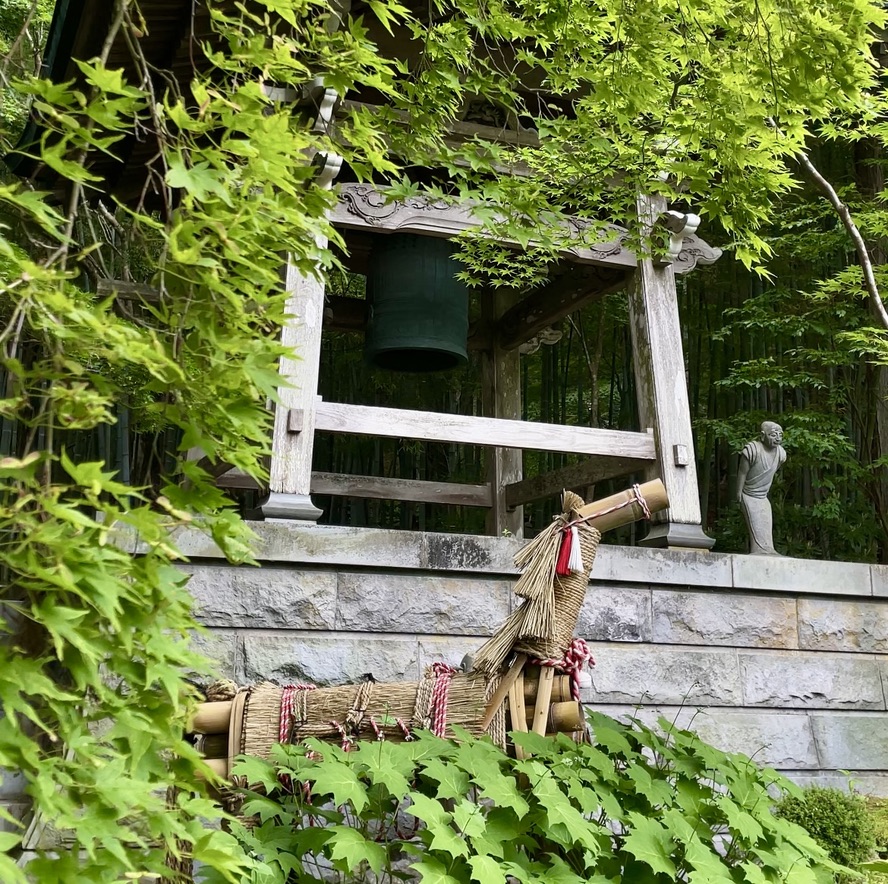
Despite its peaceful setting, the temple is easy to reach by public transport. It is only a couple of minutes’ walk from Sengoku Bus Stop, which is served by buses included on eligible Hakone Freepass routes.
Staying Overnight in Hakone
After exploring the quiet forest paths of Choanji Temple, spend the night in Hakone and take your time enjoying the area. An overnight stay also lets you make better use of the Hakone Freepass before returning to Shinjuku by Romancecar the next day.
For me, though, Hakone feels like the sort of place that rewards a little more time. I recommend continuing to Togendai and staying overnight near Lake Ashi. The next morning, start from Togendai Station and take the Hakone Ropeway to Owakudani, then head down to Lake Ashi and board the Hakone Sightseeing Cruise to Motohakone-ko. From there, continue to Hakone-Yumoto before taking the Romancecar back to Shinjuku.
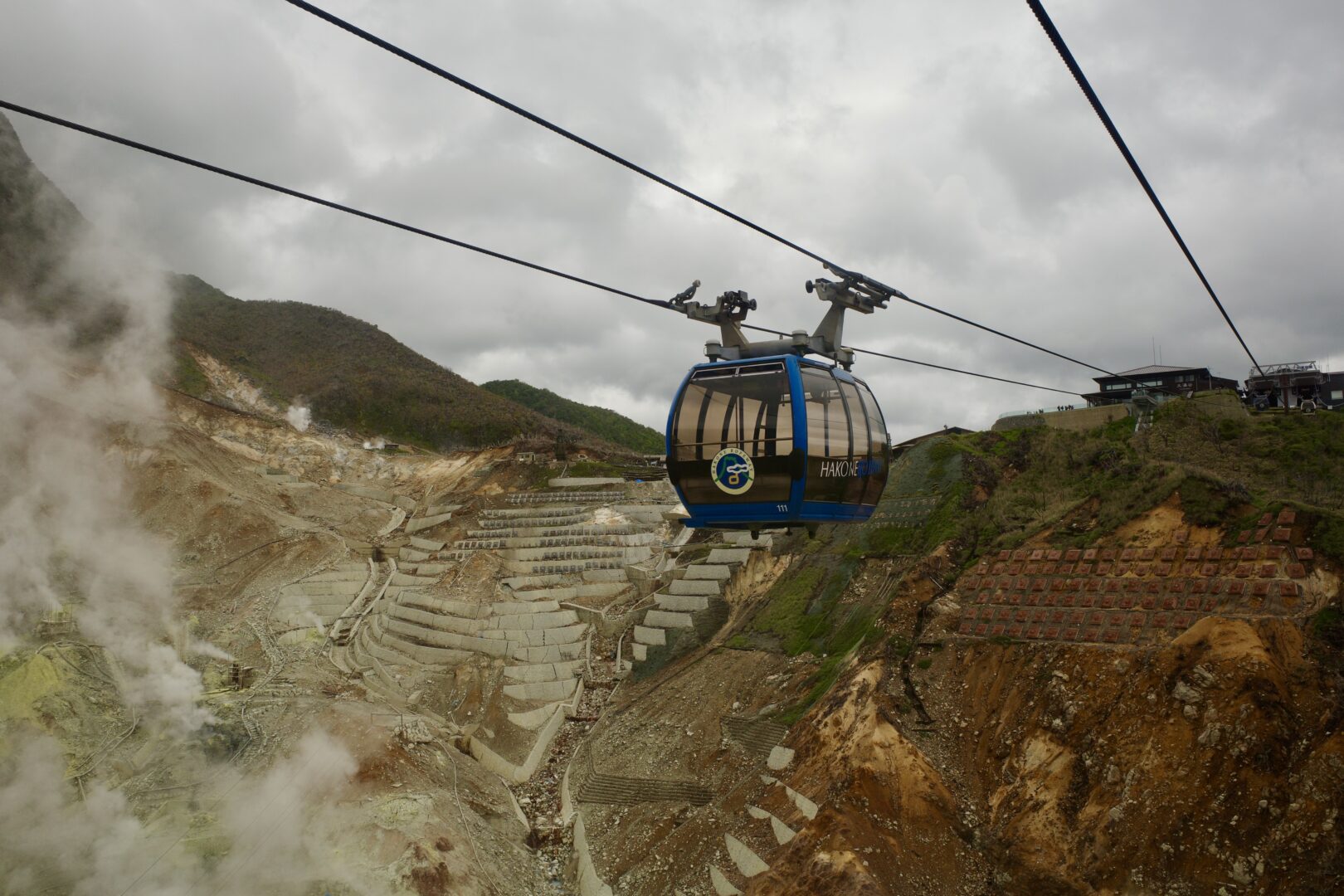
Both the Hakone Ropeway and the Hakone Sightseeing Cruise are covered by the Hakone Freepass, although services may be affected by weather or maintenance. You can find more ideas for exploring this side of Hakone in this guide to the classic Hakone Loop.
This article is part of a series exploring different model courses through Hakone by public transport. Another route in the series takes you through Miyanoshita and Gora, highlighting local stops, beautiful scenery, and a slower side of Hakone. Be sure to check it out for another way to explore the area.