- SHARE


A visit to Hakone will quickly reveal to you why it endures as one of Japan’s go-to travel destinations. A mountain resort area set inside a vast national park, surrounded by imposing mountains and dense forests, Hakone offers visitors the chance to enjoy its rich cultural history and stunning landscapes, and to take advantage of its numerous thermal baths.
Although Hakone’s main sightseeing spots are spread across the area, getting around is surprisingly easy thanks to the Hakone Loop, a scenic route that connects trains, buses, cable cars, ropeways, and even a sightseeing cruise.
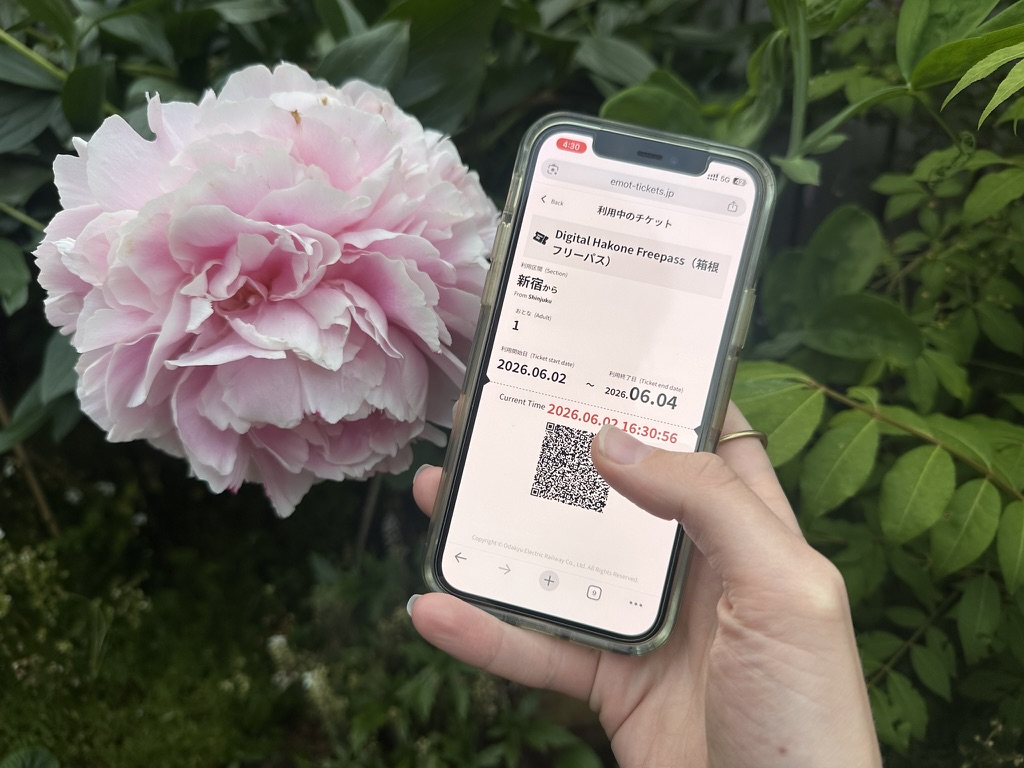
This time, I took advantage of the 2-day Hakone Freepass, a discounted travel pass which allows for unlimited rides on eight modes of transport and discounts at around 70 facilities in the area. The pass makes it easy to explore Hakone without a car, whether you want to follow the classic sightseeing route or enjoy a slower journey through quieter areas.
Rather than rushing through the full Hakone Loop in one day, this itinerary takes a gentler approach, moving smoothly from Hakone-Yumoto to Miyanoshita and onward to Gora without backtracking. On this trip, I wanted to slow down and experience a different side of Hakone through history, cafes, craft, hot springs, and time at the hotel.
Getting from Shinjuku to Hakone by Romancecar
The easiest way to reach Hakone from Tokyo is by the pleasantly named Romancecar, which offers direct access from Shinjuku to Hakone-Yumoto in as little as 80 minutes. If you are using the Hakone Freepass from Shinjuku, the basic round-trip fare is covered, but a separate limited express ticket is required to ride the Romancecar.
Both the Hakone Freepass and Limited Express Romancecar tickets can be purchased online through EMot Online Tickets, a browser-based ticket service accessible via the Odakyu global website.
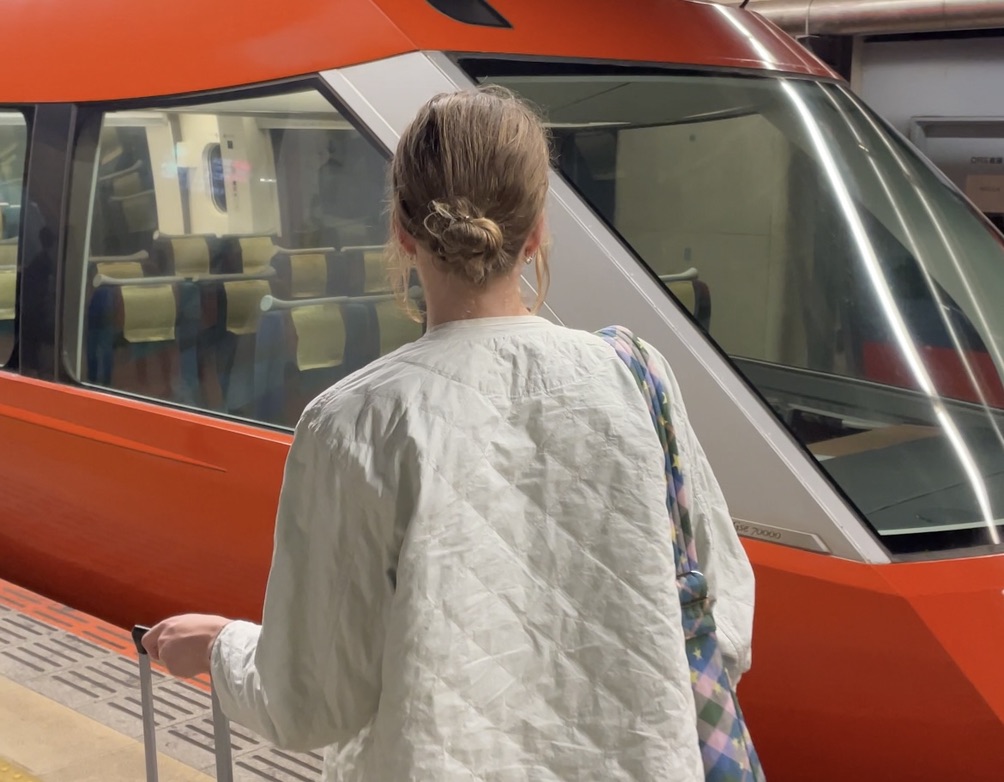
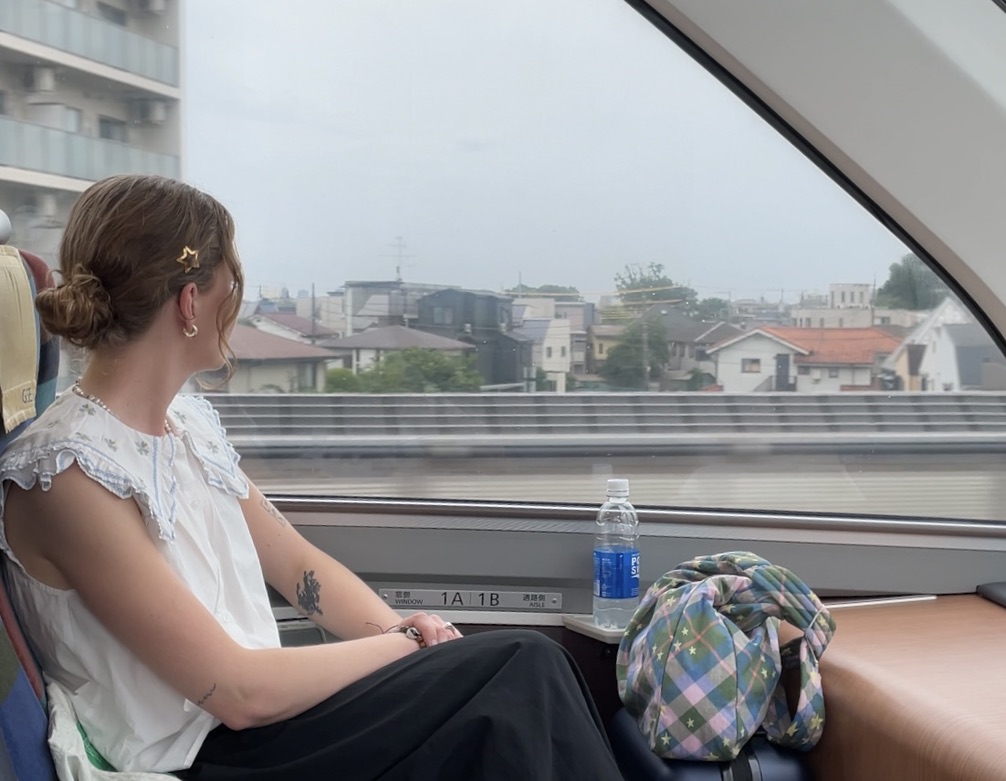
As I settled into my seat on the Romancecar, Tokyo’s dense cityscape gradually gave way to greener views and distant mountains. The train offers a smooth, direct journey from Shinjuku to Hakone-Yumoto, the gateway to Hakone. After arriving at Hakone-Yumoto, I continued to my first stop, Miyanoshita, by Hakone Tozan Train. You can also reach Miyanoshita by bus, and both options are covered by the Hakone Freepass.
Get your digital ticket for the Limited Express Romancecar
Saien Breakfast
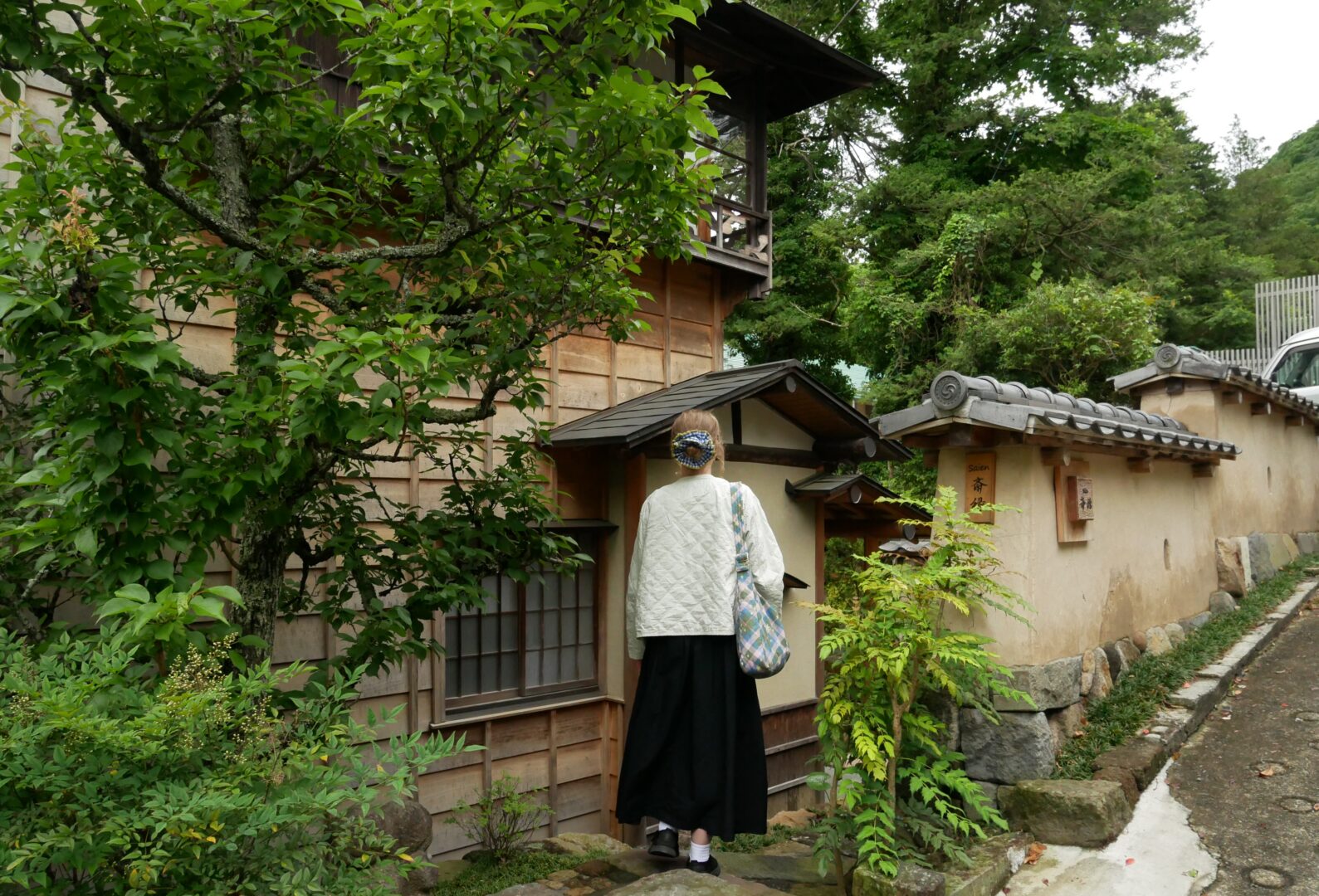
After arriving in Miyanoshita, I began the day with breakfast at Saien, a serene cafe set inside a beautifully renovated old house. The cafe is run by a Buddhist monk who serves at a nearby temple, and offers a quiet introduction to Hakone’s slower side.
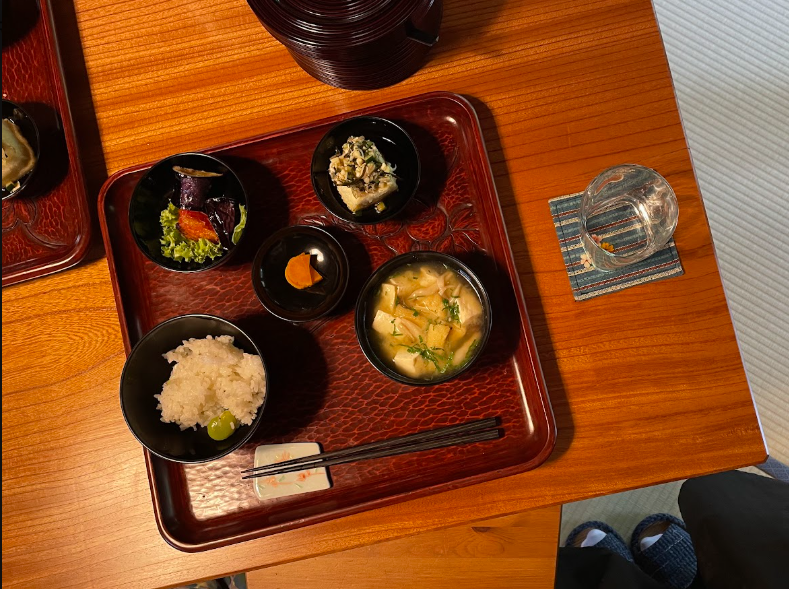
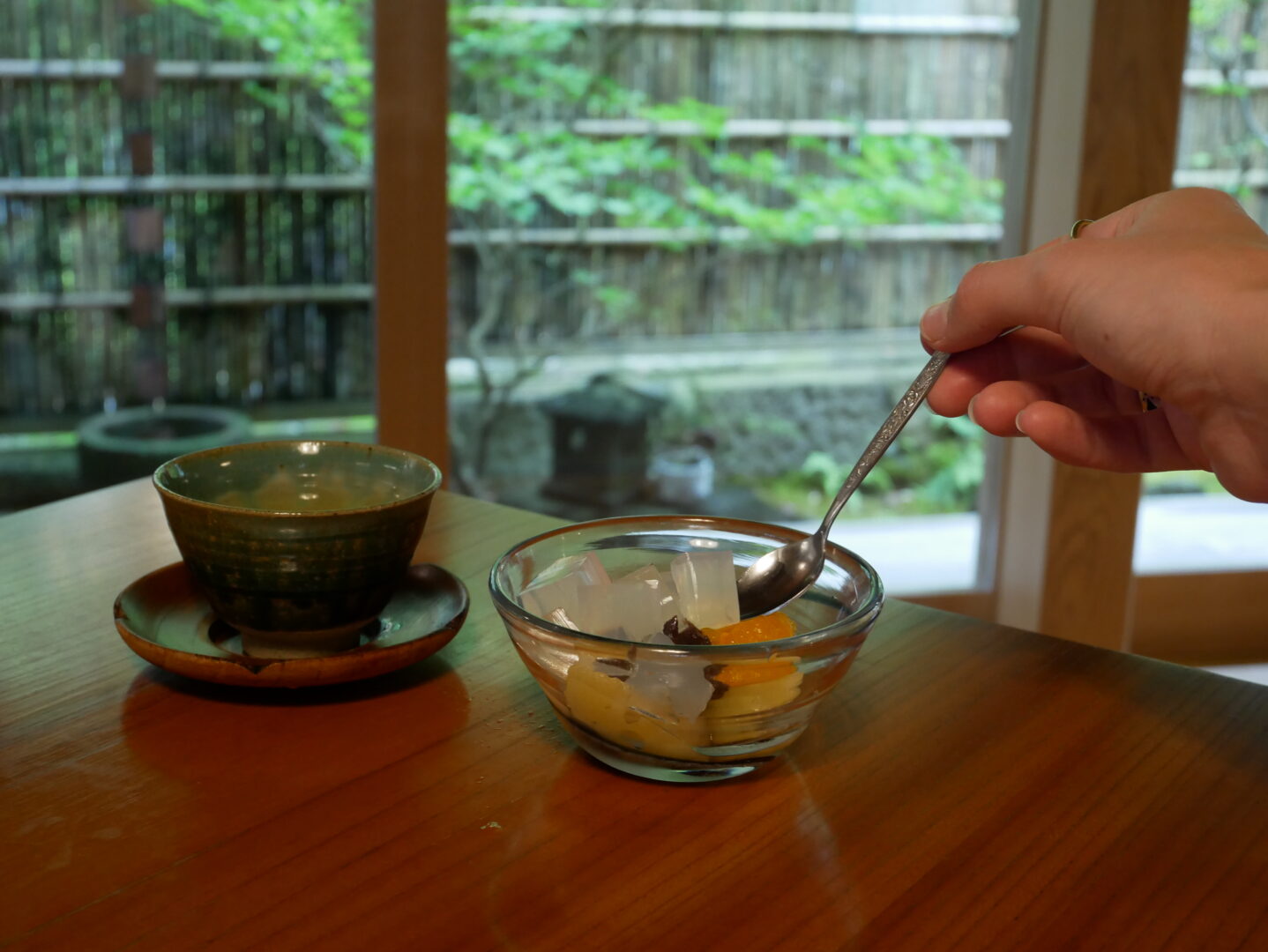
Saien offers a changing daily course breakfast of Shojin Ryori, fully plant-based Buddhist temple cuisine, served in Ōryōki, the traditional tableware used by monks. Available only by reservation, it is a dining experience that invites you to slow down and enjoy each new course as it is presented to you. Soft tofu is complemented by miso soup and vegetables seasoned with kombu dashi, and a green tea refill is poured for me as I enjoy the delicate flavors of traditional Japanese sweets.
Such a leisurely breakfast is a treat and seems a fitting prelude for a trip inspired by slowing down and enjoying the little things.
The Fujiya Hotel
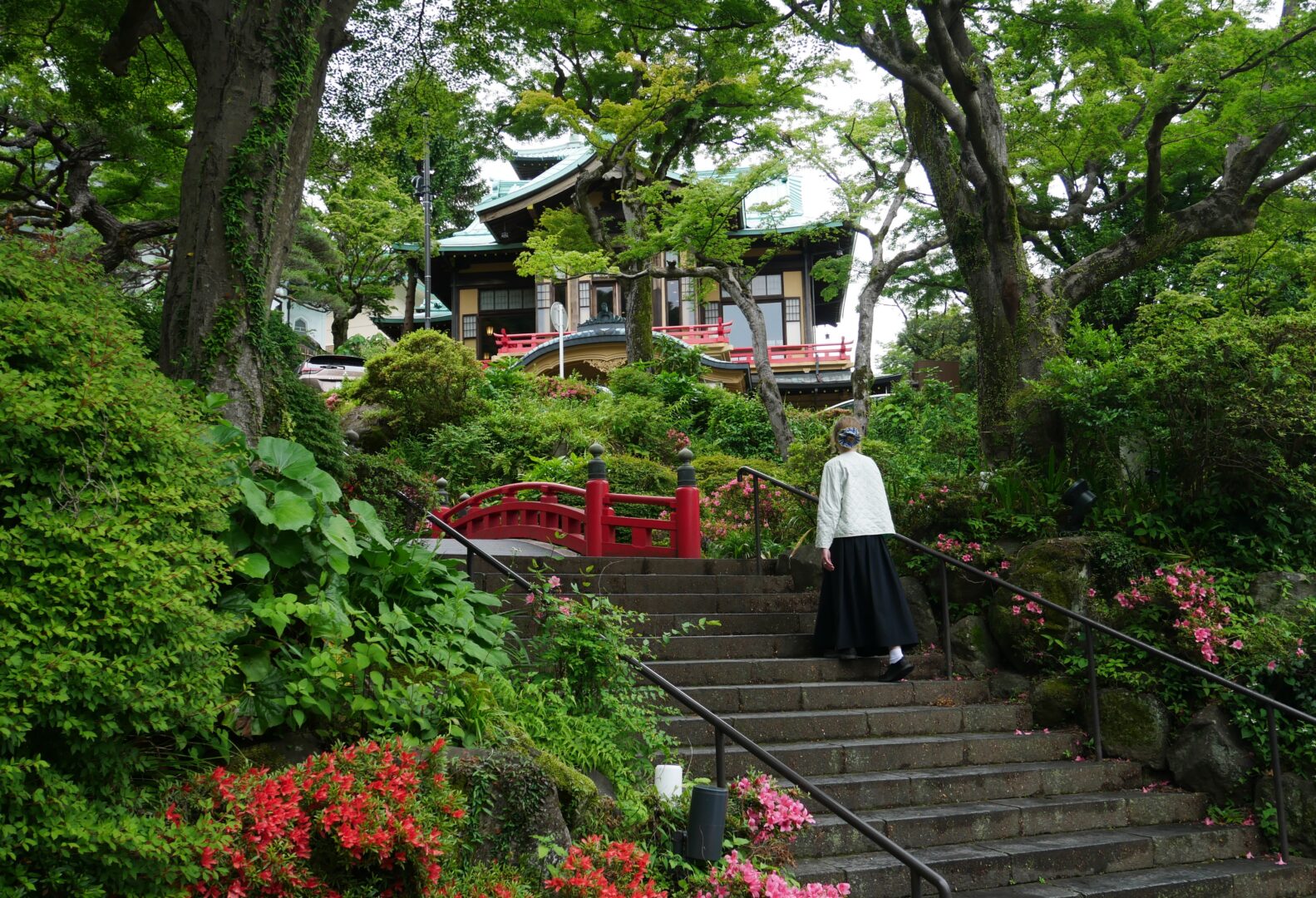
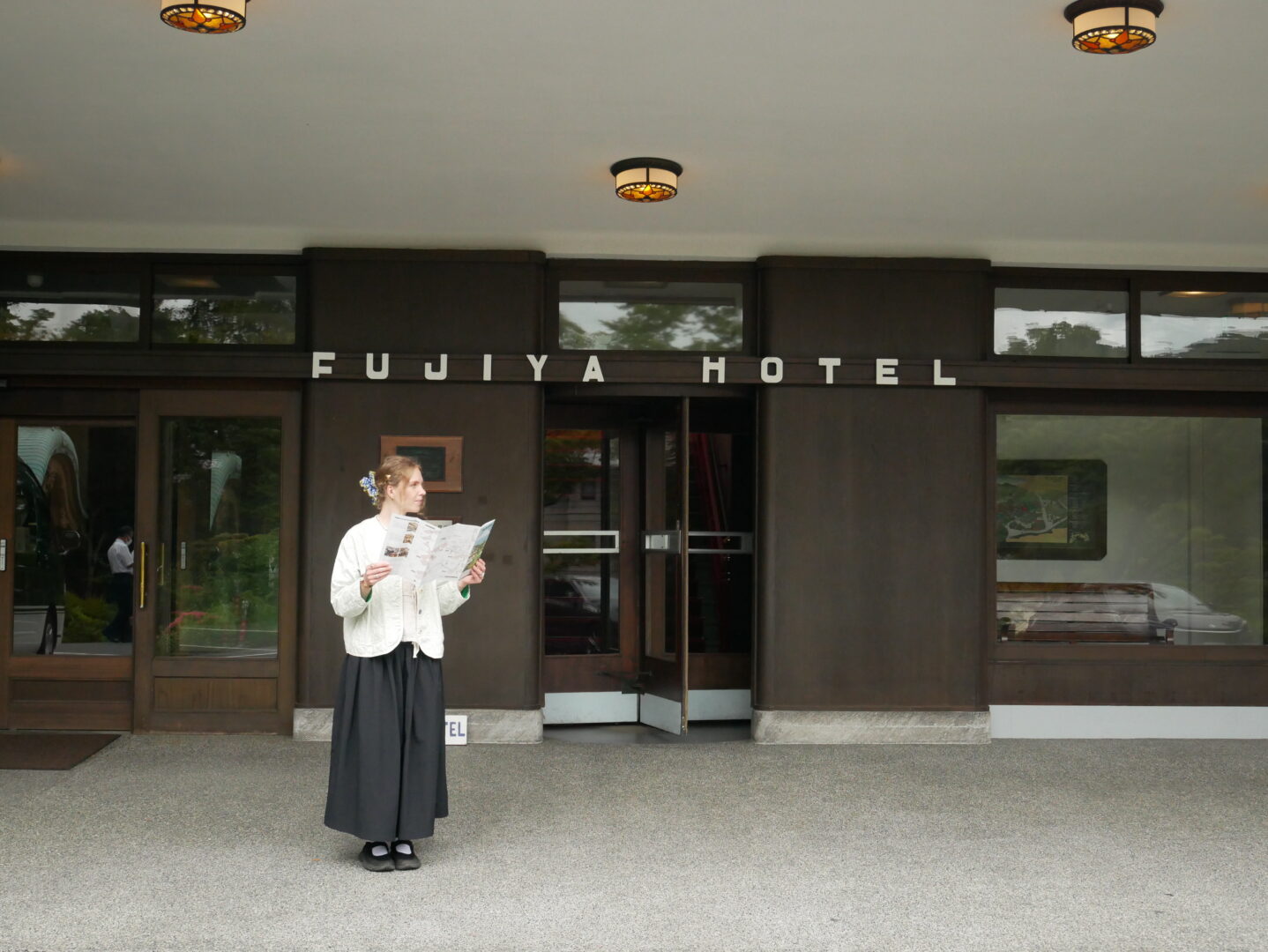
After breakfast, I take a short stroll to the nearby The Fujiya Hotel, an icon of Hakone. Built in 1878, it is considered to be Japan’s first resort hotel, and has welcomed many famous patrons throughout the years, including Helen Keller, John Lennon, and Charlie Chaplin.
In the Meiji era (1868-1912), as international visitors began arriving in Japan, the hotel was built to attract them to the Hakone area, already a popular hot-spring destination. Fujiya’s founder, Sennosuke Yamaguchi, had himself traveled to Europe and the USA, and, inspired by their hotel traditions, decided to open Japan’s first Western-style hotel.
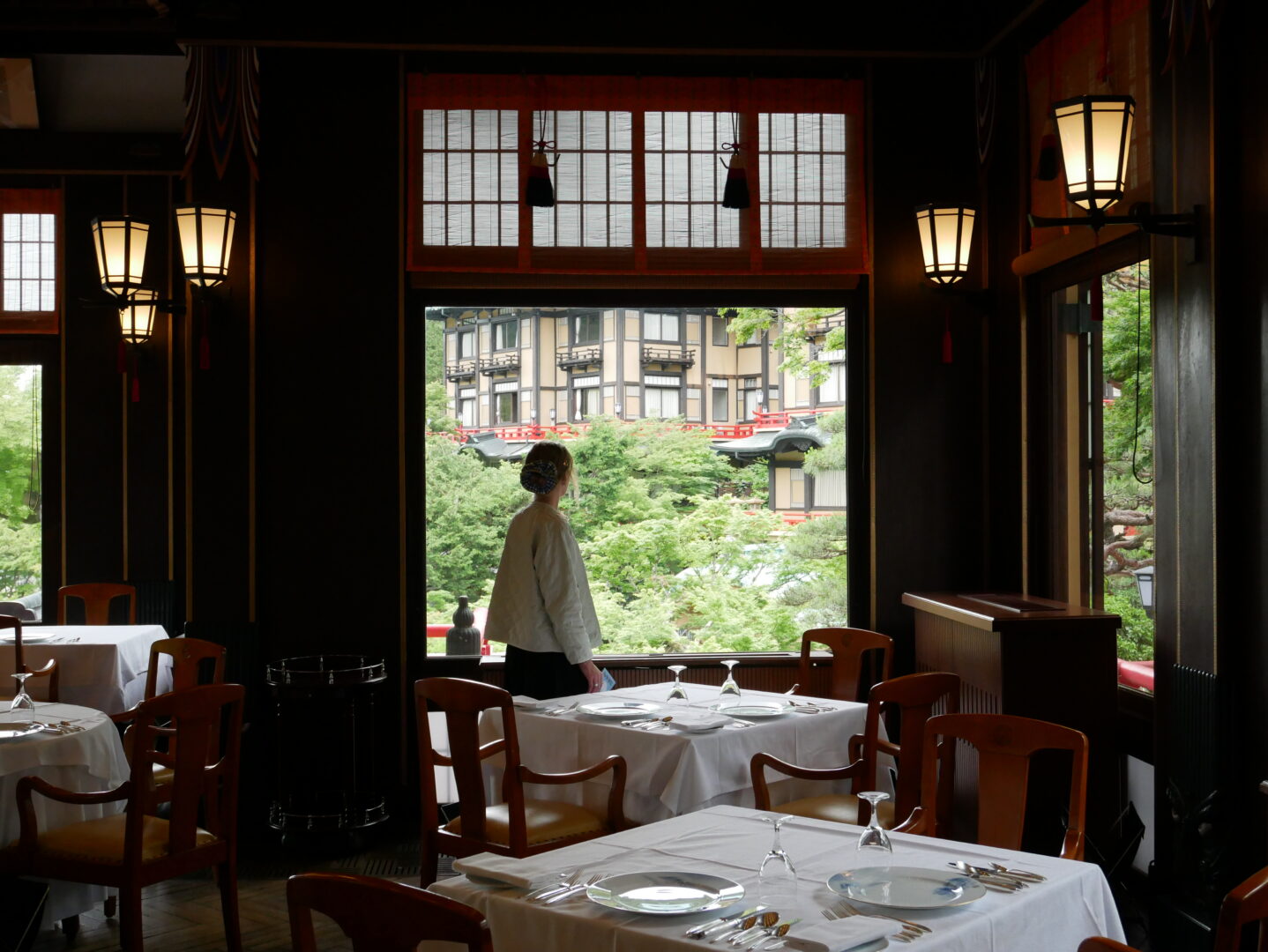
Inside, the Fujiya has a sophisticated, classical atmosphere: wandering its polished, dark-wooded interior truly felt like stepping back in time. The hotel’s museum details its fascinating history, which centers on the motivation to blend the sensibilities of Japanese omotenashi with the hospitality of luxurious international hotels.
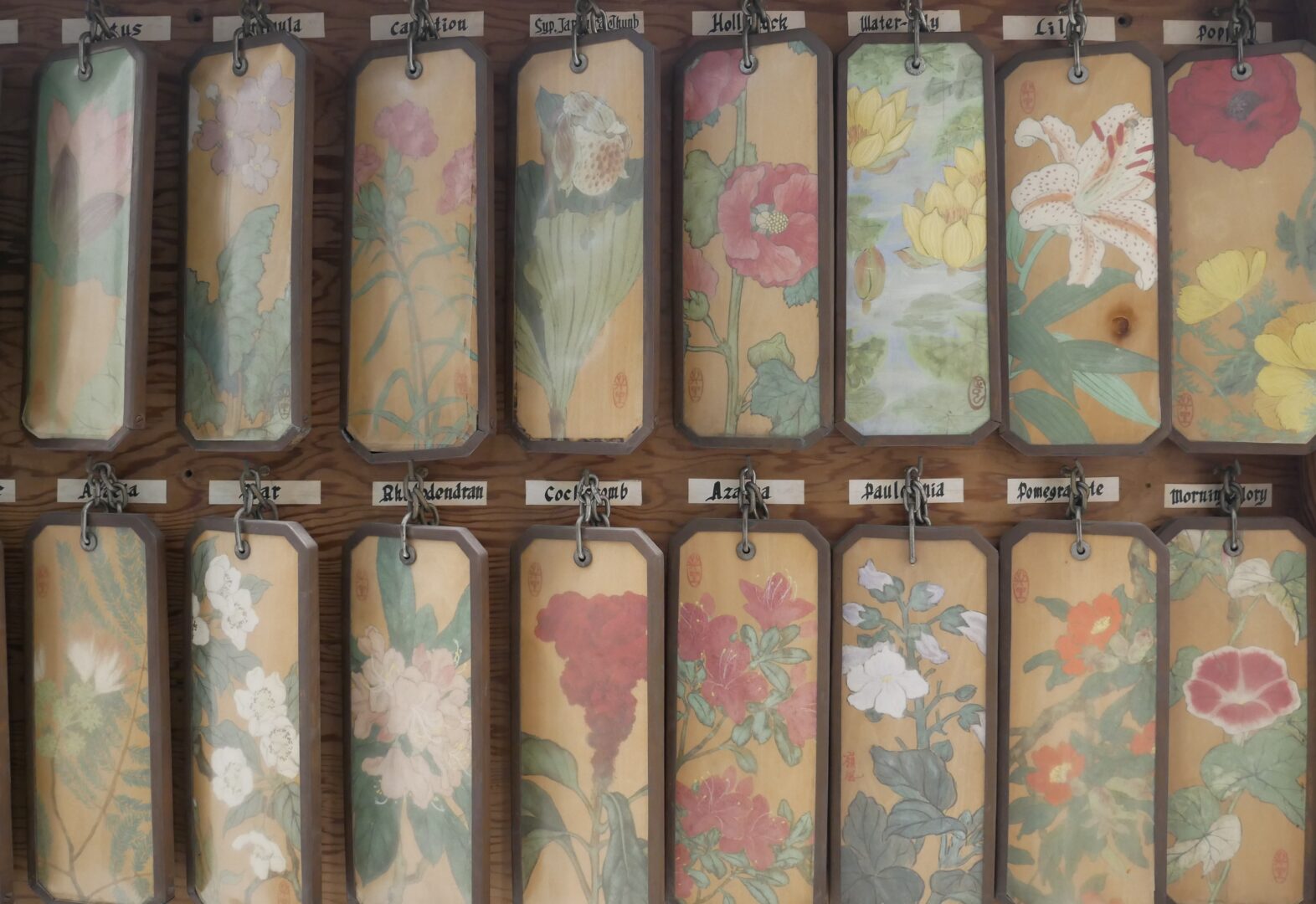
I was drawn to a display of keyrings, which were once attached to the room keys of the whimsically-named Flower Palace. The museum provides the opportunity to learn about Hakone’s fascinating history as a destination for international travelers, and a peek behind the curtain into the operations at one of Japan’s most iconic hotels.
Naraya Cafe
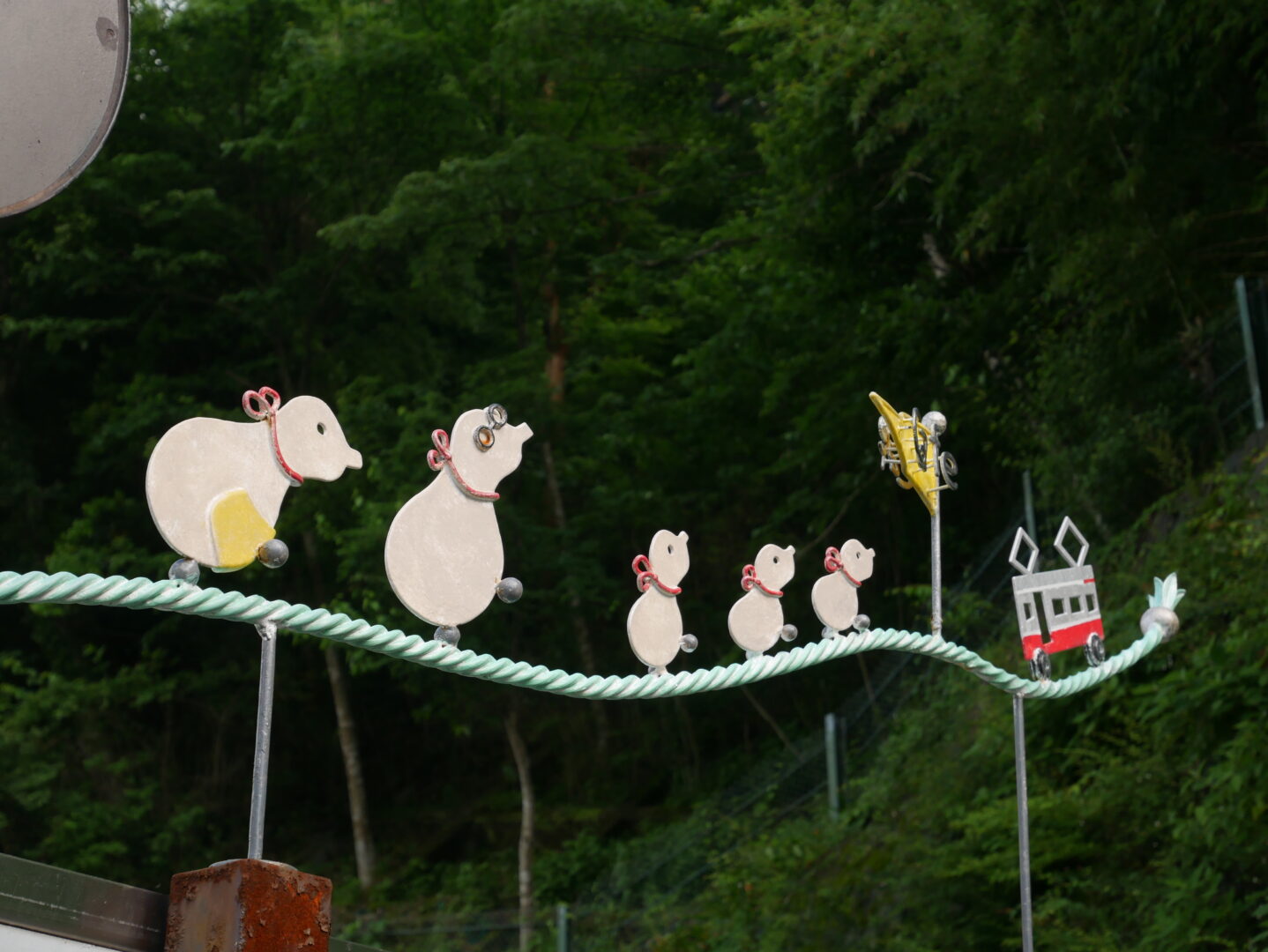
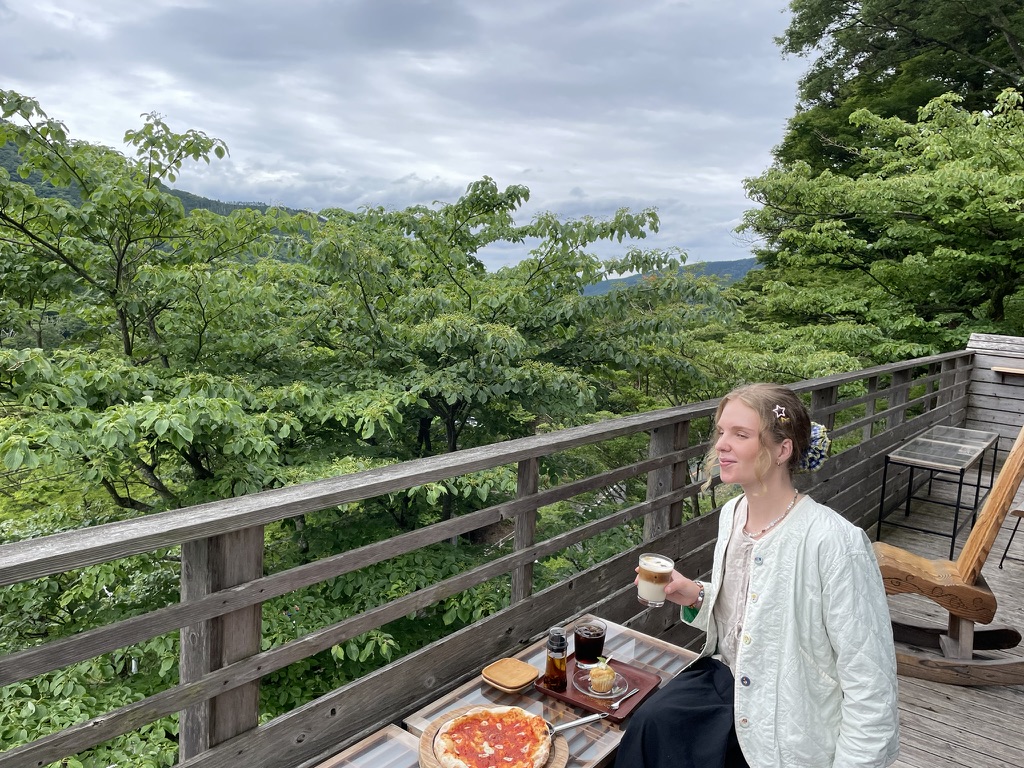
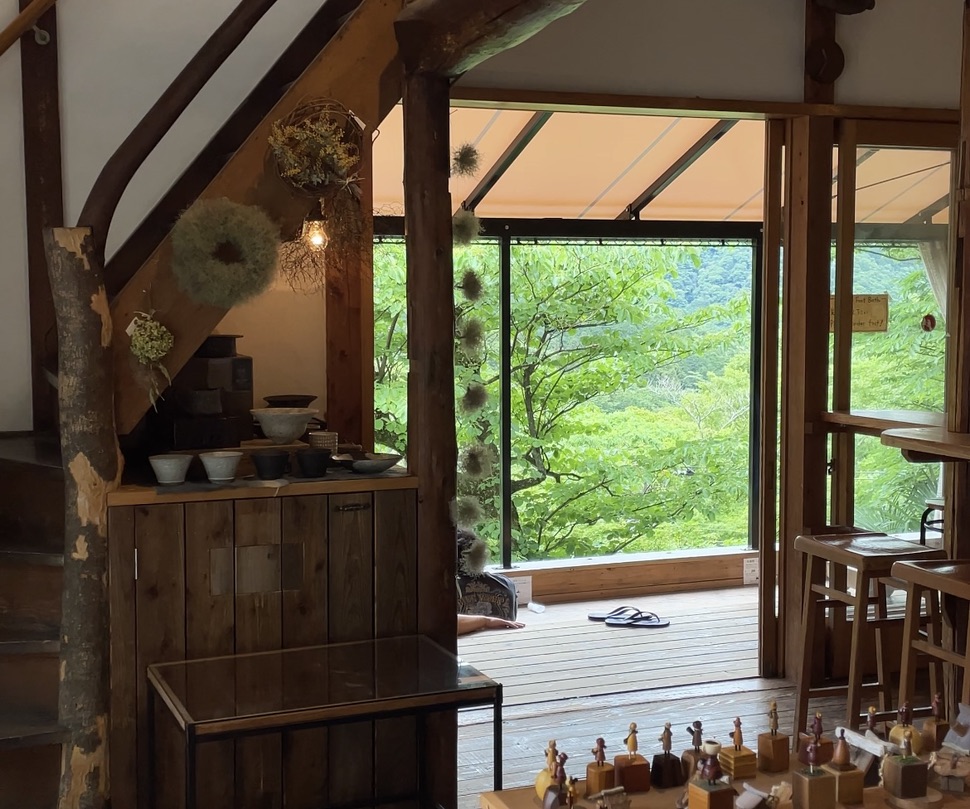
Walking towards Miyanoshita Station, an intriguing sign caught my attention: a family of gourds crafted from wood, too enticing not to follow. Climbing the slope, I found myself standing in front of Naraya, a quirky, beautifully renovated cafe stretching across conjoined buildings. Inside, the treetop views and wooden interior gives the place the charming atmosphere reminiscent of a treehouse, each turn revealing a new delight: a shop of design crafts, a miniature library, tiny delicate bonsai trees…and excitingly, footbaths.
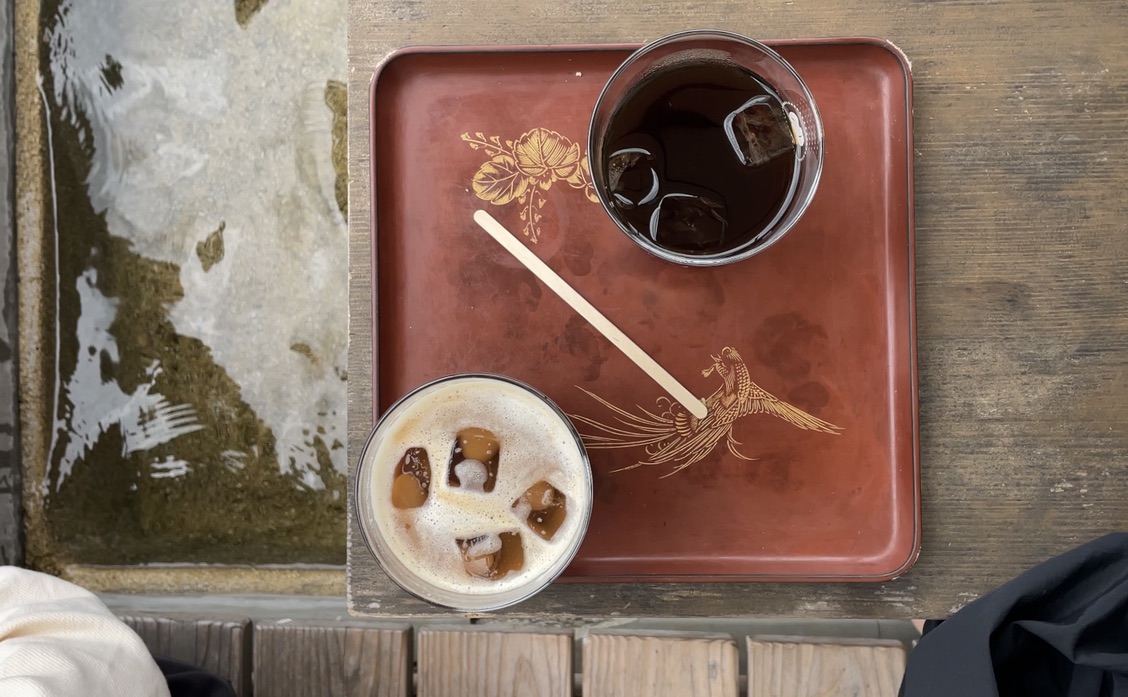
Hakone is blessed with natural hot springs, which have shaped its reputation as one of Japan’s most popular onsen destinations. A visit to Naraya provides an easy and inviting opportunity to dip your toe – quite literally – into Japan’s hot spring culture. Lunch with a view across the forest and coffee, sipped whilst enjoying a footbath, was the perfect way to recharge after a day of exploring.
Miyanoshita to Gora by Hakone Tozan Train
Leaving Naraya refreshed and warmed, I headed to Miyanoshita station, just a stone’s throw from the cafe. A few moments later, I watched the red Hakone Tozan Train slide around the corner.
The Hakone Tozan Train is one of Japan’s most renowned authentic mountain railways, known for its beautiful views. In summer, its tracks are lined with hydrangeas, and in autumn, passengers can enjoy spectacular autumn foliage.
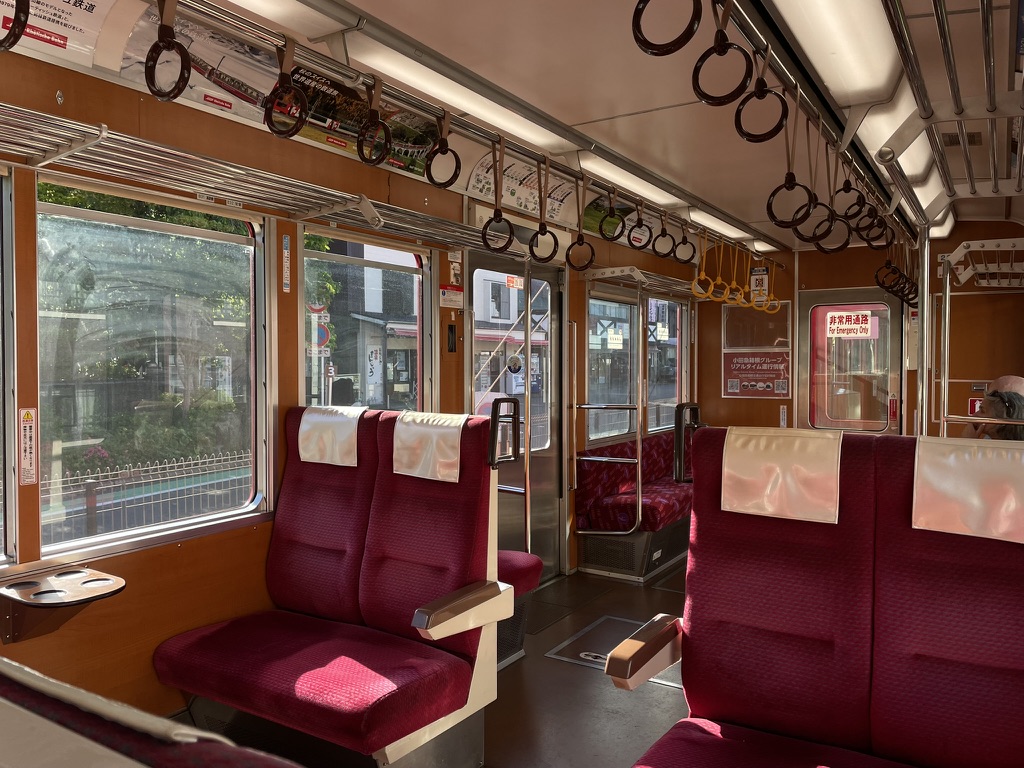
The Hakone Freepass gives you unlimited rides on the Hakone Tozan Train, which carries passengers up Hakone’s steep slopes using a series of switchbacks, where the train stops to allow the driver and conductor to switch places as the track zig-zags up the mountain. On the way to Gora, I am treated to a picturesque journey and the chance to reflect on how nice it is that, in Hakone, these journeys become the punctuation to your trip.
Hakone Gora Park Bead Making
As a lover of Japanese crafts, I was excited at the chance to try my hand at a traditional glasswork technique in the Hakone Crafthouse at Hakone Gora Park, just a short walk or 2-minute cable car ride from the train station.
After walking into the park, I made my way to the Hakone Crafthouse for a lampwork tombo-dama bead session. Tombo dama, literally ‘dragonfly beads’, are decorative beads crafted by melting glass rods over a flame and shaping them over a metal rod.
It is worth noting that entry to Hakone Gora Park is covered by the Hakone Freepass, while craft experiences at Hakone Crafthouse require a separate fee.
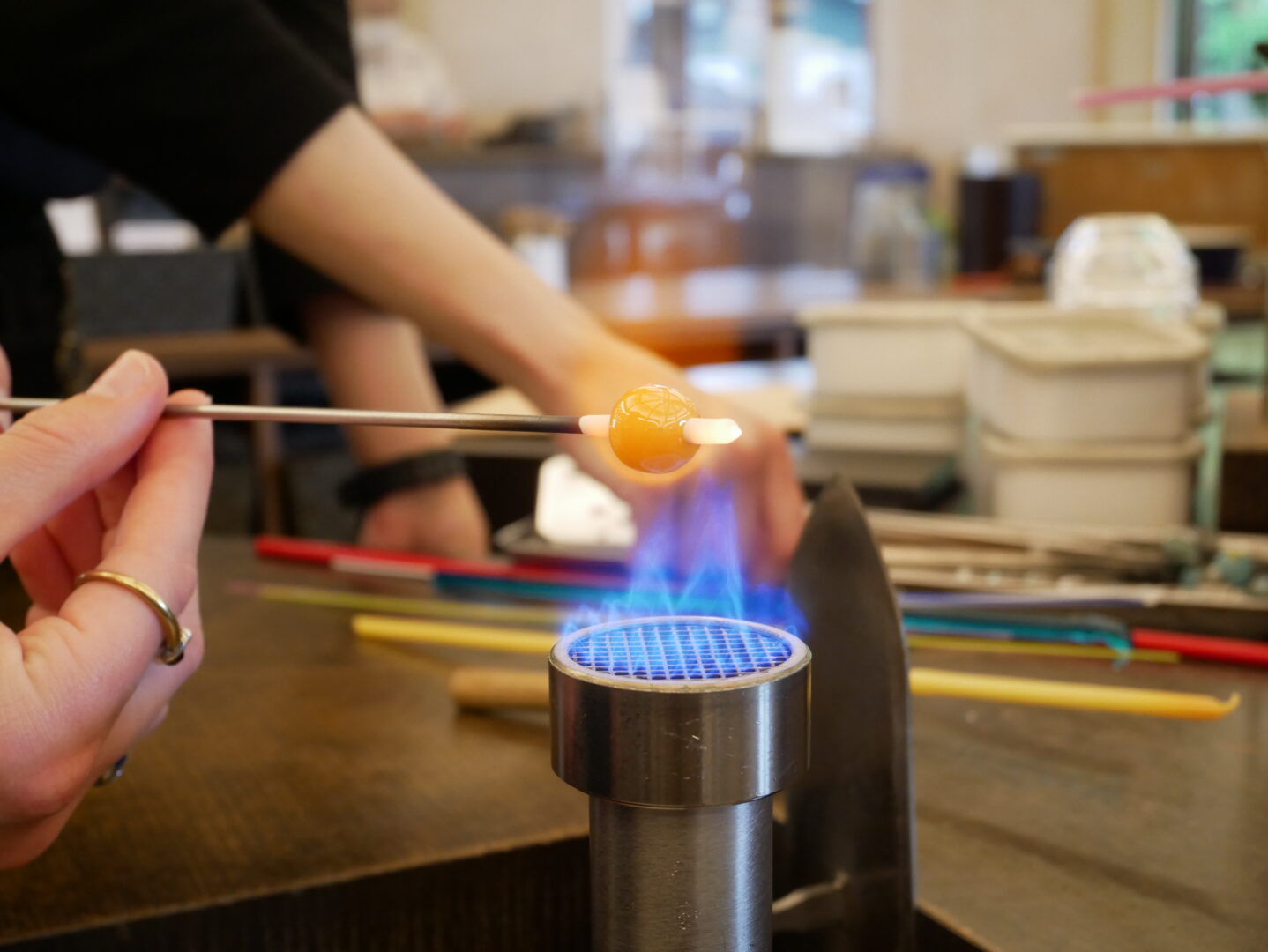
This is a place to let your creativity flow – a seemingly limitless range of color combinations, marbling designs, and charms is laid out across tables and shelves for you to pick from. After deliberating over the color scheme and pattern I wanted for my bead, I settled on tones inspired by spring and the flowers blooming outside: gentle yellow, green, and pink.
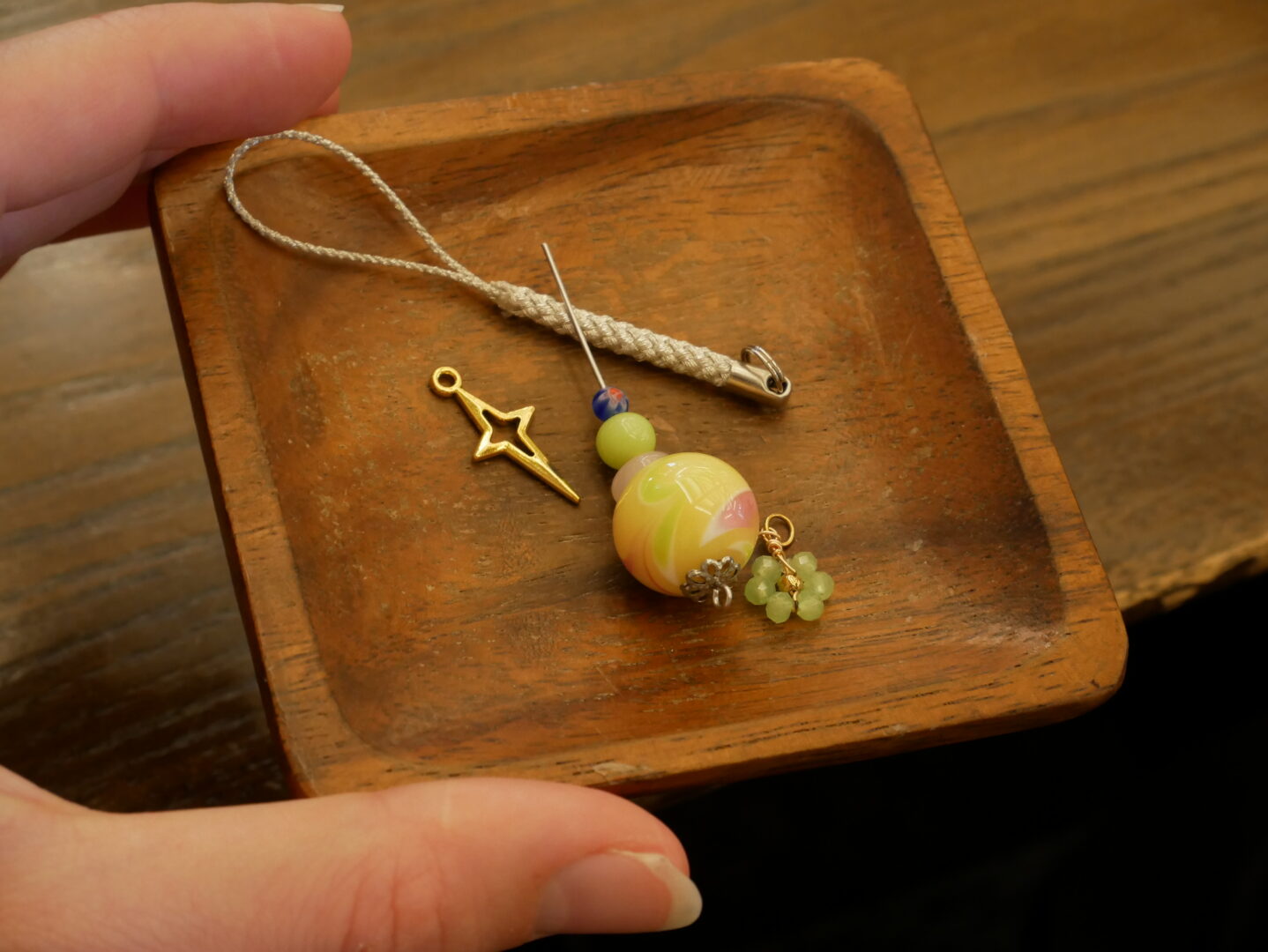
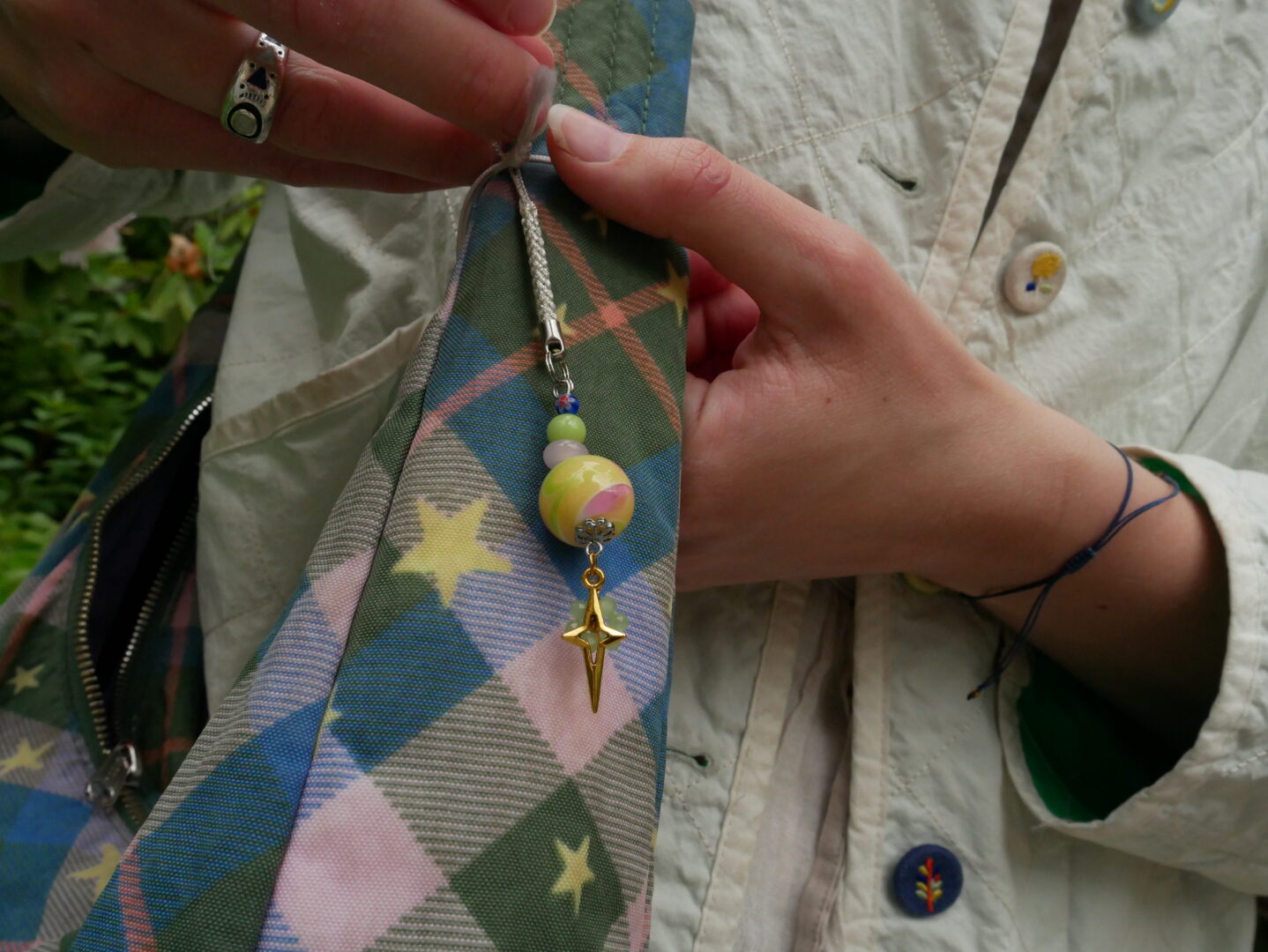
An introductory video laid out the ropes, and from there, I donned heat-proof sleeves and protective eyewear and got started on my design. The instructor kindly helped me to soften the glass over the flame and showed me how to shape the bead by letting it melt whilst rotating slowly. After layering colors, I ran a pin through the soft glass to create the marble effect. Once finished, I couldn’t resist picking out a couple of extra charms to add to the final piece. With the bead cooling inside a sand bucket, I headed outside to wander the park.
Hakone Gora Park
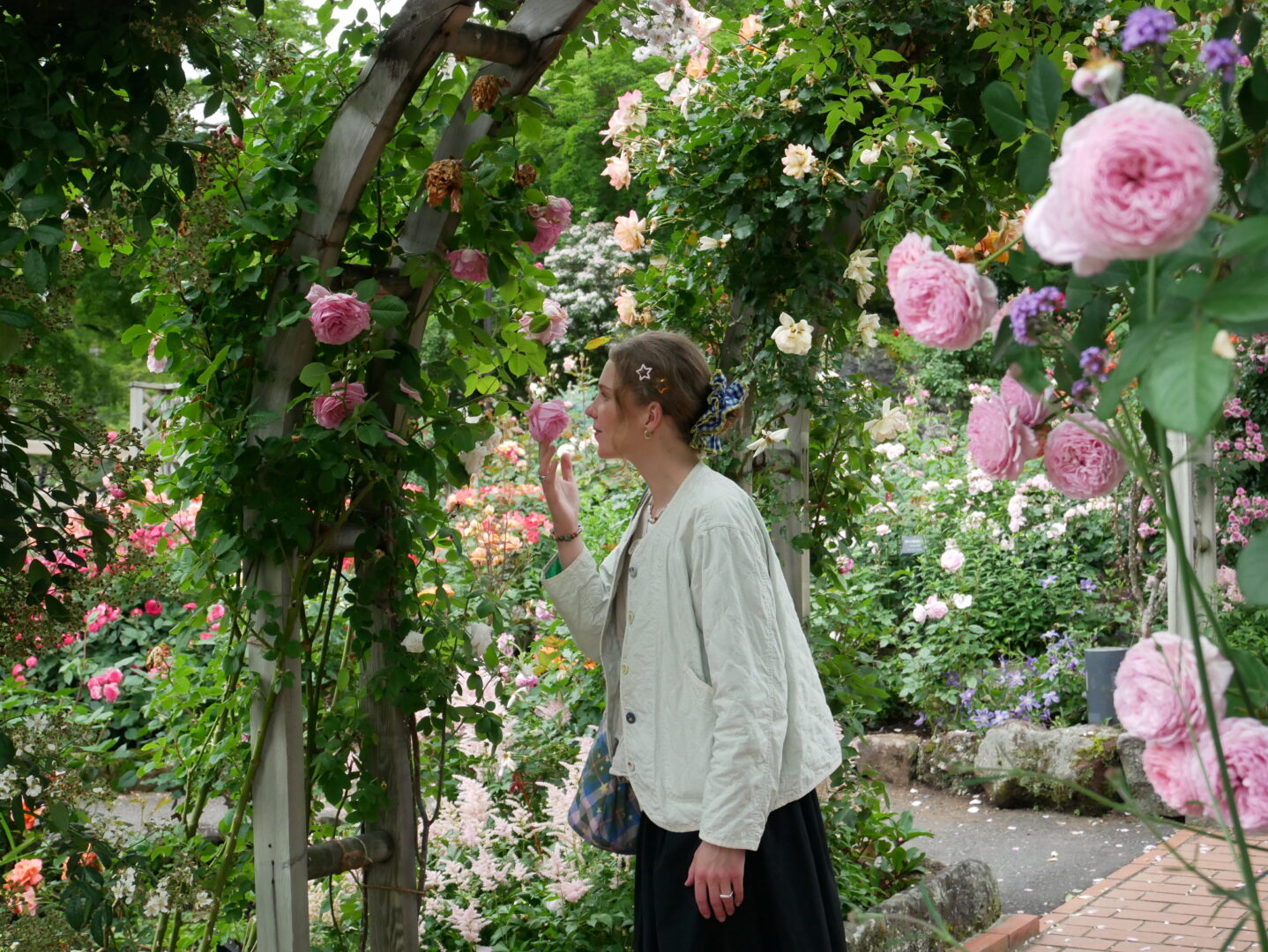
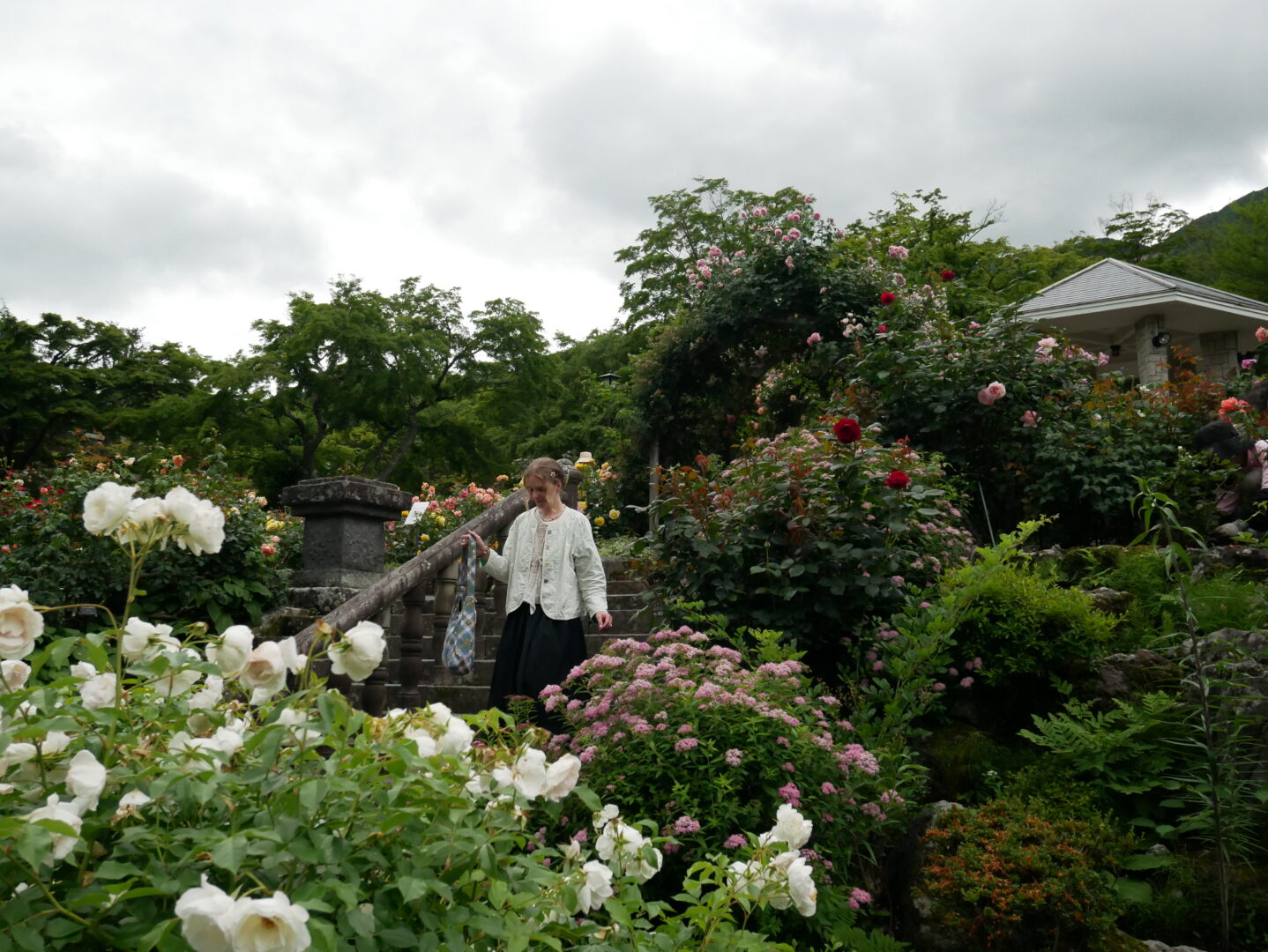
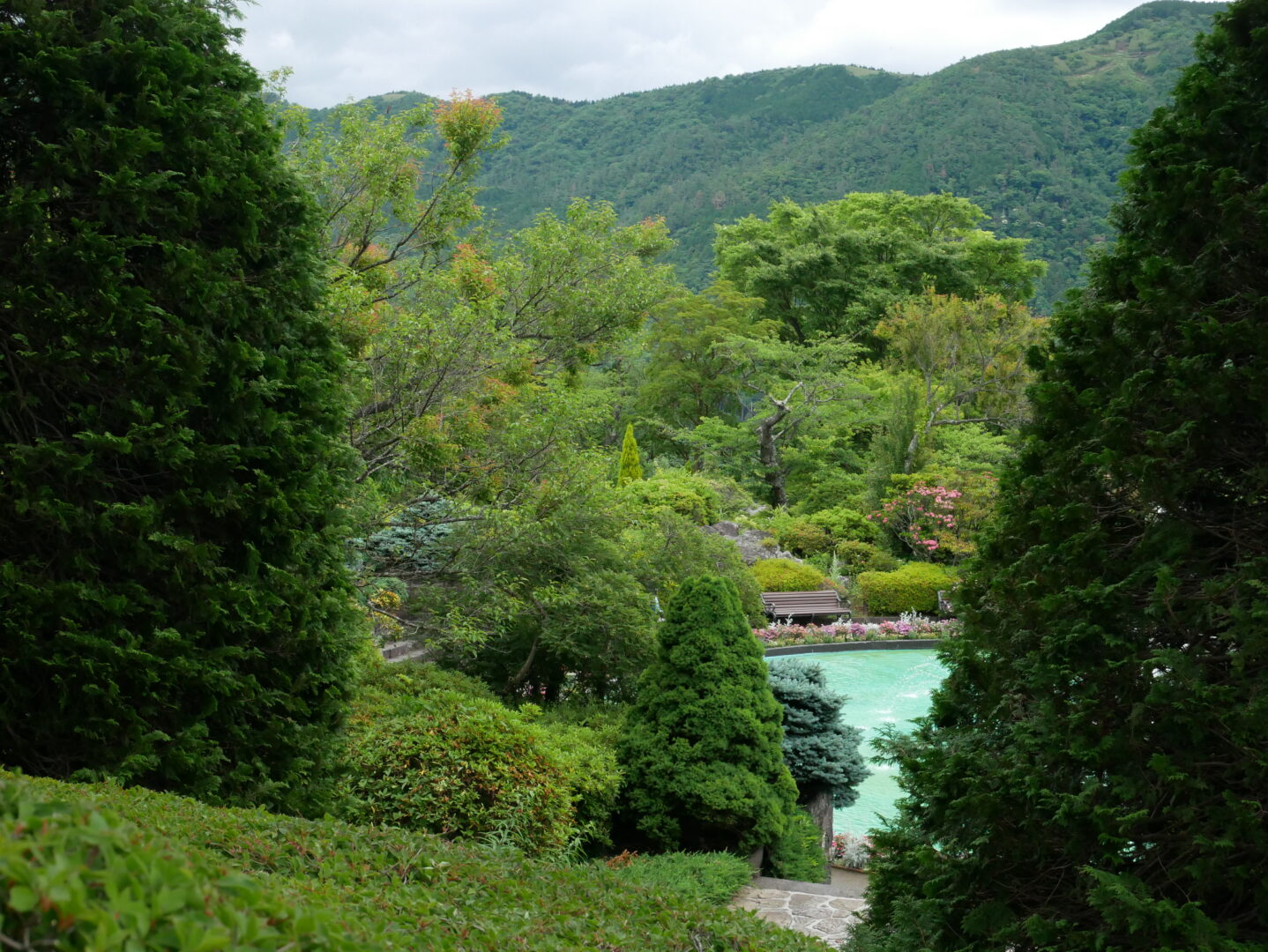
Opened in 1914, Hakone Gora Park is a picturesque ornamental garden set on the mountain slopes. Visitors can enjoy relaxing on benches around a bubbling fountain, with views across mountains. It is the sort of place which encourages you to slow down, to meander along winding paths. Particularly beautiful is the rose garden, where more rose varieties than I realized existed bloom in kaleidoscopic color. Gardeners prune diligently, while guests pose delightedly for holiday snaps – the urge to stop and photograph flowers at close range is one that transcends cultures, it seems.
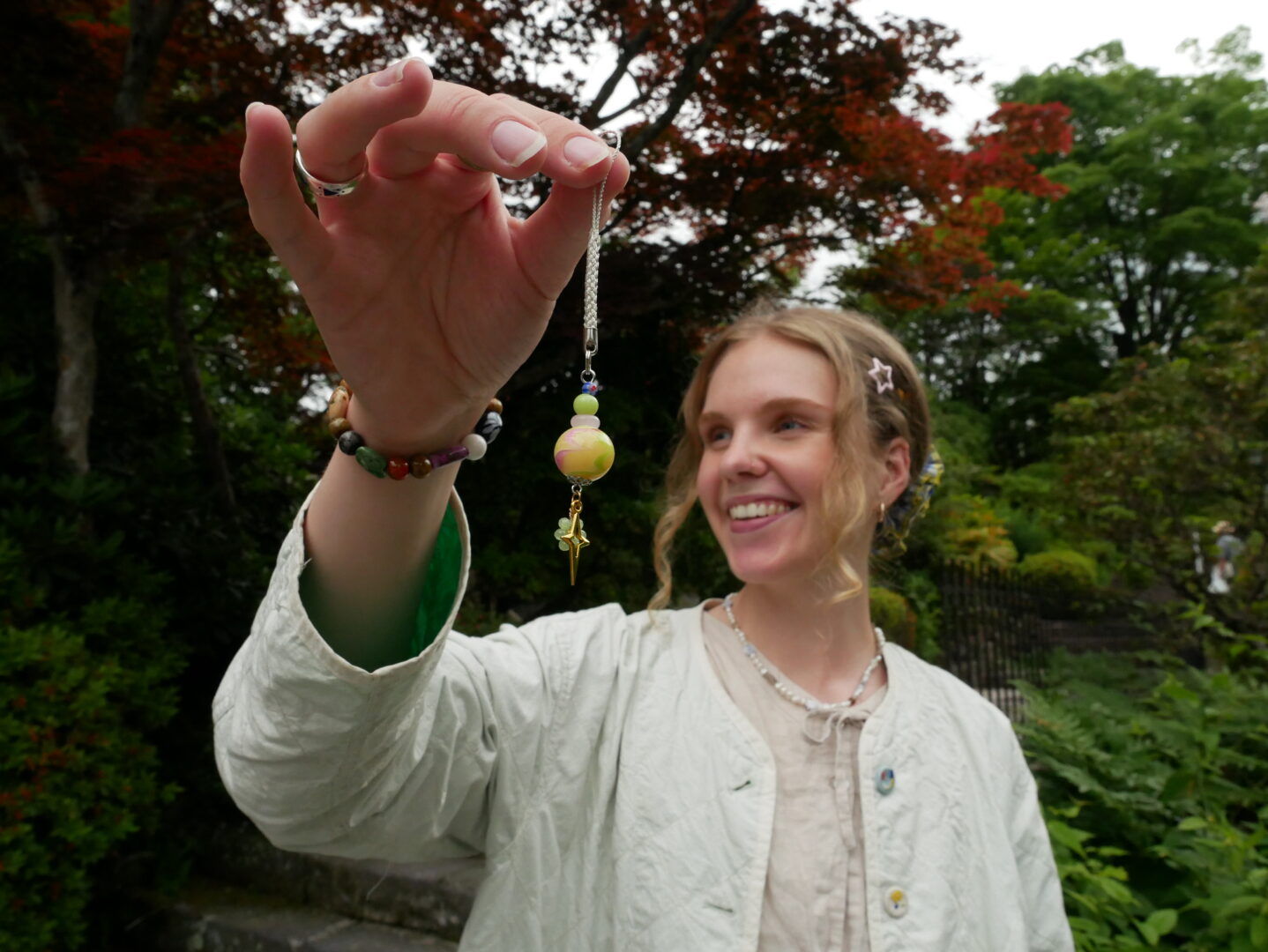
Soon, my bead is ready for collection: looped onto a cord and complete with delicately dangling charms. I head for the final stop of the day: HAKONE YUTOWA.
Where to Stay in Gora: HAKONE YUTOWA
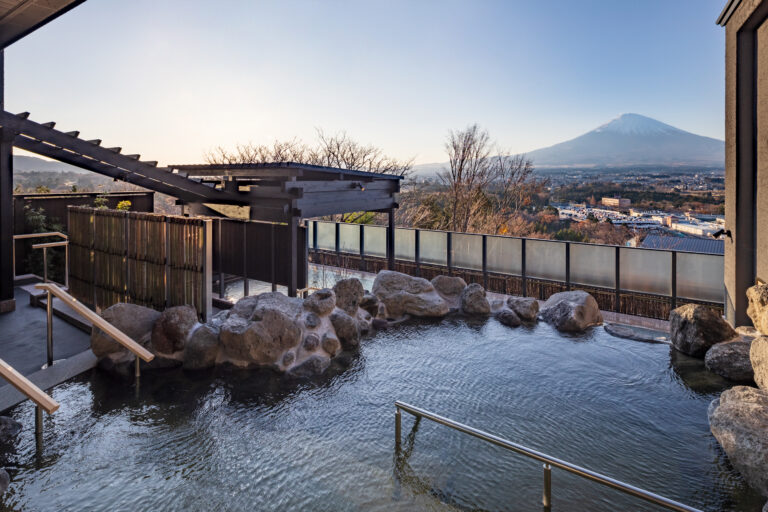
Conveniently located near Gora Station, HAKONE YUTOWA is a stylish hot spring hotel with public and private onsens and a stunning outdoor footbath.
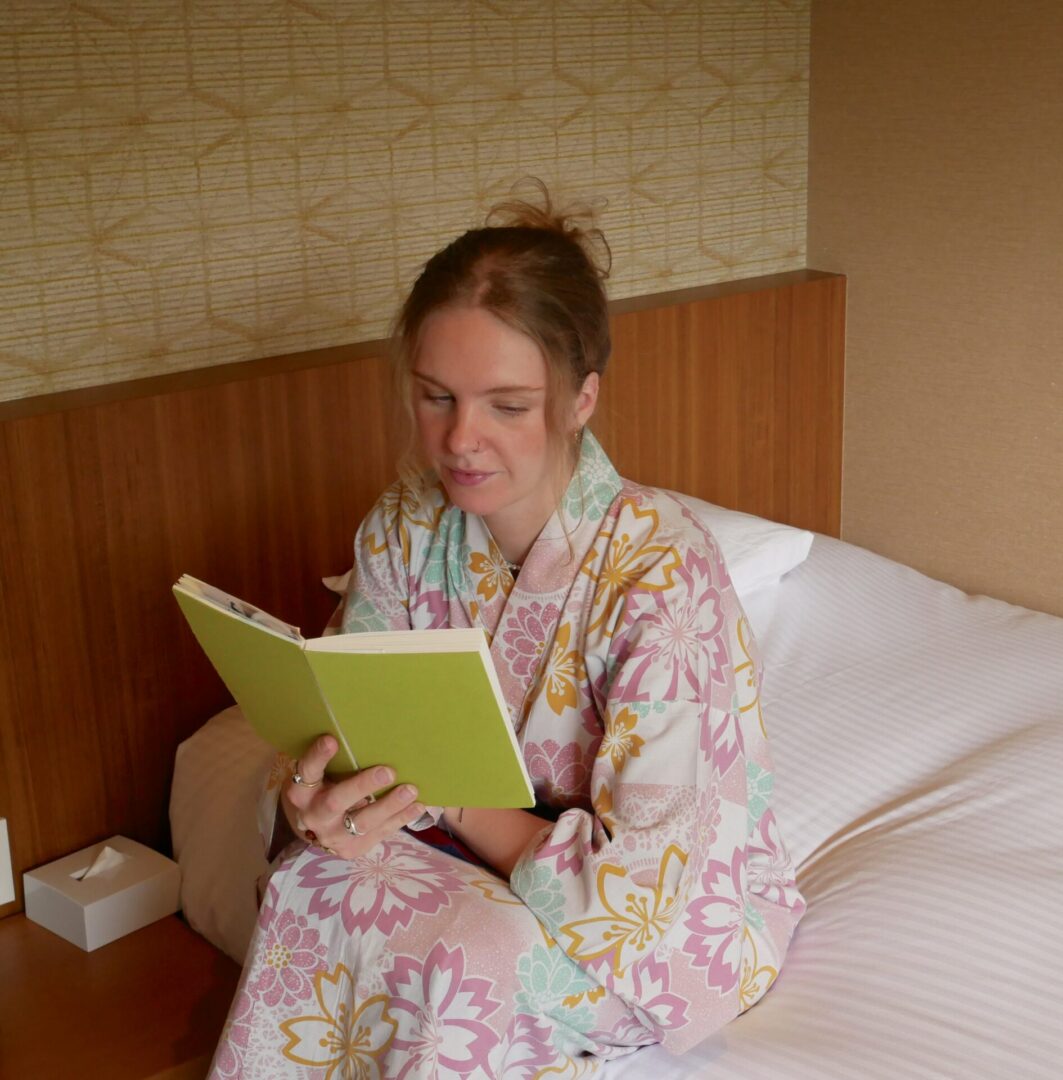
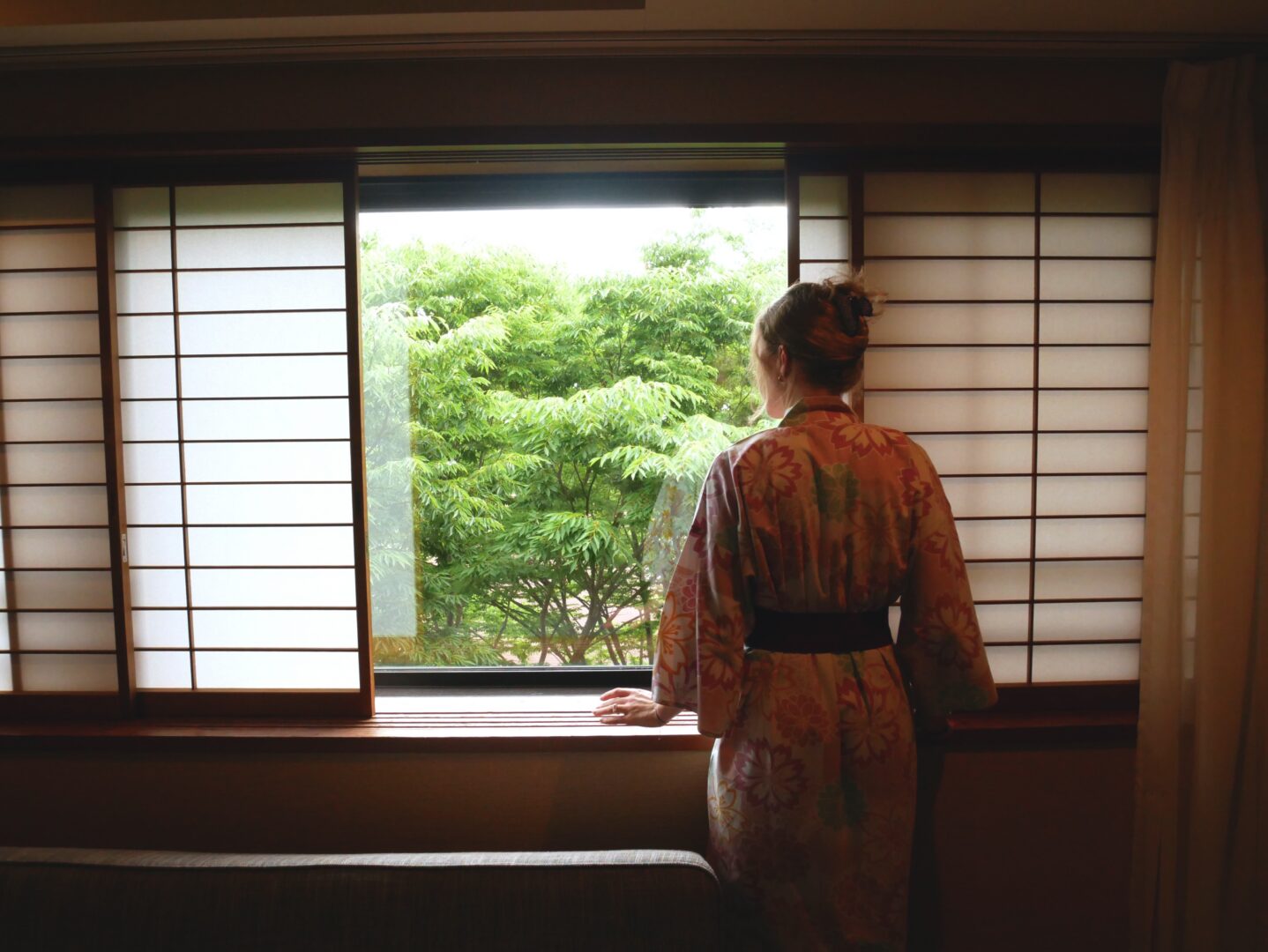
While checking in, I’m guided by the friendly staff to pick out my own yukata robe for my stay. I’ll need it to enjoy the onsens later. My Standard Twin room is spacious and tastefully decorated in warm neutral tones, with its own neat shower and vanity area. Before unpacking, I slide open the shoji shutters in the room I stayed in, revealing treetops swaying gently in the breeze beyond the window. I take a moment to record my reflections on the day’s travels in my journal.
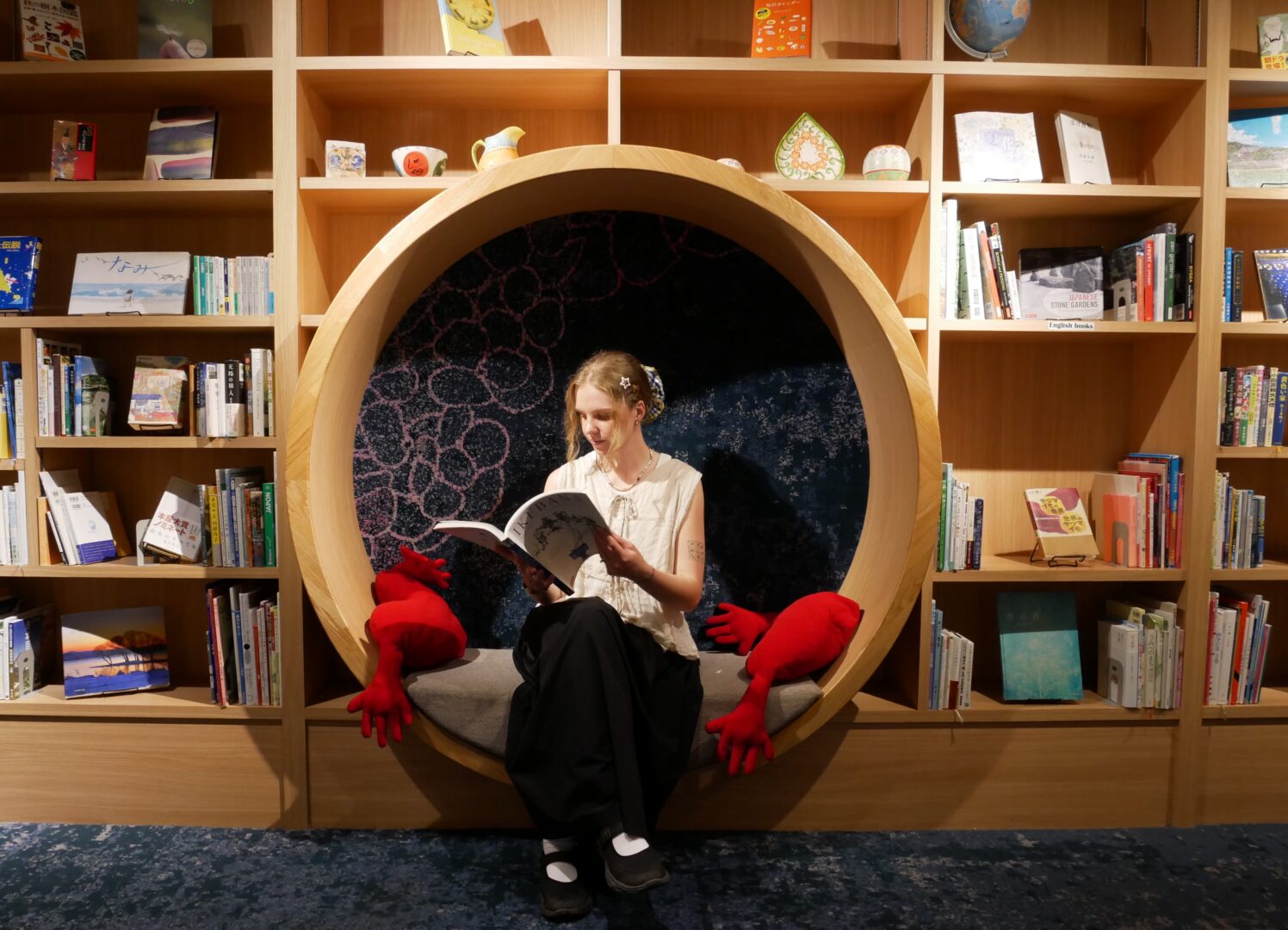
HAKONE YUTOWA’s common spaces are so nice you will want to spend time relaxing outside of your room, too. Down in the library area, I pick out a book and perch inside a reading nook. A drink corner is available inside the hotel, where guests can choose their preferred drinks at any time during their stay, including refreshing cold teas after an onsen soak.
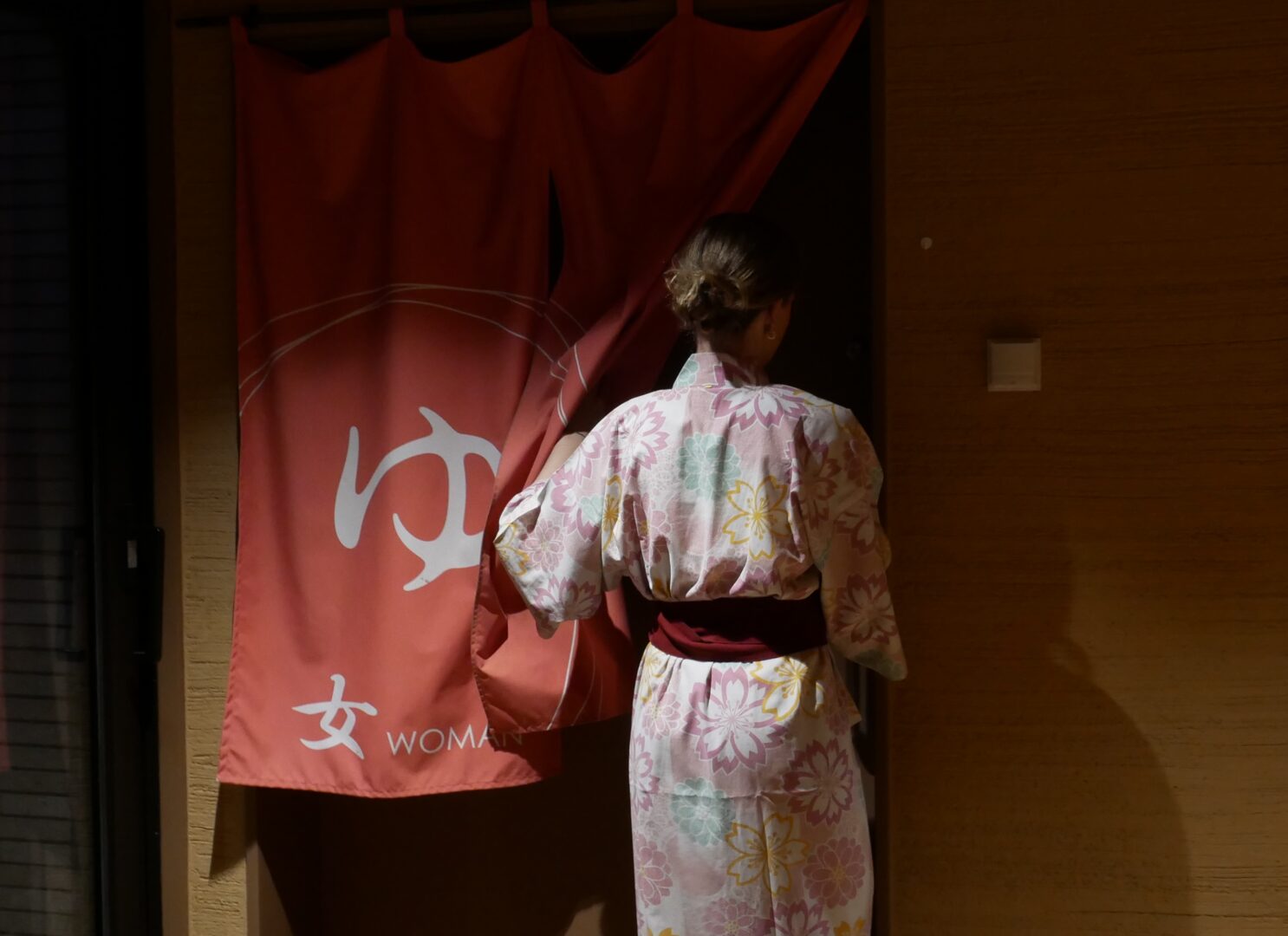
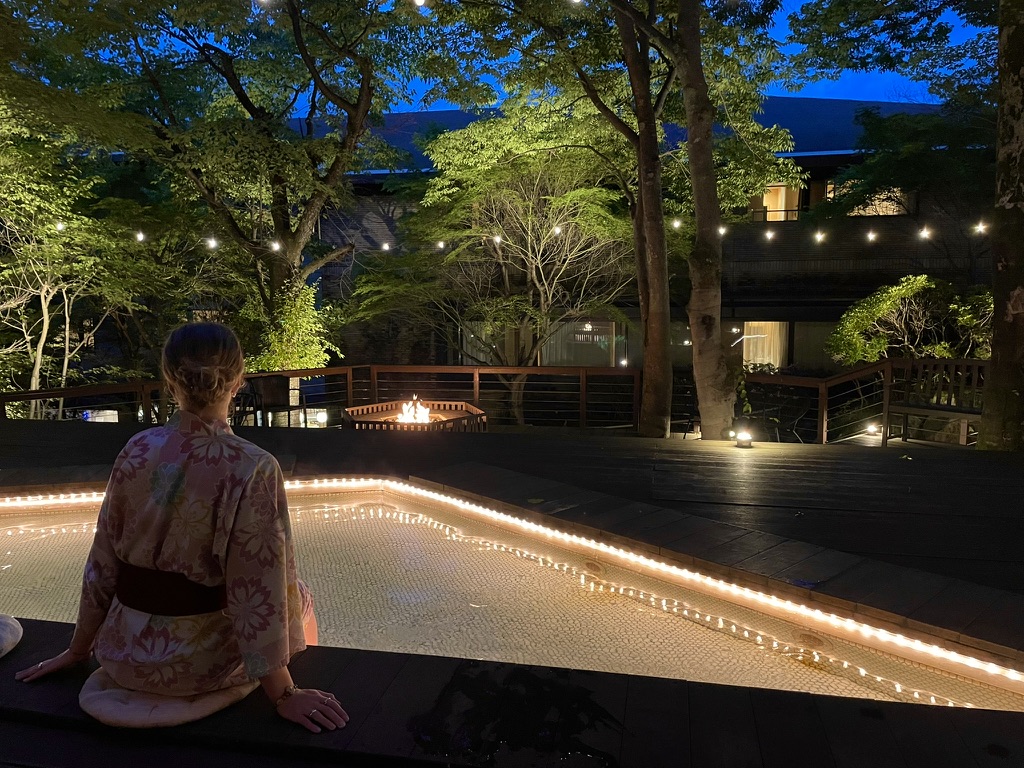
Excited for a dip in the onsen myself, I put on my yukata – which is a casual, summer-style kimono – and stop first at the outdoor footbath. By now, dusk has settled in, and the outdoor area has lit up into its full glory. String lights glow above, and the fire pit crackles as I let my feet dangle in the warming water. Next stop is the private onsen, where my body softens into that pleasant tiredness you feel after a day of sightseeing.
Before turning in for the night, and with my face gently glowing pink from the heat, I stop by the drinks stand during its evening alcohol service from 19:00 to 22:00 and pick up a complimentary nightcap of umeshu, a Japanese plum wine.
A pleasant hit of sweetness as the day comes to a close.
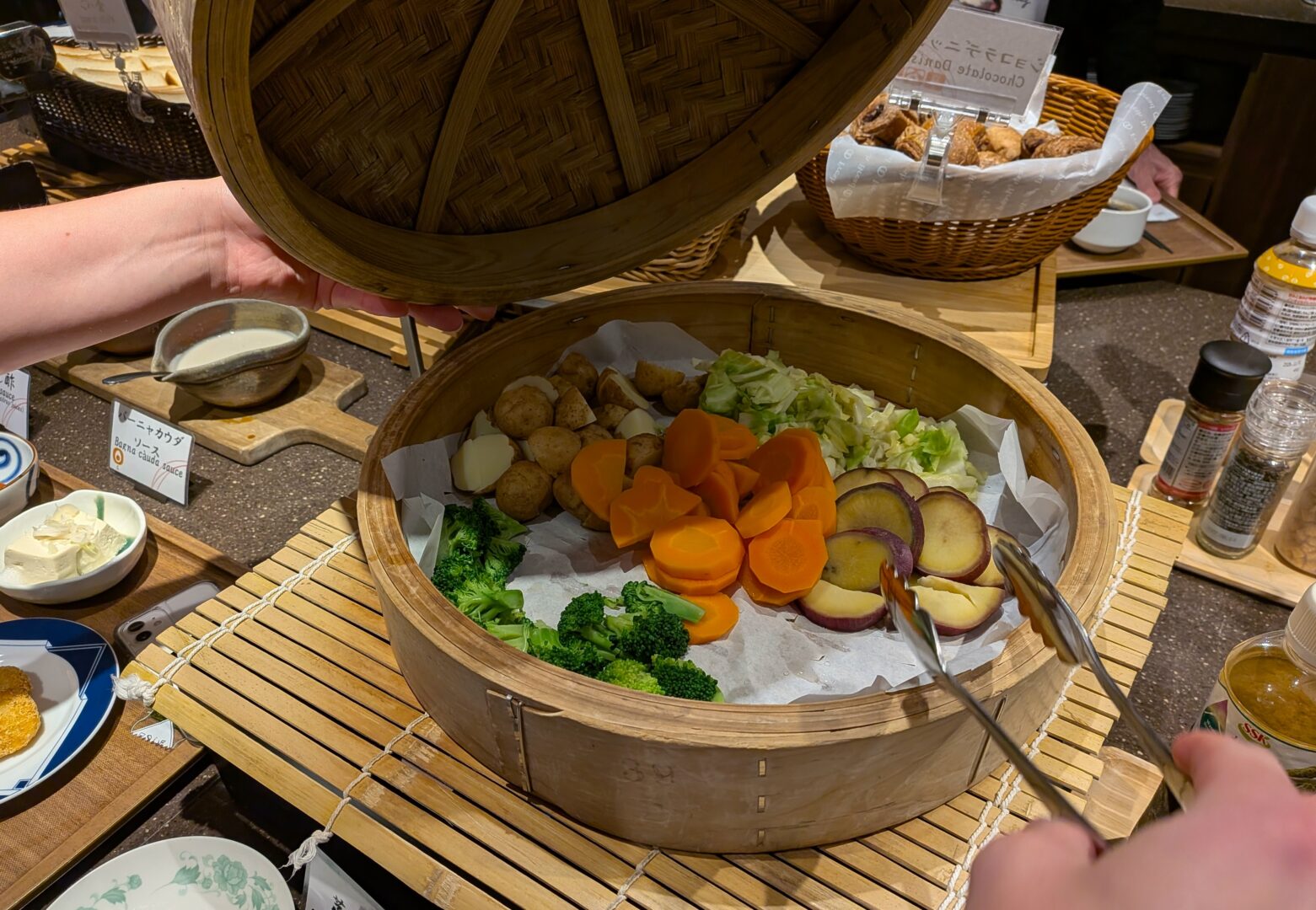
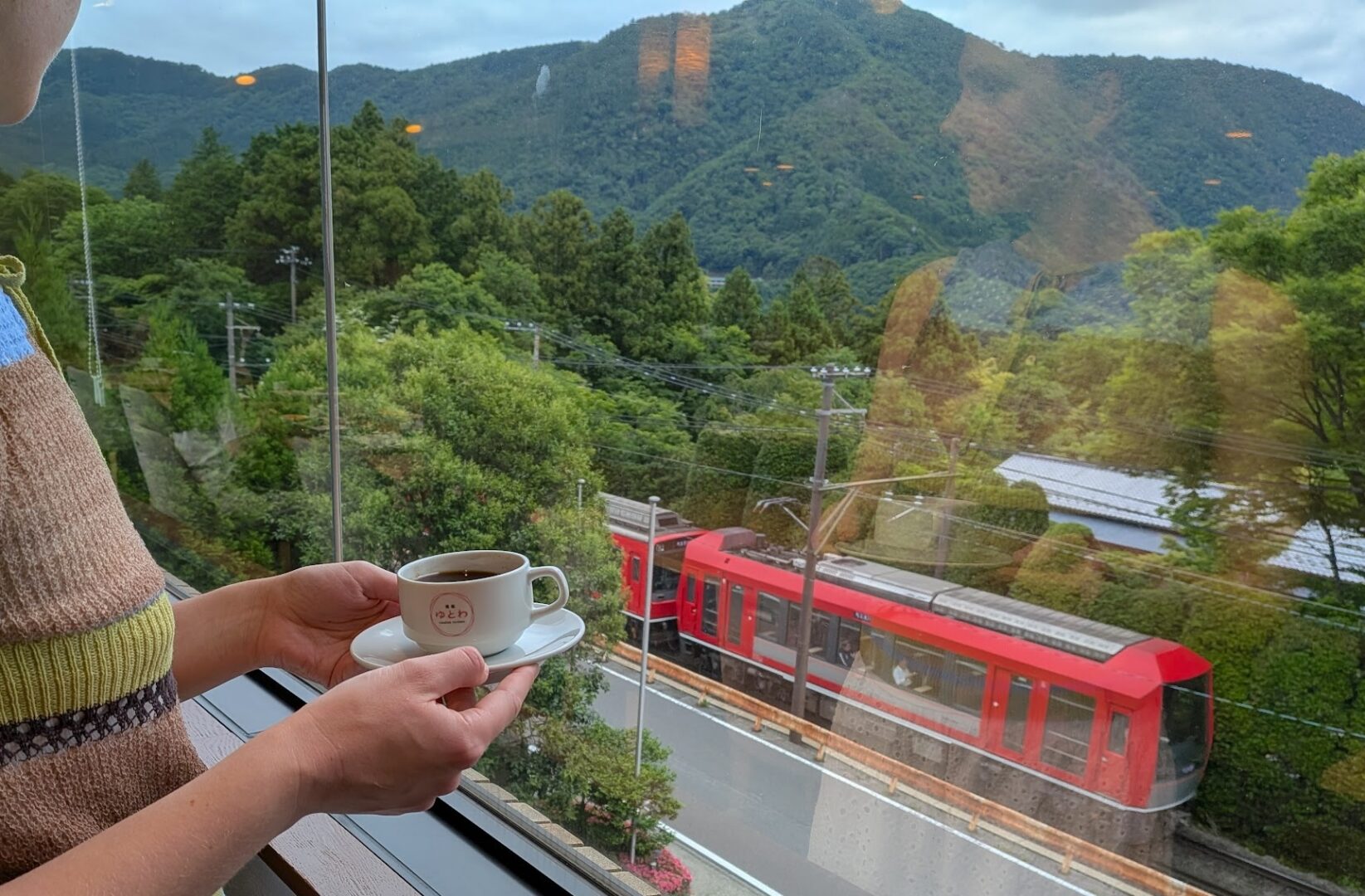
The next morning, I wake up feeling well-rested and slide open my room’s shoji window shutters to let in the soft morning light. I head downstairs to the hotel’s breakfast room. A vast buffet of both Japanese and Western-style breakfast options has been laid out, and I grab a tray to fill up. There is a lot to choose from, and once my tray is laden with bamboo basket-steamed vegetables, fluffy rice, soft tofu and pickles, I pour out a cup of hot coffee and find a table by the window. The views stretch across the forested mountains, and as I sip my coffee I watch the scarlet Hakone Tozan Train pull out of Gora Station.
With the 2-day Hakone Freepass, there are many options for the second day of exploring. Starting from Gora, you are well placed to continue around the Hakone Loop, whether that means visiting the nearby Hakone Museum of Art, riding the ropeway up to Owakudani, or continuing toward Lake Ashi for the sightseeing cruise.
You can view an example itinerary for day two here
This slower route from Miyanoshita to Gora shows a quieter side of Hakone, combining a visit to a historic hotel museum, mountain cafes, local craft, hot spring culture, and time to unwind at HAKONE YUTOWA. With the Hakone Freepass, the journey feels easy even without a car, connecting each stop by train, bus, or cable car.