- SHARE


Tokyo is often associated with its famous landmarks, busy stations, and vibrant shopping districts. But some of my favorite places in the city are the quieter neighborhoods where independent shops, cozy cafés, bookstores, and local businesses are simply part of everyday life.
The Odakyu Line makes it easy to explore this side of Tokyo. Starting from Shinjuku, I spent the day wandering through the creative streets of Shimokitazawa before continuing to the quieter neighborhoods of Yoyogi-Uehara, Tomigaya, and Yoyogi-Hachiman.
If you're looking to experience a different side of Tokyo beyond the usual sightseeing spots, here's a neighborhood route that's easy to follow by train.
Starting the Journey from Shinjuku
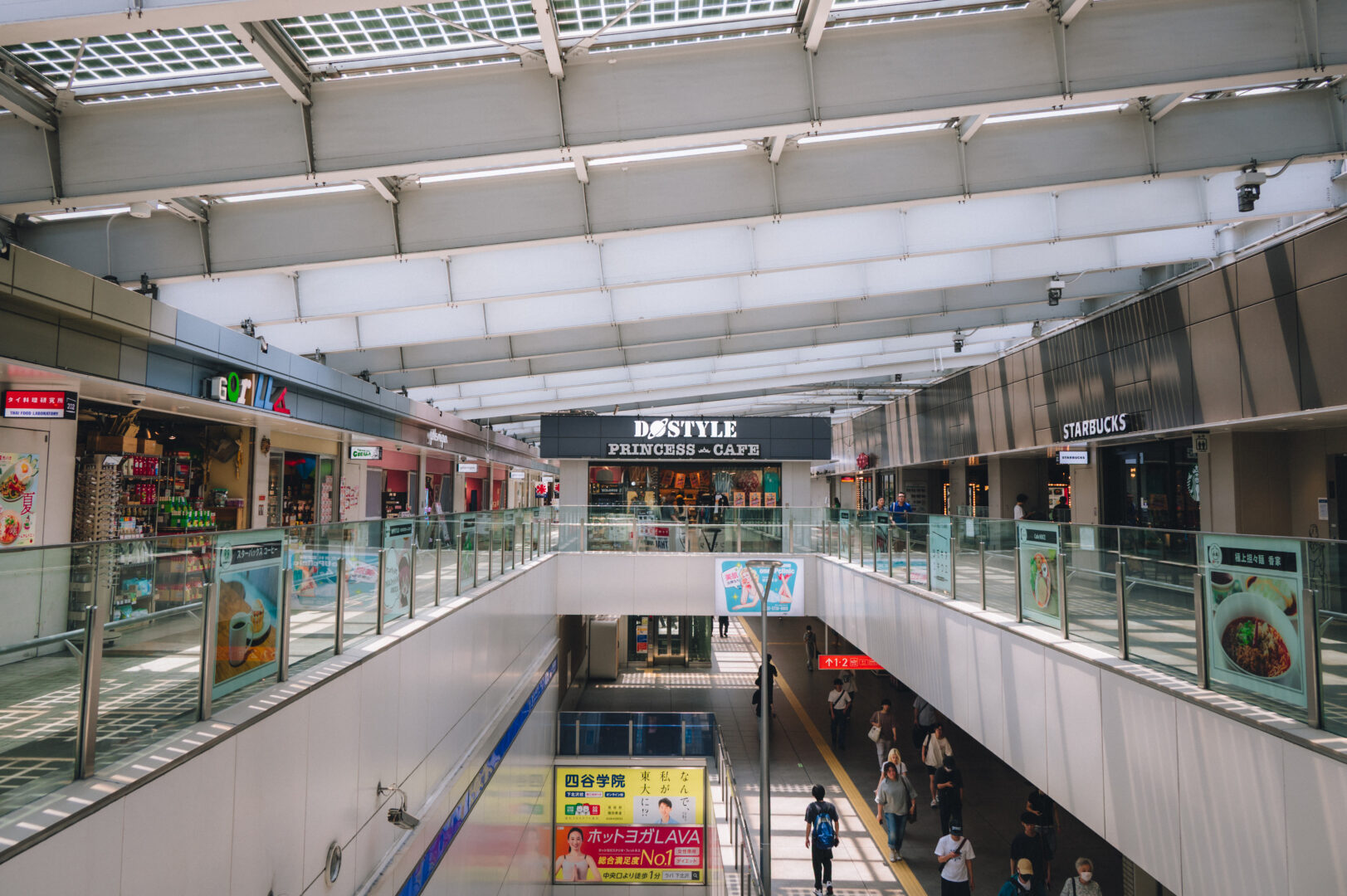
My day began at Shinjuku Station, one of Tokyo’s busiest transport hubs.
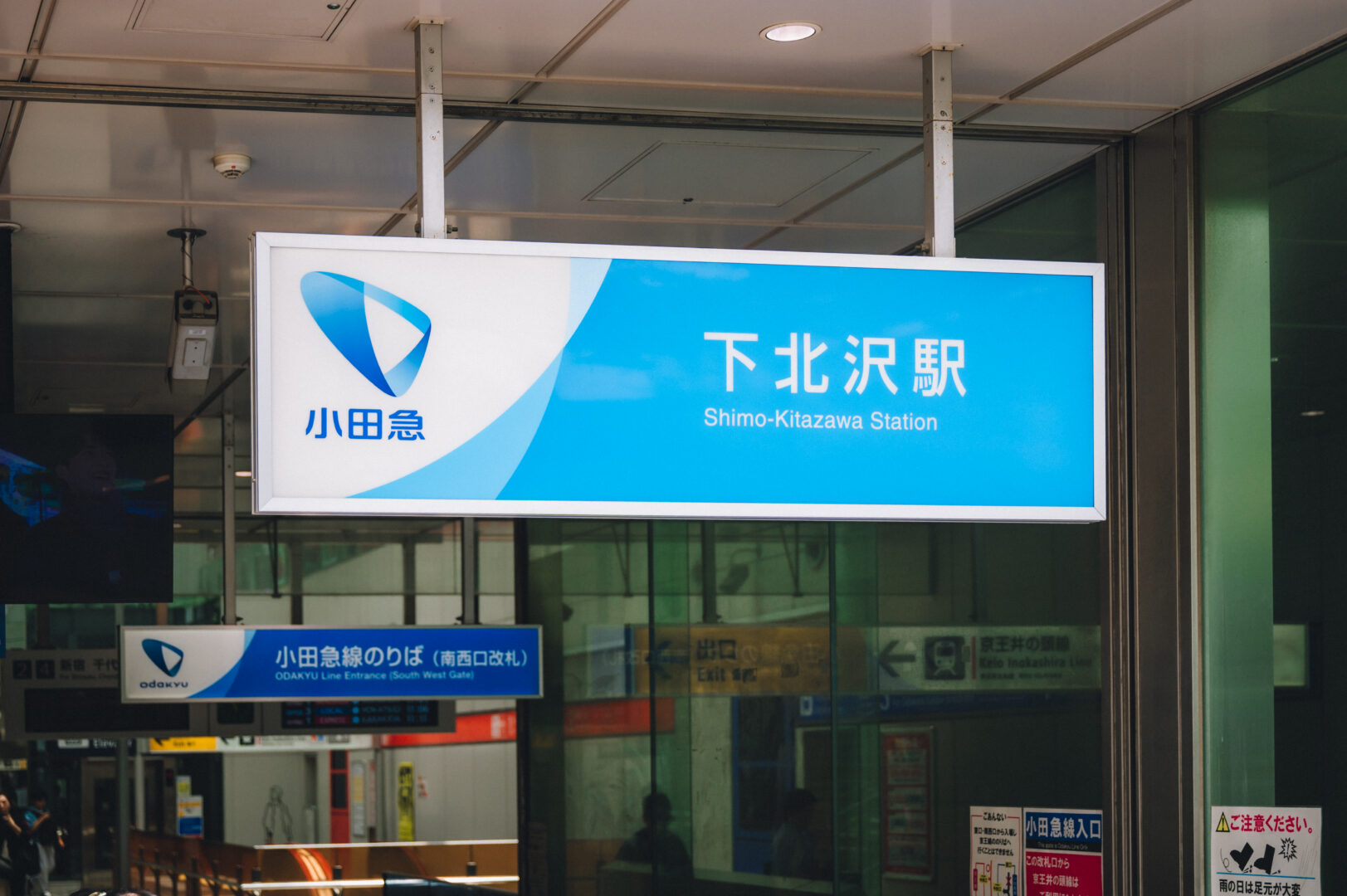
Just a short ride on the Odakyu Line brought me to Shimokitazawa without needing to change trains. What I enjoy most about this route is how quickly the atmosphere changes. In just a few stops, the busy streets of Shinjuku give way to a neighborhood filled with independent shops, restaurants, cafés, and quiet residential streets.
Exploring Shimokitazawa
As soon as I arrived in Shimokitazawa, I slowed my pace and simply started walking.
The neighborhood has a relaxed, creative atmosphere that’s noticeably different from Tokyo’s larger commercial districts. Rather than following a strict sightseeing plan, I enjoyed wandering through the streets and seeing what caught my attention.
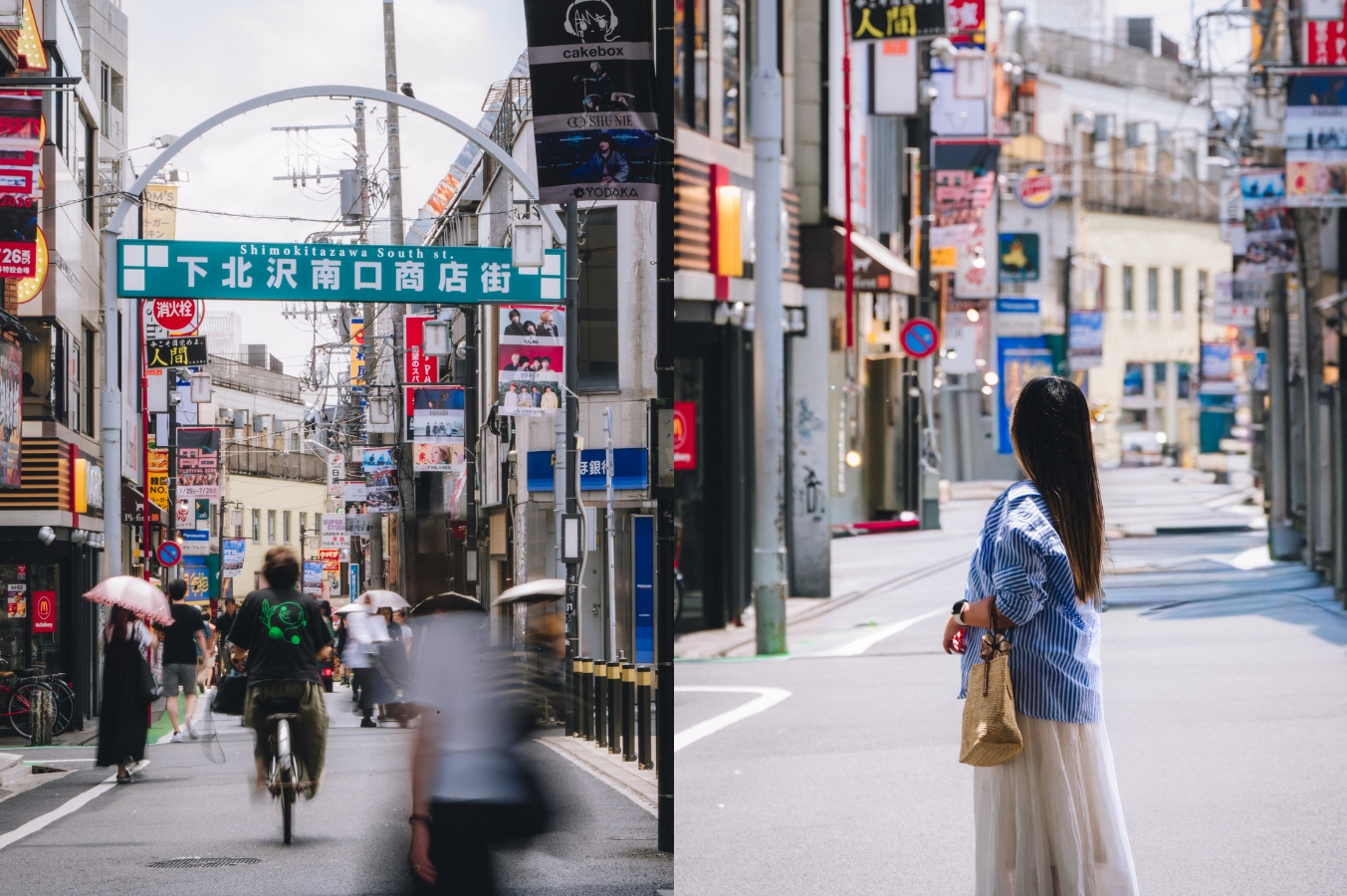
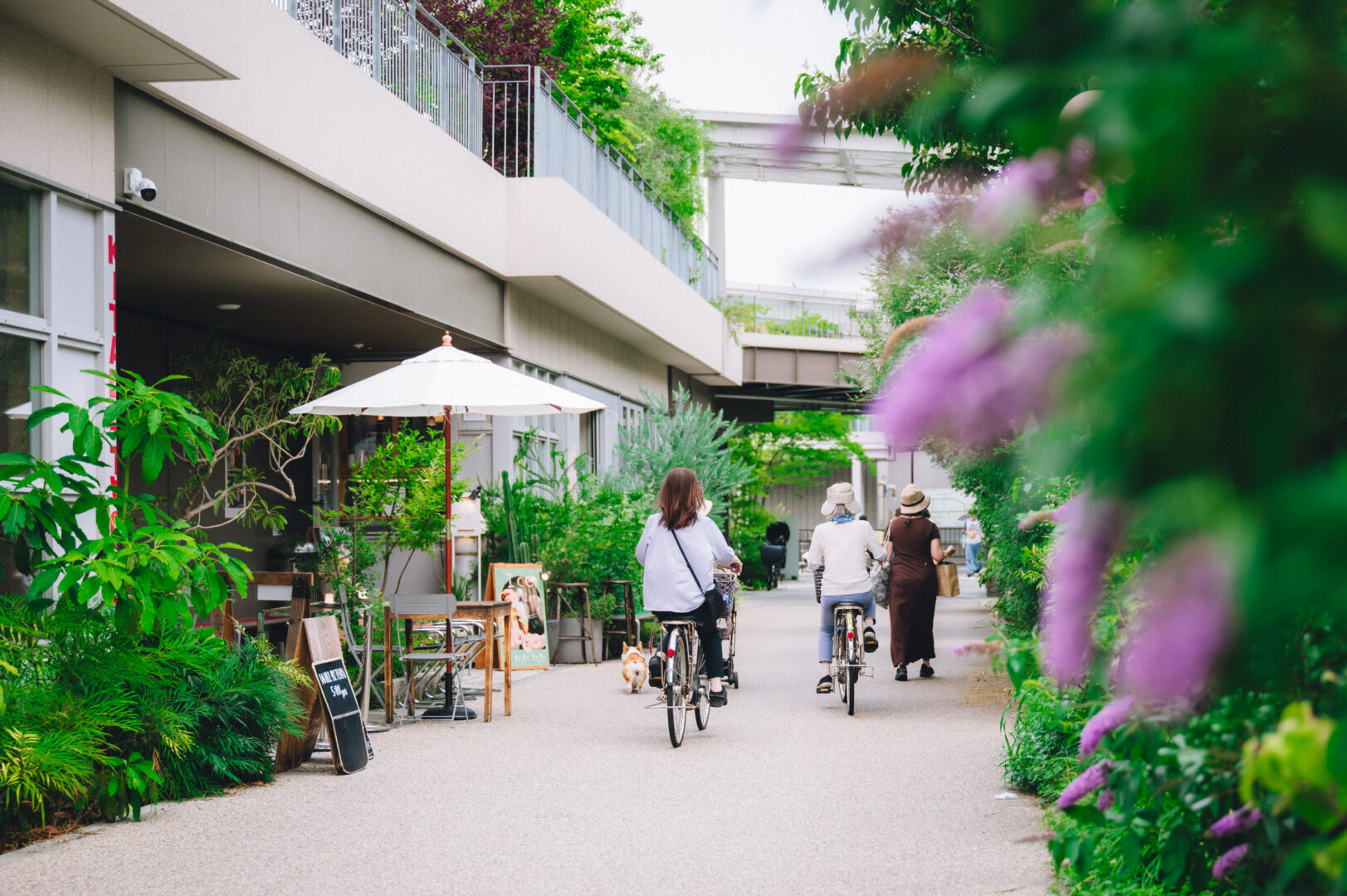
As I continued walking, I made my way to the Shimokita Senrogai area.
This 1.7-kilometer-long pedestrian corridor was created after the Odakyu Line railway tracks were moved underground, transforming the former railway into a green community space where people can stroll, relax, and explore the neighborhood at a slower pace.
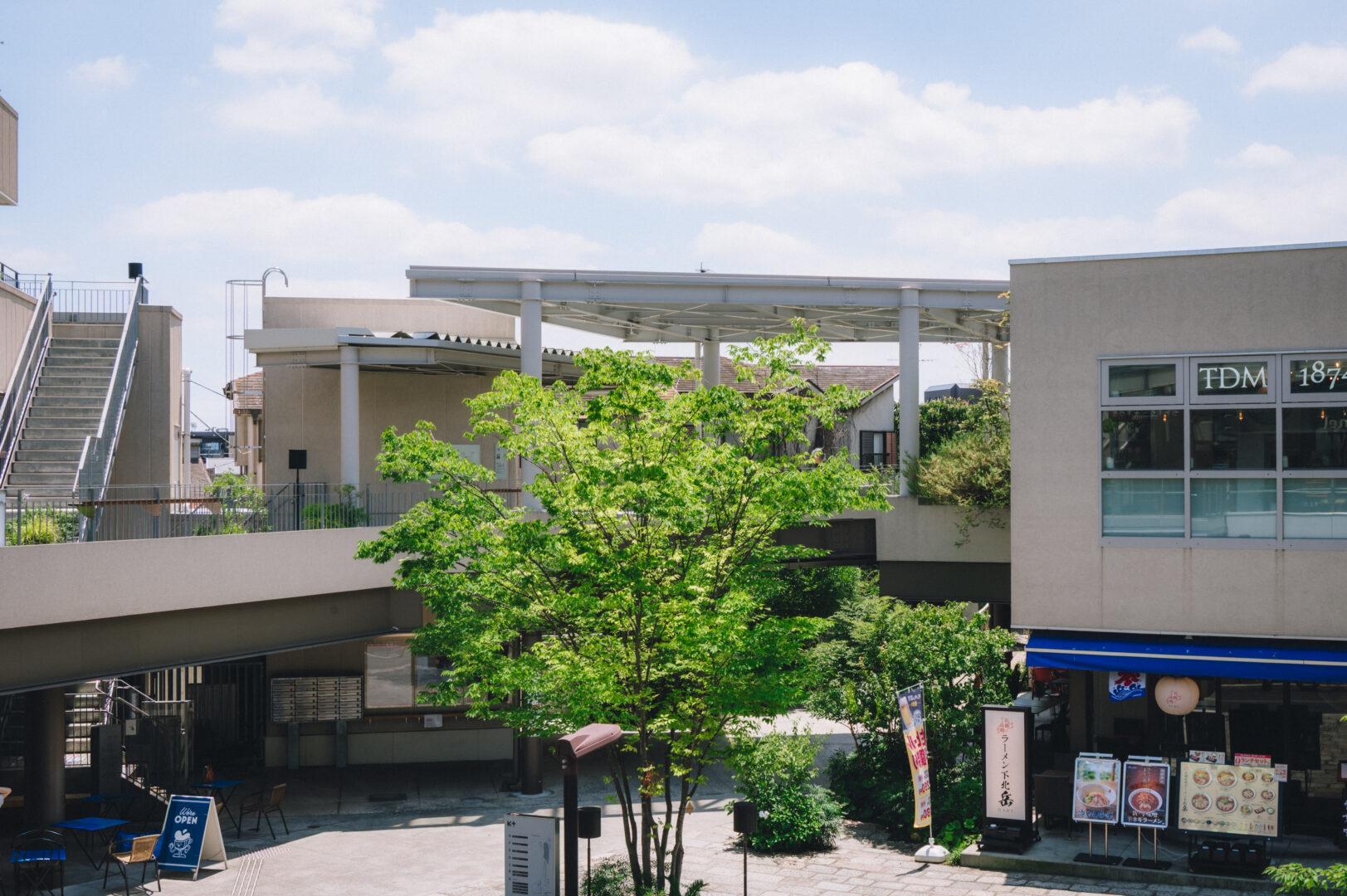
Along the way, I stopped by reload, an open-air complex filled with cafés, restaurants, and lifestyle shops.
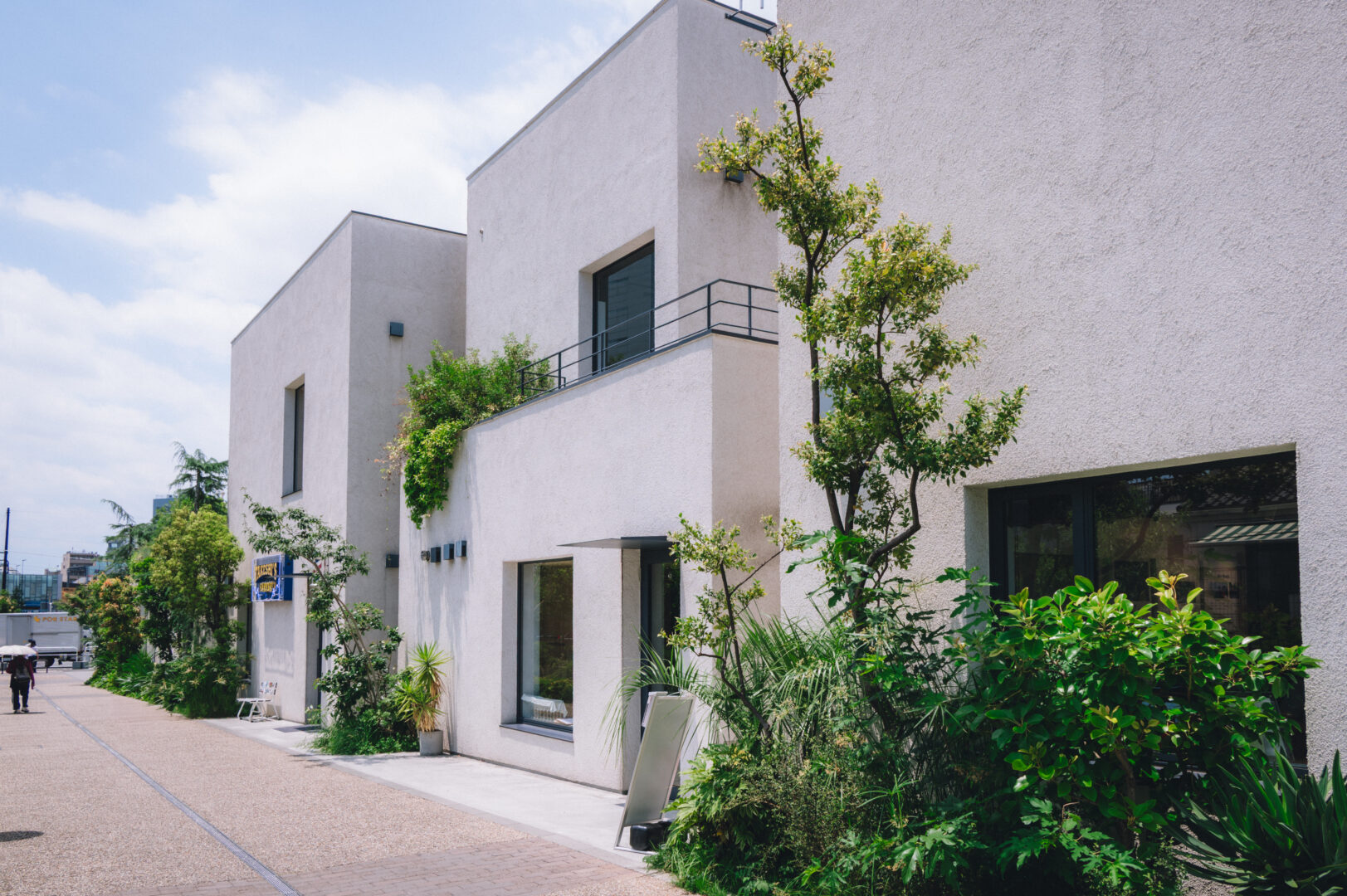
Near the station, I also passed NANSEI PLUS, a relaxed cultural space with cafés, a mini cinema, and plenty of greenery.
Lunch at Hakko to Seiro-mushi Shichifukukin
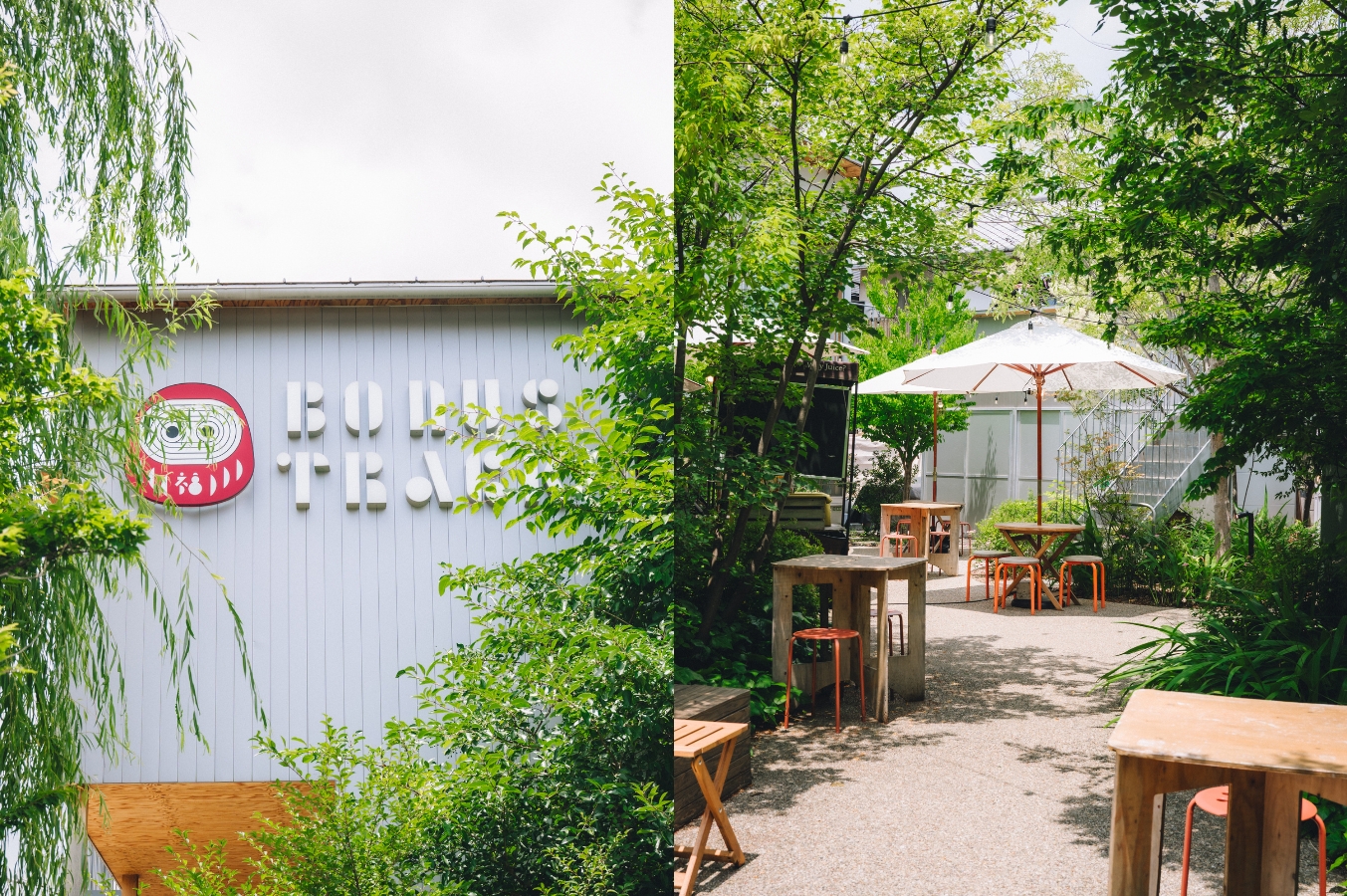
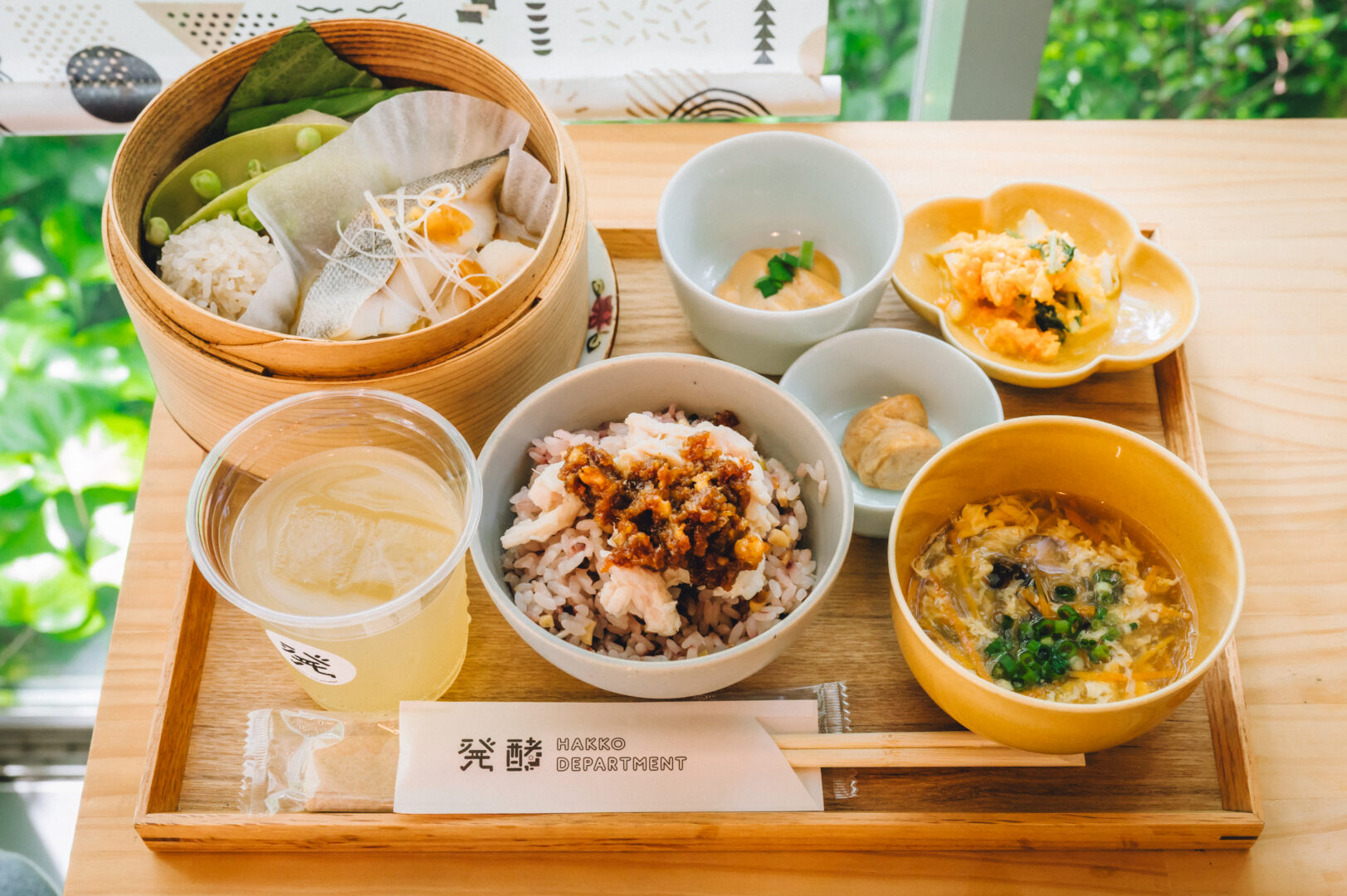
By lunchtime, I had arrived at BONUS TRACK, a community space built along the former Odakyu railway tracks that’s now home to cafés, restaurants, and local shops. I enjoyed wandering through the open-air complex before stopping for lunch at Hakko to Seiro-mushi Shichifukukin, located inside HAKKO Department.
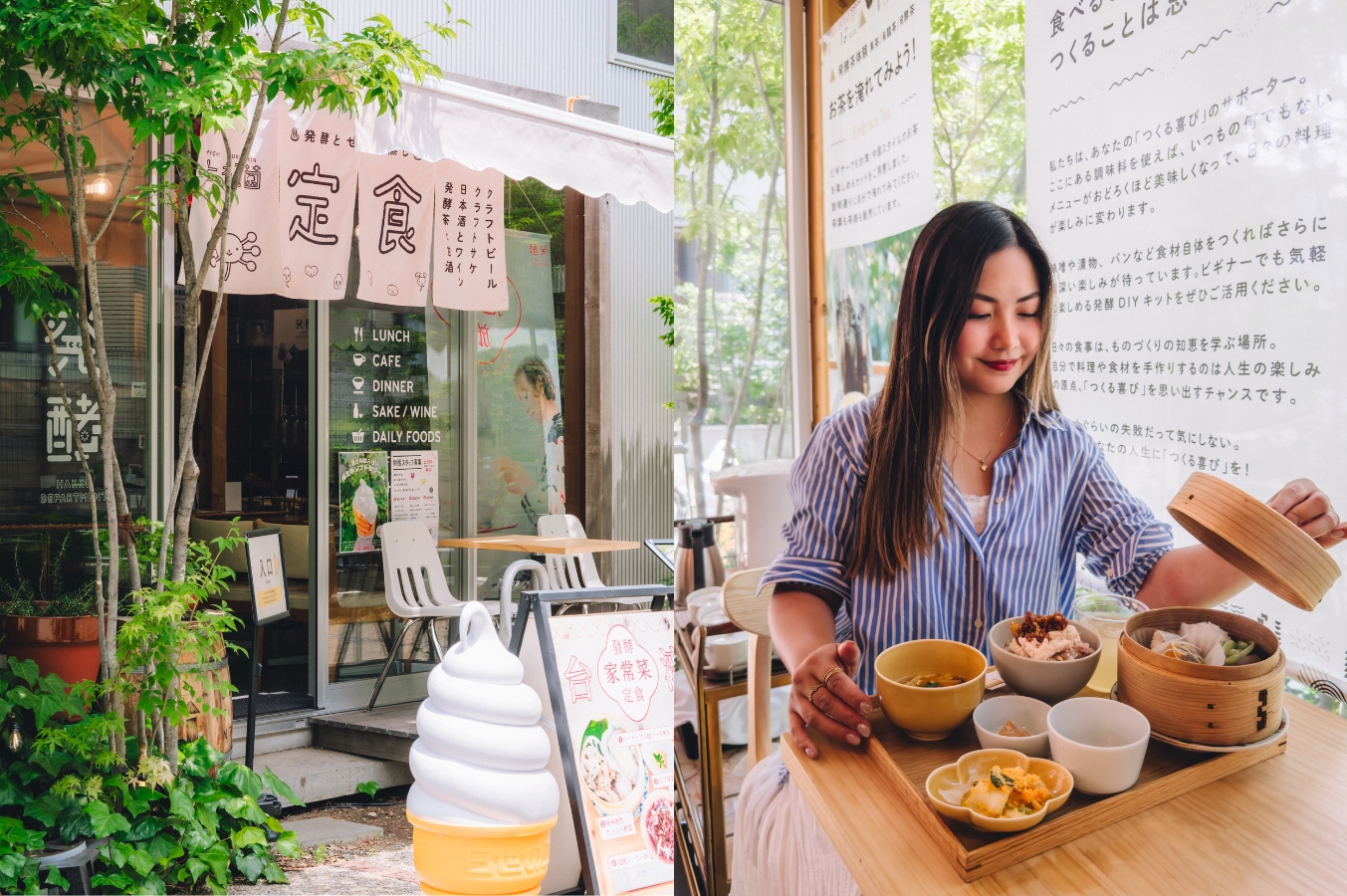
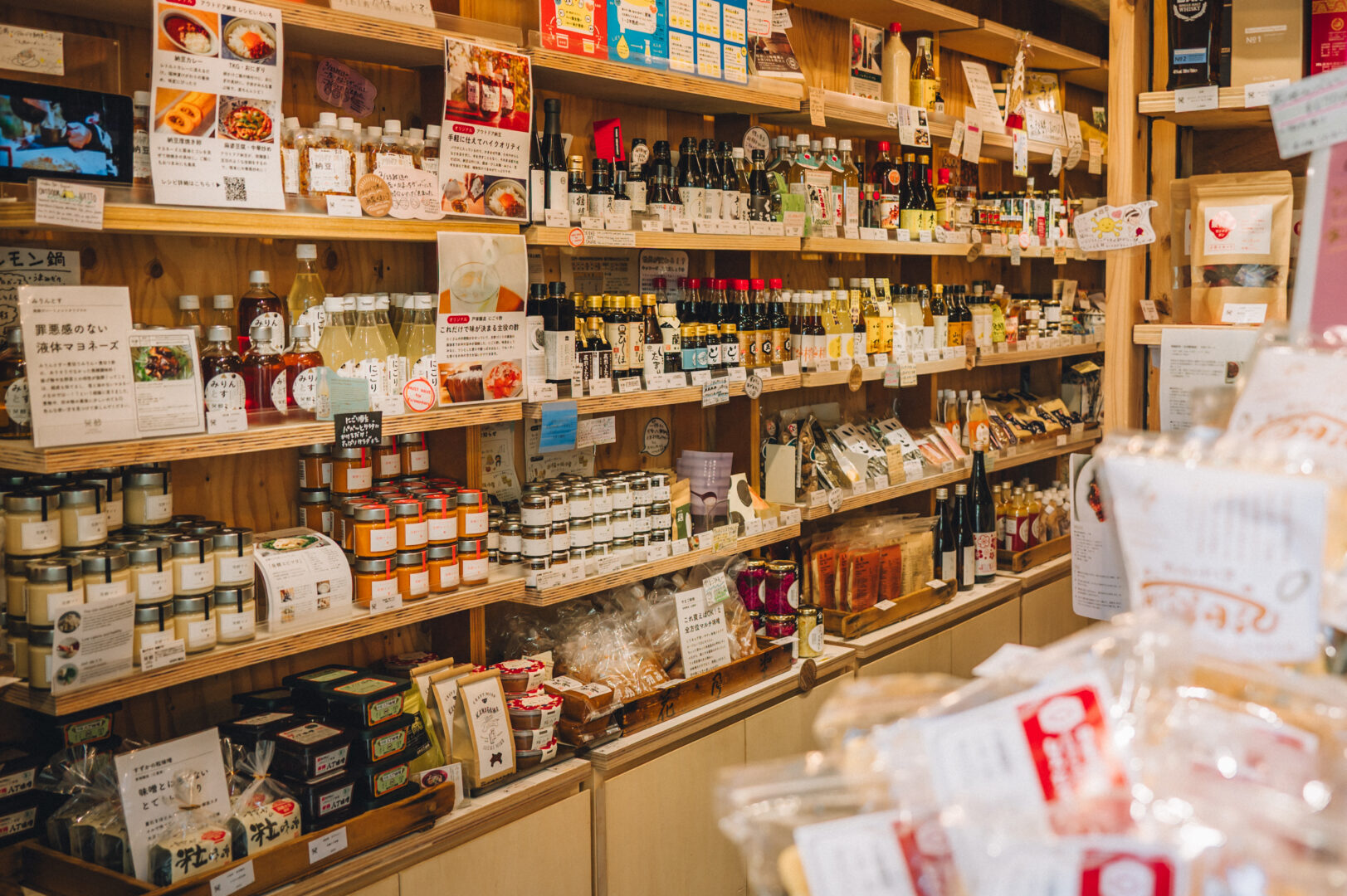
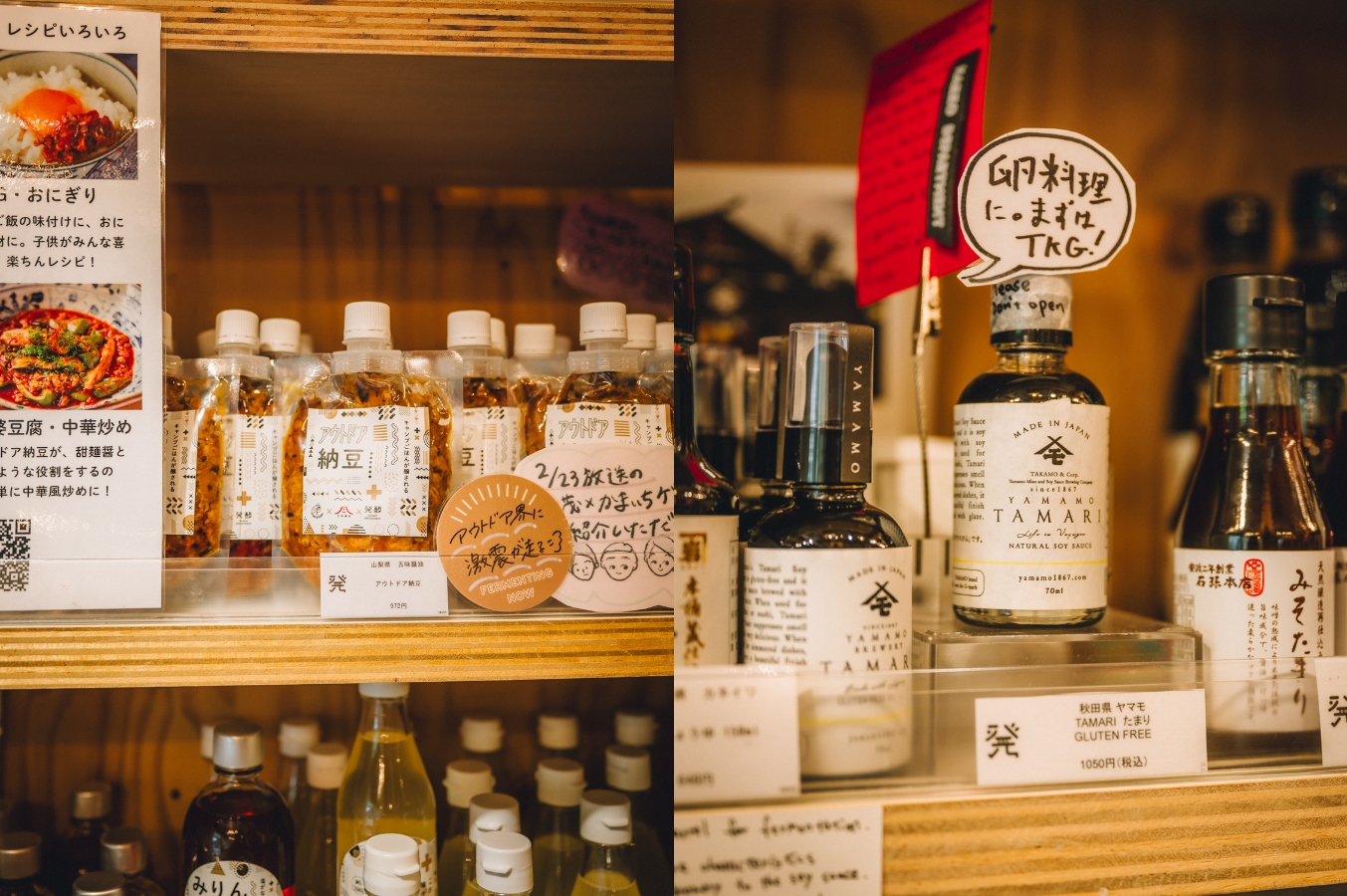
After lunch, I spent some time browsing HAKKO Department. The shop offers a wide selection of fermented foods, seasonings, drinks, and unique souvenirs from across Japan. I found plenty of products that would make great gifts, and one thing I especially liked was that many of the fermented products don’t require refrigeration, making them easy for travelers to bring home. It’s a fun place to discover local flavors and pick up something a little different from the usual souvenirs.
A Sweet Stop at Shiro-Hige's Cream Puff Factory
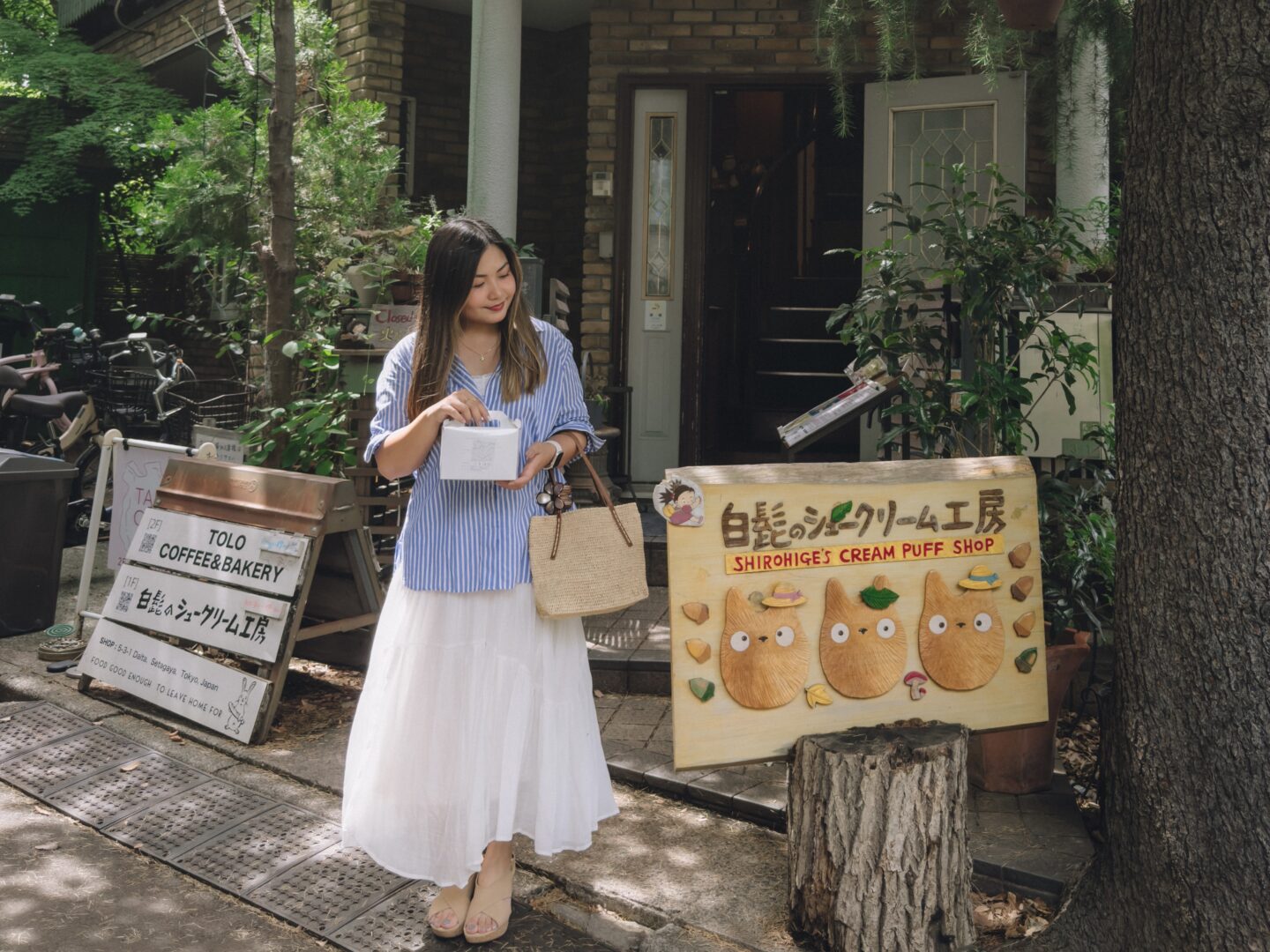
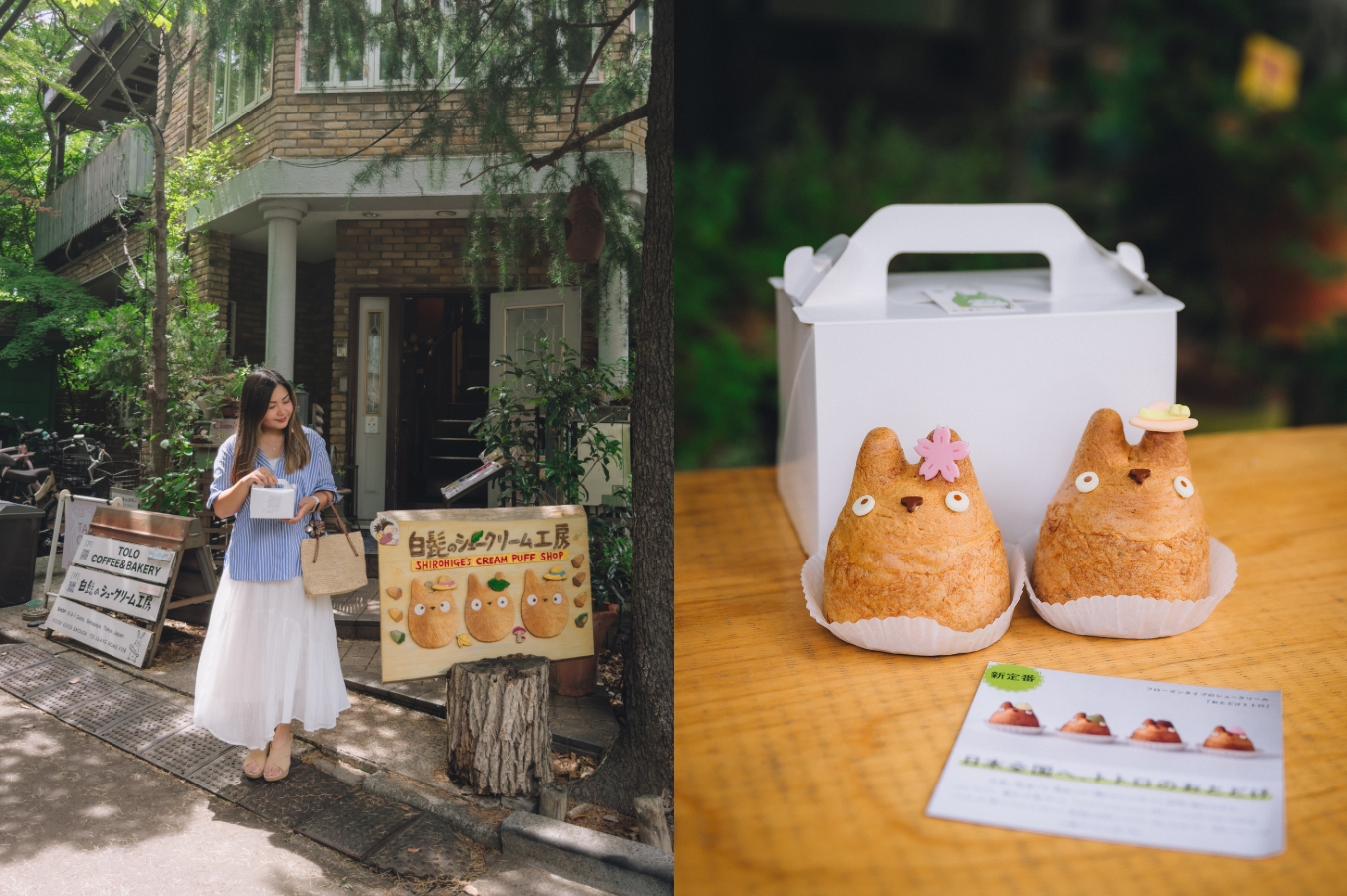
From BONUS TRACK, I continued my walk to Shiro-Hige’s Cream Puff Factory.
I’ve visited several times over the years, and there’s usually a line for the eat-in café upstairs, TOLO Coffee & Bakery. This time, though, I was lucky enough to get a table right away, so I enjoyed a Totoro-shaped cream puff with an iced matcha latte.
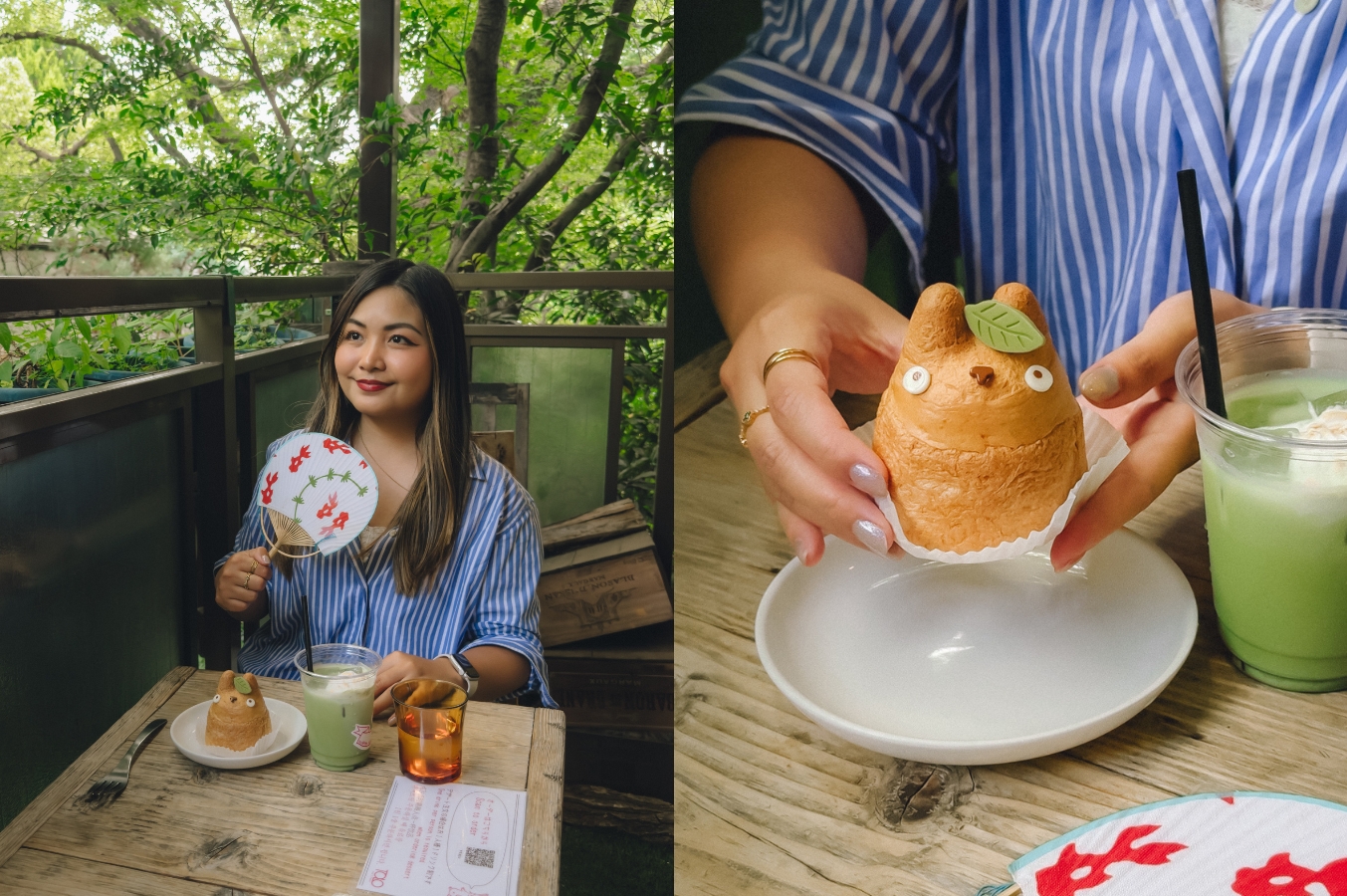
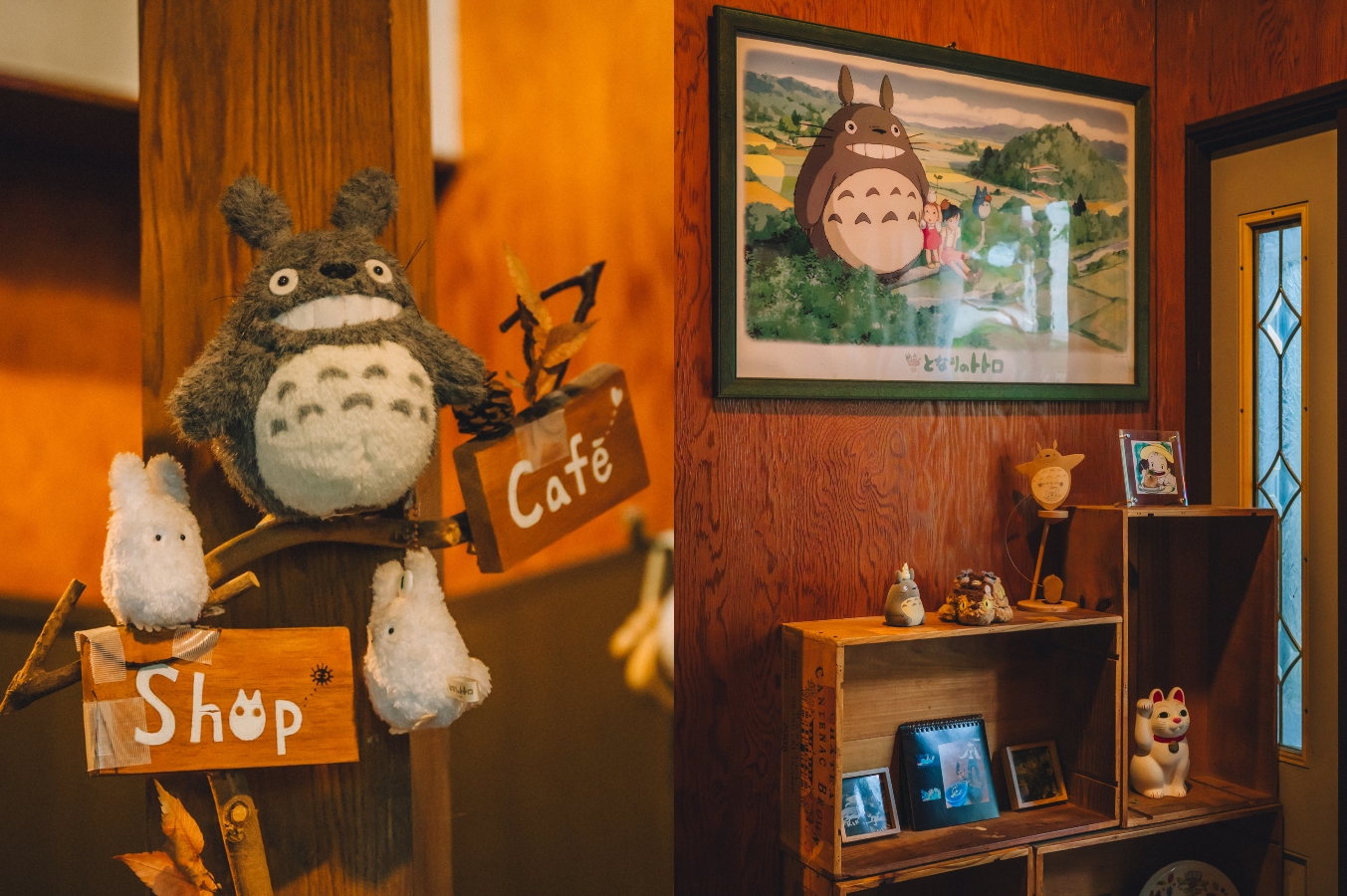
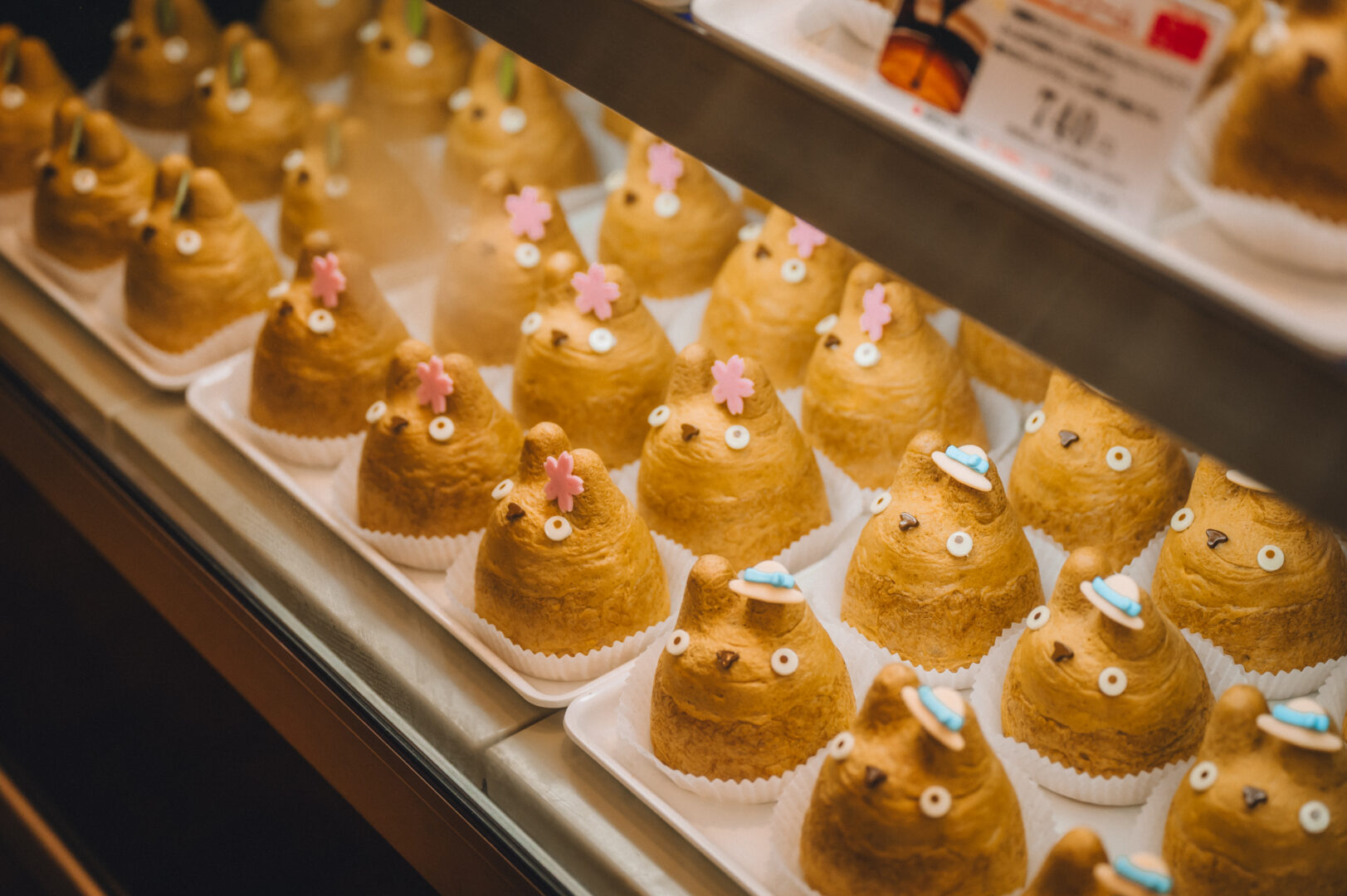
If you’re short on time, there’s usually little to no wait at the takeout counter on the first floor, making it easy to grab a cream puff and continue exploring. I actually ended up ordering a couple more to take with me before heading to the next neighborhood.
Exploring Yoyogi-Uehara
After my cafe break, I returned to the Odakyu Line for the short ride to Yoyogi-Uehara and I started exploring the neighborhood on foot.
Compared to Shimokitazawa, Yoyogi-Uehara immediately felt more relaxed. I noticed fewer people, quieter streets, and a slower rhythm.
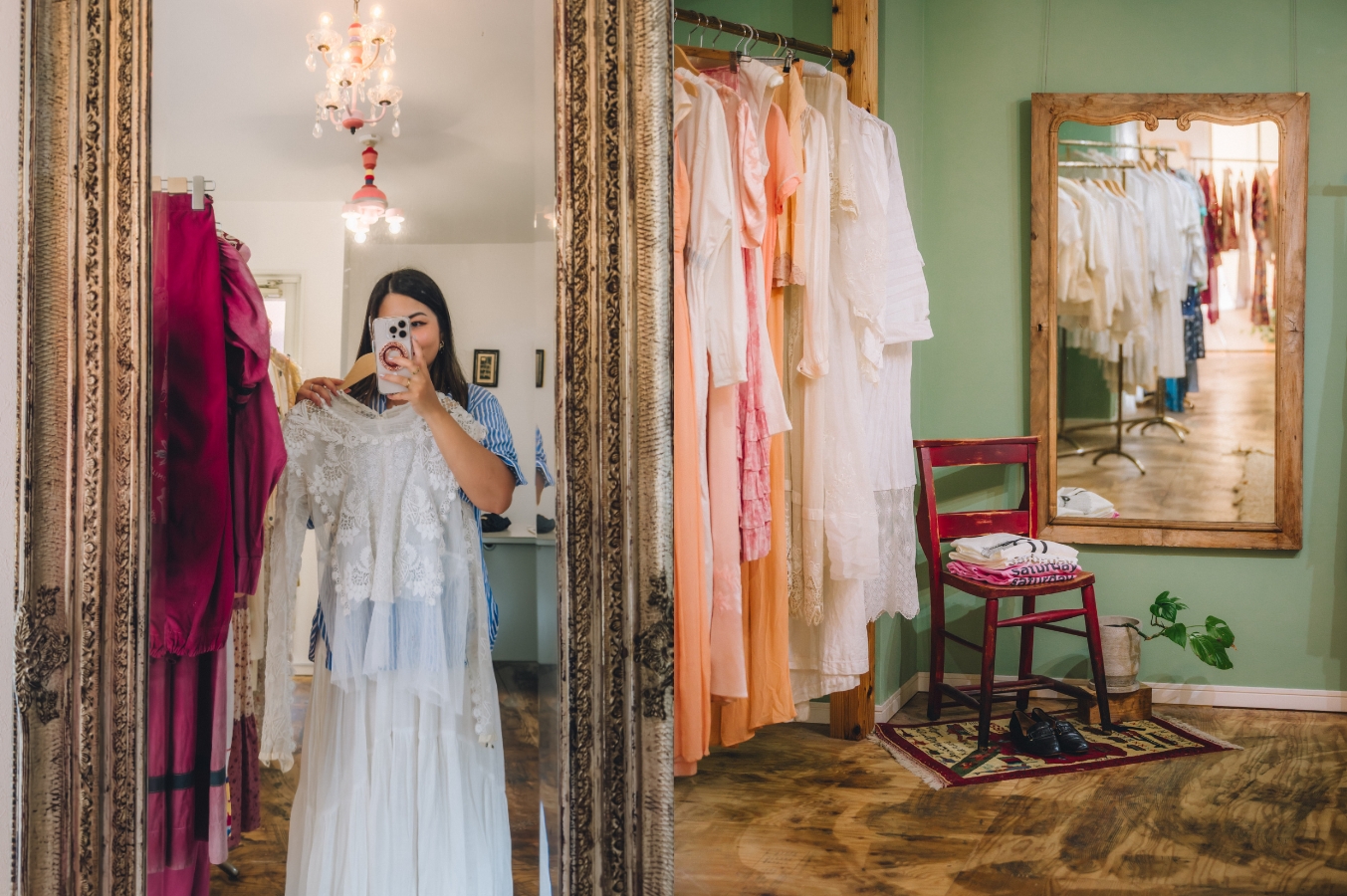
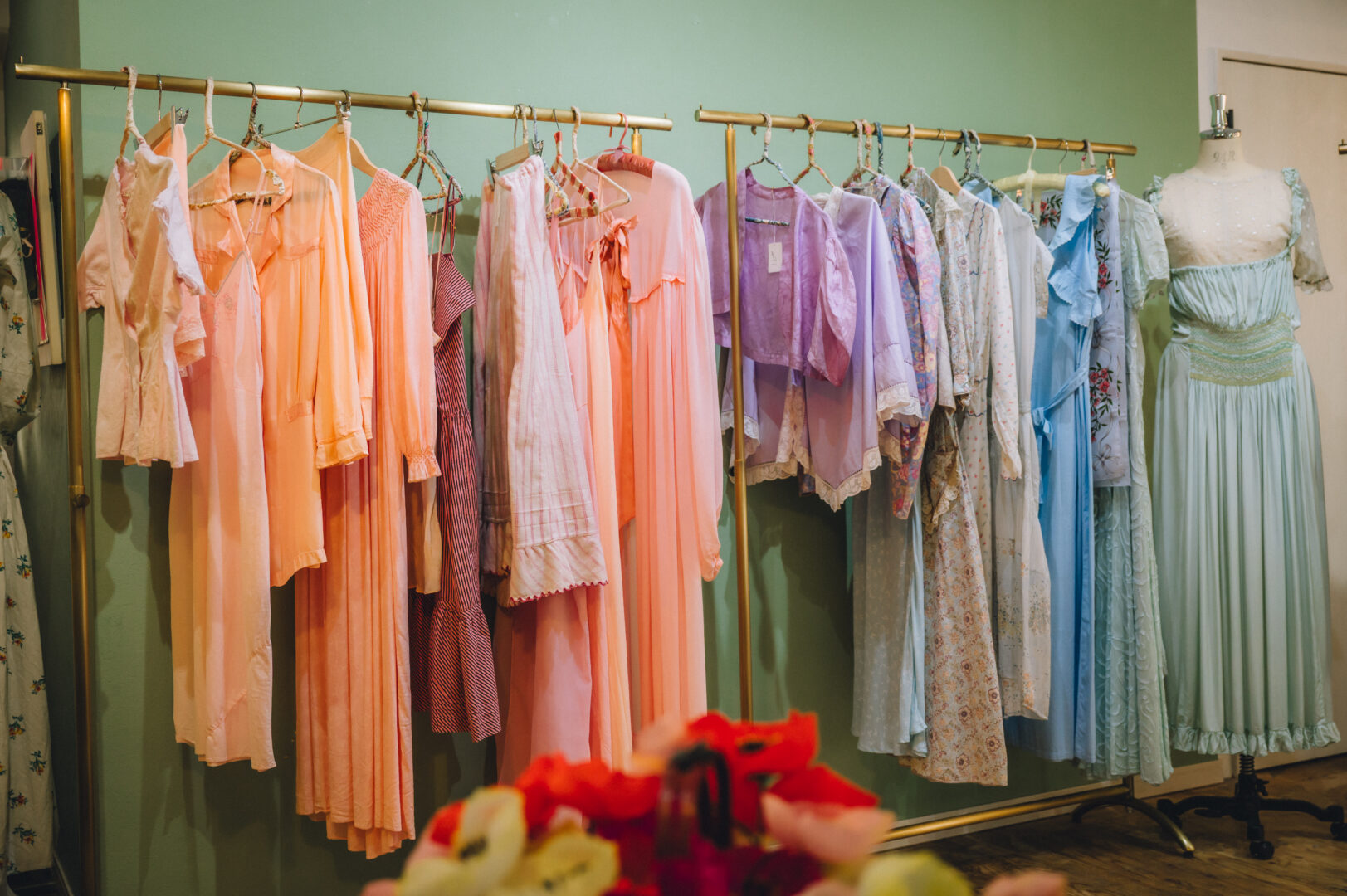
One of the shops that caught my attention was 3to8 Vintage Store.
The boutique specializes in carefully selected vintage clothing and accessories, with a beautiful collection of feminine pieces that feel both timeless and easy to wear. I always enjoy browsing shops like this because you never know what you’ll find, and each visit feels a little different from the last.
Visiting the Former Maeda Marquis Residence
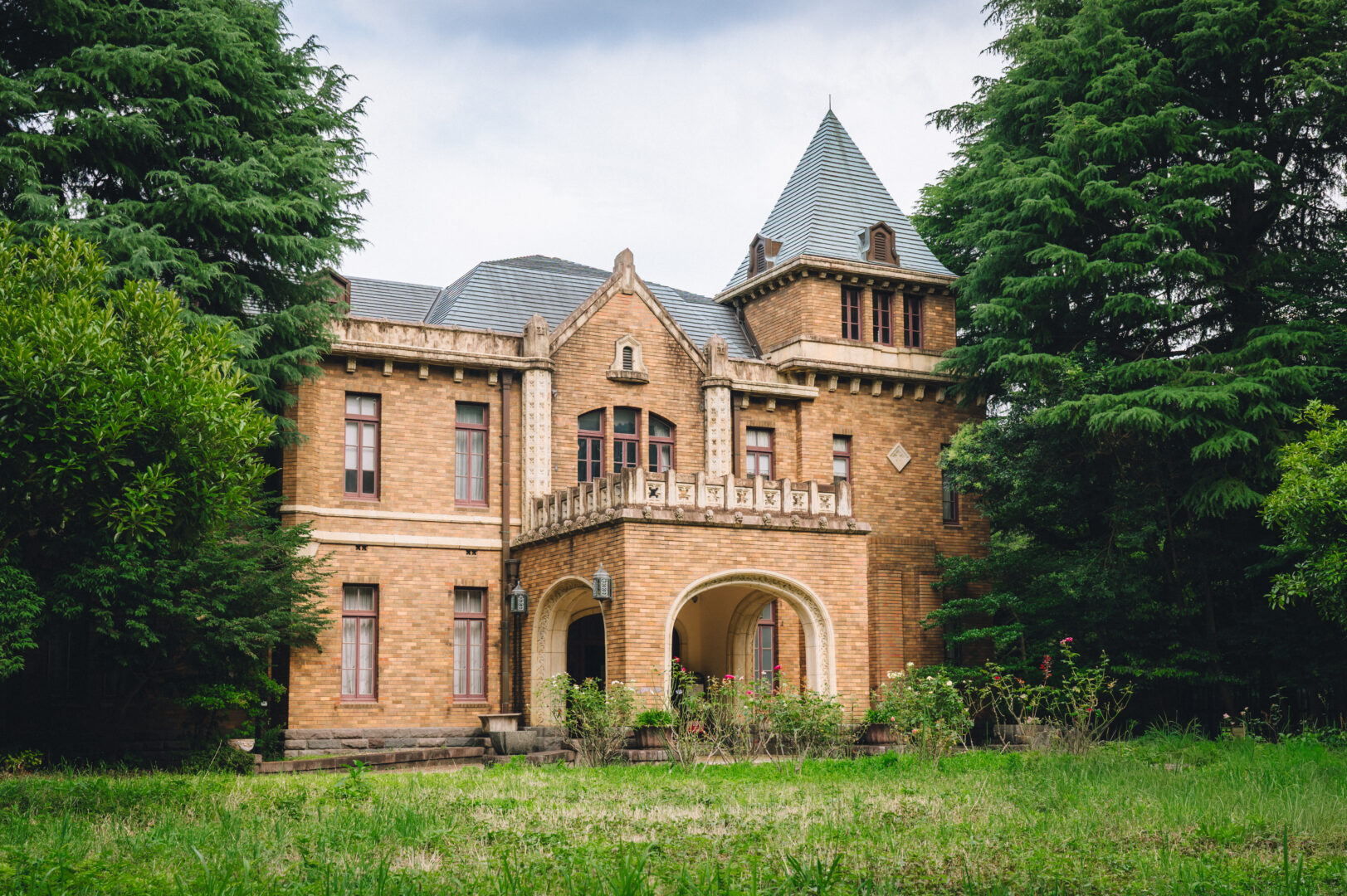
From 3to8 Vintage Store, I continued on foot to the Former Maeda Marquis Residence.
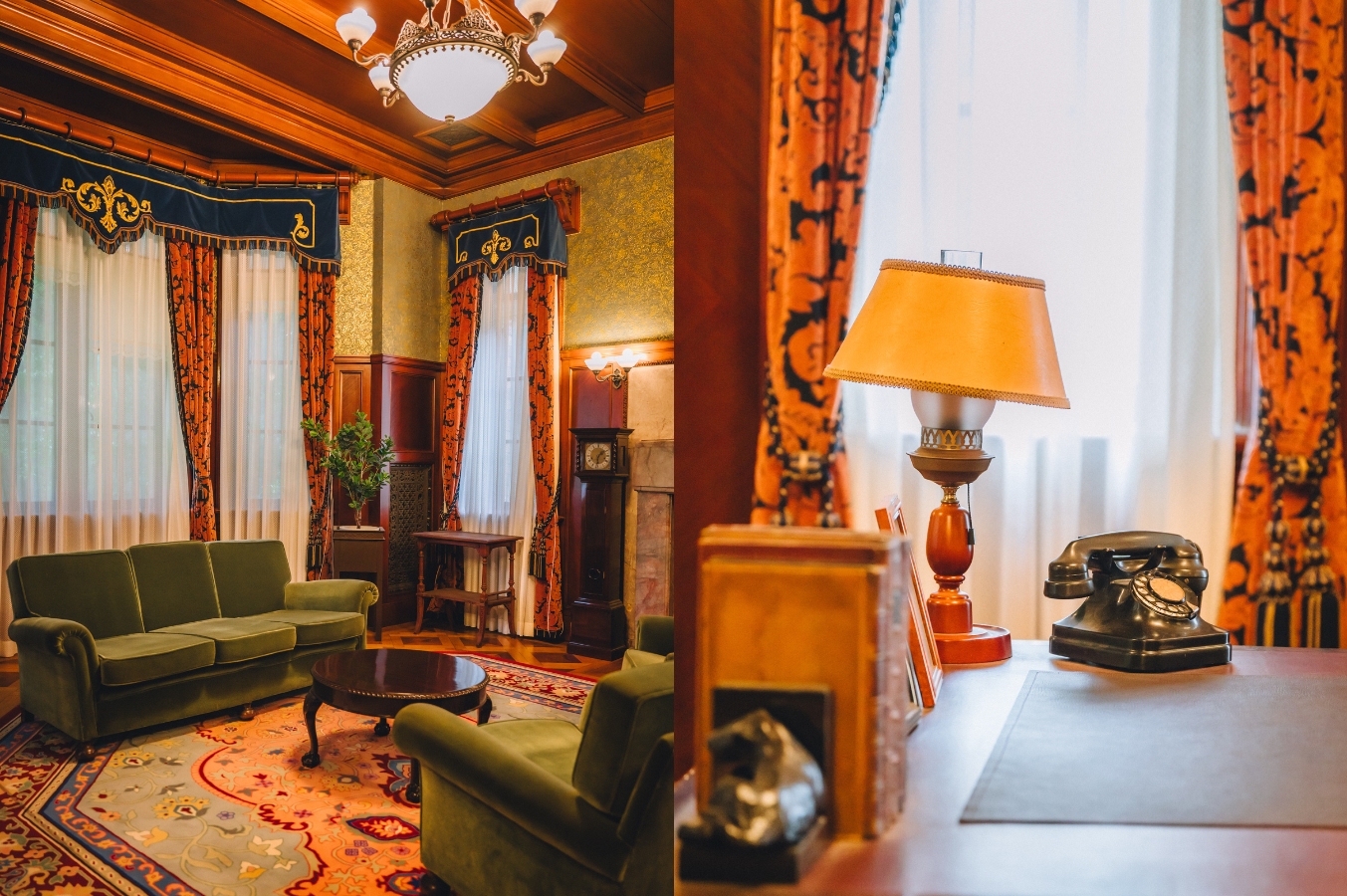
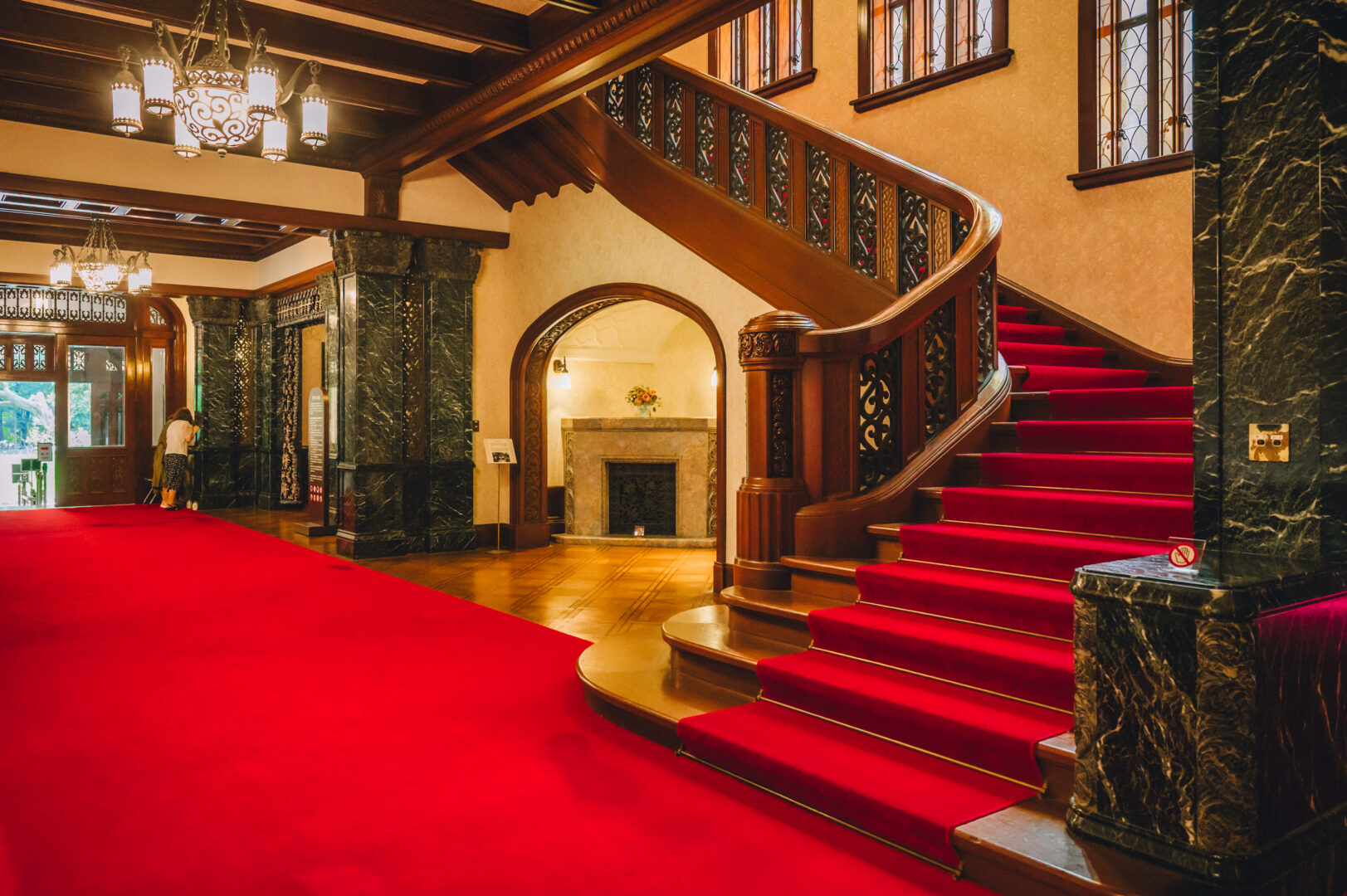
The residence is one of the few remaining examples of a Japanese aristocrat’s home from the early 20th century that has been preserved in its original form. Walking through the grand Western-style mansion gave me a glimpse into the elegant lifestyle once enjoyed by the Maeda family, from the beautifully furnished rooms to the impressive architectural details throughout the house.
Surrounded by peaceful gardens, it felt like a world away from the busy streets of Tokyo. I found myself slowing down as I explored the property, appreciating not only its history but also the quiet atmosphere that makes it such a special place to visit.
Walking Through Tomigaya
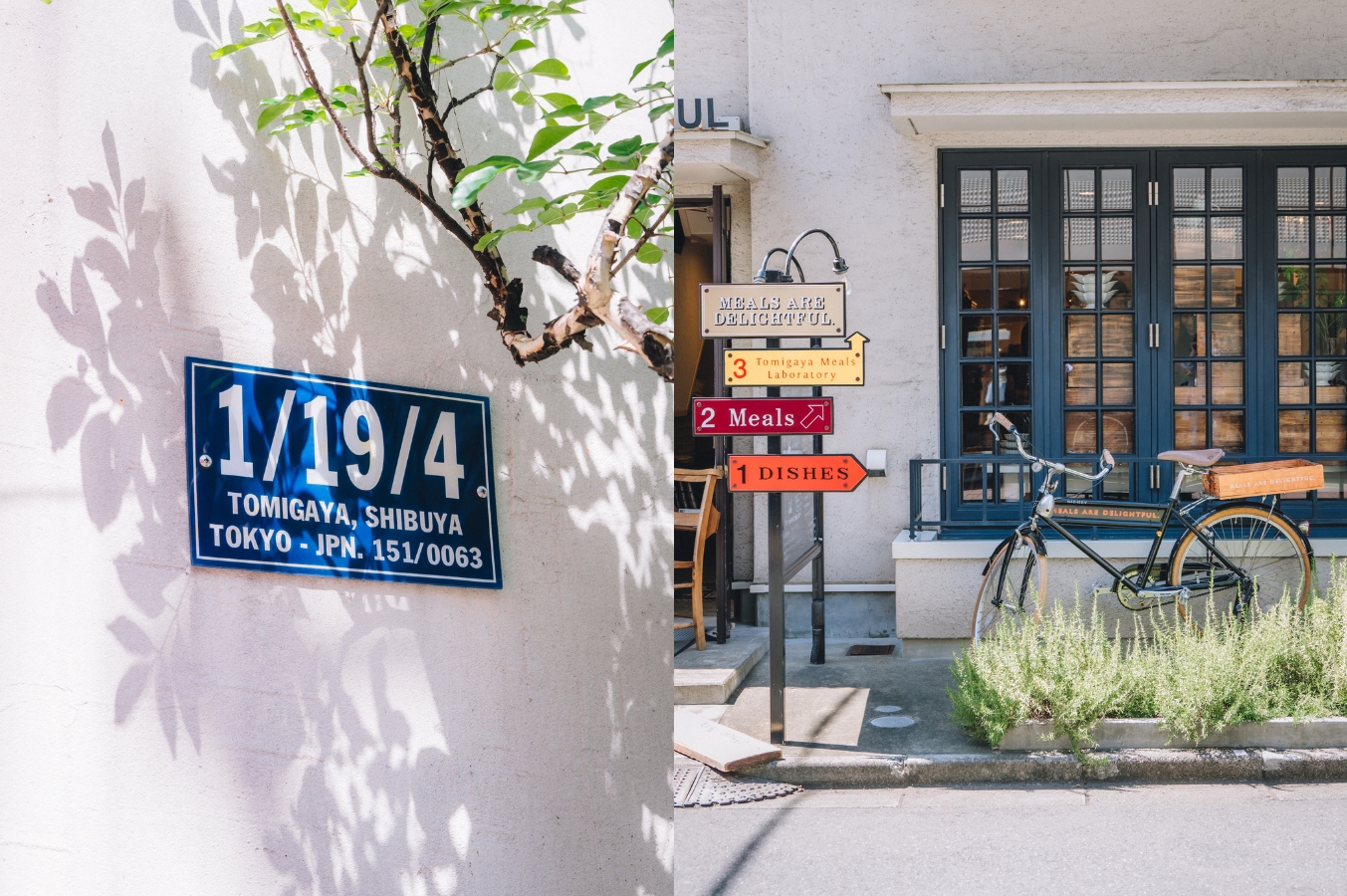
Once named one of the world’s top 10 coolest neighborhoods, Tomigaya was my next stop after visiting the Former Maeda Marquis Residence.
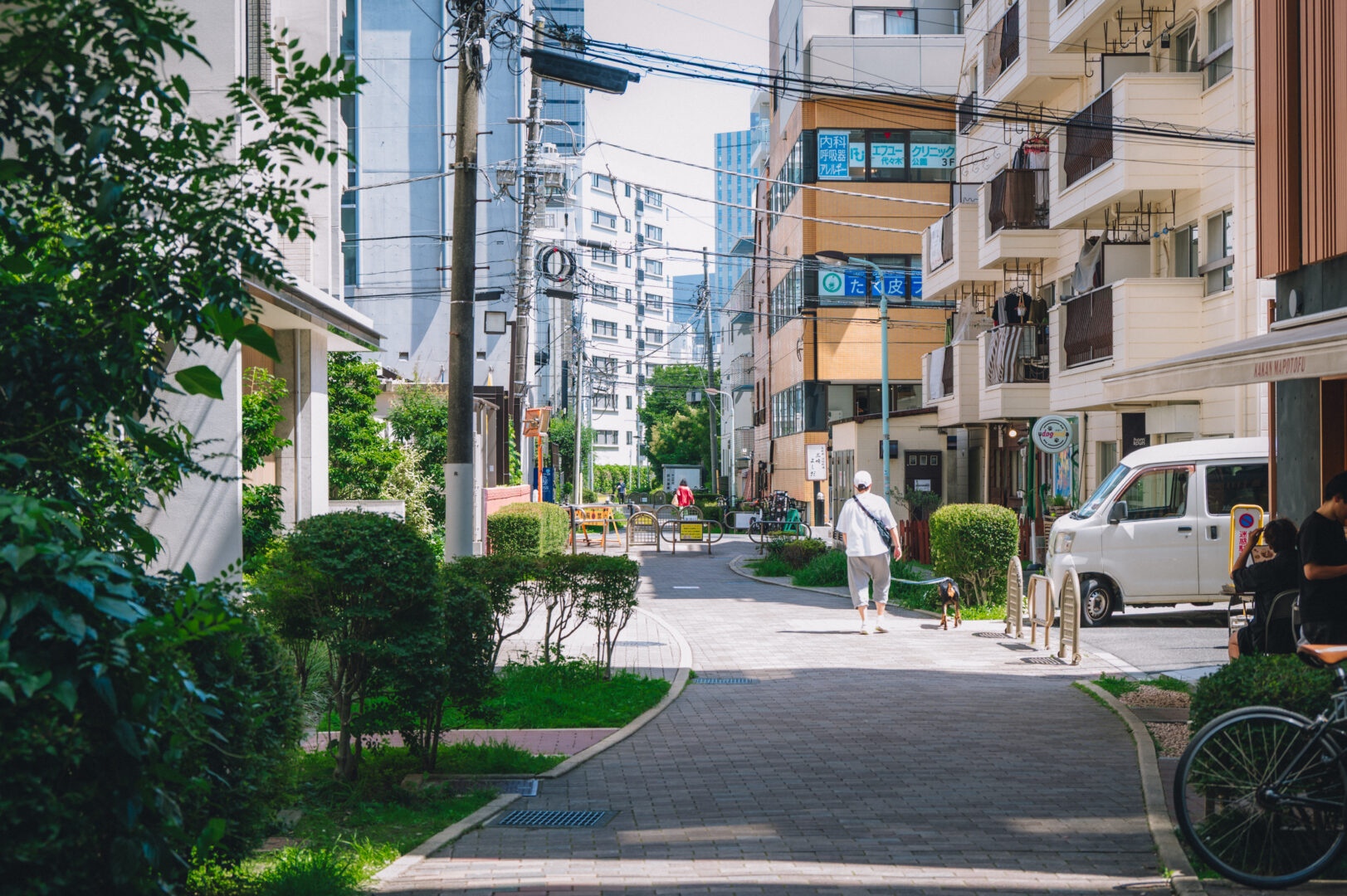
I took my time walking through the neighborhood, passing thoughtfully designed storefronts, tucked-away cafés, and interesting little shops along the way.
Despite its growing popularity, Tomigaya has held onto its relaxed, local atmosphere. Instead of rushing between sightseeing spots, it’s the kind of neighborhood that invites you to slow down, wander, and appreciate the little details before continuing to the next destination.
Browsing SO BOOKS
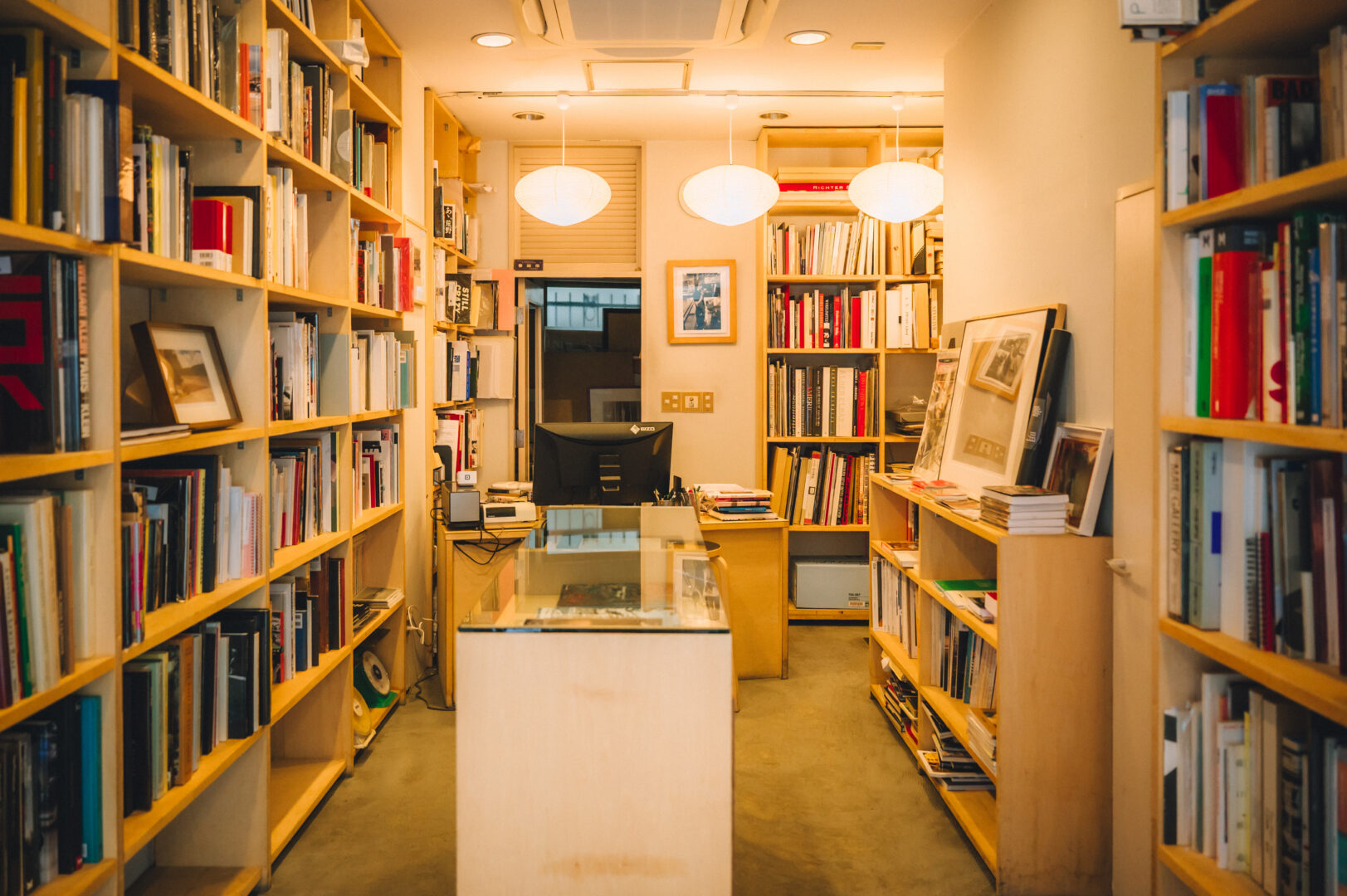
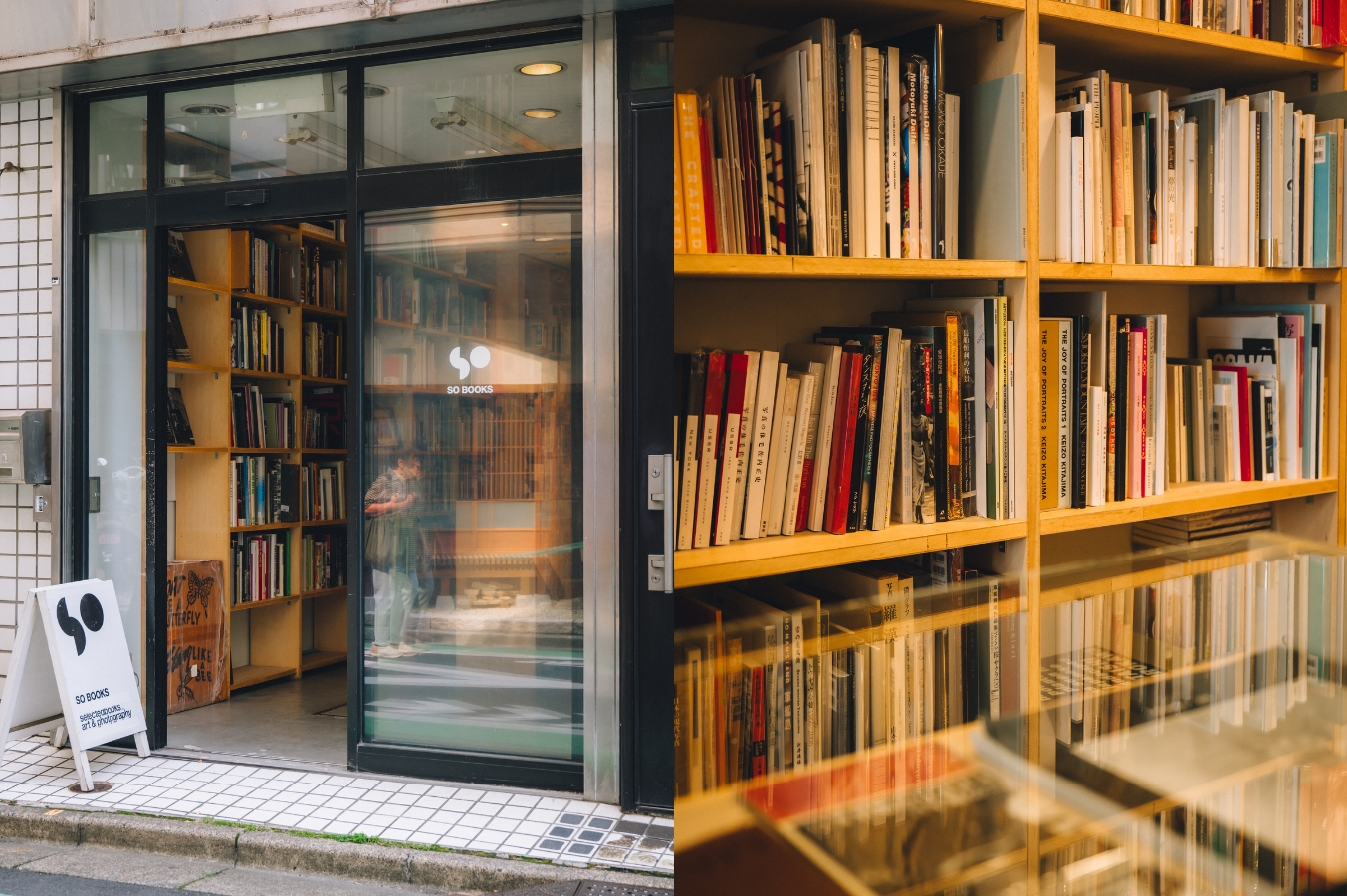
My final stop of the day was SO BOOKS, an independent bookstore that has been part of the Tomigaya neighborhood for around 20 years.
The collection is thoughtfully curated from a variety of sources, including books sold by customers, auction finds, handmade books, and publications from small independent presses. Browsing the shelves felt like a treasure hunt, with something unexpected waiting around every corner.
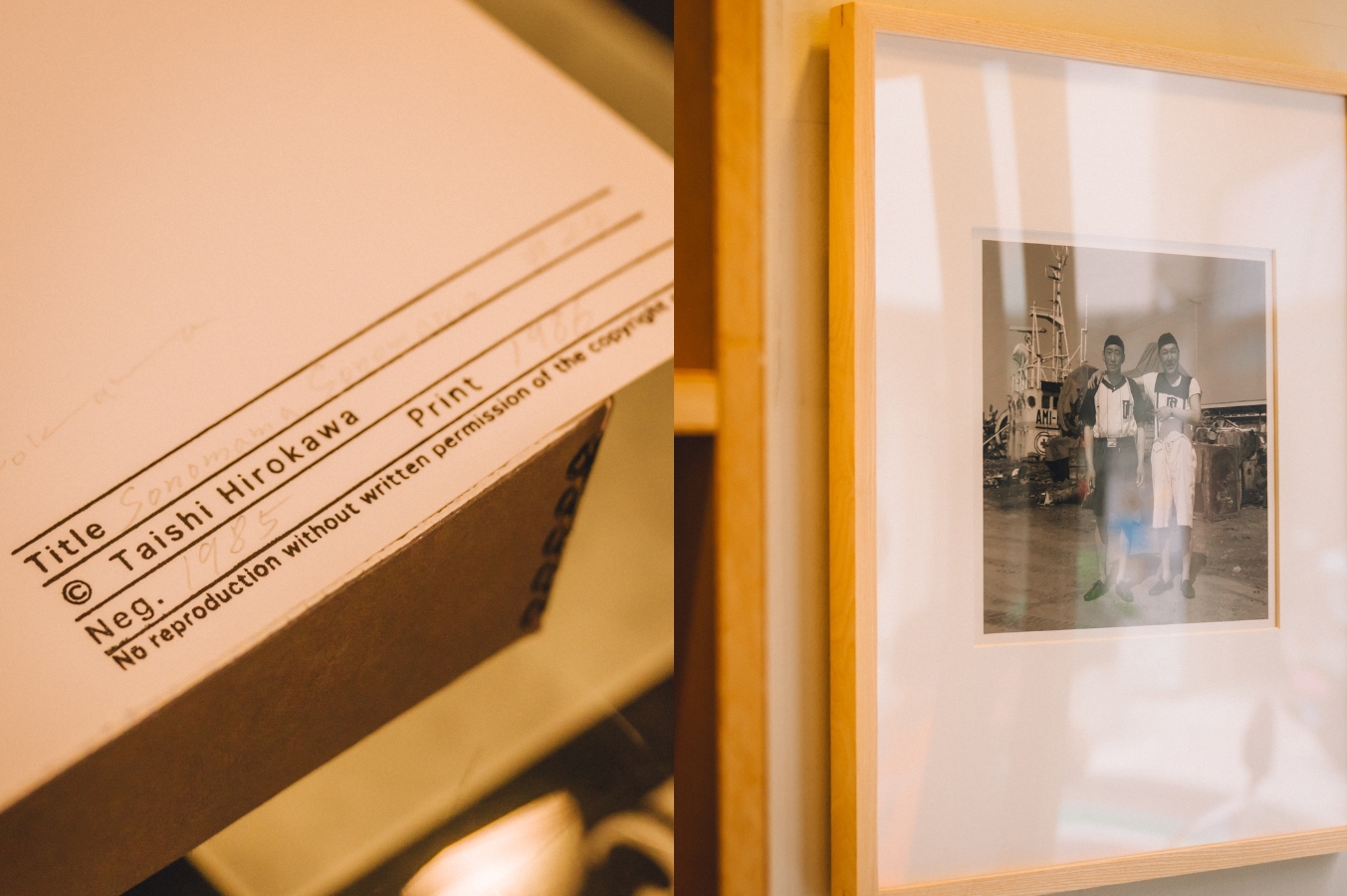
I also had a fun chat with the owner and asked him what his current favorite book was. He recommended Sono mama Sono mama (“As They Are”) by Taishi Hirokawa. The photo series features ordinary people from across Japan, including fishermen, ama divers, farmers, monks, elderly residents, and schoolchildren, dressed in high-fashion designer clothing. Rather than posing like professional models, they’re photographed naturally in their own surroundings, creating a striking contrast that celebrates the authenticity of everyday life.
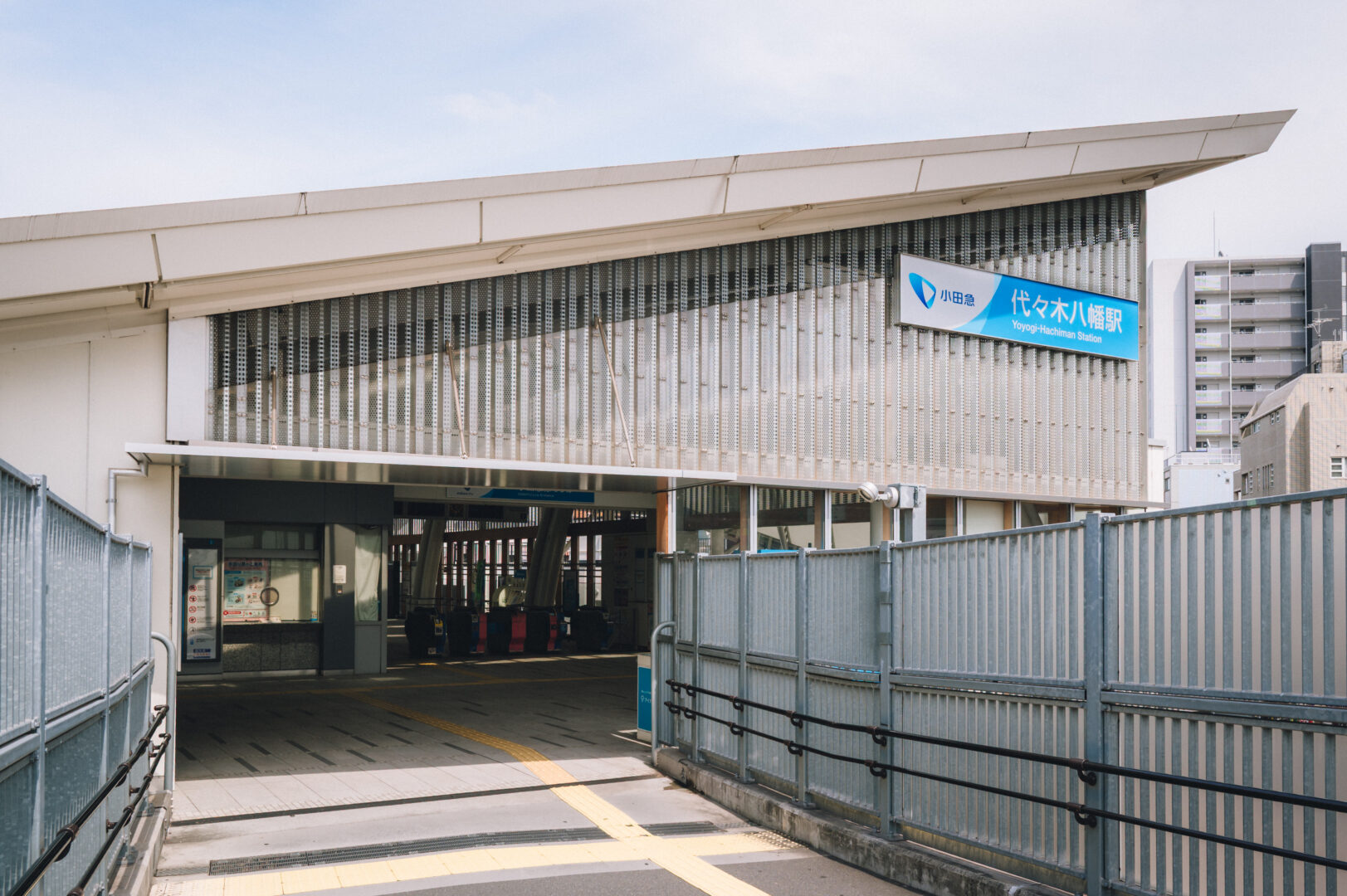
It was one of the most memorable books I discovered that day and a fitting final stop after exploring Tokyo’s creative local neighborhoods. From there, it was just a short walk to Yoyogi-Hachiman Station, where I boarded the Odakyu Line back to Shinjuku.
A Different Side of Tokyo
One of the things I appreciated most about this route was how naturally the day unfolded. Each neighborhood was only a short train ride or walk from the next, yet each one offered a completely different atmosphere. With the Odakyu Line connecting the key points along the route, it was easy to experience completely different sides of Tokyo, from creative community spaces and local food culture to historic architecture and independent shops.
If you have an extra day in Tokyo, I highly recommend venturing beyond the city’s major sightseeing areas. Slow down, wander through its local neighborhoods, and leave room for unexpected discoveries. You never know what small independent shop, interesting conversation, or memorable experience might become the highlight of your trip!
- Tag:
- 新宿発のその他の観光地
- 観光